Let's face it - recycling copper wire has gone from being "just another task" to big business. With copper prices consistently strong and environmental concerns growing, finding the right equipment isn't just helpful - it's game-changing for your bottom line.
But here's where things get sticky: walk through any recycling expo and you'll find dozens of machines claiming to be "the best." How do you cut through the noise? That's why I've taken a hard look at five top performers in the copper wire granulator space. I'll break down what really matters for efficiency, reliability, and return on investment as we head into 2025.
How Copper Wire Granulation Works
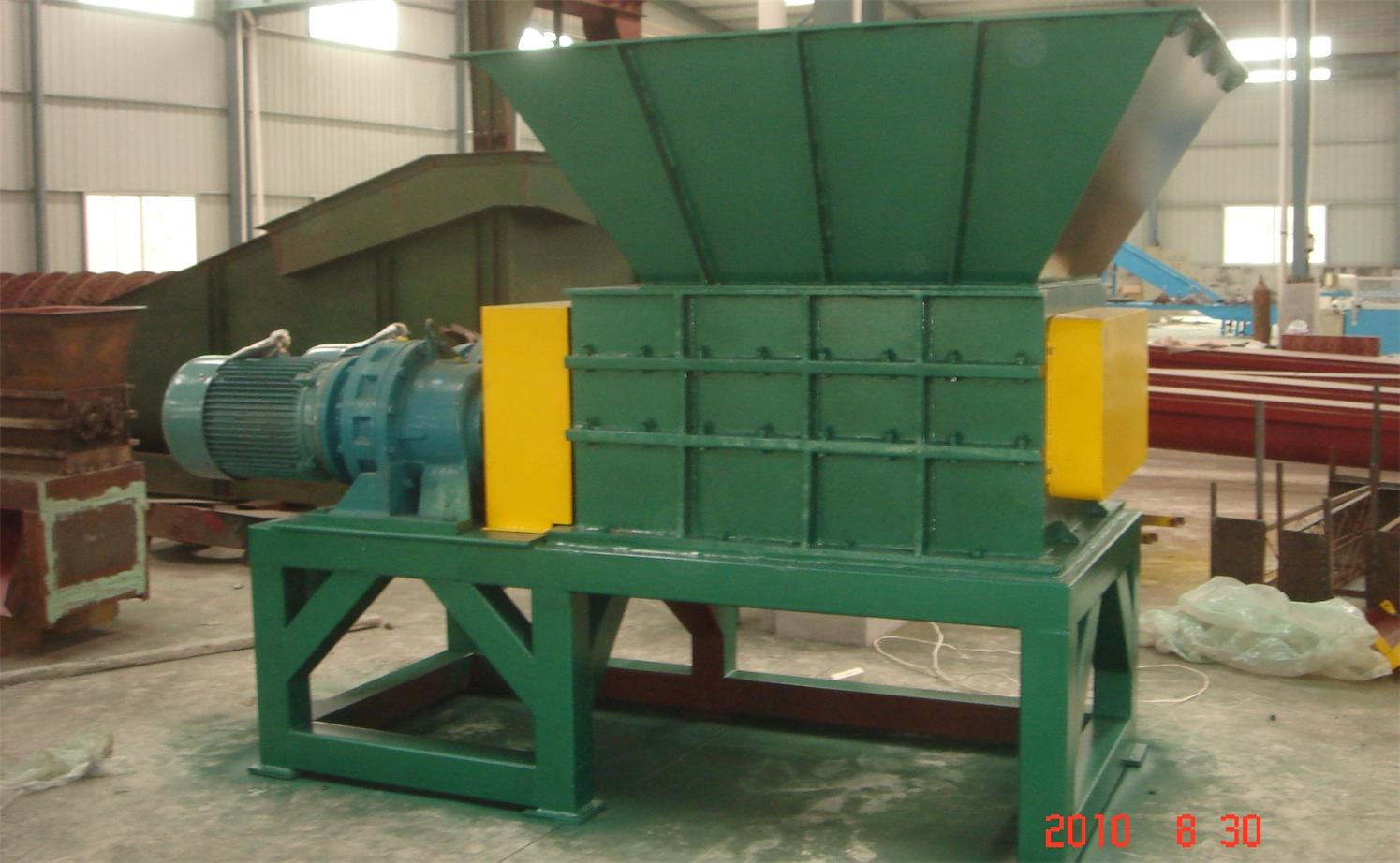
Before we jump into comparing machines, let's quickly cover the basics. Picture this: You've got tangled coils of discarded wiring - maybe from old electronics, construction sites, or automotive scrap. A copper wire granulator transforms these messy cables into clean, separated copper granules and plastic particles.
The 3 Key Steps
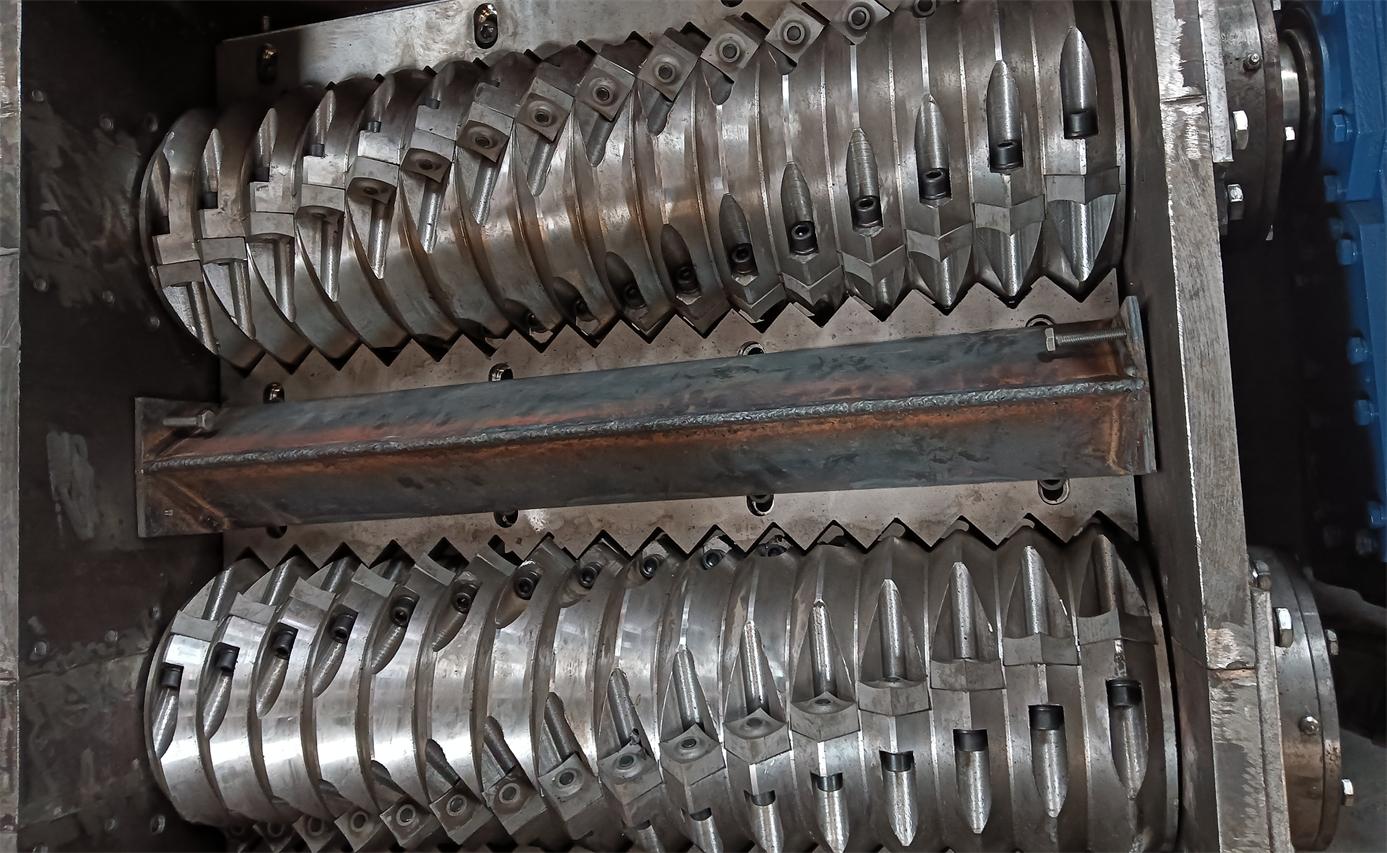
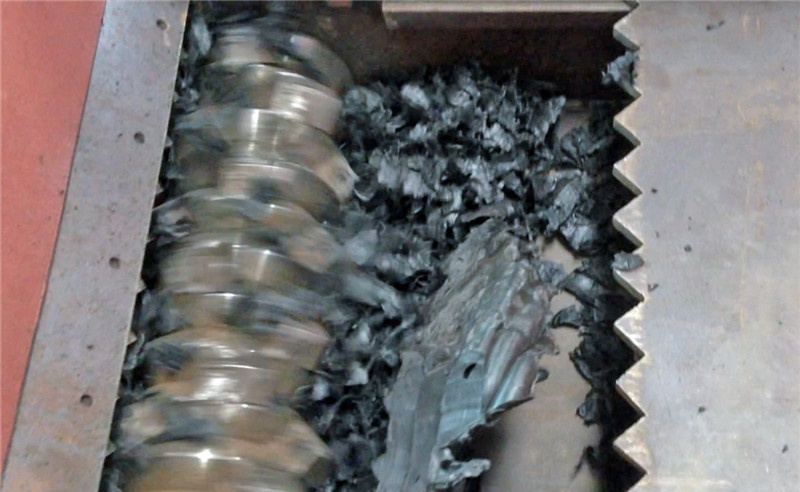
- Crushing: Blades shred cables into small 3-5mm pieces
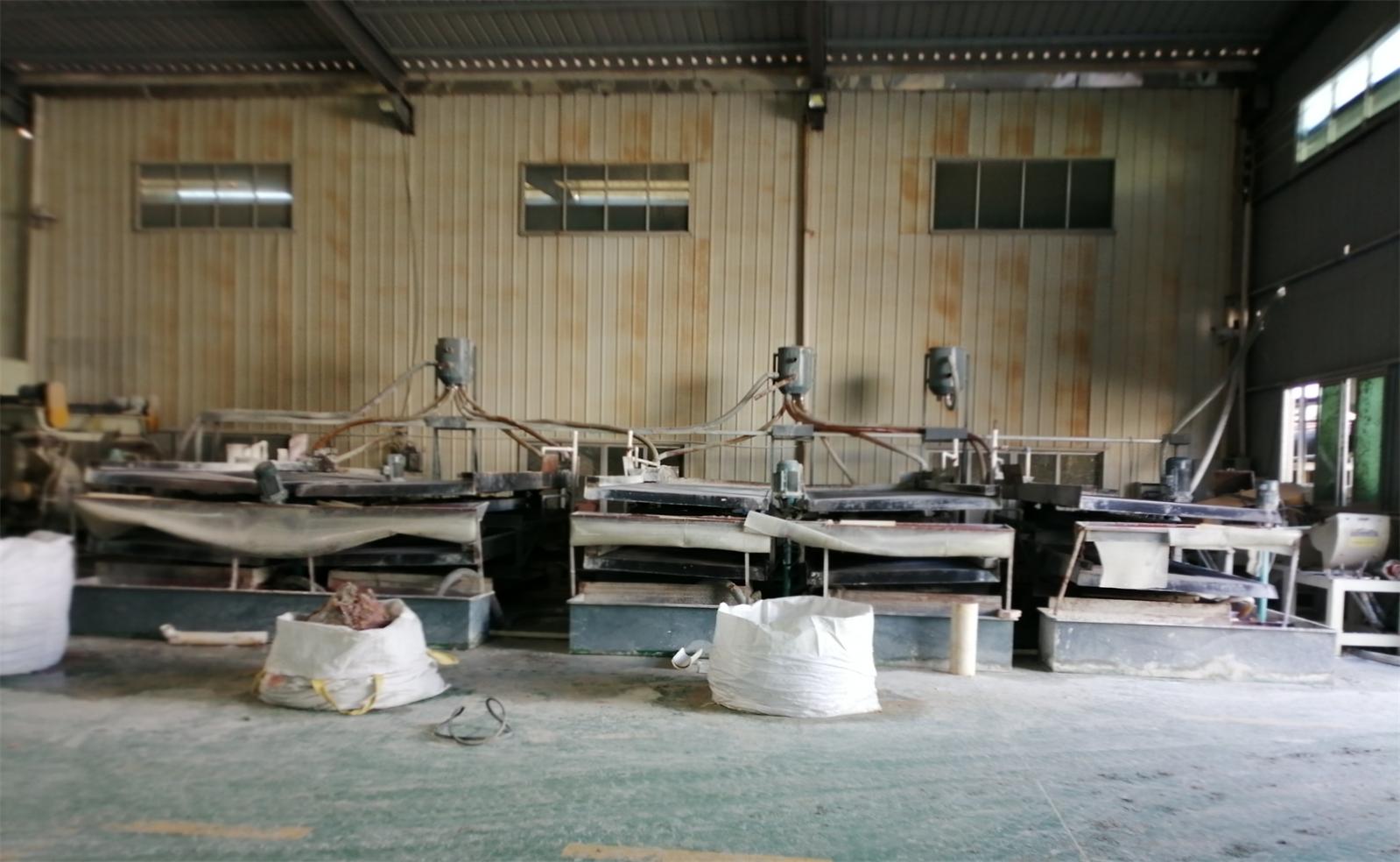
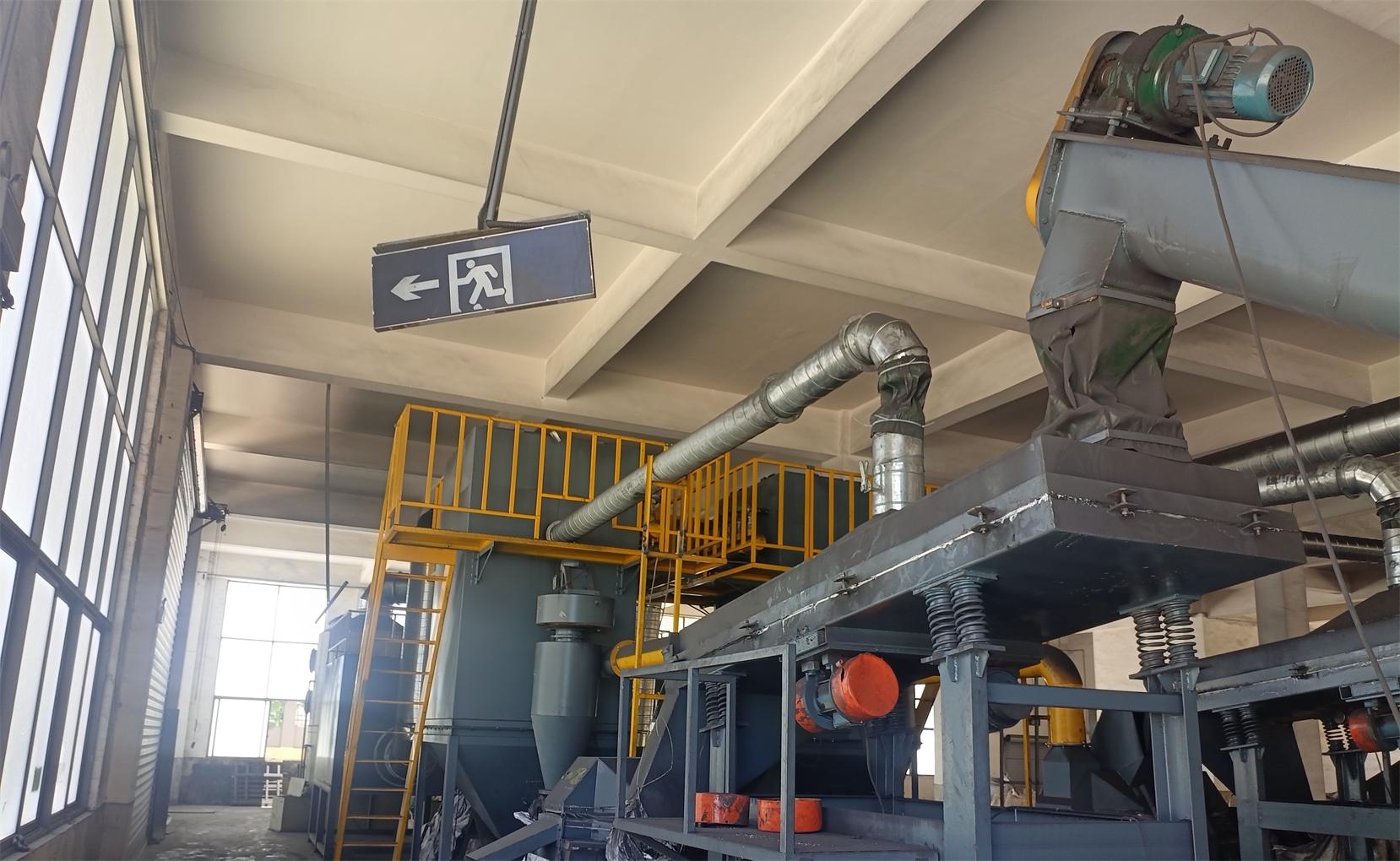
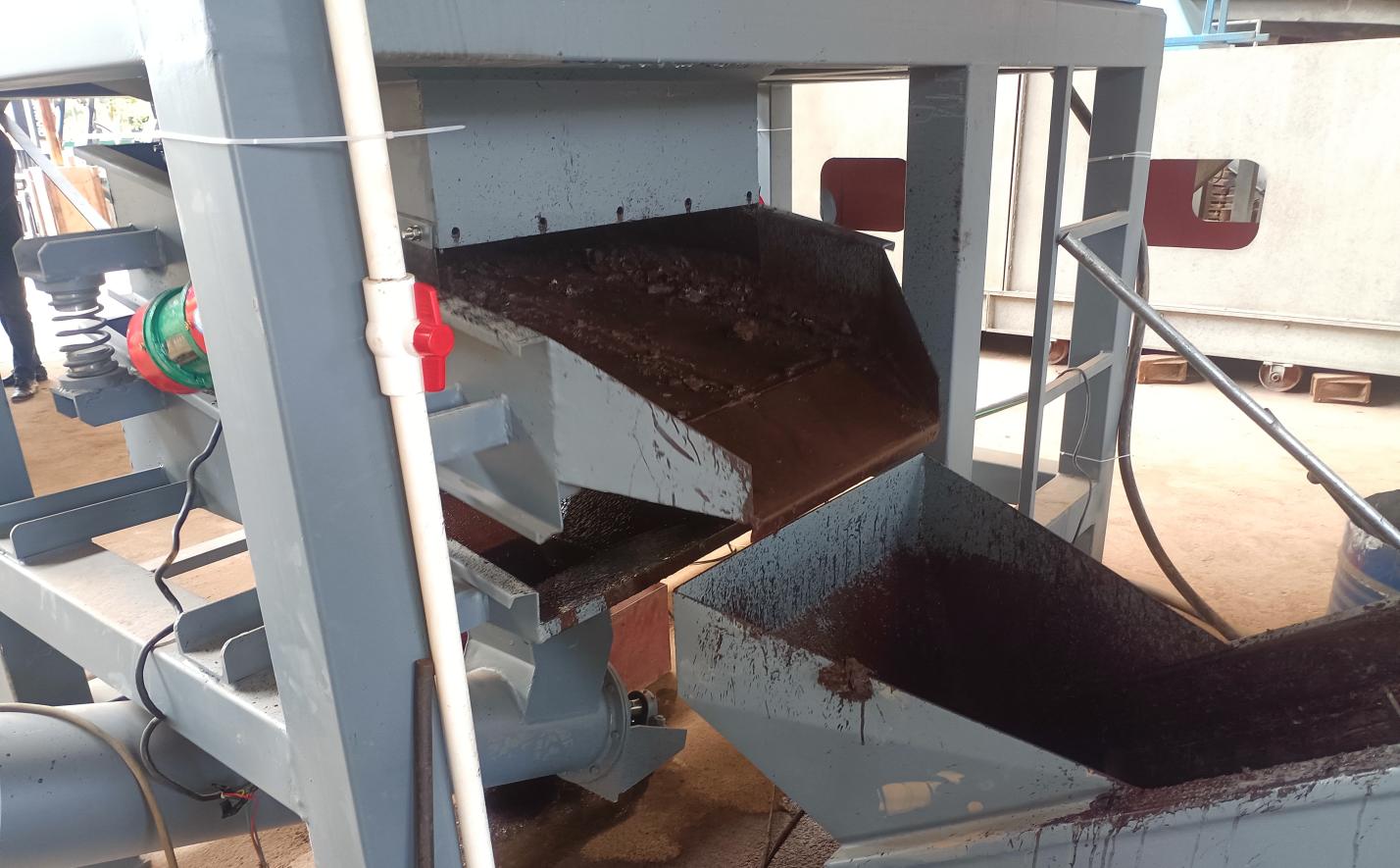
- Separation: Air currents and vibration tables sort copper from plastic
- Refinement: Optional add-ons like magnetic separators remove impurities
The beauty? No chemicals or water involved. Just straightforward, eco-friendly recovery. These machines are like quiet heroes - taking scrap many consider worthless and turning it into something genuinely valuable. And as we'll see with these models, newer versions are getting smarter about how they accomplish this transformation.
Top Granulator Models for 2025
Okay, let's get to the main event. I've gathered the most promising players on the market heading into next year. Each has its strengths, whether you're a small recycling startup or running an industrial operation.
1. BS-F3000: The Beast That Does It All
If granulators had a luxury model, this would be it. Designed for facilities ready to process serious volumes, the BS-F3000 handles virtually any cable type you throw at it. What really jumps out? Its comprehensive separation setup - no need to buy extra components.
- Capacity: 1200-1500kg/hour - powers through scrap like it's nothing
- Special Sauce: Dual electrostatic separators that pull out even microscopic copper strands
- Surprise Bonus: Efficiently processes radiators and small transformers too
- Best For: Large-scale recycling centers and facilities processing mixed materials
You can almost hear it saying, "Is that all you've got?" when feeding it cables. The energy consumption is significant, but when you're handling this much material daily, the ROI makes sense.
2. BS-F1000: The Value Workhorse
Think of this as BS-F3000's slightly smaller but still mighty sibling. Where it wins? Pure separation efficiency. Using physical rather than chemical separation, your copper comes out bright and unoxidized.
- Capacity: 1000-1200kg/hour - more than enough for most applications
- Special Sauce: Alloy steel blades that stay sharp way longer than competitors
- Money Maker: Produces copper granules ready for direct resale
- Best For: Electronics recycling specialists and auto scrappers
The thing that stood out during testing? How consistently the output maintained purity - batch after batch. Less cleaning needed between material changes too.
3. ECO1000: The Budget-Friendly Powerhouse
Don't let the name fool you. "ECO" stands for economical, but certainly not cheap quality. This model proves you don't have to break the bank for efficiency.
- Capacity: 800-1000kg/hour - punches above its price point
- Special Sauce: High-hardness main shaft built for longevity
- Sweet Spot: Nearly 40% lower power consumption than the BS-F3000
- Best For: Growing recycling businesses and sustainable startups
This machine has developed a loyal following among operators who appreciate its "just works" reliability. A perfect example of doing fewer things - but doing them exceptionally well.
4. BS-N135: The Precision Specialist
Here's where things get interesting. While the big machines hog the spotlight, the BS-N135 shows how a more focused approach pays off in specific scenarios.
- Capacity: 400-600kg/hour - designed for controlled precision
- Special Sauce: Electrostatic separator minimizes copper loss to nearly zero
- Hidden Strength: Excels with fragile/thin wires that overwhelm other machines
- Best For: Municipal recycling programs and R&D facilities
It's like the surgical scalpel compared to chainsaws - less about bulk processing, more about meticulous recovery. Plus, its compact footprint means it doesn't require a warehouse.
5. BS-N130: The Reliable Standard
Last but certainly not least, this model represents a sweet spot for many operations. Consistent performance without surprises defines this workhorse.
- Capacity: 500-700kg/hour - adapts to varied wiring types
- Special Sauce: Low operating costs mean quicker profit realization
- Flexibility: 800kg/hour processing for larger wires like construction cables
- Best For: Contract scrappers and waste management services
The unsung hero? Its ability to quietly run day after day with minimal fuss. Many owners tell me it's the machine that "just keeps paying the bills."
Head-to-Head Comparison
Now that we've met the contenders, let's see them side-by-side. This table distills what really matters when choosing a granulator.
| Model | Capacity (kg/h) | Power (kW) | Key Features | Ideal Cable Types |
|---|---|---|---|---|
| BS-F3000 | 1200-1500 | 120 | Full separation suite, handles multiple material types | Mixed cables, thin wires, transformers |
| BS-F1000 | 1000-1200 | 108 | Alloy steel blades, oxidation-free output | Electronics wiring, auto cables |
| ECO1000 | 800-1000 | 76 | Lowest energy consumption, budget-friendly | Common electronics, small cables |
| BS-N135 | 400-600 | 75 | Electrostatic separation precision | Delicate wires, circuit board cables |
| BS-N130 | 500-700 | 67 | Lowest operating costs, flexible processing | Construction wiring, telecom cables |
Notice something interesting? Higher capacity doesn't automatically mean better - it depends entirely on your specific waste streams. That N135 model? Its lower capacity is intentional to maximize precision on delicate wires.
Where These Granulators Really Shine
Beyond specs and features, let's talk real-world applications. Where are people seeing the best return on these investments?
Electronics Recycling
The ECO1000 and BS-N135 have become quiet stars in this space. With electronics manufacturing generating constant wiring waste, they process material without chewing up profit margins.
Auto Dismantlers
For scrap yards pulling miles of wiring from vehicles, the BS-N130 hits a sweet spot. Quick processing while maintaining purity equals dollars saved.
️ Construction & Renovation
The BS-F1000 handles thicker cabling from building sites beautifully. Projects no longer dump wiring waste - it becomes income.
Metal Recovery Centers
Operations with varied input streams love the BS-F3000. Processing everything from cables to transformers? No problem.
Crunching the Numbers
Let's talk dollars and sense. Comparing machines means little without understanding ROI. Here's a realistic cost-benefit breakdown:
| Model | Daily Profit* | Energy Costs/Day | Payback Period |
|---|---|---|---|
| BS-F3000 | $6,289 | $960 | 10-12 months |
| BS-F1000 | $4,935 | $864 | 9-11 months |
| ECO1000 | $4,064 | $608 | 8-10 months |
| BS-N135 | $2,698 | $600 | 7-9 months |
| BS-N130 | $2,253 | $536 | 6-8 months |
*Based on 8h workday processing automotive cables with 52% copper content, $9401/t copper price, 2 workers @$200/day
The surprises here? Smaller machines often offer faster payback despite lower outputs. Why? Less upfront investment and lower operating costs. The BS-N130 can pay for itself quicker than any model - a point many first-time buyers overlook.
Wrapping It Up
After examining these five granulators side-by-side, the conclusion becomes clear: there's no universal "best" machine. Your ideal choice depends completely on your operation's scale, material streams, and growth plans.
If your facility processes truckloads of mixed materials daily, nothing beats the BS-F3000's brute processing power. Growing recyclers will love the ECO1000's balance of cost and capability. And precision-focused operations? The BS-N135 consistently delivers purity others can't match.
The exciting part heading into 2025? We're seeing smarter machines doing more with less energy. Separation efficiencies keep inching up. Maintenance requirements keep dropping. That means more dollars staying in your pocket.
My challenge to you: Look beyond glossy brochures. Think about what material will actually pass through the machine. Consider your facility layout. Calculate operating costs against copper recovery rates. Because when you find that match between your scrap streams and the machine's capabilities? That's when the real profit magic happens.
So what's it going to be? Which granulator earns a spot on your shop floor next year?