Turning your old gadgets into green solutions
Why Motor Recycling Matters More Than Ever
You know that old vacuum cleaner gathering dust in your garage? Or the treadmill turned expensive clothes rack? We've all got them. But here's what you might not know: buried inside these forgotten gadgets are precious metal goldmines that shouldn't be heading to landfills.
Motors are like silent superheroes in our daily lives – they power everything from your blender to your car's windshield wipers. But when these devices reach their end-of-life, too many people just toss them in the trash. Big mistake! Those little mechanical hearts contain valuable materials that recycling facilities dream about. I'm talking copper, aluminum, steel – stuff that takes crazy amounts of energy to mine new, but can be reborn infinitely through recycling.
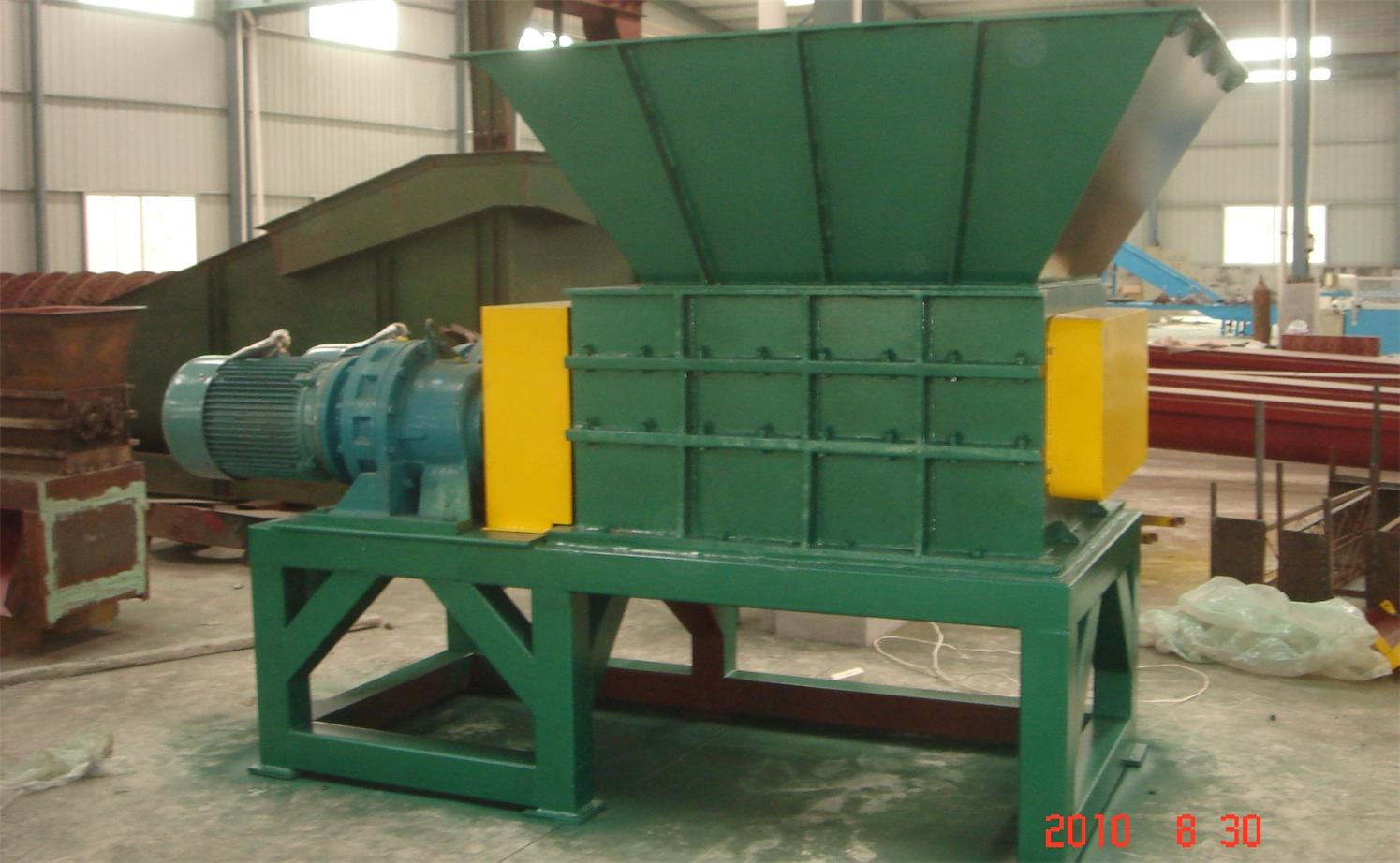
Consider this: Recycling just one ton of copper saves enough energy to power a typical home for nearly 9 months. That's why modern motor recycling machine technology has become such a game-changer. These specialized systems can strip motors down to their valuable components faster and cleaner than ever before.
But it's not just about the materials. When motors end up in landfills, they can leak hazardous oils and chemicals that poison groundwater. Recycling properly avoids that toxic legacy. Plus, let's be honest – salvaging metals from old devices is way cheaper than digging new stuff out of the earth. It's a rare win-win where saving the planet actually saves money too.
Your Kitchen: Unexpected Motor Recycling Zone
Look around your kitchen – it's practically a motor museum! That blender that died during your smoothie phase? Motor. The ice crusher from that one summer you obsessed with tiki drinks? Definitely a motor. Even your fancy coffee grinder has a little one humming away.
Most appliances follow the same pattern: We buy them dreaming of domestic bliss ("Yes! Fresh-ground coffee every morning!"), use them religiously for two weeks, then forget they exist until the next garage clean-out. When that day comes, fight the urge to just chuck them. Food processors especially have surprisingly beefy motors inside – they're essentially scaled-down industrial motors designed for heavy grinding and chopping.
Don't disassemble appliances yourself unless you're trained. Those capacitor plates can hold dangerous charges even when unplugged! Instead, find a responsible recycler who handles e-waste. Many cities now have drop-off events where you can safely ditch your culinary gadget graveyard.
Here's what makes kitchen motors special: They're optimized for high torque in compact spaces. That means concentrated amounts of copper windings – a recycling facility's dream material. And unlike big industrial motors, they often lack complicated electronic controls that complicate recycling. Just pure, simple mechanical muscle ready for its second act.
Garage Goldmines: Power Tools & Automotive
Ever opened a power drill? It's like discovering a miniaturized mechanical city in there. Power tools represent some of the most motor-dense devices we own. When that cordless drill finally loses its charging mojo after years of faithful service, resist the trash can temptation.
DIY warriors upgrade tools all the time, leaving basements littered with perfectly recyclable motors. Drills, sanders, circular saws – they all pack surprisingly efficient permanent-magnet motors that recyclers love. These are the Ferraris of small motors: powerful, lightweight, and full of exotic materials like neodymium magnets that are too valuable to bury.
But the real treasure hides under your car's hood. Automotive motors – from windshield wipers to radiator fans – are built for extreme durability, meaning they contain premium materials. When replacing parts, ask your mechanic if they recycle the old components. Many shops now have relationships with metal recyclers who pay them for these parts. Your trash literally becomes their cash!
Electric car adoption is making this even more crucial. EV motors are technological marvels using rare earth elements worth recovering. As early EVs reach retirement age, specialized recyclers are scrambling to create processes to harvest everything valuable from these powerhouses. It's recycling 2.0, driven by advanced technologies like cryogenic separation that freezes components to make material separation cleaner.
Fitness Tech: From Treadmills to Recovery
Ah, the fitness equipment graveyard – where good intentions meet mechanical abandonment. That stationary bike gathering dust? Major motor candidate. The treadmill that became an expensive coat rack? Definitely packed with recyclable goodies.
Exercise machines use large, powerful motors to simulate resistance and movement. When you upgrade or (let's be honest) finally admit you won't use it anymore, these become prime recycling targets. Unlike smaller appliances, these motors can contain several pounds of copper each – enough to make the recycling effort genuinely impactful.
Some recyclers specifically seek gym equipment motors because their predictable size and composition streamline processing. Many facilities even accept full machines – they'll strip out the motor and responsibly recycle everything else too.
Here's what people miss: Many modern equipment features advanced brushless DC motors with premium magnets and windings. These aren't your grandpa's motors – they're precision-engineered for efficiency, meaning concentrated high-value materials. The lithium batteries in newer equipment add another dimension to the recycling story.
Speaking of which, the lithium battery recycling plant has become the unsung hero of the green fitness revolution. When your smart bike's battery finally gives out, specialized facilities can harvest upwards of 95% of the critical minerals. These closed-loop systems are changing how we approach electronics disposal by making resource recovery economically viable rather than environmentally sacrificial.
HVAC & Industrial: Big Impact Recycling
When central air units or industrial machines get replaced, we're talking serious motor recycling territory. HVAC systems alone contain multiple high-value motors that dwarf anything in your kitchen. These aren't just recycling opportunities – they're resource bonanzas.
Consider this: A single commercial air handler motor might contain 10-20 pounds of copper wiring. Multiply that by every HVAC system upgraded annually, and we're looking at thousands of tons of copper that could re-enter manufacturing instead of requiring new mining. It's resource circularity on a massive scale.
Industrial settings take this to another level. Factory motors powering conveyor systems or manufacturing equipment represent the pinnacle of recycling efficiency – they're designed for serviceability with highly standardized components that slot perfectly into modern recycling operations. Many factories now have sustainability protocols requiring contractors to recycle replaced motors, creating a virtuous cycle.
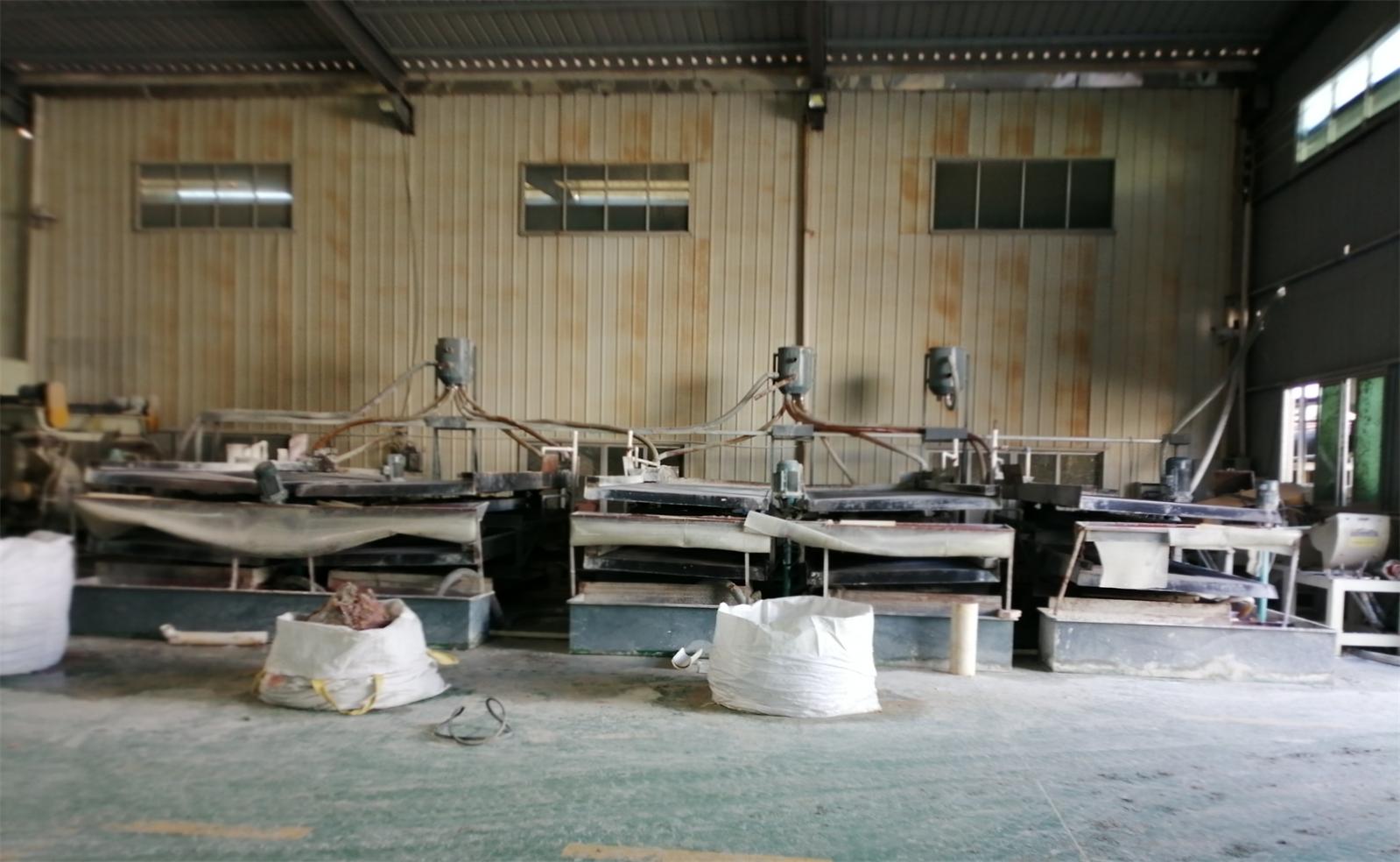
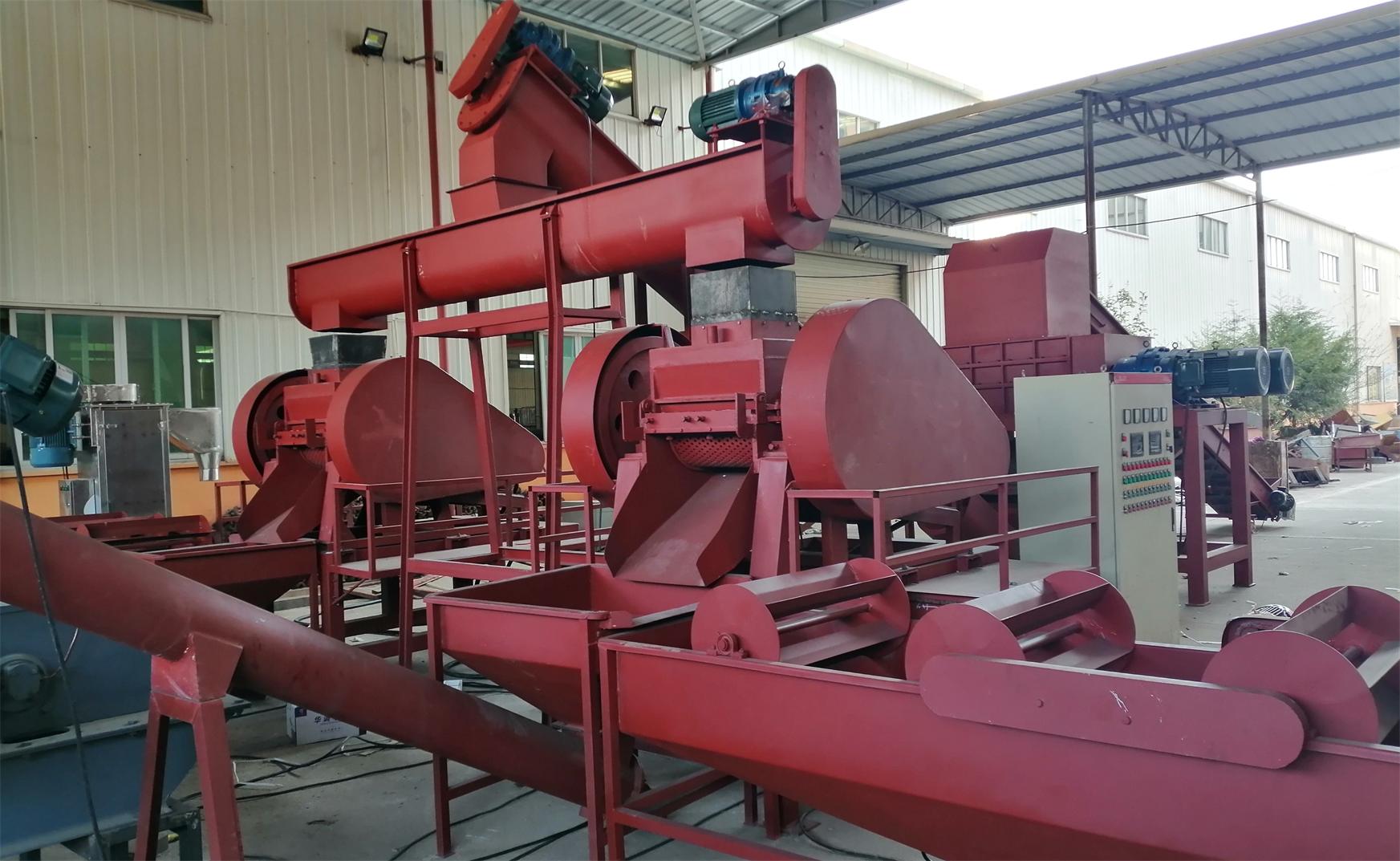
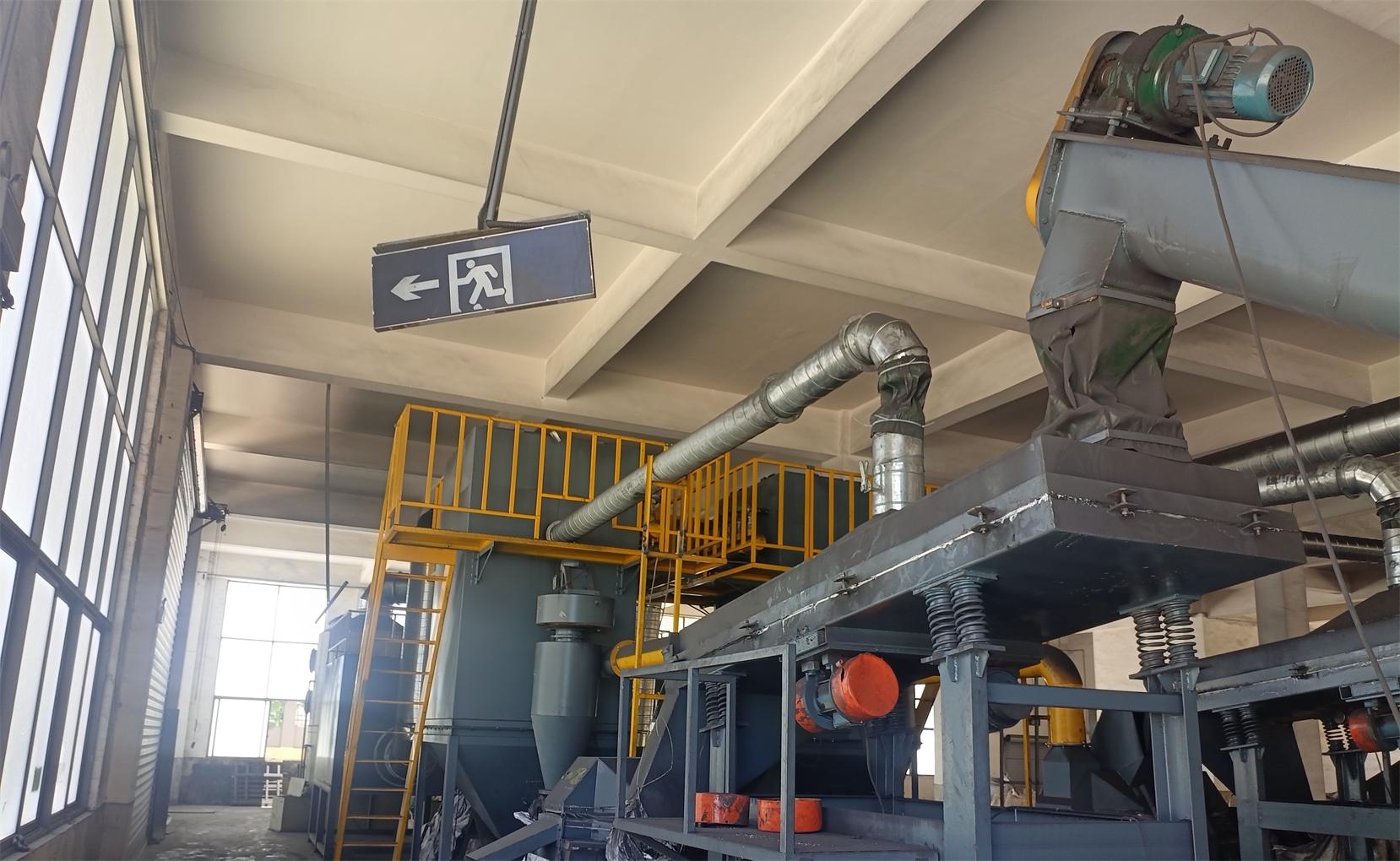
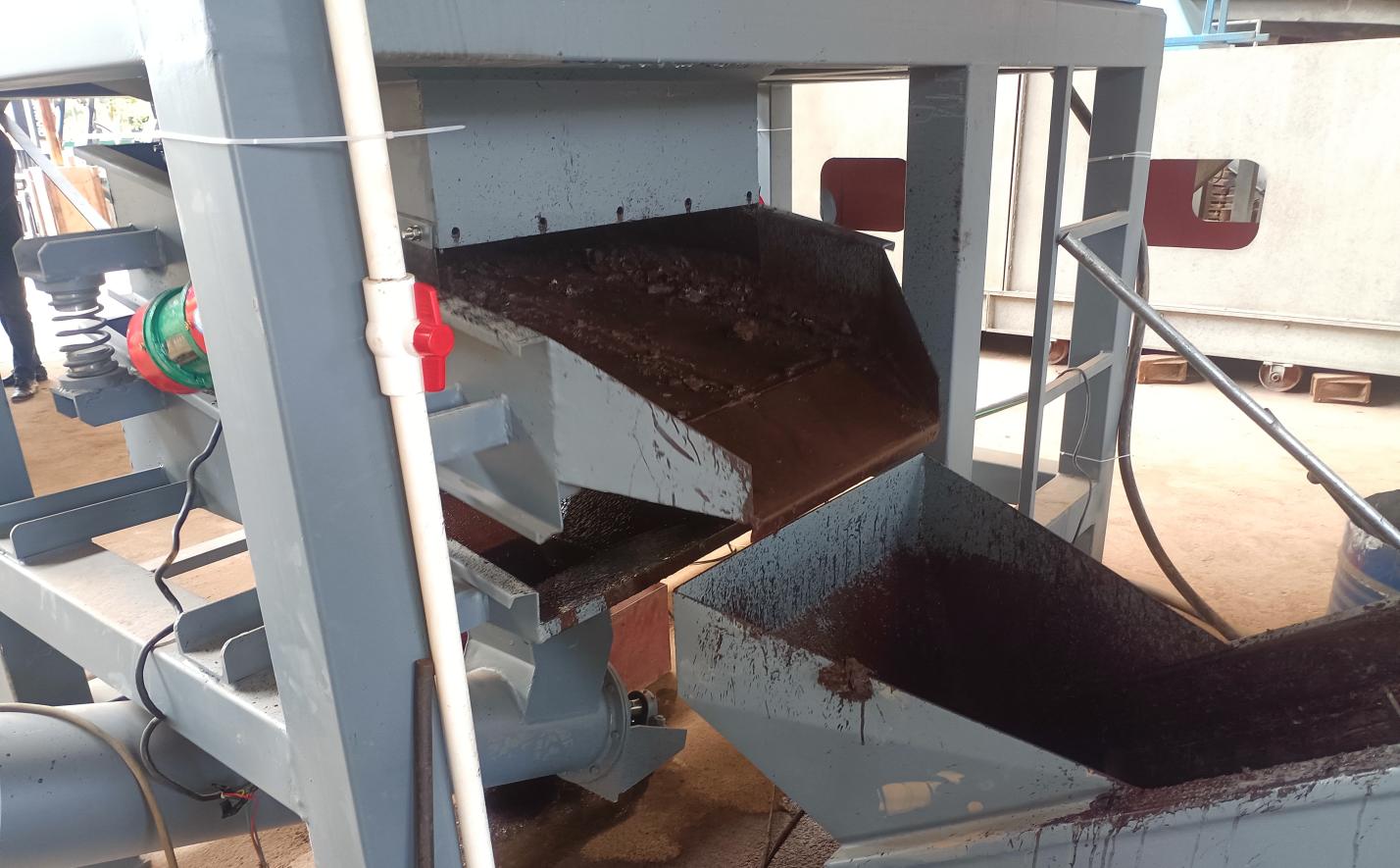
Modern electric motor recycling machine setups have evolved dramatically. Today's systems can handle anything from tiny appliance motors to industrial beasts weighing hundreds of pounds. They combine shredding with sophisticated material separation technologies – often using eddy currents, magnetism, and air classification – to achieve astonishing recovery rates exceeding 98% of usable materials.
The environmental math is compelling too: Recycling an industrial motor saves about 1.3 metric tons of CO2 emissions compared to manufacturing a new one from scratch. When you consider that heavy industry accounts for nearly 40% of global carbon emissions, responsible motor recycling becomes one of our most powerful tools for industrial decarbonization.
Beyond Recycling: Upcycling Opportunities
Before we talk recycling, let's talk upcycling – giving motors new life rather than reclaiming their materials. Creative types have turned discarded motors into everything from kinetic sculptures to custom power generators. That blender motor you thought was dead? Perfect for a DIY rock tumbler or aquarium cleaning system.
The maker movement has breathed new life into discarded motors. Online communities share plans for transforming washing machine motors into wood lathes or converting power tool batteries into portable power packs. This reuse-before-recycle approach maximizes value and minimizes environmental impact.
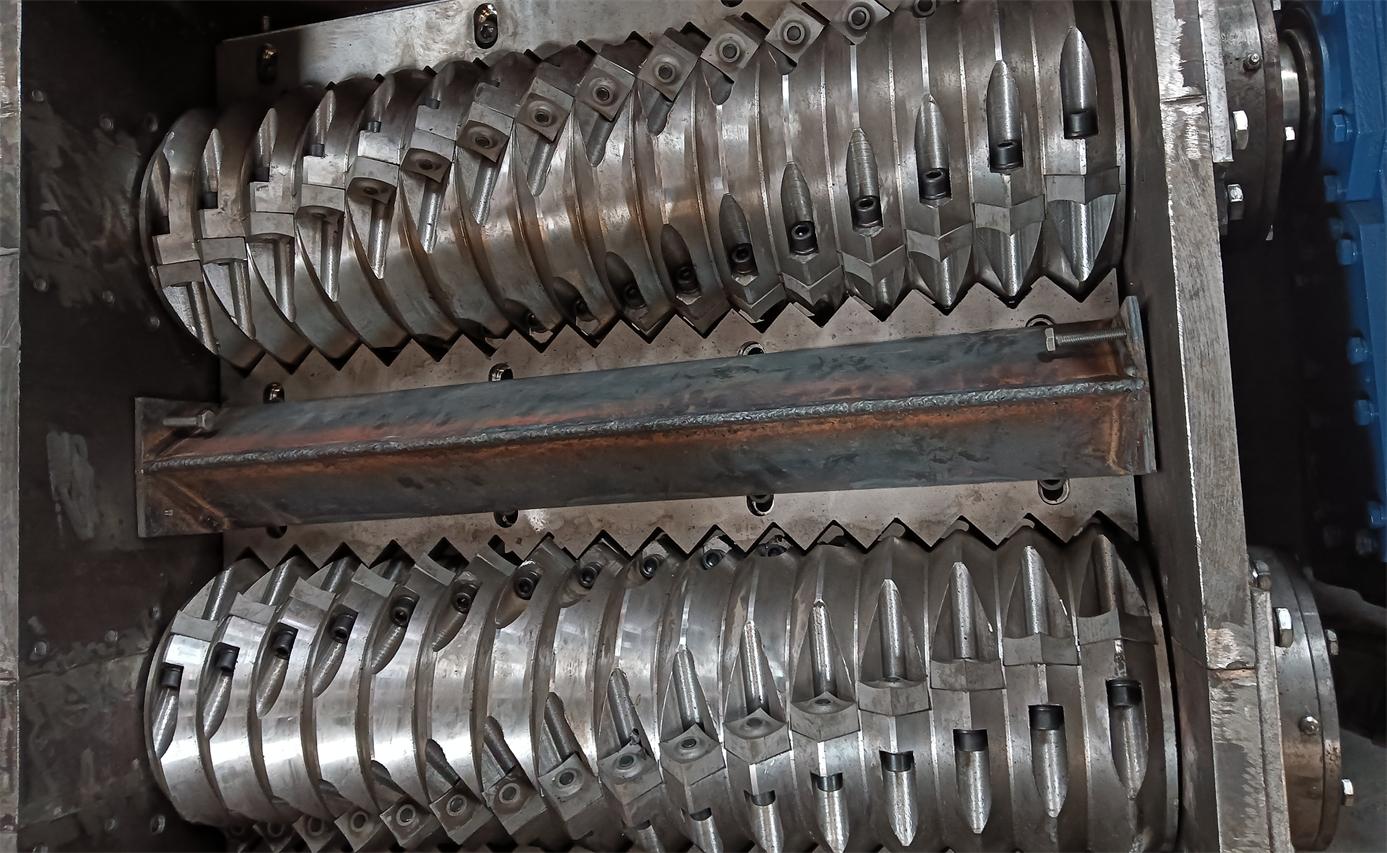
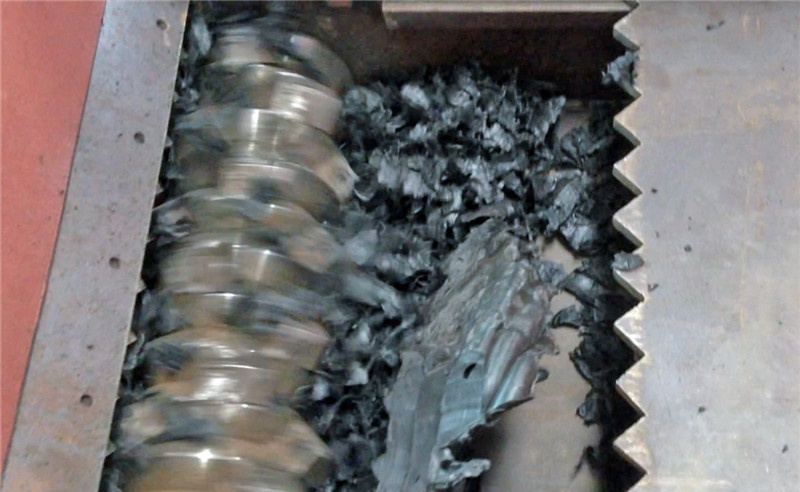
But let's be realistic: Not everyone will turn a microwave turntable motor into a mini pottery wheel. When upcycling isn't practical, specialized e-waste recyclers can perform near-miraculous material recovery. These facilities increasingly use waste shredding equipment that shreds motors into uniform fragments, then apply magnetic, air separation, and visual sorting systems to segregate materials with astonishing precision.
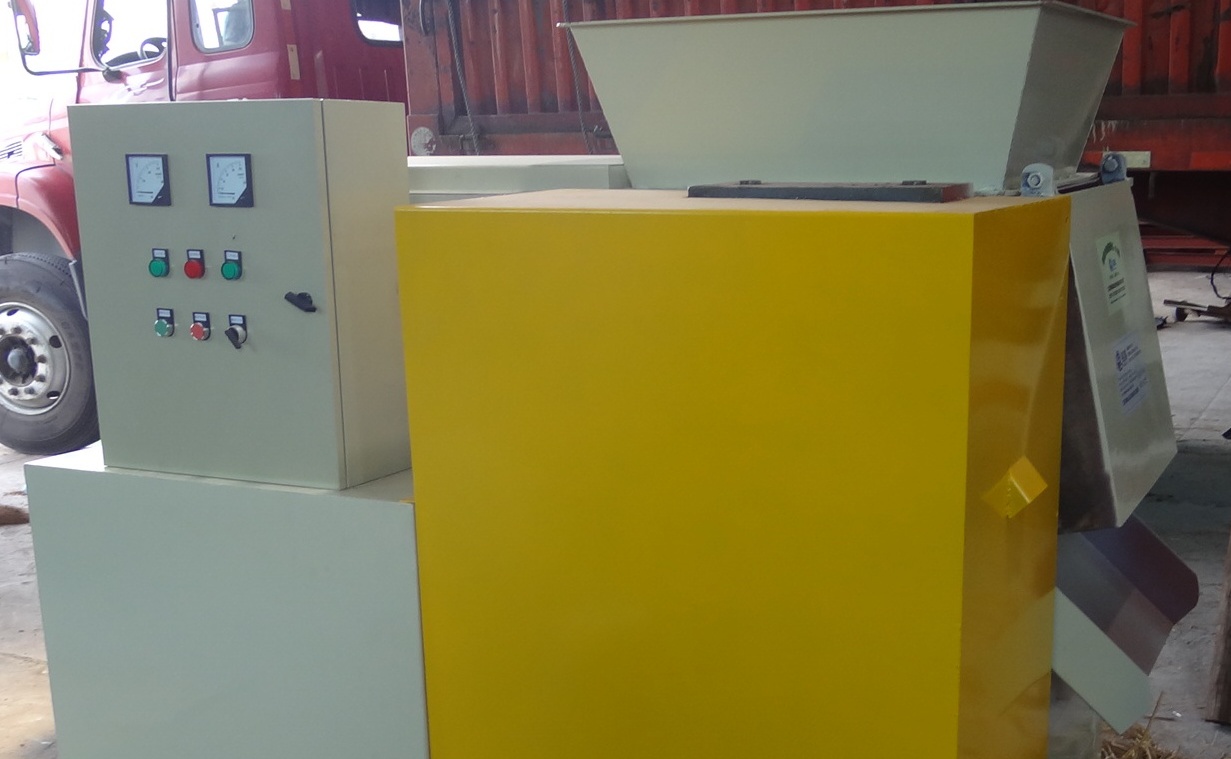
In many regions, industrial facilities are now complemented by portable recycling units – think mobile shredders mounted on trucks that can process motors on-site at factories or construction sites. These distributed models cut transportation emissions while making responsible disposal genuinely convenient. And for hardcore recyclers, the emergence of metal melting furnace technology allows for true closed-loop metal systems where yesterday's motor literally becomes tomorrow's new product.
The Future of Motor Sustainability
We're entering a golden age of circular motor economy. Designers now consider disassembly and recyclability from day one – motors are being created with fewer materials, standardized components, and without chemical bonding that makes disassembly messy. The shift toward modular design means future recyclers might simply pop out functional motors that can get reconditioned rather than shredded.
Smart materials deserve attention too. Researchers are working with novel aluminum alloys and biodegradable composites that maintain performance while being dramatically easier to recycle. The ultimate goal? Motors that can be infinitely recycled without quality loss – a sharp contrast to today's downgraded "downcycling" where materials lose quality each generation.
Some EV manufacturers now design battery and motor components as lease-only modules that return to manufacturers for refurbishment. This "product-as-service" model creates ongoing responsibility rather than one-time disposal liability.
Blockchain enters the picture too. Pilot programs track materials through recycling streams, ensuring responsible handling while creating verified environmental impact reports. Imagine scanning a QR code on a new appliance that shows you exactly how much recycled motor material it contains and the carbon savings versus virgin materials.
Perhaps most promising is the convergence of motor recycling with renewable energy manufacturing. The critical minerals needed for wind turbine generators and solar trackers increasingly come from recycled sources. Facilities pairing solar farms with circuit board recycling plant operations create symbiotic relationships where renewable energy powers material reclamation that feeds more renewable infrastructure. This isn't just recycling – it's resource renaissance.