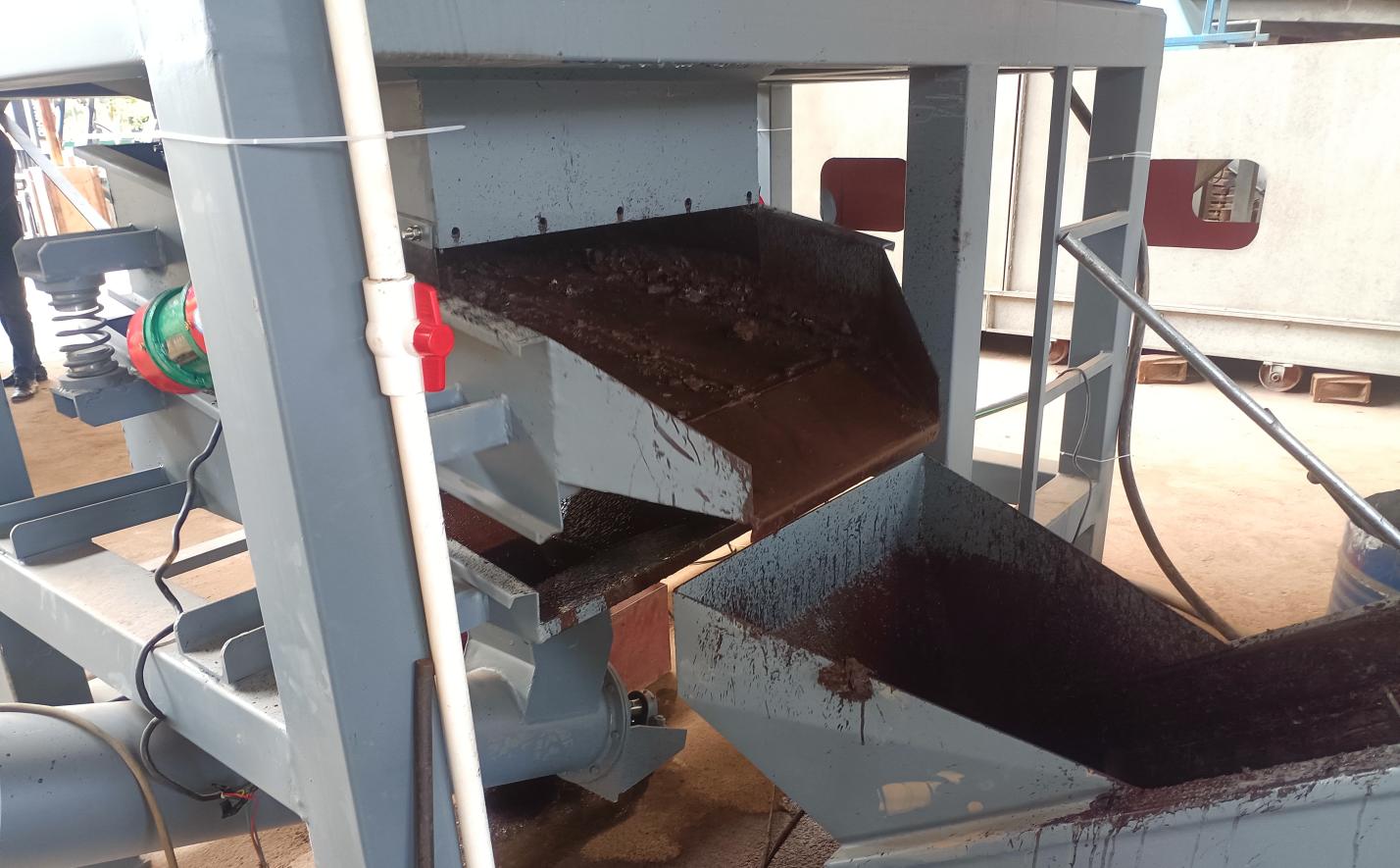
Industrial shredders are the muscle behind recycling operations, breaking down everything from plastic to electronic waste. But let's be real – when these powerful machines start acting up, production halts, costs spike, and everyone starts pointing fingers. Overlooking routine maintenance can transform your shredder from a productivity hero to the plant's biggest headache.
The Preventative Maintenance Mindset
Before diving into troubleshooting, let's talk prevention – it's always cheaper than the cure:
The Big Eight: Shredder Troubles and Practical Solutions
1. Metal Concert Inside Your Machine
That unnerving clanging sound? It's rarely good news. Maybe a wrench fell in, or perhaps internal components are staging a rebellion.
Root Causes:
Quick Fixes:
Shut down immediately – pushing through could cause catastrophic damage. Inspect for foreign objects first – magnets near infeed zones help prevent this. Check bolt torque on liners with calibrated wrenches. replace any visibly damaged hammers immediately.
2. Coupling Beatbox Performance
Elastic couplings aren't supposed to be percussion instruments. When they start rhythmically tapping, components are overstressed.
Root Causes:
Quick Fixes:
Monitor coupling temperatures during operation – abnormal heat means trouble. Keep replacement elastomer rings stocked for quick swaps. Use alignment lasers during installations – even 1mm misalignment halves coupling life.
3. Shredder Going on a Diet
When output drops mysteriously, it's usually feeding or flow issues throttling your throughput.
Root Causes:
Quick Fixes:
Establish screen cleaning schedules – sticky plastics need attention every 4 hours. Install vibrating pan feeders for steady material delivery. Check extraction fan speeds – sufficient suction is critical for volume processing.
4. Belts Dancing Out of Position
When drive belts flip or wander, they're telling you about alignment or tension problems.
Root Causes:
Quick Fixes:
Use belt dressing sparingly for temporary grip enhancement. Mark pulley alignment daily with straightedges. Record belt tension readings weekly – changing trends indicate mounting issues.
5. Jumbo-Sized Output Problems
Oversized chunks exiting the shredder? Something's wrong downstream.
Root Causes:
Quick Fixes:
Install infeed sensors controlling conveyor speeds. Measure blade gaps monthly – replace worn blades before gaps exceed tolerance. Establish compressed air blow-downs for screens between shifts.
6. Bearing Fever Outbreaks
Hot bearings are unhappy bearings. Overheating is their distress signal.
Root Causes:
Quick Fixes:
Monitor temperatures with infrared thermometers – anything over 85°C needs attention. Purge and re-lube quarterly with grease rated for shredder environments. Inspect seals annually – replace at first sign of cracking.
7. The Shaky Shredder Syndrome
Excessive vibration isn't just annoying – it predicts future component failures.
Root Causes:
Quick Fixes:
Install vibration sensors tracking historical trends. Torque-check foundation bolts monthly – mark them to detect movement. Schedule rotational balance testing annually for critical components.
8. Material Traffic Jams
Input/output blockages stop the music and frustrate everyone within earshot.
Root Causes:
Quick Fixes:
Monitor motor amp draws – operate at 80-85% capacity for surge margin. Install hopper vibrators preventing bridging. Check material moisture routinely – anything over 14% needs pre-drying.
Industrial shredders thrive on consistent care. Ignoring early warning signs converts minor repairs into catastrophic failures. Building maintenance habits around these eight failure points creates predictable operations and protects your equipment investment. Remember, the best troubleshooting is the problem that never happens.