The global mountain of discarded electronics is growing faster than ever. By 2030, the world will generate over 74 million metric tons of e-waste annually. For entrepreneurs and established recyclers alike, this represents both an environmental obligation and a significant business opportunity. But entering the e-waste recycling business without the right machinery partner is like trying to dismantle a mainframe with a screwdriver. This guide walks you through what matters when selecting e-waste recycling equipment and how to avoid costly missteps.
Why E-Waste Recycling Is a Smart Investment Now
Regulatory pressure is tightening across every continent. The EU's WEEE Directive, evolving Basel Convention rules, and new state-level laws in the United States are making informal disposal increasingly expensive and risky. Simultaneously, raw material prices for copper, lithium, cobalt, and precious metals continue to fluctuate, driving manufacturers to seek recovered materials as a hedge against supply chain volatility.
The economics are compelling. A single ton of discarded printed circuit boards can contain up to 200 grams of gold and substantial copper content. Used lead acid batteries hold recoverable lead and plastic. Scrap cables are essentially copper wrapped in insulation. The right equipment turns these waste streams into salable commodities.
Matching Equipment to Your Feedstock
Not all e-waste is processed the same way. Before requesting quotations, define your primary feedstock. This single decision determines your equipment lineup and facility layout.
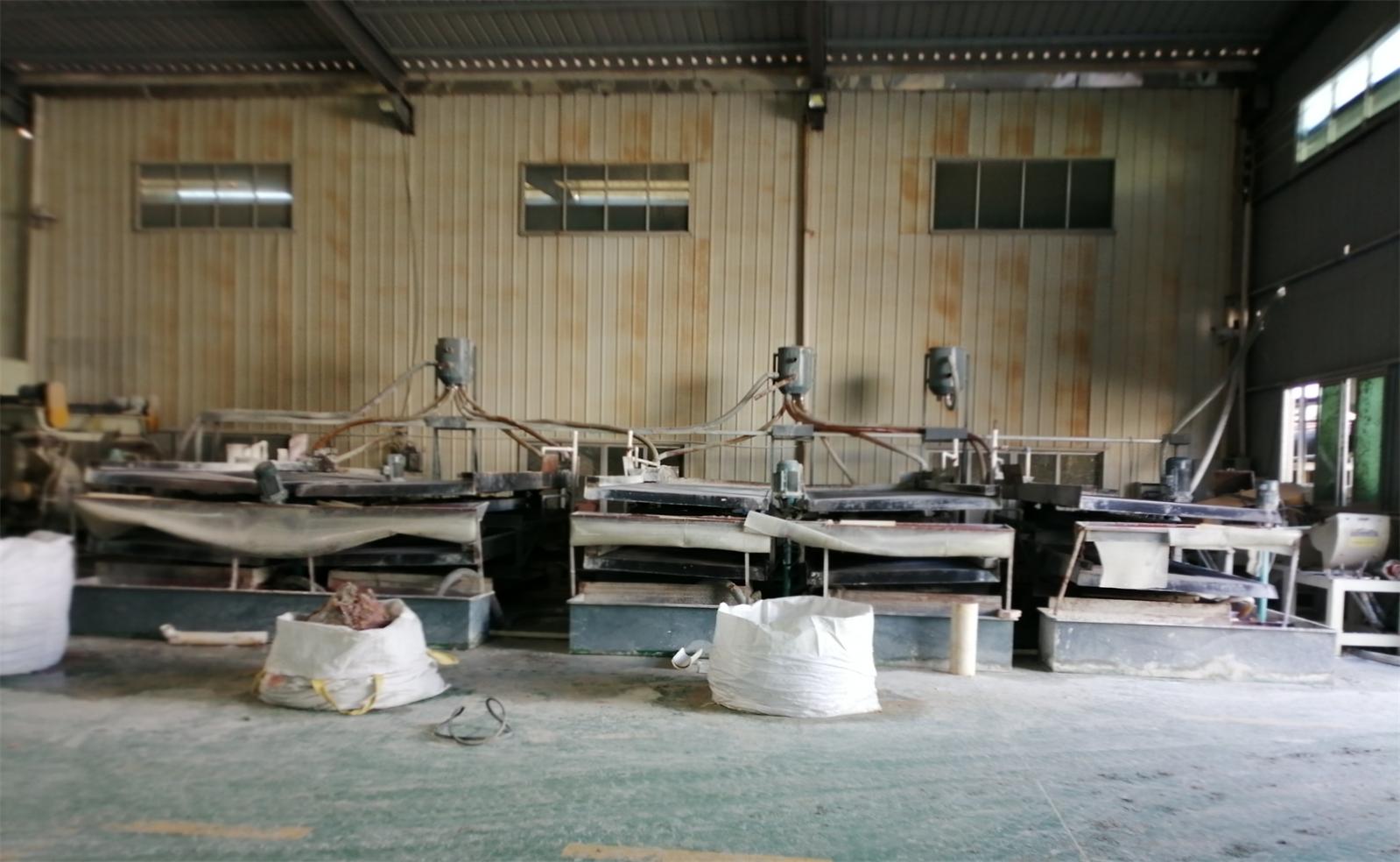
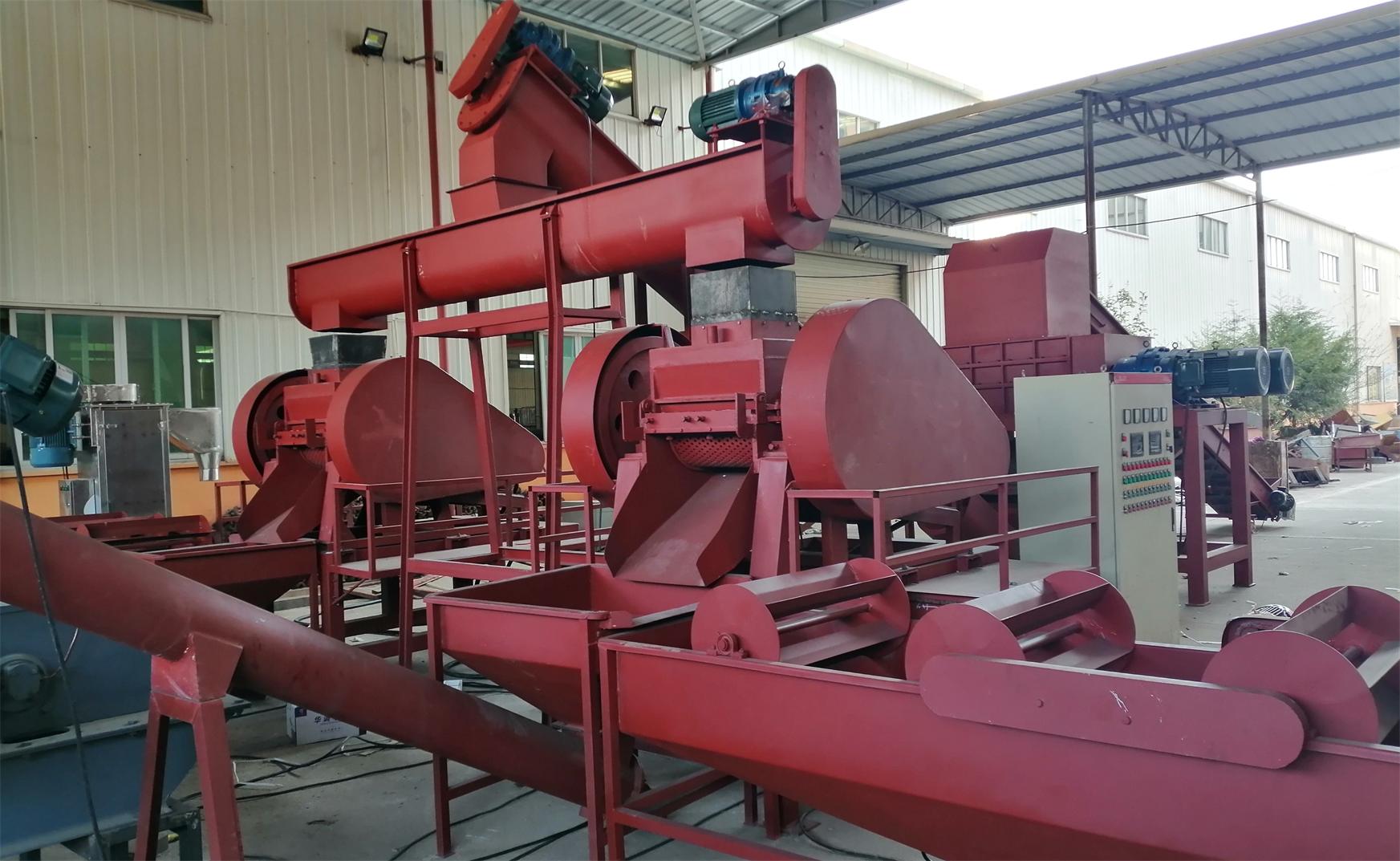
Printed Circuit Boards (PCBs): PCBs require crushing, grinding, and separation stages. circuit board recycling equipment typically uses either dry air separation or wet water-based separation. Dry systems work well for simple, component-removed boards and avoid wastewater treatment costs. Wet systems achieve higher copper powder purity and can handle boards with components still attached. Capacities range from 300 kg/hour for entry-level operations to 2,000 kg/hour for industrial-scale plants.
Scrap Cables and Wires: For cable recyclers, the choice is between stripping machines for thick, uniform cables and granulator systems for mixed cable waste. cable recycling equipment separates copper or aluminum from plastic insulation through a combination of crushing and air or water separation. Granulator lines handle diameters from 1.5 mm up to 150 mm and can process jelly-filled telecom cables as well as standard building wire.
Batteries: Used lead acid batteries require specialized breaking and separation systems to recover lead paste, lead grids, plastic cases, and acid safely. lead acid battery recycling equipment must handle corrosive materials and meet strict environmental standards for acid neutralization and emissions control. Lithium-ion battery recycling, meanwhile, demands controlled discharging, inert atmosphere crushing, and black mass separation to recover nickel, cobalt, graphite, and copper.
Other specialized streams include CRT monitor cutting and phosphor collection, refrigerator and air conditioner dismantling with refrigerant recovery, and electric motor stator cutting for copper winding extraction.
Six Factors to Evaluate Before You Buy
Price alone is a poor selector. Evaluate potential suppliers across these six dimensions to protect your capital and operational uptime.
Match the equipment's rated capacity to your actual, verified feedstock supply, not your optimistic projection. A 2,000 kg/hour line sitting idle because you only secured 500 kg/hour of material destroys your return on investment. Start with a capacity that matches your first 24 months of contracted supply.
Ask the manufacturer to explain why they recommend dry versus wet separation for your specific material mix. Request test results or pilot run data showing recovery rates and output purity. For copper powder from PCBs, ask specifically about purity percentages. For cable granulators, ask about copper recovery rates and plastic contamination levels.
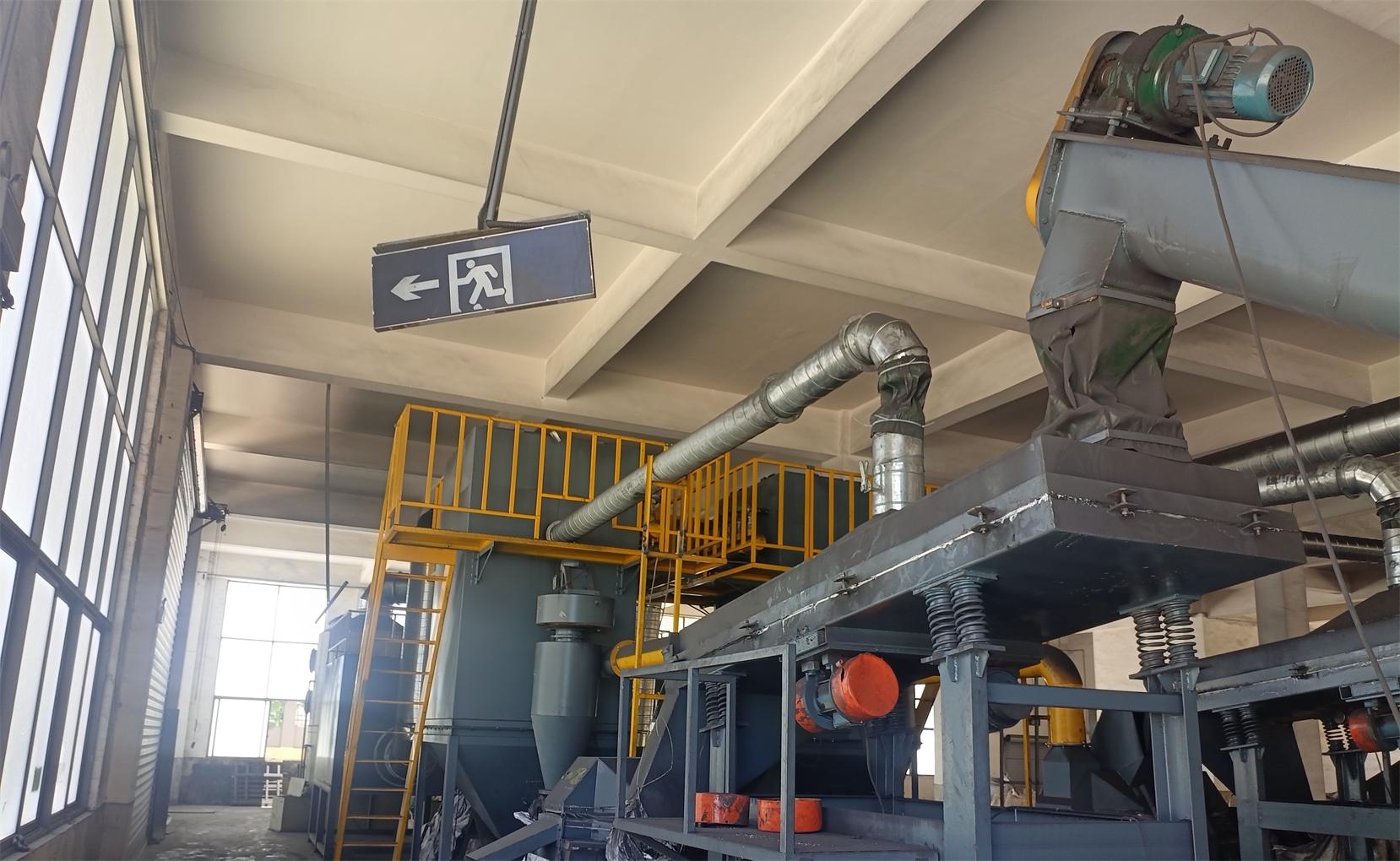
E-waste processing generates dust, exhaust gases, wastewater, or acid effluent depending on the stream. Verify that the supplier includes or at least specifies the necessary pollution control equipment: pulse bag dust collectors, air scrubbing systems, water treatment plants, or acid neutralization units. A machine quote that omits these will lead to permitting delays and retrofit costs.
Labor costs and availability vary dramatically by region. Fully automated lines reduce headcount but require more sophisticated maintenance capabilities. Semi-automated systems may suit markets where technical labor is scarce. Ask the supplier to detail exactly which operations require manual intervention and what skill level those operators need.
Manufacturing capability matters, but so does international project execution. Has the supplier shipped to your region before? Do they understand your local electrical standards, voltage requirements, and import documentation? A supplier with customers across multiple continents has already solved the freight, customs, and commissioning problems you are about to encounter.
Ask direct questions: Who installs the equipment? Who trains your operators? What is the spare parts availability timeline? Is there remote diagnostic capability? Suppliers who handle installation and commissioning themselves, rather than delegating to third-party agents, typically deliver faster startup times.
Beyond the Machine: EPC and Turnkey Services
For first-time entrants or investors expanding into new streams, buying standalone machines is only half the battle. Engineering, Procurement, and Construction (EPC) services cover plant layout design, utility integration, environmental permitting support, and operational training. A supplier that offers EPC delivery can compress your project timeline by months and reduce interface risks between multiple contractors.
Some suppliers extend their value chain further by assisting with feedstock sourcing and product offtake. This is especially valuable in battery recycling, where securing a stable supply of used lead acid batteries and finding buyers for recovered lead ingots or copper rice can determine profitability more than equipment efficiency alone.
Why San Lan Technologies?
San Lan Technologies Co., Ltd, established in 2007 and headquartered in Ganzhou, Jiangxi Province, China, manufactures a comprehensive range of WEEE recycling machinery and mining equipment. With customers in over 21 countries including Singapore, Colombia, Mexico, South Africa, India, and Saudi Arabia, the company has demonstrated repeatable international delivery capability.
The technical team includes mechanical engineering professionals with over 15 years of direct experience in e-waste recycling machine design. San Lan offers EPC project delivery, customized plant design, and one-stop procurement for complete recycling lines covering circuit boards, cables, lead acid batteries, lithium-ion batteries, CRT monitors, refrigerators, air conditioners, and electric motors.
San Lan also provides practical business support that goes beyond equipment supply: assistance with waste material procurement, help connecting with buyers for recovered commodities like copper rice and lead ingots, and investor partnership facilitation for recycling plant construction.
Core Product Categories:
• Circuit board recycling plants (300–2,000 kg/hour, dry and wet separation)
• Cable recycling machines and granulators (100–1,200 kg/hour)
• Lead acid battery recycling plants (1–10 MT/hour)
• Lithium battery recycling plants (500–2,500 kg/hour)
• CRT cutters, refrigerator recycling lines, motor stator cutters
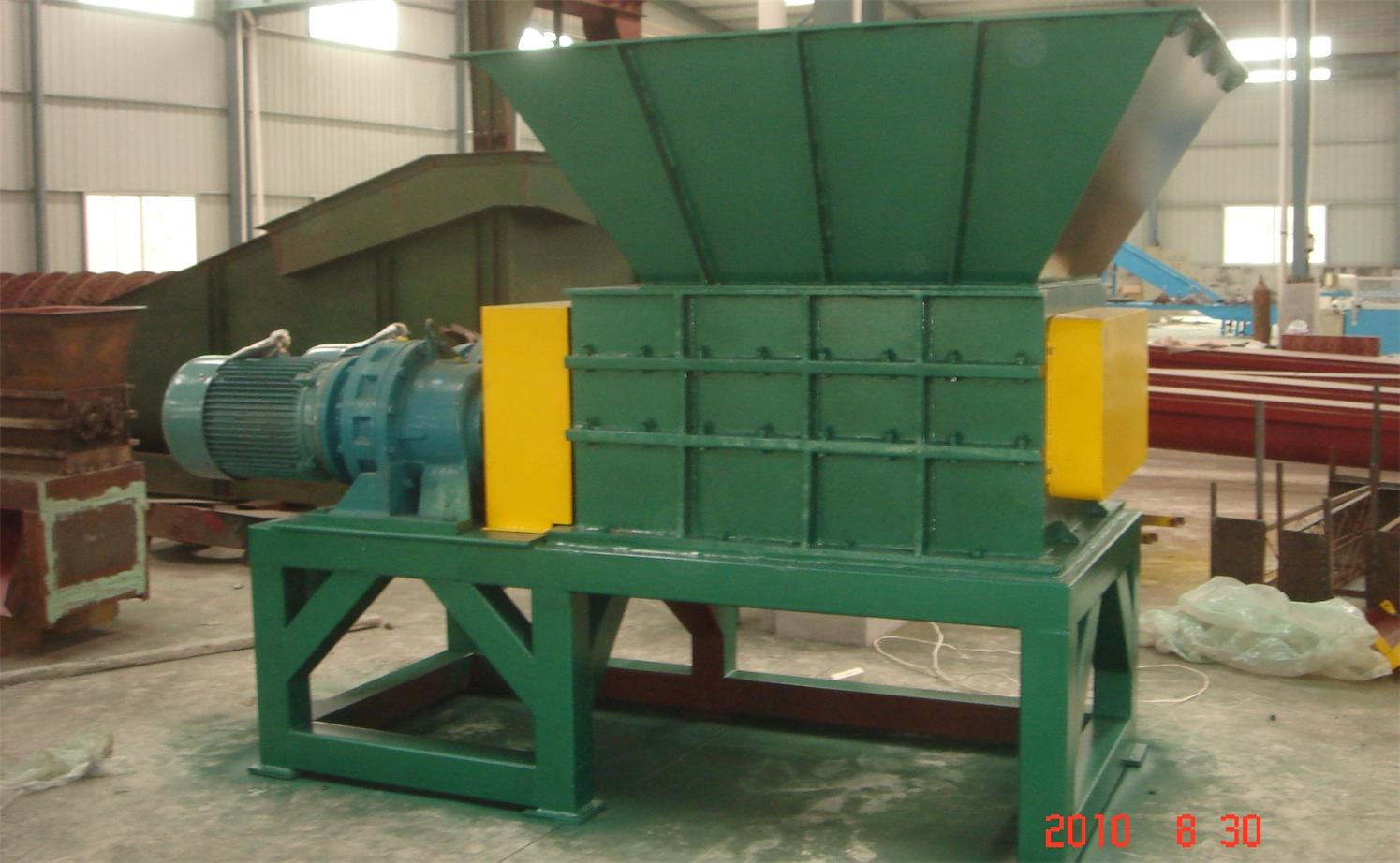
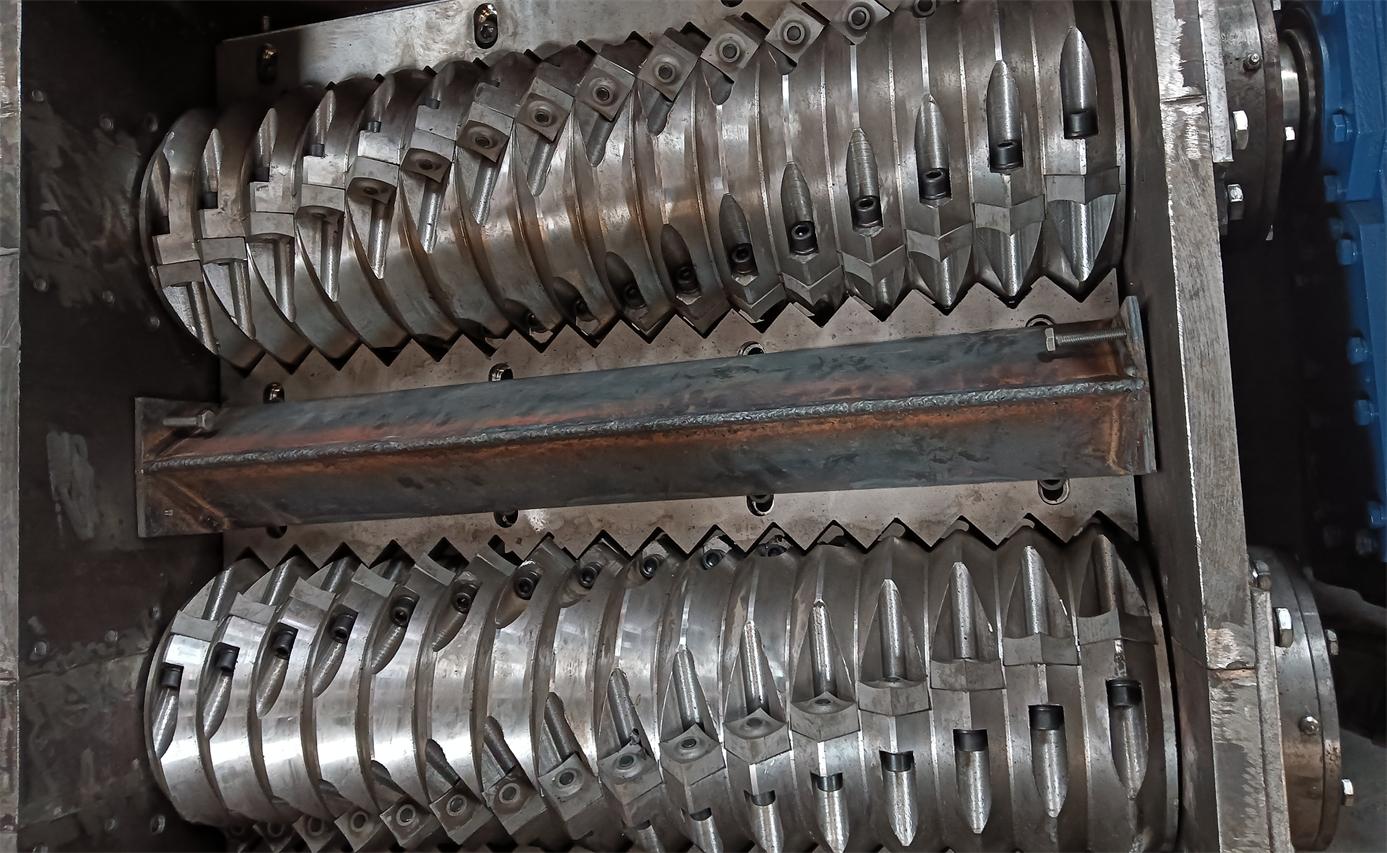
• Shredders, hydraulic briquetters, and metal melting furnaces
Ready to evaluate your recycling project? Contact San Lan Technologies to discuss your feedstock, capacity targets, and layout constraints. The engineering team provides equipment recommendations and project feasibility guidance based on your specific material mix and market conditions.
Email: info@san-lan.com | WhatsApp: +86 139 2377 4083
Website: www.san-lan.com