Electric motors are the unsung heroes of modern life. They power everything from your washing machine to industrial shredders. But not all motors are created equal. The material wrapped around that motor core makes a world of difference – especially when it’s copper versus aluminum. Both have strengths and weaknesses, but which one should you choose?
Let’s dive deep into the world of motor materials and uncover why many professionals swear by copper, while others lean towards aluminum for budget-friendly solutions. You might discover that what you thought was “good enough” could use an upgrade.
Electric Motors 101: What They Do and How They Work
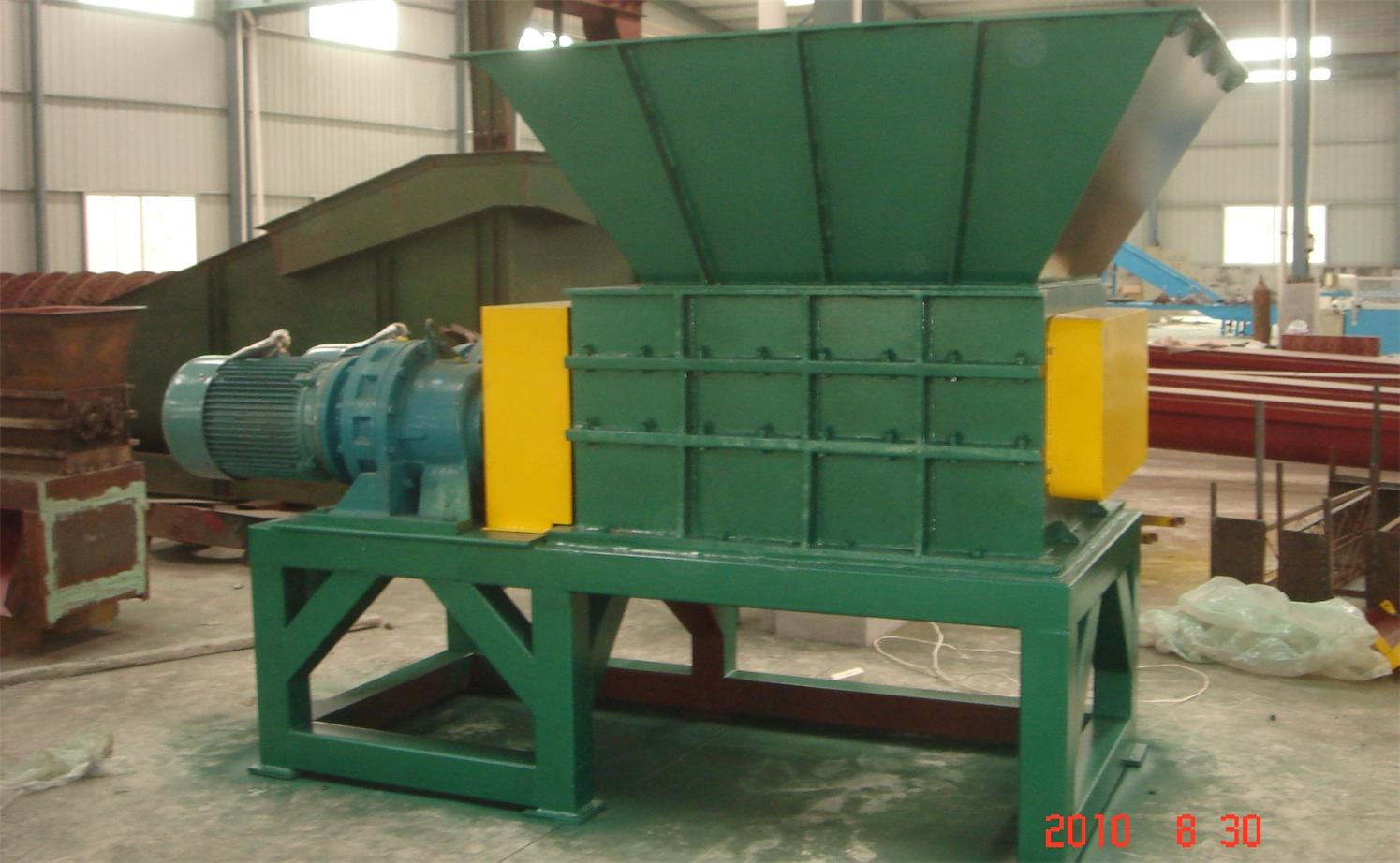
Simply put, an electric motor converts electrical energy into mechanical motion. Think of it like this: electricity flows into the motor, gets processed by windings (the wires coiled inside), and creates a magnetic field that forces the motor to spin. That spinning motion drives whatever device it’s attached to – whether it’s a fan cooling your room or heavy machinery recycling scrap metal. In the context of electric motor recycling machine , this distinction is crucial because the motor’s endurance determines how efficiently and long that machine operates.
The Three Major Types of Electric Motors
- DC Motors: Ideal for precise speed control. These use brushes and magnets to run and are common in battery-powered tools or toys.
- AC Motors: Rugged and low-maintenance. Found everywhere from industrial grinders to household appliances like air conditioners. They come as single-phase (home use) or three-phase (heavy machinery).
- Pulse Motors: Specialized motors built for precision movement. They’re critical in robotics and high-precision manufacturing.
For heavy-duty applications like recycling machines that crush metal or shred cables, AC motors reign supreme. They’re durable, reliable, and can handle high workloads without overheating. But if we focus on what’s inside them , we see a bigger divide between copper and aluminum.
Breaking Down Motor Anatomy: Stator, Rotor, & Casing
Before we compare copper vs. aluminum, we need to understand what components we’re dealing with:
Stator: The Stationary Core
This hollow cylinder is where all the “magic” happens. Made of stacked silicon steel sheets to reduce heat buildup, its inner surface features slots where windings are coiled. Those windings are usually either made of copper or aluminum.
Rotor: The Spinning Heart
Fitted inside the stator, the rotor converts magnetic forces into rotational energy. Think of it as the engine crank. In AC motors, the squirrel-cage design dominates: conductor bars (copper or aluminum) cast into slots and locked by end rings.
Casing: Armor Against the Elements
Every motor needs a shield. The casing protects delicate internal parts from dust, debris, and moisture. It’s often powder-coated or treated for rust resistance.
Head-to-Head: Copper vs Aluminum in Motors
So why does the material matter so much? It’s all about performance, endurance, cost, and more. Here’s the showdown:
Conductivity & Energy Efficiency
Copper is a superstar conductor. It carries electricity so efficiently that per unit of length, it transmits up to 6A compared to aluminum’s sluggish 5A. Think of it as a highway: copper gives more lanes for traffic.
Result: Less energy gets lost as heat in copper windings. That’s why motors like those in shredders or recycling tools last longer without burning out during long shifts.
Copper motors can save up to 3% in energy losses versus aluminum under heavy loads.
Lifespan & Durability
Here, copper’s low-heat advantage shines. Less heat means less internal stress. Plus, copper’s high resistance to corrosion keeps windings intact even under humid or abrasive conditions, such as metal recycling plants.
Aluminum? Not so much. Its low melting point (just 660°C vs copper’s 1080°C) means it degrades faster at high temperatures. It’s brittle too – winding breaks are common after months of heavy operation.
Pure copper motors deliver 50–100% longer operational lifespans than aluminum alternatives.
Noise Pollution & User Comfort
Workers in loud environments like scrap yards know: noise damages health. Copper motors win here again. With heat buildup minimal, less cooling fan noise is generated. In fact, aluminum motors emit ~7 dB louder fan noise – equivalent to doubling acoustic energy.
Long story short? Aluminum motors aren’t just annoying; they create serious health risks like hearing loss.
Cost & Budget Considerations
Aluminum’s biggest strength? Price. Aluminum ores are plentiful – 50 times more abundant than copper globally – driving raw costs down. Even after enlarging the rotor core to compensate for aluminum’s weak conductivity, aluminum motors are cheaper to make.
The catch? You might save upfront, but frequent replacements and higher energy bills pile up. Copper pays back its premium cost via durability.
Maintenance & Repair
Ever tried welding aluminum? It’s tough. An oxidizing film forms when aluminum interacts with air, making windings near-impossible to repair if they break.
Copper is simpler. It’s malleable and easy to solder, meaning technicians can patch it up without costly replacements.
Safety Concerns
Copper excels here thanks to its robust melting point, heat resistance, and chemical stability. Aluminum’s thermal weakness often leads to overheating, connection failures, or sparks, turning high-intensity work into a fire risk.
Summary: Which Material Performs Better?
- Pick Copper If: You run heavy equipment daily; need energy savings; prioritize reliability; handle tough environments.
- Consider Aluminum If: Cost rules your decisions; the motor will operate infrequently.
Where Pure Copper Motors Excel: Real-World Applications
Want maximum reliability? Copper’s advantages don’t just sound great on paper. Here’s where it’s the indispensable choice:
Industrial Machinery
Think shredders, crushers, and cable granulators – machines that run 12+ hours daily. Copper’s reduced heat buildup keeps these giants turning safely and consistently over time.
Transportation
Electric vehicles rely on copper-rich motors because they endure constant cycling and intense acceleration demands without burnout risks.
Medical Equipment & Precision Tools
Surgeons rely on quiet devices. Copper motors run silently without overheating and can be counted on for repeat accuracy.
Conclusion: Which Motor Type Wins Overall?
If you’re facing demanding tasks daily – say, in scrap metal shredding or industrial recycling – pure copper motors are a no-brainer. Their conductivity, longevity, and low-risk profile far outweigh aluminum’s temporary savings.
Yes, copper costs more upfront. But it’s an investment in performance, savings, and peace of mind. For anyone needing tools that last without constant downtime or repair headaches, copper remains the benchmark for motor excellence .
Still hesitant? Consider this: every minute your machine isn’t running due to motor failure costs money. Choose wisely.