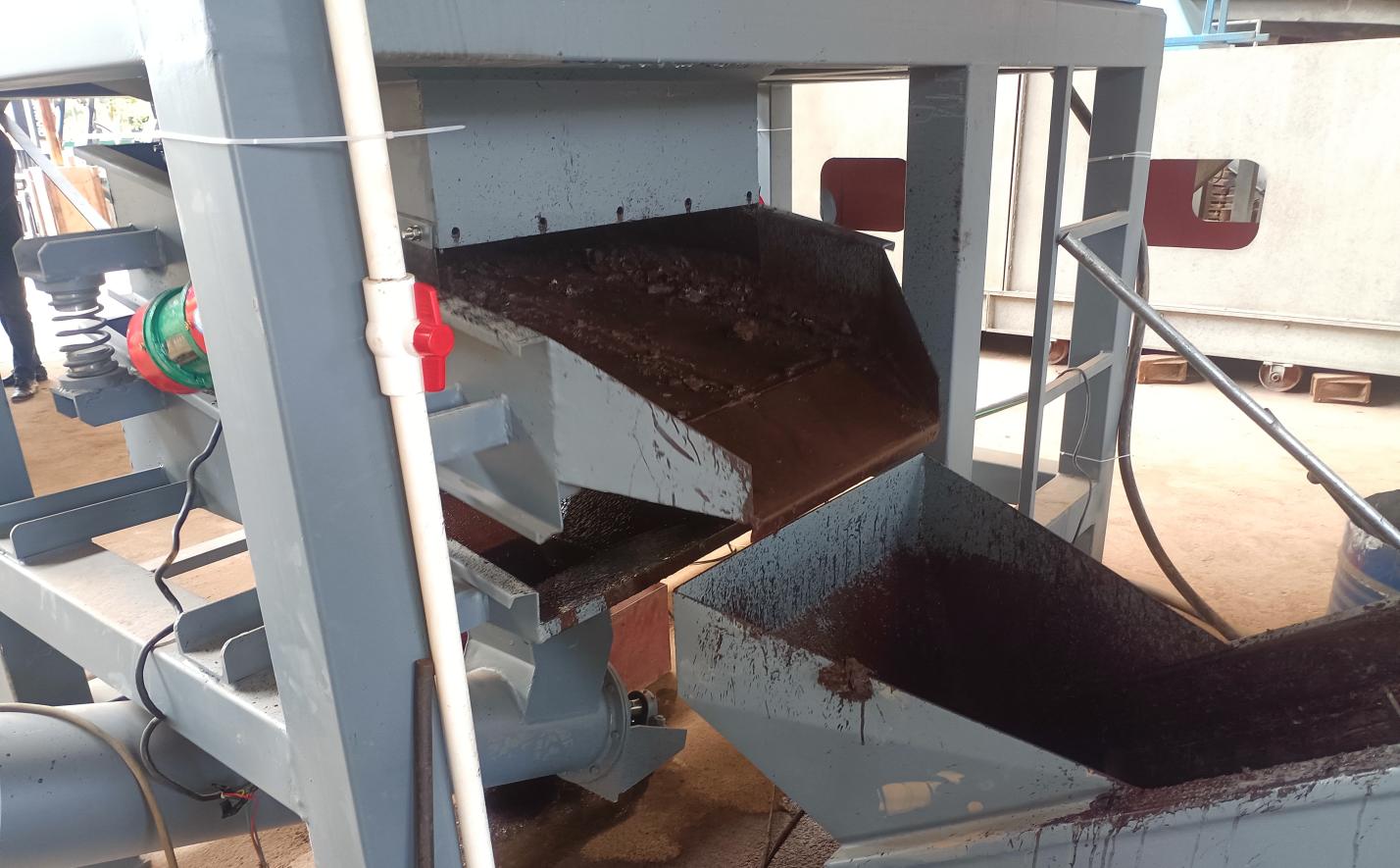
The Growing Demand for E-Waste Recycling
Electronic waste is one of the fastest-growing waste streams worldwide. From discarded smartphones and laptops to end-of-life industrial equipment, the volume of material requiring proper processing continues to rise. For recycling entrepreneurs and established waste management companies, this represents both an environmental responsibility and a significant business opportunity.
A well-equipped recycling plant can recover valuable metals including copper, aluminum, lead, and precious metals from electronic scrap. The key to success lies in selecting the right combination of machinery that matches your feedstock, capacity requirements, and output quality goals.
Core Equipment Categories for E-Waste Recycling
Cable Recycling Systems
Cable recycling equipment is fundamental for any e-waste processing operation. Scrap cables and wires contain valuable copper and aluminum that can be efficiently separated from plastic insulation. Modern cable granulators use dry separation or wet separation technology to achieve high purity copper powder or copper rice. Capacity options typically range from 100 kg/hour to 1200 kg/hour or higher, allowing businesses to match equipment to their specific volume needs.
Pre-processing with scrap cable strippers can improve efficiency for larger diameter cables. The separated copper retains high market value, while the plastic fraction can also be sold for secondary processing.
Battery Recycling Plants
Batteries represent one of the most valuable and environmentally critical e-waste categories. Lead acid battery recycling equipment typically includes breaking and separation systems, smelting furnaces, and pollution control equipment. A complete plant can process 1-10 MT per hour, recovering lead paste, lead grids, plastic shells, and sulfuric acid for reuse or safe disposal.
For lithium-ion batteries, specialized breaking and separating plants handle the unique challenges of these power sources. These systems safely discharge, pre-crush, and separate batteries into black mass (containing nickel, cobalt, and graphite), copper, aluminum, and plastic fractions. Capacities range from 500 to 2500 kg/hour depending on configuration.
Circuit Board Processing Lines
Printed circuit boards (PCBs) contain the highest concentration of precious metals in e-waste. Circuit board recycling equipment uses mechanical crushing combined with air separation, electrostatic separation, or wet separation to recover copper powder and precious metal concentrates. Advanced systems can achieve copper powder purity of 96-98% with recovery rates around 95%.
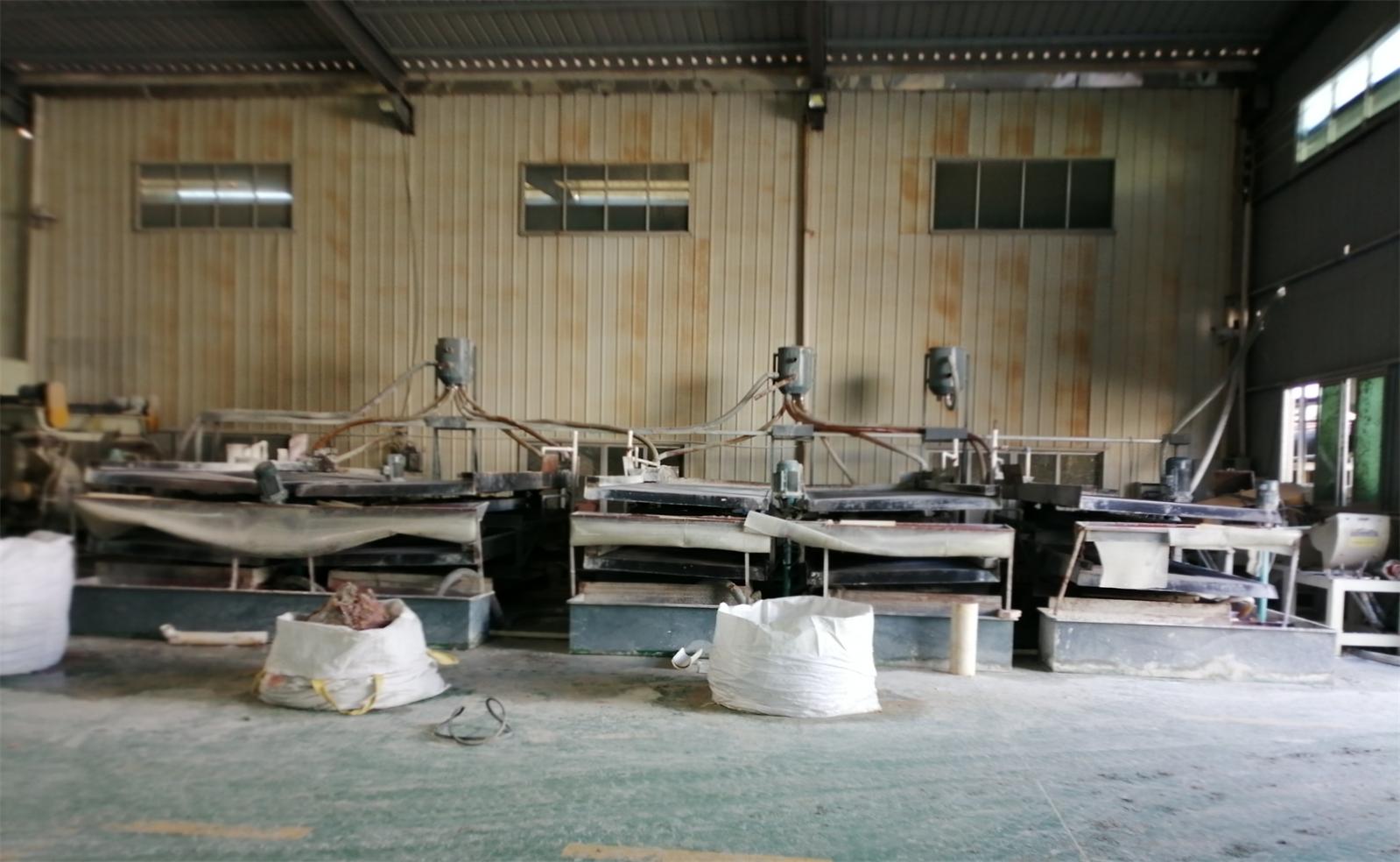
Both dry and wet process options are available. Dry systems avoid wastewater treatment requirements, while wet systems can handle boards with electronic components still attached. Capacities typically range from 300 kg/hour to 2000 kg/hour.
Shredders and Size Reduction Equipment
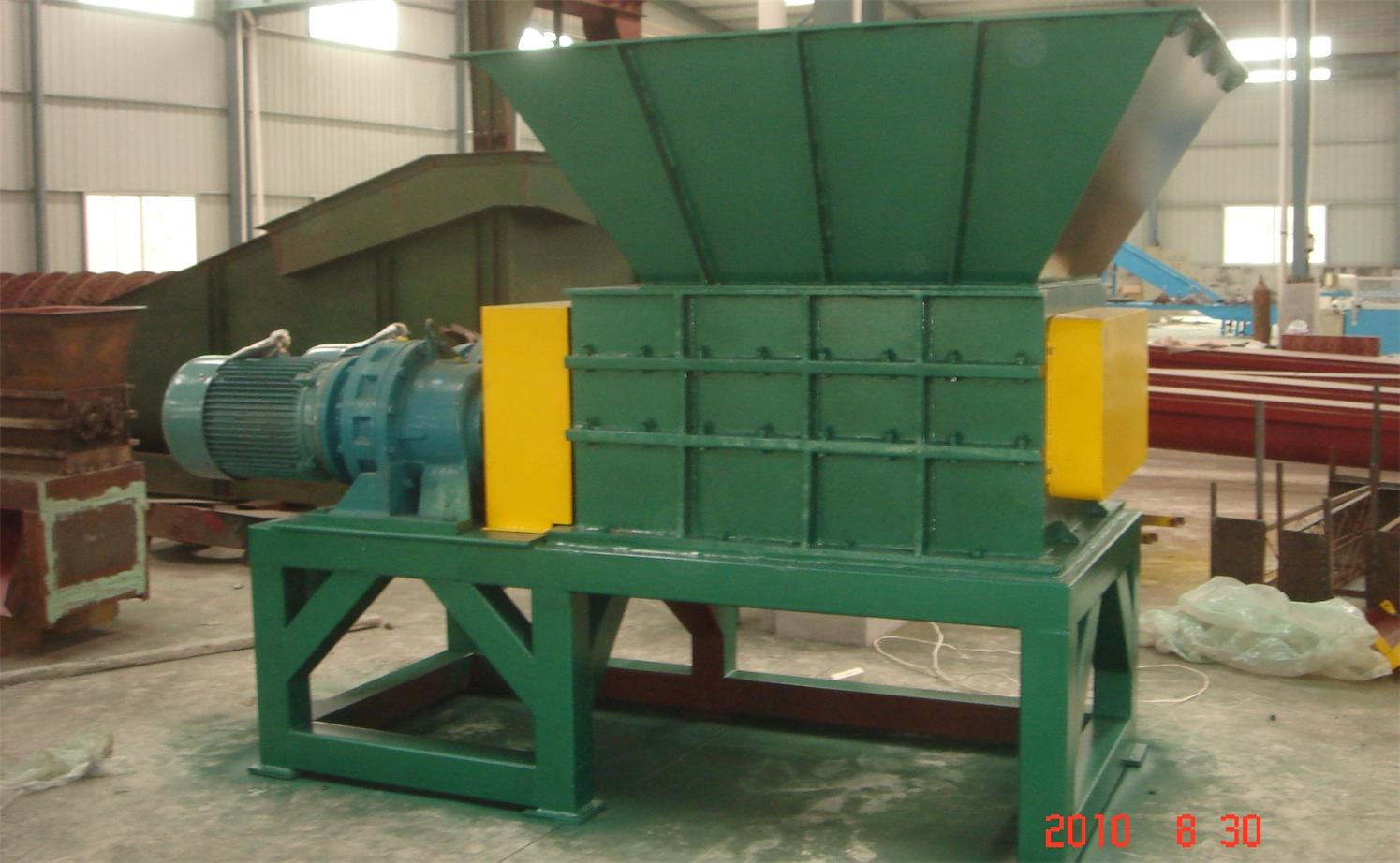
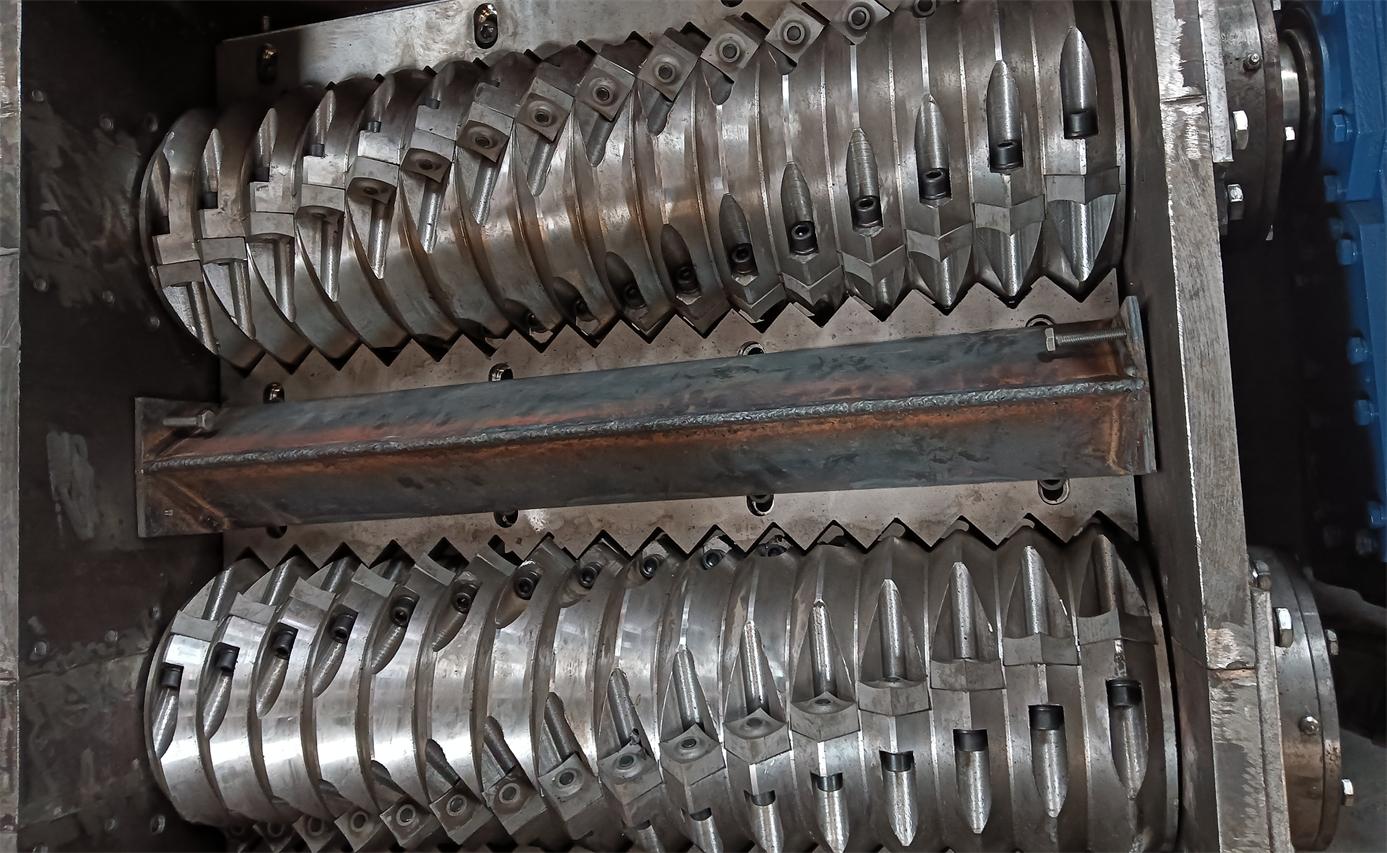
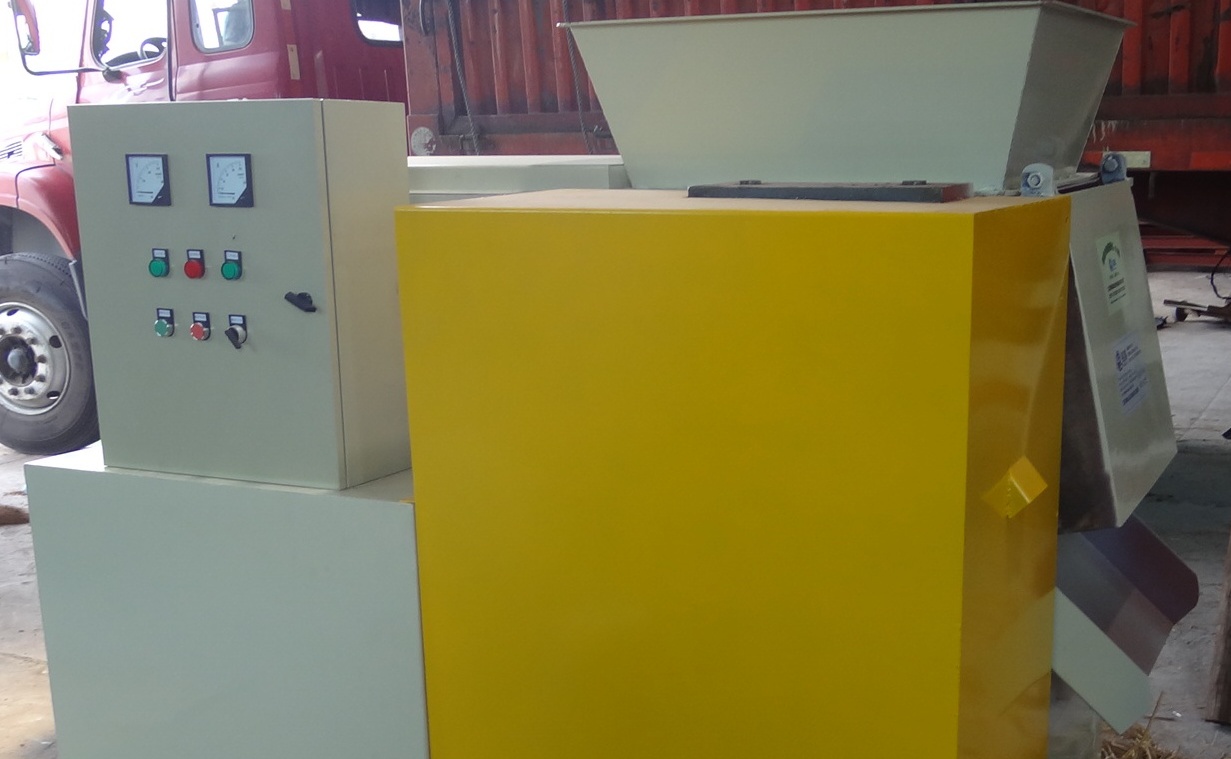
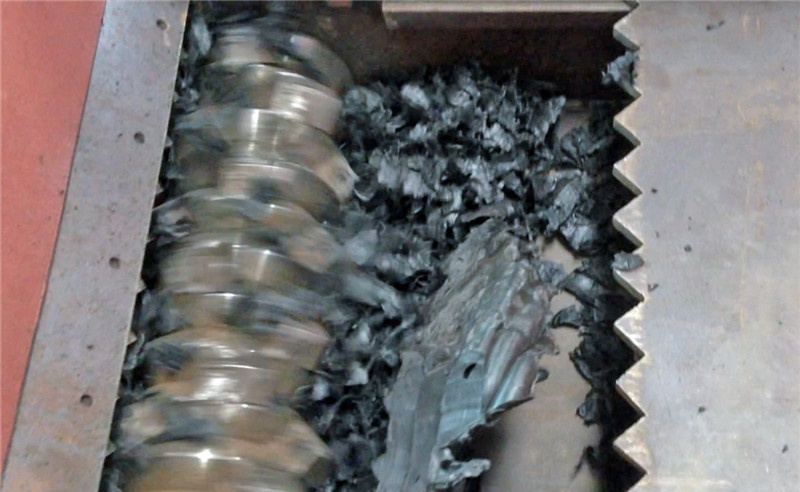
Industrial shredders serve as the front-end processing stage for many e-waste streams. Single-shaft, twin-shaft, and four-shaft shredders handle diverse materials including PCBs, cables, refrigerators, batteries, and general electronic scrap. Pre-chopping oversized items improves downstream separation efficiency and protects specialized equipment from damage.
Shredder selection depends on material type, required output size, and capacity. Four-shaft shredders excel at handling bulky items, while single-shaft designs work well for consistent feedstocks like cable scrap.
Key Factors in Equipment Selection
When evaluating recycling equipment for your facility, consider these six critical factors:
1. Material Compatibility: Ensure the equipment handles your primary feedstock. Cable granulators, for example, vary in their ability to process different wire diameters and insulation types.
2. Processing Capacity: Match hourly throughput to your available material supply. Over-sizing equipment wastes capital and energy, while under-sizing creates bottlenecks.
3. Separation Technology: Dry processes avoid water treatment costs but may have lower purity. Wet processes achieve higher purity but require water management systems.
4. Recovery Rates: Higher recovery rates directly impact profitability. Compare metal recovery percentages and output purity specifications between equipment options.
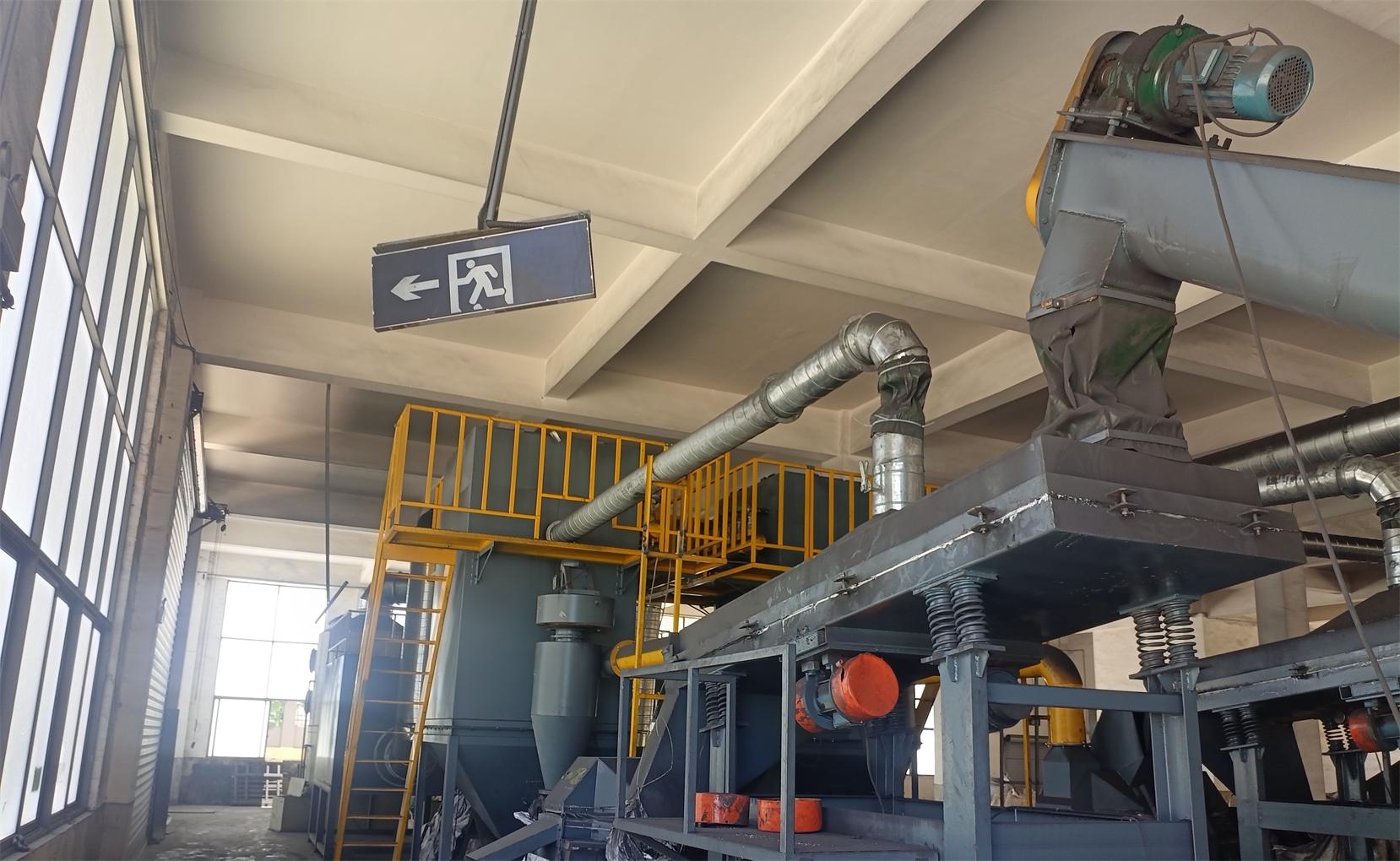
5. Environmental Compliance: Air pollution control systems, wastewater treatment, and dust collection are essential for regulatory compliance and worker safety.
6. After-Sales Support: Installation, commissioning, training, and spare parts availability significantly affect long-term operational success.
Building a Complete Recycling Line
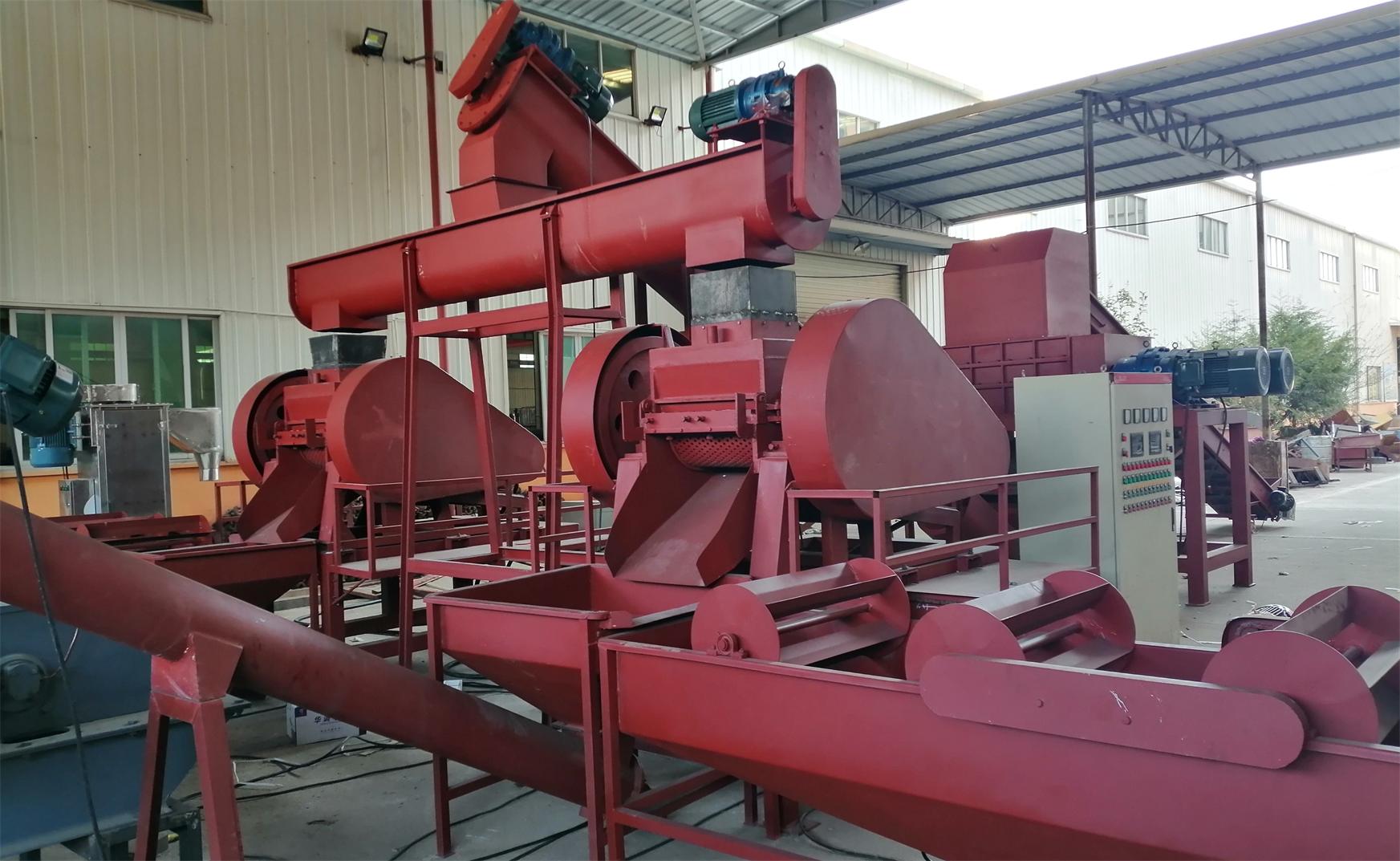
Most successful e-waste recycling operations combine multiple processing stages. A typical configuration might include:
- Feed hopper and conveyor system for material intake
- Primary shredder for size reduction
- Secondary crusher or granulator for further processing
- Magnetic separator for ferrous metal removal
- Air or electrostatic separator for metal/plastic separation
- Collection systems for separated fractions
- Dust collection and air pollution control
Modular designs allow facilities to start with core equipment and expand capacity or add processing stages as the business grows.
Why Partner with an Experienced Equipment Supplier
San Lan Technologies Co., Ltd has manufactured e-waste recycling machinery since 2007, serving customers across 21+ countries including Singapore, Colombia, Vietnam, Mexico, Argentina, Korea, and India.
Working with an established equipment manufacturer provides advantages beyond the machinery itself. Experienced suppliers offer customized plant design based on your specific materials and capacity targets. They understand the regulatory requirements across different markets and can integrate appropriate environmental controls into the system design.
Look for suppliers who provide comprehensive project support including installation supervision, operator training, and ongoing technical assistance. The ability to source both equipment and guidance for raw material procurement and product sales creates additional value for new entrants to the recycling industry.
Equipment quality directly affects uptime, maintenance costs, and product purity. Machines built with durable components and thoughtful engineering deliver consistent performance over years of operation. Request references from existing customers in similar markets to verify real-world performance claims.
Conclusion
The e-waste recycling industry offers substantial opportunities for businesses equipped with the right technology. From cable granulators to battery recycling plants, selecting appropriate machinery for your feedstock and capacity requirements sets the foundation for profitable operations.
Focus on recovery rates, environmental compliance, and supplier support when making equipment decisions. With proper planning and quality equipment, your recycling facility can transform electronic waste into valuable raw materials while contributing to environmental sustainability.
Ready to start or expand your e-waste recycling operation? Explore our complete range of recycling equipment including cable recycling systems, battery processing plants, circuit board recovery lines, and industrial shredders. With over 15 years of experience and installations in more than 21 countries, we provide customized solutions tailored to your material stream and production goals.
Contact our technical team today to discuss your project requirements and receive a customized equipment proposal.