Electronic waste is the fastest-growing waste stream on the planet. According to industry forecasts, global e-waste generation could reach 82 million tonnes annually by 2030, yet only a fraction of that volume is processed through formal recycling channels. In 2022 alone, the world generated e-waste containing approximately $91 billion in recoverable raw materials, but less than $19 billion worth was actually recovered. This gap represents both an environmental crisis and a massive commercial opportunity.
For entrepreneurs and established recyclers looking to enter or expand in this sector, selecting the right recycling equipment is the single most important decision. The machinery you choose determines your recovery rates, operational efficiency, environmental compliance, and ultimately your profitability. This guide walks through the key categories of e-waste recycling equipment and what to consider when building or upgrading your plant.
Modern electronics contain valuable concentrations of metals. One tonne of mobile phone circuit boards, for example, contains more gold than a tonne of high-grade mined ore. Beyond precious metals, e-waste is rich in copper, aluminum, lead, lithium, cobalt, and rare earth elements. Efficient recovery requires specialized machinery designed for specific waste streams.
Regulatory pressure is also accelerating demand. Extended Producer Responsibility (EPR) frameworks in many countries now mandate that manufacturers ensure a percentage of their products are recycled. In the European Union, the WEEE Directive sets collection and recycling targets for electrical and electronic equipment. Similar regulations are expanding across Asia, Africa, and the Americas. Meeting these targets requires reliable, high-capacity recycling equipment supplier partnerships.
Key Market Insight: The global e-waste recycling market is projected to reach $145 billion by 2030, growing at a CAGR of over 13%. Formal-sector recycling capacity remains far below waste generation volumes, creating sustained demand for processing equipment.
E-waste recycling is not a single process. Different materials require different technologies. Below are the principal equipment categories that every serious recycling operation should understand.
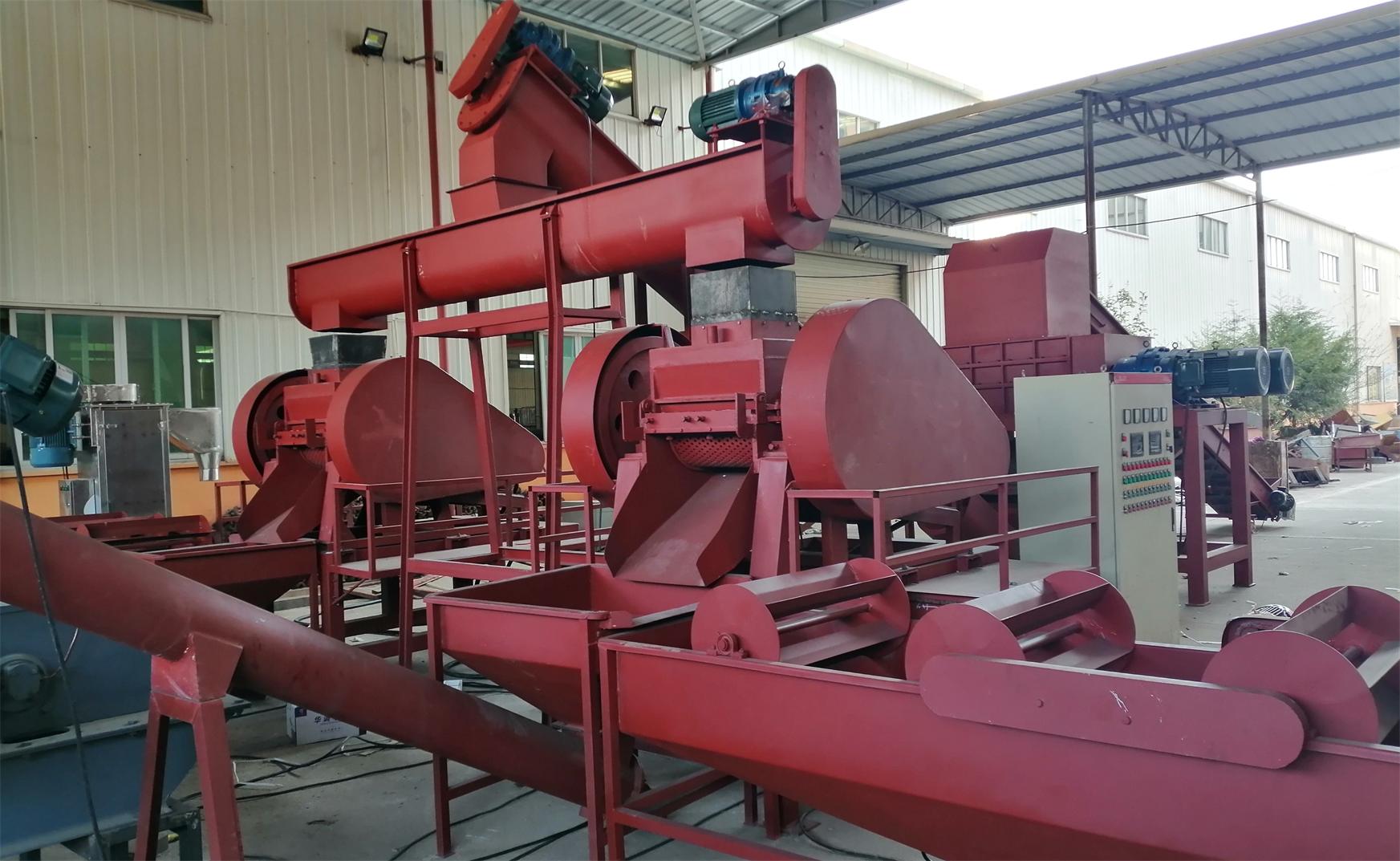
Used lead acid batteries (ULAB) remain one of the most recycled consumer products globally, with well-established recovery economics. A complete lead acid battery recycling equipment line typically includes several integrated stages:
- Battery Breaking and Separation: Hydraulic cutters and automated breaking systems split batteries and separate the four output fractions: lead paste, lead grids, plastic (PVC/PP), and hard rubber. Modern systems handle 1-10 metric tonnes per hour.
- Desulfurization: Chemical treatment of lead paste to remove sulfur content, which reduces smelting temperature, cuts SO2 emissions, and lowers energy and additive costs.
- Smelting: Rotary furnaces or blast (cupola) furnaces reduce lead paste to crude metallic lead. Advanced rotary furnaces achieve higher recovery rates than traditional blast furnaces, with capacities from 2-20 MT per batch.
- Refining: Refinery kettle furnaces purify crude lead to 99.999% purity. Electric heated variants using near-infrared technology can save 30-50% on energy compared to fuel-fired systems.
- Pollution Control: Air pollution control systems and water treatment plants ensure emissions and effluents meet environmental standards.
When evaluating lead acid battery recycling lines, look for systems with lead recovery rates above 95% and integrated environmental controls. The best suppliers offer complete turnkey plants with installation and commissioning support.
With the explosion of electric vehicles, consumer electronics, and energy storage systems, spent lithium-ion batteries are becoming a critical secondary source of cobalt, nickel, manganese, and lithium. A standard li battery recycling equipment line includes:
- Discharge and Pre-Crushing: Safe discharge units neutralize residual charge, followed by primary crushing to reduce battery size.
- Secondary Granulation and Separation: Precision grinding and multi-stage separation recover black mass (containing nickel, cobalt, and graphite), plastic separator film, copper, and aluminum. Capacities typically range from 500-2,500 kg/hour.
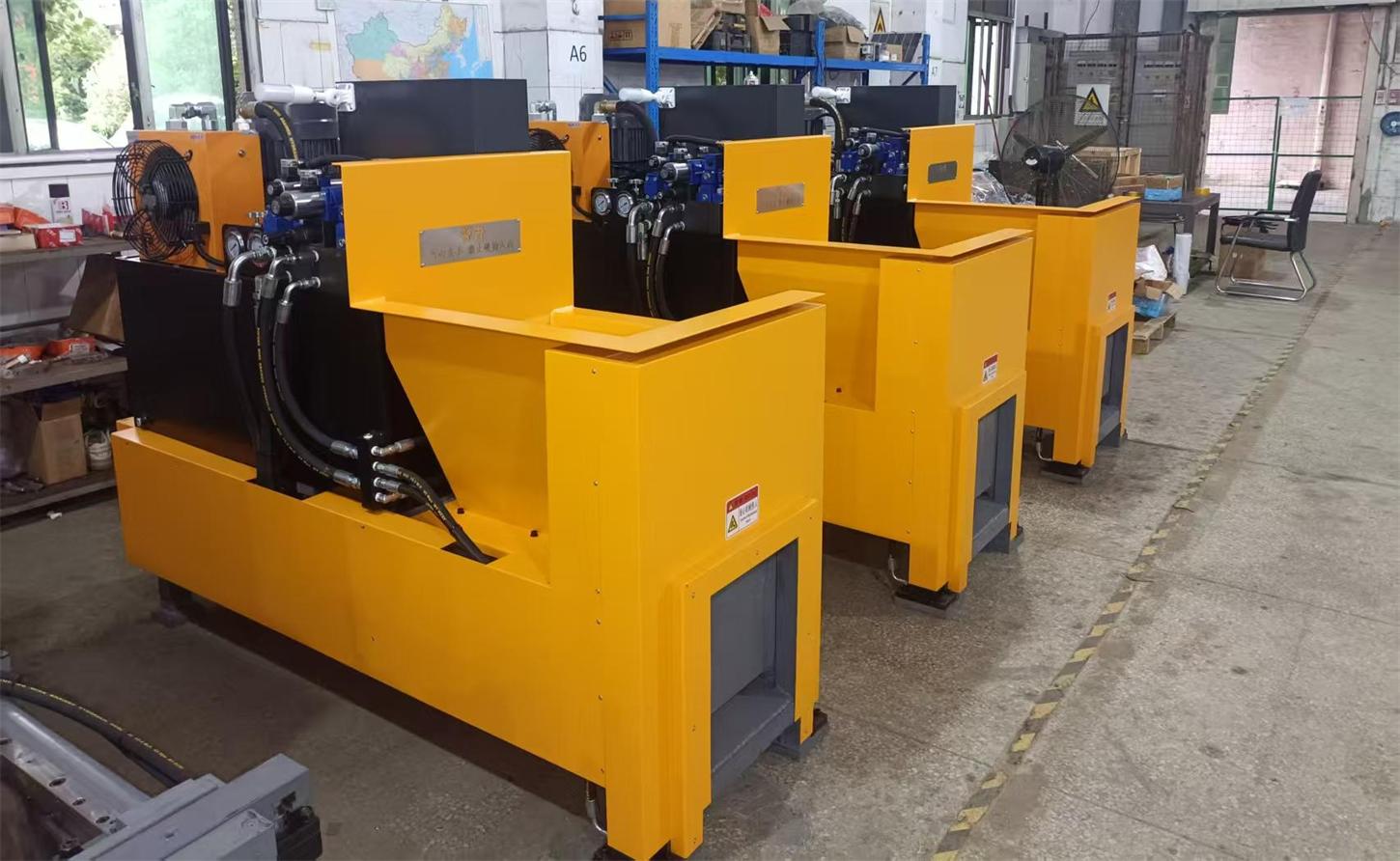
- Plastic Recovery: Pneumatic conveying systems collect plastic film, and hydraulic briquetters compress it into dense blocks with volume reduction ratios up to 10:1.
- Environmental Controls: Dedicated air pollution control systems absorb and neutralize harmful gases generated during crushing, preventing fluorides and organic vapors from reaching the atmosphere.
Lithium battery recycling demands rigorous safety protocols due to fire and thermal runaway risks. Equipment should include inert gas protection, temperature monitoring, and emergency suppression systems.
Printed circuit boards (PCBs) are among the highest-value fractions in e-waste, containing copper, gold, silver, palladium, and other precious metals. Circuit board recycling equipment generally uses one of two separation approaches:
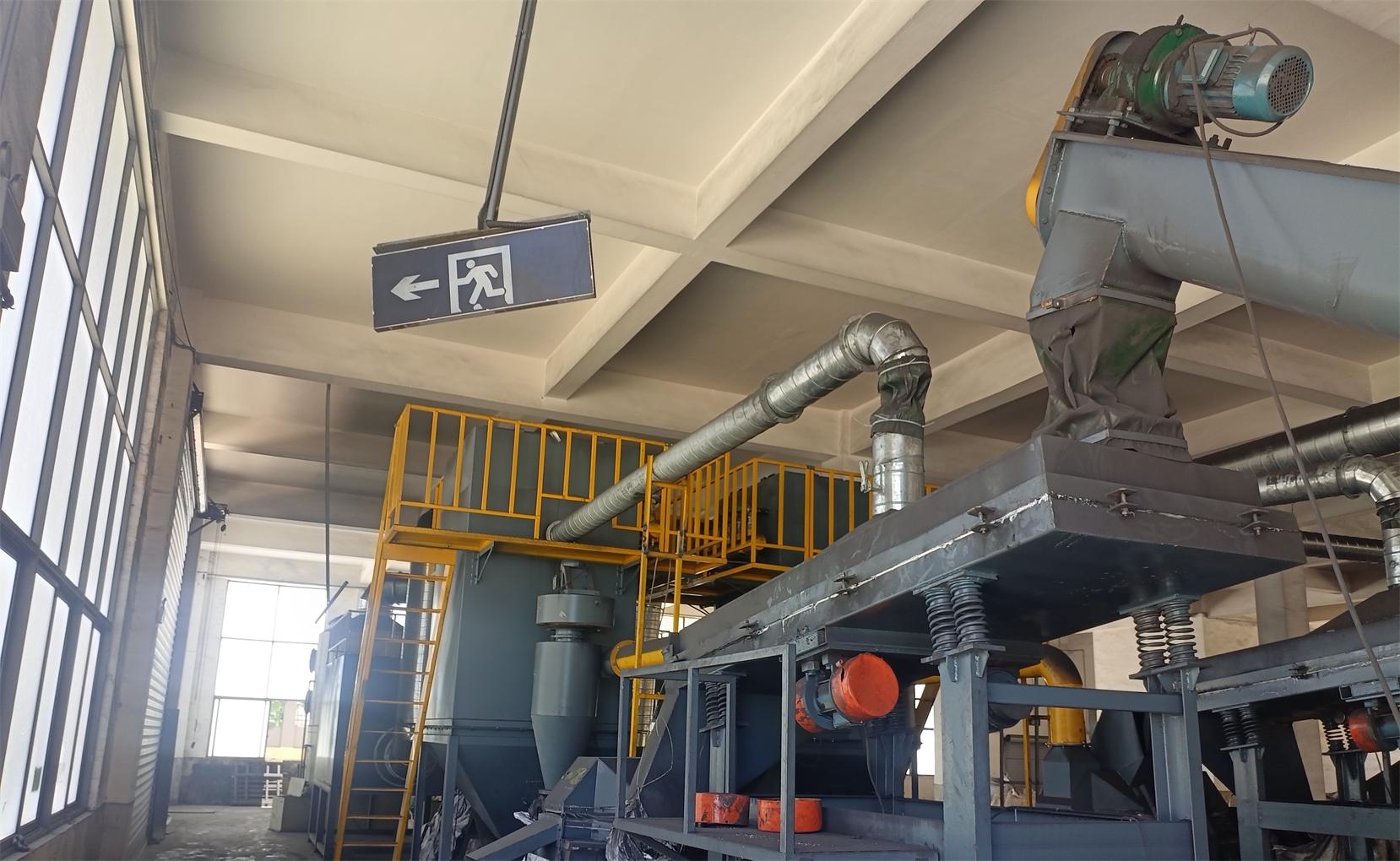
Use air classifiers, vibrating screens, electrostatic separators, and cyclone dust collectors. No water required. Copper powder purity reaches 96-98% with recovery rates around 95%. Ideal for regions with water scarcity or strict wastewater regulations.
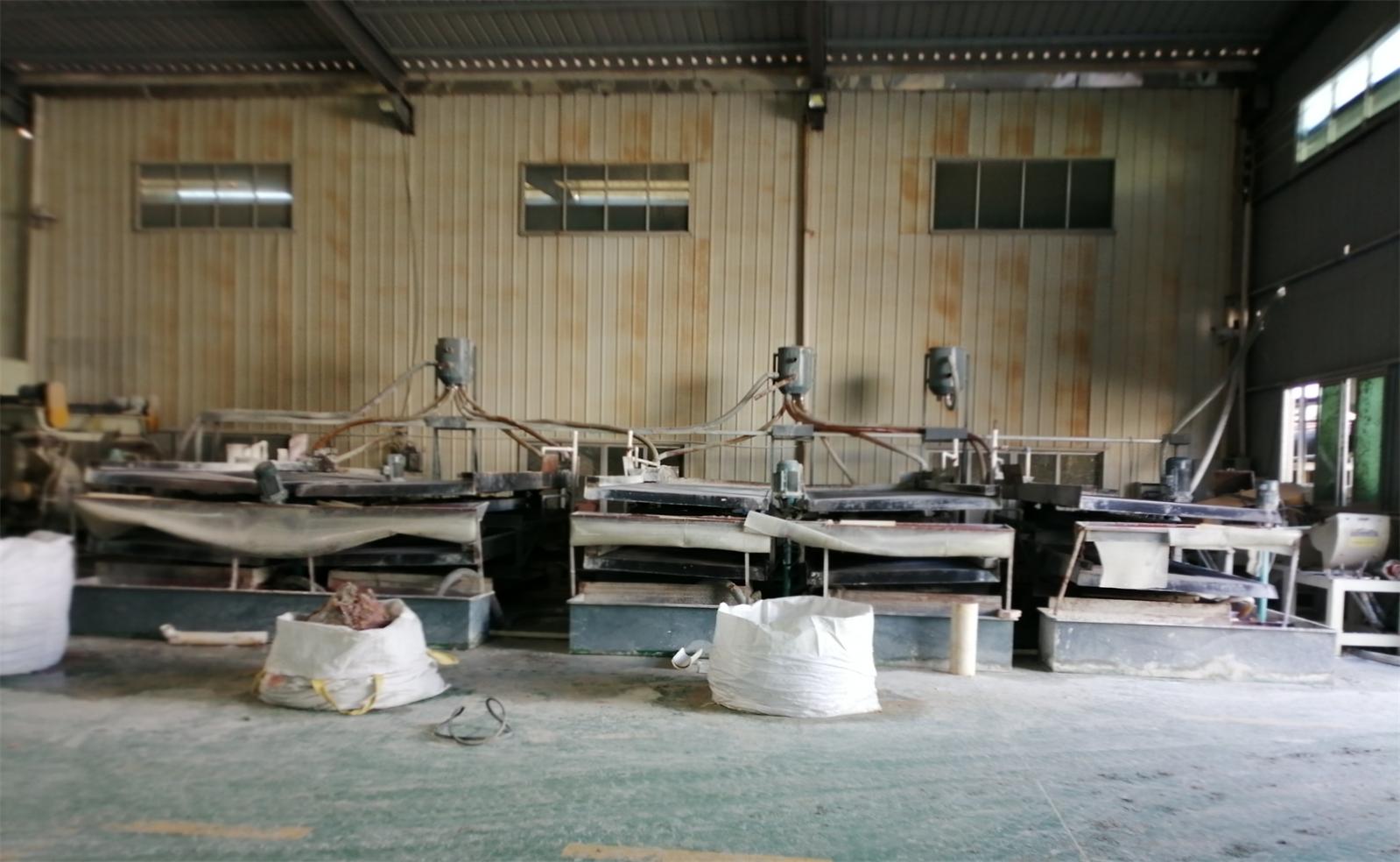
Use water-based metal separation, often capable of processing PCB waste with components still attached. Stable operation with high recovery rates. Requires water treatment and recirculation infrastructure.
Capacities for circuit board recycling plants typically range from 300 kg/hour for entry-level systems up to 2,000 kg/hour or more for industrial-scale operations. The choice between dry and wet processing depends on local environmental regulations, water availability, and the types of boards being processed.
Scrap cables and wires represent one of the most accessible feedstocks for new recyclers. Cable recycling equipment falls into two main groups:
- Cable Strippers: For larger-diameter cables, stripping machines separate copper or aluminum conductors from plastic insulation. Units handle cable diameters from 1.5mm to 150mm, with throughputs up to 1,500 kg per 10-hour shift.
- Cable Granulators: For mixed or smaller-diameter wire, granulators crush cables and use air separation or electrostatic separation to isolate metal from plastic. Compact units start around 100 kg/hour, while industrial systems reach 1,200 kg/hour or more.
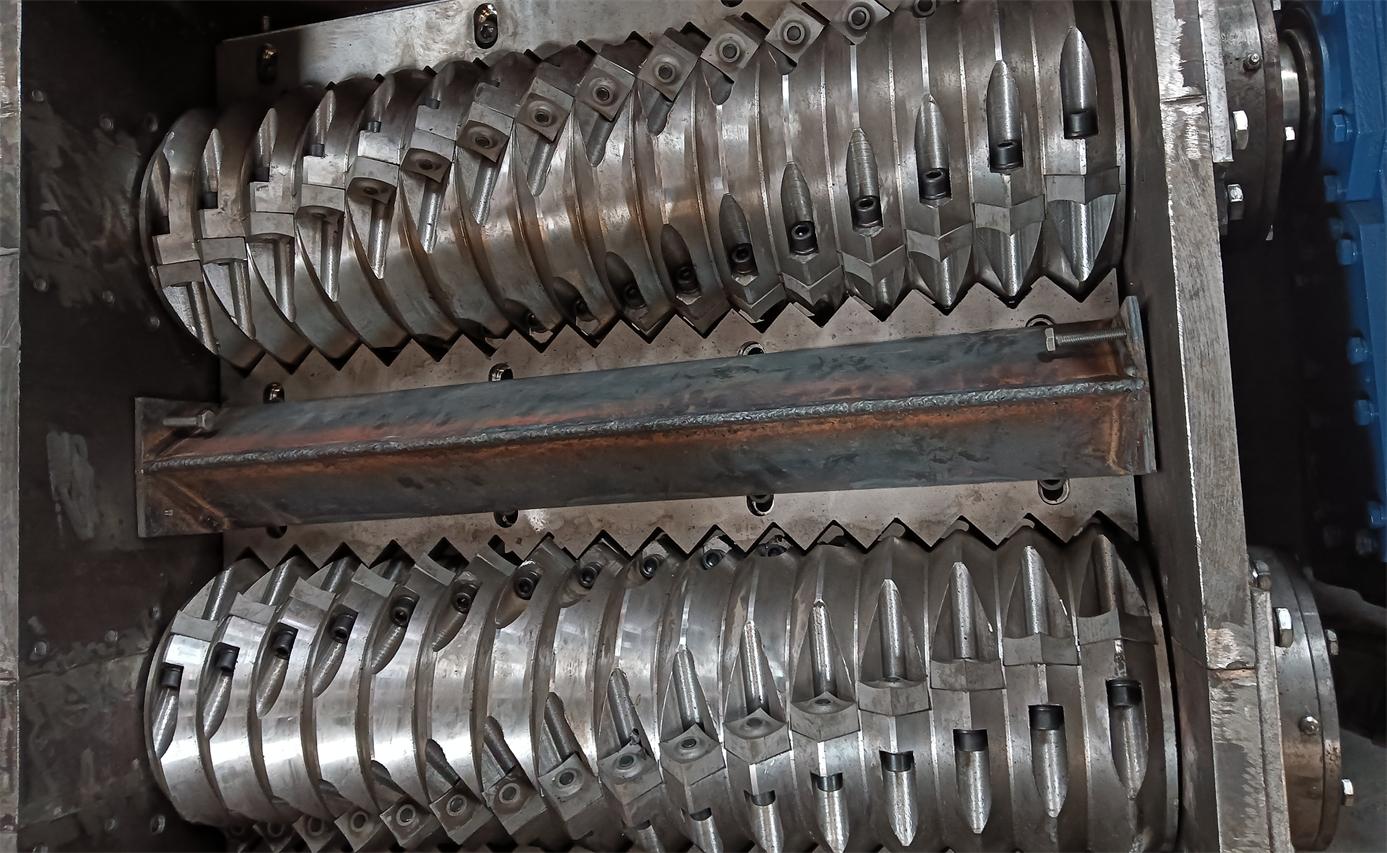
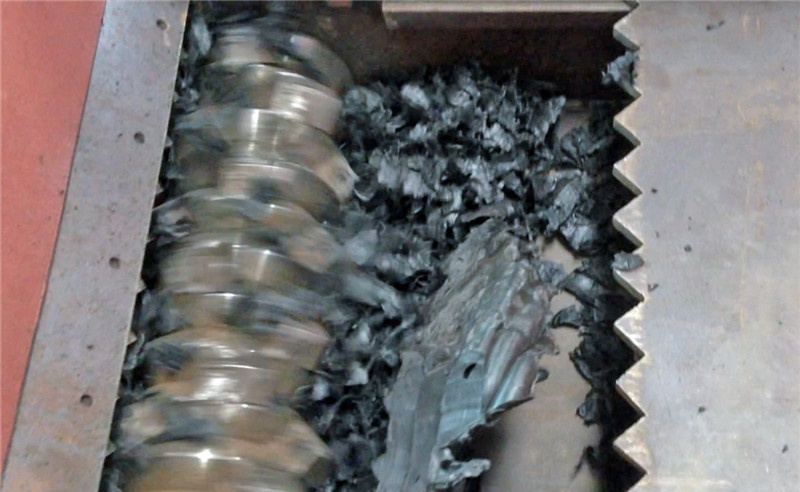
Granulators with dry separators are popular for mixed cable scrap because they handle varied input without presorting. Pre-shredding bulky cable bundles with single-shaft or dual-shaft shredders can improve granulator throughput and protect blades from damage.
A comprehensive recycling plant often requires additional machinery beyond the core processing lines:
| Equipment Type | Application | Typical Capacity |
|---|---|---|
| CRT Cutters | Separating CRT monitor glass, funnel, and phosphor powder | 25-90 seconds per unit |
| Refrigerator Recycling Lines | Extracting refrigerant, shredding, separating metals and plastics | 20-30 units per hour |
| Motor Recycling Machines | Dismantling electric motors to recover copper windings | Varies by motor size |
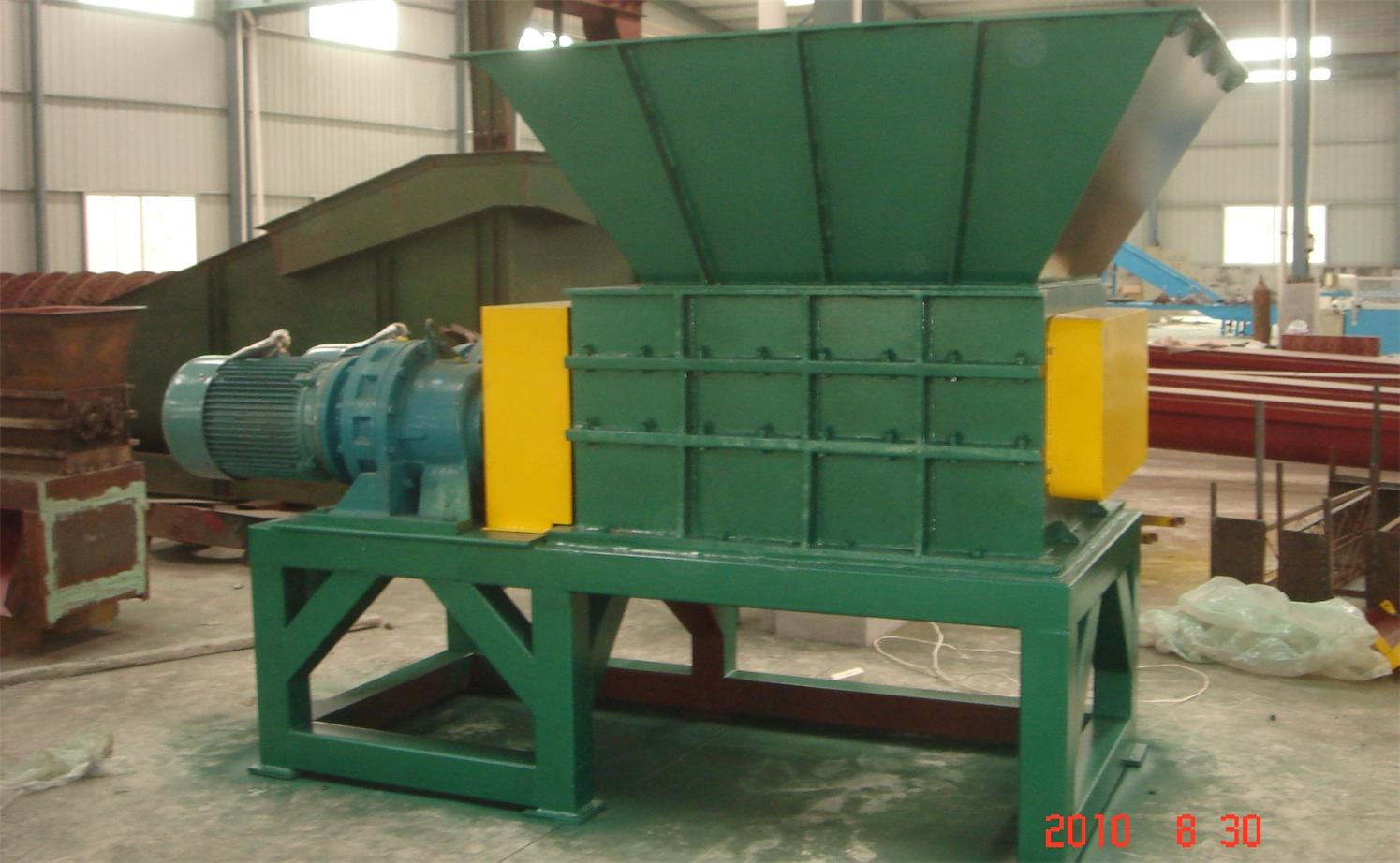
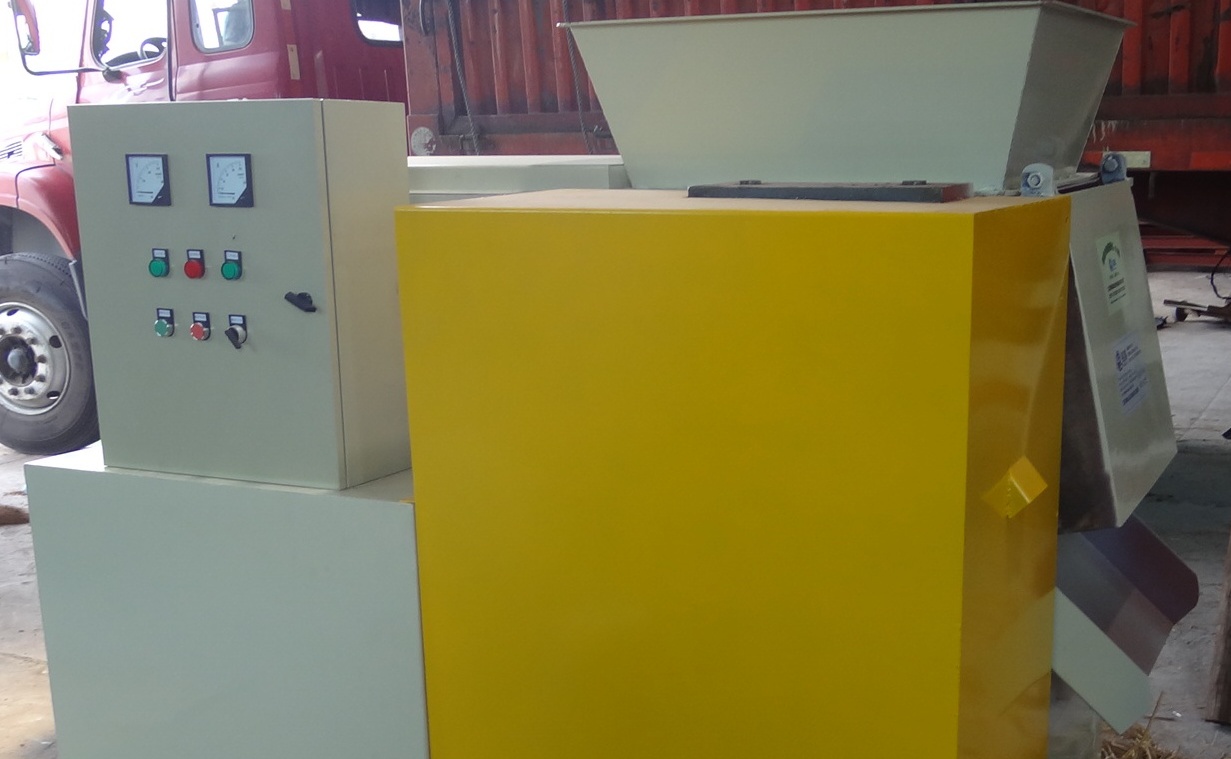
| Multi-Purpose Shredders | Pre-shredding e-waste, cables, batteries, appliances | 200 kg/hour to 6 MT/hour |
| Hydraulic Briquetters and Balers | Densifying metal chips, plastic film, or recyclable materials | Volume reduction 8:1 to 30:1 |
| Metal Melting Furnaces | Producing copper, lead, or aluminum ingots from recovered metal | 4 kg to 250 kg per batch |
Choosing machinery is only half the decision. The supplier you work with will shape your project from design through commissioning and beyond. Here are the critical factors to evaluate:
- Technical Depth: Look for suppliers with engineering teams holding advanced degrees in mechanical engineering and deep domain experience in e-waste recycling machinery. The complexity of material separation and environmental compliance demands genuine expertise, not just assembly capability.
- EPC and Turnkey Capability: Engineering, Procurement, and Construction (EPC) experience matters. A supplier that can deliver customized plant design, equipment supply, installation, and commissioning as a single package reduces integration risk and shortens project timelines.
- Customization: No two recycling operations are identical. Feedstock composition, local regulations, available space, and target output specifications vary. Your supplier should offer configurable capacities, layouts, and process flows.
- Environmental Compliance Integration: The best suppliers build pollution control, effluent treatment, and dust collection into the plant design from the start rather than treating them as afterthoughts.
- Proven Export Experience: E-waste recycling is a global business. Suppliers with installations across multiple continents understand diverse regulatory environments, voltage standards, and logistics challenges.
- Value-Added Services: Some suppliers go beyond equipment to assist with feedstock sourcing, product offtake for recovered materials (copper rice, lead ingots), and even investor introductions for plant construction projects.
The e-waste recycling sector offers compelling economics for well-equipped operations. With recoverable metal values far exceeding processing costs, the primary determinant of success is having the right machinery configured for your specific feedstock and market conditions.
Whether you are starting with cable granulation, scaling into lead acid battery processing, or building a multi-stream e-waste plant handling batteries, circuit boards, and appliances, invest in equipment that delivers high recovery rates, reliable throughput, and robust environmental controls. Partner with a supplier that brings proven engineering, international project experience, and comprehensive after-sales support.
Looking for proven e-waste recycling equipment? San Lan Technologies Co., Ltd. has been manufacturing WEEE recycling machines and mining equipment since 2007, with installations in over 21 countries. From lead acid battery recycling plants and lithium battery recycling lines to circuit board recovery systems, cable granulators, shredders, and melting furnaces, we provide complete turnkey solutions with professional installation and commissioning support. Contact us today to discuss your project requirements.