Every year, millions of used lead acid batteries (ULABs) reach the end of their service life. Without proper recycling, they pose a severe environmental and health hazard — lead is a toxic heavy metal, and sulfuric acid can contaminate soil and groundwater. But with the right lead acid battery recycling equipment, these spent batteries transform from hazardous waste into valuable raw materials: pure lead ingots ready for reuse in new batteries and industrial applications.
Setting up a lead acid battery recycling plant is a significant investment, and choosing the right recycling equipment supplier can make the difference between a profitable operation and an environmental liability. This guide walks you through every key piece of equipment you need — from battery breaking to final lead refining.
Understanding the Complete Recycling Process
A complete lead acid battery recycling plant typically consists of several subsystems working in sequence. Understanding how each component fits into the overall process is essential before making any purchasing decision.
- Battery breaking and separating — cutting batteries and separating components
- Paste desulfurization — removing sulfur from lead paste
- Smelting and reduction — converting lead compounds into metallic lead
- Lead refining — purifying crude lead to commercial-grade purity
- Air pollution control and effluent treatment — managing emissions and wastewater
Step 1: Battery Breaking and Separation
The first and most critical stage is the lead acid battery breaking and separation system. This is where whole used batteries enter the line and exit as four separate output streams: lead grid (Pb-Sb alloy), lead paste, PP/PVC plastic, and hard rubber (ebonite).
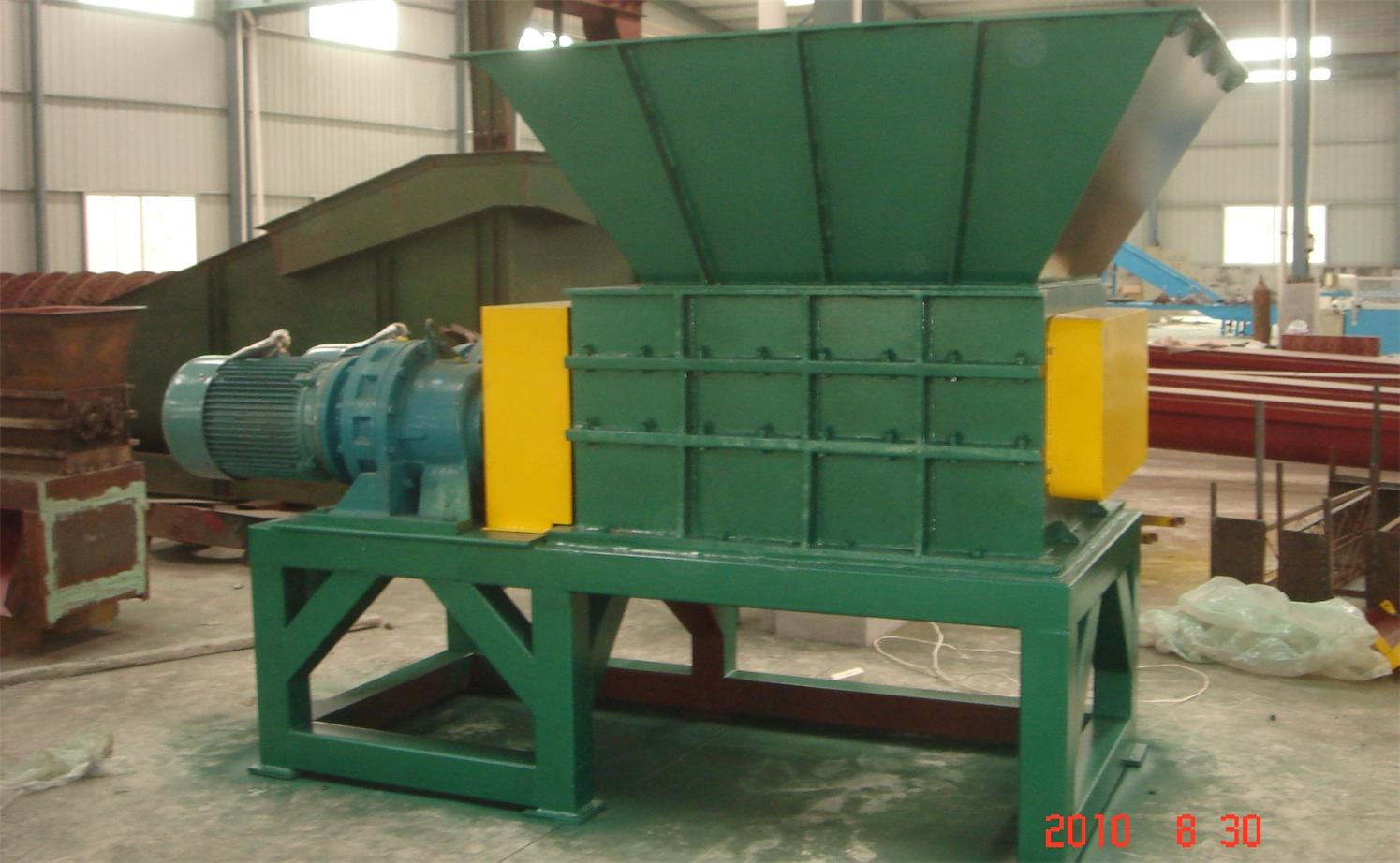
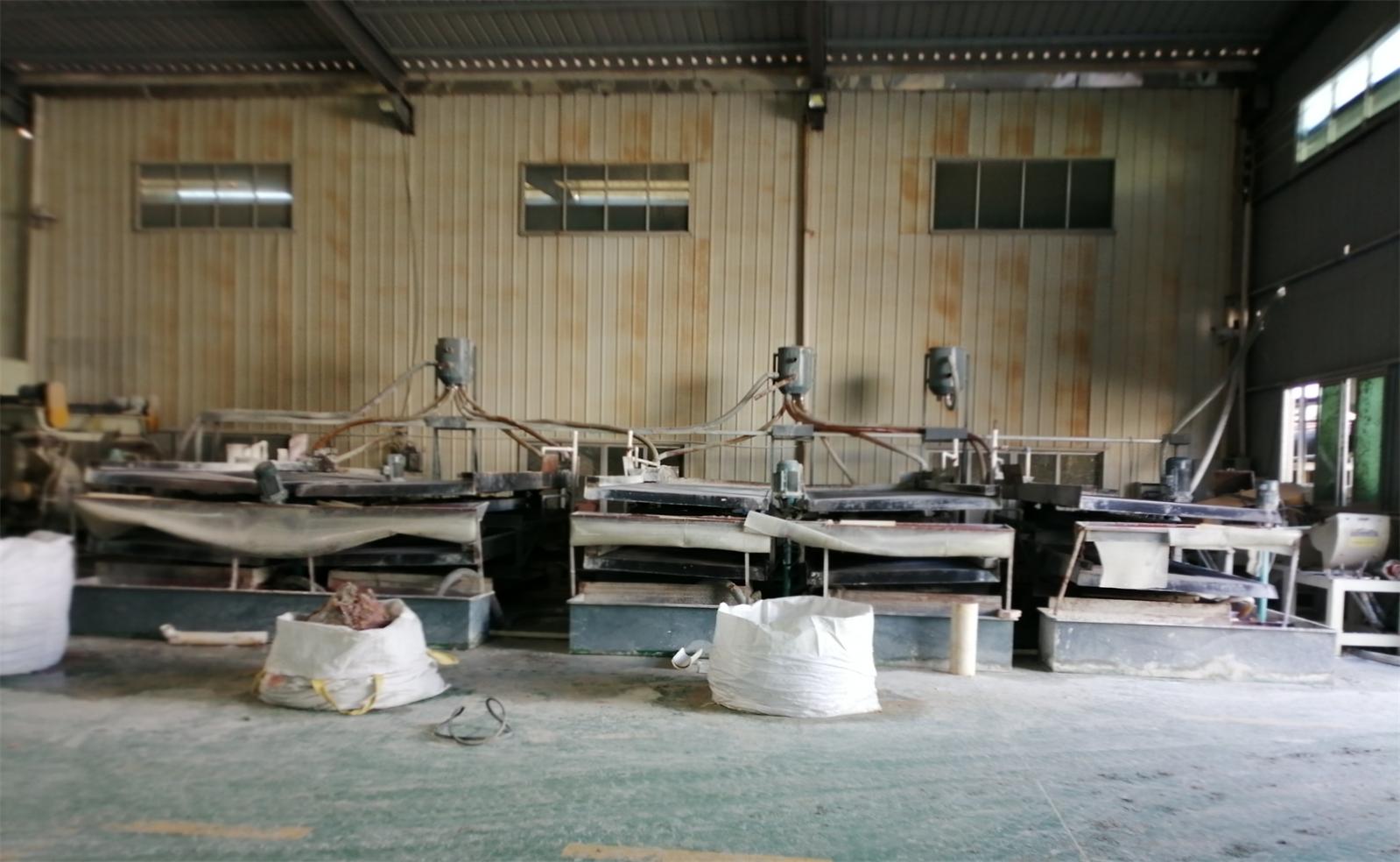
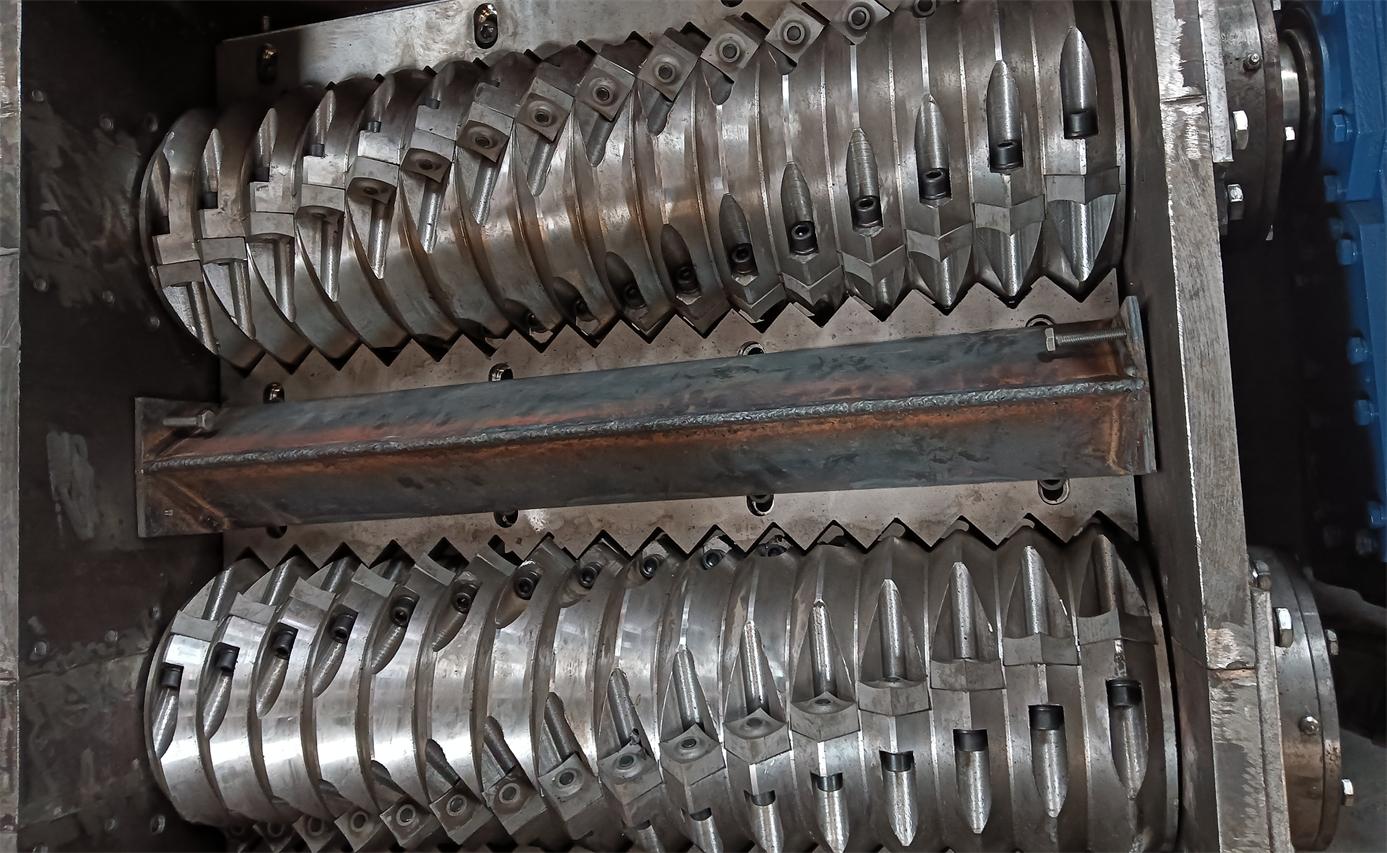
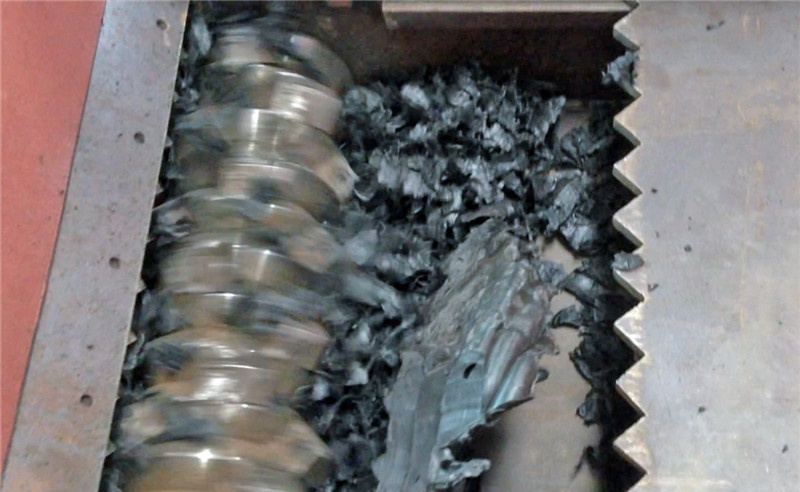
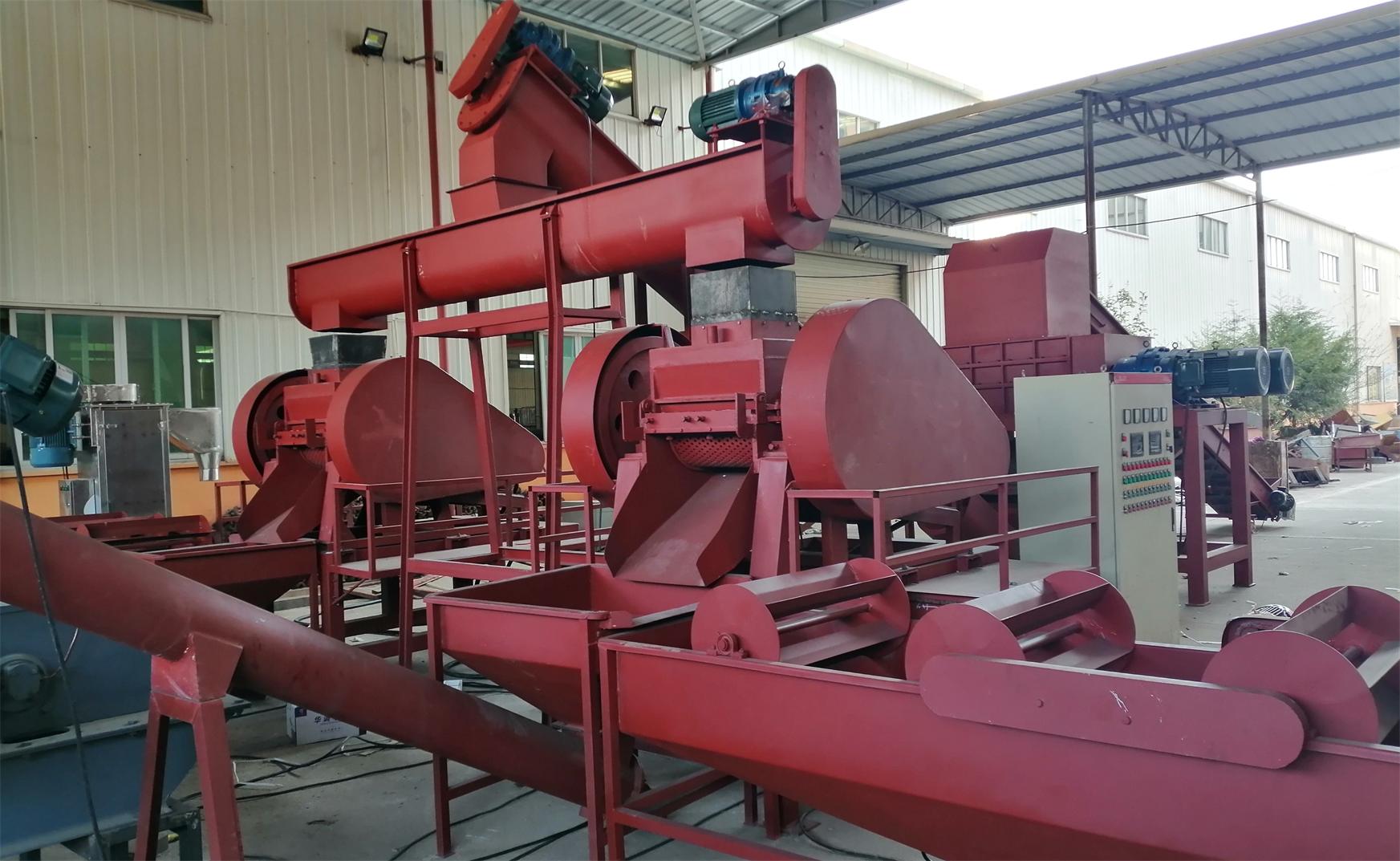
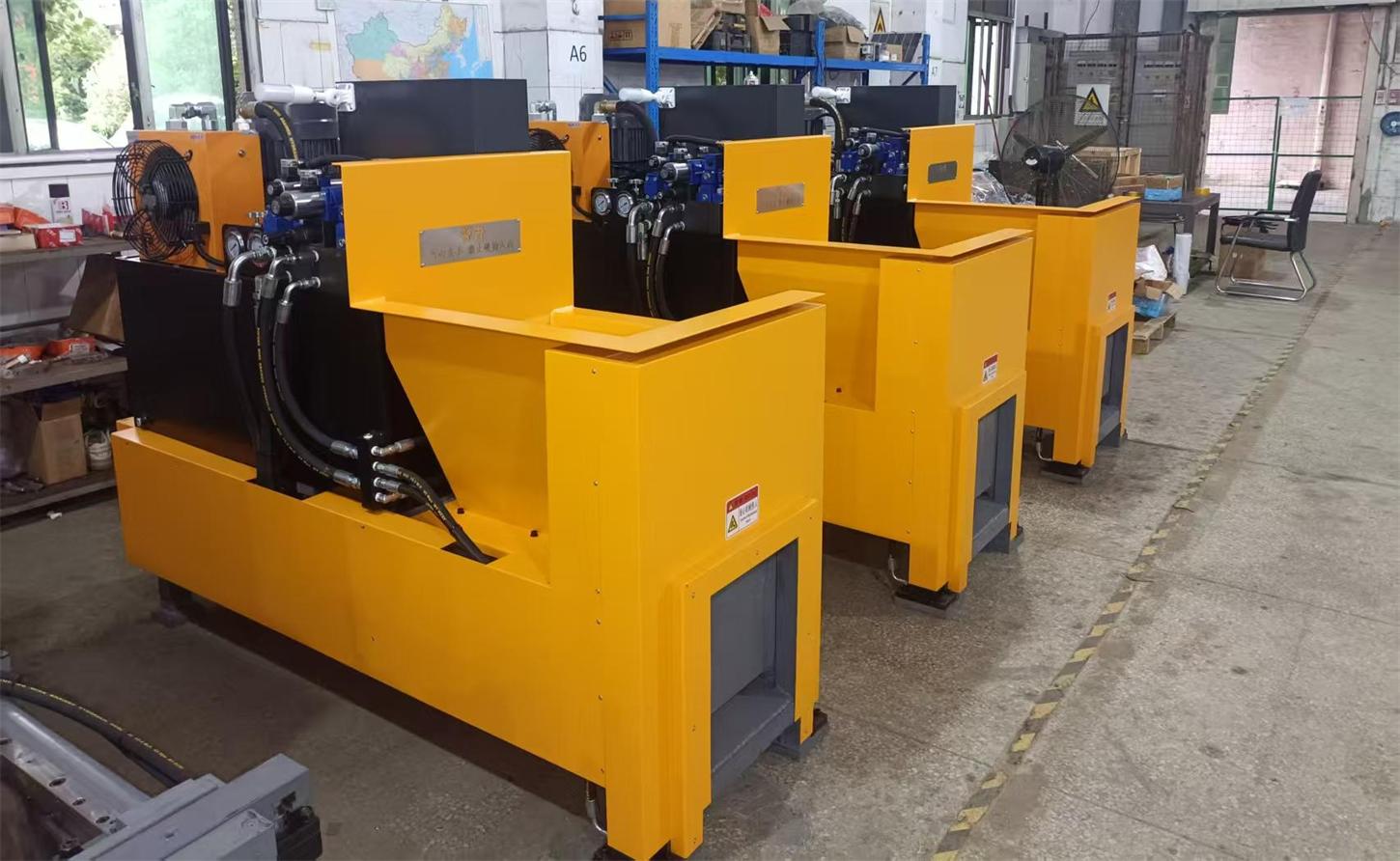
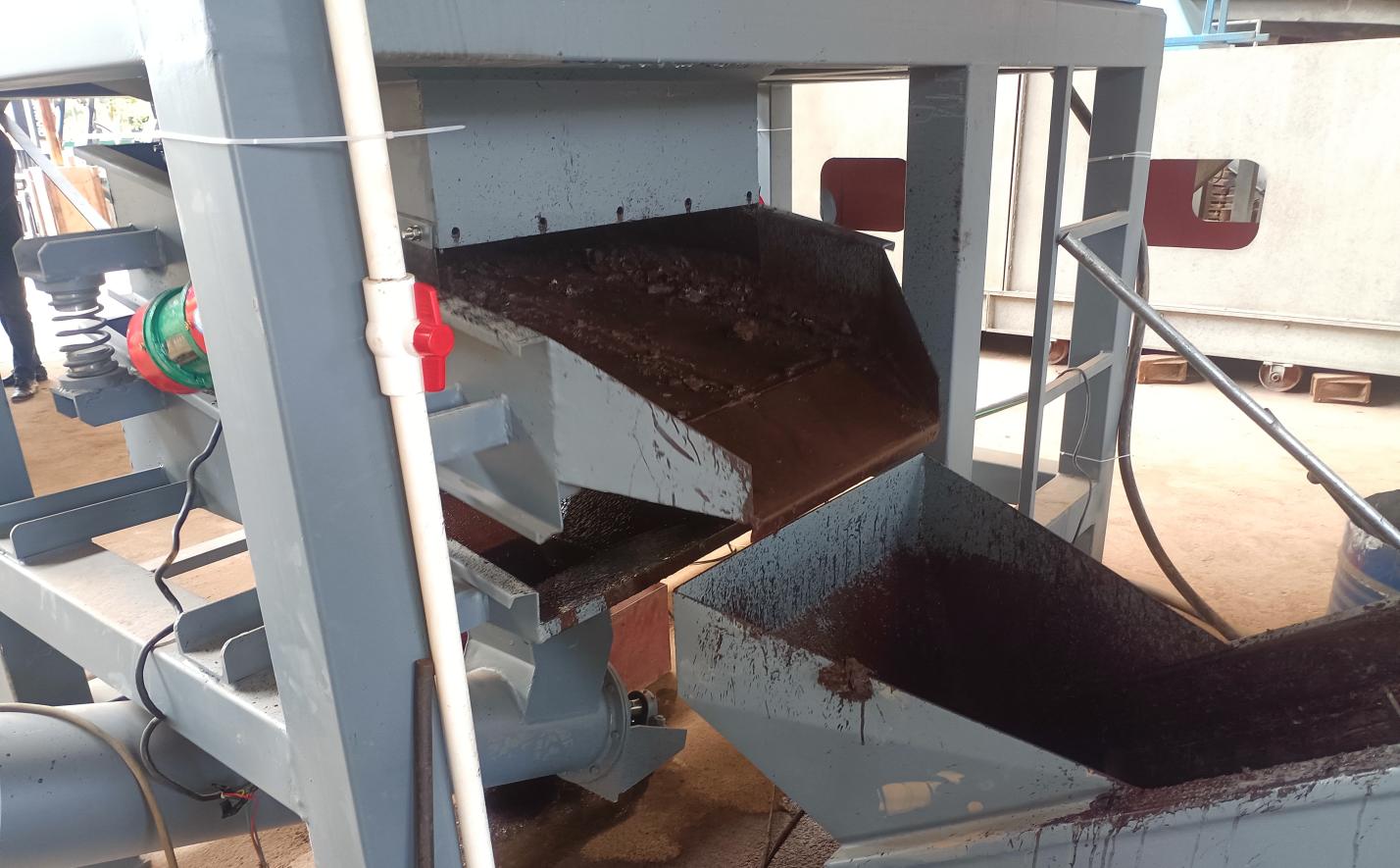
A well-designed system begins with a hydraulic battery cutter that slices each battery into sections, allowing the sulfuric acid electrolyte to drain into a collection tank. The cut battery pieces then pass through a multi-shaft shredder, reducing them to 4–6 cm fragments. These fragments go through a vibrating screen, granulator, and water flotation separator to achieve precise separation of the four output materials.
San Lan Technologies supplies breaking and separating plants with capacities ranging from 1 to 10 metric tons per hour, accommodating both small-scale recyclers and large industrial operations. The system can be manufactured in stainless steel for enhanced corrosion resistance and longer service life, and installations are already running in countries including India, Colombia, and Indonesia.
Step 2: Paste Desulfurization
After separation, the lead paste — which contains approximately 65% PbSO₄ (lead sulfate) along with lead oxide and metallic lead — needs to be desulfurized. This is where de-sulfurization machines equipment plays an indispensable role.
The desulfurization unit removes sulfur from the lead sulfate in the paste through a chemical reaction, typically using sodium carbonate or sodium hydroxide as the reagent. This critical step delivers three concrete benefits: it lowers the melting temperature required in the subsequent smelting stage, dramatically reduces SO₂ emissions during smelting, and saves on both energy consumption and chemical additives.
Without proper desulfurization, the smelting furnace would need to operate at much higher temperatures, consuming more fuel and releasing harmful sulfur dioxide gas that requires expensive scrubbing equipment to control.
Step 3: Smelting and Reduction — Rotary Furnace vs. Blast Furnace
Once the paste has been desulfurized, the lead compounds — primarily lead oxide and lead carbonate — must be reduced to metallic lead. This is accomplished with a furnace for paste reduction melting equipment. San Lan Technologies offers two primary furnace configurations, each suited to different operational needs:
Rotary Furnace: With a capacity of 2–20 metric tons per batch, the rotary furnace achieves a higher lead recovery rate than conventional blast furnaces. It is the preferred choice for medium to large-scale operations where maximizing metal recovery is the top priority. The rotating design ensures uniform heating and thorough mixing of the charge material.
Blast (Cupola) Furnace: Designed for higher throughput, the blast furnace handles 40–100 metric tons per 24 hours at temperatures reaching up to 1800°C. It delivers a lead recovery rate of approximately 95%, making it suitable for high-volume operations that prioritize throughput.
The choice between these two depends on your desired throughput, energy cost structure, available floor space, and local emissions regulations. An experienced recycling equipment supplier can help you evaluate which option best fits your specific situation.
Step 4: Lead Refining — Achieving 99.999% Purity
The crude lead produced from smelting typically contains impurities such as antimony, tin, copper, arsenic, and bismuth. To achieve commercial-grade purity suitable for battery manufacturing and other industrial uses, lead refinery machine equipment is essential.
San Lan's lead refinery kettle furnace can refine crude lead to an impressive 99.999% purity level. Available in both natural gas/diesel heated and electric heated configurations, the electric type uses near-infrared heating technology that achieves 30–50% energy savings compared to conventional heating methods.
The refinery kettle operates at temperatures below 500°C, which is significantly lower than the smelting stage. This lower operating temperature not only conserves energy but also reduces metal oxidation losses, further maximizing your overall lead recovery from each batch of scrap batteries.
Step 5: Environmental Protection — Air and Water Treatment
No lead acid battery recycling plant is complete without robust environmental controls. Two critical systems are required to meet regulatory standards and protect both workers and the surrounding community.
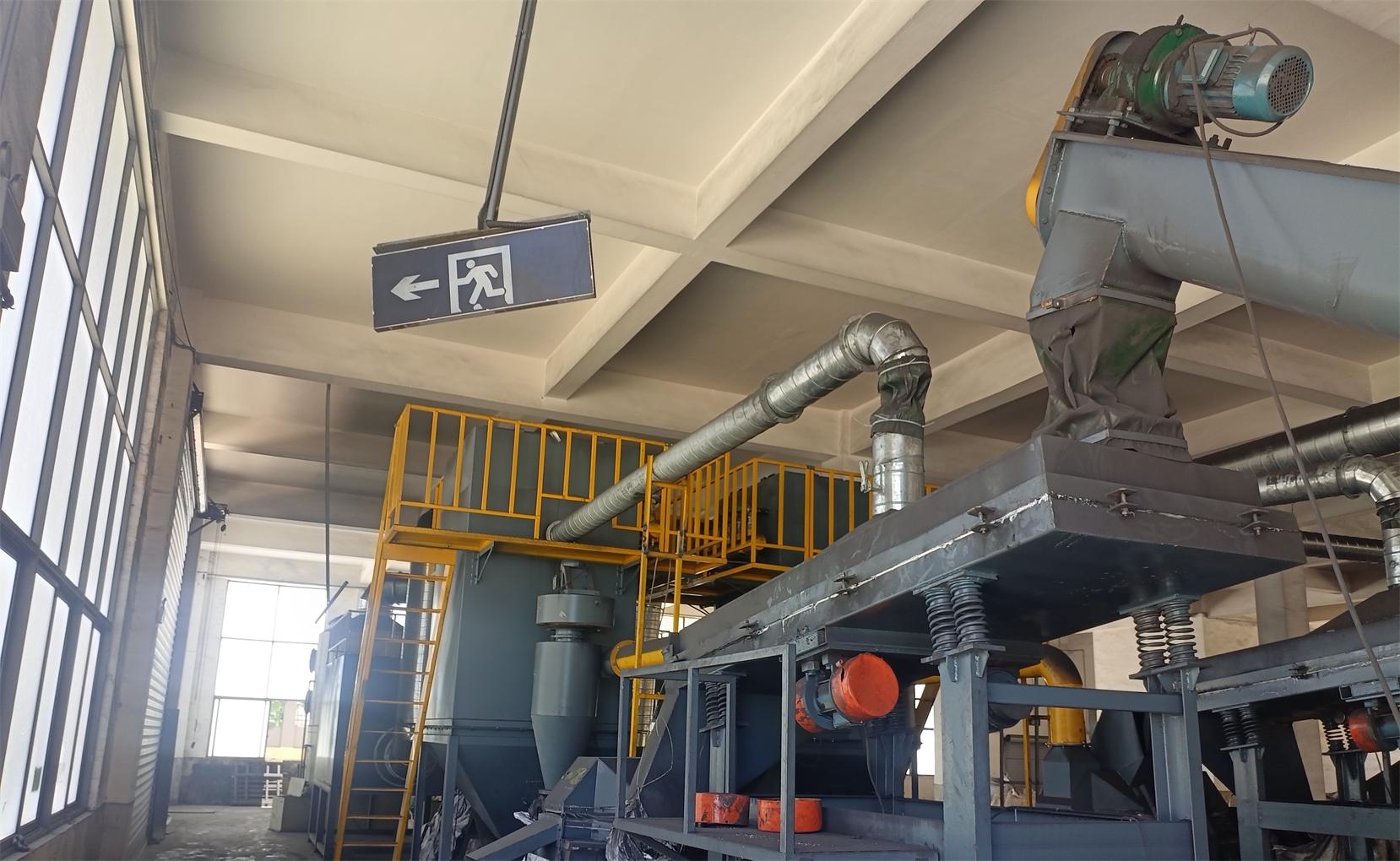
Air Pollution Control: Air pollution control machines equipment purifies the gases emitted from rotary furnaces, blast furnaces, and refinery kettles. These systems capture particulate matter, neutralize acidic gases including SO₂, and ensure that only clean air is released into the atmosphere. San Lan designs these systems to meet local environmental regulations in every country where their plants operate.
Effluent Treatment: The effluent treatment machine equipment handles the acidic wastewater generated from battery breaking and component washing. The treatment plant neutralizes this water, removes suspended solids and dissolved heavy metals, and allows the treated water to be safely discharged or recycled back into the process. A filter press equipment also separates lead paste from the slurry, recovering valuable lead-bearing material that would otherwise be lost.
Why a Turnkey Solution Makes Business Sense
Building a lead acid battery recycling plant is not just about buying individual machines — it is about integrating them into a seamless, efficient, and compliant production line. A recycling equipment turnkey solution from an experienced manufacturer ensures that all subsystems are properly matched in capacity, avoiding costly bottlenecks and downtime.
A turnkey approach also means the complete plant layout is optimized for material flow and operator safety. Installation and commissioning are handled by engineers who understand every stage of the process, and operator training is provided so your team can run the plant efficiently from day one. Ongoing after-sales technical support keeps your operation running smoothly in the long term.
About San Lan Technologies
San Lan Technologies Co., Ltd, established in 2007 and based in the industrial park of Shicheng County, Ganzhou City, Jiangxi Province, China, is a professional manufacturer of WEEE recycling machines and e-waste recycling equipment. With a technical support team holding master’s degrees in mechanical engineering and over 15 years of experience in the e-waste recycling industry, the company has built a reputation for delivering reliable, high-performance recycling plants to customers in more than 21 countries worldwide.
Beyond equipment supply, San Lan offers comprehensive EPC (Engineering, Procurement, Construction) services including customized plant design, one-stop procurement, and on-site installation and commissioning. The company also assists clients with waste material sourcing and helps customers sell the end products from their recycling plants, such as lead ingots and copper powder.
Whether you are planning a new recycling facility or upgrading an existing operation, selecting the right recycling equipment supplier is the first and most important decision you will make. San Lan Technologies brings nearly two decades of specialized experience to every project. Contact their team today to discuss your requirements, request a customized equipment configuration, and receive a detailed quotation.
Email: curbing888@hotmail.com | WhatsApp: +86 139 2377 4083 | WeChat: curbing1970