In a world where sustainability isn't just a buzzword but a critical necessity, the recycling industry stands at the forefront of turning waste into resources. From old electronics to scrap metal, plastic waste to industrial byproducts, the demand for efficient, reliable processing equipment has never been higher. Among the unsung heroes of this revolution are shredders—machines that break down bulky, often unmanageable materials into smaller, usable pieces. And when it comes to versatility, power, and consistency, few shredders can match the capabilities of twin shaft shredders. Often referred to in industry circles as
2 shaft shredder equipment
, these machines have become a cornerstone in recycling facilities, manufacturing plants, and waste management operations worldwide. But what exactly makes them so indispensable? Let's dive into the advantages that set twin shaft shredders apart: their raw power, surgical precision, and unbeatable performance.
What Are Twin Shaft Shredders, Anyway?
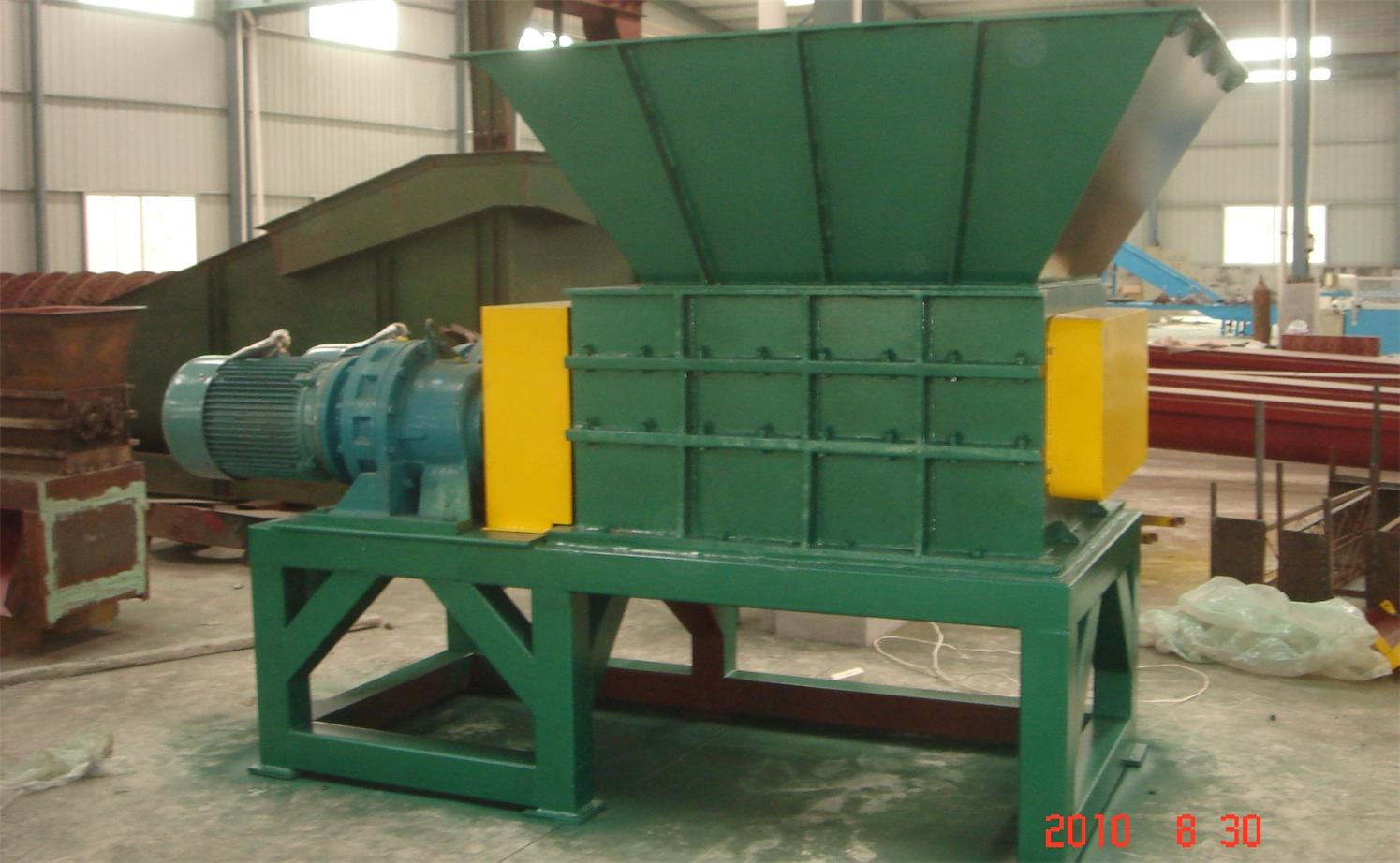
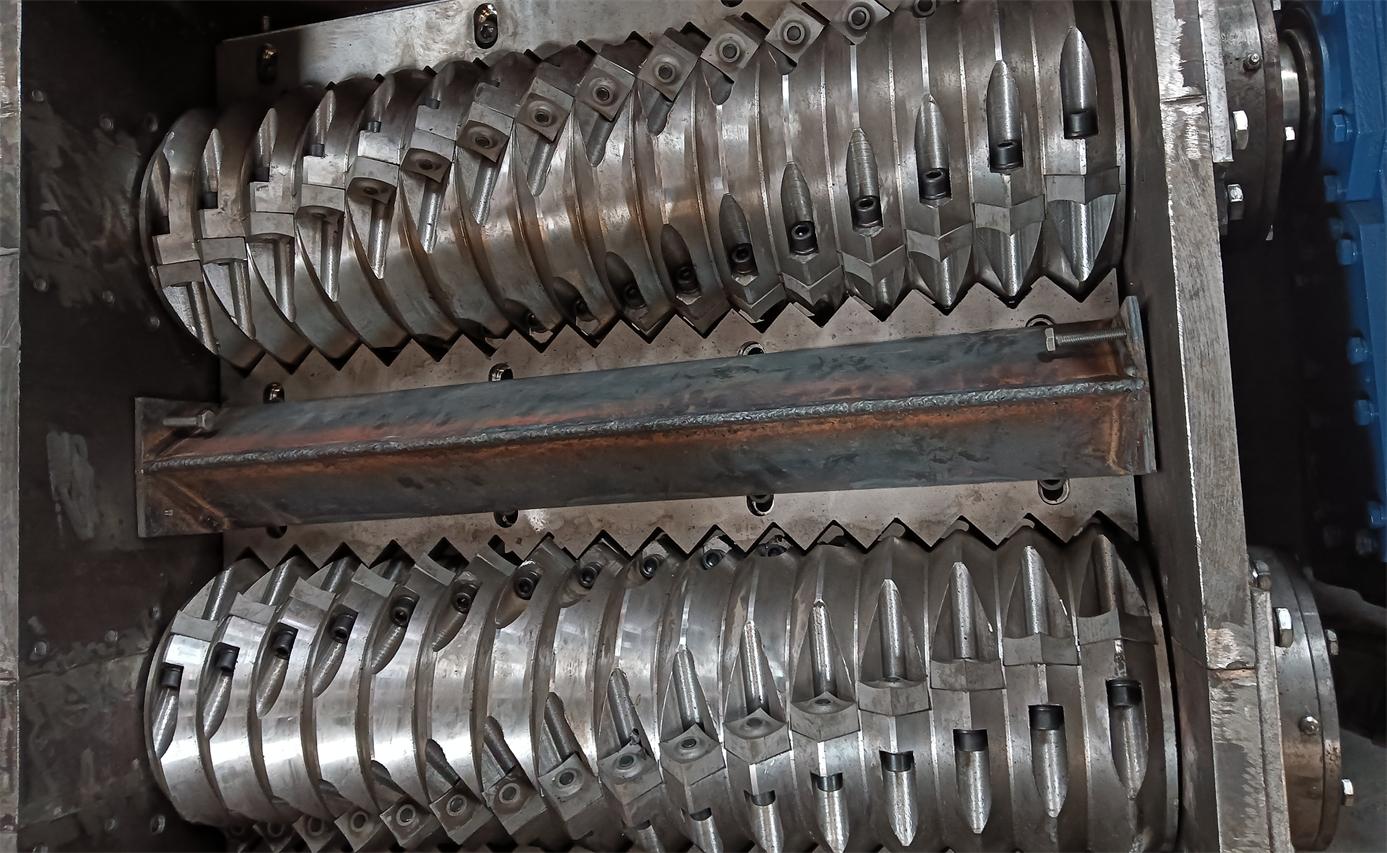
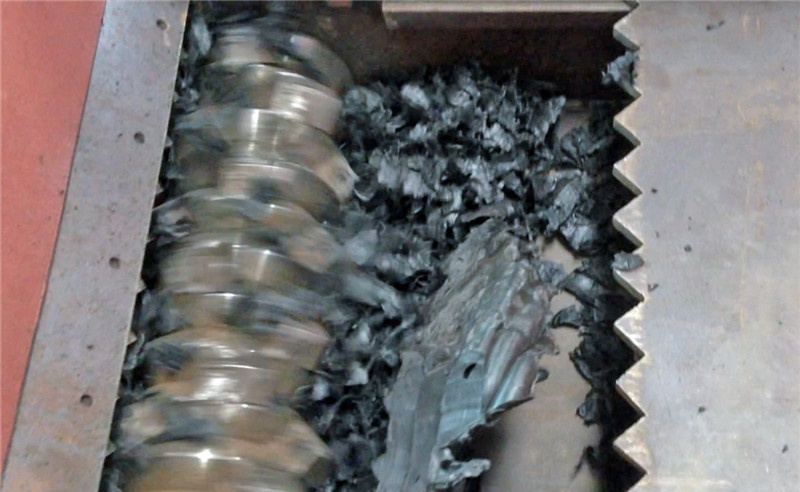
Before we jump into their advantages, let's get clear on what twin shaft shredders are. Picture two parallel, rotating shafts, each fitted with a series of interlocking blades or cutters. These shafts spin in opposite directions, grabbing, tearing, and shearing materials as they pass through the machine. Unlike single shaft shredders, which rely on a single rotating shaft and a stationary bed knife, or four shaft shredders, which offer ultra-fine grinding but at a higher cost, twin shaft shredders strike a balance that makes them ideal for a wide range of applications. They're designed to handle everything from soft plastics and paper to tough metals and composite materials, making them a jack-of-all-trades in the shredding world. But don't let that versatility fool you—they're also masters of their craft, delivering results that many other shredders can only dream of.
Advantage 1: Raw Power – Taming the Toughest Materials
Let's start with the most obvious advantage: power. When you're dealing with materials like thick-walled plastic pipes, scrap metal sheets, or even whole car parts, you need a machine that doesn't back down. Twin shaft shredders are built for brute force, thanks to their dual-shaft design and high-torque motors. Here's why that matters:
Torque that Tackles the Unshreddable
– Torque, not just speed, is what matters when shredding tough materials. Twin shaft shredders deliver high torque at low speeds, which means they can grab onto dense, rigid items and pull them through the cutting chamber without stalling. Imagine trying to shred a bundle of
cable recycling equipment
scraps—thick copper wires insulated with tough rubber or plastic. A single shaft shredder might struggle to get a grip, leading to jams or uneven cuts. But twin shafts? They bite down, shear through the insulation, and break the cables into manageable pieces in seconds. It's like the difference between using a pair of scissors (single shaft) and a industrial-grade shear (twin shaft) on a piece of steel—one works, the other dominates.
Handling Bulky and Irregular Shapes
– Not all waste comes in neat, uniform packages. Think of a pile of discarded circuit boards, old appliances, or even tree trunks (yes, some twin shaft shredders handle wood too). These irregularly shaped items can be a nightmare for single shaft shredders, which often rely on gravity to feed material into the cutting area. Twin shafts, with their intermeshing blades, actively pull materials into the machine, even if they're lopsided or oversized. This makes them perfect for processing mixed waste streams, where you never know what might come down the line.
Reduced Wear and Tear (Yes, Even with Power)
– You might think all that power would mean the machine wears out faster, but twin shaft shredders are surprisingly durable. The dual shafts distribute the cutting load evenly, reducing stress on individual blades. Plus, many models feature hardened steel blades that can withstand abrasion from materials like glass or metal. When blades do wear down, they're often reversible or replaceable, making maintenance simpler than you might expect.
Advantage 2: Precision Cutting – Consistency That Drives Efficiency
Power is great, but what good is it if the end result is a mess of unevenly shredded material? In recycling, consistency is key. Whether you're separating metals from plastics, preparing material for melting, or creating uniform pellets for repurposing, the size and shape of the shredded output directly impact downstream processes. This is where twin shaft shredders truly shine: their precision.
Uniform Particle Sizes, Every Time
– The intermeshing blades of twin shaft shredders are designed to produce consistent particle sizes, often adjustable by changing the blade configuration or shaft speed. For example, in
circuit board recycling equipment
operations, shredded circuit boards need to be broken down into particles small enough to separate precious metals (like gold and silver) from fiberglass and plastic. If the particles are too large, the separation process is inefficient; too small, and you risk losing fine metal particles. Twin shaft shredders hit that sweet spot, producing particles that are uniform enough for magnetic separation, air classification, or density-based sorting systems to work their magic.
Controlled Shredding, No Over-Shredding
– Over-shredding isn't just a waste of energy; it can also turn valuable materials into dust, making them harder to recover. Twin shaft shredders excel at "controlled" shredding—they break materials down to the desired size without reducing them to powder. This is especially important for materials like rubber, where maintaining a certain particle size is critical for repurposing into products like playground mulch or shoe soles. Single shaft shredders, by contrast, can sometimes over-shred if the material is too soft, leading to inconsistent outputs and wasted product.
Minimized Stringing and Tangling
– Anyone who's worked with plastic or rubber knows the frustration of "stringing"—long, thin strands of material that wrap around shredder blades or clog downstream equipment. Twin shaft shredders, with their scissor-like cutting action, minimize this problem. The interlocking blades shear through materials cleanly, cutting down on stringing and ensuring that the output flows smoothly through conveyors, separators, and other processing equipment. This not only reduces downtime but also improves the overall efficiency of the recycling line.
Advantage 3: Unmatched Performance – Throughput, Efficiency, and Reliability
Power and precision are important, but at the end of the day, businesses care about performance. How much material can the machine process in an hour? How much energy does it use? How often does it break down? Twin shaft shredders answer these questions with impressive numbers, making them a cost-effective choice for high-volume operations.
High Throughput, Low Downtime
– Twin shaft shredders are workhorses when it comes to throughput. Thanks to their dual shafts and aggressive feeding action, they can process large volumes of material quickly. A mid-sized twin shaft shredder might handle 500 to 2,000 kilograms of material per hour, depending on the material type—far more than many single shaft models. And because they're less prone to jamming (thanks to their ability to pull materials through evenly), they spend less time idle and more time shredding. For recycling facilities operating around the clock, this translates to higher profits and faster return on investment.
Energy Efficiency That Saves Money
– You might assume that a machine with so much power would guzzle energy, but twin shaft shredders are surprisingly efficient. Their high-torque, low-speed operation means they use energy only when they're actively shredding, not wasting power on spinning at high speeds. Plus, because they reduce material to the desired size in a single pass, there's no need for secondary shredding (a common step with single shaft shredders, which often produce larger chunks that need further processing). Less processing means less energy used—good for the planet and your utility bills.
Reliability in Harsh Environments
– Recycling facilities aren't exactly gentle places. Dust, moisture, and abrasive materials can take a toll on equipment. Twin shaft shredders are built to withstand these conditions, with heavy-duty construction, sealed bearings, and protective covers to keep contaminants out. Many models also feature smart safety systems, like overload protection, which automatically reverses the shafts if a jam occurs, preventing damage to the motor or blades. This reliability means fewer breakdowns, lower maintenance costs, and peace of mind for operators.
Advantage 4: Versatility – One Machine, Endless Applications
If there's one word that defines twin shaft shredders, it's "versatile." These machines aren't limited to a single material or industry—they adapt to whatever you throw at them. Let's take a look at just a few of the applications where twin shaft shredders excel:
Cable Recycling
– As mentioned earlier,
cable recycling equipment
often relies on twin shaft shredders to break down insulated cables into a mix of copper and plastic. The uniform shred size makes it easy to separate the metal (via eddy current separators) from the plastic, which can then be repurposed or sold as scrap. Whether it's small household wires or thick industrial cables, twin shaft shredders handle them all.
Electronic Waste (E-Waste)
– Old circuit boards, laptops, and smartphones are packed with valuable metals, but they're also tough to process. Twin shaft shredders break down these devices into small particles, allowing for efficient separation of metals, plastics, and glass. In
circuit board recycling equipment
lines, they're often paired with
shredder and pre-chopper equipment
to first reduce larger items (like whole computers) into manageable pieces before fine shredding.
Plastic Recycling
– From plastic bottles and containers to industrial plastic waste, twin shaft shredders prepare plastic for washing, melting, and pelletizing. Their ability to handle both soft and rigid plastics (like HDPE, PVC, and PET) makes them a staple in plastic recycling plants.
Metal Recycling
– Scrap metal, aluminum cans, and even car parts are no match for twin shaft shredders. They reduce metal into small, uniform chunks that melt more efficiently in furnaces, saving energy and improving metal quality.
Organic Waste
– Even organic materials like wood, yard waste, and food scraps can be processed with twin shaft shredders, turning them into mulch, compost, or biomass fuel.
Twin Shaft vs. the Competition: How Do They Stack Up?
To truly appreciate twin shaft shredders, it helps to see how they compare to other common shredder types. Let's break it down:
| Feature | Twin Shaft Shredders (2 Shaft) | Single Shaft Shredders | Four Shaft Shredders |
|---|---|---|---|
| Ideal Materials | Mixed waste, cables, plastics, metals, e-waste | Soft plastics, paper, cardboard, light materials | Medical waste, hazardous materials, ultra-fine shredding |
| Output Size Consistency | High – uniform particles | Medium – can have large chunks | Very high – fine, uniform powder |
| Power & Torque | High torque, excellent for tough materials | Lower torque, struggles with dense materials | High torque, but slower speed |
| Throughput | High (500–2,000+ kg/hour) | Medium (200–800 kg/hour) | Low (100–500 kg/hour) |
| Maintenance Needs | Moderate – blade replacement, regular lubrication | Low – simple design, fewer moving parts | High – complex blade systems, frequent cleaning |
| Cost | Moderate – higher than single shaft, lower than four shaft | Low – budget-friendly for light applications | High – specialized, for niche applications |
As the table shows, twin shaft shredders strike a sweet spot between power, precision, and cost. They're not the cheapest option, but they deliver the performance and versatility that make them worth the investment for most high-volume recycling operations. Single shaft shredders are great for light-duty work, and four shaft shredders have their place in ultra-specialized applications, but for businesses that need to process a wide range of materials efficiently, twin shaft shredders are the clear choice.
Maintenance: Keeping Your Twin Shaft Shredder in Top Shape
Like any piece of heavy machinery, twin shaft shredders need regular maintenance to keep performing at their best. But don't let that scare you—with a little care, these machines can last for decades. Here are some key maintenance tips:
Blade Care
– Blades are the heart of any shredder, and twin shaft blades are no exception. Check them regularly for wear, and reverse or replace them when they become dull. Many manufacturers offer reversible blades, which double their lifespan. Sharpening may also be an option, depending on the blade material.
Lubrication
– The shafts and bearings need regular lubrication to prevent friction and overheating. Follow the manufacturer's guidelines for lubricant type and frequency—skimping on this can lead to costly breakdowns.
Cleaning
– After processing sticky or stringy materials (like certain plastics or rubber), take time to clean the cutting chamber. Built-up material can cause jams, uneven shredding, or even damage to the blades.
Safety Checks
– Inspect safety features like emergency stop buttons, overload protection, and guards regularly to ensure they're working properly. Safety isn't just about compliance—it's about protecting your operators and your machine.
Professional Servicing
– For major maintenance (like replacing bearings or repairing the motor), don't hesitate to call in professionals. Many manufacturers offer service contracts to keep your shredder running smoothly.
The Future of Twin Shaft Shredders: Innovations on the Horizon
The recycling industry is evolving fast, and twin shaft shredders are evolving with it. Manufacturers are constantly finding ways to make these machines more efficient, more intelligent, and more adaptable. Here are a few trends to watch:
Smart Technology Integration
– Imagine a shredder that can monitor blade wear in real time, adjust shaft speed based on material type, or send alerts when maintenance is due. IoT (Internet of Things) sensors and AI-powered controls are making this a reality, allowing operators to optimize performance and reduce downtime.
Eco-Friendly Design
– As sustainability becomes even more critical, manufacturers are developing shredders with lower energy consumption, recyclable materials, and reduced noise pollution. Some models now feature energy recovery systems, which capture and reuse the heat generated during shredding.
Modular Configurations
– To meet the needs of small and large operations alike, modular twin shaft shredders are becoming more popular. These machines allow businesses to start with a basic unit and add features (like extra blades, larger motors, or advanced controls) as their needs grow.
Conclusion: Why Twin Shaft Shredders Are a Game-Changer
In the world of recycling and waste management, efficiency, reliability, and versatility are the name of the game. Twin shaft shredders deliver on all three, combining raw power to tackle tough materials, precision to ensure consistent outputs, and performance to keep operations running smoothly. Whether you're processing
cable recycling equipment
,
circuit board recycling equipment
, or a mix of industrial waste, these machines prove time and again that they're more than just tools—they're partners in the journey toward a more sustainable future.
So, if you're in the market for a shredder that can handle whatever you throw at it, deliver consistent results, and grow with your business, look no further than the twin shaft shredder. It's not just an investment in equipment—it's an investment in efficiency, profitability, and the planet. After all, in the race to turn waste into resources, you need a machine that doesn't just keep up, but leads the way. And that's exactly what twin shaft shredders do.