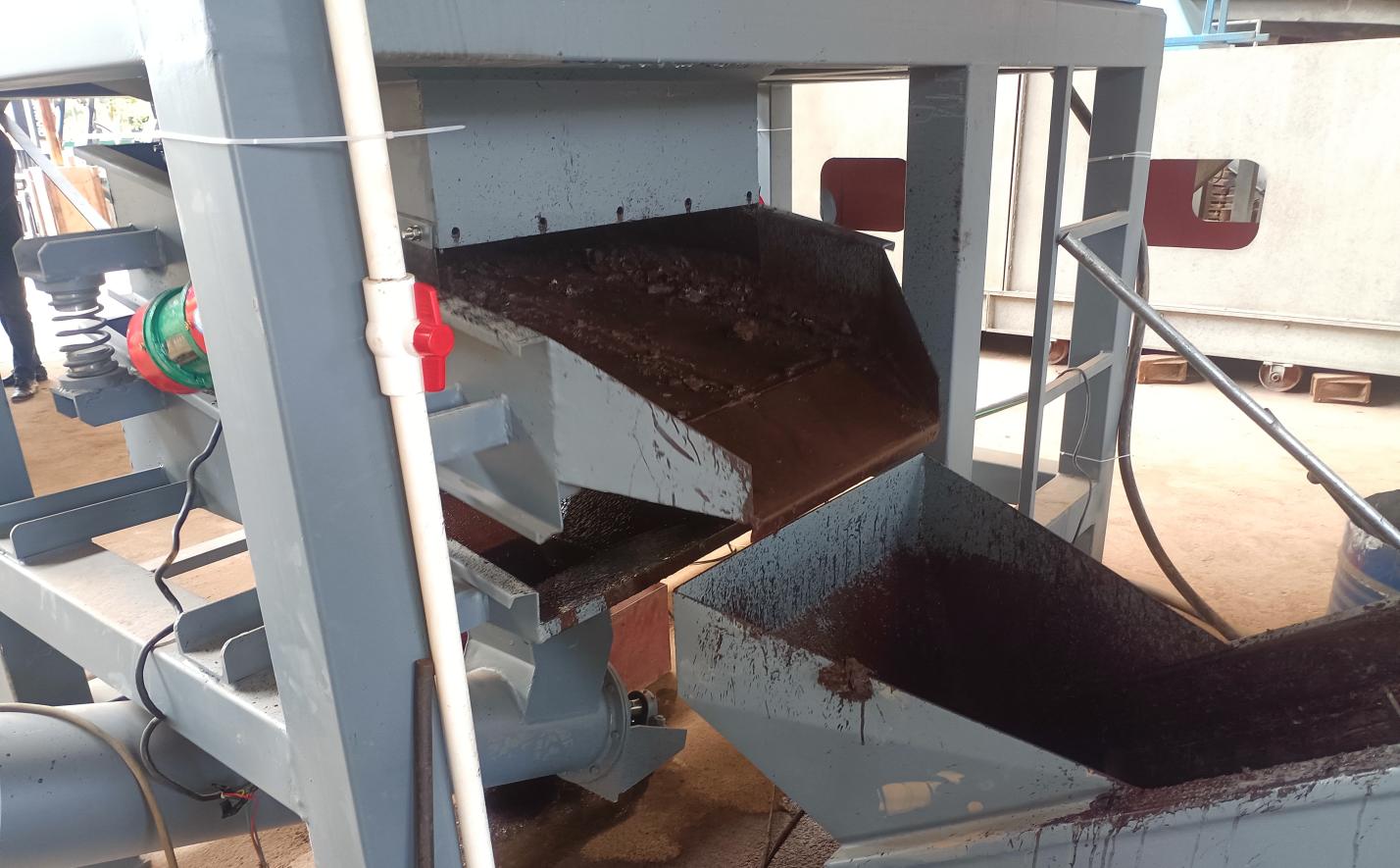
The Unsung Hero of Sustainability
You've probably tossed an aluminum can into a recycling bin without a second thought. But have you ever wondered about the incredible journey that humble container takes to get reborn? What looks like a simple act of disposal actually kicks off a sophisticated technological ballet where that can gets transformed back into raw material, ready for its next life.
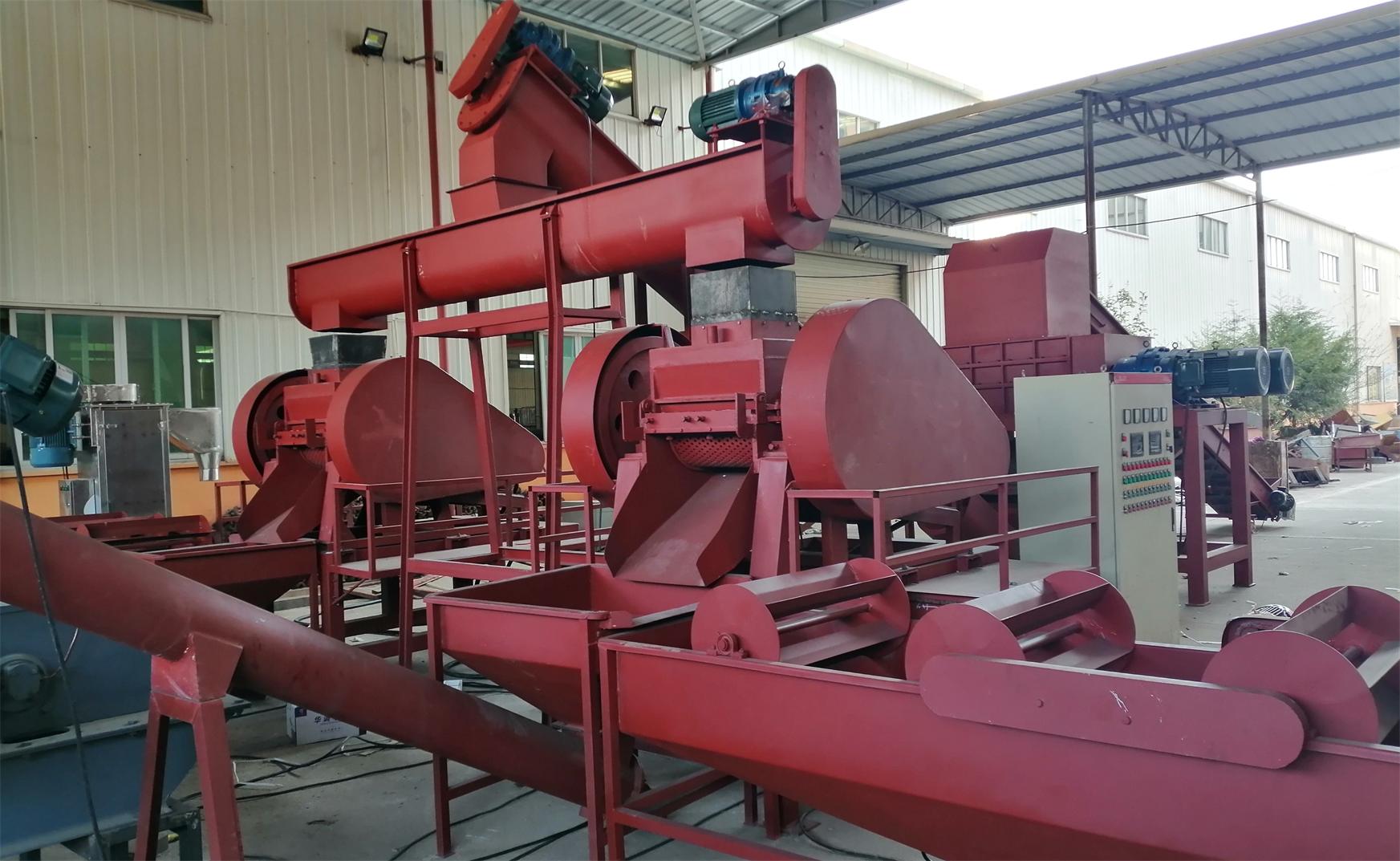
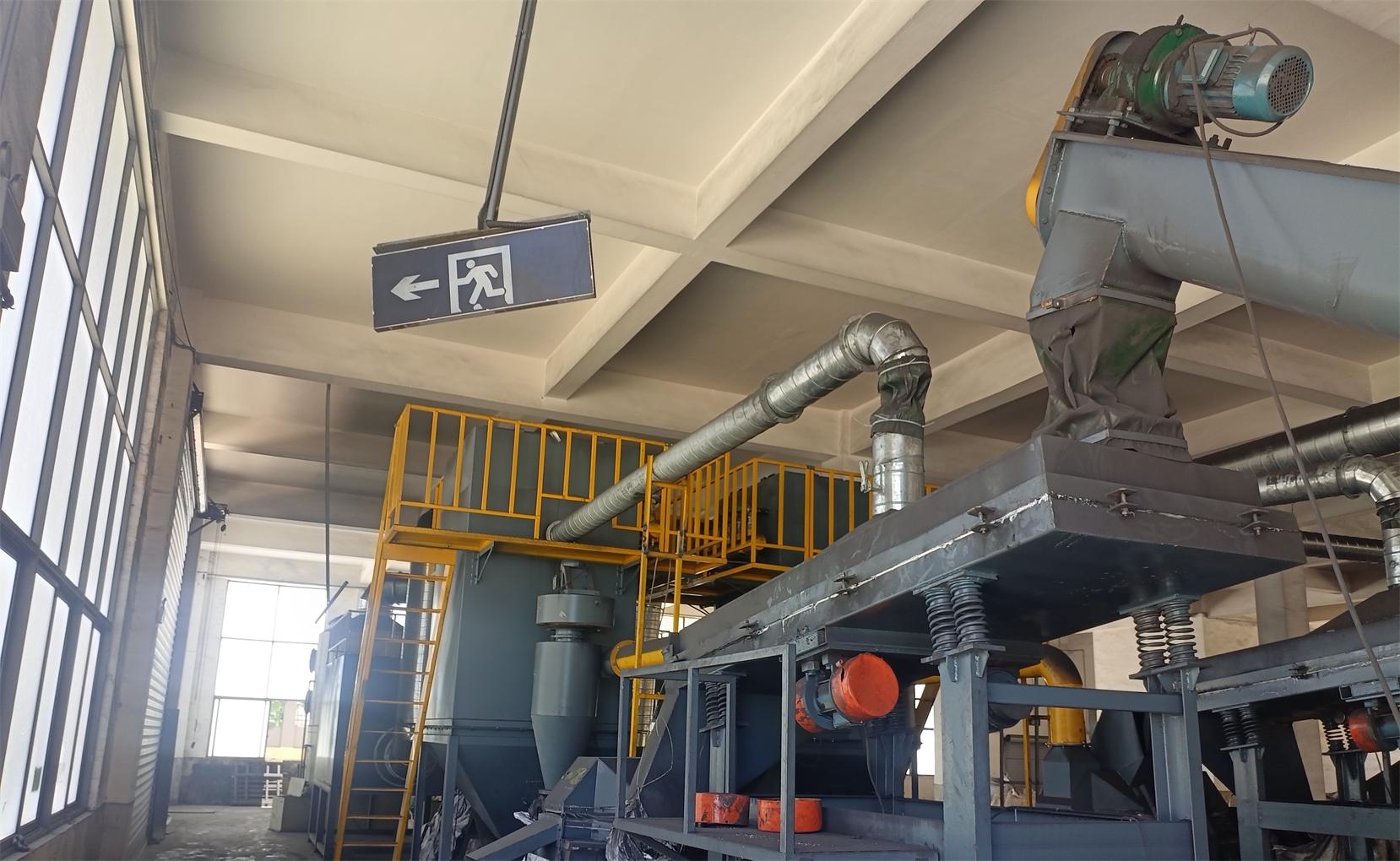
Modern aluminum recycling isn't just about being eco-friendly – it's become an engineering marvel. The production lines humming in recycling facilities across America represent some of the most advanced material recovery systems ever developed. They've quietly revolutionized how we reclaim resources while most of us weren't looking.
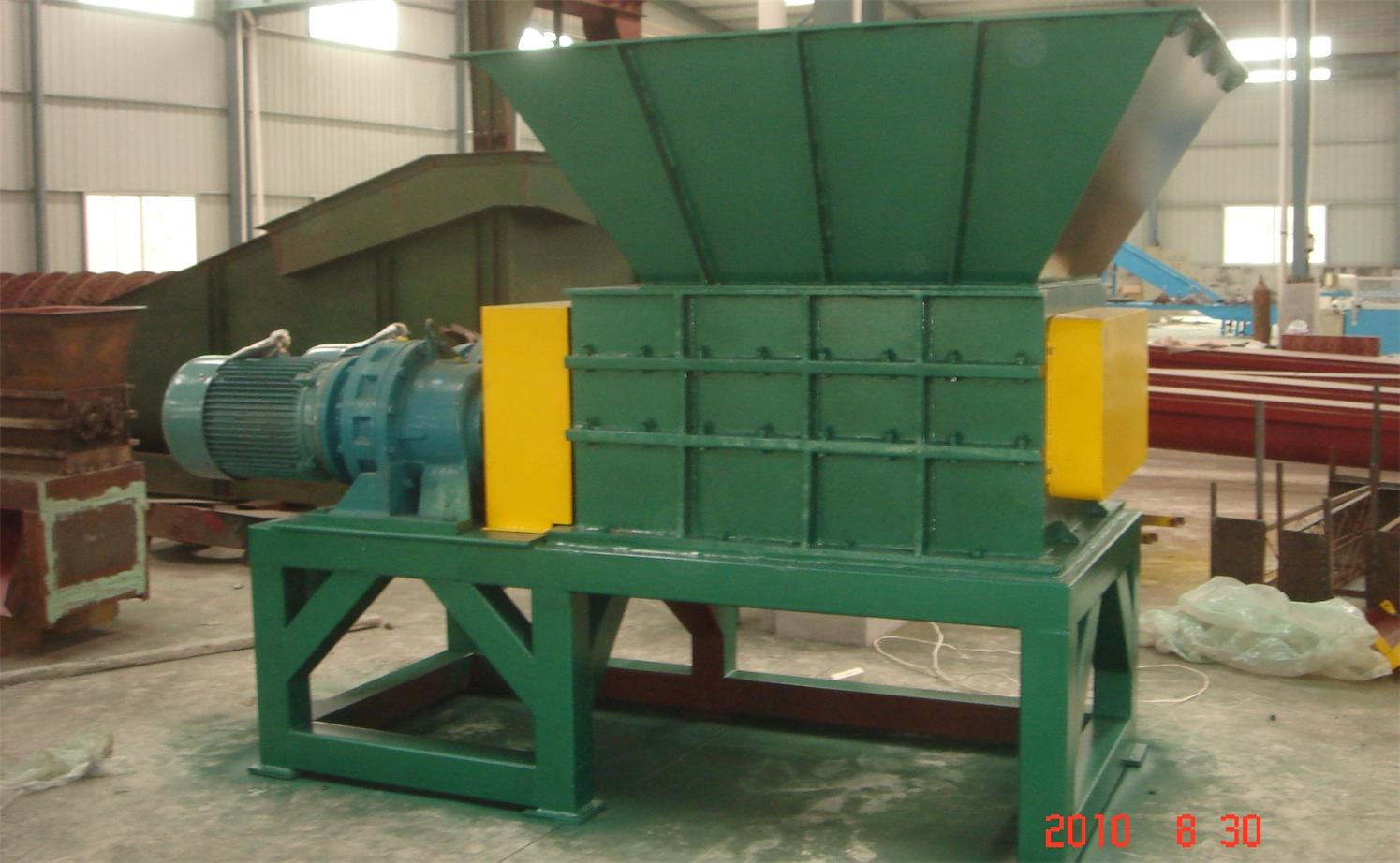
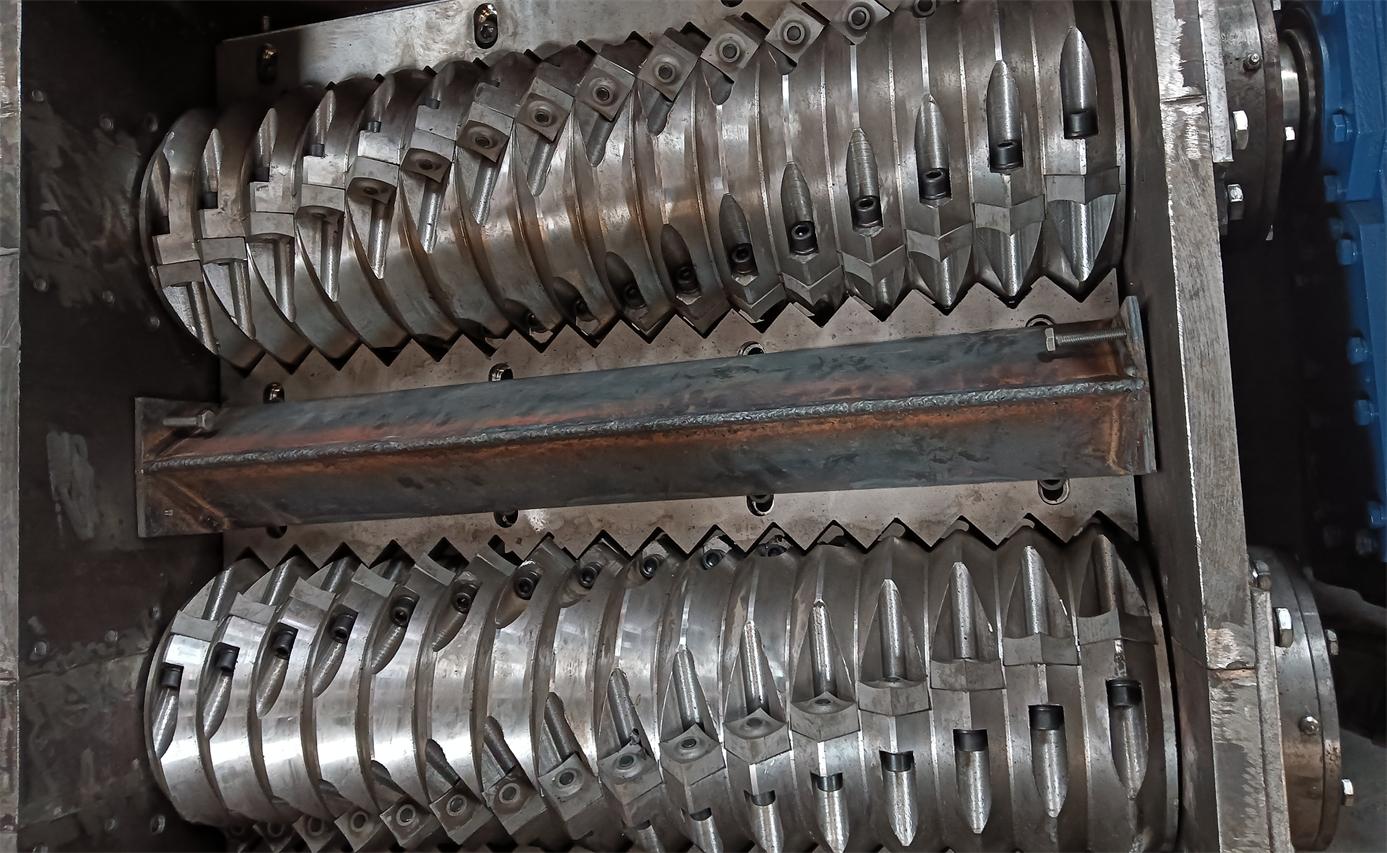
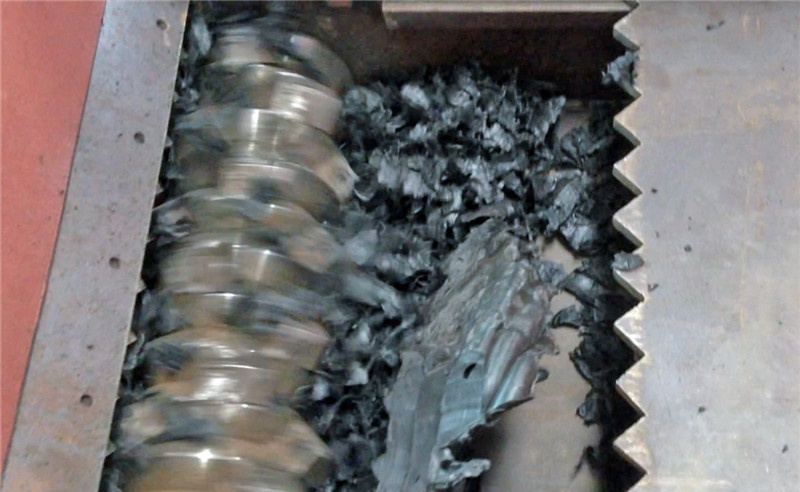
What makes these production lines so revolutionary? It's how they combine brute-force mechanics with delicate precision – shredding and crushing metal with industrial power while sorting materials with microscopic accuracy. The sheer efficiency is breathtaking. Where traditional recycling was labor-intensive and wasteful, today's systems operate with near-surgical precision, extracting maximum value from what we used to call trash.
The Beating Heart: Aluminum Can Balers
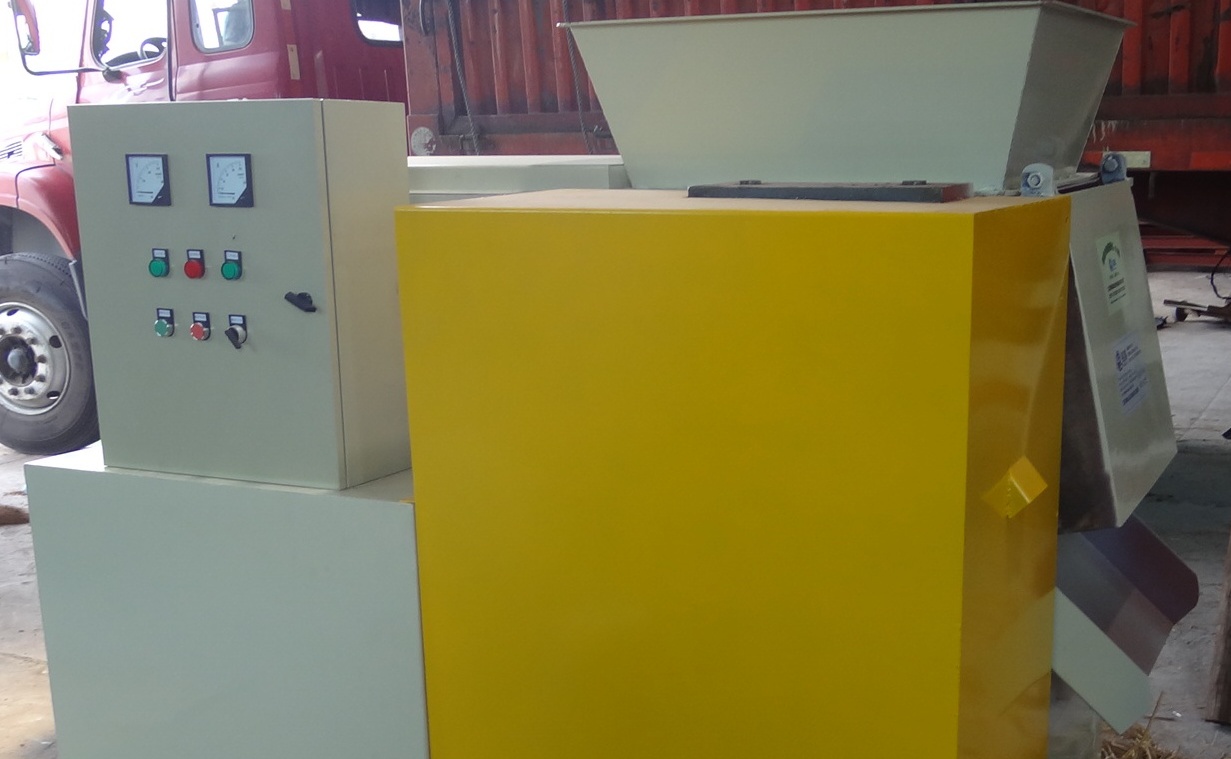
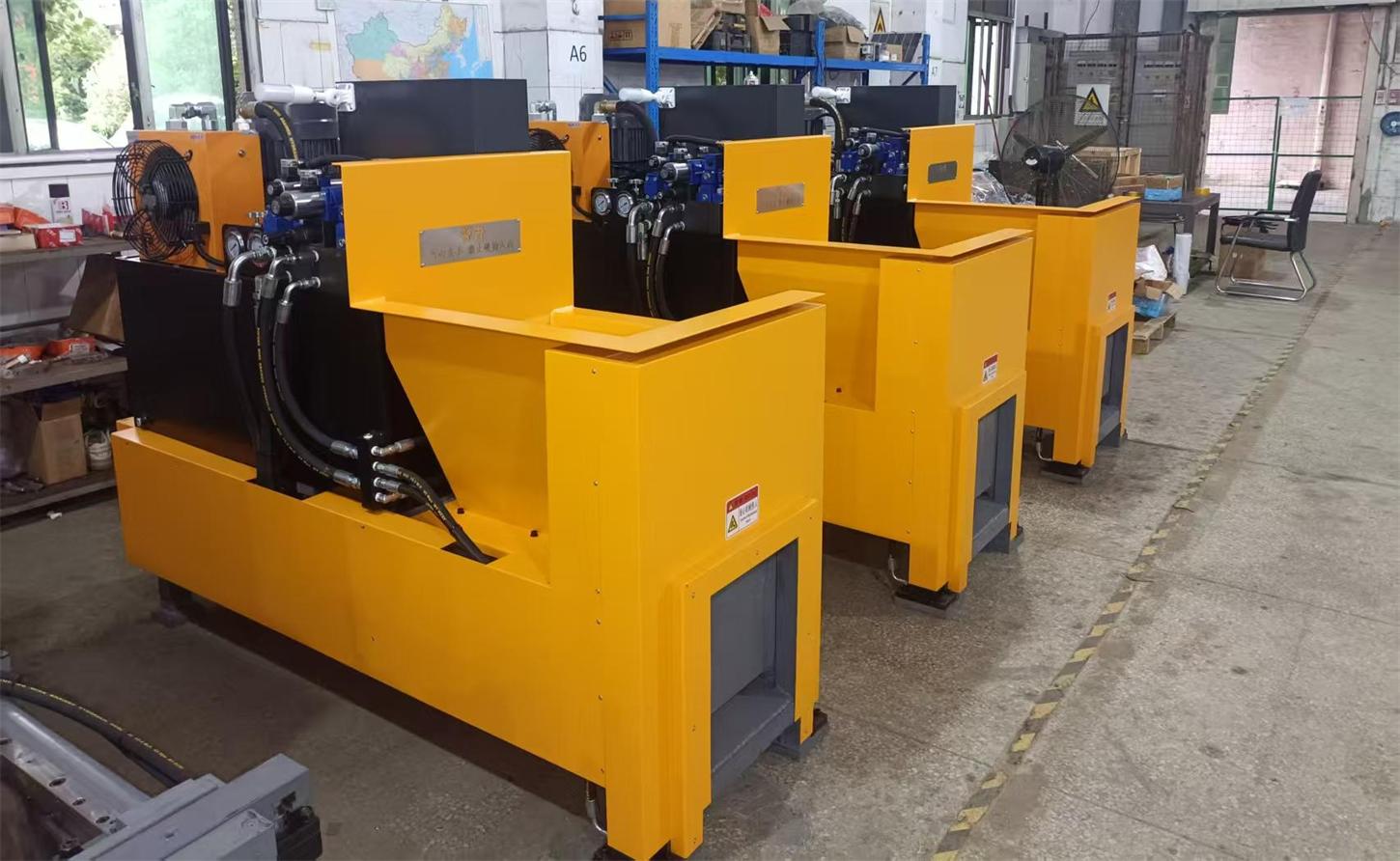
At the core of any recycling production line sits an unsung hero – the aluminum can baler. This mighty machine doesn't just crunch cans; it fundamentally transforms how we handle materials. Think of it as the great compressor in the recycling orchestra.
What makes balers revolutionary? They solve the biggest headache in recycling logistics: air. Empty cans are 95% nothing – just awkward air pockets that waste shipping space and fuel. A good baler literally squeezes the emptiness out of recycling. How?
- Hydraulic presses generating up to 2,500 psi of pressure – crushing cans like soda pop bubbles
- Compression ratios reaching 10:1 – transforming a mountain of cans into a compact brick
- Automatic ejection systems – packaging the bounty into dense bundles weighing half a ton
The magic isn't just about brute force though. Modern balers are surprisingly intelligent, with sensors that monitor each compression cycle and adapt pressure dynamically. Too little force leaves air pockets; too much wastes energy. The sweet spot creates perfectly dense bricks that stack like Legos in shipping containers and rail cars.
And the benefits? You can practically smell the diesel savings. Where trucks used to haul mostly air, balers let them carry actual value. One semi-trailer that previously carried 10,000 loose cans can now transport over 150,000 compacted cans – slashing transportation emissions by up to 80%. The baler doesn't just compress cans; it compresses carbon footprints.
Seeing the Invisible: Advanced Sorting Technologies
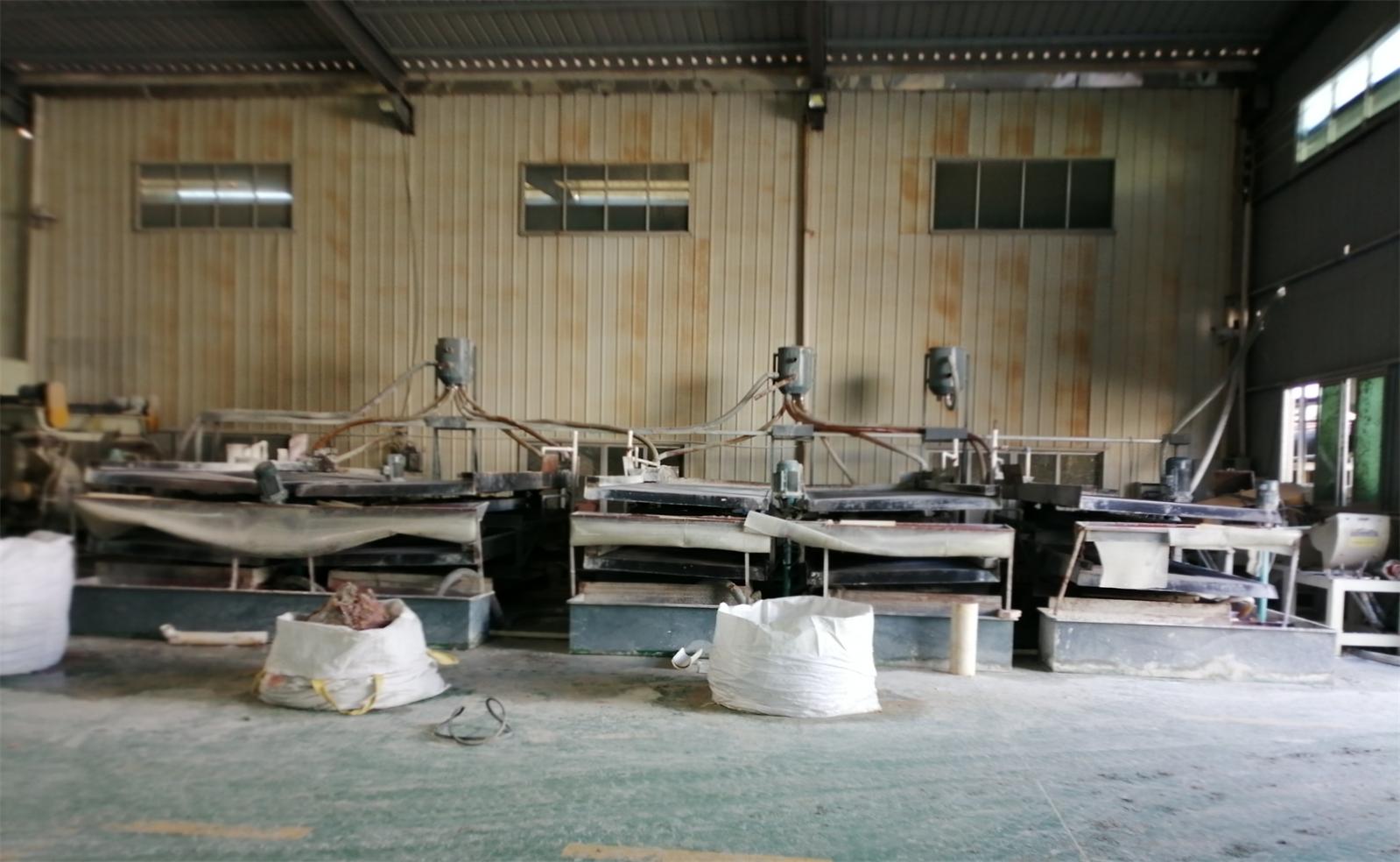
Watch a modern aluminum recycling line work and you might be reminded of airport security. But instead of finding contraband, these systems spot microscopic differences in materials.
The sorting stage has undergone nothing short of a technological renaissance. Where workers once stood on lines trying to spot rogue steel cans among aluminum streams, we now have:
| Technology | Identification Accuracy | Processing Speed | Specialty |
|---|---|---|---|
| X-ray Transmission (XRT) | 90-95% | 5 tons/hour | Detecting density differences |
| Laser Spectroscopy (LIBS) | 96-98% | 6 tons/hour | Elemental composition analysis |
| AI-Powered Robots | 99% | 10 tons/hour | Adapting to new materials |
These technologies don't just see the can – they see through it. XRT scanners work like medical CT machines for scrap metal, creating 3D density maps to identify foreign objects. Meanwhile, LIBS lasers vaporize microscopic particles from each can's surface and analyze the light spectrum to determine its exact alloy composition.
The robot sorters are something to behold. Their movements seem almost human – if humans could process 20 cans per second. Air jets fire with rifle-shot precision to knock contaminants off conveyors. The newest robotic arms learn continuously – improving their accuracy with every shift by analyzing mistakes. What used to require 20 human sorters now runs with two technicians monitoring.
Closing the Loop: From Waste to Resource
The real magic happens after the sorting – when we stop thinking about "recycling" and start achieving genuine circularity. Closed-loop systems have transformed aluminum recycling from disposal solution to manufacturing strategy.
In these elegant systems, the metal never loses its identity. Beverage cans return to become beverage cans. Auto parts regenerate as new auto parts. The aluminum maintains its structural integrity through infinite lives because:
The auto industry shows how this works beautifully. At Ford's Dearborn plant, aluminum scrap from pickup truck manufacturing goes straight into an on-site recycling loop. Shavings from stamping operations get melted and recast within hours – skipping the scrap market entirely. The metal doesn't even cool down before starting its next incarnation.
This closed-loop thinking extends beyond factories. Beverage companies like Ball Corporation partner with municipalities to create regional recycling ecosystems. Your soda can might get crushed at a local facility, melted at a regional plant, and recast at a nearby can factory – all within 300 miles. Finished cans ship just miles to refill stations, shrinking the entire supply chain carbon footprint by 75% compared to virgin materials.
The Silent Transformation: Chemical Innovations
While shredders and sorters get the spotlight, chemists have revolutionized aluminum recycling behind the scenes. Modern smelting processes bear little resemblance to their pollution-spewing ancestors.
The big breakthrough came when researchers finally solved a century-old problem: carbon anodes. Traditional smelting relies on carbon blocks that slowly burn away during processing, releasing CO₂ with each ton of aluminum produced. The solution? Making anodes that don't burn – called "inert anodes."
These miracle materials – ceramic-metal composites that withstand molten salt baths – perform alchemy:
- Transform the chemical reaction from CO₂ emission to oxygen release
- Slash energy requirements by 30% through better electrical efficiency
- Create pure aluminum streams without carbon contamination
And the game-changer for recycling lines? Plasma smelting. This technology melts scrap in focused beams of superheated ionized gas reaching 20,000°F. The heat is so intense and localized that it vaporizes paint, plastic liners, and food residue instantly – producing cleaner aluminum than ever before. A good plasma smelter is like a surgical laser for metal purification.
Of course, no production line would be complete without proper material handling solutions, such as a state-of-the-art metal melting furnace to efficiently process and prepare materials for their next life cycle.
Beyond Cans: The Wider Impact
This revolution doesn't stop at beverage containers. As recycling lines become more sophisticated, they're unlocking value in complex aluminum products we never thought recyclable:
Electronics Recycling: Your old laptop holds aluminum treasure. New production lines carefully shred devices, using eddy currents to separate aluminum from other metals. Apple recovers over 2,000 pounds of aluminum per million phones processed.
Aerospace Recovery: Jet turbines contain high-grade aerospace aluminum alloys worth 5x more than standard cans. New spectrometers identify these premium metals automatically, redirecting them to specialty smelters.
Building Deconstruction: Curtain walls from demolished skyscrapers yield tons of architectural aluminum. Specialized lines can now separate glass, sealants, and adhesives from window frames – recovery rates jumped from 40% to over 90% in five years.
The environmental math becomes staggering when we connect these dots. Since aluminum recycling production lines matured:
- Bauxite mining decreased by 60% globally despite rising aluminum demand
- Red mud pollution (mining waste) dropped by 5 million tons annually
- Recycled aluminum now supplies over 80% of automotive material needs
Designing for the Revolution
Here's the irony – the most sophisticated recycling line still needs help from designers. Packaging engineers have become unsung partners in recycling efficiency through what we call "Design for Disassembly."
The solutions often delight with their simplicity:
The Pull-Tab That Doesn't Detach: Modern cans feature push-tab lids specifically designed not to separate during crushing. That tiny change keeps contamination levels down.
Alloy Standardization: Beverage companies are converging around fewer alloy types – making sorting far easier. PepsiCo and Coca-Cola now use identical aluminum specs globally.
Magnetic Labels: That paper label? Some breweries now embed magnetic particles for instant separation. No glue removal needed.
These collaborations between designers and recyclers create cascading efficiency. One Detroit recycler doubled throughput after local breweries standardized cans. The recycling line didn't change – the materials became easier to process.
The Future Flows Onward
Where is this revolution headed? The next generation of recycling lines already takes shape in research labs and pilot facilities:
Hydrogen-Powered Smelters: European trials using green hydrogen instead of natural gas could drop emissions to near-zero while reducing energy needs.
Digital Material Passports: Embedded QR codes or RFID tags on products will store alloy specifications and recycling instructions – eliminating sorting guesswork.
On-Site Micro-Recycling: Imagine neighborhood facilities with scaled-down lines producing custom aluminum stock for local workshops. Prototype systems fit in shipping containers.
The quiet transformation of recycling lines matters more than we realize. These systems represent our most successful marriage of industrial efficiency and environmental responsibility. Every improvement in can balers, sorters, and smelters adds up to mountains of conserved resources.
Next time you hold an aluminum can, consider the technological marvel waiting to give it endless rebirth. The recycling revolution didn't happen with fanfare – it happened one optimized production line at a time, in anonymous industrial parks where engineers proved that waste is just material in the wrong place.