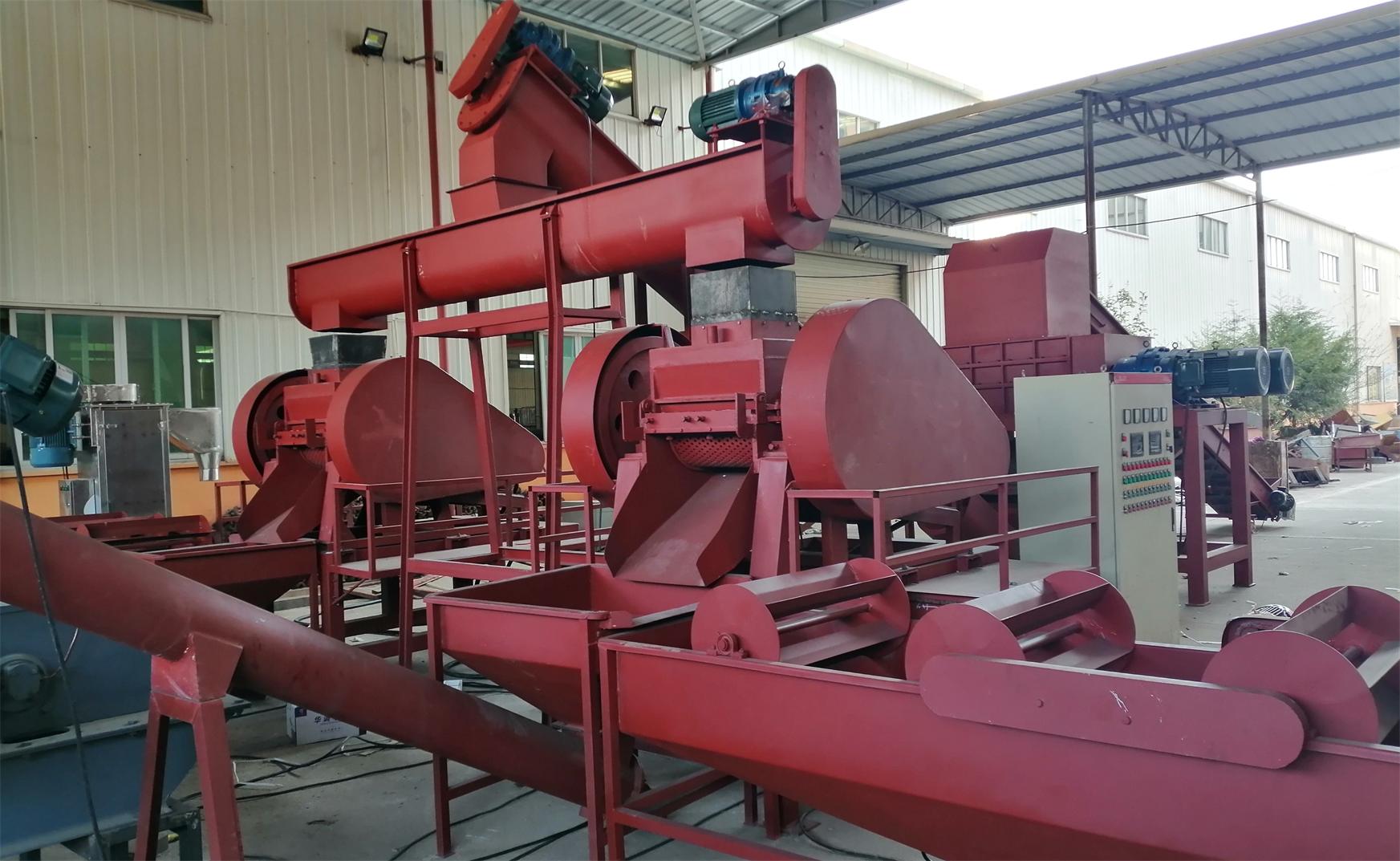
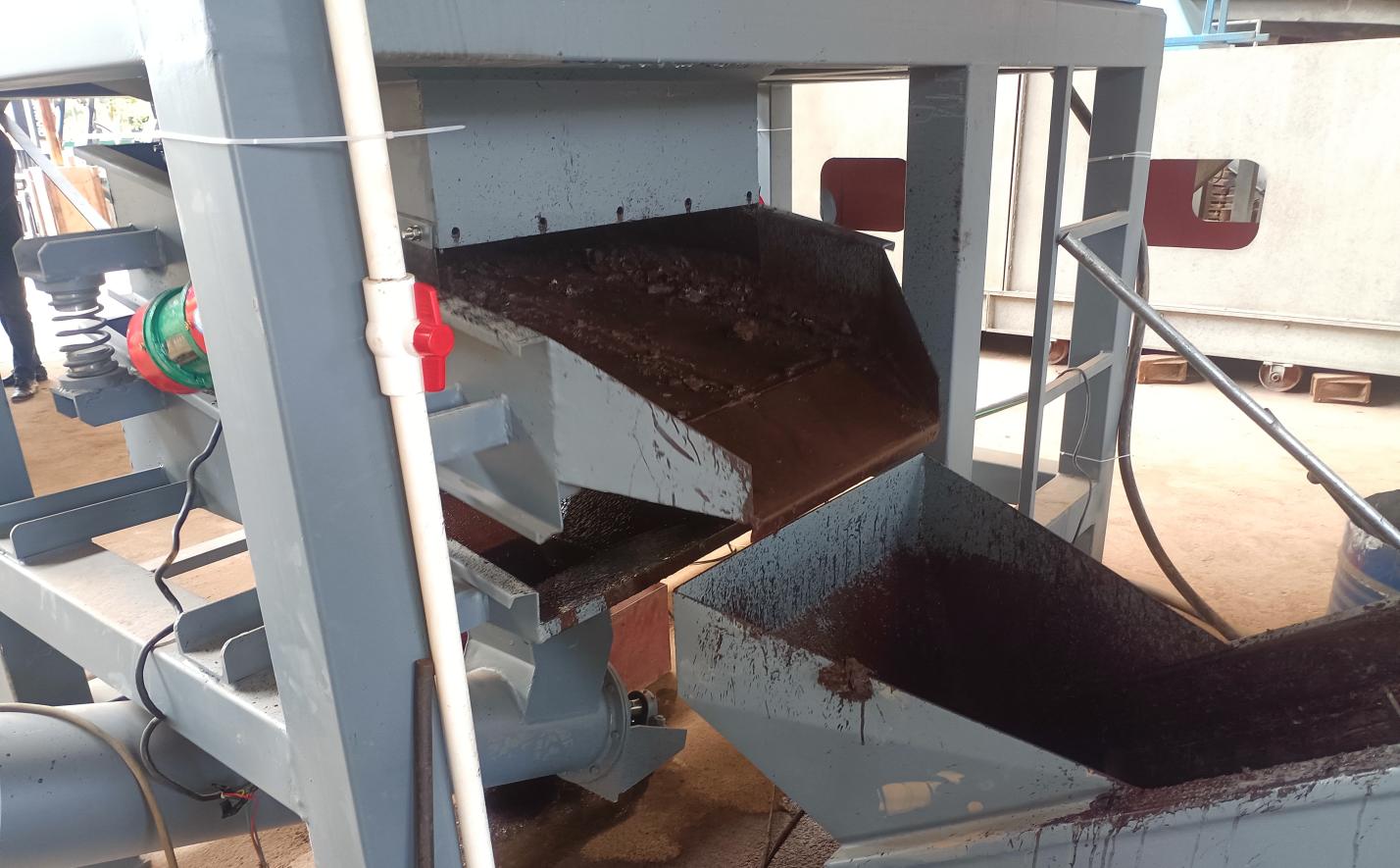
Ever wonder why two pellet mills that look similar can have wildly different price tags? You're not alone. Many buyers get frustrated when comparing compact pellet mills with dry separators, trying to make sense of the cost variations. The truth is, several critical but often overlooked factors drive these price differences – and they’re not always apparent in brochures.
Through my years analyzing recycling equipment markets – from copper granulator machines to specialized separation systems – I've seen how manufacturing decisions impact pricing. Let's demystify these variables so you can make investment decisions that align with both your budget and production goals.
The Core Price Drivers
| Price Factor | Budget Model Impact | Premium Model Impact | Long-Term Consequences |
|---|---|---|---|
| Motor Power & Efficiency | Standard efficiency motors | High-torque IE4-class motors | ~30% energy cost difference over 3 years |
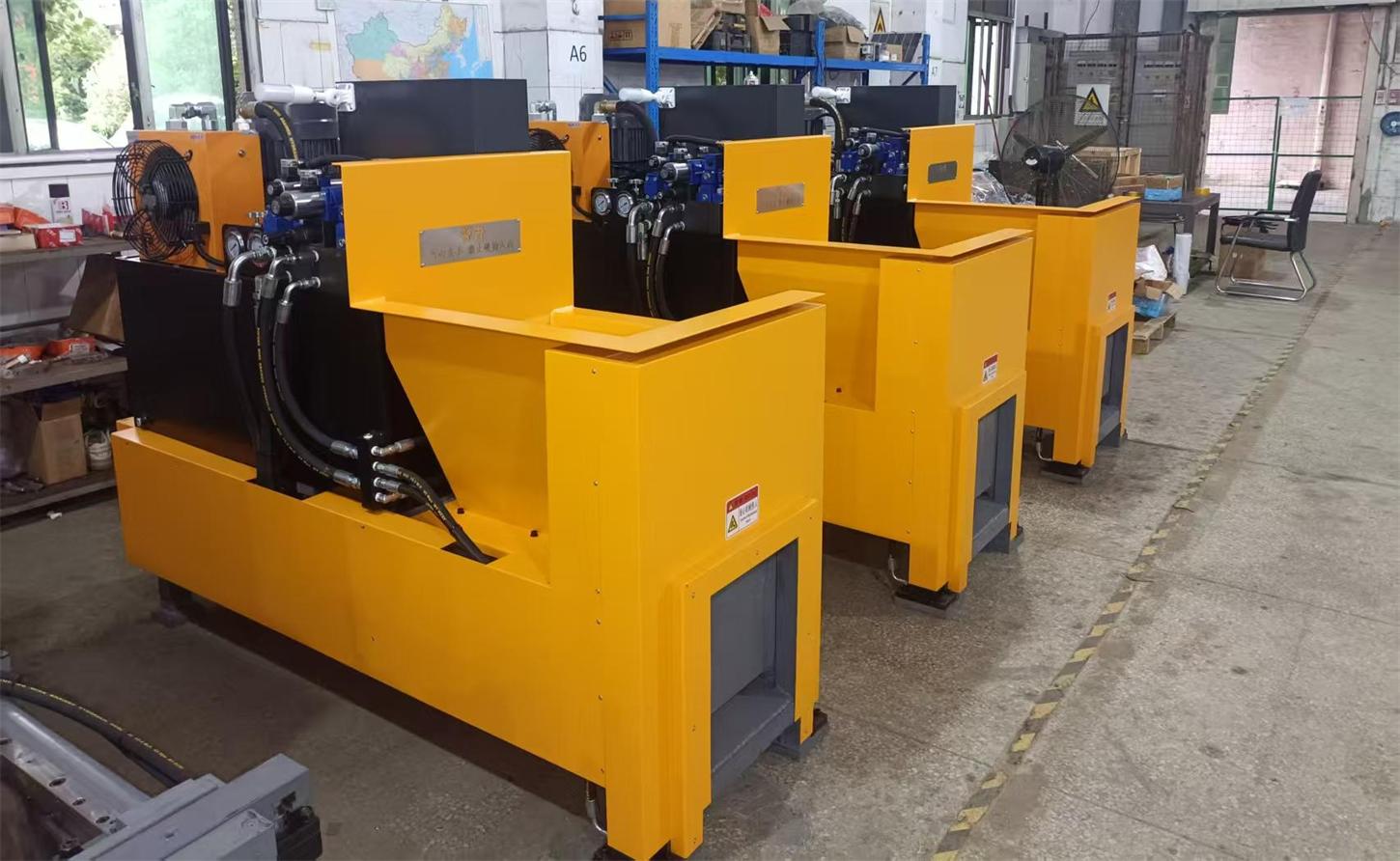
| Hydraulic System Quality | Basic press mechanism | Precision-engineered hydraulic press machine components | Die replacement frequency doubles |
| Separation Technology | Single-stage filtering | Multi-layer dry separation | ~15% material loss difference |
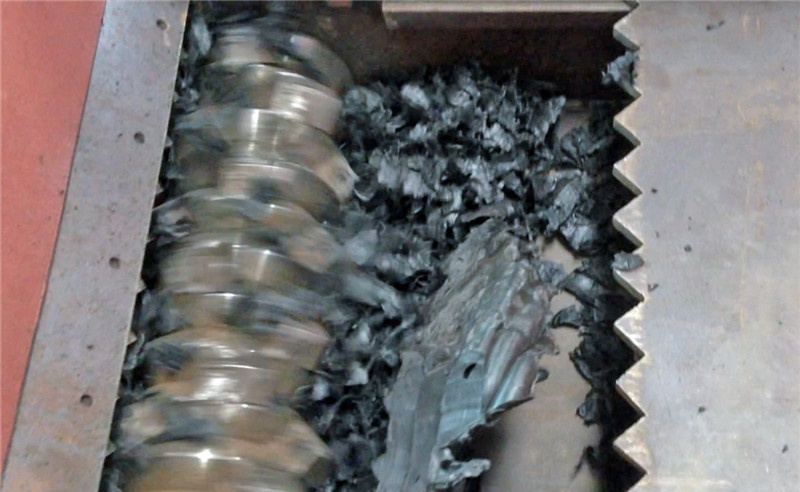
| Material Composition | Standard carbon steel | Wear-resistant alloys in critical zones | Maintenance intervals differ by 2-5x |
Engineering Behind the Costs
Separation Technology Matters More Than You Think
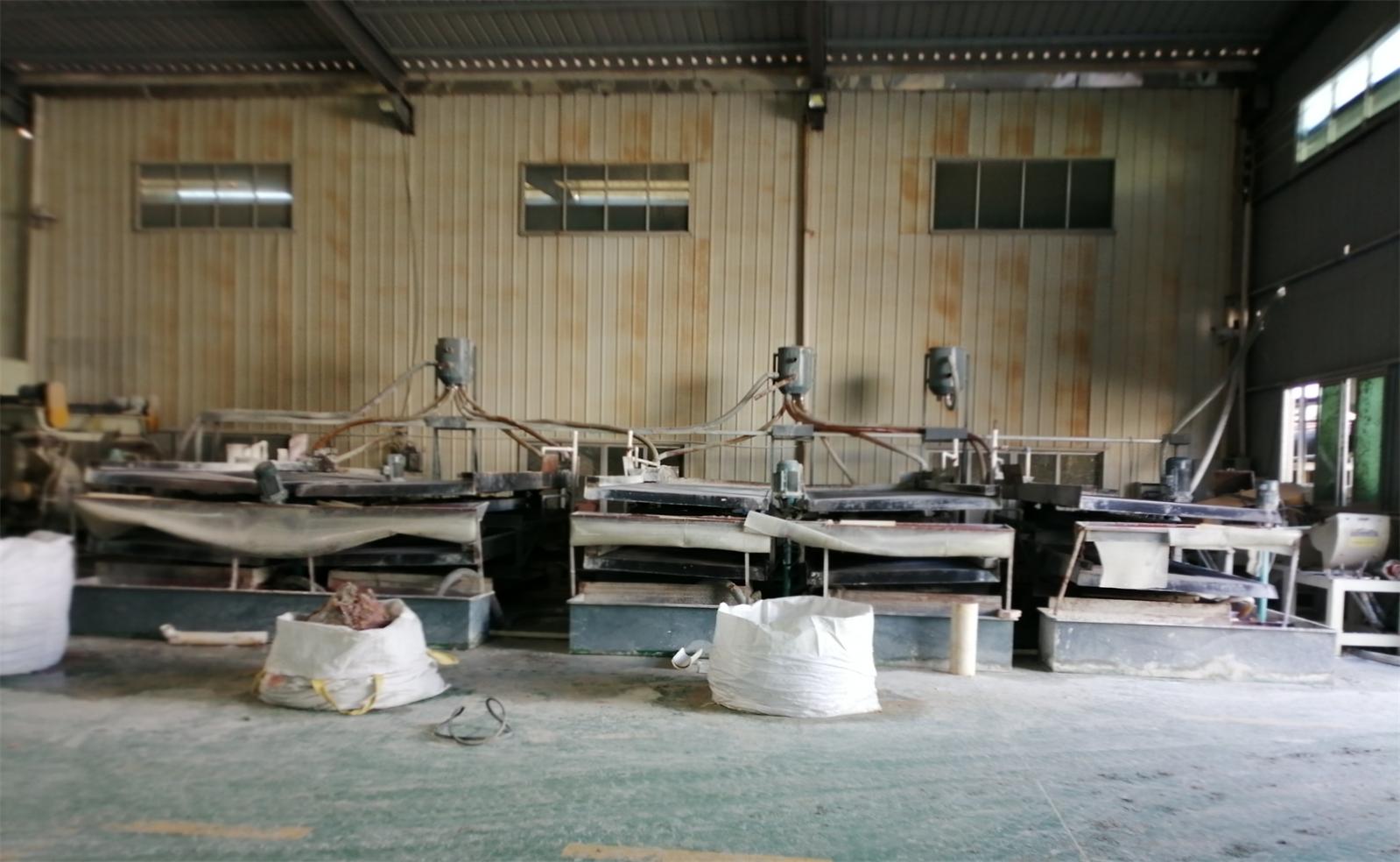
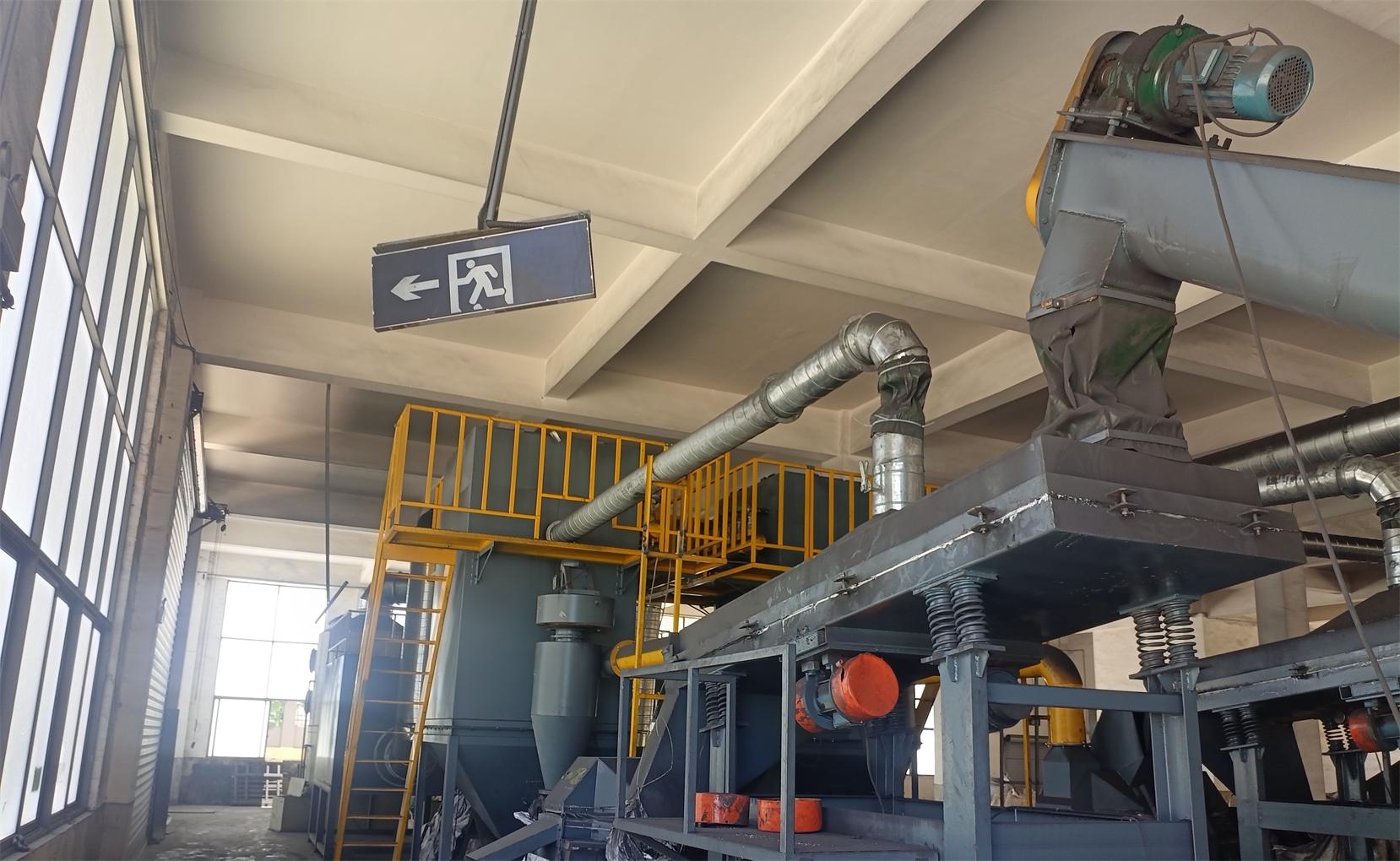
The dry separator isn't just an add-on – it's the gatekeeper of pellet quality. When I visited factories producing cable recycling machines last year, the same principle applied. Budget separators use basic vibration screening, while premium systems:
- Incorporate multi-directional airflow separation
- Feature adjustable density settings for different materials
- Include anti-clogging monitoring systems
This explains the 40-70% price difference between entry-level and industrial separators. The technology is similar to what you'd find in a copper granulator machine where separation purity directly impacts profitability.
The Hidden Role of Hydraulic Systems
It's easy to overlook the press mechanism's sophistication. Basic pellet mills use straightforward mechanical pressing, while advanced models integrate hydraulic technology comparable to industrial hydraulic press machines . Key differentiators:
- Pressure-sensitive roller adjustment systems
- Vibration dampening hydraulic mounts
- Automatic pressure compensation for material variations
These features add 18-25% to manufacturing costs but significantly extend die lifespan. The hydraulic know-how actually comes from the same engineering principles used in heavy-duty motor recycling machines .
Material Science Impacts Your Maintenance Budget
When comparing specifications, look beyond motor power to material composition – it's where many manufacturers cut corners. Through material analysis reports I've reviewed, the cost differential reveals:
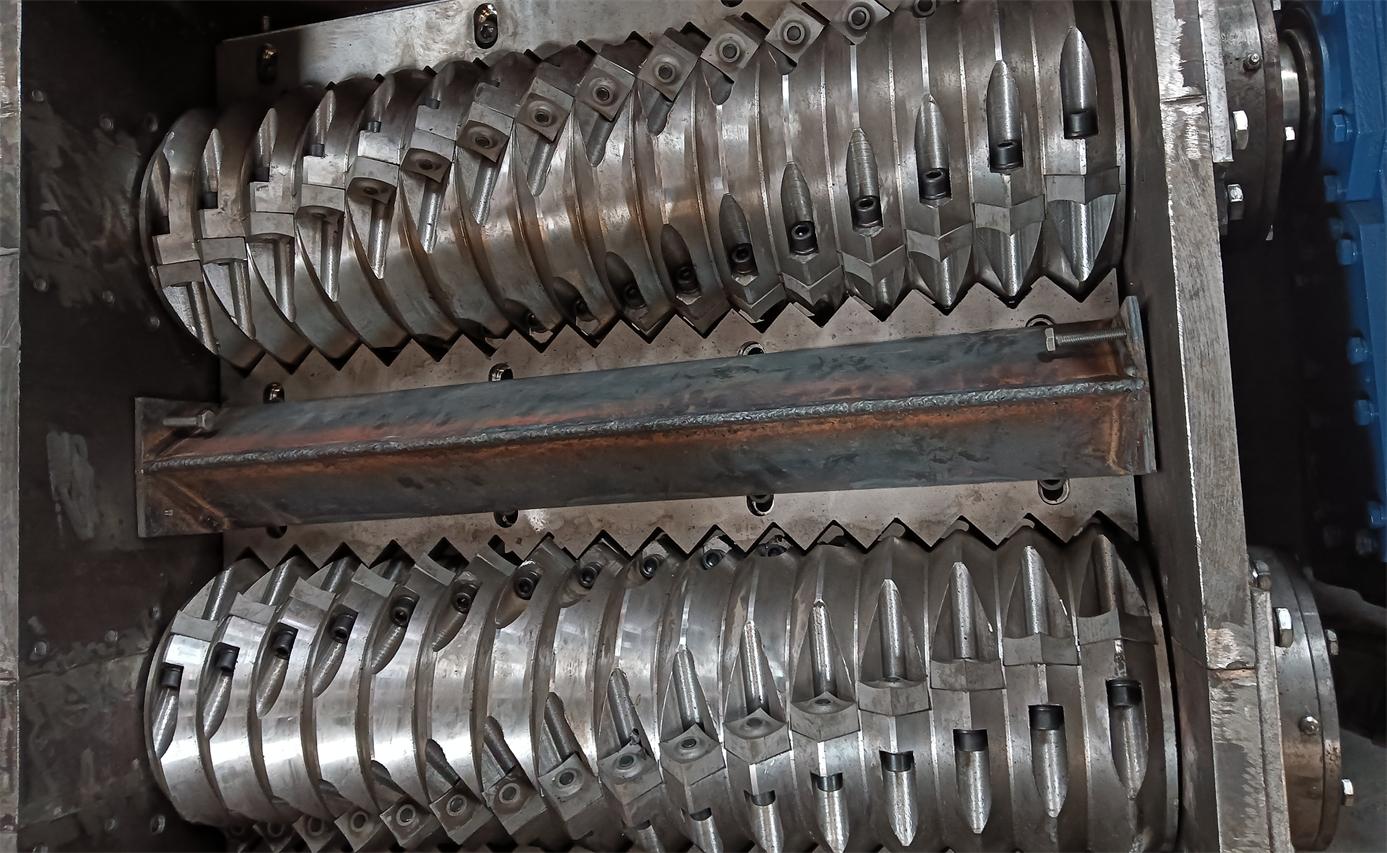
- Dies with surface hardening (0.8-1.2mm depth) cost 3x more to produce
- Chromium-molybdenum alloy rollers last 2,200+ hours vs. standard rollers at 900
- Precision bearings reduce energy consumption by 7-12%
Just like in circuit board recycling equipment , material choices determine actual operating costs beyond the sticker price.
Lessons from Related Recycling Technologies
Analyzing pricing trends in other recycling machinery offers valuable perspective:
The Copper Granulator Parallel
Watching the copper granulator machine market reveals similar pricing patterns to pellet mills. The premium for advanced separation technology typically provides ROI within 12-18 months due to:
- Higher copper purity output
- Reduced material loss in processing
- Lower maintenance frequency
Hydraulic System Commonality
Quality hydraulic systems in hydraulic press machines contribute 22-28% of total manufacturing costs across multiple equipment types. This explains why superficially similar machines can vary significantly in price and performance.
Smarter Purchasing Strategies
Based on cost-benefit analysis of hundreds of installations, here's what delivers true value:
- Prioritize separation efficiency - The ROI on advanced dry separators often exceeds 150% over 5 years
- Don't over-spec motor power - Matching power to actual needs avoids 15-20% unnecessary capital costs
- Demand material documentation - Certification of alloys used in high-wear components prevents premature failures
- Consider modular designs - Upgradeable systems protect against obsolescence without full replacement
The market analysis data shows compact pellet mills following the same value trajectory as recycling equipment like cable recycling machines – where smart engineering investments yield long-term savings despite higher initial prices.
The Real Price Equation
After tearing down equipment specifications and reviewing manufacturing cost reports, it's clear that compact pellet mill pricing comes down to three core elements: the sophistication of their separation technology, the quality of their power transmission systems, and the material science applied to high-wear components. Machines sharing similar production capacities can vary in price by 60% or more based on these engineering choices.
Unlike consumer products where price often indicates branding premiums, industrial equipment like pellet mills and motor recycling machines follow engineering economics. What looks like price disparity actually reflects fundamentally different approaches to durability, efficiency, and precision – factors that ultimately determine your total operational costs over the equipment's lifespan.