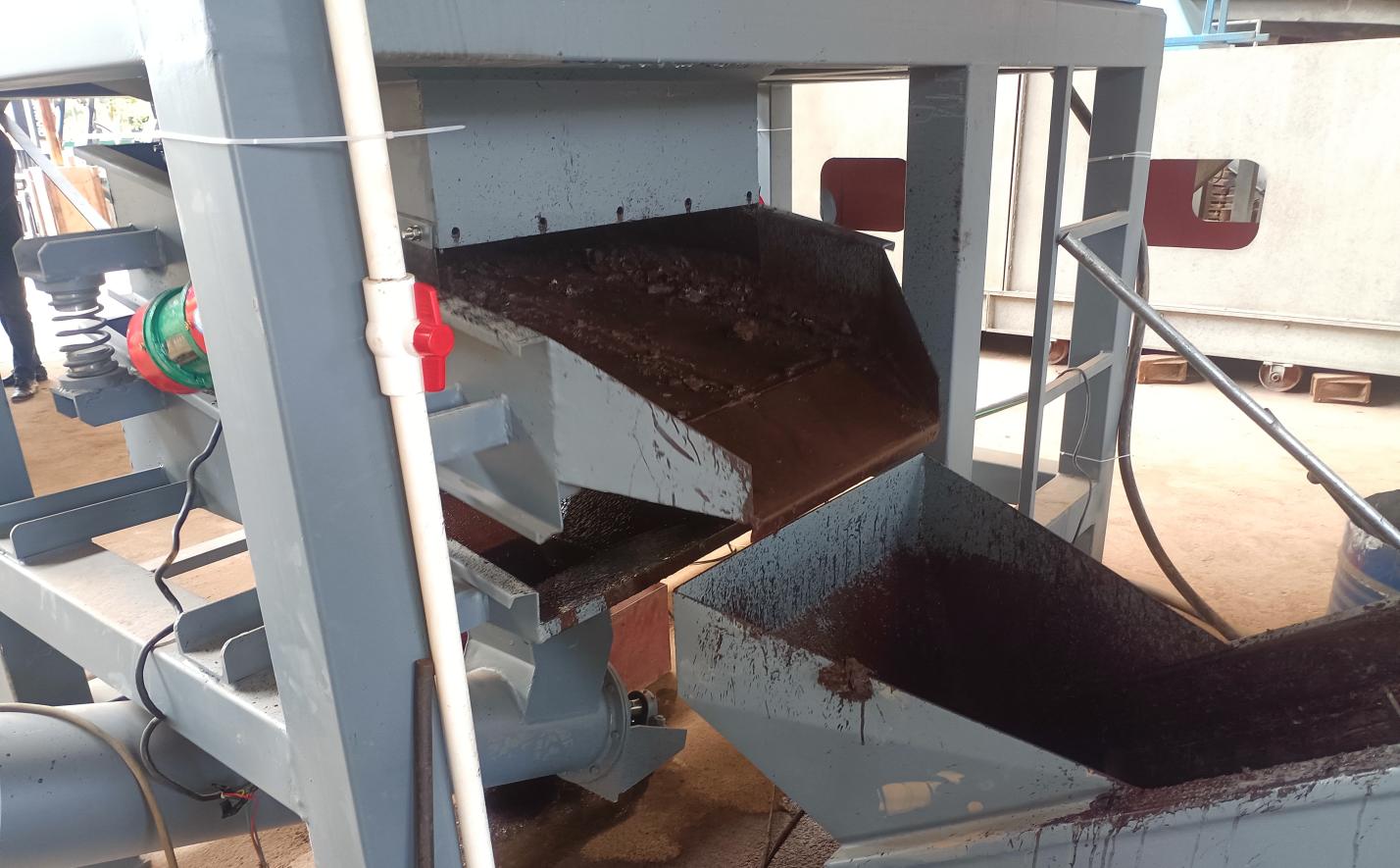
A Comprehensive Financial Assessment of Setting Up and Operating a Profitable Battery Recycling Plant
Have you ever wondered what happens to those used car batteries after they're replaced? Or how businesses turn hazardous waste into profitable materials? The lead acid battery recycling industry offers answers to both questions—an economically viable solution to environmental challenges. With increasing regulations mandating recycling rates up to 80% in some regions and global demand for recovered materials growing steadily, establishing a recycling plant represents a compelling business proposition for the environmentally conscious entrepreneur.
Did you know? Over 260 million lead acid batteries are discarded annually in the U.S. alone, with nearly 99% of their components being recyclable. This translates to 1.8 million tons of recyclable material generated just in India each year.
The battery recycling industry stands at a fascinating crossroads—pulled by two powerful forces that usually oppose each other: environmental responsibility and economic gain. Companies that recycle lead acid batteries effectively achieve both simultaneously. With projections placing the global lead acid battery recycling market at $24.7 billion by 2030, and electric vehicle adoption accelerating dramatically (already accounting for 18% of global car sales in 2023), the raw material supply for recycling plants appears secure for decades.
Detailed Cost Analysis: Initial Investment
Establishing a lead acid battery recycling plant requires significant initial investment, primarily determined by your intended scale of operations. Understanding these costs helps you plan realistically and secure adequate financing.
This entry-level operation typically handles 5-10 tons of batteries per day. Equipment includes:
- Basic crushing units and mechanical separators
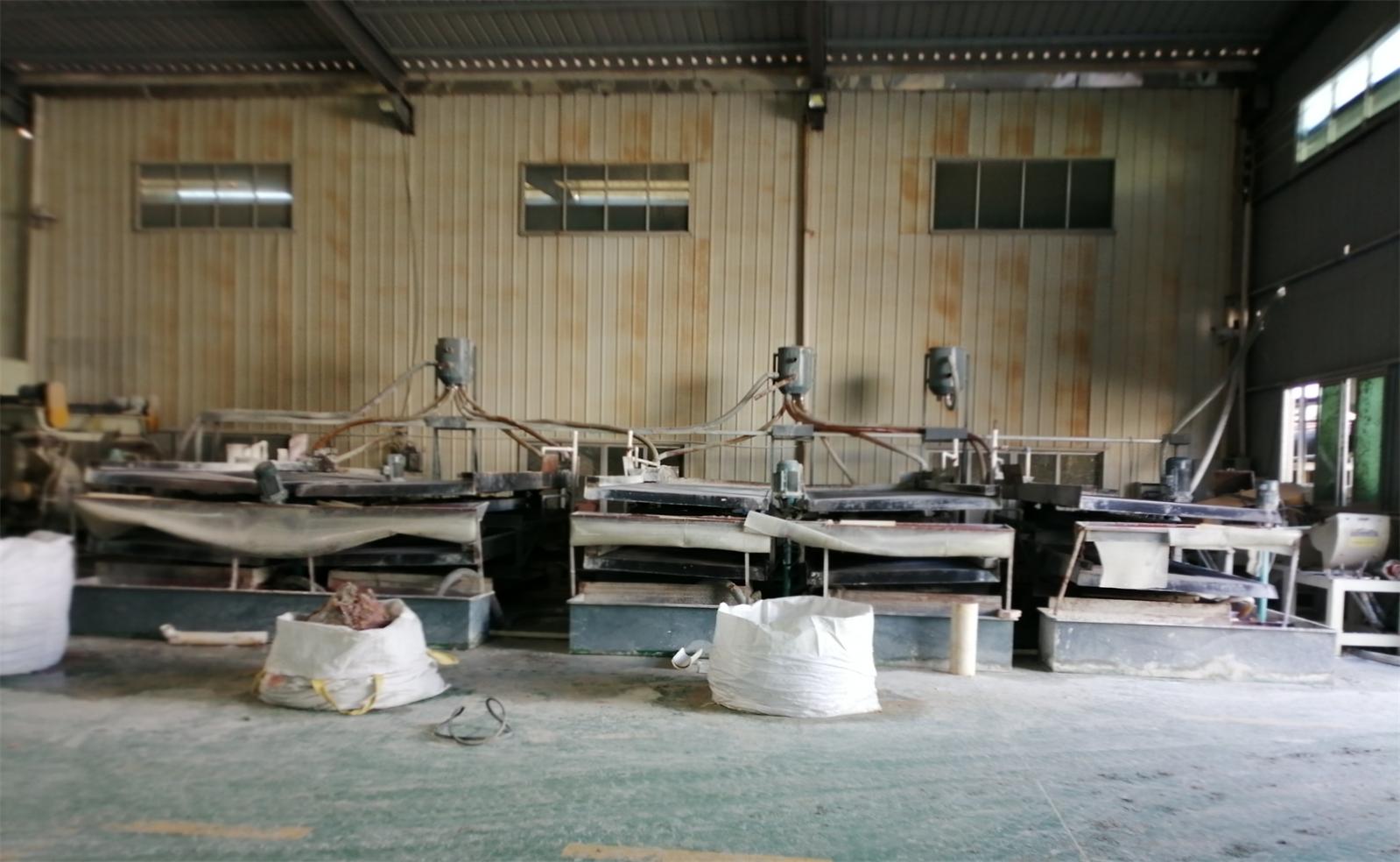
- Conventional lead smelting furnaces
- Manual sorting facilities
- Basic acid neutralization systems
Best for regional recyclers focused on servicing automotive workshops and smaller generators of battery waste. Typically requires 5-8 employees per shift.
With capacity for 20-50 tons per day, mid-scale operations incorporate automation for efficiency:
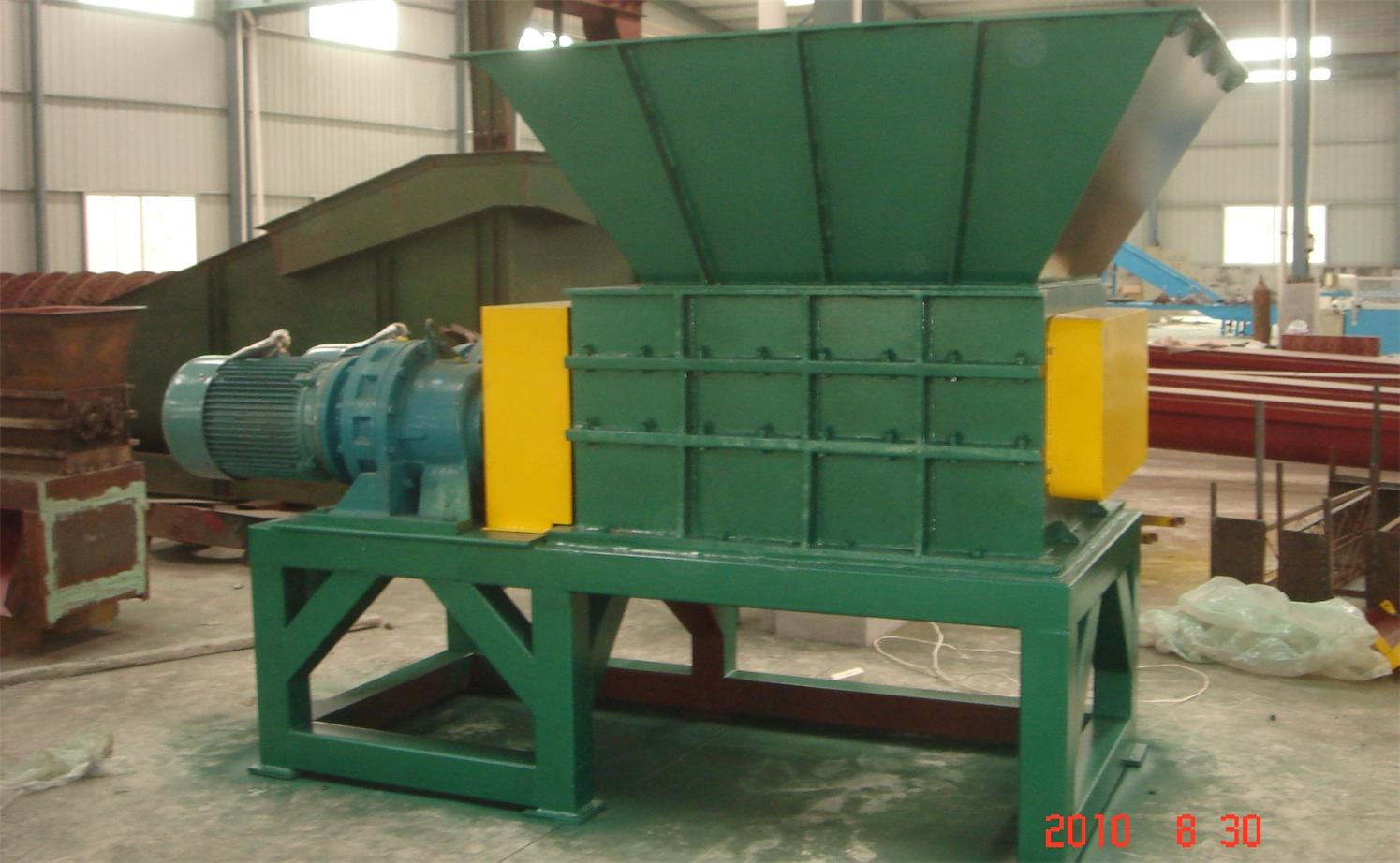
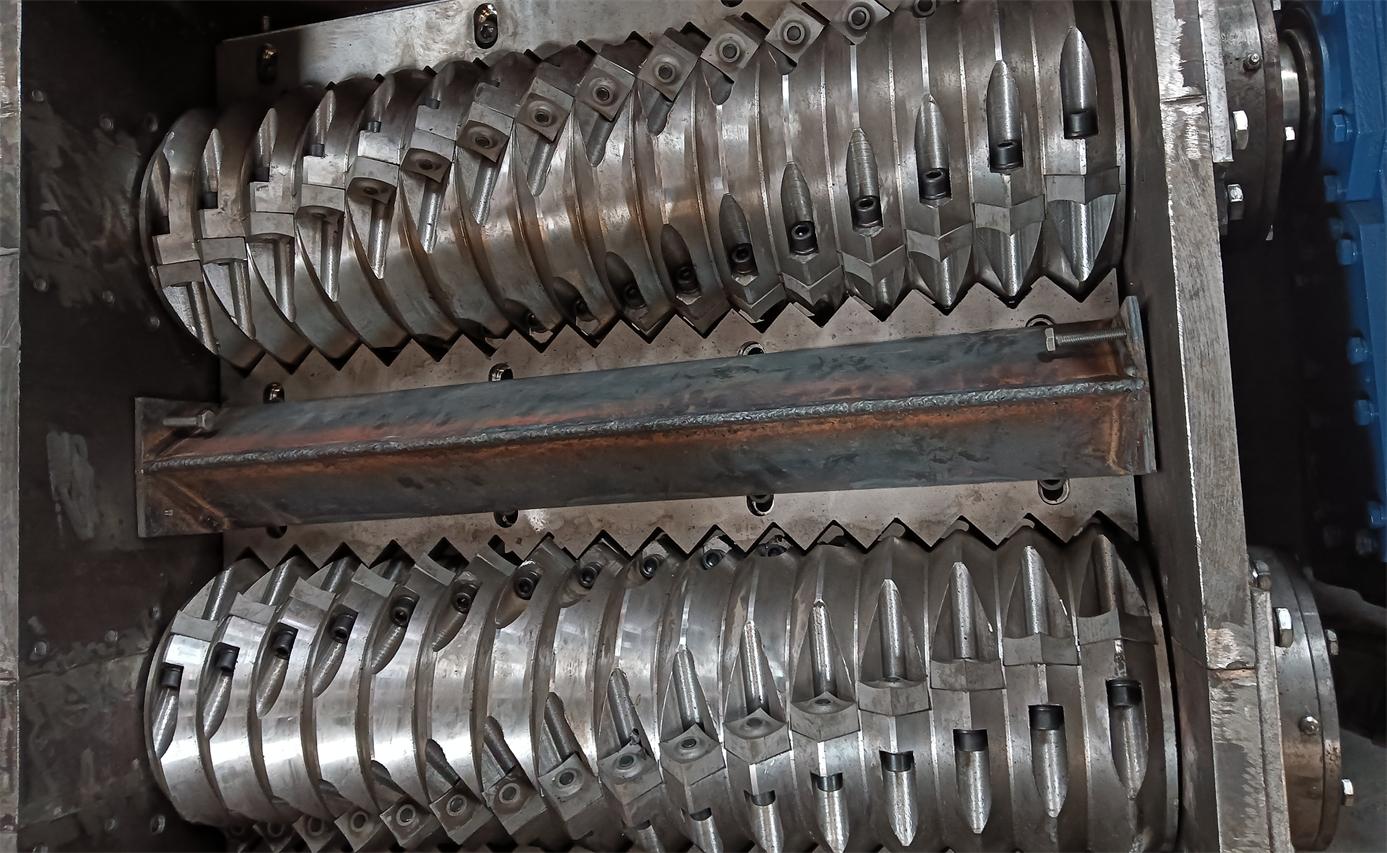
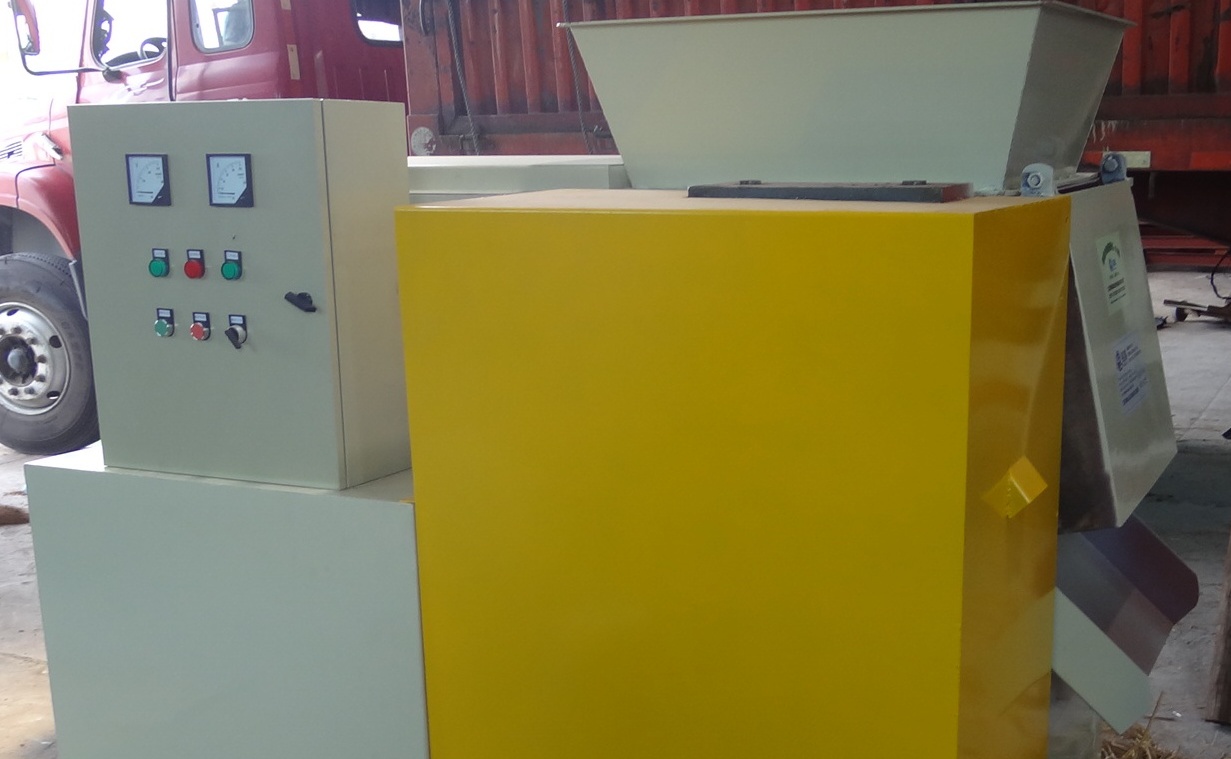
- Automated battery breakers
- Advanced acid neutralization systems
- Air pollution control systems (scrubbers)
- Plastic pelletizing units
Higher-purity lead recovery (98%+) becomes economically viable at this scale. Automation reduces workforce requirements by approximately 40% compared to small-scale manual operations.
Processing 100+ tons daily, these plants feature:
- Full-spectrum automation
- Closed-loop hydrometallurgical processes
- Byproduct refinement systems
- Sophisticated emission control systems
Capital investments at this scale deliver maximum efficiency and material recovery, with the capacity to produce high-value byproducts like sodium sulfate crystals for industrial applications.
| Cost Component | Small-Scale | Mid-Scale | Large-Scale |
|---|---|---|---|
| Land & Site Development | $35,000 - $70,000 | $100,000 - $300,000 | $400,000 - $1,000,000+ |
| Building & Infrastructure | $50,000 - $100,000 | $150,000 - $400,000 | $600,000 - $2,000,000 |
| Battery Recycling Machinery | $100,000 - $250,000 | $300,000 - $1,000,000 | $1,500,000 - $6,000,000 |
| Pollution Control Systems | $15,000 - $40,000 | $100,000 - $300,000 | $400,000 - $1,500,000 |
| Licensing & Permitting | $10,000 - $25,000 | $25,000 - $75,000 | $100,000 - $200,000 |
| Working Capital | $40,000 - $80,000 | $100,000 - $300,000 | $500,000 - $1,000,000 |
| Miscellaneous | $10,000 - $25,000 | $25,000 - $75,000 | $100,000 - $200,000 |
Pro Tip: Consider investing in automated equipment even for small-scale operations—labor costs represent the largest recurring operational expense. Automated plants reduce workforce needs by up to 40%, significantly improving long-term profitability.
Annual Operating Costs & Revenue Streams
Understanding both sides of the financial equation—expenses and income—is essential for assessing profitability potential. The recycling business model proves robust due to multiple revenue streams that balance against relatively predictable operational costs.
Annual operating costs vary significantly by scale, location, and operational efficiency:
| Expense Category | Small-Scale | Mid-Scale | Large-Scale |
|---|---|---|---|
| Raw Material (Batteries) | $70,000 - $150,000 | $300,000 - $800,000 | $1,500,000 - $4,000,000 |
| Labor & Salaries | $90,000 - $180,000 | $150,000 - $400,000 | $400,000 - $1,000,000 |
| Utilities (Electricity, Water) | $25,000 - $50,000 | $70,000 - $150,000 | $250,000 - $600,000 |
| Maintenance & Repairs | $20,000 - $40,000 | $50,000 - $100,000 | $150,000 - $350,000 |
| Transportation & Logistics | $30,000 - $60,000 | $80,000 - $200,000 | $250,000 - $600,000 |
| Regulatory Compliance | $15,000 - $35,000 | $30,000 - $80,000 | $100,000 - $250,000 |
| Other Overheads | $20,000 - $40,000 | $40,000 - $100,000 | $100,000 - $250,000 |
| Total Annual Costs | $250,000 - $555,000 | $680,000 - $1,830,000 | $3,150,000 - $7,050,000 |
The profitability of a lead acid battery recycling plant comes from multiple revenue streams:
| Material Recovered | Recovery Rate | Current Market Price Range | Revenue Potential per Ton Processed |
|---|---|---|---|
| Refined Lead (Ingots) | 60-70% | $2,000 - $2,500/ton | $1,200 - $1,750 |
| Recycled Plastic (PP) | 25-30% | $800 - $1,200/ton | $200 - $360 |
| Sodium Sulfate (Industrial) | From acid neutralization | $100 - $200/ton | $25 - $50 |
| Collection/Processing Fees | N/A | Varies by region | $40 - $100/ton |
| Gypsum Byproduct | From treatment process | $15 - $30/ton | $5 - $15 |
| Total Revenue per Ton | $1,470 - $2,275 |
Important Note: The actual revenue per ton varies based on purity levels achieved in your recycling process and local market conditions for recovered materials. Invest in advanced separation technology to achieve higher purity, which commands premium pricing.
ROI & Profitability Analysis
Now comes the critical question: "How long until I recoup my investment?" Return on Investment (ROI) calculations provide objective answers to this fundamental concern.
Annual Profit Calculation Example: Mid-Scale Plant
Consider a mid-scale plant processing 15,000 tons annually (50 tons/day, 300 operation days/year):
Annual Revenue:
15,000 tons × $1,800 average revenue/ton = $27,000,000
Annual Operating Costs:
Mid-range: $1.25 million (excluding raw material) + $550,000 raw materials = $1,800,000
Gross Profit:
$27,000,000 - $1,800,000 = $25,200,000
Depreciation:
$1.25 million plant value ÷ 10 years = $125,000/year
Taxation:
Assuming 25% tax rate on pre-tax income
Net Profit:
Pre-tax: $25,200,000 - $125,000 = $25,075,000
After tax: $25,075,000 × 0.75 =
$18,806,250/year
This demonstrates a robust profit margin of approximately 70% for a well-managed operation.
ROI Calculation
Plant Investment:
$1.25 million
Annual Net Profit:
$18.8 million
ROI:
(Annual Profit ÷ Investment) × 100
($18.8 million ÷ $1.25 million) × 100 =
1,504% ROI
Payback Period:
Investment ÷ Annual Profit
$1,250,000 ÷ $18,806,250 =
Approximately 1 month
These remarkable numbers clearly illustrate the tremendous profit potential of well-run lead acid battery recycling plants. Even a small-scale operation processing just 3,000 tons annually can achieve $3.7 million in annual net profit with an $800,000 investment, yielding a 462.5% ROI and 2.6-month payback period.
Critical Realities: These projections assume optimal market conditions and efficient operations. Actual figures depend on:
- Market prices for recovered materials fluctuating by as much as 15-25% annually
- Actual processing costs which may vary by 10-20% based on location
- Recovery rates achieved by your specific equipment
- Efficiency in labor utilization
- Availability of government incentives
Maximizing Profitability & Reducing Risk
While the financial projections appear highly promising, achieving them consistently requires strategic implementation of best practices:
Implementing advanced hydrometallurgical processes rather than traditional smelting increases lead recovery rates by 5-8% while reducing energy consumption by 25-30%. Installing energy recovery systems can capture waste heat to reduce fuel costs by up to 30%.
The difference between 95% pure and 99% pure lead ingots translates to $150-250/ton premium. Similarly, pelletizing recovered plastic rather than selling as granulates increases value by 15-20%. These quality premiums can add 20-25% to your bottom line.
Partnering with automotive service centers, telecom companies, and UPS providers secures consistent raw material supply at potentially reduced prices through volume contracts. Forward contracts with lead refiners can lock in attractive selling prices.
The U.S. Department of Energy's Battery Recycling Prize offers up to $5.5 million in rewards. EU Green Deal programs fund 30-50% of eligible recycling facility costs. Many Asian countries offer tax holidays for the first 5-10 years of operation.
AI-powered sorting systems can increase materials recovery rates by 3-5% while reducing sorting time by 40%. Automated battery disassembly lines increase processing capacity by 25% without requiring facility expansion.
Explore opportunities beyond lead recovery. Lithium-ion battery recycling capacity gaps offer additional revenue potential. Developing capabilities for nickel and cobalt recovery increases market resilience.
Emerging Opportunity: Develop closed-loop relationships with battery manufacturers to supply recycled lead and plastic directly back to them. This offers premium pricing stability and reduces sales costs.
Future Outlook & Industry Evolution
The lead acid battery recycling industry faces transformative shifts that will reshape operations and profitability:
The International Energy Agency projects EV growth to increase battery demand 15-fold by 2030. Lead acid batteries maintain their position in starter applications even in EVs, and grid storage applications create massive new demand for large-format lead acid batteries.
New EU Battery Regulations (2023) mandate minimum recycling rates of 65% for lead acid batteries by 2025, increasing to 80% by 2030. Similar regulations proliferate globally. California's Responsible Battery Recycling Act requires retailers to implement collection systems, creating centralized collection points that benefit recyclers.
Developments in hydrometallurgical processes promise to increase lead recovery rates to over 99% while eliminating emissions. Direct lead acid battery to new battery recycling ("closed loop") approaches could eliminate smelting entirely. Advanced membrane separation technology reduces acid recycling costs by 40%.
Lead prices show consistent upward trajectory as mines deplete high-grade ores. Recycling will supply an increasing proportion of new battery lead. Shortages of virgin plastic resins increase demand for recycled PP. Sodium sulfate prices continue 5% annual growth due to detergent market expansion.
Strategic Imperative: Develop zero-discharge plants that eliminate liquid effluent. This technology attracts premium customers and qualifies for maximum government incentives.
Conclusion & Key Takeaways
The lead acid battery recycling industry offers remarkably strong profitability—typical payback periods of 6-18 months with continuing annual ROI percentages ranging from 100-150%. Success requires thoughtful planning in three critical areas:
Scale Decision: Start with an accurately sized operation matching your regional market potential. Remember that automation investments save labor costs immediately and pay back rapidly.
Process Technology: Choose between conventional smelting or newer hydrometallurgical approaches. The latter offers better ROI long-term despite higher initial costs. Automated lead-acid battery recycling machines significantly improve both efficiency and purity of recovered materials.
Revenue Diversification: Focus on selling purified materials rather than mixed output. Develop closed-loop relationships with battery manufacturers. Pursue government incentives available globally for sustainable waste processing operations.
The combination of growing raw material supply, increasing regulatory mandates, and advancing recycling technologies creates a perfect investment environment. Plants established today using modern lead acid battery recycling machines will likely experience demand growth exceeding 8% annually for at least the coming decade.
The numbers speak for themselves—with appropriate planning, technical execution, and attention to market positioning, lead acid battery recycling represents one of the most environmentally beneficial and financially rewarding industrial opportunities available today.