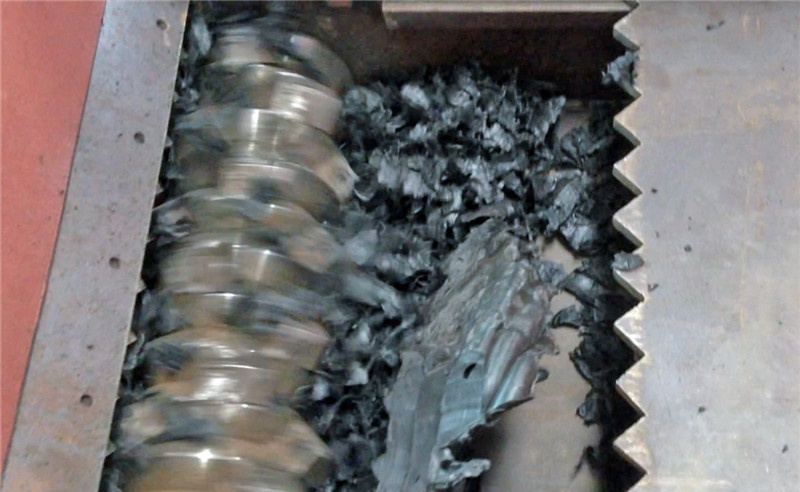
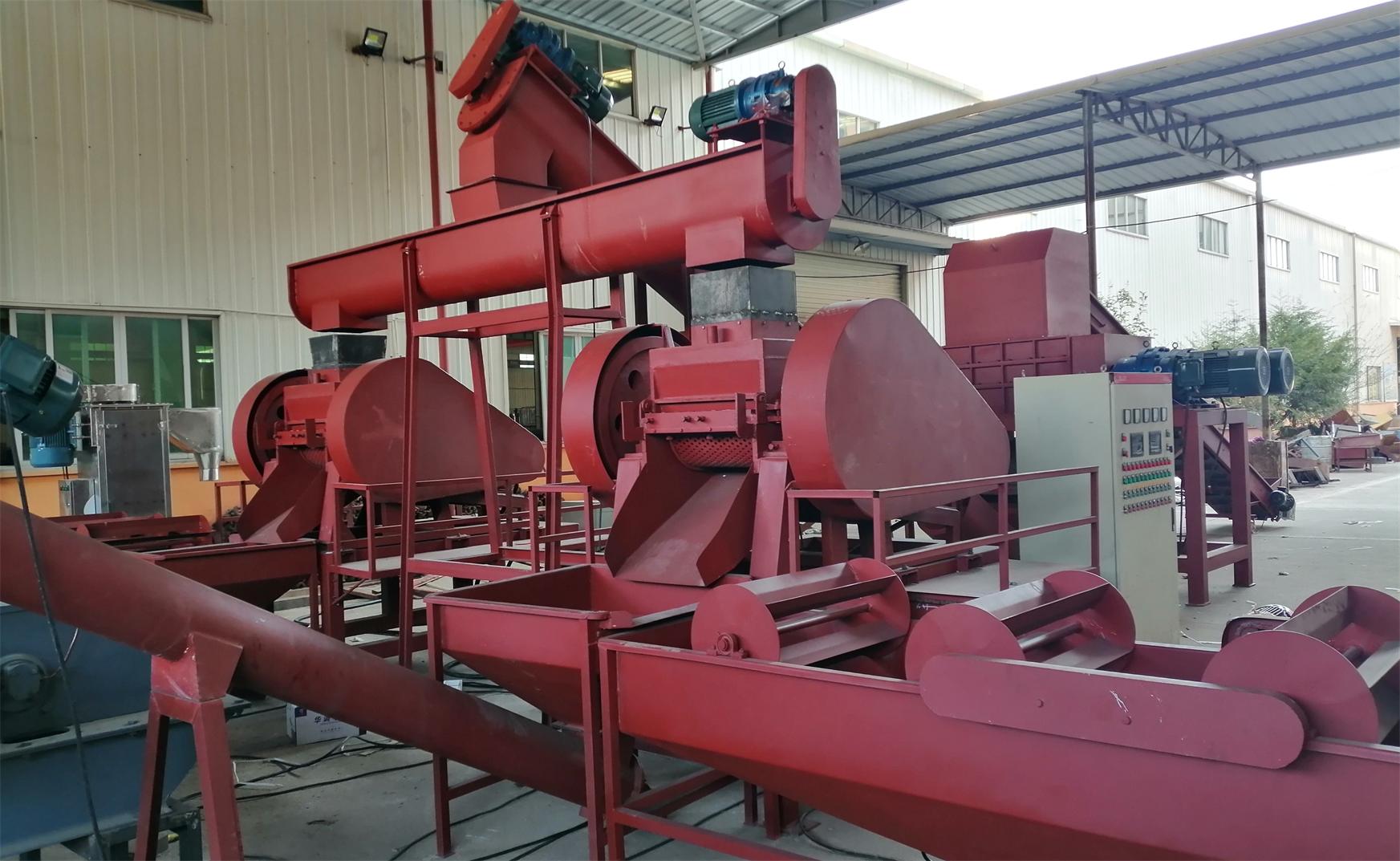
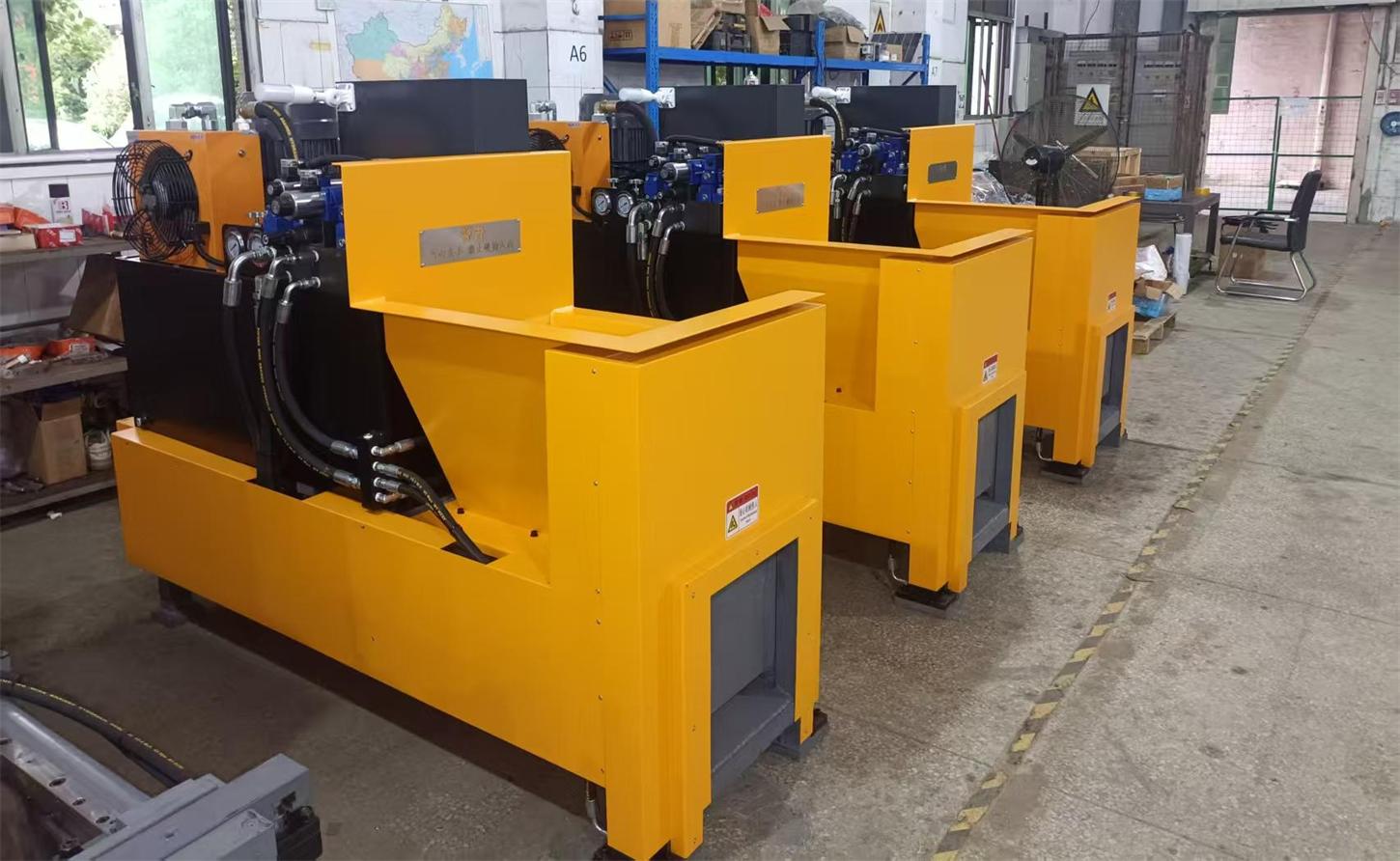
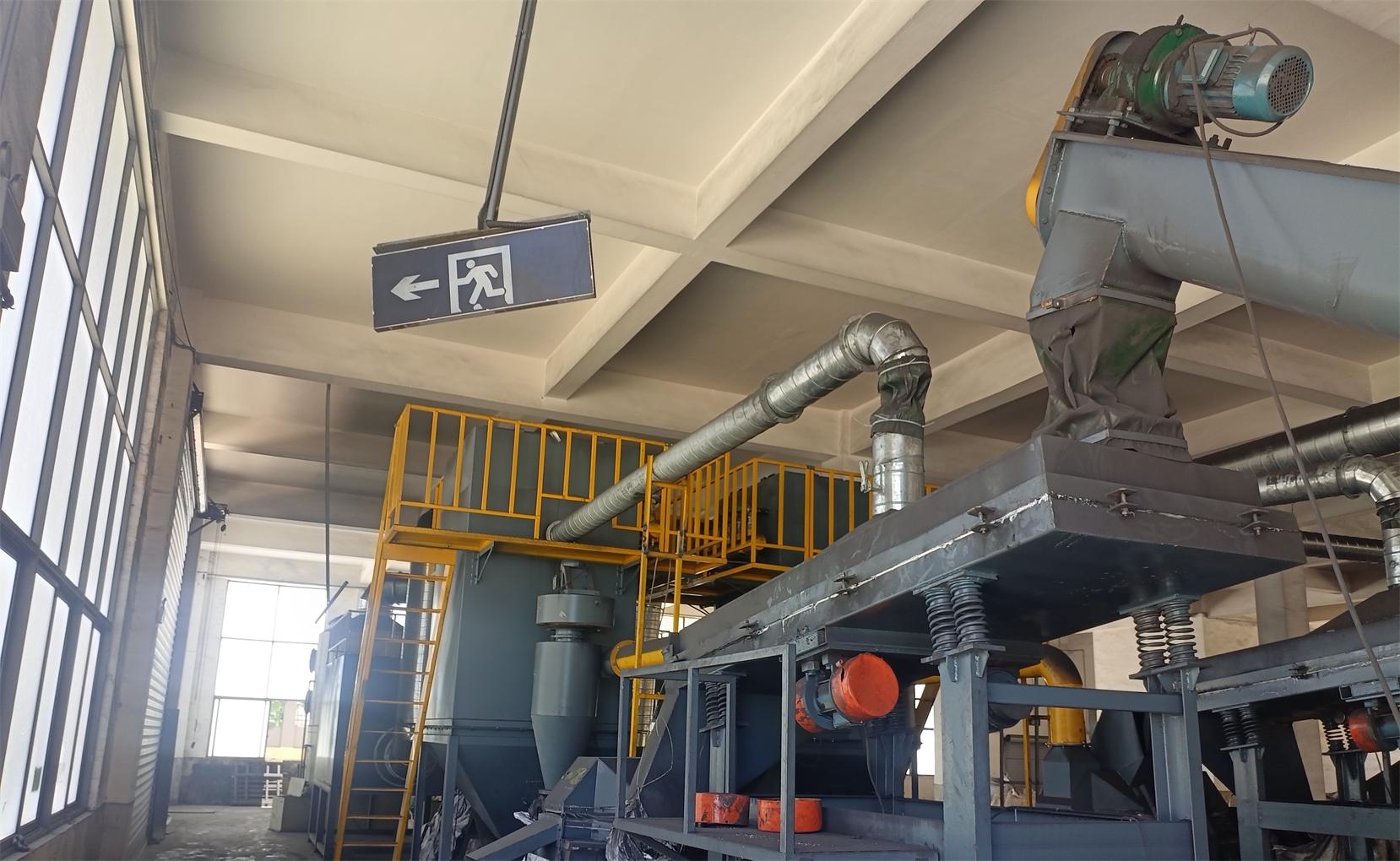
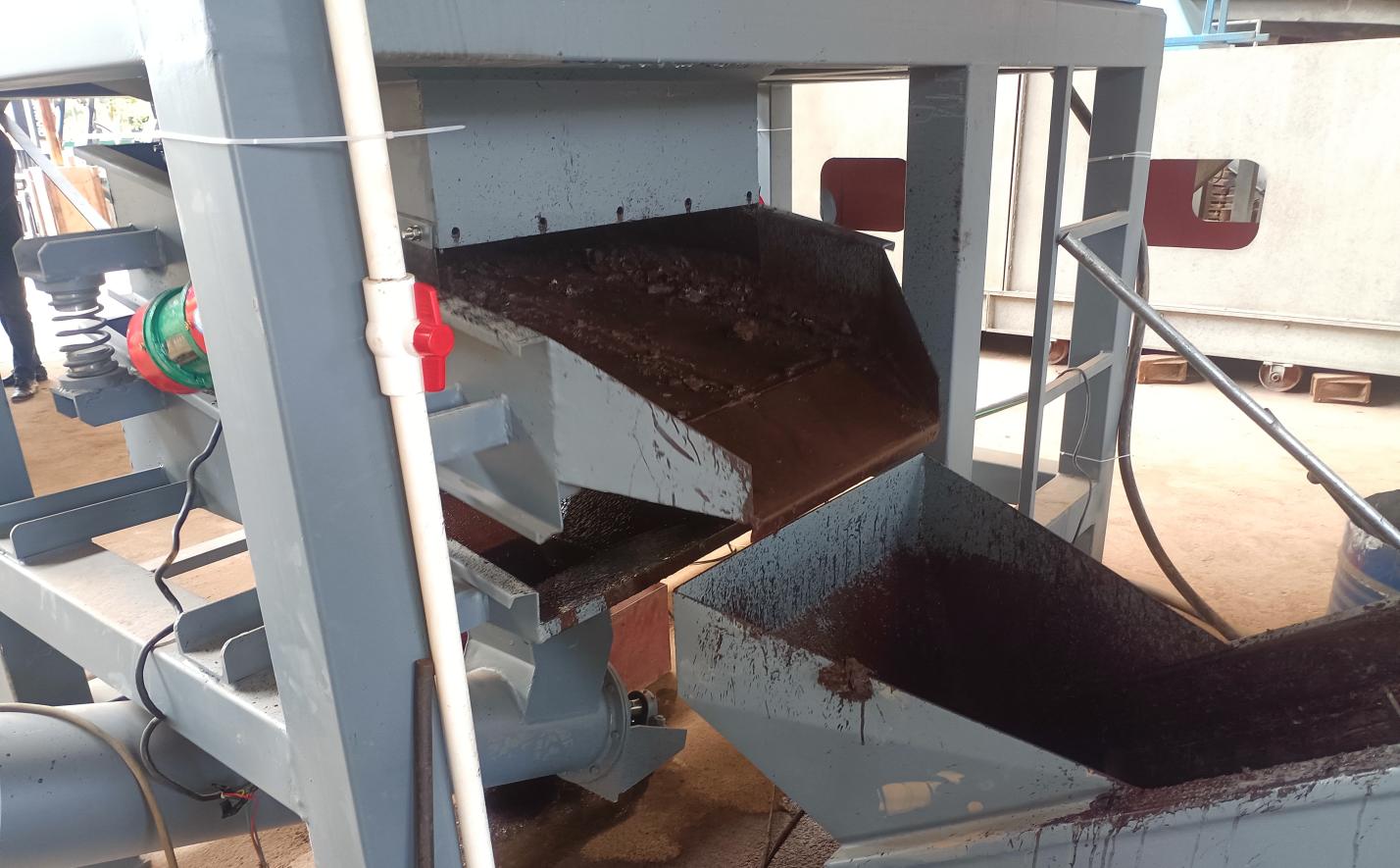
Walking through a battery recycling facility today feels like time-traveling between two industrial eras. In one corner, workers in protective gear laboriously pry open battery casings with manual tools. Across the warehouse, robotic arms glide with hypnotic precision, dismantling battery packs in seconds. This visual contrast represents one of the most significant transitions in the waste management industry. As demand for lithium-ion batteries grows exponentially, the question isn't whether we'll recycle them, but how we'll do it efficiently and responsibly.
The Manual Approach: Hands-On Dismantling
How Traditional Dismantling Works
Manual battery recycling feels like modern archaeology. Workers perform methodical disassembly:
- Sorting batteries by chemistry type and condition
- Discharging remaining energy through saltwater baths
- Physically dismantling casings using simple tools
- Hand-sorting components into material streams
- Shredding and processing separated materials
The Real Costs of Hand Labor
Initially cheaper to implement, manual recycling introduces hidden expenses:
Labor costs: Typically consumes 40-60% of total operational budget
Training overhead: Constant retraining due to high turnover (25-35% annually)
Productivity ceilings: Maximum 50-75 batteries per worker per hour
Quality variance: Material recovery rates fluctuate between 60-80% based on operator skill
The Automated Revolution
Inside Modern Recycling Systems
Today's advanced recycling machines integrate multiple technologies:
- Computer vision for battery identification and sorting
- Robotic disassembly with adaptive gripping systems
- Automated discharge systems that are 40% more efficient than manual methods
- Integrated crushing and material separation processes
- Real-time purity monitoring systems
Breaking Down Costs
| Cost Factor | Manual Recycling | Automated System |
|---|---|---|
| Initial Setup | $150,000–$500,000 | $2M–$5M+ |
| Hourly Throughput | 100–150 batteries | 700–1200 batteries |
| Labor Cost Per Battery | $0.85–$1.20 | $0.15–$0.30 |
| Material Recovery Rate | 60–75% | 92–97% |
| Hazard Exposure Risk | High | Low |
The Lithium Recovery Advantage
Automated lithium battery recycling plants have transformed material recovery. Unlike manual methods where valuable lithium compounds get diluted in processing streams, integrated hydrometallurgical modules enable direct extraction of battery-grade lithium carbonate. The purity levels achieved often hit 99.9%, making them suitable for direct reuse in new battery production. When evaluating the sustainability of lithium processing lines, this closed-loop recovery becomes crucial.
The Five-Year Financial Reality
Year 1-2: The Investment Valley
Automated systems face steep initial costs:
- Equipment purchase ($2-5 million)
- Facility modifications ($500,000–$1 million)
- Training and integration ($150,000–$300,000)
During this period, manual operations appear financially superior. The labor-intensive approach requires smaller capital investment, allowing quicker startup. But this advantage proves temporary.
Year 3-5: The Automation Dividend
By the third year, the economic landscape shifts:
Operating costs: Automated plants operate at 40-60% lower ongoing costs
Throughput gains: 4-8x higher processing capacity with same floor space
Material revenue: 20-35% higher value recovery from advanced separation
Regulatory savings: Reduced compliance costs and penalties
Safety: The Hidden Economics
Reducing Workplace Hazards
Manual battery disassembly exposes workers to:
- Chemical exposure from damaged cells
- Fire and explosion risks (thermal runaway events)
- Repetitive stress injuries from tool use
- Heavy metal exposure during processing
Automated systems reduce direct human interaction in hazardous processes by 90-95%. Containment chambers, inert atmosphere processing, and automated fire suppression create inherently safer environments.
The Cost of Accidents
Industry accident data reveals hidden economics:
| Incident Type | Avg. Manual Facility | Automated Facility |
|---|---|---|
| Minor Injury (first aid) | 10–15/year | 0–2/year |
| Lost-Time Injury | 2–4/year | 0.1/year |
| Major Incident (fire/explosion) | 1 every 3 years | 1 every 15+ years |
| Insurance Premiums | $250–$400k/year | $80–$150k/year |
Environmental Returns
Closing the Loop
Automated recovery transforms waste streams:
- Lithium recovery rates increase from ~35% to 95%
- Plastic casing recycling becomes economically viable
- Process water usage decreases by 60-75% with closed-loop systems
- Material purity enables direct reuse rather than downcycling
Carbon Accounting Impact
Comparative analysis shows:
Manufacturing offset: Each tonne of recovered lithium offsets 5 tonnes of new mining emissions
Energy efficiency: Automated plants use 35% less energy per battery processed
Landfill diversion: 97% material utilization vs 65-75% in manual processes
The Adaptation Challenge
The Human Factor
Implementing automation changes workforce needs:
- Requires retraining manual workers as system operators and technicians
- Creates higher-paying positions with technical skills
- Reduces workforce size by 50-70% but increases productivity 3-5x
- Changes facility safety culture and operation protocols
Transition Strategies
Successful facilities use phased approaches:
| Phase | Manual System | Hybrid System | Full Automation |
|---|---|---|---|
| Investment Level | Low | Medium | High |
| Implementation Time | 1–3 months | 6–12 months | 18–36 months |
| Throughput Capacity | 0.5–2 tonnes/day | 3–8 tonnes/day | 10–30 tonnes/day |
| Optimal Facility Size | <5,000 sq ft | 10,000–20,000 sq ft | 30,000+ sq ft |
Looking Ahead: The Automated Horizon
The evolution continues as emerging technologies reshape recycling:
- AI-driven systems identifying optimal disassembly paths
- Self-calibrating robots adapting to battery design changes
- Integrated traceability platforms creating "recycling passports"
- Modular designs enabling rapid system upgrades
For recyclers weighing the options, the path forward balances practicality with vision. Small operators might leverage manual methods for niche battery streams, while industrial-scale recycling increasingly requires automation. The true breakthrough happens when these technologies make recycling economically sustainable - turning yesterday's waste into tomorrow's raw materials.