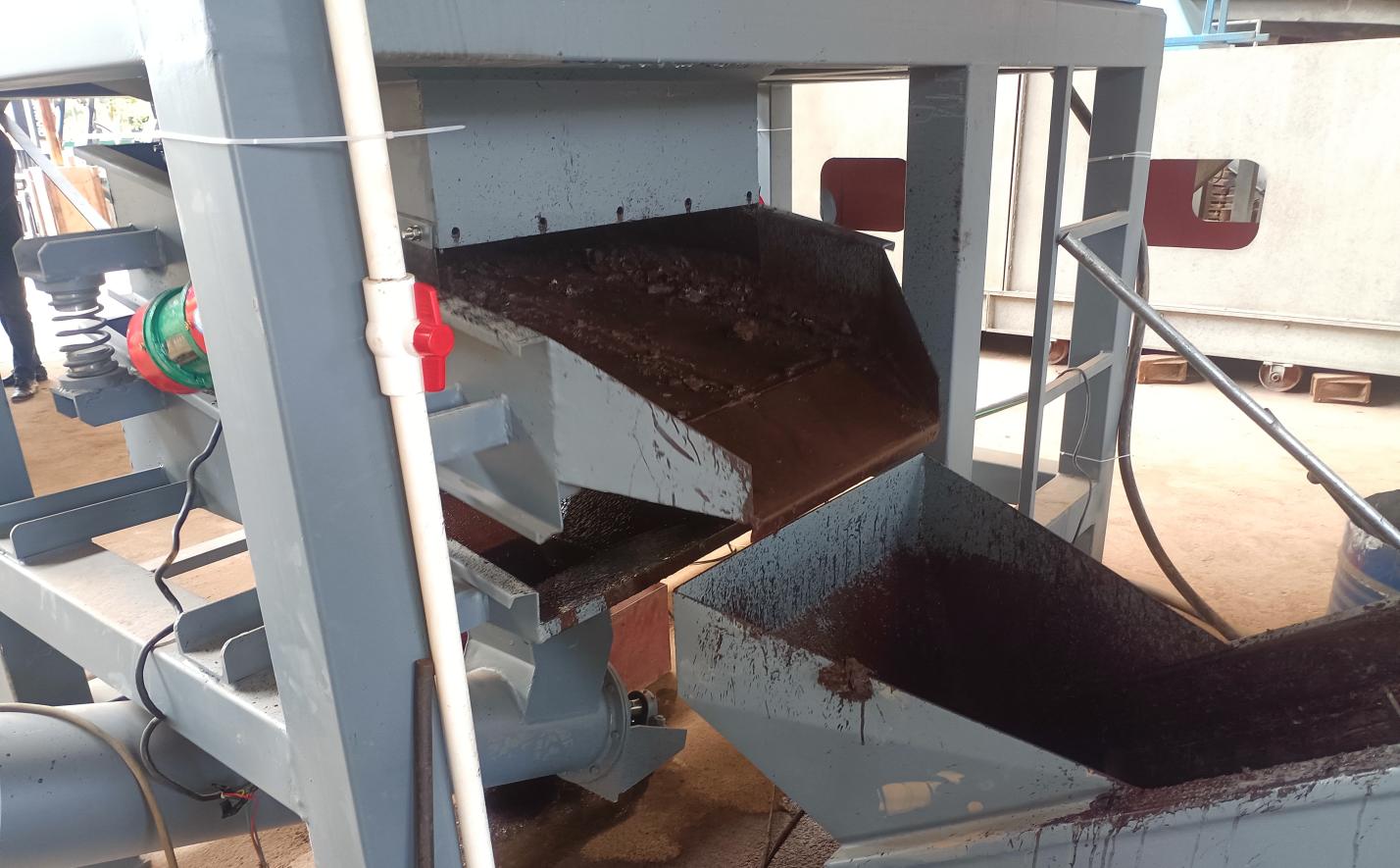
The world of automotive electronics keeps accelerating, packing more advanced systems into vehicles every year. From infotainment consoles to advanced driver assistance systems (ADAS) and electric vehicle battery controllers, printed circuit boards (PCBs) are the nervous system of modern cars. But what happens when these sophisticated components reach the end of their road? That's where the unsung heroes of sustainability - specialized PCB recycling machines - come into play, requiring unique configurations to handle the particular demands of automotive electronics.
Unlike regular electronics, automotive PCBs face extreme conditions throughout their lifecycle. They're exposed to blistering heat near engines, freezing temperatures in winter climates, constant vibrations from driving, and exposure to automotive fluids like oils and cleaners. This endurance-focused design creates unique recycling challenges requiring smart engineering solutions.
Why Automotive PCBs Need Special Handling
Recycling automotive PCBs isn't like recycling your smartphone or laptop components. Three factors create special requirements:
1. Material Complexity
Automotive PCBs incorporate exotic materials from heat-resistant polyimides and ceramic-based substrates to thermal management solutions like aluminum cores. These premium materials require specialized separation techniques.
2. Hazardous Components
Modern vehicles contain critical components like airbag modules with pyrotechnic charges that require careful removal before processing. Battery connections and capacitors also pose safety risks during shredding.
3. Value Recovery Priority
Automotive PCBs contain precious metals like gold, palladium and platinum in higher concentrations than consumer electronics. Recycling systems need precision separation technology to maximize recovery.
The Regulatory Landscape Driving Recycling
| Regulation | Application to PCBs | Impact on Recycling Machines |
|---|---|---|
| RoHS (Restriction of Hazardous Substances) | Limits use of lead, mercury and flame retardants | Requires special filtration to capture restricted substances during shredding |
| WEEE (Waste Electrical Equipment Directive) | Mandates recycling targets for automotive electronics | Demands efficient separation systems for tracking recycled materials |
| ELV (End-of-Life Vehicles Directive) | Sets recycling targets for vehicle components (95% reuse) | Needs precise metal recovery systems for automotive-grade materials |
| ISO 14001 Environmental Management | Certification requirements for recyclers | Requires emission controls and closed-loop water systems |
Navigating this regulatory landscape isn't just paperwork - it fundamentally shapes the engineering of PCB recycling machines. For instance, RoHS compliance requires multi-stage air filtration systems that can capture vaporized lead compounds during high-temperature processing.
Core Configuration Requirements for Automotive PCB Recycling
Enhanced Pre-Shredding Safety Systems
Unlike consumer electronics, automotive PCBs frequently include components that could become dangerous during processing:
Airbag Handling Stations
Dedicated depopulation stations with robotic removers and blast-proof cabinets that safely detach and dispose of pyrotechnic components.
Capacitor Discharge Modules
Automated systems that identify and drain energy from high-voltage capacitors, preventing potential sparks or explosions during shredding.
Specialized Shredding Technology
Automotive PCBs require robust processing equipment:
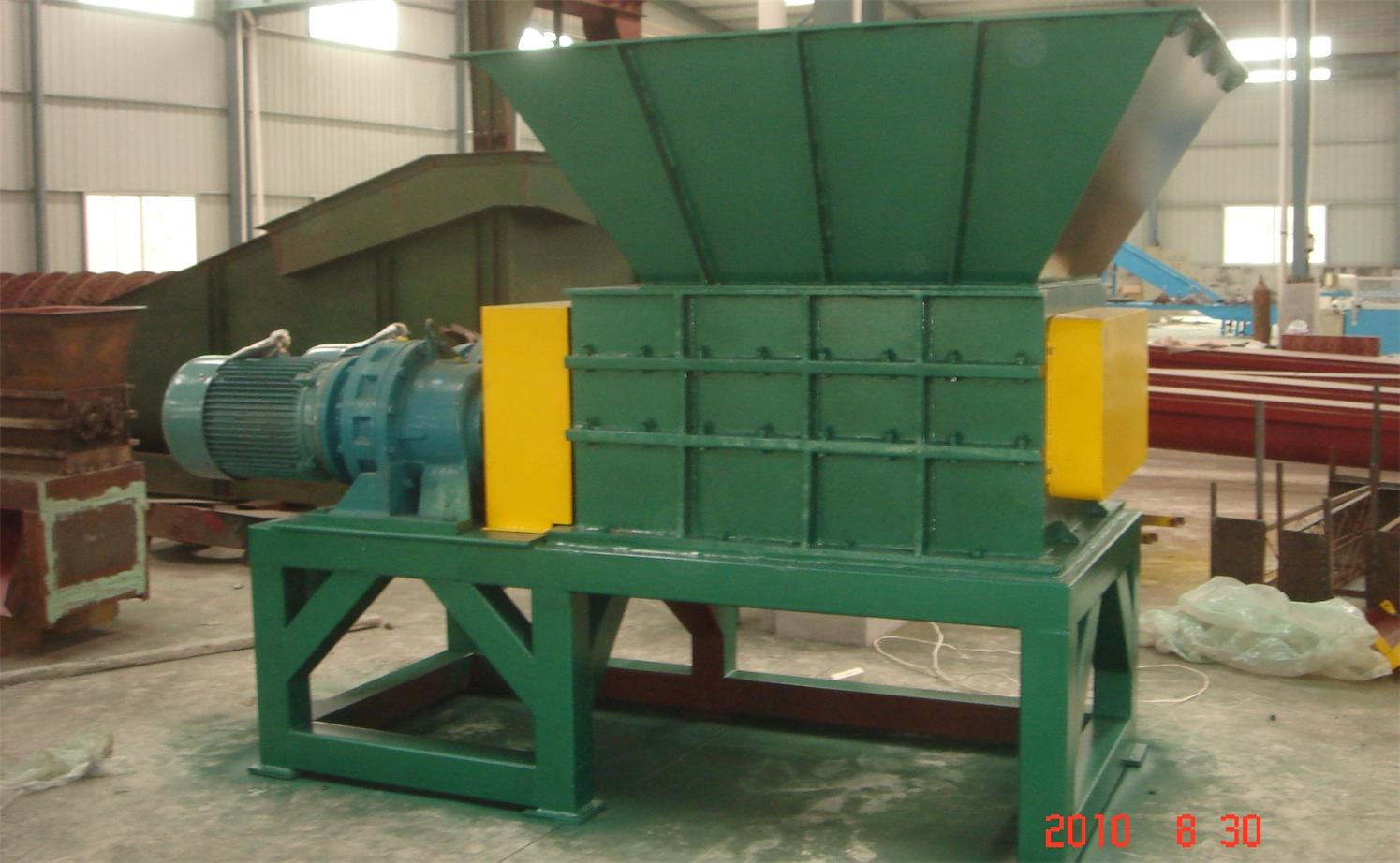
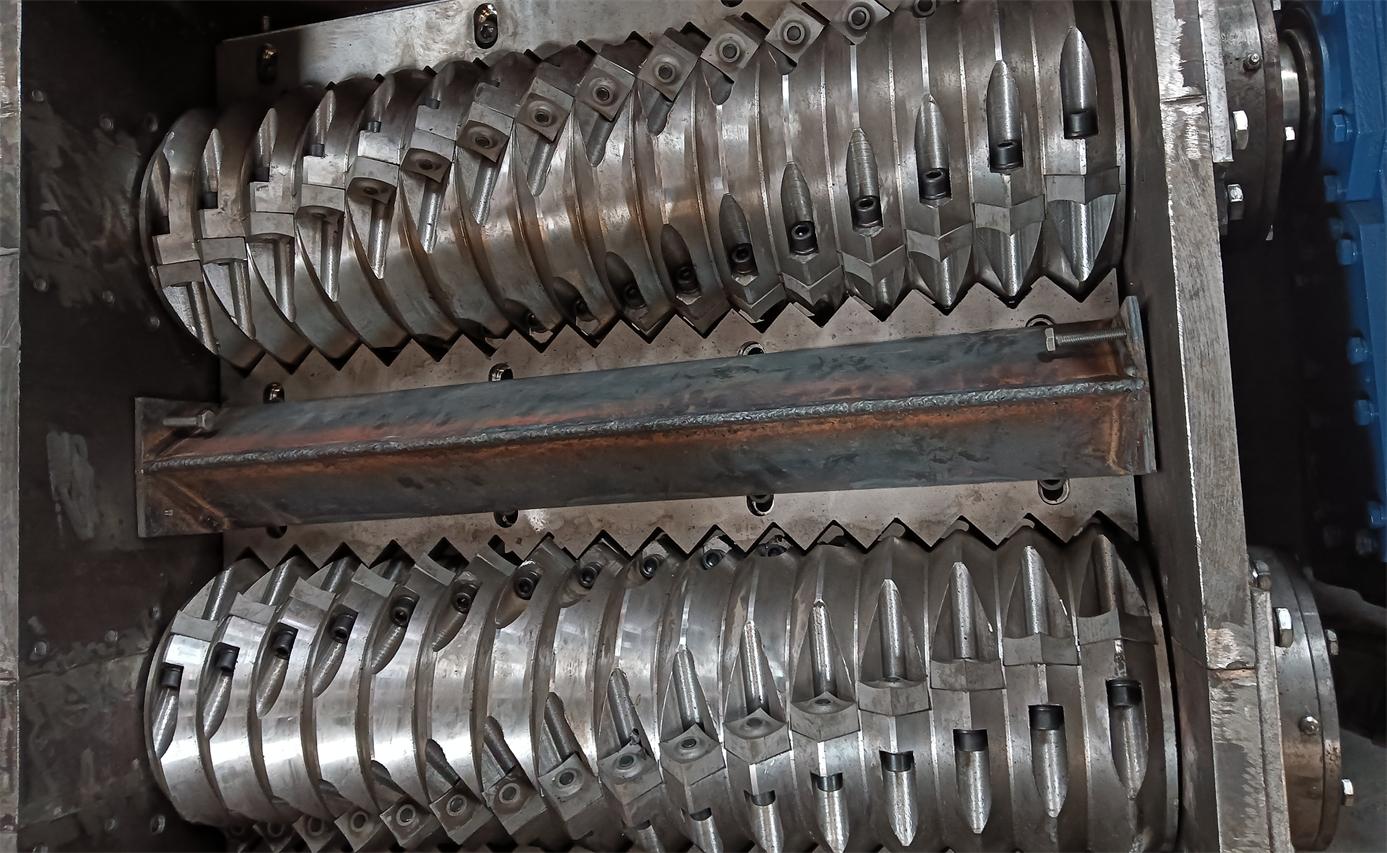
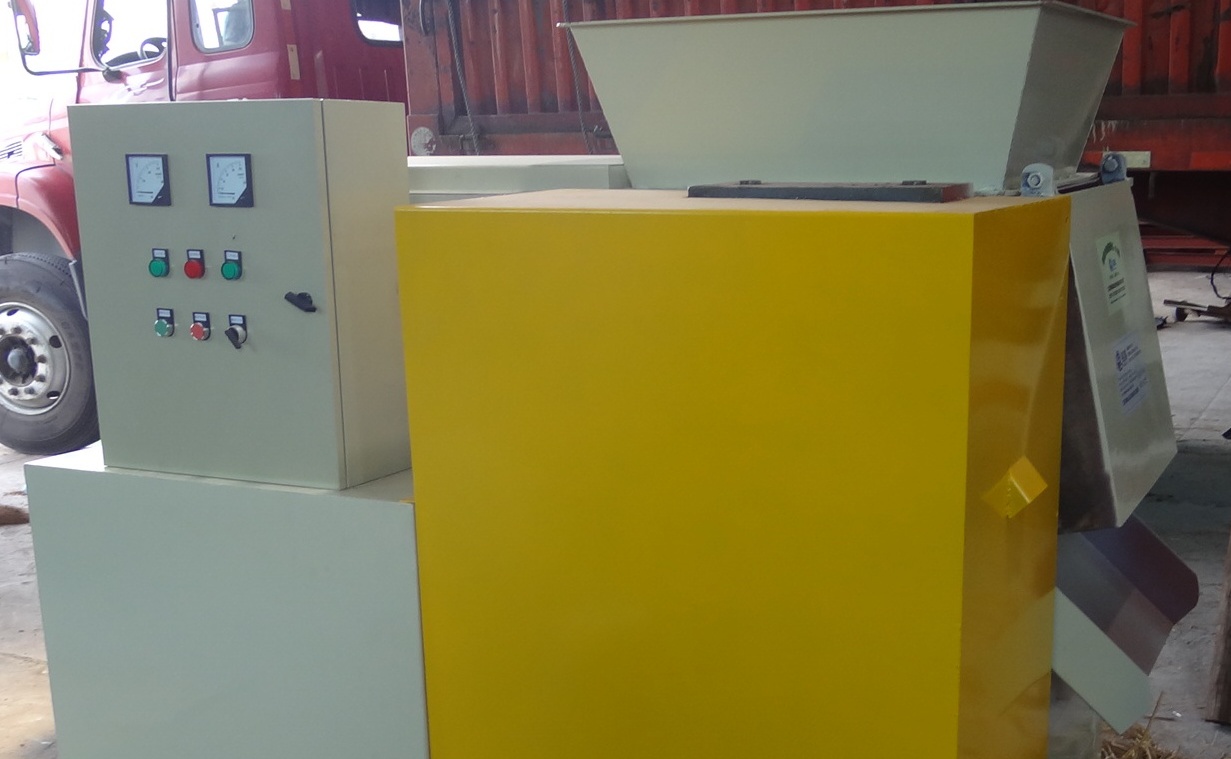
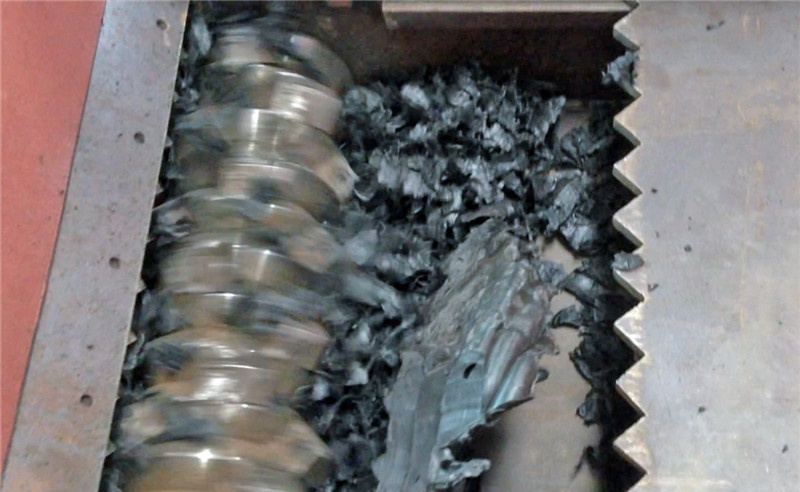
- Twin-shaft shredders with hardened steel cutters designed to handle fiberglass-reinforced substrates without excessive wear
- Vibration-dampening mounts that protect bearings from metal fragments and dust
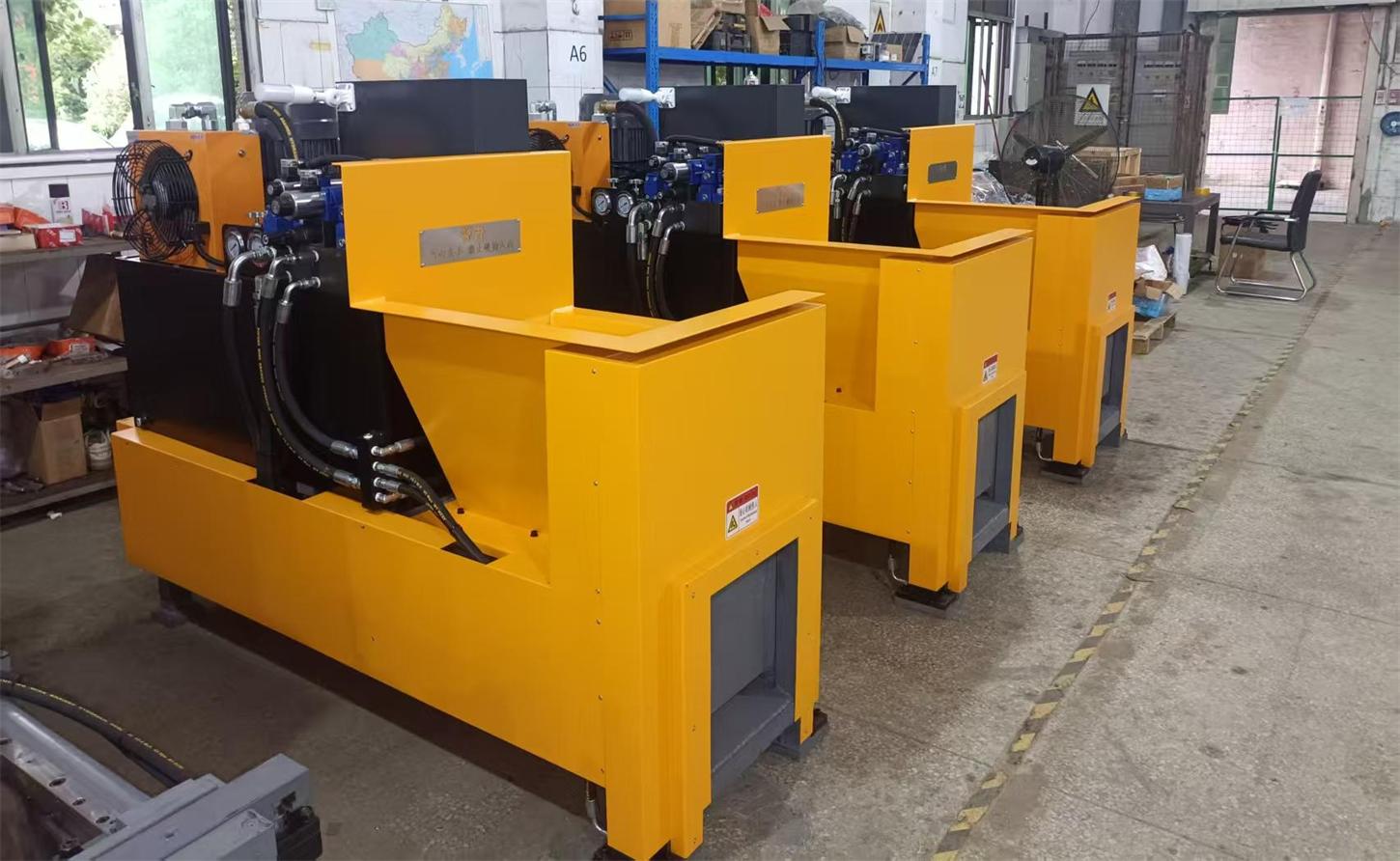
- Hydraulic drive systems with safety-release mechanisms for unexpected resistance
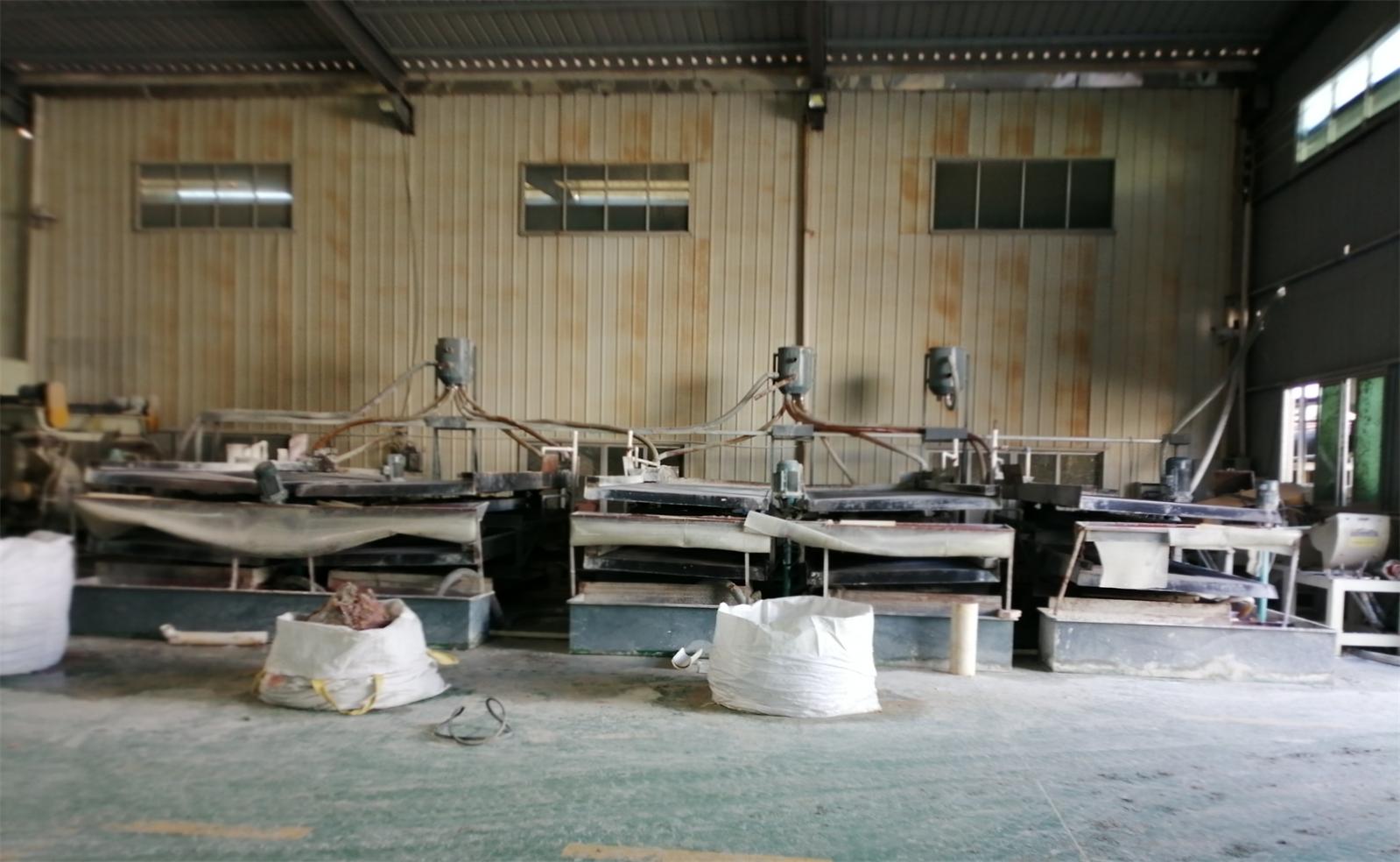
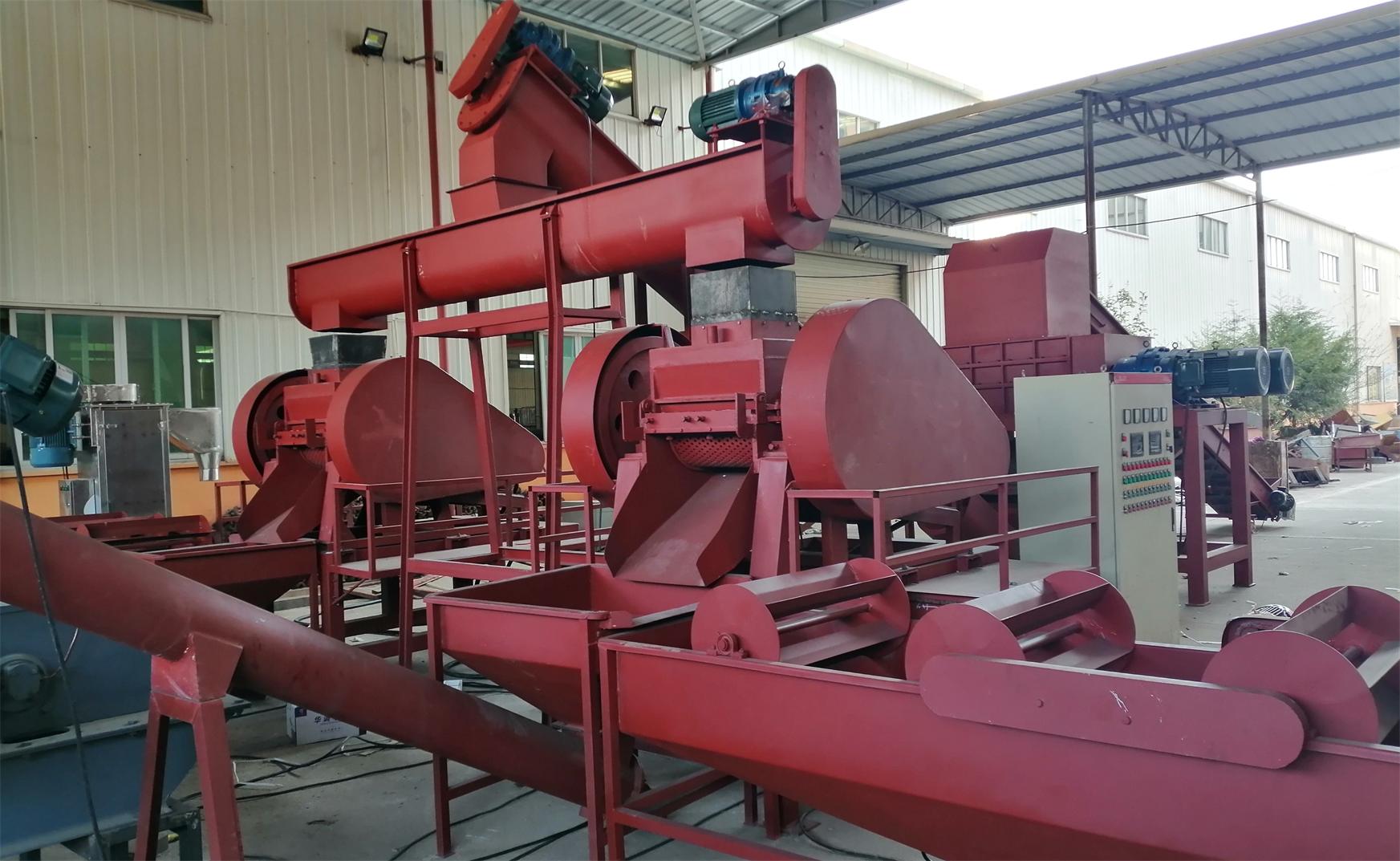
The real innovation lies in the separation techniques following shredding. Multi-stage electrostatic separators and magnetic eddy current systems can precisely sort metallic particles down to 0.2mm, which is crucial for recovering precious automotive-grade metals.
Environmental Control Systems
Automotive PCB recycling requires environmental controls beyond standard electronics recycling:
Advanced Filtration Systems
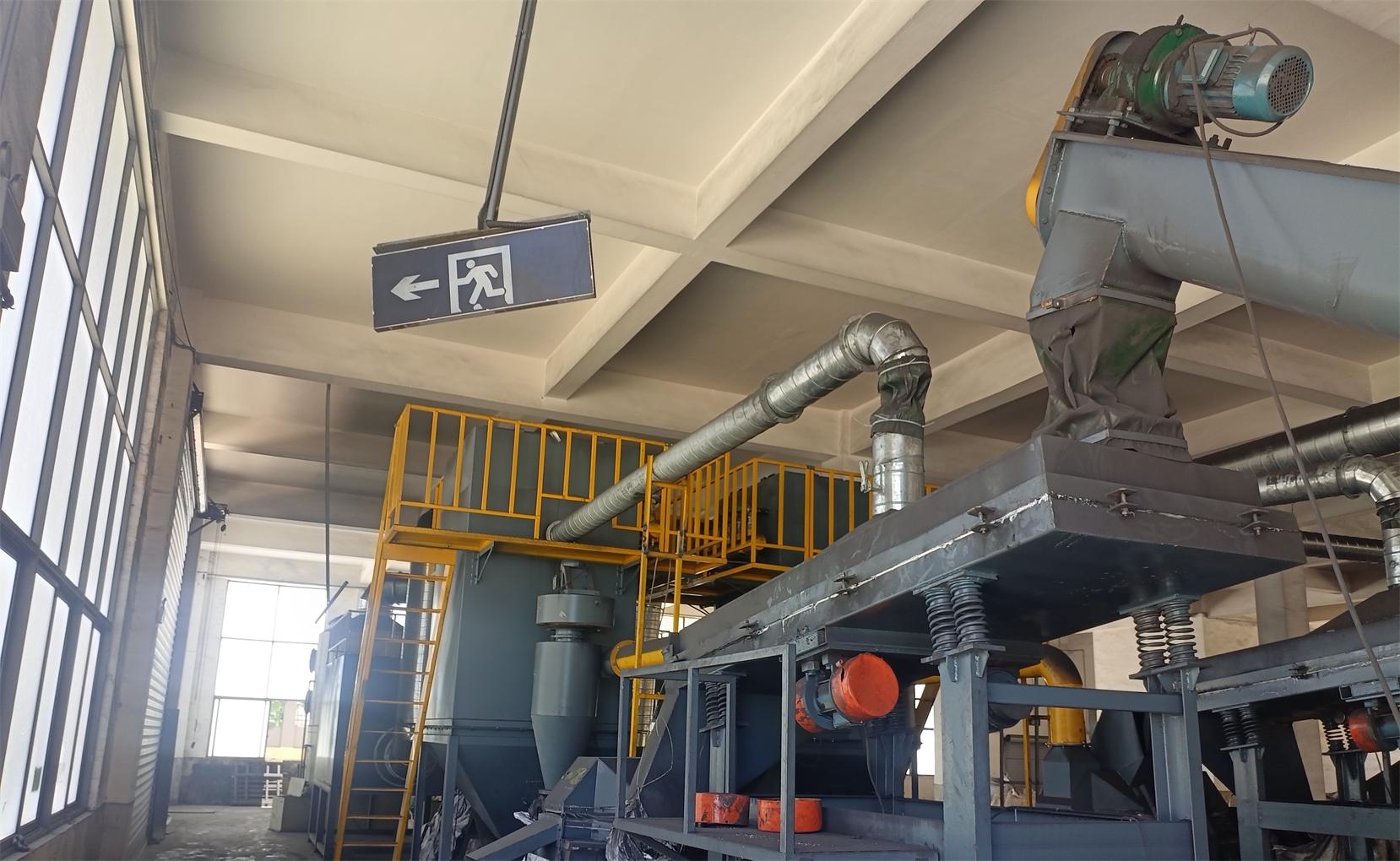
Multi-stage HEPA filtration combined with chemical scrubbers that capture halogenated flame retardants and heavy metal particles generated during processing. These systems often feature real-time air monitoring with automatic shutdown protocols if emissions exceed thresholds.
The Future of Automotive PCB Recycling
Modular Systems
The next generation of recycling equipment features plug-and-play modules that can be reconfigured for different vehicle systems - hybrid power electronics one day, ADAS sensors the next. This flexibility is crucial as automotive electronics continue diversifying.
AI-Powered Sorting
Machine vision systems are being trained to identify specific automotive-grade components and alloys through spectral analysis of material streams. This allows unprecedented purity in material recovery.
Integrated Material Analytics
Real-time material composition scanners integrated directly into recycling streams, giving operators live recovery metrics and enabling on-the-fly equipment adjustments to maximize valuable material recovery.
Designing for End-of-Life
Forward-thinking manufacturers are implementing DfR (Design for Recycling) principles:
Quick-Release Components
Standardized mounting solutions that allow rapid removal of high-value modules like power controllers before board shredding.
Material Identification Markers
Embedded QR codes in substrate materials that can be scanned during recycling to identify material composition and optimize separation processes.
Non-Halogenated Alternatives
Using flame-retardant chemicals that break down safely during thermal recycling processes without toxic emissions.
As the electric vehicle revolution accelerates, we're seeing radical changes in power electronics design. Heavy copper layers (up to 10oz), ceramic substrates, and sophisticated coolant systems all create new challenges and opportunities for PCB recycling machine technology that must constantly adapt.
The most successful recycling operations approach automotive PCBs like high-grade ore deposits - not waste streams. With the right specialized technology and configuration, recovery rates exceeding 98% for precious metals and 95% for base metals are achievable.
Looking ahead, recycling technology will increasingly use advanced lithium extraction techniques from battery control boards. Combining hydrometallurgical processes with conventional mechanical recycling creates closed-loop systems that recover both rare metals and the lithium needed in new automotive batteries.
Innovations in cable recycling methods also integrate with PCB recycling operations. As vehicles evolve into rolling data centers, hybrid recycling systems that process PCB assemblies alongside high-grade vehicle cabling create operational efficiencies and higher material yields.
The evolution continues as PCBs become more integrated with vehicle structures. Printed electronics embedded into surfaces will require new recycling approaches. But with the constant innovation in specialized PCB recycling technology, the auto industry's electronic nervous system can have an environmentally sound second life.