Recycling isn't just about sustainability anymore—it's about efficiency, adaptability, and staying ahead in a world where waste streams grow more complex by the day. Whether you're processing old cables, circuit boards, or even tough industrial scraps, the right shredder can make or break your operation. And when it comes to tackling the most stubborn materials with precision and power, few machines stand out like the 4 shaft shredder equipment. In this guide, we'll dive into why these workhorses are becoming a staple for recyclers, how they stack up against other shredders, and what to look for when investing in one for your facility.
What Makes 4-Shaft Shredders Different?
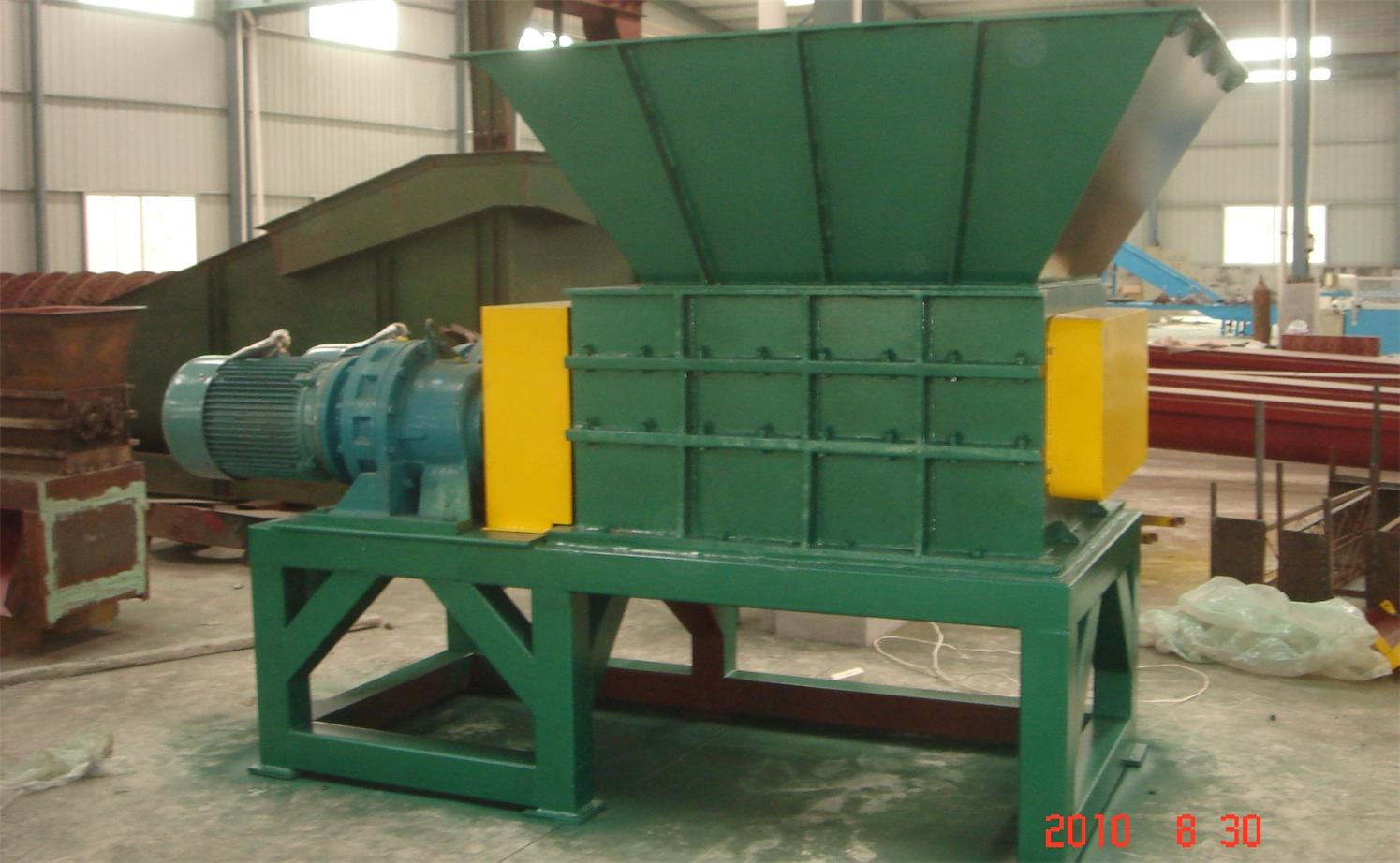
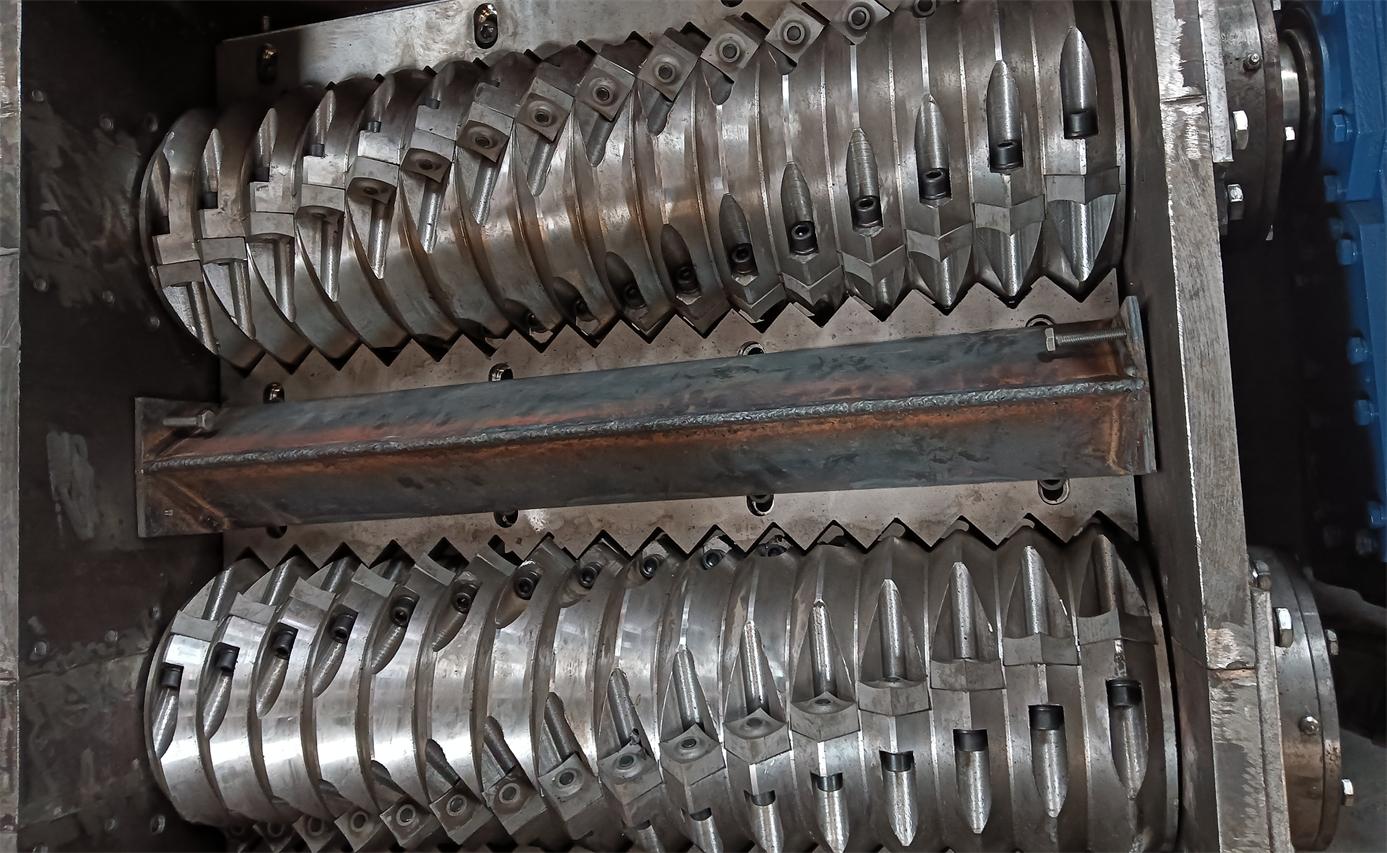
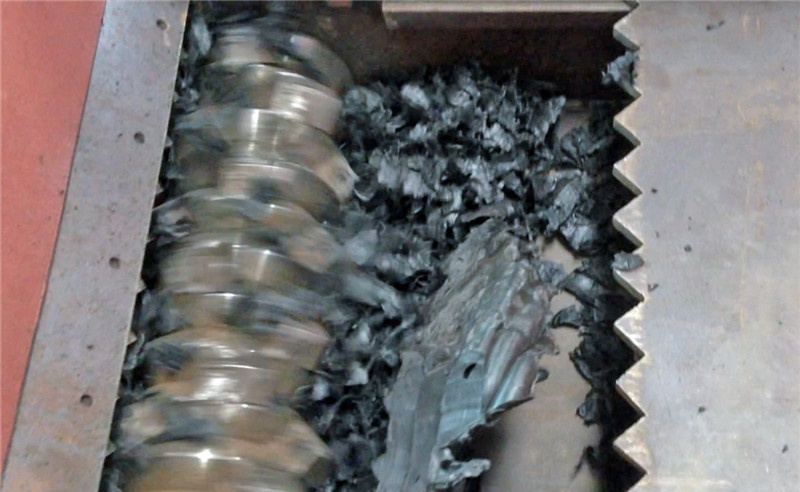
At first glance, shredders might all seem similar—big machines with blades that tear through materials. But 4-shaft shredders are in a league of their own, designed to handle the "problem children" of recycling: materials that are tough, bulky, or irregularly shaped. Unlike their single or 2-shaft counterparts, 4-shaft models use four interlocking shafts fitted with sharp, durable blades that work together to grip, shear, and reduce materials into uniform particles. Think of it like having four sets of jaws working in harmony—no more jamming, no more uneven cuts, just consistent results even with the trickiest inputs.
Take cable recycling, for example. Scrap cables are often reinforced with metal, plastic, and rubber, making them notoriously hard to process. A 4-shaft shredder doesn't just hack through them—it gently but firmly pulls the cable into the cutting chamber, ensuring the outer sheath is stripped clean and the inner wires are separated without fraying. That's the kind of precision that turns a frustrating chore into a streamlined process.
Key Features to Look for in a 4-Shaft Shredder
Not all 4 shaft shredder equipment is created equal. To ensure you're getting a machine that will grow with your business and handle whatever comes its way, keep an eye on these critical features:
- Blade Quality: The blades are the heart of any shredder. Look for hardened steel or carbide-tipped blades that resist wear, especially if you're processing abrasive materials like circuit boards or metal scraps. Some manufacturers even offer reversible blades, so you can flip them when one side dulls—extending their lifespan and saving on replacement costs.
- Power and Torque: More horsepower isn't always better, but you need enough to handle your typical load. For heavy-duty tasks like shredding motor stators or thick cables, aim for a motor with at least 50 HP. Torque matters too—higher torque means the shredder can power through jams without stalling, keeping your workflow on track.
- Capacity: How much material can the shredder process per hour? This is measured in pounds or kilograms per hour, and it should align with your daily throughput goals. A 4-shaft shredder with a 500-2000 kg/hour capacity is ideal for mid-sized operations, while larger facilities might need models that handle 3000+ kg/hour.
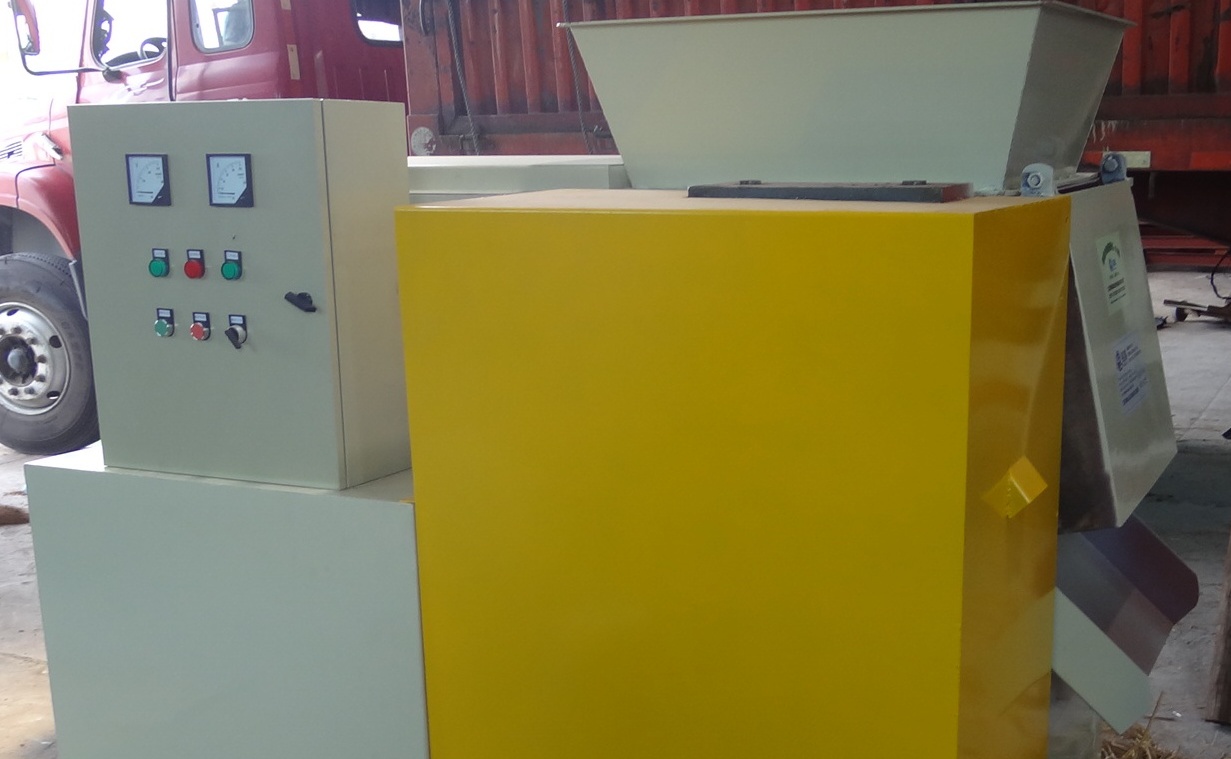
- Safety Features: Shredders are powerful machines, so safety can't be an afterthought. Look for features like emergency stop buttons, interlock switches that prevent the machine from running when the chamber is open, and overload protection to shield the motor from damage. These aren't just "nice-to-haves"—they're essential for protecting your team and your investment.
- Durability: The frame and housing should be made from heavy-gauge steel to withstand vibrations and impacts. Check for reinforced welding and sealed bearings to keep dust and debris out, which can cause premature wear.
4-Shaft vs. Single, 2-Shaft, and Pre-Choppers
Wondering if a 4-shaft shredder is really better than a single shaft shredder equipment or a 2-shaft model? Let's break down the pros and cons to help you decide:
| Shredder Type | Best For | Pros | Cons |
|---|---|---|---|
| Single Shaft Shredder | Light materials (e.g., plastic bottles, cardboard) | Affordable, compact, easy to maintain | Struggles with tough or bulky materials; prone to jamming |
| 2-Shaft Shredder | Medium-duty materials (e.g., wood, thin metal sheets) | Better grip than single shaft; handles some mixed materials | Limited to smaller particle sizes; not ideal for irregular shapes |
| 4-Shaft Shredder | Tough, bulky, or mixed materials (cables, circuit boards, motor stators) | Highly versatile; minimal jamming; uniform output; handles large volumes | Higher upfront cost; larger footprint |
| Shredder and Pre-Chopper Equipment | Extremely large or dense materials (e.g., refrigerators, car parts) | Pre-choppers break down materials before shredding, reducing strain | Requires extra space and investment; overkill for smaller operations |
For most recyclers, 4-shaft shredders strike the perfect balance between versatility and efficiency. They can handle everything from soft plastics to hard metals, and they pair well with pre-choppers if you occasionally process extra-large items. If your operation deals with a mix of materials—or if you anticipate expanding into new recycling streams (like lithium-ion batteries or CRTs)—a 4-shaft model is a future-proof choice.
Top Applications for 4-Shaft Shredders
4 shaft shredder equipment isn't a one-trick pony. Here are just a few of the recycling streams where these machines shine:
Cable and Wire Recycling
As mentioned earlier, scrap cables are a nightmare for many shredders. But 4-shaft models excel here, working alongside scrap cable stripper equipment to separate copper wires from plastic sheaths. The uniform output makes it easier to recover valuable metals, boosting your profit margins.
Circuit Board Recycling
Circuit boards are packed with precious metals like gold, silver, and copper, but they're also fragile and full of glass fibers. A 4-shaft shredder gently reduces them into small, manageable particles without pulverizing the metals, making downstream separation (via dry or wet processes) much more efficient.
Electronic Waste (E-Waste)
From old refrigerators to CRT monitors, e-waste is bulky and varied. 4-shaft shredders can handle the plastic casings, metal frames, and even the glass from CRTs, turning them into uniform flakes that can be sorted and recycled. Pair them with auxiliary equipment like air pollution control systems, and you've got a complete e-waste processing line.
Battery Recycling
Lead acid and lithium-ion batteries require careful handling to avoid leaks or fires. 4-shaft shredders with slow-speed, high-torque operation safely break down battery casings, allowing for the recovery of lead plates, electrolytes, and lithium components without releasing harmful substances.
Maintenance Tips to Keep Your Shredder Running Smoothly
Investing in a 4-shaft shredder is a big decision, and you want it to last. With proper maintenance, these machines can run for decades. Here's how to keep yours in top shape:
- Blade Maintenance: Dull blades lead to poor performance and increased energy use. Inspect blades weekly for nicks or wear, and sharpen or replace them as needed. If your shredder has reversible blades, flip them every 50-100 hours of operation to ensure even wear.
- Lubrication: The shafts and bearings need regular lubrication to reduce friction. Follow the manufacturer's guidelines—over-lubricating can attract dust, while under-lubricating causes premature wear. Use high-quality lubricants designed for heavy machinery.
- Cleaning: After each shift, clear out any debris from the cutting chamber and discharge area. Built-up material can cause jams and create hot spots, which can damage the blades or motor over time.
- Safety Checks: Test emergency stop buttons, interlocks, and overload protection systems monthly. Make sure guards are in place and that all safety labels are legible. A small issue here could lead to a serious accident later.
- Train Your Team: Even the best shredder can be damaged by operator error. Ensure your team knows how to load materials properly (no overloading!), how to spot signs of trouble (unusual noises, vibrations), and when to shut down the machine for maintenance.
Is a 4-Shaft Shredder Right for You?
If you're still on the fence, ask yourself these questions: Do you process materials that often jam or damage your current shredder? Are you looking to expand into new recycling streams (like e-waste or battery recycling)? Do you need consistent, uniform output to improve downstream processing? If you answered "yes" to any of these, a 4-shaft shredder is worth the investment.
Think of it this way: Every hour your current shredder is down for repairs, or every batch of unevenly shredded material that needs reprocessing, is costing you time and money. A 4-shaft model minimizes those headaches, letting you focus on growing your business instead of fighting with your equipment.
Final Thoughts
In the fast-paced world of recycling, efficiency and versatility are everything. 4 shaft shredder equipment isn't just a machine—it's a partner that helps you tackle tough materials, reduce waste, and recover more valuable resources. By choosing a model with high-quality blades, sufficient power, and the right capacity, you're not just buying a shredder; you're investing in the future of your business.
Whether you're a small recycler looking to upgrade from a single shaft shredder or a large facility processing tons of e-waste daily, a 4-shaft shredder brings the reliability and performance you need to stay competitive. So why settle for "good enough" when you can have a machine that does it all?