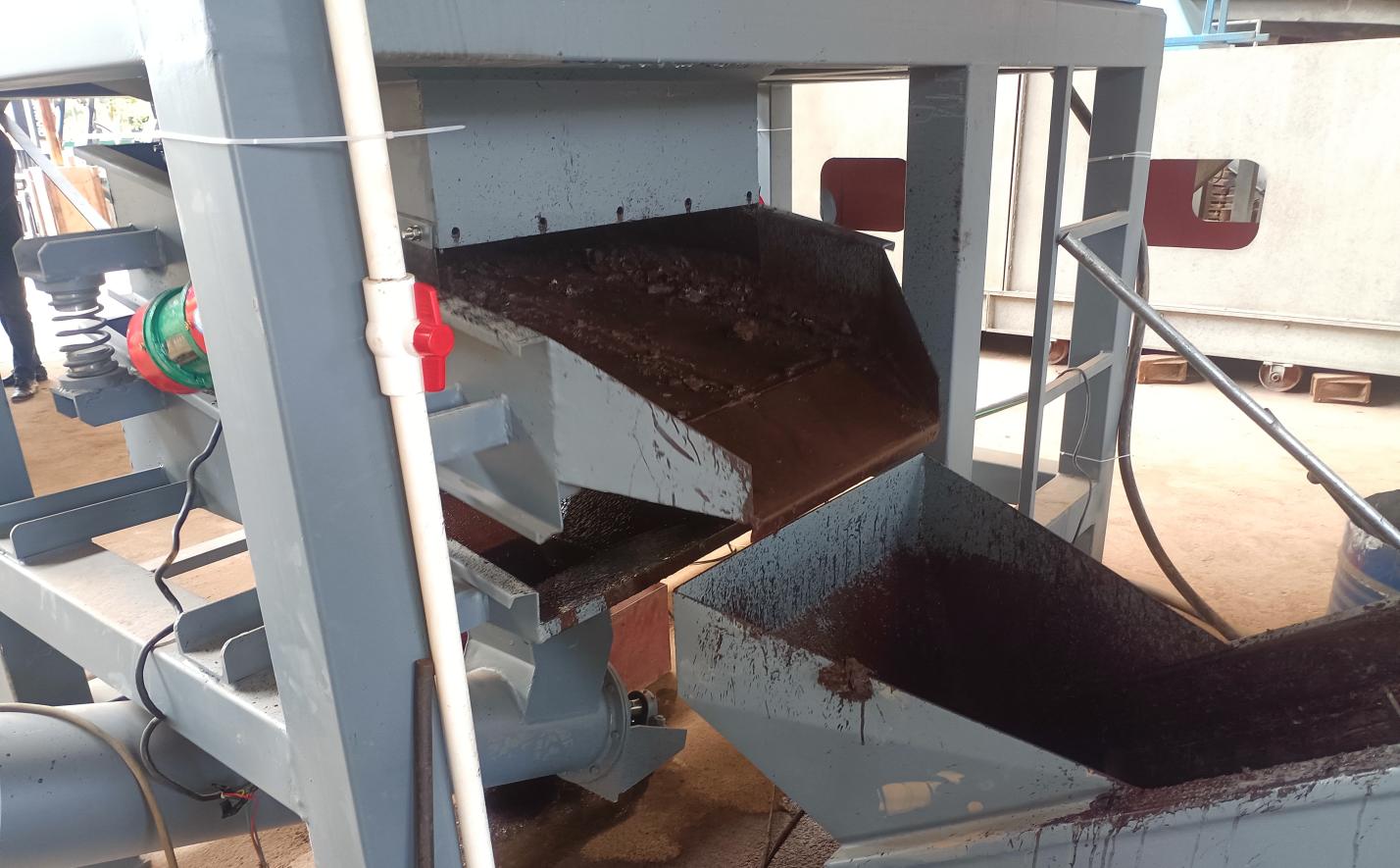
Enhancing Ball Mill Efficiency in Recycling and Extraction Processes
Introduction: The Unsung Hero of Recycling Equipment
In the world of industrial recycling and ore extraction, every component matters—from large shredders to tiny grinding media. For plant managers and equipment buyers, the goal is clear: maximize efficiency, minimize downtime, and boost the quality of recycled materials. Yet, one small but critical part often flies under the radar: the balls inside ball mills. These unassuming spheres are the workhorses of grinding processes, breaking down everything from lithium ore to circuit board components into finer particles for separation. And in 2025, the game-changer in this space is undoubtedly nano-ceramic balls.
Whether you're running a lithium ore extraction plant, processing tailing ore, or recycling lithium-ion batteries, the right grinding media can transform your operations. Traditional steel balls, once the standard, are now being outpaced by advanced alternatives like nano ceramic ball for ball mill equipment. These engineered balls offer superior hardness, wear resistance, and consistency—qualities that directly translate to smoother workflows, higher yields, and lower long-term costs. In this guide, we'll dive into what makes nano-ceramic balls a must-have, how to choose the right type for your needs, and why they're becoming indispensable in modern recycling and extraction setups.
What Are Nano-Ceramic Balls, and Why Do They Matter?
Nano-ceramic balls are advanced grinding media crafted from ceramic materials infused with nano-sized particles (typically less than 100 nanometers). This microscopic engineering gives them properties that traditional steel or even regular ceramic balls can't match. Unlike steel, which wears down quickly and can contaminate materials with metal particles, nano-ceramic balls are designed for extreme durability and purity.
At their core, these balls leverage nanotechnology to create a dense, uniform structure. For example, microcrystalline ceramic ball equipment is made by sintering ultra-fine ceramic grains, resulting in a smooth, hard surface that resists chipping and abrasion. On the other hand, nano composite ceramic ball equipment combines ceramic with other materials like alumina or zirconia at the nano level, enhancing toughness without sacrificing hardness. The result? Balls that grind more efficiently, last longer, and keep your ball mill running at peak performance for extended periods.
Consider the impact in a lithium tailing ore extraction plant. Tailing ore—often dismissed as waste—contains trace amounts of valuable lithium that can be recovered with precise grinding. Using traditional steel balls here would lead to uneven particle sizes, making separation difficult and reducing recovery rates. But with nano-ceramic balls, the grinding process is consistent, breaking ore into uniform fines that are easier to process. This not only boosts lithium recovery but also reduces the need for regrinding, saving energy and time.
Key Types of Nano-Ceramic Balls: Choosing the Right Fit
Not all nano-ceramic balls are created equal. Depending on your application—whether it's crude ore extraction, circuit board recycling, or battery material processing—you'll need a specific type tailored to your workflow. Let's break down the most common varieties and their ideal uses:
| Type | Material Composition | Hardness (HV) | Wear Resistance | Ideal Applications | Estimated Lifespan |
|---|---|---|---|---|---|
| Nano Ceramic Ball for Ball Mill Equipment | Alumina-zirconia nano-composite | 1,800–2,200 | Excellent | Lithium ore extraction, tailing ore processing | 8,000–10,000 hours |
| Microcrystalline Ceramic Ball Equipment | Ultra-fine alumina grains | 1,600–1,900 | Very Good | Crude ore extraction, wet process grinding | 6,000–8,000 hours |
| Nano Composite Ceramic Ball Equipment | Ceramic + nano-sized additives (e.g., silicon carbide) | 2,000–2,400 | Superior | Circuit board recycling, dry process grinding | 10,000–12,000 hours |
For instance, if your plant specializes in circuit board recycling—where grinding precision is critical to separating copper, gold, and plastic—nano composite ceramic ball equipment is likely your best bet. Its high hardness (up to 2,400 HV) ensures it can break down tough circuit board materials without deforming, while its wear resistance means you won't have to stop production for ball replacements as often.
On the flip side, microcrystalline ceramic ball equipment shines in wet process setups, like those used in tailing ore extraction with water-based slurries. Its slightly lower hardness (but higher toughness) prevents cracking in moist environments, ensuring consistent performance even with varying slurry densities.
The Benefits of Upgrading to Nano-Ceramic Balls
Switching to nano-ceramic balls isn't just a "nice-to-have"—it's a strategic investment in your plant's productivity. Here's how they deliver value:
1. Unmatched Wear Resistance
Traditional steel balls wear down at a rate of 50–100 grams per ton of material processed. Nano ceramic ball for ball mill equipment, by contrast, wear at just 5–10 grams per ton. This drastic reduction means fewer ball replacements, less downtime, and lower maintenance costs. For a mid-sized lithium ore extraction plant processing 100 tons of ore daily, this could translate to saving tens of thousands of dollars annually in replacement parts and labor.
2. Contamination-Free Grinding
In sensitive processes like lithium battery recycling, even tiny metal contaminants can ruin batches. Steel balls shed iron particles, which can react with lithium compounds and reduce material purity. Nano-ceramic balls, being non-metallic, eliminate this risk. They grind cleanly, ensuring the recycled lithium or cobalt you extract meets industry purity standards—critical for selling to battery manufacturers.
3. Energy Efficiency
Nano-ceramic balls are denser than steel but lighter, meaning they require less energy to rotate in a ball mill. A study by a leading mining equipment manufacturer found that plants using nano composite ceramic ball equipment reduced ball mill energy consumption by 15–20%. Over a year, that's a significant cut in utility bills and a smaller carbon footprint—an added bonus for plants aiming to meet sustainability goals.
4. Consistent Particle Sizing
Thanks to their uniform structure, nano-ceramic balls grind materials into more consistent particle sizes. This is a game-changer for downstream processes like sorting or separation. For example, in crude ore extraction, uniform particles make it easier for magnetic separators or flotation cells to target valuable minerals, increasing recovery rates by up to 10% in some cases.
How to select the Right Nano-Ceramic Balls for Your Plant
Choosing the perfect nano-ceramic balls isn't about picking the "hardest" or "most expensive" option—it's about matching the ball to your specific workflow. Here's a step-by-step guide to making the right choice:
Step 1: Identify Your Grinding Goals
Start by asking: What are you grinding, and what's the desired outcome? If you're processing brittle materials like circuit boards, you'll need balls that crush without generating excess heat—nano composite ceramic balls are ideal here. For abrasive materials like lithium ore, prioritize wear resistance, so opt for a high-alumina nano ceramic ball for ball mill equipment.
Step 2: Know Your Ball Mill Specs
Your ball mill's size, speed, and capacity matter. Smaller mills (under 1 meter in diameter) may require smaller balls (10–20mm) to avoid overcrowding, while larger mills can handle 30–50mm balls. Check your mill's manufacturer guidelines for recommended ball sizes and material compatibility—some mills have liners that work better with ceramic than steel.
Step 3: Evaluate Your Material's Hardness
Softer materials (e.g., some tailing ores) can be ground effectively with microcrystalline ceramic balls, which are slightly less hard but more cost-effective. Harder materials (e.g., granite-based crude ore) demand the toughness of nano composite ceramic ball equipment. If you're unsure, ask your supplier for a sample test: most reputable manufacturers will send a small batch for you to trial in your mill.
Step 4: Consider Long-Term Costs
Nano-ceramic balls have a higher upfront cost than steel, but their longer lifespan and lower maintenance needs make them cheaper over time. Calculate the total cost of ownership (TCO) by factoring in replacement frequency, energy savings, and labor costs. For example, a $5,000 batch of nano-ceramic balls that lasts 10,000 hours may be cheaper than $2,000 steel balls that need replacing every 2,000 hours.
Step 5: Choose a Reputable Supplier
Not all nano-ceramic ball suppliers are equal. Look for companies with a track record in your industry—preferably those that specialize in recycling or extraction equipment. Ask for case studies: Has a lithium ore extraction plant similar to yours used their balls? What results did they see? Also, check for quality certifications (e.g., ISO 9001) and after-sales support, like technical assistance or replacement guarantees.
Maintenance Tips: Prolonging the Life of Your Nano-Ceramic Balls
Even the best nano-ceramic balls need care to perform at their peak. Follow these tips to extend their lifespan and keep your ball mill running smoothly:
1. Monitor Wear Regularly
Inspect your balls monthly for signs of wear, like chipping or uneven rounding. A quick visual check can help you spot issues early—if you notice excessive wear, it may mean your ball size is too small, or your mill speed is too high.
2. Keep the Mill Clean
Residue buildup inside the mill can abrade balls prematurely. After each shift, flush the mill with water (for wet processes) or air (for dry processes) to remove leftover material. For dry processes like circuit board recycling, consider adding a liner spray to reduce friction.
3. Avoid Overloading the Mill
Cramming too many balls into the mill reduces their ability to move freely, leading to uneven wear and inefficient grinding. Aim for a ball load of 30–40% of the mill's volume—check your mill's manual for the exact recommendation.
4. Rotate Balls Periodically
Balls near the mill's edges wear faster than those in the center. Every 3–6 months, rotate the balls to ensure even wear. This simple step can extend their overall lifespan by 15–20%.
Frequently Asked Questions
Conclusion: Invest in Excellence, Reap the Rewards
In the fast-paced world of recycling and ore extraction, every detail counts. Nano-ceramic balls may seem like a small component, but their impact on efficiency, cost, and sustainability is undeniable. Whether you're upgrading an existing ball mill or building a new lithium ore extraction plant, choosing the right nano ceramic ball for ball mill equipment can transform your operations—reducing downtime, boosting yields, and positioning your plant as a leader in clean, efficient processing.
Remember, the best nano-ceramic balls aren't just products—they're partners in your success. By prioritizing quality, matching the ball to your workflow, and maintaining them properly, you'll ensure your plant runs smoother, longer, and more profitably for years to come. So why wait? Start exploring your options today, and take the first step toward a more efficient, sustainable future.