The Hidden Challenge of Lamp Waste—and Why Recycling Matters
Walk into any home, office, or warehouse, and you'll likely find dozens of lamps quietly lighting up spaces: incandescent bulbs, compact fluorescent lamps (CFLs), LEDs, halogen tubes, and even vintage neon signs. What happens when these lamps burn out? All too often, they end up in landfills, where their components—like mercury in CFLs, lead in some glass, or plastic casings—leach into soil and water, posing risks to ecosystems and human health. In the US alone, millions of tons of lamp waste are generated annually, yet only a fraction is recycled properly. This gap isn't just an environmental issue; it's a missed opportunity to recover valuable materials like glass, metals, and rare earth elements that can be reused in new products.
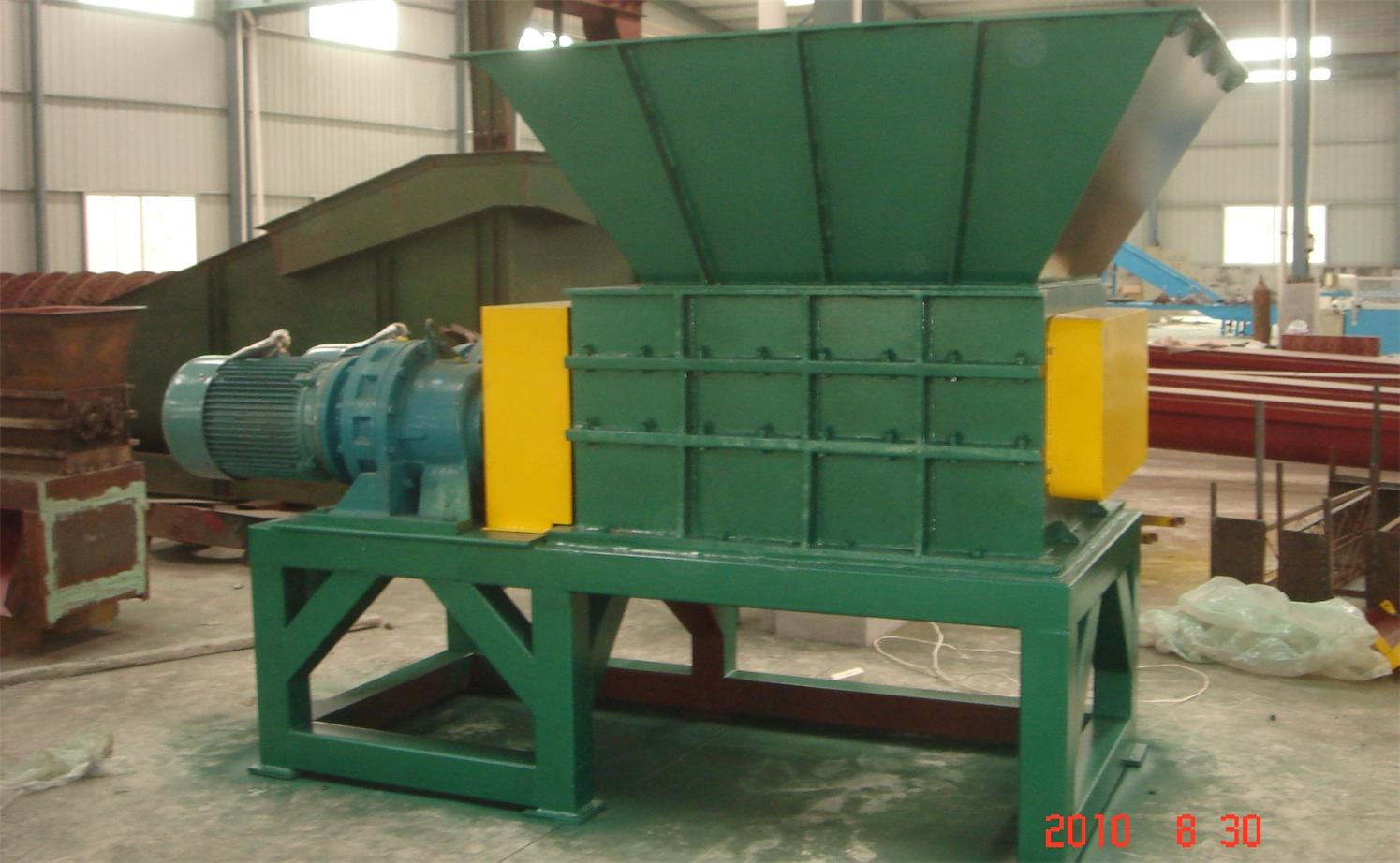
The solution lies in lamp recycling equipment —specialized machines designed to safely break down, separate, and process used lamps into reusable raw materials. For businesses, municipalities, and recycling facilities, investing in the right wholesale lamp recycling machines isn't just about compliance with EPA regulations; it's about turning waste into a resource, reducing operational costs, and contributing to a circular economy. But with so many options on the market, how do you identify the best-performing equipment that balances efficiency, safety, and long-term reliability? Let's dive in.
Key Features to Prioritize in Wholesale Lamp Recycling Machines
Not all lamp recycling machines are created equal. The best-performing models share a few critical traits that set them apart, especially when scaled for wholesale or industrial use. First and foremost is safety . Lamps often contain hazardous substances—mercury vapor in CFLs, for example—so the machine must include sealed processing chambers, mercury filtration systems, and protective enclosures to prevent leaks. Operators shouldn't have to worry about exposure, and the equipment should meet OSHA standards for workplace safety.
Next is efficiency . Wholesale operations need machines that can handle high volumes without sacrificing precision. Look for models with adjustable throughput rates, from 500 kg/hour for mid-sized facilities to 2,500 kg/hour for large-scale plants. Automation is another key factor: features like auto-feeding, self-cleaning mechanisms, and integrated sorting reduce manual labor and human error. A machine that can process multiple lamp types—CFLs, LEDs, halogen, and even streetlights—adds versatility, eliminating the need for separate equipment.
Finally, sustainability shouldn't be overlooked. The best lamp recycling machines equipment minimizes waste by maximizing material recovery. This means efficient separation of glass, metal bases, plastic components, and electronic parts (in LEDs). Additionally, compatibility with air pollution control system equipment ensures that any emissions are filtered before release, keeping your facility compliant with local environmental regulations and reducing your carbon footprint.
Top-Performing Wholesale Lamp Recycling Machines in the US
Now that we know what to look for, let's explore some of the most reliable and high-performing lamp recycling machines available to wholesale buyers in the US. These models have earned trust for their durability, efficiency, and ability to tackle real-world recycling challenges.
1. Bulb Eater Equipment: Compact Power for Small to Mid-Sized Operations
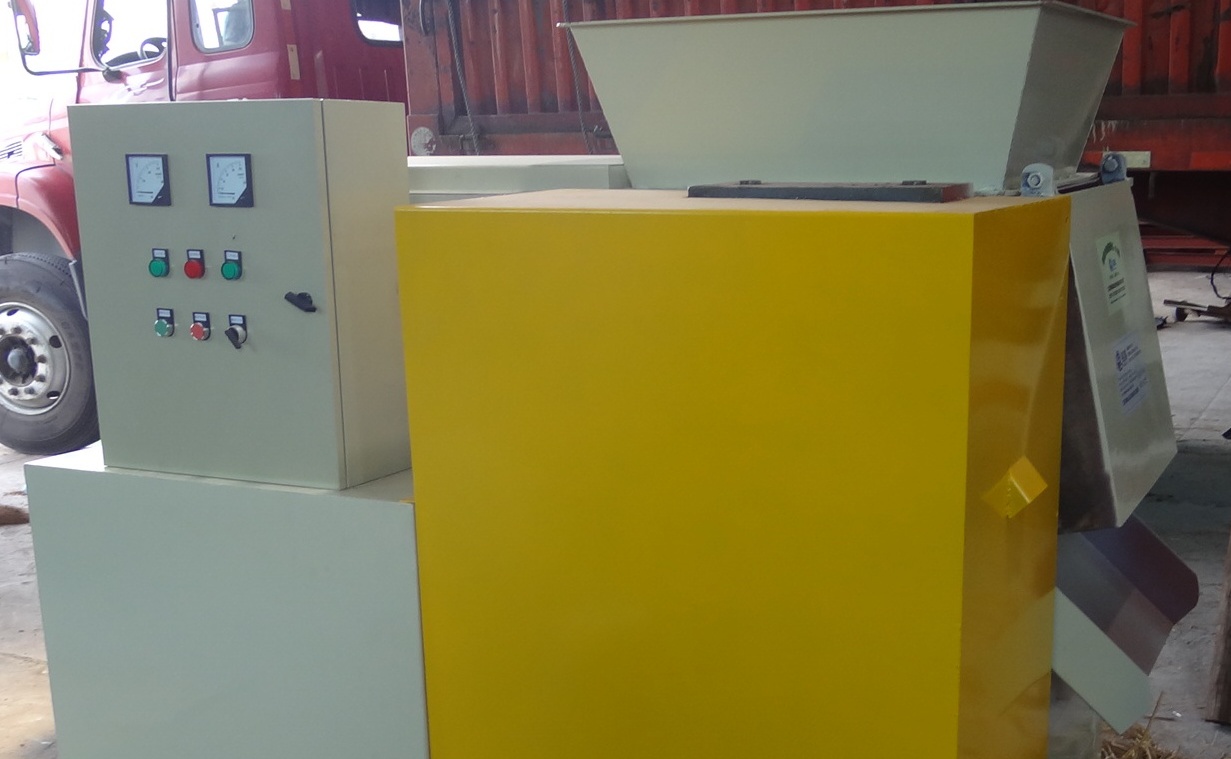
For facilities that need a portable, user-friendly solution, bulb eater equipment is a game-changer. These machines are designed to crush and contain bulbs on-site, making them ideal for retail stores, schools, or small recycling centers that generate moderate lamp waste. The Bulb Eater 3, a popular model, can process up to 1,200 bulbs per hour, from 4-inch to 4-foot lengths. Its vacuum-sealed crushing chamber traps mercury vapor, and the crushed glass is collected in a disposable bag for easy transport to a processing facility. What sets it apart is its simplicity—no training required, and it plugs into a standard 110V outlet, so you can start recycling immediately without complex setup.
2. Automated Lamp Recycling Systems: High-Volume Processing for Wholesale Facilities
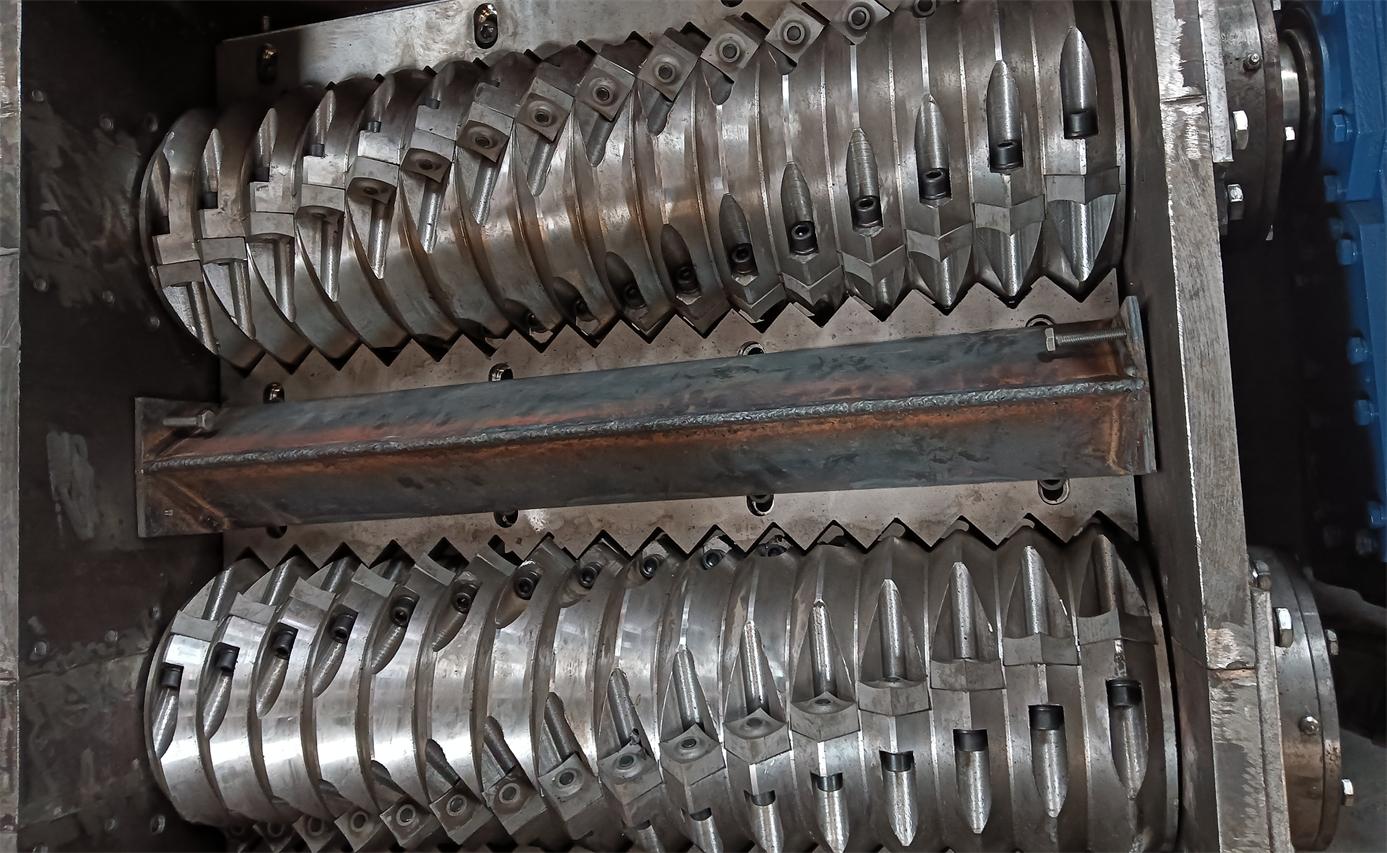
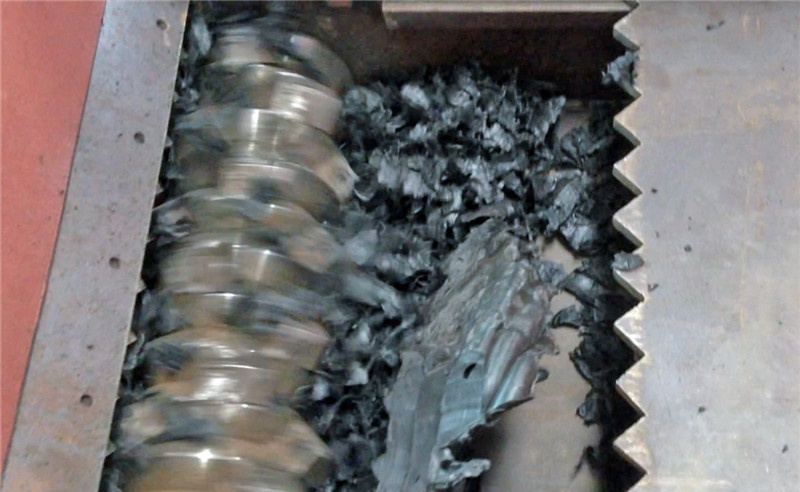
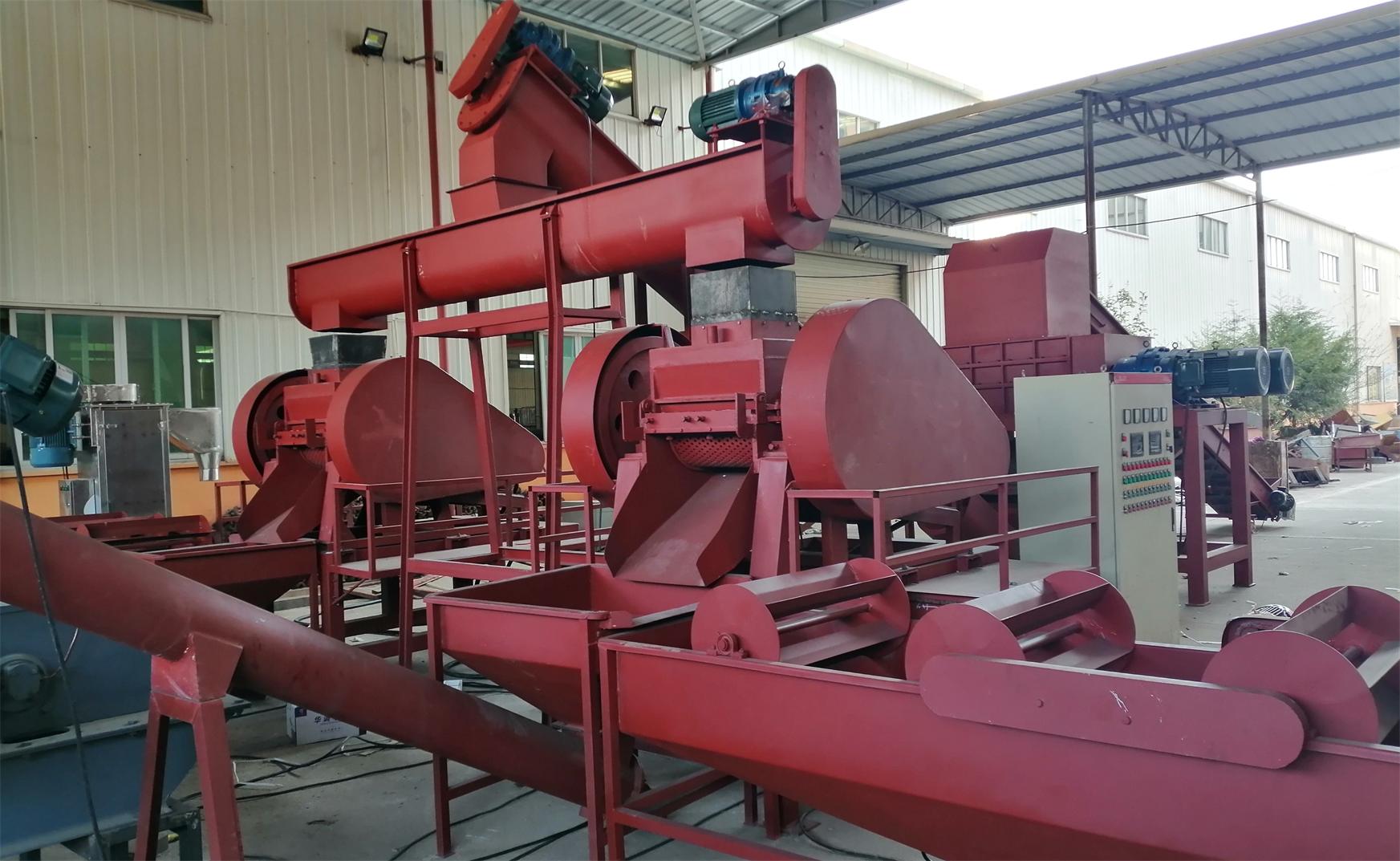
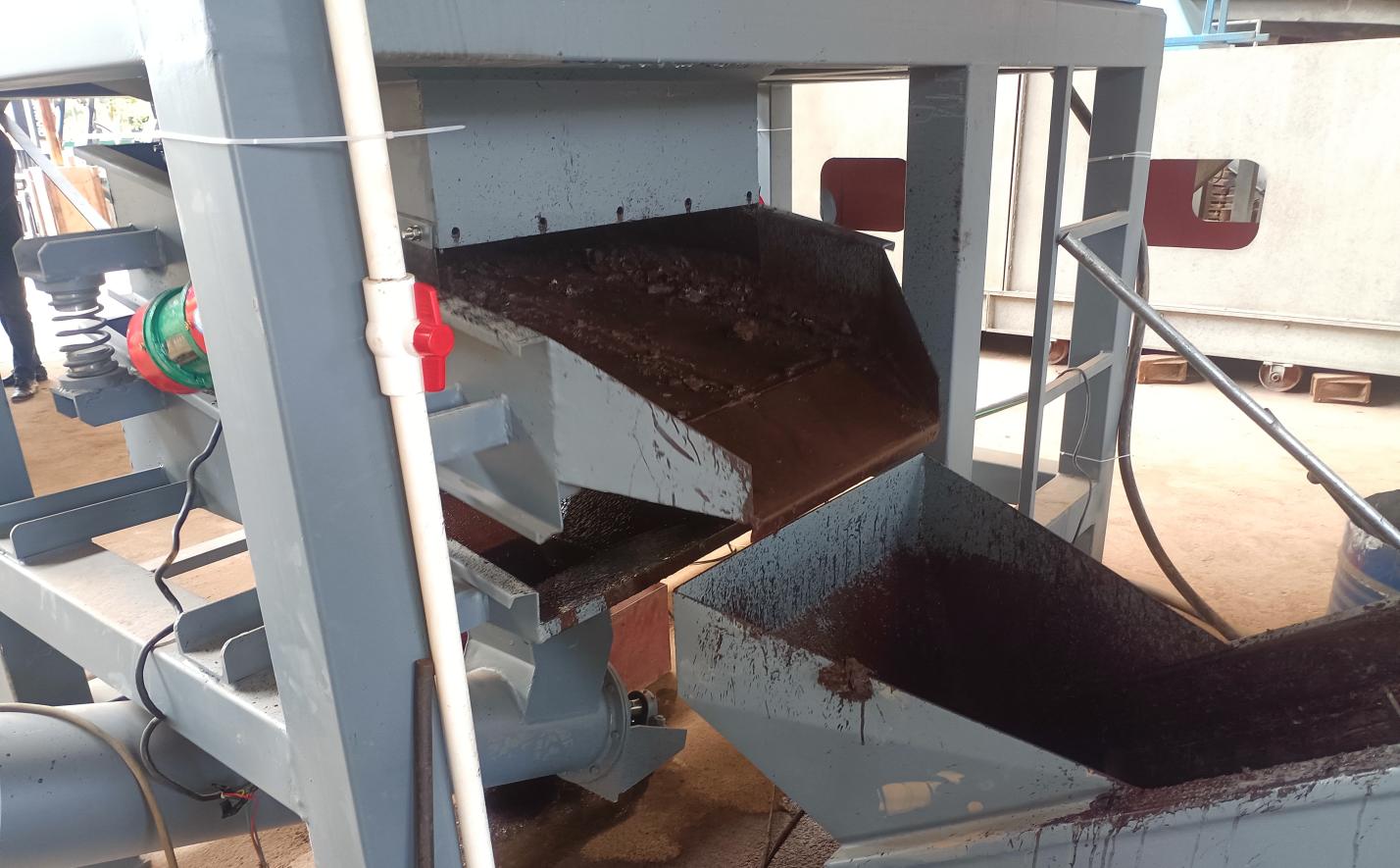
For large-scale operations, automated lamp recycling equipment is the way to go. These systems integrate feeding conveyors, crushing units, and material separators into a single workflow, handling thousands of lamps per hour. Take the WLR-2000, for example—a fully automated line with a capacity of 2,000 kg/hour. It starts with a pre-shredder that breaks down lamp casings, followed by a magnetic separator to remove metal bases, and a density separator to split glass from plastic. The system includes a built-in air pollution control system equipment with HEPA filters and activated carbon scrubbers to capture mercury and other pollutants, ensuring compliance with EPA's air quality standards.
What makes these systems stand out is their data tracking capabilities. Many models come with touchscreen interfaces that monitor throughput, material recovery rates, and maintenance needs in real time. This data helps operators optimize performance and plan for future capacity needs—critical for wholesale suppliers managing multiple clients or fluctuating demand.
3. Specialized LED and Circuit Board Recycling Units
As LED lamps become more common, recycling their electronic components—drivers, diodes, and circuit boards—has grown in importance. Traditional machines may struggle with these parts, so specialized units like the LED-Recycle Pro have emerged. This equipment combines a precision cutter to remove LED circuit boards, followed by a dry separator that uses electrostatic charge to separate metals (copper, aluminum) from non-metals. It's often paired with circuit board recycling equipment to process the extracted boards, recovering valuable metals and reducing e-waste. For wholesale suppliers, this means tapping into a growing market: as LEDs replace incandescent bulbs, the demand for dedicated recycling solutions will only rise.
Comparing Leading Lamp Recycling Equipment Models
| Model Name | Type | Capacity (kg/hour) | Key Features | Auxiliary Systems |
|---|---|---|---|---|
| Bulb Eater 3 | Portable Crusher | 100–300 | Vacuum-sealed crushing, mercury filtration, handles CFLs/LEDs up to 4ft | HEPA air filter, disposable waste bags |
| WLR-2000 Automated Line | High-Volume System | 1,500–2,500 | Auto-feeding, magnetic/ density separators, multi-lamp compatibility | Air pollution control system, data tracking interface |
| LED-Recycle Pro | Specialized LED Processor | 500–1,000 | Circuit board extraction, electrostatic metal separation | Circuit board recycling equipment integration |
| StreetLightMaster 500 | Large Lamp Processor | 800–1,200 | Crushes streetlights/fluorescent tubes, glass cullet sizing | Mercury vapor condenser, plastic pneumatic conveying system |
Each model caters to different needs: the Bulb Eater 3 is perfect for small businesses or satellite collection points, while the WLR-2000 suits regional recycling hubs. The LED-Recycle Pro and StreetLightMaster 500 fill niche gaps, ensuring no lamp type is left unprocessed.
Beyond the Machine: The Role of Auxiliary Equipment
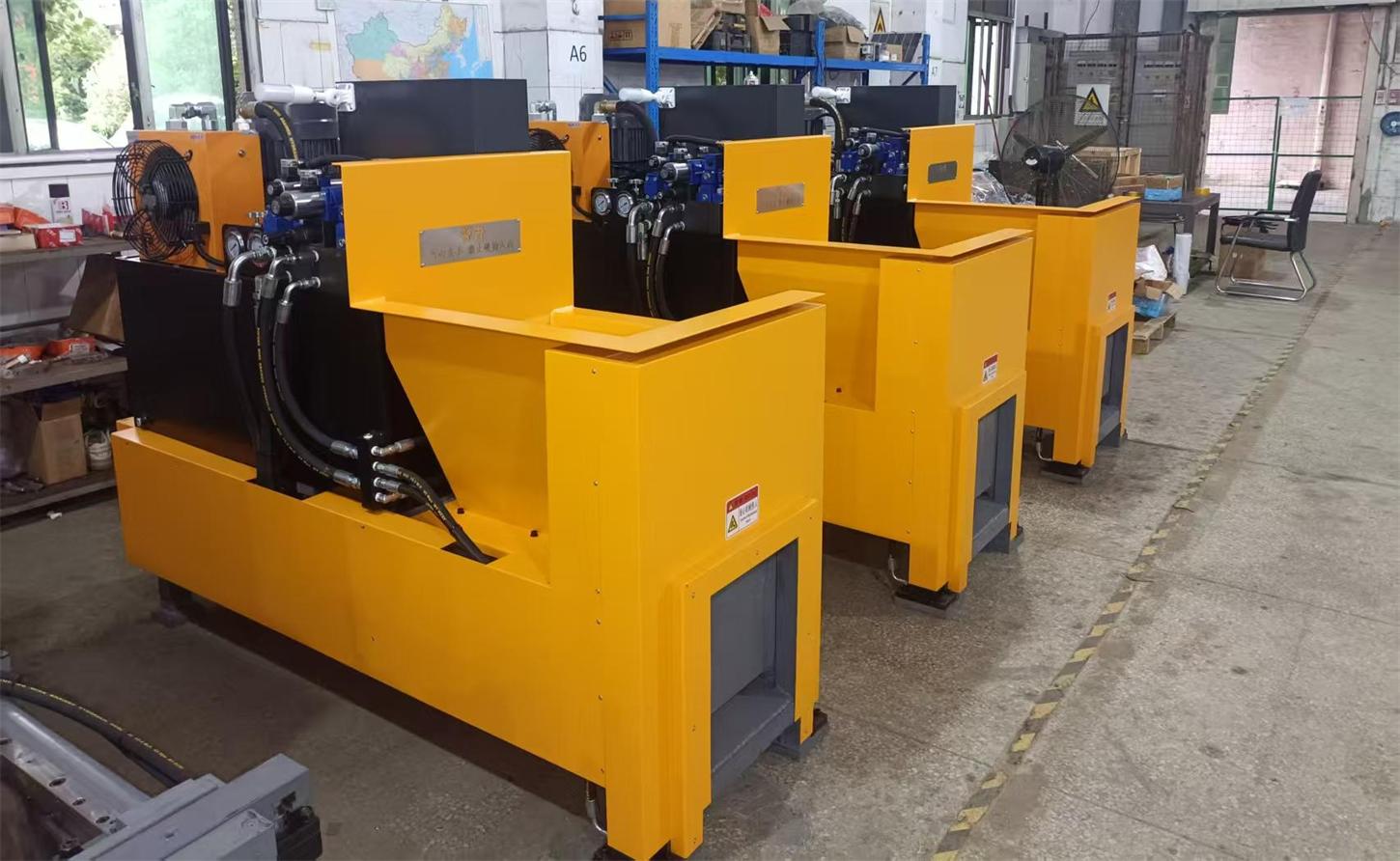
Even the best lamp recycling machine can't operate in isolation. Wholesale operations rely on auxiliary equipment equipment to keep the entire process running smoothly. Plastic pneumatic conveying system equipment is a must for moving crushed plastic components from the recycling machine to storage bins, reducing manual handling and contamination risks. For facilities processing large volumes, hydraulic baler equipment compresses glass cullet and metal scrap into dense bales, saving storage space and lowering transportation costs.
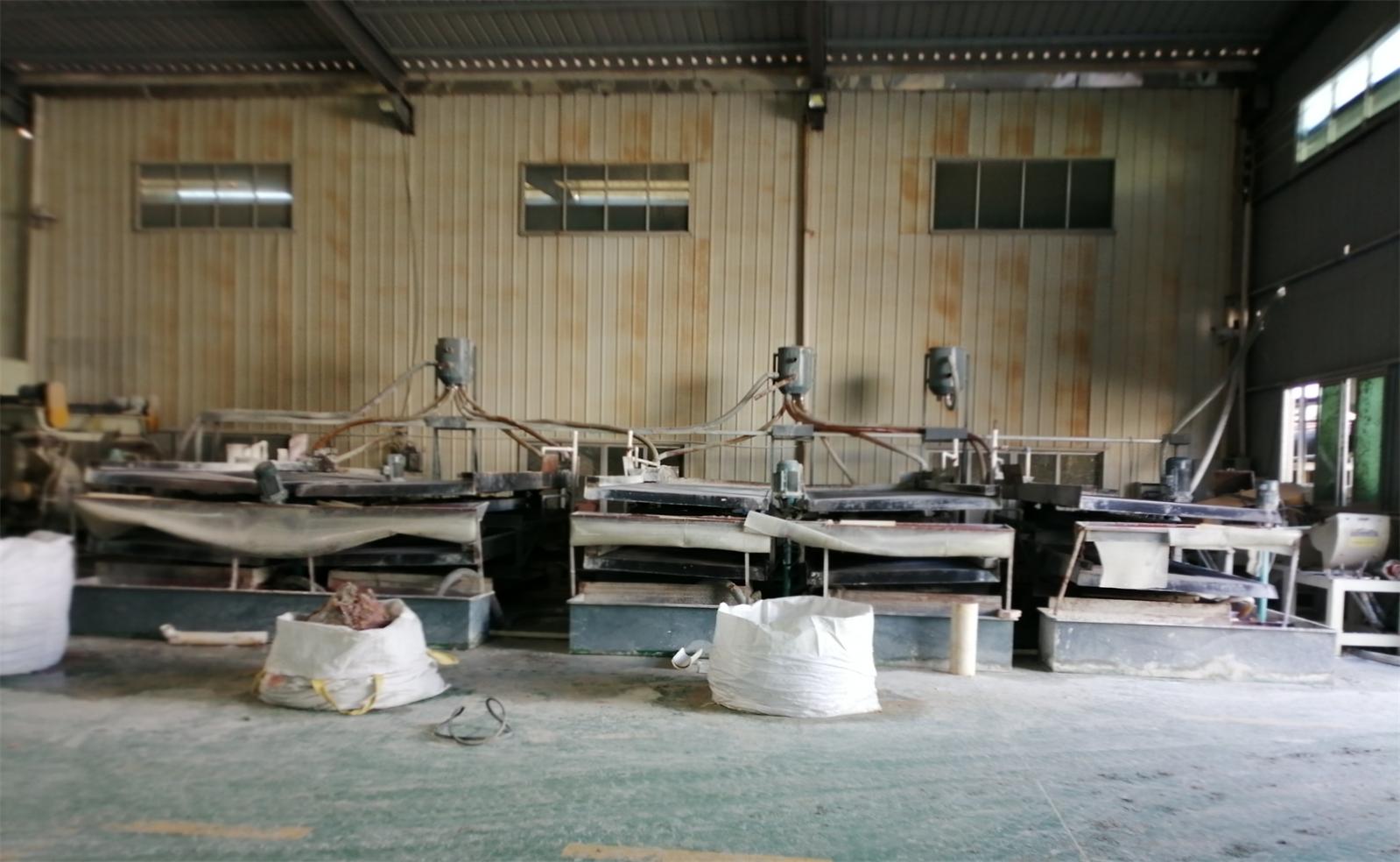
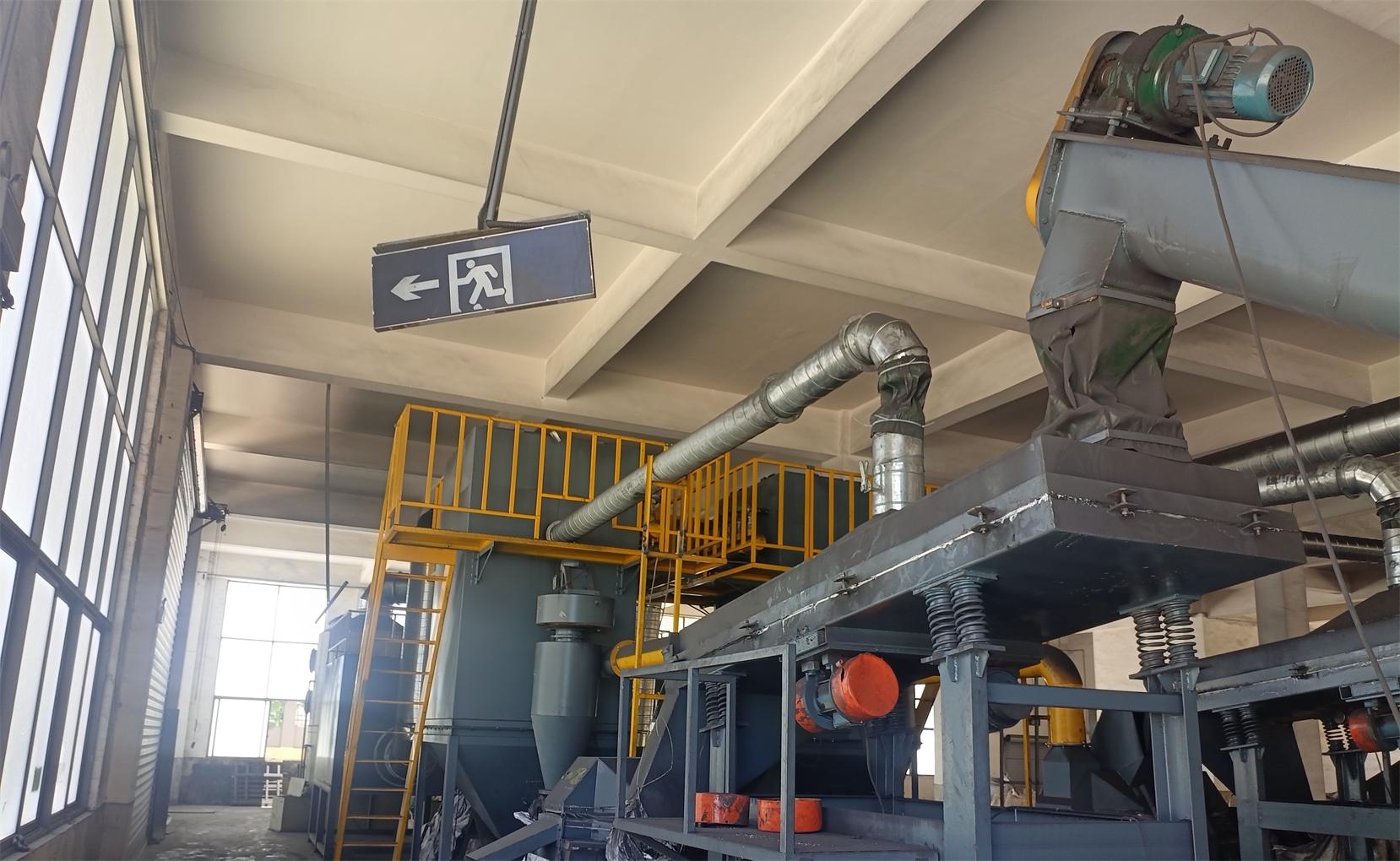
Air and water treatment are equally critical. Air pollution control system equipment —like scrubbers and dust collectors—prevents the release of mercury and particulates. Water process equipment may be needed if the recycling process uses wet separation methods, ensuring wastewater is treated before disposal. These auxiliary systems aren't just add-ons; they're essential for compliance, efficiency, and sustainability. A reliable supplier will offer bundled packages that include the main recycling machine plus these supporting tools, simplifying installation and maintenance.
Choosing the Right Wholesale Supplier: What to Look For
Investing in lamp recycling equipment is a long-term decision, so partnering with the right supplier is just as important as choosing the machine itself. Start by evaluating their industry experience. A supplier with 10+ years in the recycling equipment sector will have a deeper understanding of regulatory changes, technological advancements, and common pain points. Ask for case studies or references from similar clients—say, a municipal recycling program or a e-waste processing plant—to gauge their track record.
After-sales support is another critical factor. Wholesale machines are complex, so the supplier should offer comprehensive training for operators, 24/7 technical support, and a clear warranty (at least 2 years for parts and labor). Look for suppliers that maintain a local inventory of replacement parts; downtime due to delayed shipments can cost thousands in lost revenue. Customization is also a plus: a supplier willing to tailor the machine to your specific needs—adjusting capacity, adding specialized separators, or integrating with existing systems—will ensure the equipment grows with your business.
Finally, prioritize suppliers committed to innovation. The recycling industry is evolving, with new lamp types and regulations emerging regularly. A supplier that invests in R&D—developing more efficient mercury capture systems or AI-driven sorting technology—will help you stay ahead of the curve. Avoid companies that push outdated models; instead, choose one that views your partnership as a long-term collaboration, not just a one-time sale.
The Bottom Line: Investing in a Greener Future
Lamp recycling isn't just about compliance—it's about taking responsibility for the waste we generate and turning it into opportunity. The best wholesale lamp recycling machines do more than process waste; they empower businesses to be part of the solution, creating jobs, reducing landfill reliance, and conserving resources. Whether you're a small facility just starting out or a large-scale supplier looking to expand, the right equipment will pay dividends in efficiency, safety, and sustainability.
As you explore options, remember to focus on safety, efficiency, and supplier reliability. Test machines if possible, ask tough questions about performance metrics, and imagine how the equipment will fit into your workflow five years from now. With the right tools, you're not just recycling lamps—you're building a more sustainable future for communities across the US.