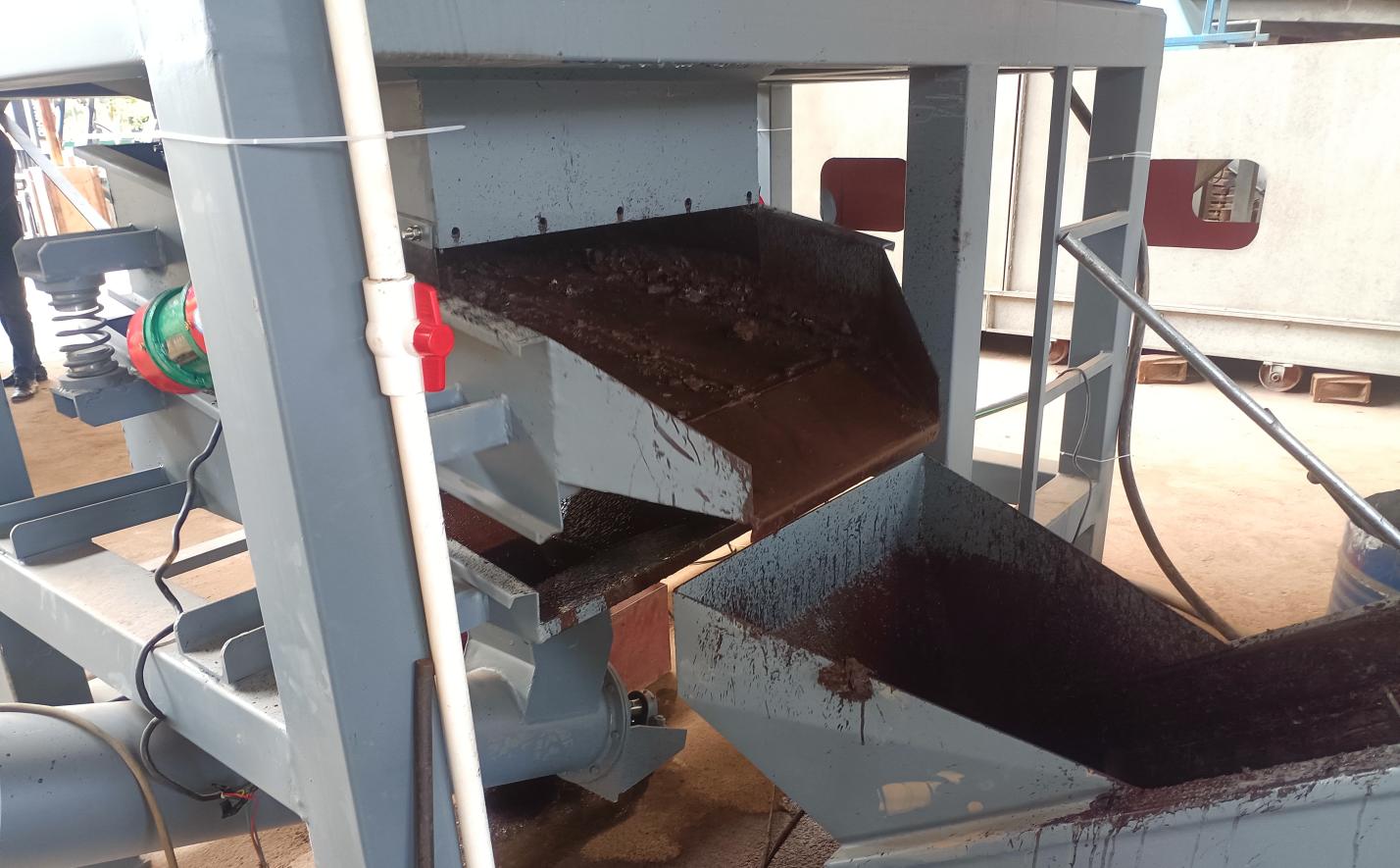
In a world where sustainability isn't just a buzzword but a critical global mission, the backbone of effective recycling lies in the tools we choose. Whether you're running a small recycling facility or scaling up an industrial operation, the right equipment can turn chaos into efficiency—especially when it comes to breaking down tough, bulky materials. Enter the twin shaft shredder: a workhorse in the recycling industry, designed to tackle everything from scrap cables to plastic waste with precision and power. If you've ever wondered how to streamline your material processing, reduce downtime, or boost throughput, you're in the right place. This guide will walk you through everything you need to know about 2 shaft shredder equipment, from key features to real-world applications, helping you make an informed decision that aligns with your recycling goals in 2025.
What Are Twin Shaft Shredders, Anyway?
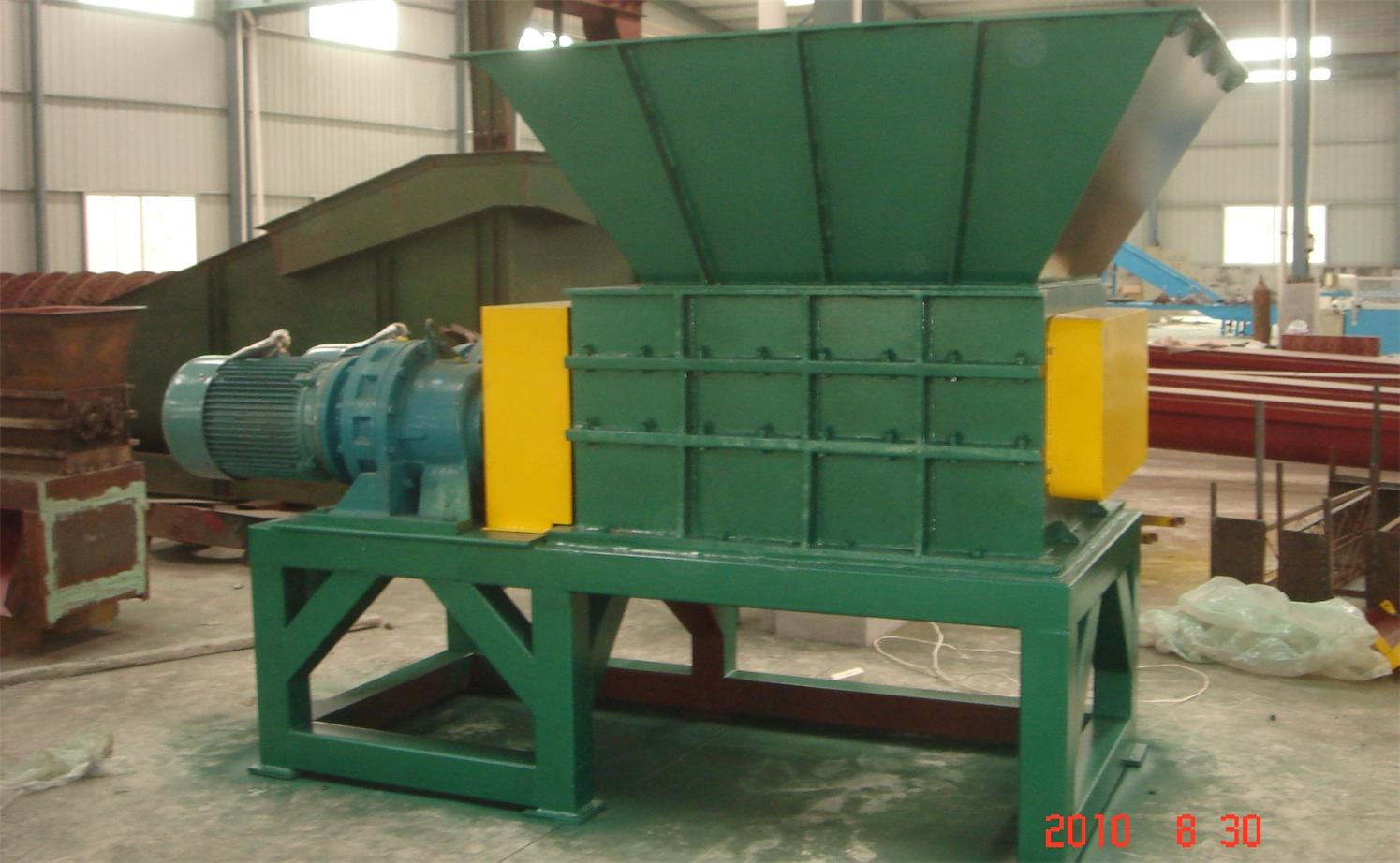
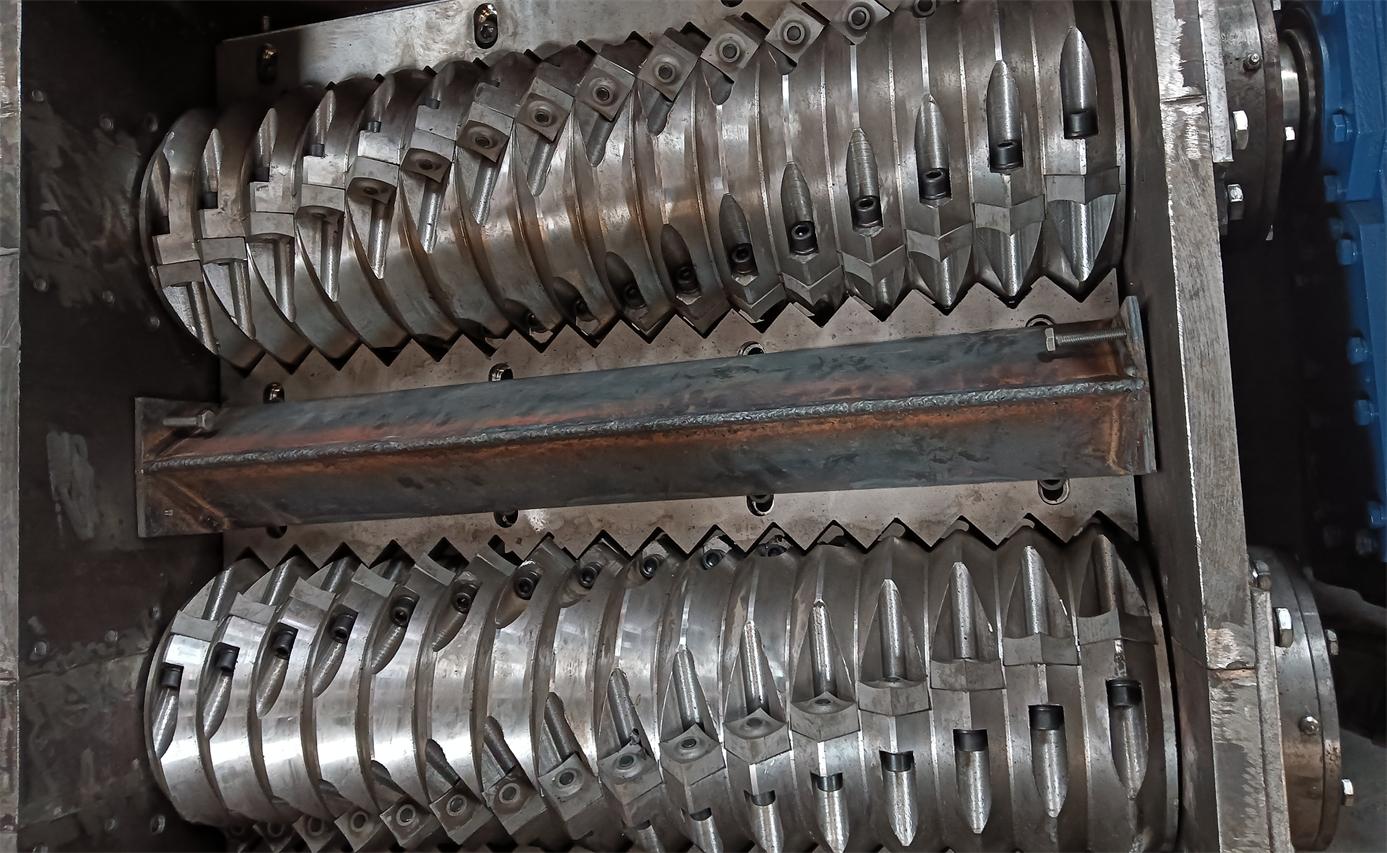
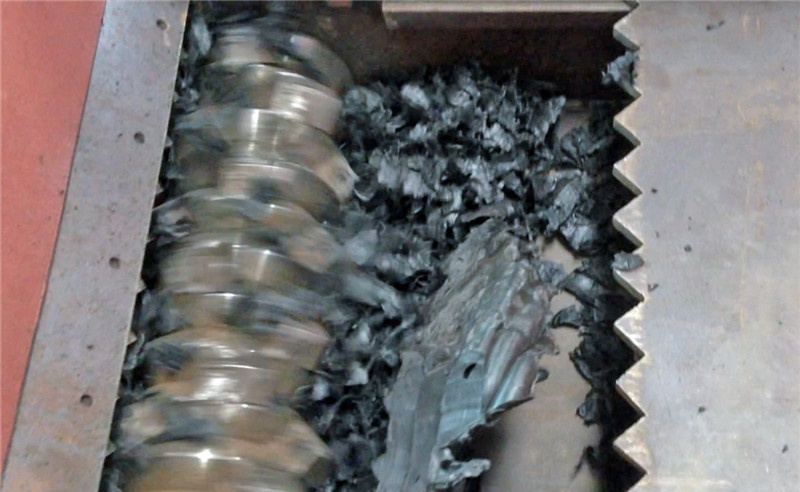
Let's start with the basics. Twin shaft shredders—often called 2 shaft shredder equipment—are heavy-duty machines built around two parallel, interlocking shafts fitted with sharp, rotating blades. Unlike single shaft shredders (which rely on a single rotating shaft and a stationary anvil) or 4 shaft shredders (ideal for ultra-fine grinding), twin shaft models excel at primary shredding : reducing large, irregular materials into uniform, manageable pieces. Think of them as the "first step" in many recycling workflows, breaking down items like scrap cables, plastic pallets, or even electronic waste into chunks small enough for secondary processing (like separation, melting, or pelletizing).
How do they work? The two shafts rotate in opposite directions, pulling material into the cutting chamber where the blades interlock and shear it down. The spacing between blades, their thickness, and the shaft speed can all be adjusted to control the final particle size—making twin shaft shredders surprisingly versatile. And because they're designed to handle tough, mixed materials, they're a favorite in industries like cable recycling, where scrap cables often come with varying insulation types and metal cores.
Why Bother with a Twin Shaft Shredder? (Spoiler: It's Not Just About Shredding)
You might be thinking, "Can't I just use a single shaft shredder instead?" While single shaft models are cheaper upfront, twin shaft shredders offer unique advantages that make them worth the investment—especially for high-volume or mixed-material recycling:
- Better Material Gripping: The dual shafts "grab" materials more effectively than a single shaft, reducing jams—critical for items like tangled scrap cables or bulky plastic sheets.
- Uniform Output: The interlocking blades produce more consistent particle sizes, which simplifies downstream processing (like in cable recycling equipment, where uniform chunks make stripping and metal recovery easier).
- Durability: Built to handle abrasives and tough materials, twin shaft shredders often have thicker blades, reinforced cutting chambers, and heavy-duty motors—meaning they last longer under stress.
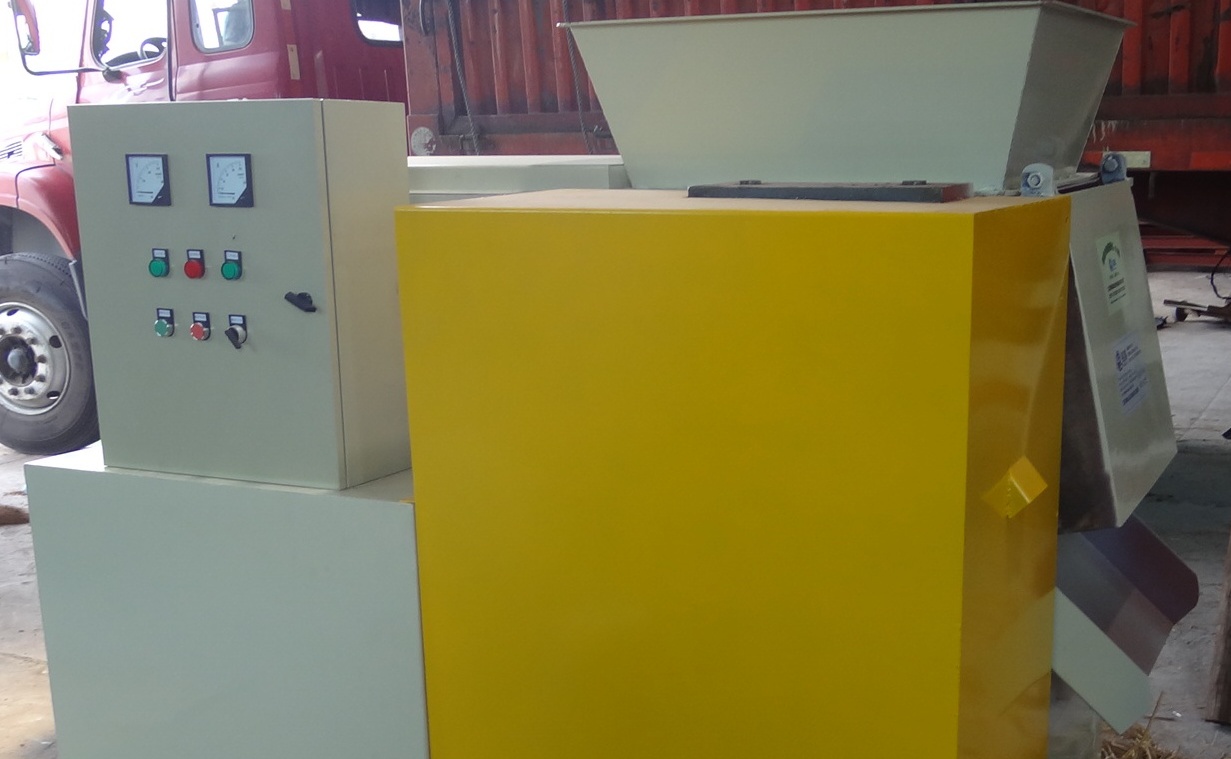
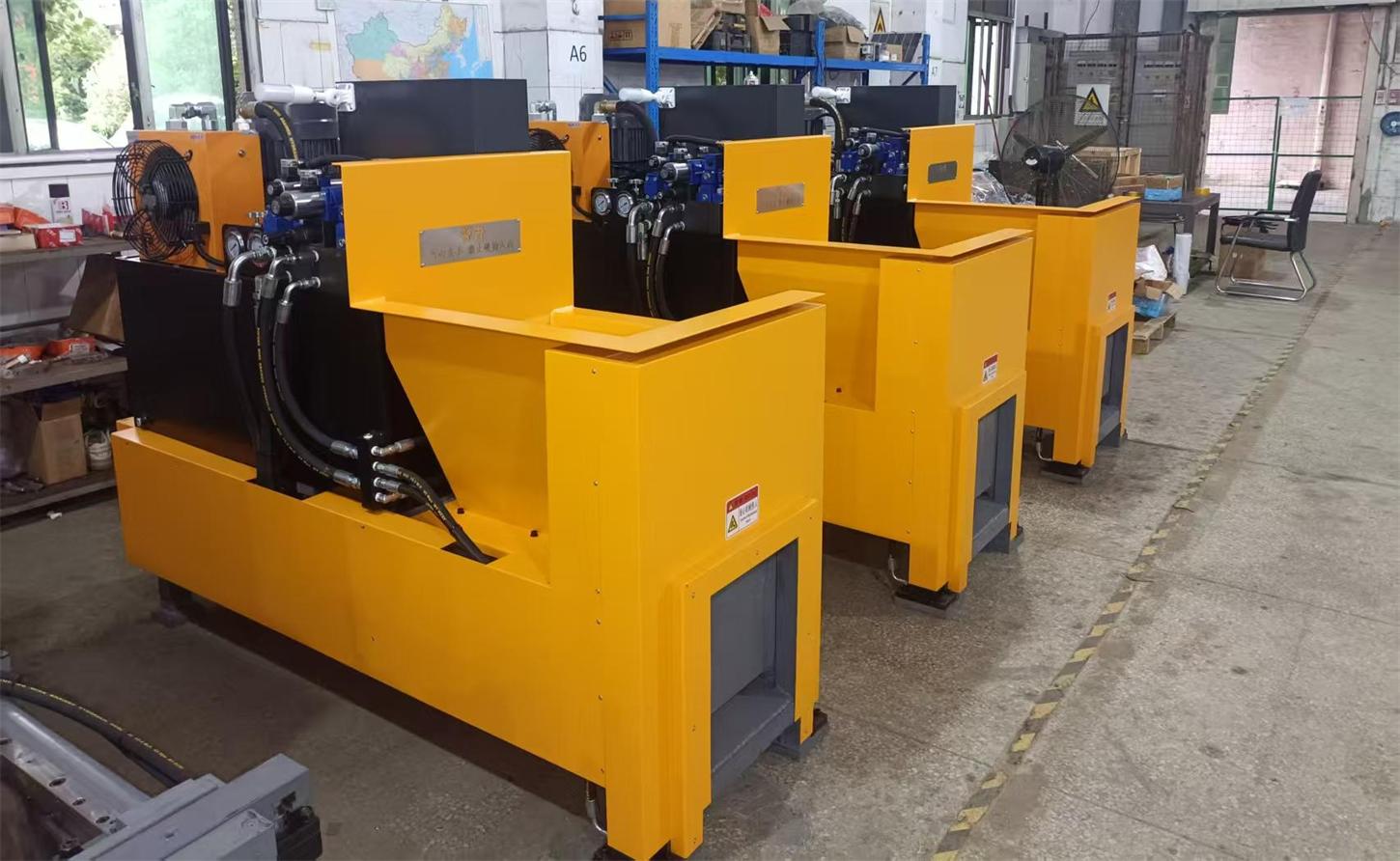
- Safety: Many models include features like overload protection (to prevent motor burnout) and emergency stop buttons, which are essential in busy recycling plants.
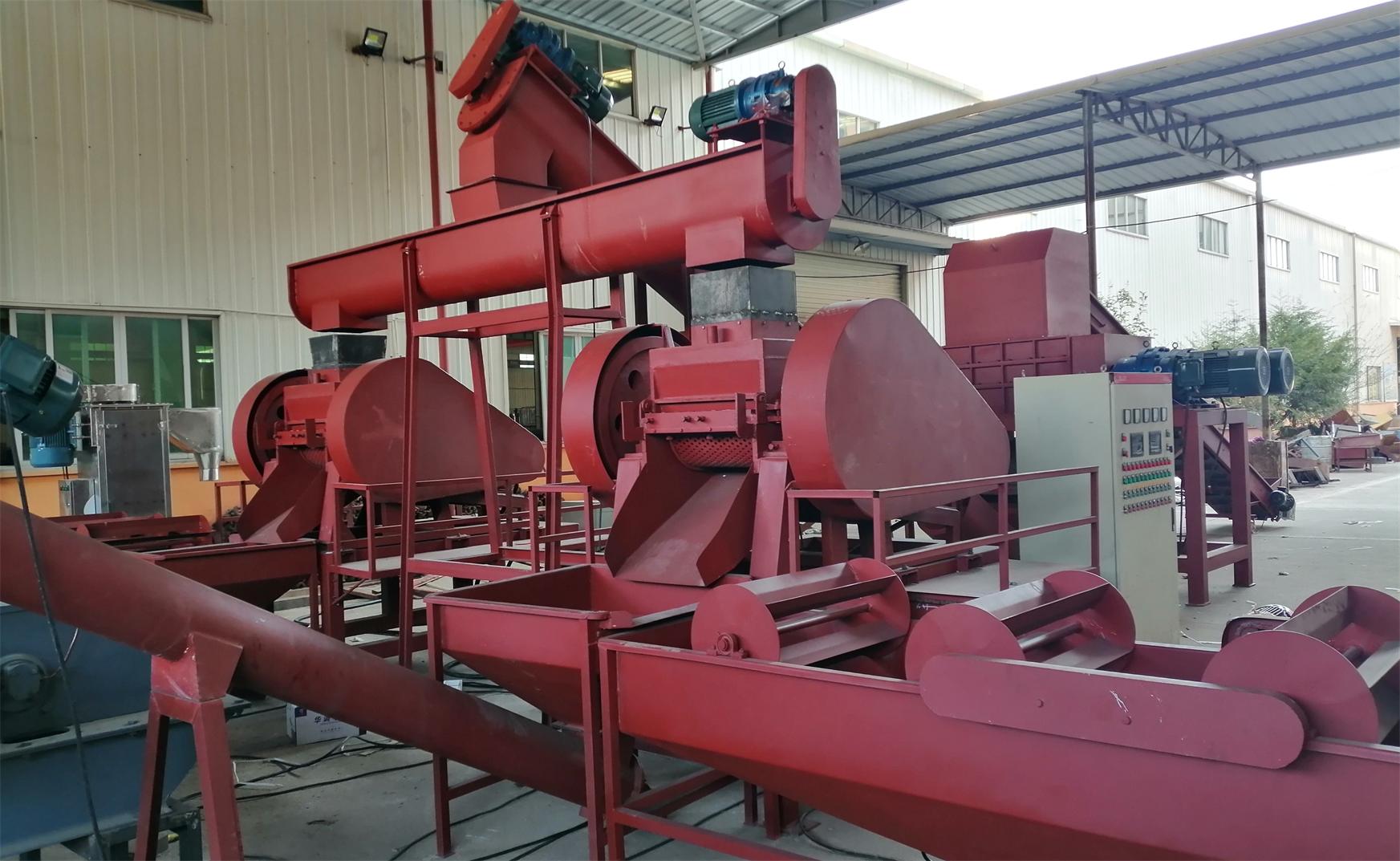
For example, in cable recycling operations, a twin shaft shredder might be paired with a shredder and pre-chopper equipment to first break down large cable bundles into smaller sections, then further shred them into manageable pieces for the scrap cable stripper. This two-step process ensures minimal downtime and maximum efficiency—something single shaft shredders often struggle with when faced with dense, tangled cables.
5 Key Features to Check Before You Buy (Don't Skip These!)
Not all twin shaft shredders are created equal. To find the right one for your needs, focus on these critical features:
1. Cutting Blades: The "Teeth" of the Machine
Blades are the heart of any shredder—and twin shaft models are no exception. Look for blades made from high-grade steel (like D2 or H13 tool steel) for wear resistance, especially if you're shredding abrasive materials (e.g., copper cables with tough insulation). Removable, reversible blades are a plus too—they let you flip blades when one side dulls, doubling their lifespan before needing replacement. Some manufacturers even offer custom blade configurations (like hook-style vs. flat) for specific materials; for cable recycling, hook blades are often better at gripping and cutting through insulation.
2. Motor Power: More Isn't Always Better (But It Usually Helps)
Motor power (measured in kW or HP) determines how much material the shredder can handle. A 15 kW motor might work for small-scale operations (processing 200-500 kg/hour), while industrial plants may need 75 kW or more (up to 2000 kg/hour or higher). But don't just chase the highest number—match the motor to your typical material. For example, shredding soft plastics needs less power than shredding thick scrap cables with metal cores. Overpowering can lead to higher energy costs, while underpowering leads to frequent jams.
3. Throughput Capacity: Can It Keep Up with Your Volume?
Capacity is listed as kg/hour or tons/day, but take these numbers with a grain of salt—they're usually based on ideal conditions (e.g., dry, uniform materials). If you're processing wet or tangled materials (like scrap cables rained on), expect 20-30% lower throughput. For cable recycling equipment lines, aim for a shredder that can handle 1.5x your average daily volume to account for peak periods.
4. Safety and Control Systems: Don't Cut Corners Here
Recycling plants are busy, and accidents happen. Look for shredders with:
- Overload protection (automatically stops the machine if it jams)
- Emergency stop buttons (easily accessible from all sides)
- Interlocked access doors (prevents operation if the cutting chamber is open)
- Noise reduction features (twin shaft shredders can be loud—insulation or enclosures help keep workers comfortable)
5. Ease of Maintenance: Your Future Self Will Thank You
Blades need sharpening, bearings need lubrication, and chambers need cleaning. Choose a model with easy access to the cutting chamber (e.g., hydraulic lift doors), tool-free blade removal, and a user-friendly control panel that alerts you to maintenance needs (like blade wear or low lubricant levels). A shredder that takes 2 hours to service vs. 8 hours will save you countless downtime hours over its lifespan.
Where Do Twin Shaft Shredders Shine? (Hint: Cable Recycling Is Just the Start)
Twin shaft shredders are workhorses across industries, but they're especially valuable in recycling. Here are a few key applications where they excel:
Cable Recycling: Turning Scrap into Gold
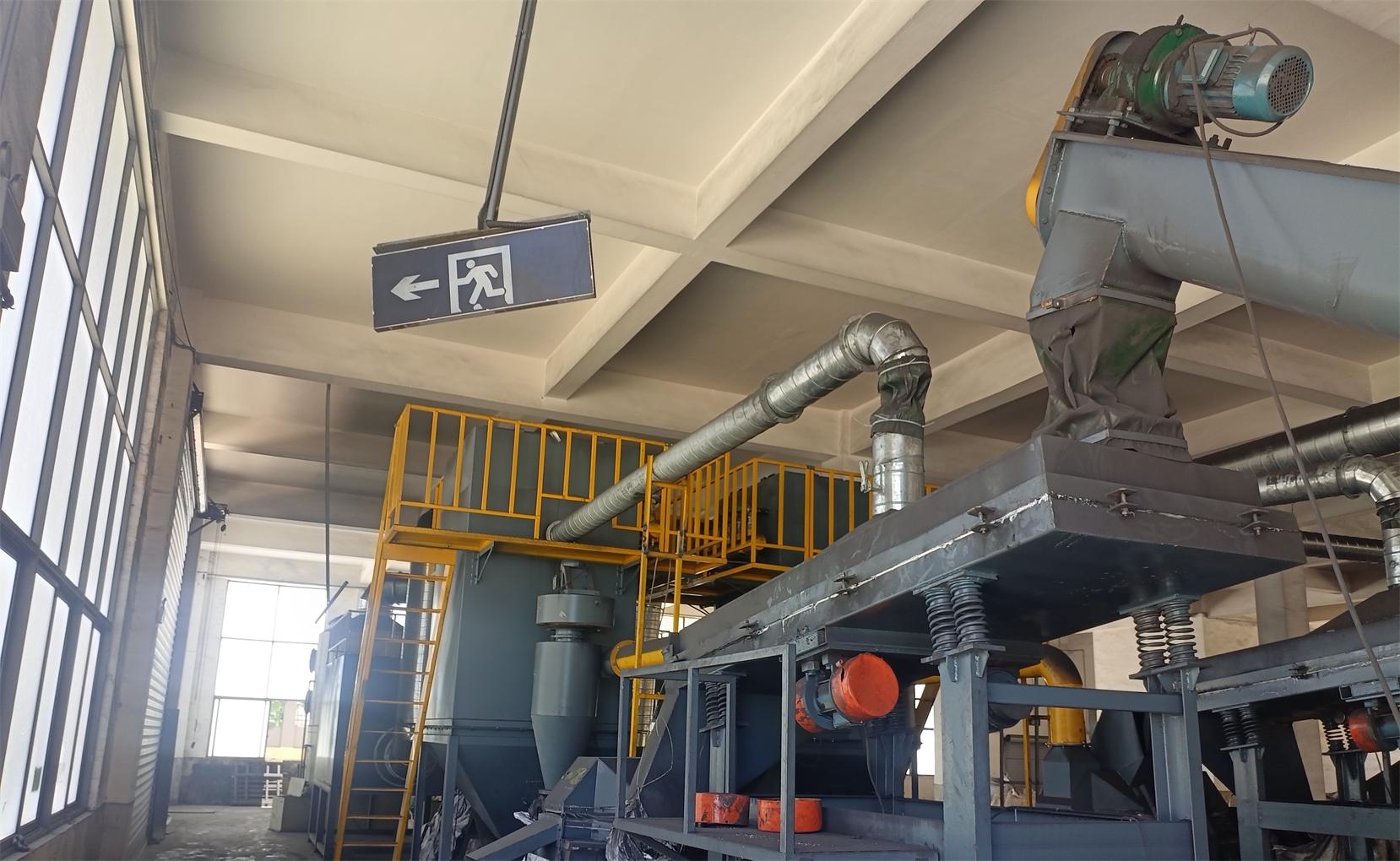
Scrap cables are a treasure trove of copper, aluminum, and plastic—but extracting those materials requires precise processing. That's where 2 shaft shredder equipment comes in. In a typical cable recycling line:
- Pre-Chopping: A shredder and pre-chopper equipment first cuts large cable bundles into 30-50cm sections (easier to feed into the main shredder).
- Shredding: The twin shaft shredder then breaks these sections into smaller, uniform pieces (1-5cm), separating the metal core from insulation.
- Separation: The shredded mix goes through a scrap cable stripper or separator, where magnets and air classifiers pull out the metal, leaving clean plastic for recycling.
Without a twin shaft shredder, this process would be slower and less efficient—imagine trying to strip a tangled, unshredded cable bundle by hand! Twin shaft models ensure the cables are broken down consistently, making the rest of the line run smoothly.
Plastic Recycling: Handling Films, Bottles, and More
From plastic bottles to industrial film, twin shaft shredders tackle it all. They're especially good for mixed plastics (like a batch of PET bottles and HDPE containers), as their interlocking blades reduce them to uniform flakes for washing and pelletizing. Some models even handle rigid plastics (like PVC pipes) with ease—just adjust the blade spacing for larger particles.
E-Waste Recycling: Breaking Down Circuit Boards and More
Electronic waste (e-waste) is full of valuable metals, but it's also full of tough materials like circuit boards and hard plastics. Twin shaft shredders can break down e-waste into small enough pieces for separation, where metals like gold, silver, and copper are recovered. Just be sure to choose a model with corrosion-resistant blades—e-waste often contains acids or other chemicals that can wear down standard steel.
Top 2 Shaft Shredder Models for 2025 (Compared)
To help you narrow down your options, here's a quick comparison of three popular 2 shaft shredder models, perfect for cable recycling and other applications:
| Model | Motor Power | Throughput Capacity | Blade Material | Suitable Materials | Key Features |
|---|---|---|---|---|---|
| TS-500 | 22 kW (30 HP) | 300-500 kg/hour | D2 Tool Steel | Scrap cables, plastic films, small e-waste | Reversible blades, overload protection, compact design (ideal for small plants) |
| TS-1000 | 55 kW (75 HP) | 800-1200 kg/hour | H13 Tool Steel | Heavy scrap cables, rigid plastics, circuit boards | Hydraulic blade adjustment, emergency stop, noise insulation |
| TS-2000 | 90 kW (120 HP) | 1500-2000 kg/hour | Carbide-Tipped Steel | Industrial cable bundles, large plastic pallets, bulk e-waste | Automatic lubrication, remote monitoring, high-torque drive |
Note: Throughput depends on material type and condition. Always test with your specific material before buying!
Maintenance Tips: Keep Your Shredder Running Like New
A twin shaft shredder is a big investment—so you'll want to keep it in top shape. Here's how:
- Sharpen Blades Regularly: Dull blades cause jams, reduce throughput, and strain the motor. Sharpen them every 200-500 hours of use (more often for abrasive materials like cables).
- Lubricate Bearings: The shafts and bearings need regular lubrication to prevent overheating. Check the manual for the right lubricant type and schedule (usually every 100 hours).
- Clean the Cutting Chamber: After each shift, remove leftover debris—especially if you're shredding sticky materials (like wet plastic). Built-up debris can cause rust and blade damage.
- Inspect for Wear: Check blades, shafts, and belts for cracks or wear monthly. replace worn parts immediately—delaying can lead to bigger, costlier repairs.
- Train Your Team: Make sure operators know how to use the shredder safely and spot early signs of trouble (like unusual noises or vibrations).
Pro tip: Many manufacturers offer maintenance contracts, which include regular check-ups and priority service. If you're new to shredders, this can be a lifesaver.
5 Mistakes to Avoid (We've Seen Them All!)
Even seasoned buyers make mistakes. Here's what to watch out for:
- Buying Too Small (or Too Big): A 500 kg/hour shredder might seem "enough" now, but if your business grows, you'll regret not upgrading. On the flip side, a 2000 kg/hour model is overkill for a small shop and will waste energy.
- Ignoring Material Compatibility: Not all shredders handle all materials. A model great for plastic might struggle with scrap cables—always test with your actual material.
- Skipping Safety Features: Overload protection and emergency stops aren't "extras"—they're essential. Don't cut corners here.
- Forgetting About Space: Twin shaft shredders are bulky! Measure your facility before buying—you'll need room for the shredder, material infeed, and output conveyors.
- Underestimating Maintenance Costs: Blades, bearings, and belts need replacing over time. Factor these into your budget (aim for 5-10% of the shredder's cost annually).
Final Thoughts: Your Shredder, Your Success
Twin shaft shredders aren't just machines—they're the backbone of efficient, profitable recycling operations. Whether you're processing scrap cables with cable recycling equipment, breaking down plastic waste, or tackling e-waste, the right 2 shaft shredder can transform your workflow from frustrating to frictionless.
Remember: Focus on features like blade quality, motor power, and throughput capacity. Test the shredder with your actual material. And don't skimp on maintenance. With the right model and care, your twin shaft shredder will pay for itself in no time—one perfectly shredded piece at a time.
Ready to start shopping? Reach out to suppliers who specialize in recycling equipment—they can help you assess your needs and find the perfect twin shaft shredder for 2025 and beyond.