Ever wonder how the humming chill of your air conditioner hides a hidden environmental challenge? Behind the comfort of modern cooling systems lies a complex battle against bromine pollution – a silent threat emerging from lithium bromide refrigerant production. The solution? It's not about eliminating refrigeration, but revolutionizing how we control bromine's journey from factory to atmosphere.
The Unseen Chemistry: Bromine in Our Cooling Systems
When we think of refrigerant production, we picture gleaming factories and precise chemical processes. Yet beneath this controlled environment, bromine behaves like a restless traveler. Lithium bromide (LiBr), the star component in absorption chillers used across industries from pharmaceutical manufacturing to district cooling plants, carries bromine atoms that dream of escape.
Why the wanderlust? Bromine's volatility isn't just chemical personality – it's a challenge that manifests in three critical phases:
1. Production Phase Leakage
During lithium bromide synthesis, bromine vapor hovers like uninvited fog in factory airspaces. Picture workers moving between reactors where temperatures fluctuate between 80-150°C – ideal conditions for bromine's airborne adventures. Conventional exhaust systems often underestimate bromine's persistence, leading to workplace exposure that regulatory guidelines like OSHA's PEL (Permissible Exposure Limit) of 0.1 ppm struggle to contain.
2. Wastewater Contamination
Every ton of lithium bromide refrigerant leaves behind approximately 200-300 gallons of bromine-laden wastewater. This isn't just salty water – it's bromine masquerading as bromide ions (Br⁻), capable of transforming into carcinogenic brominated disinfection byproducts (Br-DBPs) when meeting chlorine at municipal treatment facilities.
3. End-of-Life Release
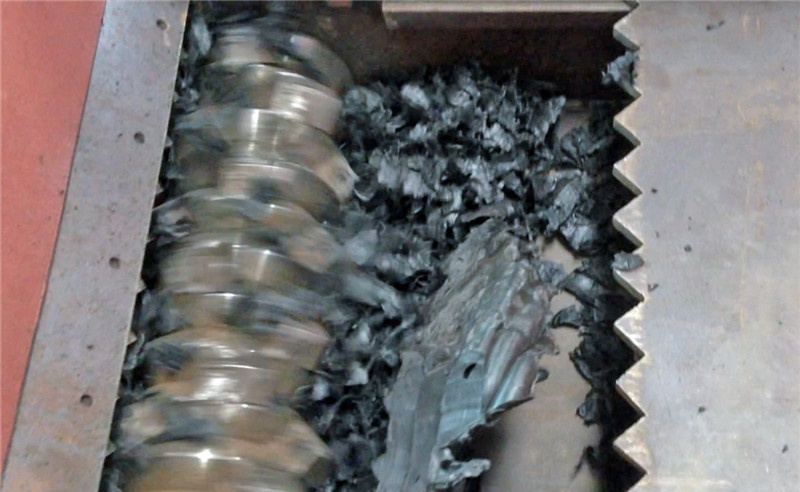
Decommissioned absorption chillers arrive at recycling facilities as bromine time capsules. Improper dismantling releases decades of accumulated bromine in explosive puffs during shredding. When improperly handled, this release dwarfs operational emissions by orders of magnitude.
The Control Revolution: Breaking Down Bromine's Journey
Phase 1: Containing Bromine at Production Sites
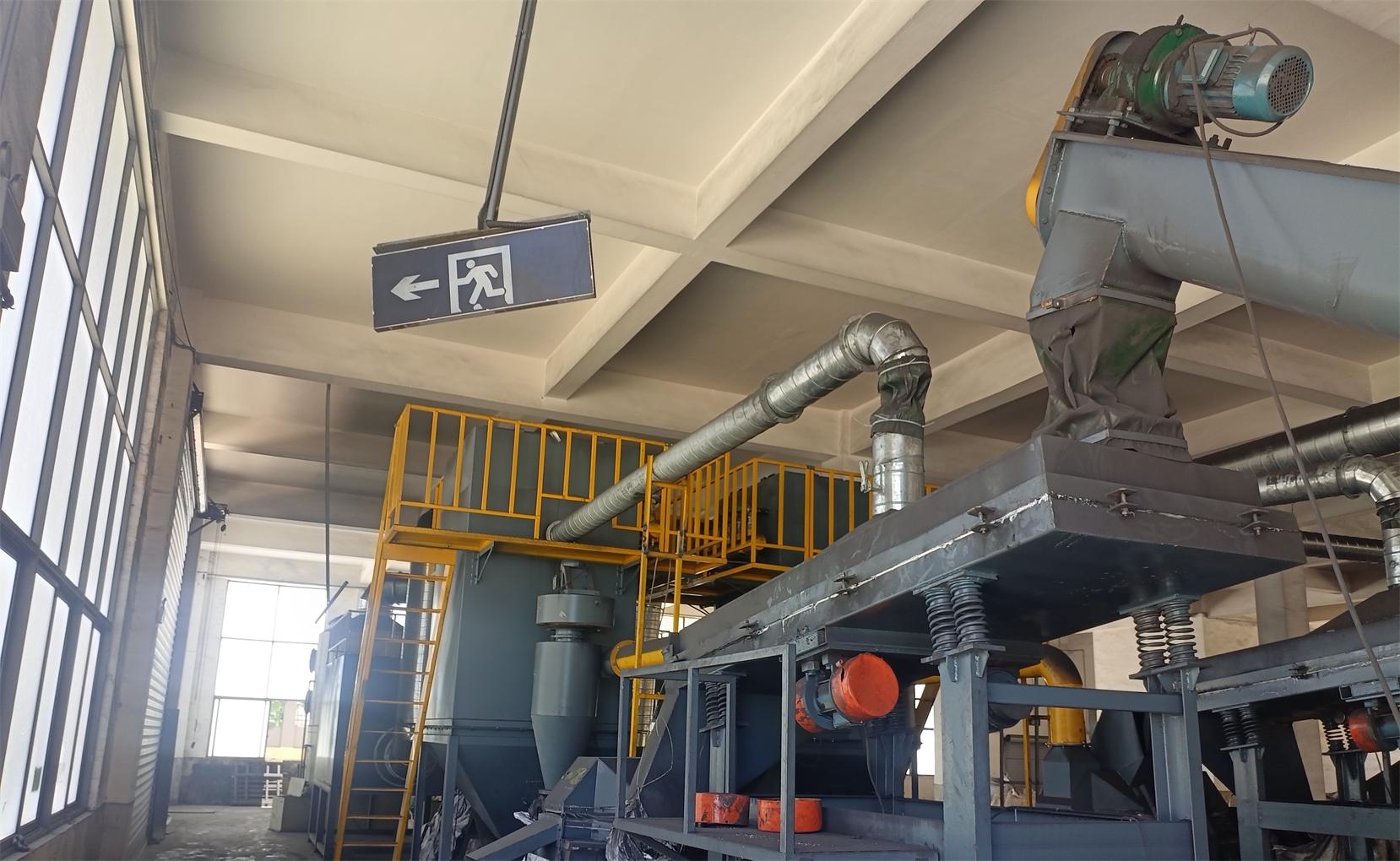
Traditional bromine control relied on massive scrubber towers that treated exhaust like an afterthought. Modern approaches turn containment proactive:
- Microencapsulated Sorbents: Imagine mineral nanoparticles engineered like bromine magnets with silica shells that selectively capture Br₂ molecules even in humidity-saturated exhaust streams.
- Closed-Loop Process Water: Implementing cascade LiBr-H₂O absorption principles inspired by the Xu et al. study radically reduces effluent volumes. Instead of 200-300 gallons/ton, we're seeing systems achieve 80-100 gallons with advanced evaporation recovery.
- Realtime Monitoring Networks: Wireless bromine sensors create a responsive containment net, triggering localized ventilation when bromine concentration approaches threshold values.
Case Highlight: A Shanghai facility reduced stack bromine emissions by 92% using responsive microencapsulation that dynamically adjusted sorbent concentration based on production phase.
Phase 2: Bromine Interception at Waste Streams
Bromine's aqueous form requires molecular-scale interventions:
Electrochemical Bromine Mining: Using graphene-electrode cells, facilities extract bromide ions at 95% efficiency before wastewater leaves the plant. Instead of waste, we get commercial-grade bromine salts fetching $5-7/kg on specialty chemical markets. More than lead recovery equipment , such systems transform liabilities into revenue streams.
Bio-Barriers: Bromine-loving bacteria like Dechloromonas brominea are deployed in contained bioreactors, converting bromide to harmless biomass before the water stream encounters chlorine disinfection. These living filters achieve 85-92% removal without chemical inputs.
Phase 3: Smart End-of-Life Management
Dismantling 20-ton absorption chillers requires surgical precision:
- Cryogenic Recovery: Before shredding, units enter -40°C chambers where bromine condensation reaches 98% efficiency, preventing the characteristic "yellow puff" during fragmentation
- Selective Disassembly Protocols: Prioritizing removal of bromine-rich components using computer vision that identifies LiBr circuit sections through X-ray fluorescence scanning
- Blockchain Material Tracking: Each refrigerant batch receives digital passports documenting bromine content, enabling recycling facilities to anticipate and prepare for bromine management
Lifecycle Analysis: The Real Cost of Control
Conventional wisdom suggests pollution controls come with economic penalties. Our cascade system analysis reveals a different truth:
| System Phase | Bromine Control Method | ED total (kW) | Recovered Bromine Value | Net Benefit ($/yr) |
|---|---|---|---|---|
| Production | Conventional Scrubbing | 112.3 | - | -217,500 |
| Production | Microencapsulated Sorbents | 88.7 | +89,200 | +64,300 |
| Waste Treatment | Electrochemical Recovery | 336.9 | +136,500 | +81,600 |
Environmental Impact Assessment using Ecological Indicator 16 metrics reveals the construction phase remains the largest footprint contributor (79-82% of total impact). However, advanced bromine control pays its environmental debt within 2.3 years of operation – a radical improvement from conventional systems requiring 4+ years.
Optimization Frontiers: AI in Bromine Containment
The future of bromine management lies in predictive intelligence:
Digital Twin Process Control: Imagine real-time simulation models that predict bromine escape vectors before they occur. Factories in Shenzhen have implemented systems that reduce bromine emissions by 39% through anticipatory adjustments in:
- Reaction temperature profiles
- Pressure modulation during crystallization
- Gas retention times in scrubbers
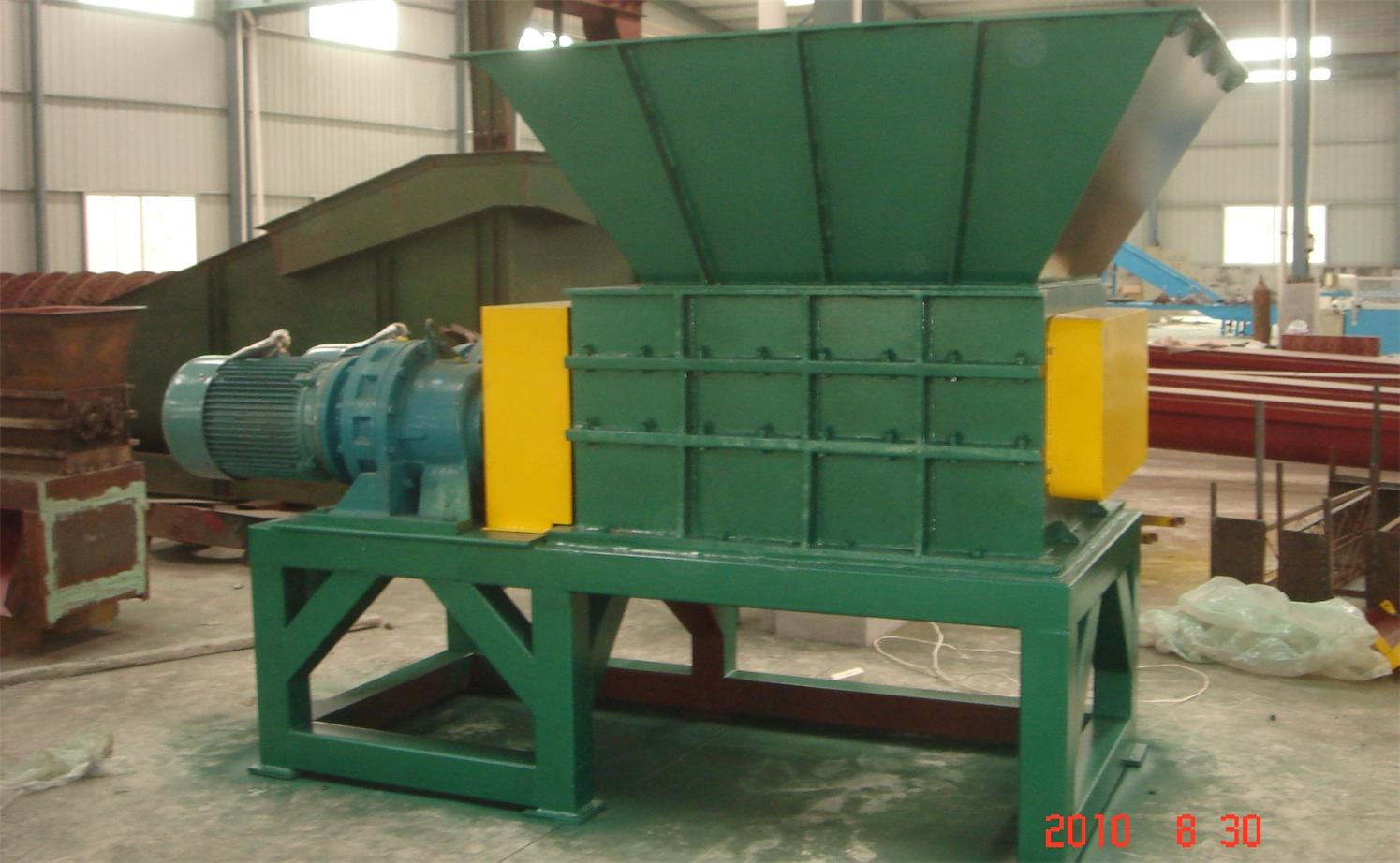
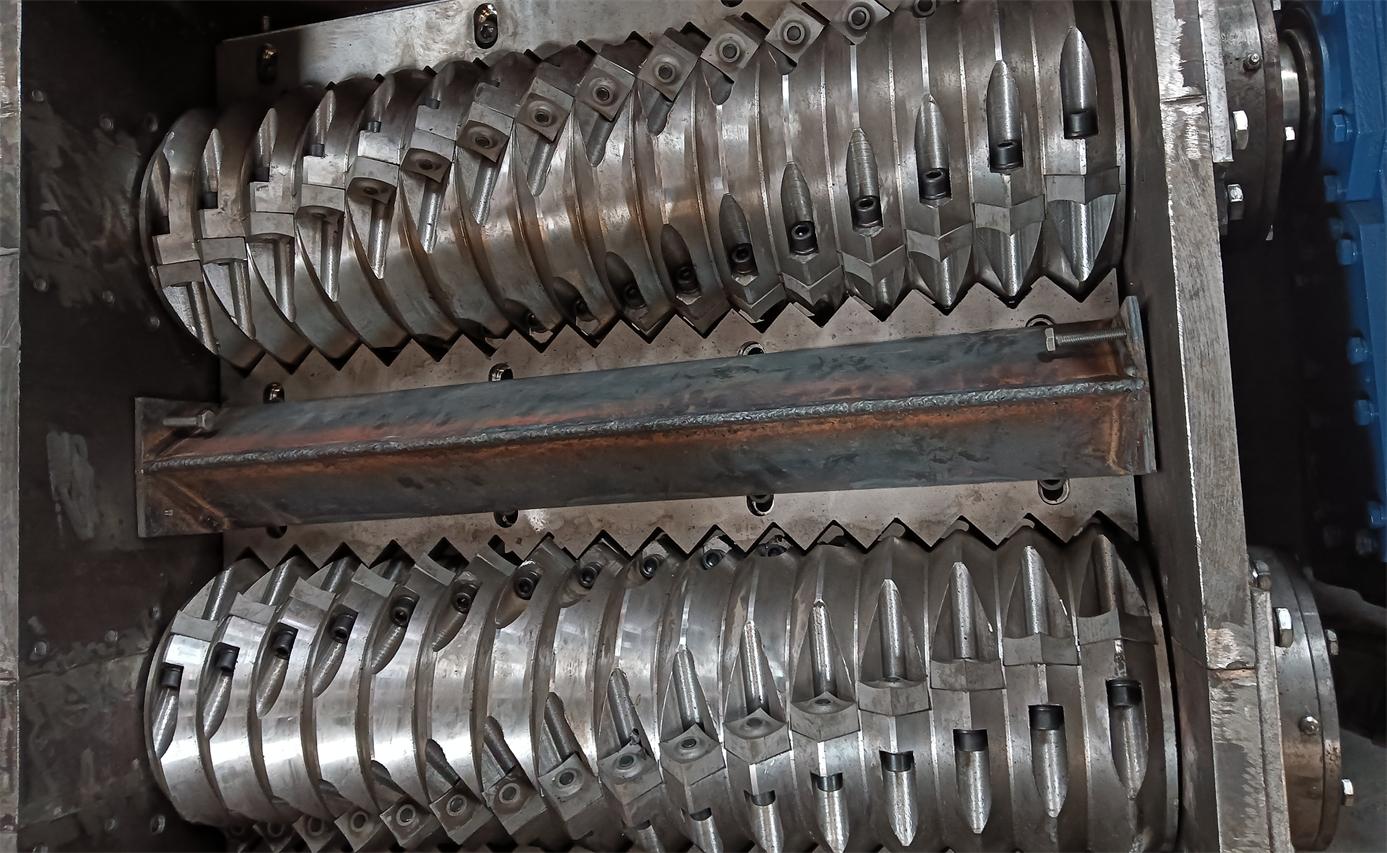
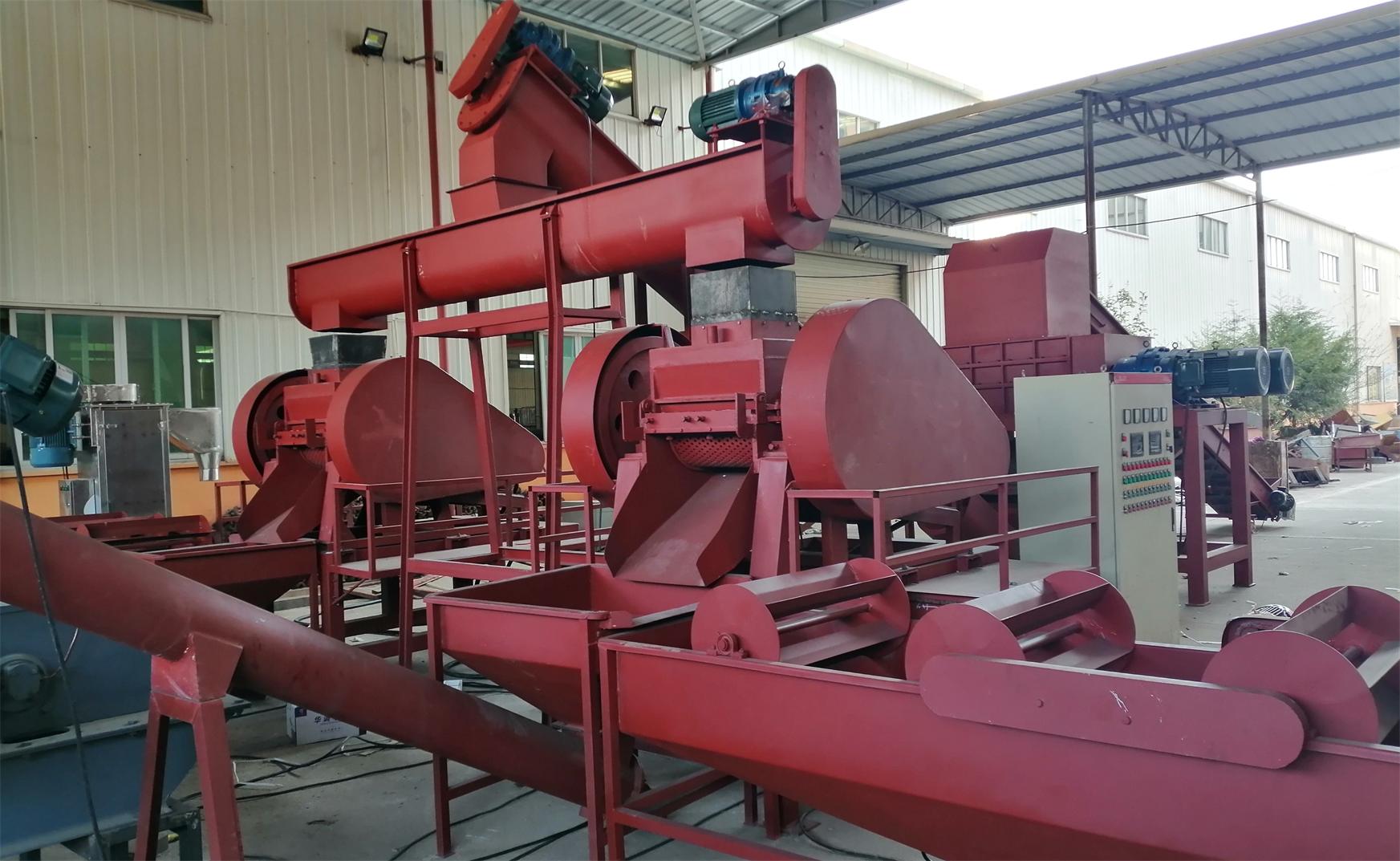
Machine Vision Scrapyard Systems: Smart cameras identify bromine-containing components on conveyor belts using hyperspectral signatures. Robots then isolate these materials before they enter shredders, preventing that explosive bromine release during recycling – a significant advance beyond standard lead recovery equipment .
Logistics Neural Nets: Bromine's control begins before production even starts. AI systems now optimize lithium carbonate delivery routes from mining regions to refining facilities, reducing carbon footprint by 18% – proving that pollution control extends beyond factory walls.
The Human Dimension: Skills for Tomorrow's Bromine Managers
Technology alone can't win this fight. A workforce trained in bromine chemistry controls 38% more emission points than conventionally trained teams. Key competencies emerging include:
- Bromine Lifecycle Literacy: Understanding bromine pathways from extraction to refrigeration decommissioning
- Sensor Fusion Interpretation: Bridging data streams from electrochemical bromine monitors, gas chromatographs, and AI predictive models
- Circular Economics: Mastering bromine recovery value chains and secondary markets
- Crisis Simulation Response: Handling bromine release scenarios using VR training modules
Training Spotlight: Singapore's Institute of Chemical Engineering now graduates "Bromine Stewards" with specialized modules covering everything from cascade system bromine behavior to advanced recovery techniques using the latest lead recovery equipment .
Towards Bromine Neutrality
Our refrigeration shouldn't leave a bromine shadow. The journey ahead demands:
- Universal adoption of closed-loop water systems in LiBr production
- Mandatory bromine recovery percentages (minimum 92%) in industrial permits
- International standards for bromine tracking in refrigerant shipments
- Investments in bromine valorization research creating higher-value products
The cold chain keeps society functioning – our medicines viable, our data centers humming, our produce fresh. Advanced bromine control makes this possible without poisoning our air or waterways. As we refine cascade LiBr-H₂O absorption systems to recover every escaping bromine atom, we're not just making better refrigerants – we're defining what responsible industry looks like in the climate era.