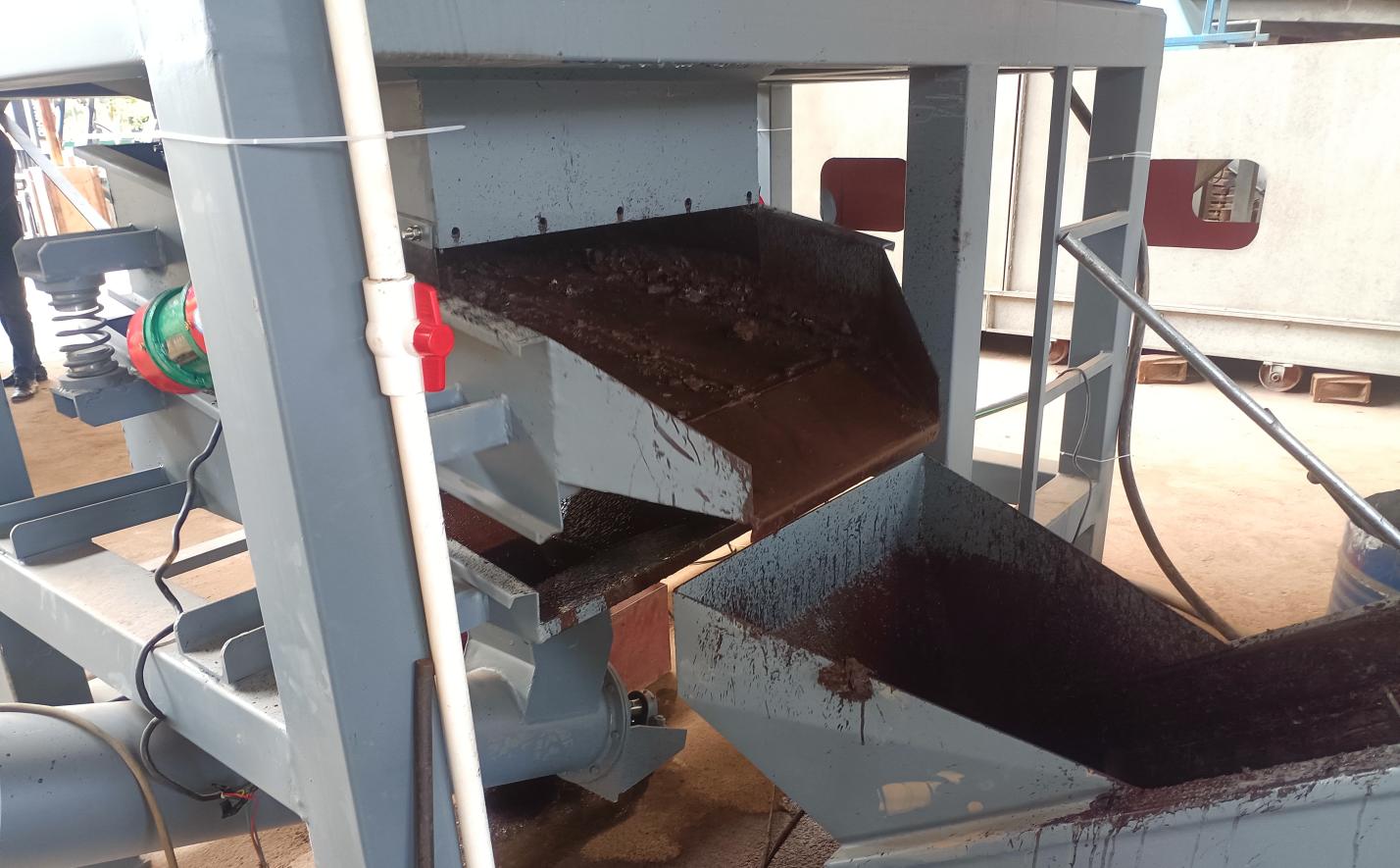
Why E-Waste Recycling Is a High-Growth Opportunity
Electronic waste contains valuable metals that often exceed the concentration found in virgin ore. One tonne of mobile phone circuit boards, for example, contains more gold than a tonne of high-grade mined ore. This makes e-waste recycling not just an environmental imperative, but a highly profitable business venture.
In 2022, global e-waste contained approximately $91 billion in raw materials, yet only $19 billion was recovered. The gap represents enormous untapped value for recyclers who invest in the right technology and processes. As governments tighten Extended Producer Responsibility (EPR) regulations and mandate higher recycling targets, demand for professional recycling equipment is accelerating across every continent.
Whether you are entering the market as a first-time investor or expanding an existing operation, understanding the machinery landscape is critical to maximizing returns and ensuring regulatory compliance.
Four High-Value Recycling Streams and the Equipment You Need
Not all e-waste is created equal. To build a profitable operation, focus on feedstock with high metal content and established recovery pathways. Below are four of the most lucrative recycling segments and the specialized machinery required for each.
1. Lead Acid Battery Recycling
Used lead acid batteries (ULAB) represent one of the most recycled consumer products globally. A complete lead acid battery recycling equipment setup typically includes a battery breaking and separation system, de-sulfurization unit, rotary furnace for paste reduction, blast furnace, lead refinery kettle, filter press, water treatment plant, and air pollution control system.
Modern lead acid battery recycling plants can process 1-10 metric tonnes per hour, recovering acid, plastic shell, lead grid, and lead paste with recovery rates exceeding 95%. The lead refinery kettle can refine crude lead to 99.999% purity, producing a commodity that commands premium prices in global metal markets.
2. Cable and Wire Recycling
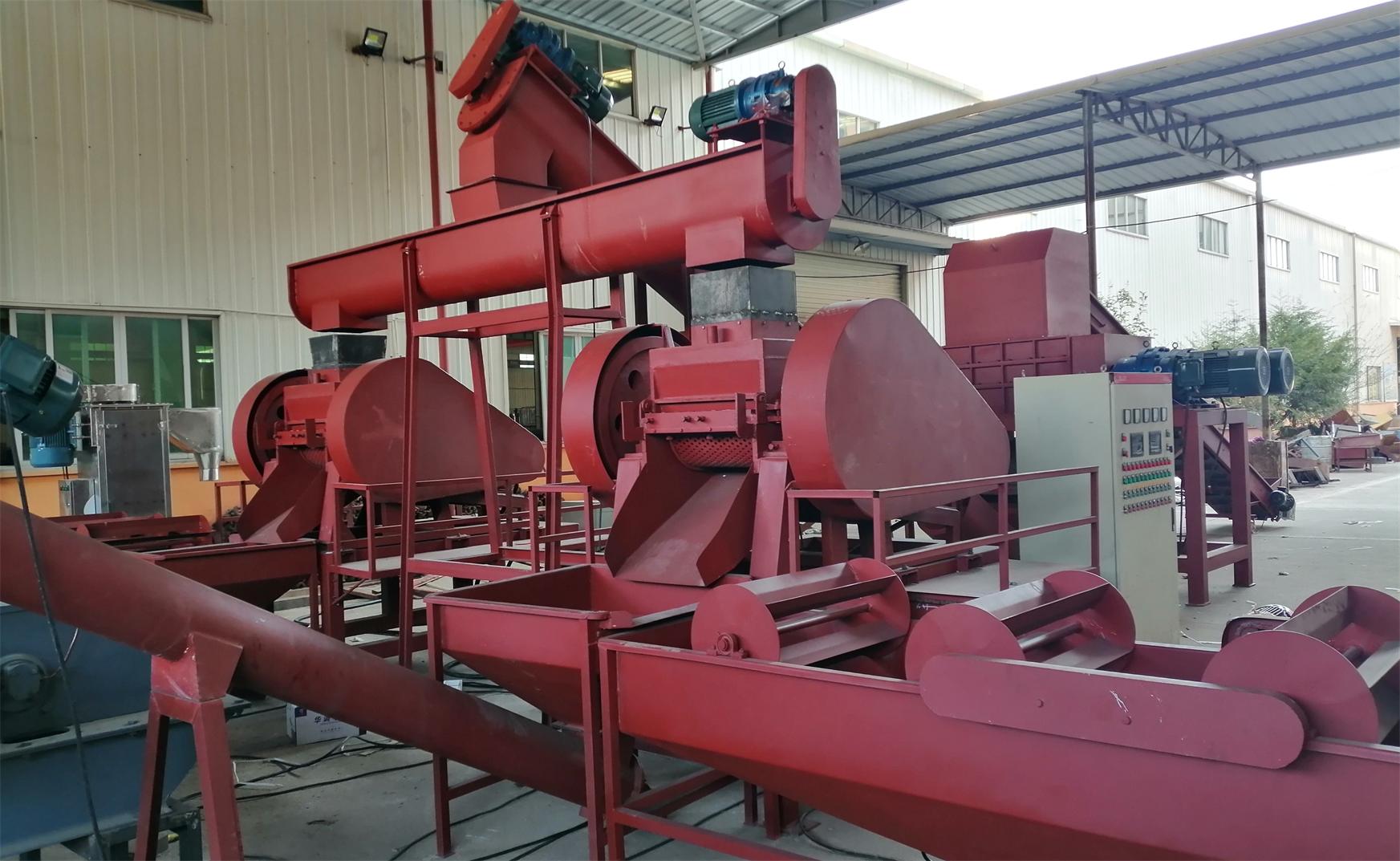
Scrap cables contain copper and aluminum that can be separated from plastic insulation with high efficiency. A professional cable recycling equipment line includes scrap cable strippers for large-diameter wires, cable granulators with dry or wet separators, and pneumatic conveying systems.
Cable granulators with dry separators can achieve copper purity of 96-98% without water pollution, making them ideal for regions with strict environmental controls. Processing capacities range from compact units handling 100 kg/hour to industrial systems processing 1,200 kg/hour or more. For operations dealing with jelly-filled telecommunications cables, specialized wet separation plants are available.
3. Circuit Board (PCB) Recycling
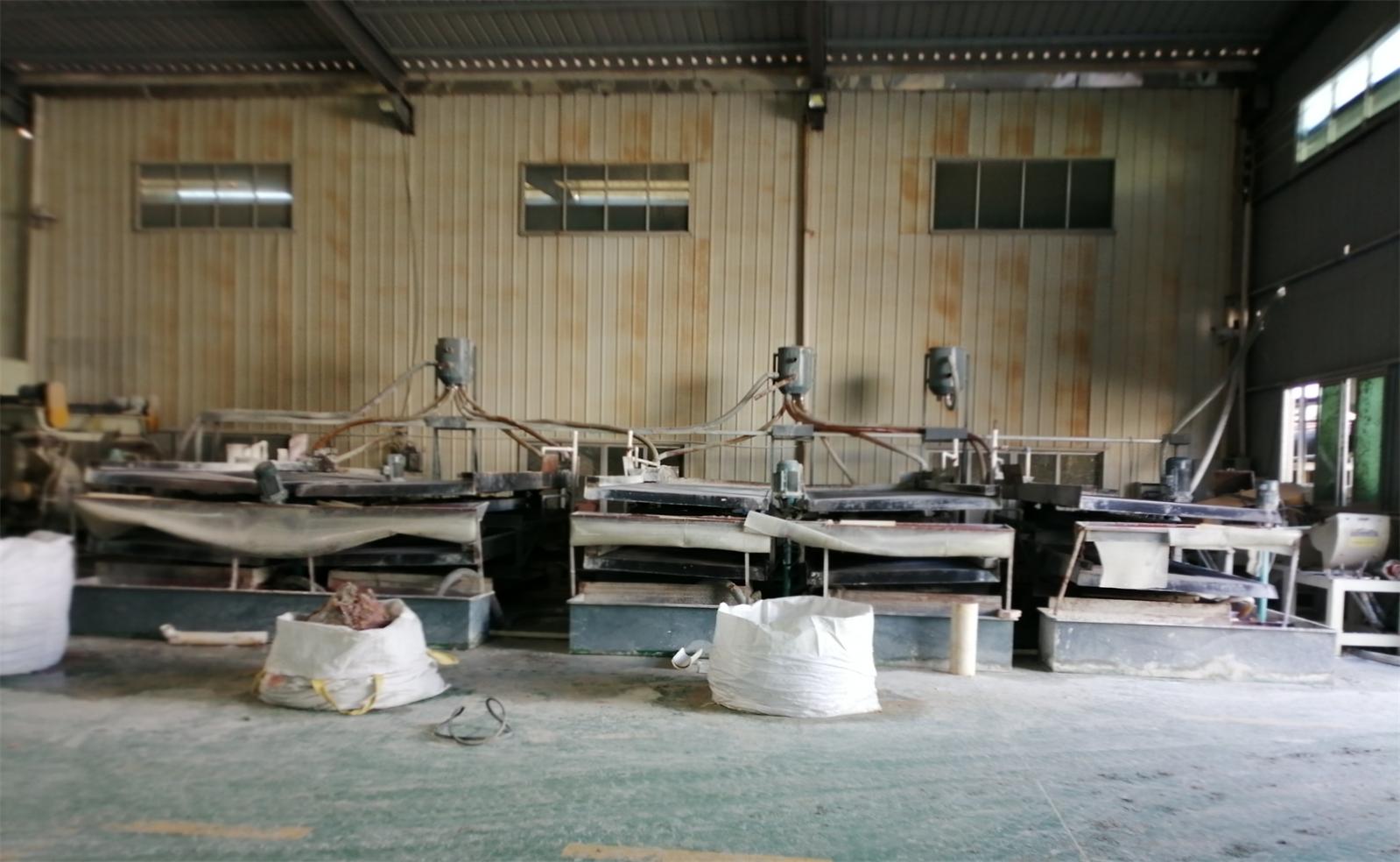
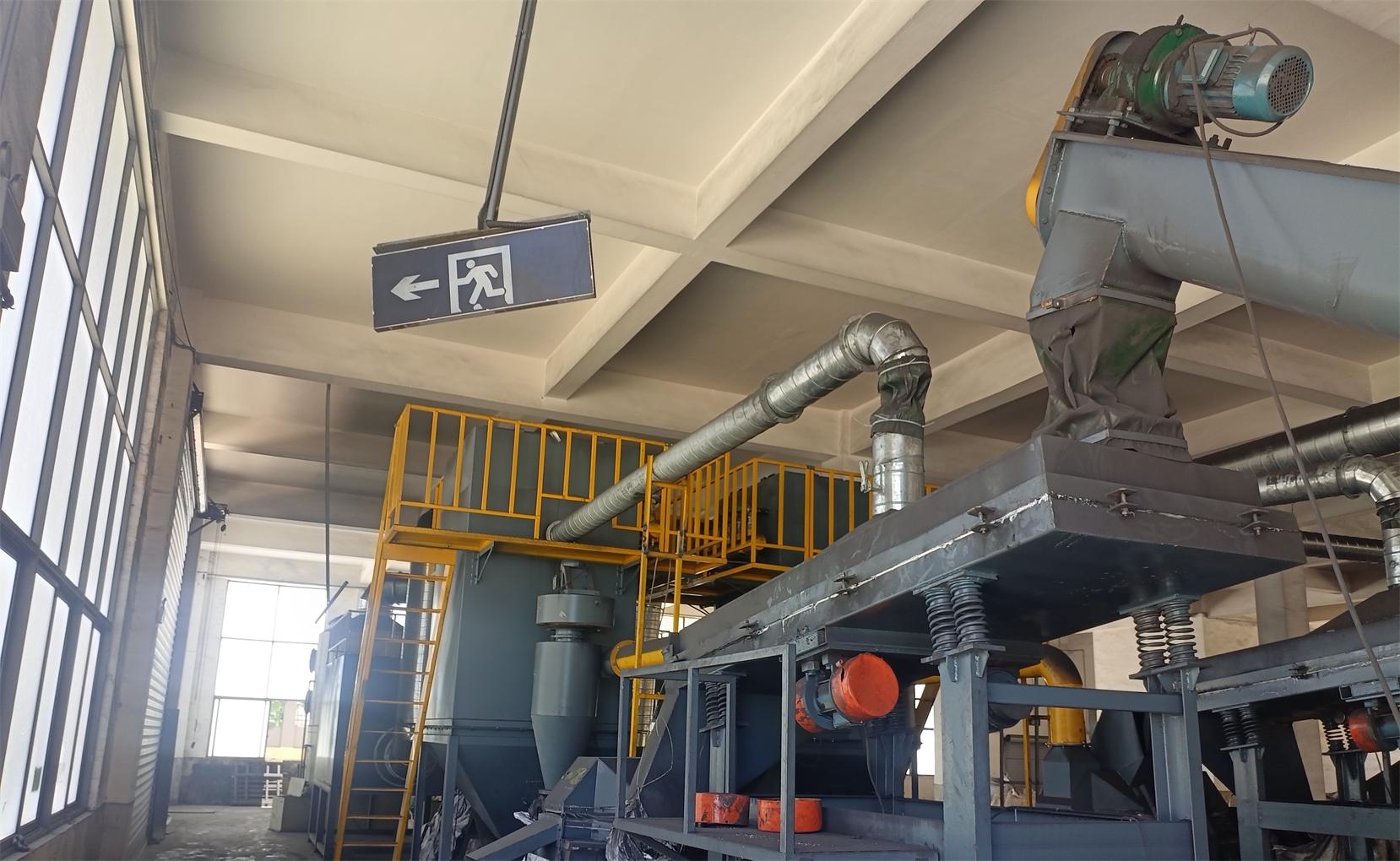
Printed circuit boards are among the most valuable e-waste feedstocks due to their copper content and trace precious metals. Circuit board recycling equipment uses mechanical shredding, air separation, electrostatic separation, and wet metal separation to recover copper powder and precious metal concentrates.
Advanced PCB recycling plants can process 300-2,000 kg/hour with recovery rates around 95%. Wet separation systems offer higher purity (up to 98% copper powder), while dry separation systems eliminate wastewater treatment requirements. Many plants now combine both approaches to handle diverse feedstock types.
4. Lithium-Ion Battery Recycling
As electric vehicle adoption surges, lithium-ion battery recycling is the fastest-growing segment in the e-waste industry. Lithium battery recycling plants break and separate waste batteries to recover black mass (containing nickel, cobalt, and graphite), plastic film, copper, and aluminum.
Capacity typically ranges from 500-2,500 kg/hour, with pre-treatment steps including discharge, pre-crushing, secondary granulation, magnetic separation, and black powder separation. Air pollution control systems are essential due to the volatile electrolytes and fluorinated compounds present in lithium cells.
How to Evaluate a Recycling Equipment Supplier
Choosing the right equipment partner is as important as selecting the machinery itself. A reliable recycling equipment supplier should offer more than just machines. They should function as a technical partner who understands your feedstock, local regulations, and production goals.
Here are the critical criteria to assess before making an investment:
- Technical expertise and experience: Look for manufacturers with over 10-15 years of specialized experience in e-waste recycling machinery and a team with engineering credentials.
- Turnkey capability: The best suppliers offer EPC (Engineering, Procurement, Construction) services including customized plant design, installation, commissioning, and operator training.
- Proven international track record: A supplier with customers across 20+ countries has demonstrated adaptability to different regulatory environments, voltage standards, and operational conditions.
- After-sales support: Ensure spare parts availability, remote technical support, and on-site maintenance services are included in the partnership.
- Environmental compliance: Verify that the equipment meets international emissions standards and includes integrated pollution control systems.
- Customization flexibility: Your feedstock and capacity requirements are unique. Avoid suppliers offering only fixed configurations.
San Lan Technologies: A One-Stop Partner for Recycling Success
Founded in 2007, San Lan Technologies Co., Ltd has built a reputation as a professional manufacturer of WEEE recycling machines and mining equipment. With customers in over 21 countries including Singapore, Colombia, Vietnam, Mexico, South Africa, India, and Saudi Arabia, San Lan brings deep international experience to every project.
San Lan's product portfolio covers the full spectrum of e-waste recycling needs:
| Product Category | Capacity Range | Key Output |
|---|---|---|
| Lead acid battery recycling plant | 1-10 MT/hour | Lead paste, lead grid, plastic, acid |
| Lithium battery recycling plant | 500-2,500 kg/hour | Black mass, copper, aluminum, plastic |
| Circuit board recycling plant | 300-2,000 kg/hour | Copper powder (96-98% purity) |
| Cable recycling plant | 100-1,200 kg/hour | Copper/aluminum granules, plastic |
| Refrigerator & AC recycling | 20-30 units/hour | Iron, copper, aluminum, plastic, polyurethane |
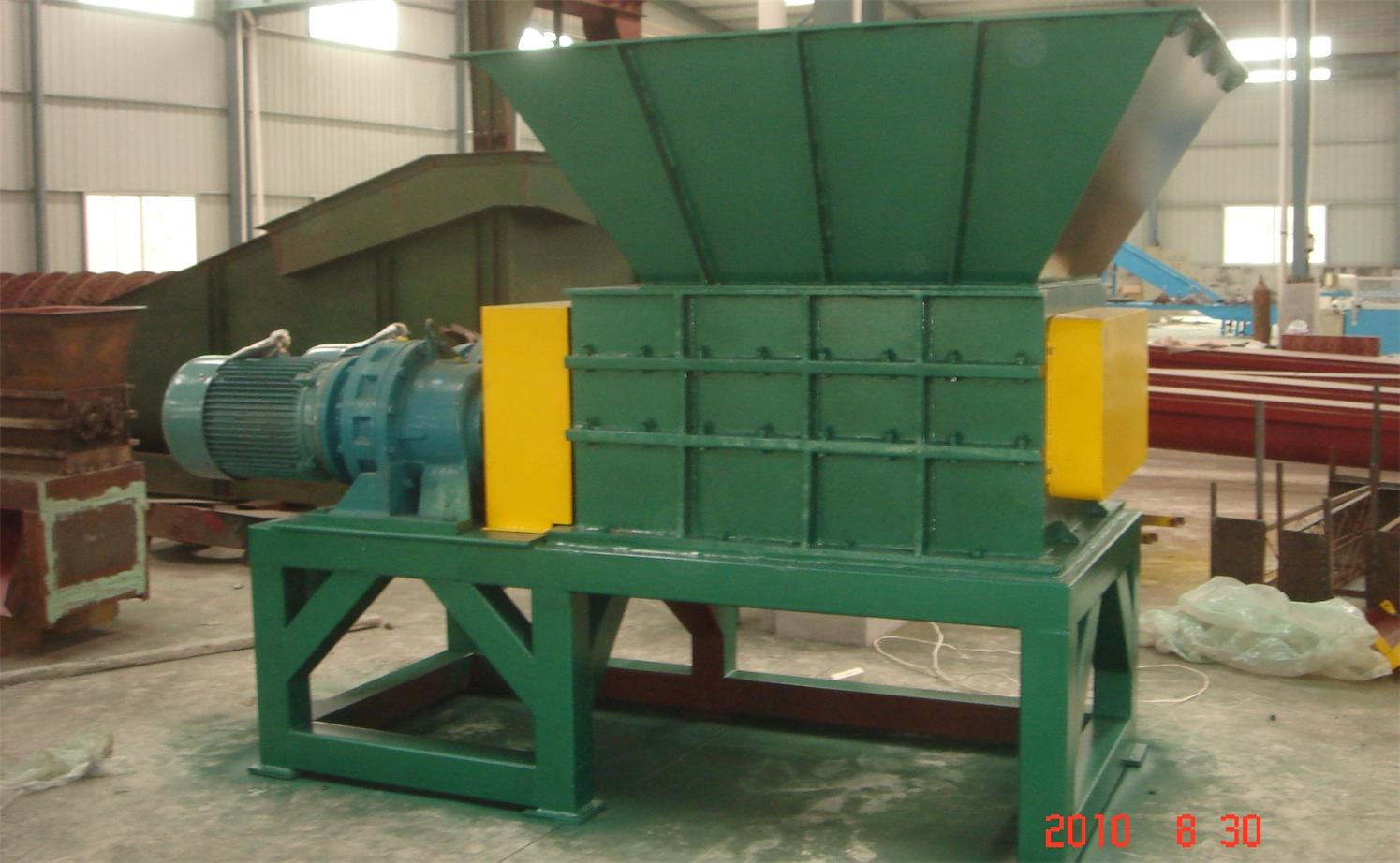
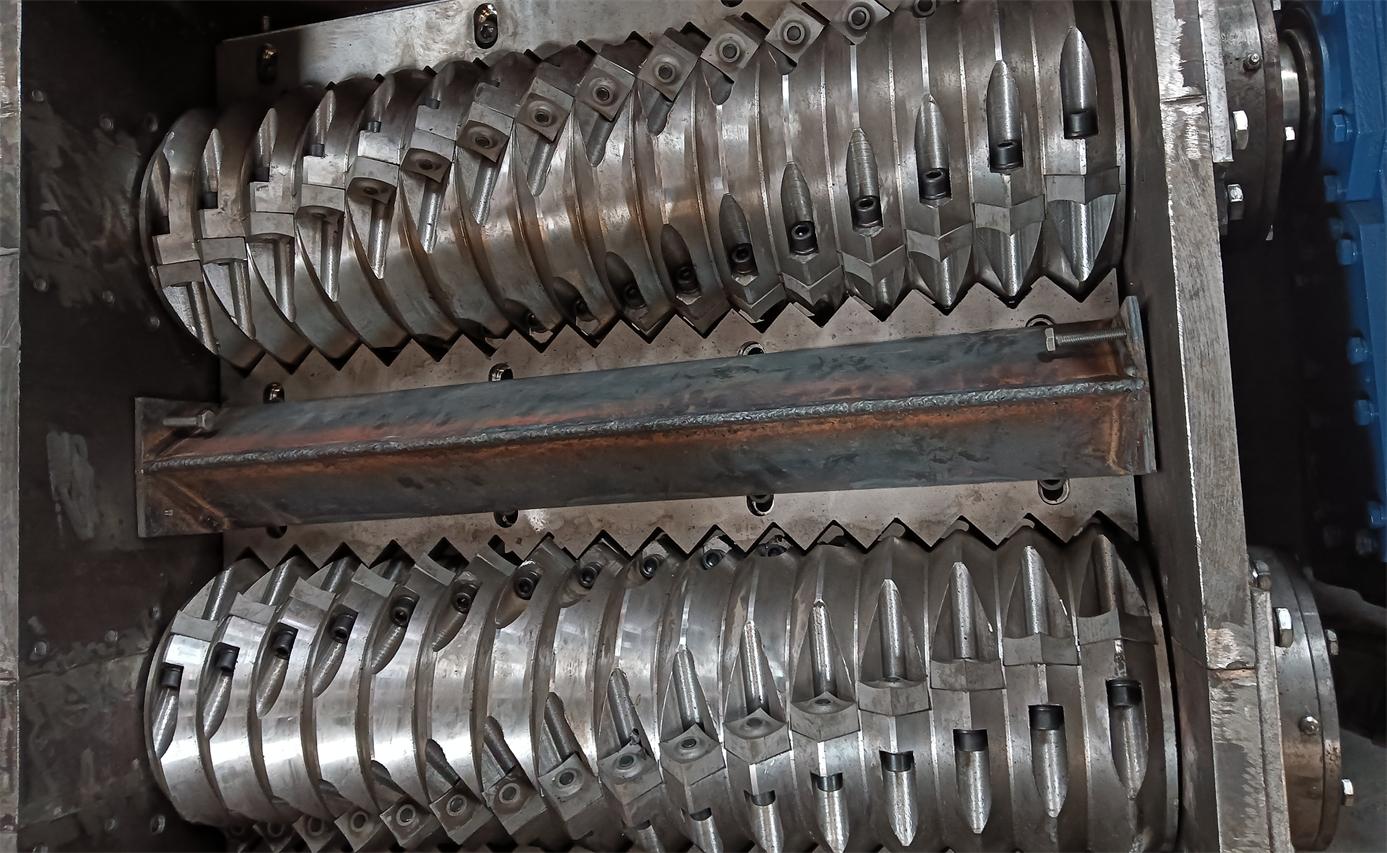
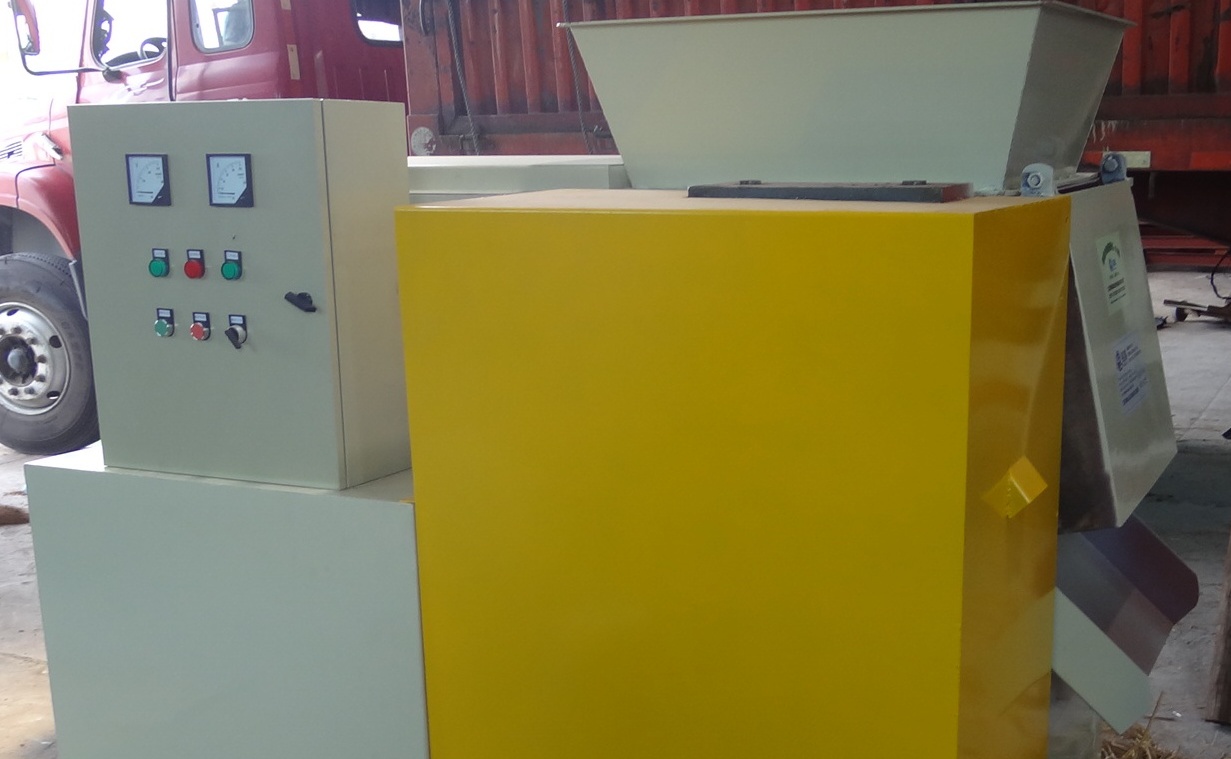
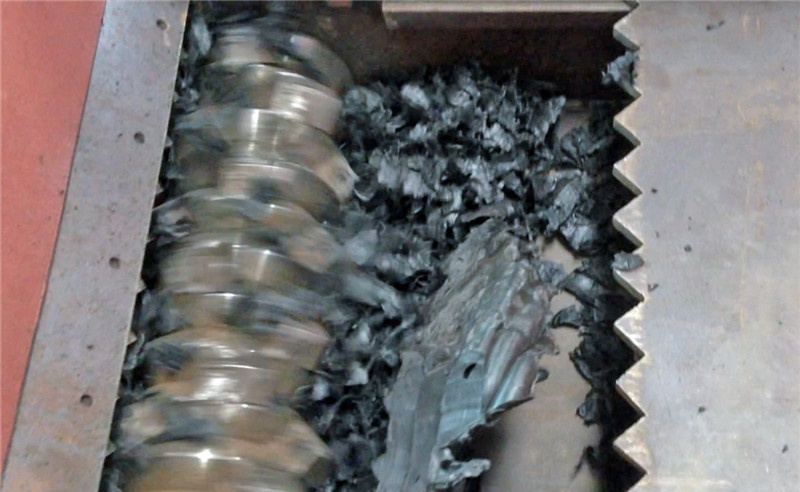
| Shredder and pre-chopper | 200 kg/hour - 6 MT/hour | Pre-sized material for downstream processing |
What distinguishes San Lan is its value-added service model. Beyond manufacturing equipment, the company assists customers with sourcing waste feedstock (cable scrap, PCB scrap, used batteries), connecting with investors and partners for plant construction, and helping sell recovered commodities (copper rice, lead ingots) into global markets. This end-to-end support reduces risk for new entrants and accelerates time-to-revenue.
San Lan's engineering team holds master's degrees in mechanical engineering with over 15 years of hands-on experience in e-waste recycling machine design. The company provides customized plant layouts, PLC-based control systems, and full pollution control integration to ensure compliance with ISO 9001 and ISO 14000 standards.
Getting Started: From Concept to Commissioning
Launching a recycling business follows a clear progression. First, define your feedstock source and secure supply agreements with local collectors, manufacturers, or municipal programs. Next, select your processing tier: dismantling, mechanical recycling, or advanced refining. Each tier requires different capital investment and yields different margins.
Once your process flow is defined, work with an experienced equipment supplier to design a plant layout optimized for your space, budget, and regulatory environment. Commissioning typically takes two to three months for mechanical recycling plants, with training provided for your operating team.
Finally, establish offtake agreements for your recovered metals before you begin production. Copper, lead, and aluminum have liquid global markets, but pricing and logistics terms vary by region. A supplier with international trading connections can help you secure favorable contracts.
Ready to Build Your Recycling Business?
Whether you are planning a small cable recycling operation or a multi-stream e-waste processing facility, choosing the right equipment partner is the foundation of long-term profitability. San Lan Technologies offers free consultation on plant design, equipment selection, and project feasibility.
Contact San Lan Technologies today:
Email: info@san-lan.com
WhatsApp: +86 139 2377 4083
Website: www.san-lan.com
Explore the full product range and request a customized quotation for your recycling project.