The global e-waste stream is growing at an unprecedented rate. For entrepreneurs and established recycling companies alike, this presents a massive opportunity — but only if you have the right equipment and a reliable recycling equipment supplier to support your operation from day one.
Whether you are processing used lead acid batteries, discarded circuit boards, or scrap cables, the difference between a marginal operation and a highly profitable one often comes down to three factors: equipment quality, system integration, and supplier expertise. This guide walks through what you need to build a complete, revenue-generating e-waste recycling plant.
Why E-Waste Recycling Demands a System-Level Approach
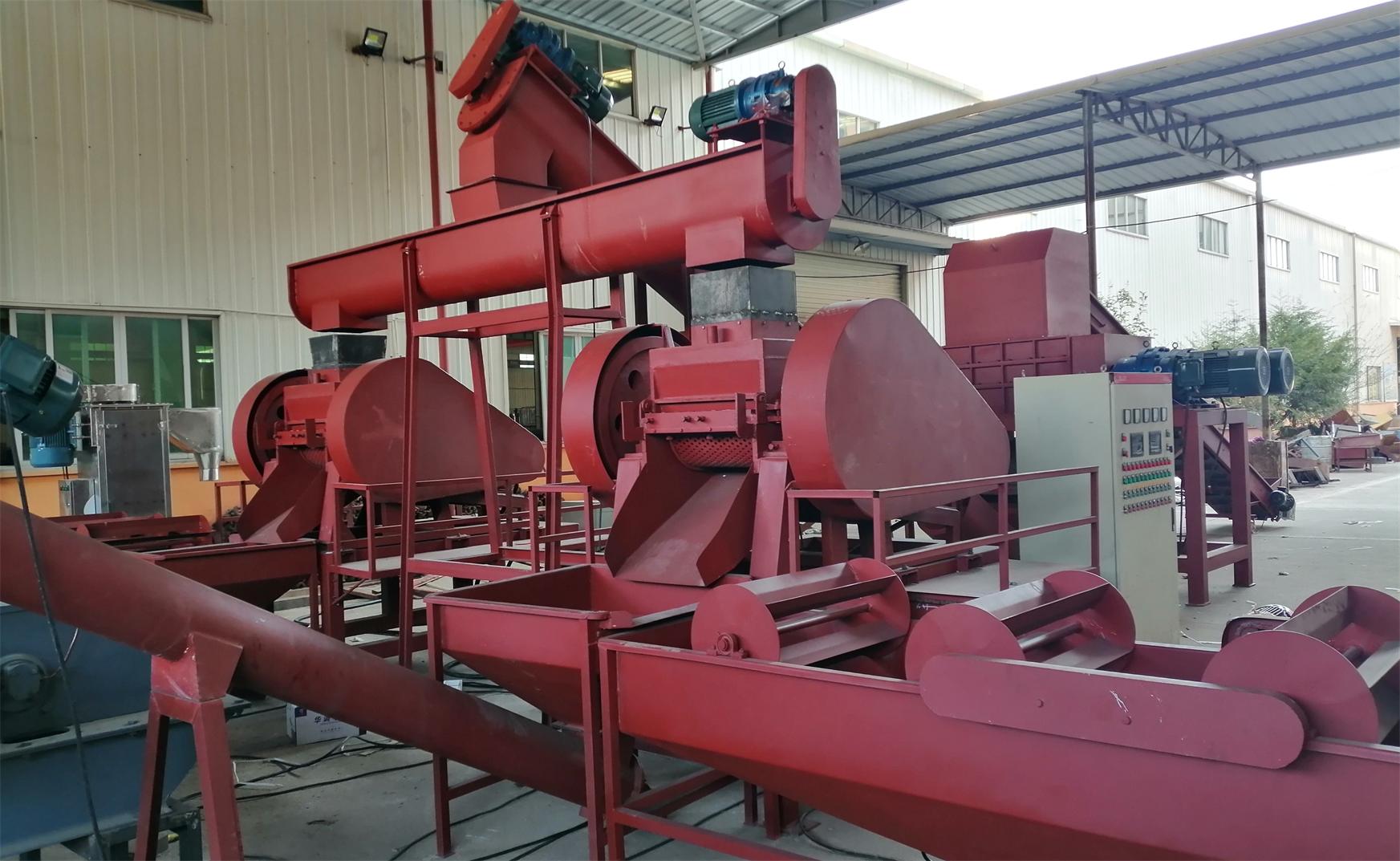
In the recycling industry, performance is no longer defined by a single machine. It is determined by how effectively an entire system synchronizes to transform raw waste into high-purity, high-value output. A standalone shredder or separator might handle one stage well, but without upstream and downstream integration, you lose material, purity, and profit.
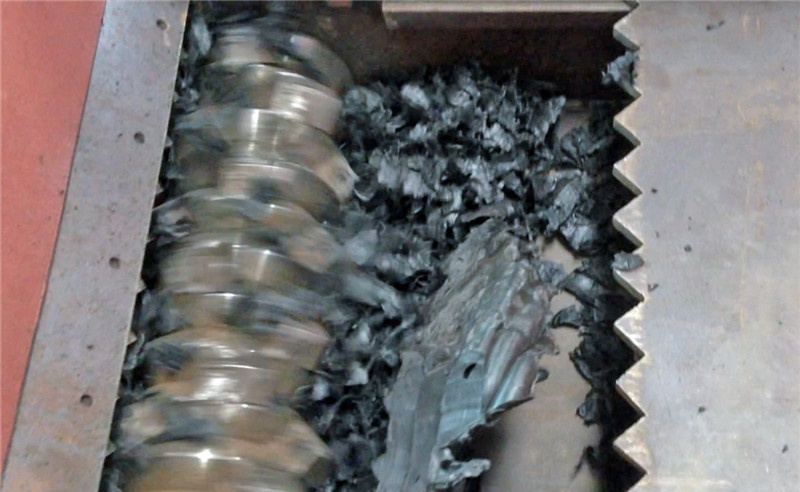
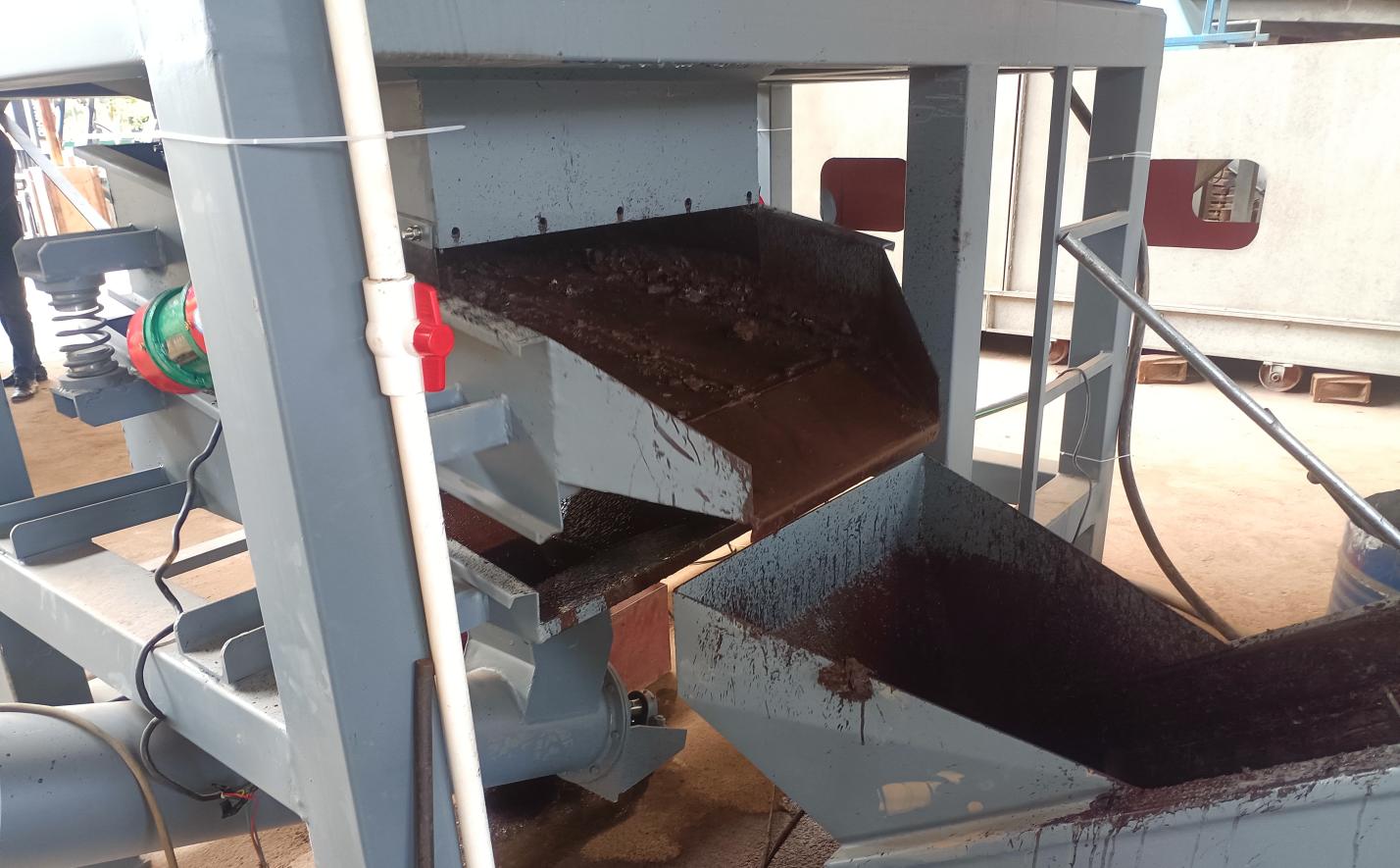
A complete recycling plant should be engineered around your specific feedstock and target commodities. For example, a lead acid battery recycling equipment line must safely break batteries, recover acid, separate lead paste and grids, and process plastic — all while meeting strict environmental standards. Each stage affects the next, and bottlenecking at any point reduces overall throughput and profitability.
Lead Acid Battery Recycling: A High-Value Stream
Used lead acid batteries (ULAB) remain one of the most recycled products globally, and for good reason. The lead content, plastic casing, and even the acid can be recovered and resold. A modern lead acid battery recycling plant typically includes:
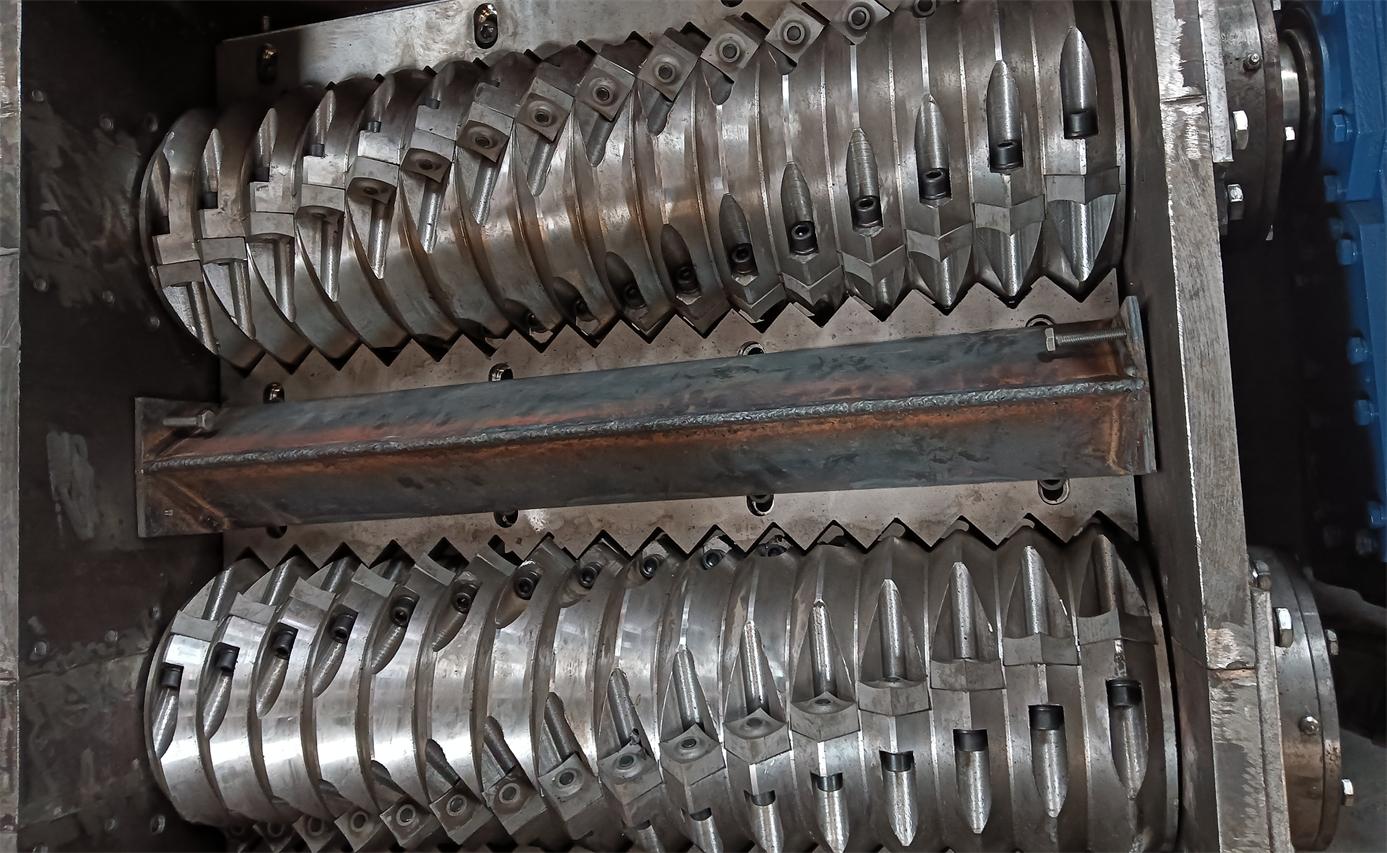
- Battery cutting and breaking systems to safely open batteries and drain acid
- Separation equipment to classify lead paste, lead grids, plastic, and hard rubber
- Desulfurization units to reduce sulfur content and lower smelting energy costs
- Smelting furnaces — rotary or blast type — to convert paste into crude lead
- Refinery kettles to purify crude lead to 99.999% purity
- Air and water pollution control systems to ensure environmental compliance
Capacity for such plants typically ranges from 1 to 10 metric tons per hour, with lead recovery rates exceeding 95% when properly configured. The key is selecting a supplier who understands not just the machines, but the chemistry and regulatory requirements of battery recycling.
Circuit Board Recycling: Recovering Copper and Precious Metals
Printed circuit boards (PCBs) represent one of the most complex e-waste streams, but also one of the most valuable. A well-designed circuit board recycling equipment line can recover copper powder with 96–98% purity, along with trace precious metals.
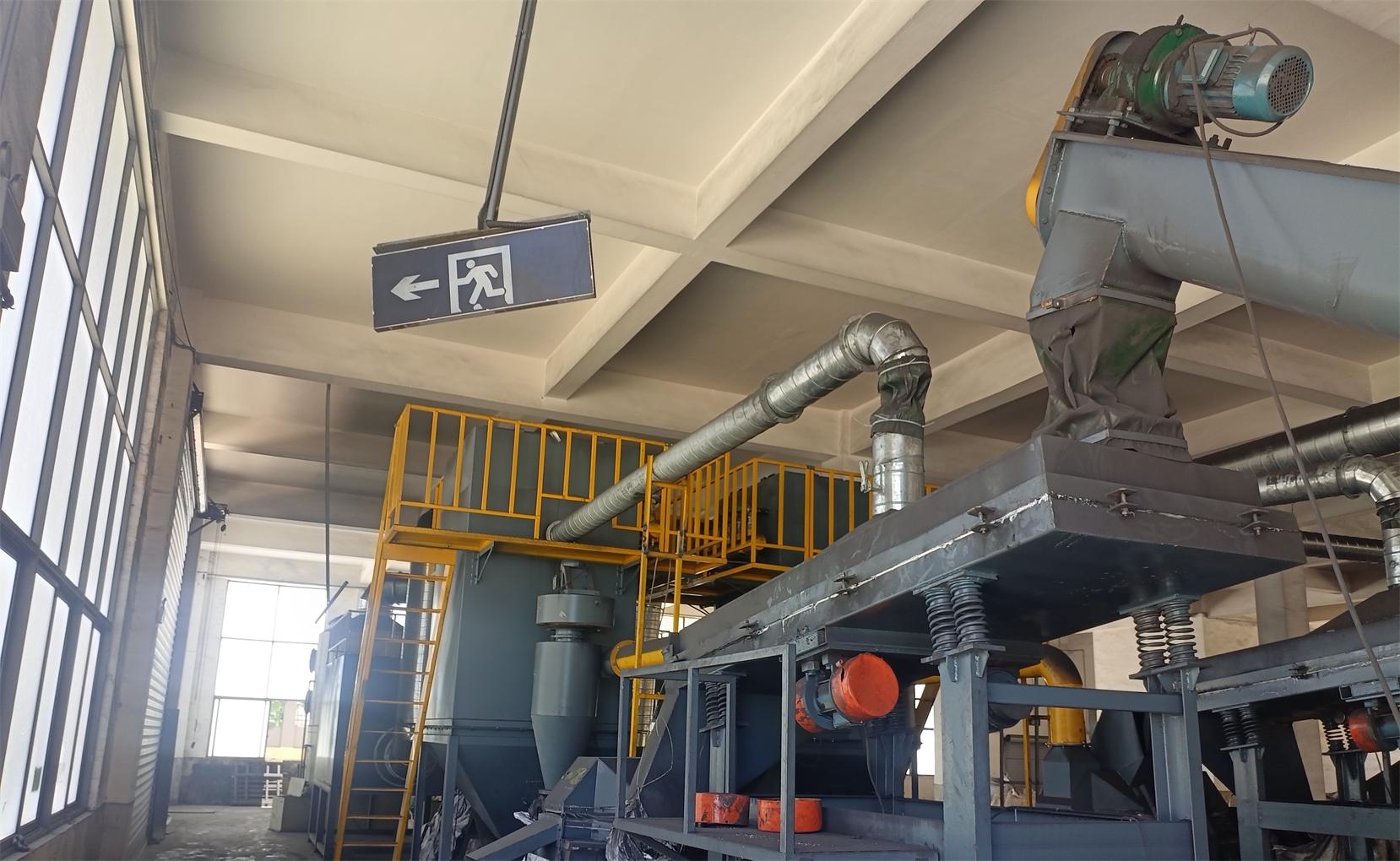
Modern PCB recycling plants use either dry or wet separation processes. Dry systems employ air separators, electrostatic separators, and pulse dust collectors, making them ideal for regions with water scarcity. Wet systems use water-based metal separation and can handle PCB waste with components still attached. Capacities range from 300 kg/hour to 2,000 kg/hour or more, depending on the model and configuration.
The critical factor in PCB recycling is achieving high recovery rates without generating secondary pollution. Advanced dust collection and closed-loop water systems are essential for both regulatory compliance and operator safety.
Cable Recycling: Separating Copper from Plastic
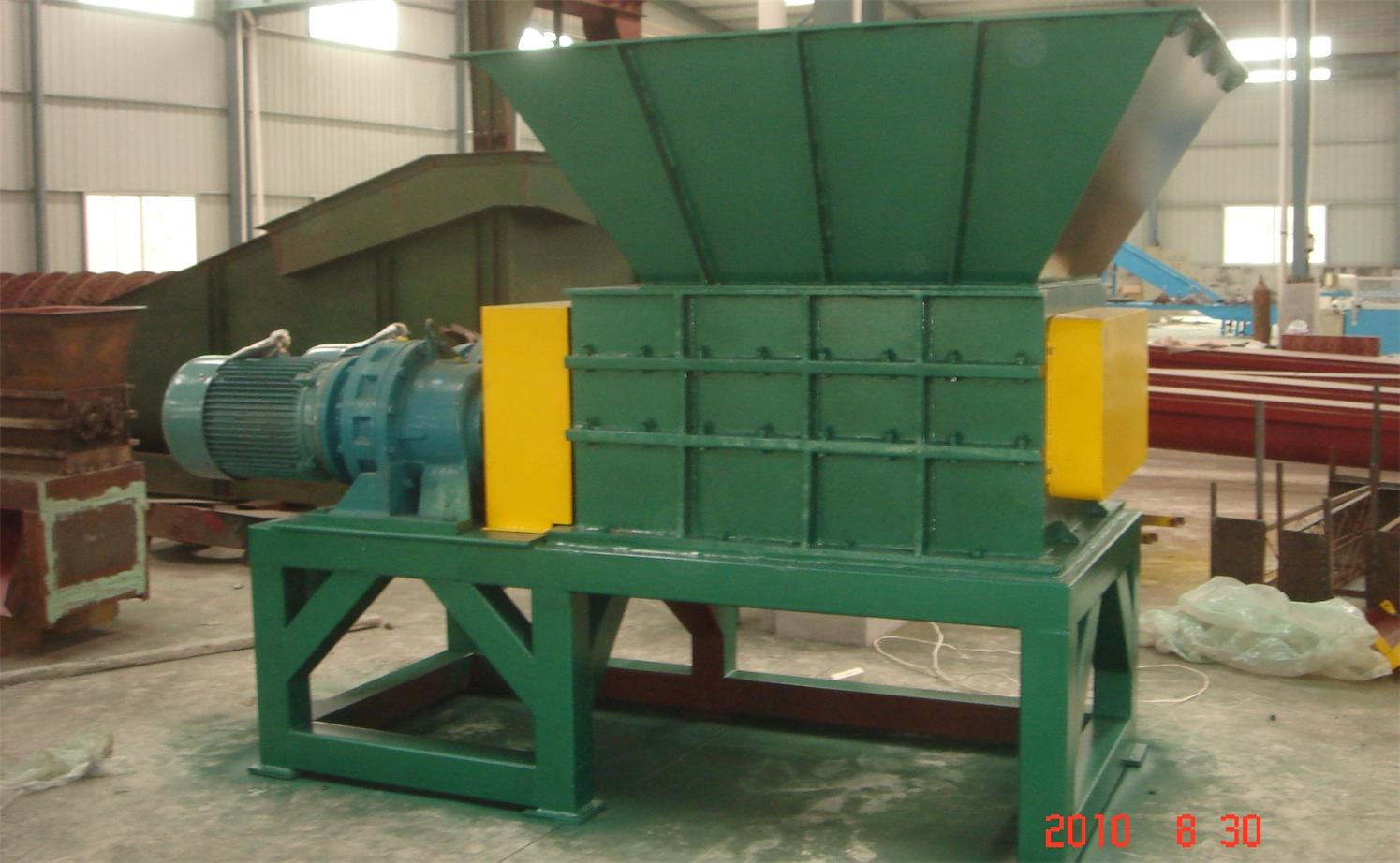
Scrap cables are one of the most accessible feedstocks for new recycling businesses. Cable recycling plants use granulators and separators to crush cables and separate copper or aluminum from plastic insulation. Depending on cable type and volume, operations can choose from compact granulators for smaller volumes or complete plants with pre-shredders and multiple separation stages for industrial-scale processing.
The copper rice or copper powder produced can be sold directly to metal refiners, while the plastic fraction can be pelletized for resale. With copper prices remaining strong, cable recycling offers one of the fastest paths to return on investment in the e-waste sector.
Lithium Battery Recycling: Preparing for the EV Revolution
As electric vehicles and consumer electronics proliferate, spent lithium-ion batteries are becoming a major feedstock. Lithium battery recycling plants break and separate batteries to recover black mass (containing nickel, cobalt, and graphite), copper, aluminum, and plastic.
Because lithium batteries pose fire and safety risks, these systems must include discharge units, inert atmosphere processing, and dedicated air pollution control. Capacities typically range from 500 to 2,500 kg/hour. For operators entering this market, working with a supplier experienced in lithium battery safety is non-negotiable.
What to Look for in a Recycling Equipment Supplier
Choosing the right partner matters as much as choosing the right machines. Here are five criteria every buyer should evaluate:
1. Technical Expertise and Experience
Look for a supplier with deep experience in your target waste stream. A team with mechanical engineering backgrounds and over 15 years in e-waste recycling will anticipate problems that a generalist might miss.
2. EPC and Custom Design Capability
The best suppliers offer turnkey Engineering, Procurement, and Construction (EPC) services. They should customize plant layouts to your site, feedstock, and output goals rather than simply selling standard units.
3. Installation, Commissioning, and Training
Equipment is only valuable when it is running. Ensure your supplier provides on-site installation, commissioning, and operator training.
4. After-Sales Support and Spare Parts
Downtime is expensive. A reliable supplier maintains an inventory of critical spare parts and offers responsive technical support.
5. Value-Added Services
Top-tier suppliers go beyond equipment. They help customers source feedstock, connect with buyers for recovered materials, and even assist with business development and investor relations.
Conclusion: Design for Profit from Day One
The most successful recycling facilities share one defining characteristic: they were designed as complete systems, not assembled from individual machines. By combining the right equipment, intelligent system integration, and a knowledgeable supplier partner, you can transform waste streams into reliable revenue streams.
If you are planning a new e-waste recycling plant or upgrading an existing operation, start with a supplier who understands your material, your market, and your long-term goals. The design decisions you make today will determine your profitability for years to come.
Ready to build your e-waste recycling operation?
San Lan Technologies Co., Ltd specializes in complete e-waste recycling plants, including lead acid battery recycling, lithium battery recycling, circuit board recycling, cable recycling, and more. With customers in over 21 countries and a full range of EPC services, we help you turn scrap into profit. Contact us today to discuss your project requirements.