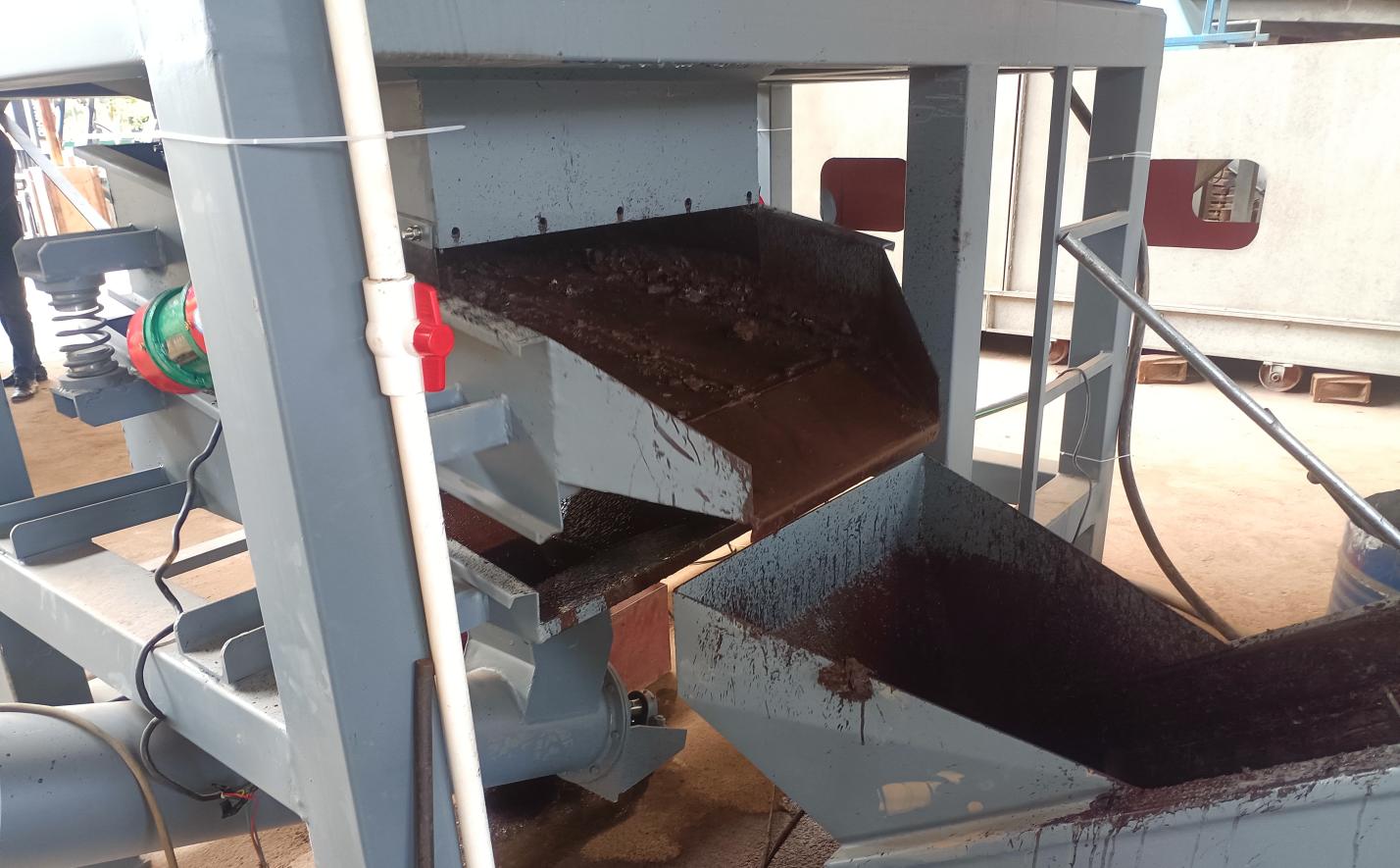
The global surge in electronic consumption has created an unprecedented waste stream. From discarded smartphones and laptops to end-of-life vehicle batteries and industrial cables, the volume of recyclable material is expanding faster than many national processing capacities can absorb. For entrepreneurs and established industrial groups alike, this gap represents a genuine commercial opportunity — provided the right equipment and technical partners are in place from day one.
This guide focuses on the practical side of building a recycling operation: identifying high-value waste streams, selecting proven machinery, and structuring a plant that can scale with demand. Rather than broad theory, we look at the equipment configurations that active producers are using today to recover copper, lead, lithium compounds, and precious metals at commercially viable rates.
1. Mapping High-Value Recycling Streams
Not all e-waste fractions deliver the same return per tonne. Experienced operators typically prioritize four categories because they combine predictable feedstock supply with well-established recovery technologies:
- Lead acid batteries — Found in vehicles, UPS systems, and industrial backup power. Lead content exceeds 60% by weight, and plastic casing is also recoverable.
- Lithium-ion batteries — Rapidly growing feedstock from EVs, consumer electronics, and energy storage. Recovery targets black mass (nickel, cobalt, graphite), copper, aluminum, and plastic separator film.
- Printed circuit boards (PCBs) — Concentrated sources of copper powder and trace precious metals. One tonne of mobile phone PCBs can contain more gold than a tonne of high-grade mined ore.
- Scrap cables and wire — Clean copper and aluminum separation with minimal hazardous content, making permitting simpler than battery or PCB lines.
Each stream demands a different mechanical and metallurgical approach. A facility that tries to handle all four without proper line separation usually encounters cross-contamination, reduced recovery purity, and regulatory complications. The most profitable plants either specialize in one stream or segment their floor space so that each line operates independently.
2. Equipment Selection by Waste Stream
2.1 Lead Acid Battery Recycling
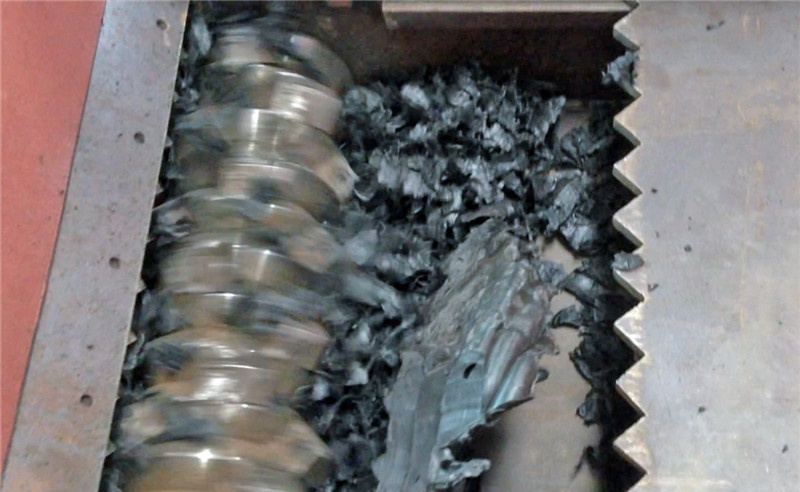
A complete lead acid battery recycling equipment line typically starts with breaking and separation. The objective is to isolate four output fractions: lead grid, lead paste, polypropylene or PVC plastic, and hard rubber. Modern breaking systems operate at 1–10 metric tonnes per hour and use hydraulic cutters to open batteries before mechanical crushing and classification.
Downstream from breaking, paste reduction is handled in rotary furnaces or blast (cupola) furnaces. Rotary furnaces generally achieve higher lead recovery rates than blast furnace alternatives, with batch capacities from 2 to 20 tonnes. Crude lead is then refined in kettle furnaces to 99.999% purity, using either natural gas, diesel, or electric infrared heating. The electric infrared option can reduce energy consumption by 30–50% compared to fossil-fuel systems.
Environmental compliance is non-negotiable in lead recycling. Plants require dedicated air pollution control systems for rotary furnace and refinery kettle exhaust, de-sulfurization units to treat PbSO4 before smelting, water treatment for acidic effluent, and filter presses to dewater lead paste slurry. Skipping any of these subsystems risks permit revocation and creates long-term liability.
Key specification snapshot: Blast furnaces for lead paste recovery typically reach 1,800°C, process 40–100 MT per 24 hours, and achieve a 95% lead recovery rate under normal operating conditions.
2.2 Lithium-Ion Battery Recycling
Lithium battery lines differ fundamentally from lead acid systems because the feedstock is energetic — meaning damaged or improperly discharged cells can ignite or vent toxic gases. A complete lithium battery recycling plant therefore begins with controlled discharge, followed by pre-crushing in an inert atmosphere, secondary granulation, and multi-stage separation.
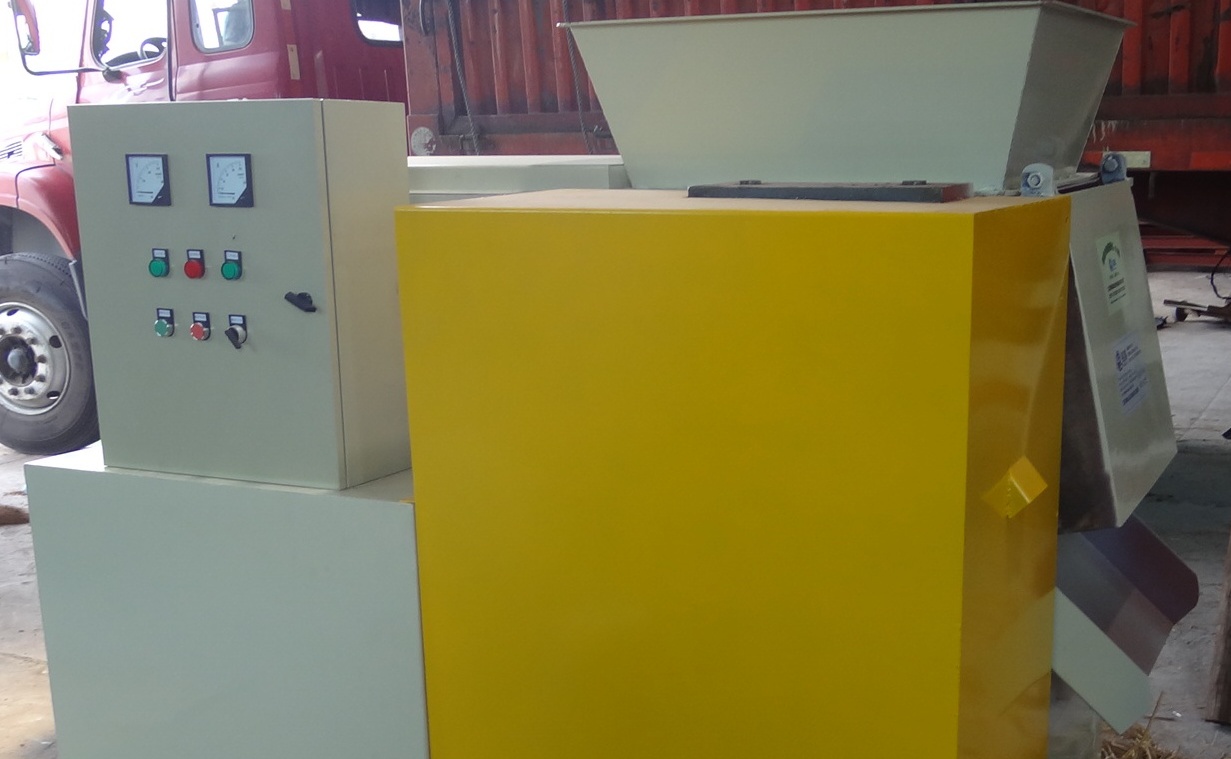
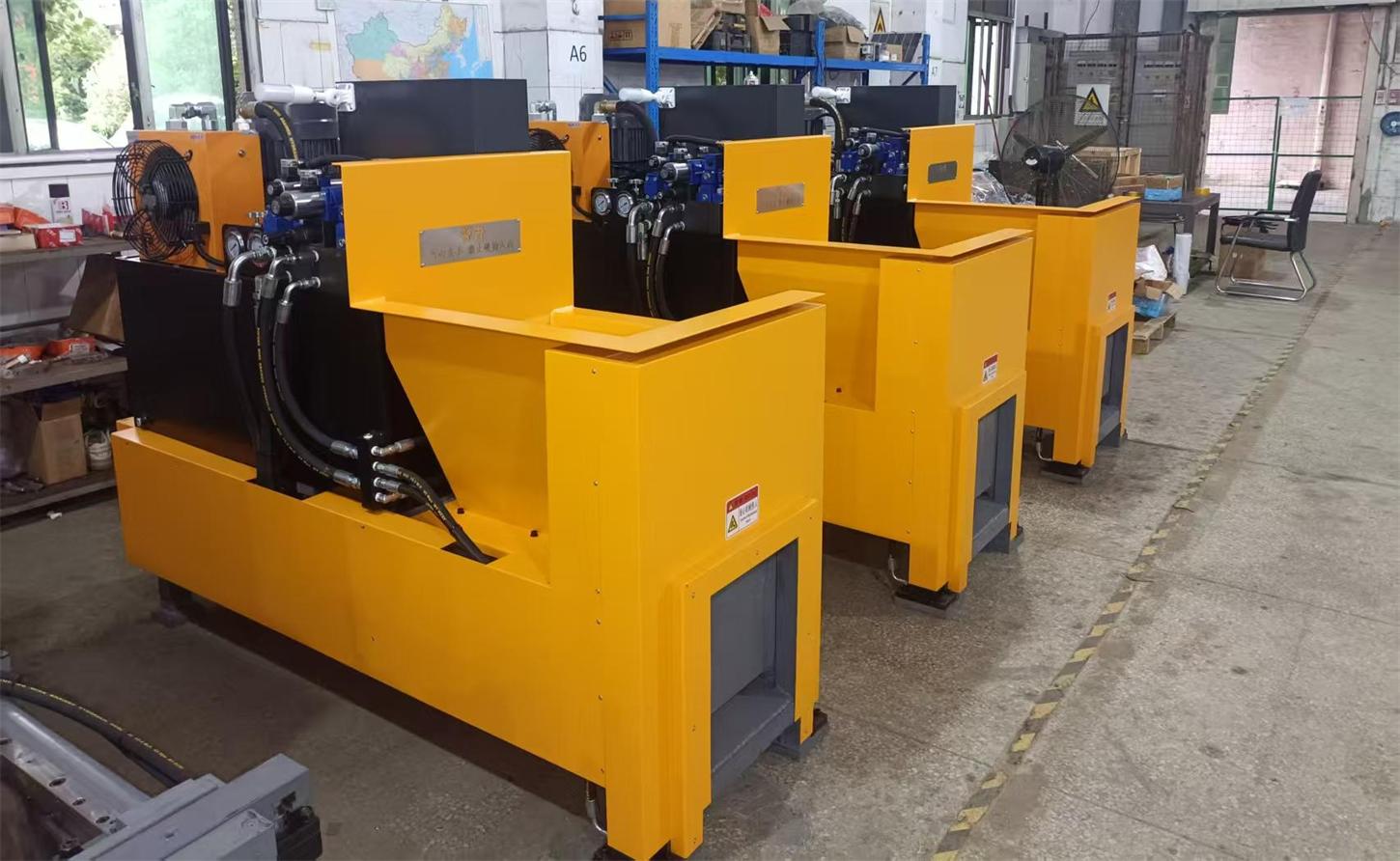
Standard throughput ranges from 500 to 2,500 kg per hour. Output fractions include black mass (containing nickel, cobalt, and graphite), copper, aluminum, and plastic separator film. The plastic fraction is often pneumatically conveyed to a hydraulic briquetter that compresses film into dense blocks with a 10:1 volume reduction ratio, simplifying storage and transport. Air pollution control is again essential: lithium battery crushing releases fluorinated compounds and organic electrolyte vapors that must be absorbed and neutralized before stack emission.
2.3 Circuit Board Recovery
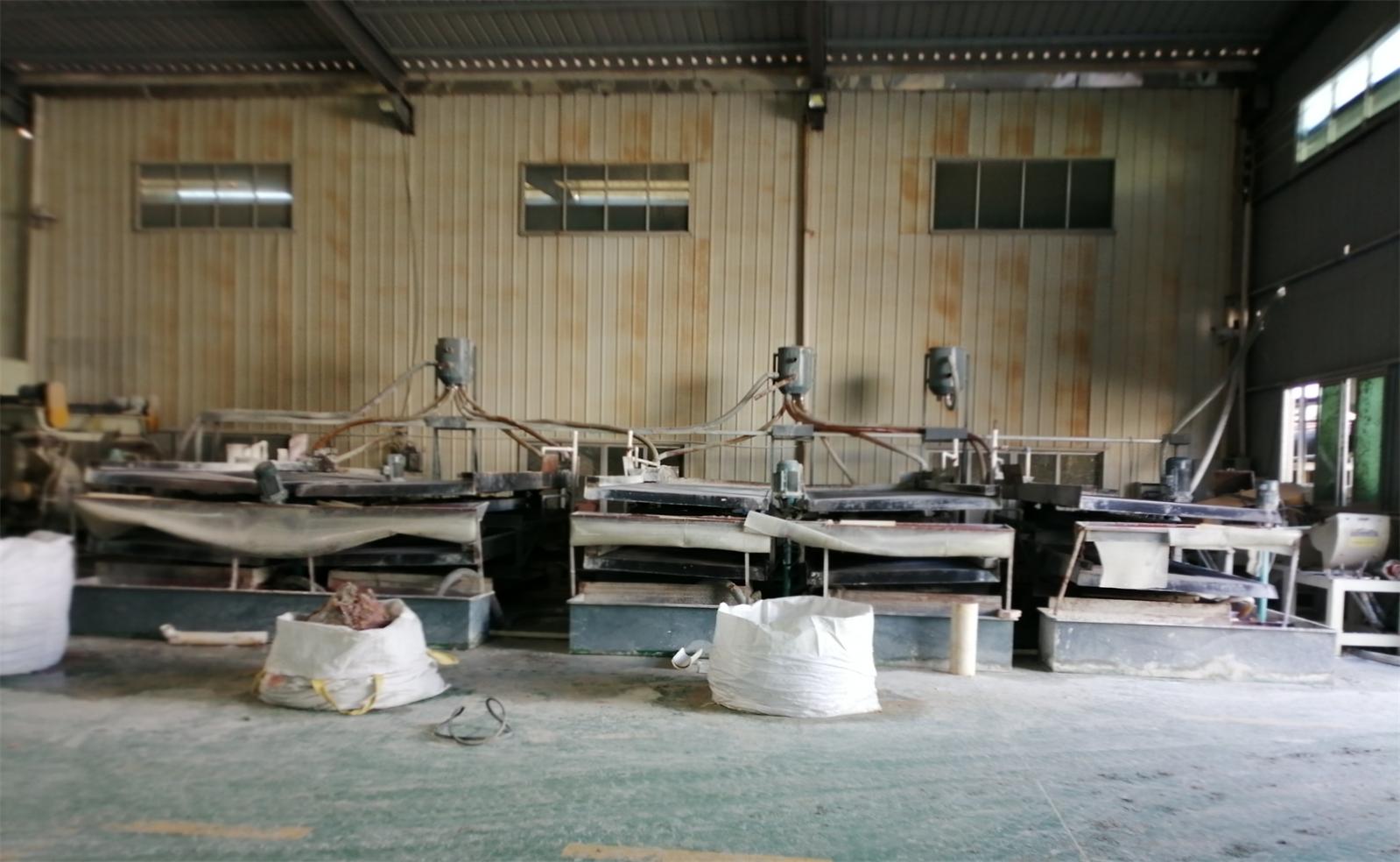
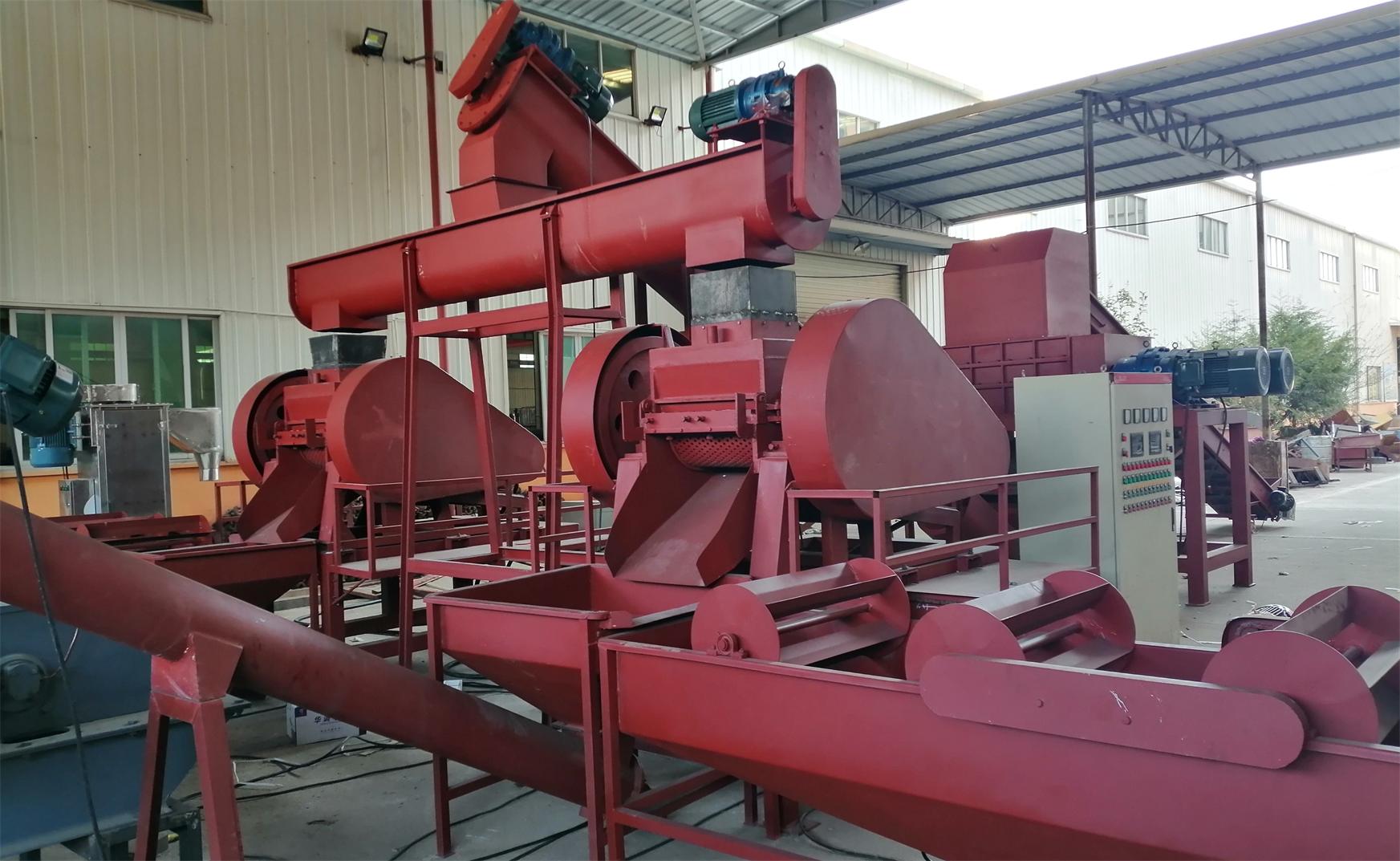
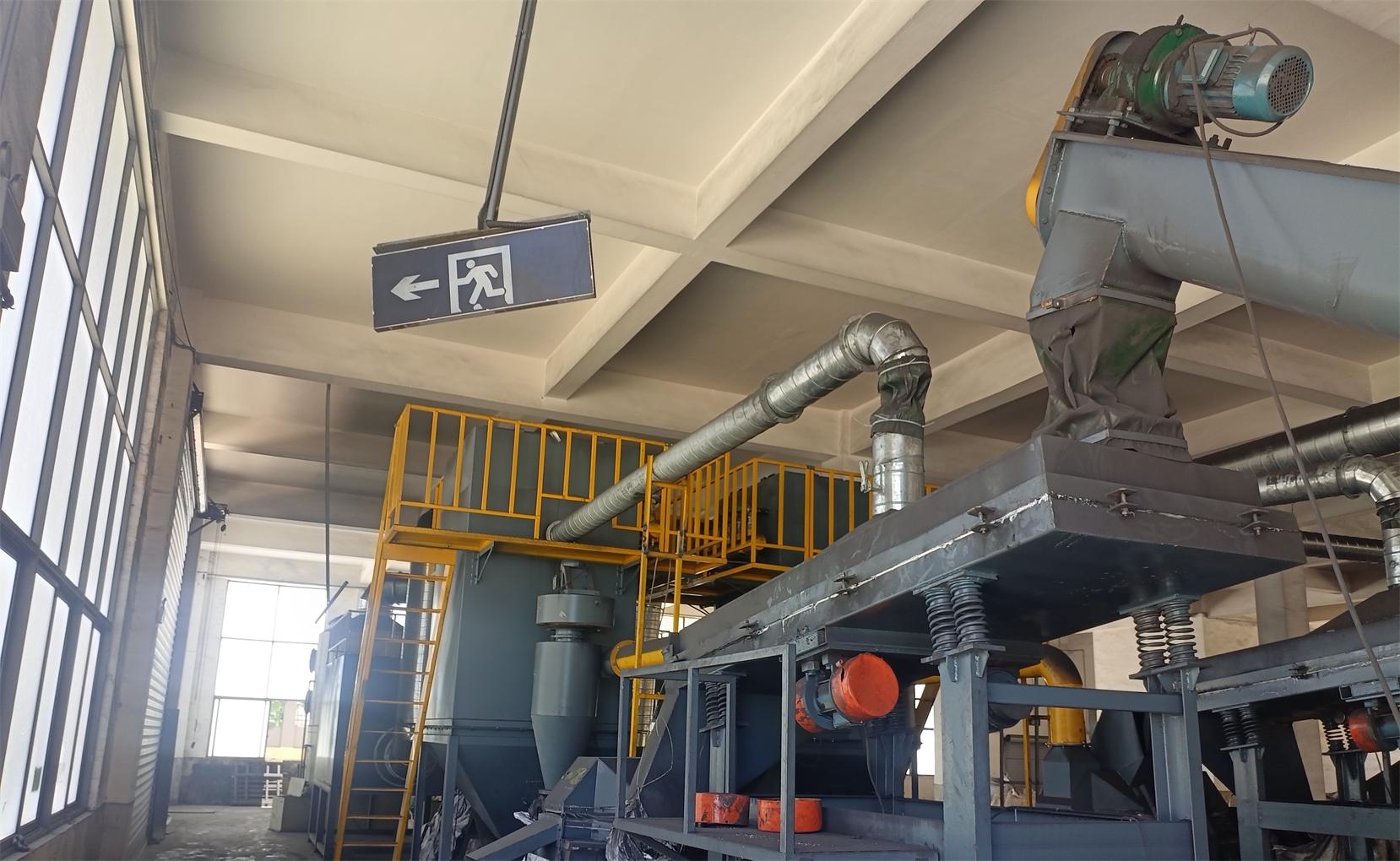
Circuit board recycling equipment uses either dry or wet separation routes. Dry systems employ air separators, vibrating screens, electrostatic separators, cyclones, and pulse bag dust collectors. They avoid water consumption and effluent treatment but require tight dust containment. Wet systems use water-based metal separation and can achieve higher copper powder purity — typically 96–98% — with recovery rates around 95%.
Capacity options range from 300 kg/hour for compact operations up to 2,000 kg/hour for industrial-scale plants. The choice between dry and wet depends on local water availability, environmental regulations, and whether the operator already has wastewater treatment infrastructure on site.
2.4 Cable and Wire Processing
Cable recycling equipment covers two main approaches: stripping for large-diameter cable, and granulation for mixed wire scrap. Scrap cable strippers handle diameters from 1.5 mm to 150 mm, separating copper or aluminum from plastic insulation at throughputs up to 15,000 kg per ten-hour shift.
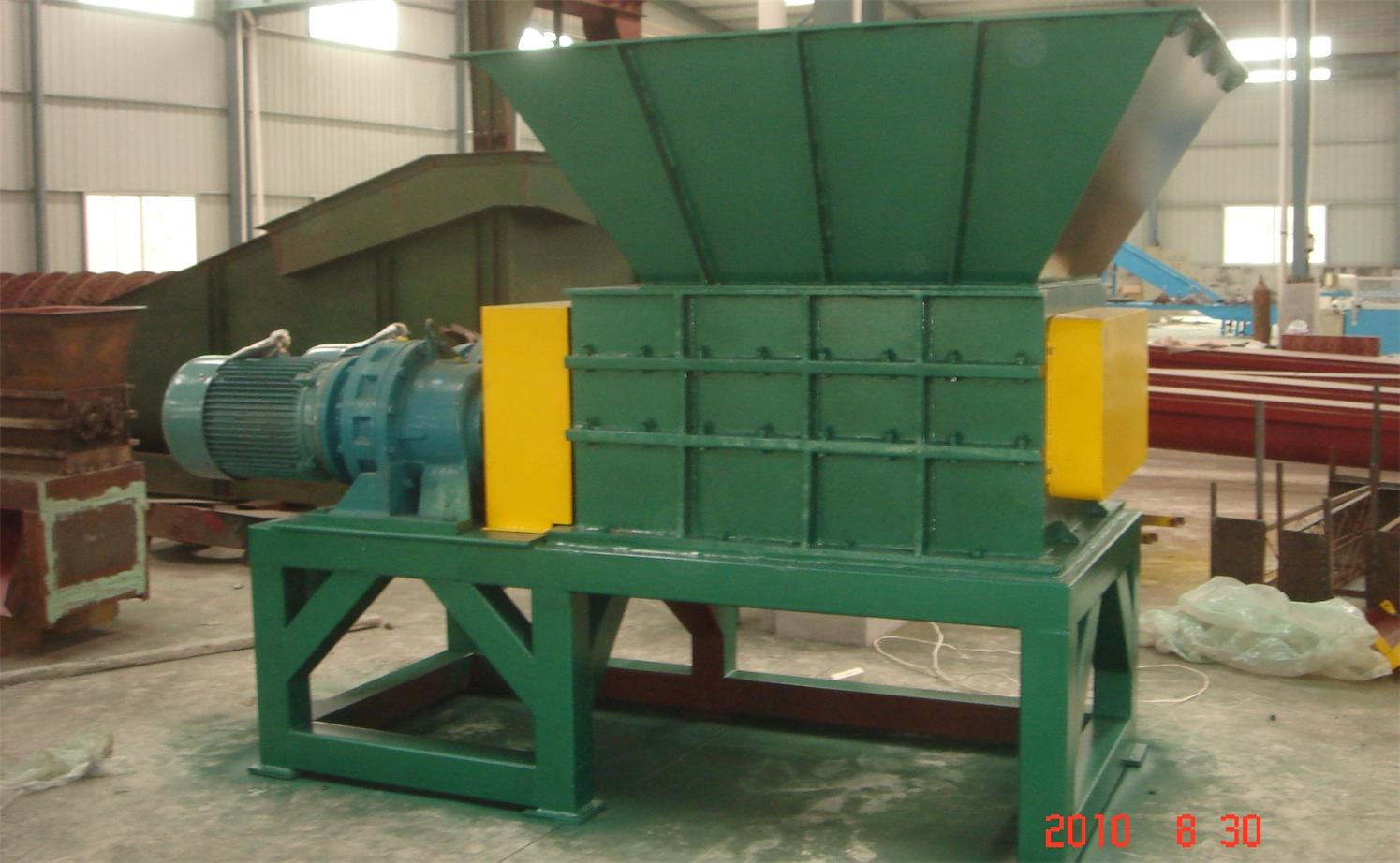
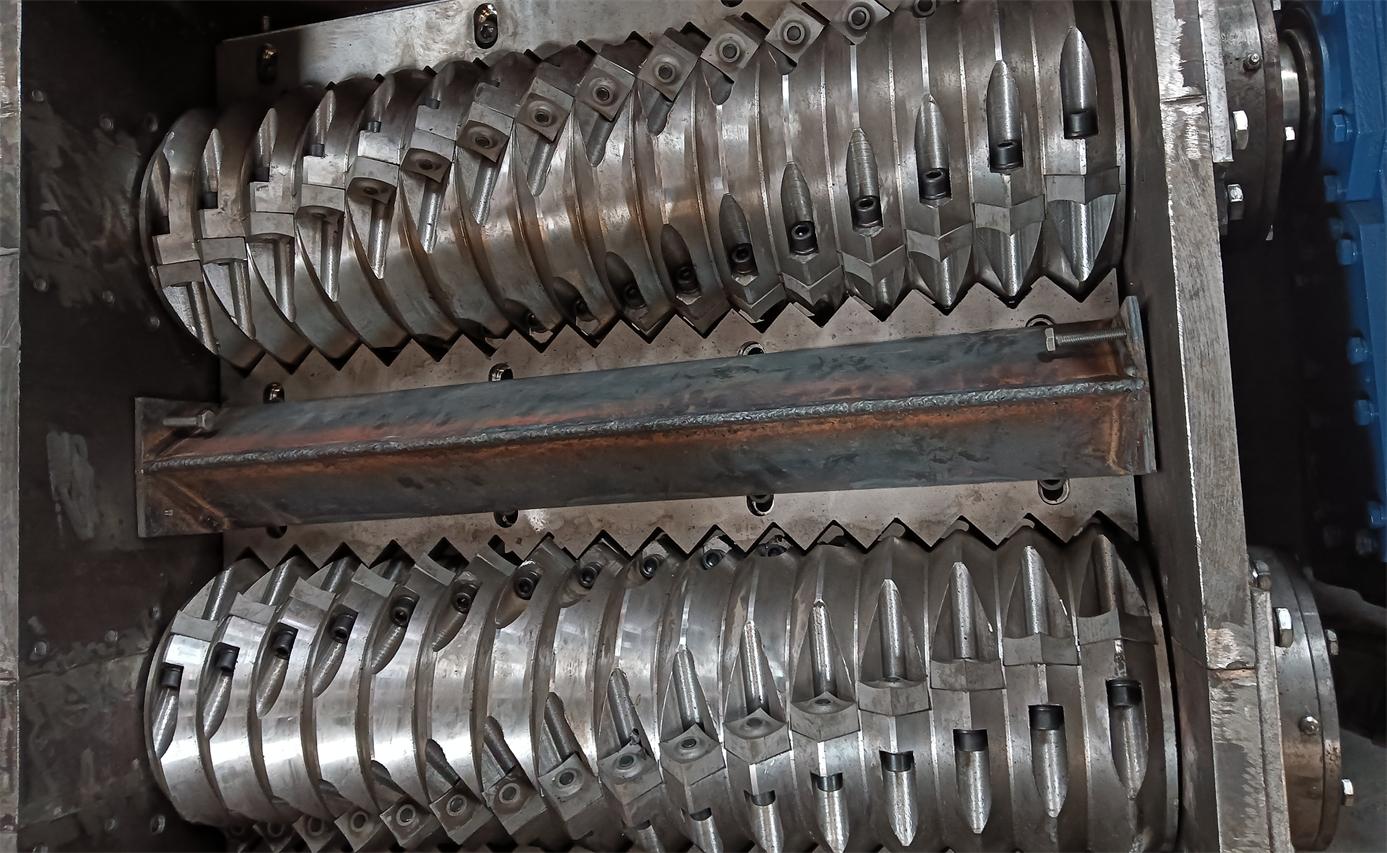
For fine and mixed wire, granulators with dry separators chop cable into small fragments and then classify by density and magnetic properties. Compact units process 100–200 kg/hour, while industrial granulators reach 1,200 kg/hour or more. Pre-shredding with single-shaft or dual-shaft shredders is often required for armored cable or tightly wound bundles.
3. Plant Architecture: Three Proven Models
Based on capital availability, feedstock access, and regulatory environment, most new entrants choose one of three architectures:
| Model | Description | Typical Investment Level | Regulatory Complexity |
|---|---|---|---|
| Specialized Single-Stream Plant | Dedicated to one feedstock (e.g., lead acid batteries or cables). Uses standardized machinery packages, fastest commissioning. | Moderate | Medium |
| Integrated Multi-Stream Facility | Separate lines for batteries, PCBs, and cables under one roof. Shared utilities and pollution control, higher throughput. | High | High |
| EPC Turnkey Installation | Engineering, procurement, and construction handled by an experienced supplier. Includes custom design, installation, commissioning, and operator training. | Variable | Managed by EPC partner |
The EPC route is particularly attractive for first-time operators or investors entering a new geography. An experienced EPC partner handles layout optimization, local regulatory compliance, utility integration, and workforce training — reducing the risk of cost overruns and delayed start-up.
4. Pollution Control and Permitting
Environmental compliance is not an afterthought; it shapes equipment selection, plant layout, and operating cost structure from the outset. Lead acid battery recycling, for example, requires acid neutralization, SO2 scrubbing, and particulate filtration. Lithium battery crushing demands organic vapor capture and fluorine treatment. PCB dry separation needs high-efficiency dust collection with pulse bag or cartridge filters.
Operators who treat pollution control as a core process rather than a regulatory burden generally find it easier to secure permits, renew licenses, and attract institutional investment. Modern air pollution control systems are designed as modular add-ons to primary process equipment, making retrofitting possible if regulations tighten during the plant lifecycle.
5. What to Look for in an Equipment Partner
The difference between a profitable recycling line and a stranded asset often comes down to supplier capability. When evaluating equipment vendors, consider the following criteria:
- Technical depth: Does the supplier employ mechanical engineers with direct experience in your target waste stream? A generic machine builder may offer attractive pricing but lack the process knowledge to optimize recovery rates.
- Reference installations: Request case studies or site visits to operating plants. A supplier with 21+ countries of installation experience has likely encountered — and solved — the integration challenges you will face.
- EPC capability: Can the supplier deliver a full turnkey project, or only individual machines? Turnkey capability reduces interface risk between mechanical, electrical, and environmental subsystems.
- After-sales support: Spare parts availability, remote diagnostics, and on-site commissioning support determine how quickly you recover from unplanned downtime.
- Feedstock and offtake assistance: Some suppliers go beyond equipment to help clients source waste material and sell recovered outputs such as copper rice, lead ingots, or black mass. This ecosystem support accelerates time to profitability.
6. Conclusion: Start with the End in Mind
A successful recycling plant is built backwards from the desired output: specified metal purity, target throughput, and permitted emission limits. Once these endpoints are defined, the equipment chain — breaking, separation, smelting or refining, and pollution control — can be engineered with confidence.
The global e-waste and battery recycling market continues to expand, driven by regulatory pressure, resource scarcity, and corporate sustainability commitments. Operators who enter now with proven equipment, solid environmental controls, and experienced technical partners are positioning themselves to capture value from a waste stream that will only grow in volume and complexity over the next decade.
San Lan Technologies Co., Ltd. manufactures complete recycling plants for lead acid batteries, lithium-ion batteries, circuit boards, cables, and additional e-waste streams. With over 15 years of mechanical engineering experience and installations across 21 countries, we provide equipment packages, EPC turnkey solutions, and full after-sales support. Contact our team to discuss your feedstock, capacity targets, and regulatory environment — and receive a customized equipment proposal tailored to your operation.