The fastest-growing waste stream on the planet is not plastic or paper. It is electronic waste. Every year, millions of tons of discarded batteries, circuit boards, cables, and appliances pile up in landfills, leaking heavy metals and rare materials back into the soil. For investors and entrepreneurs who see the problem clearly, this is not an environmental crisis alone. It is a supply chain opportunity.
Yet many first-time buyers make the same expensive mistake: they treat a recycling plant as a shopping list of machines. They compare crushers, separators, and smelters as if price per unit were the only metric that matters. A recycling equipment supplier who truly understands the business will tell you otherwise. Performance is determined not by any single machine, but by how the entire system synchronizes to transform complex feedstock into high-purity, sellable output.
Why Standalone Machines Fail Without System Integration
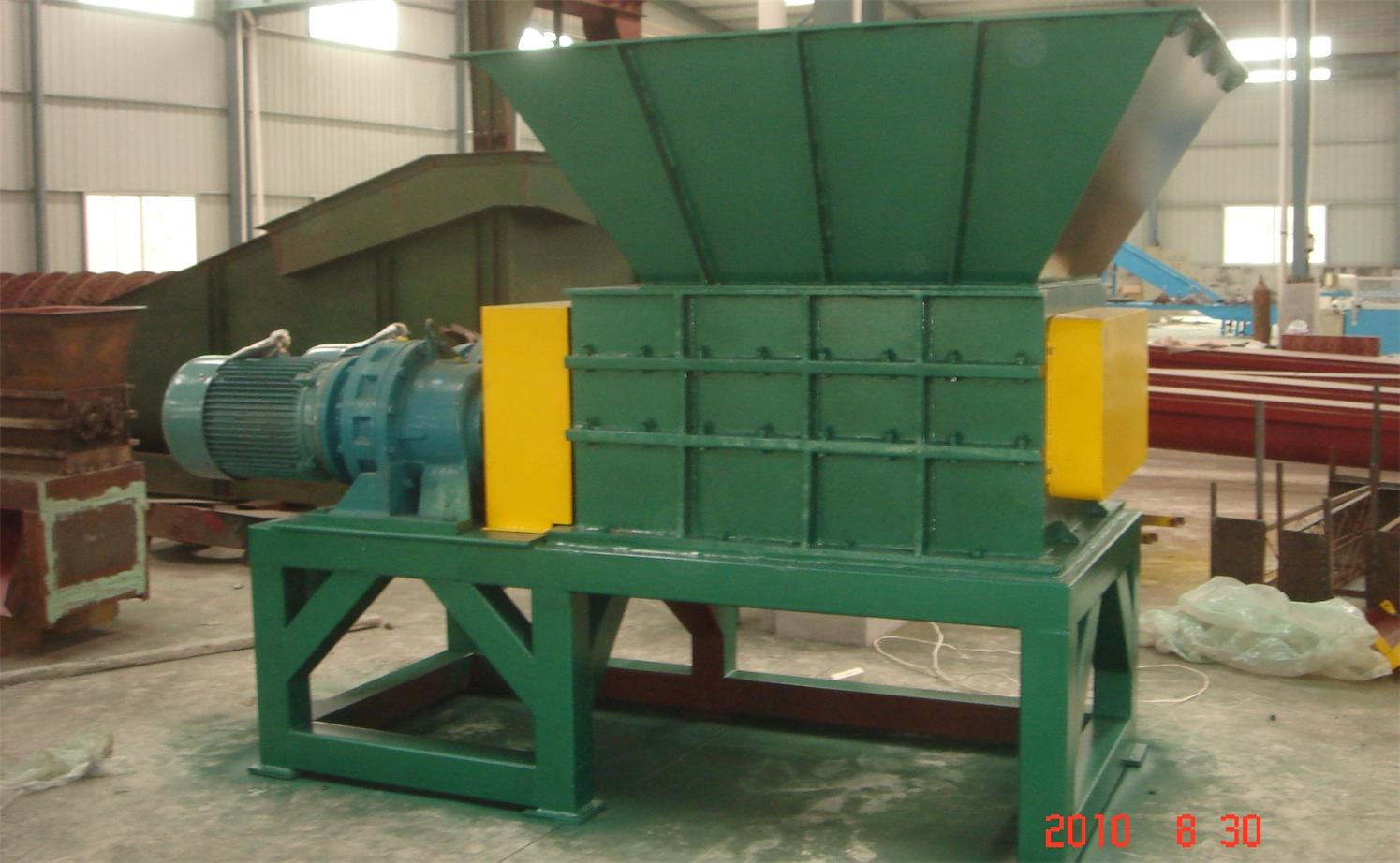
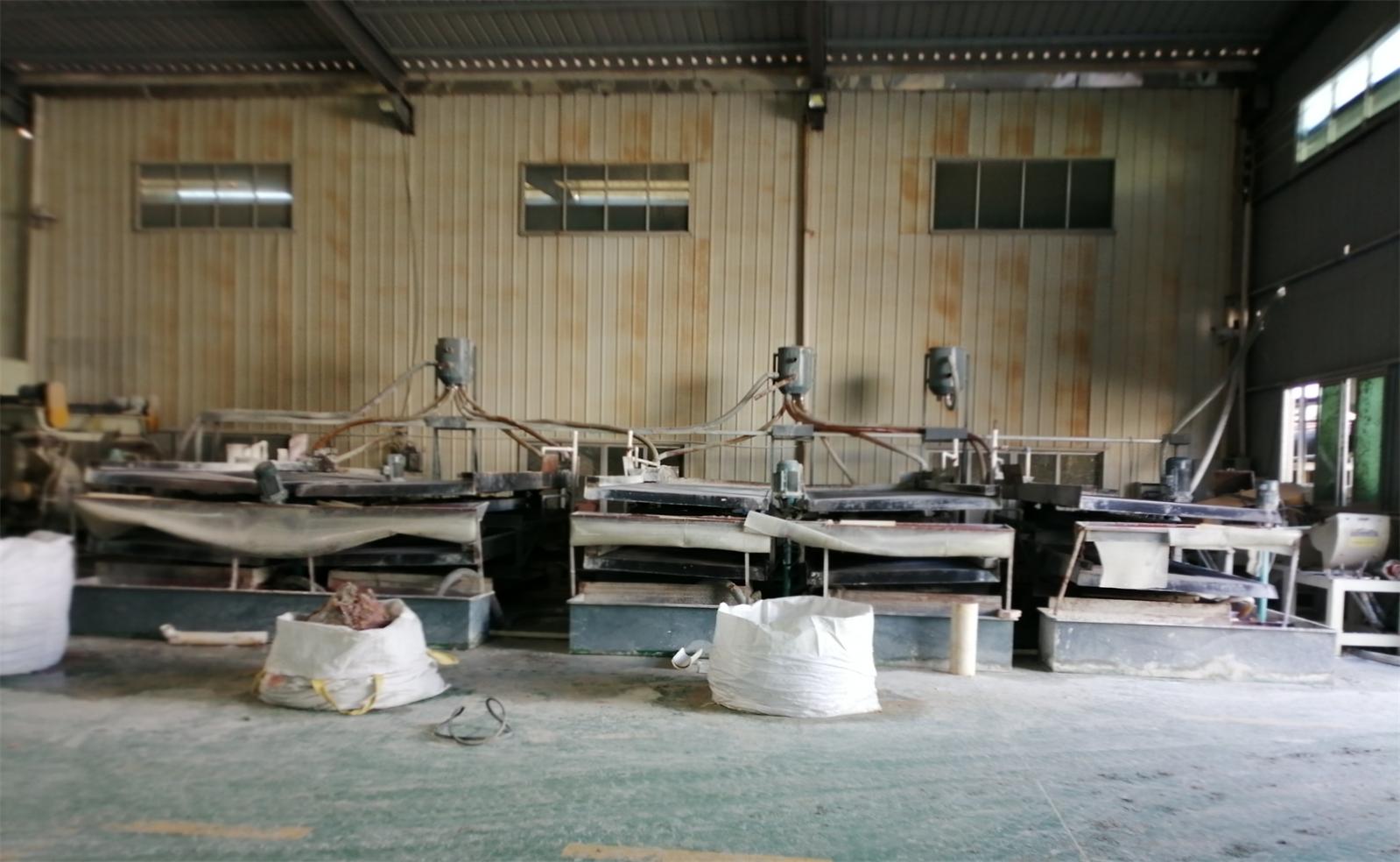
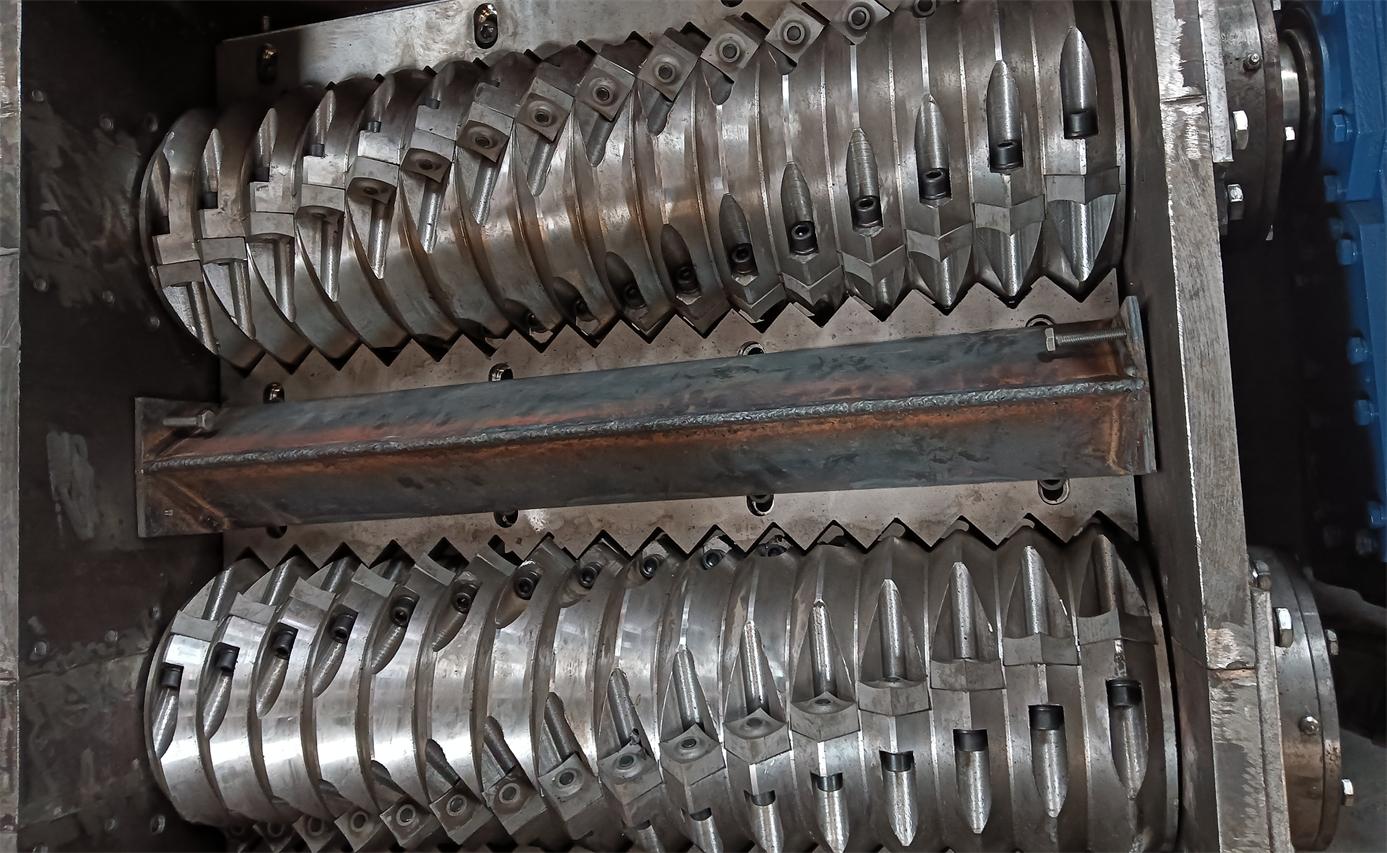
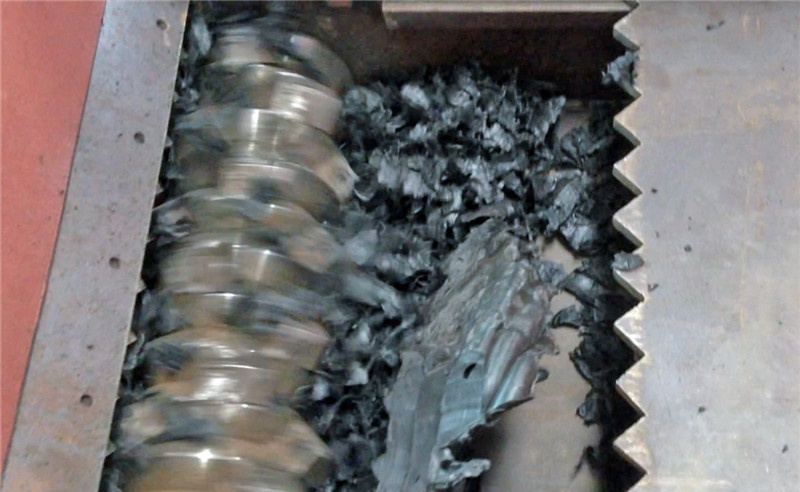
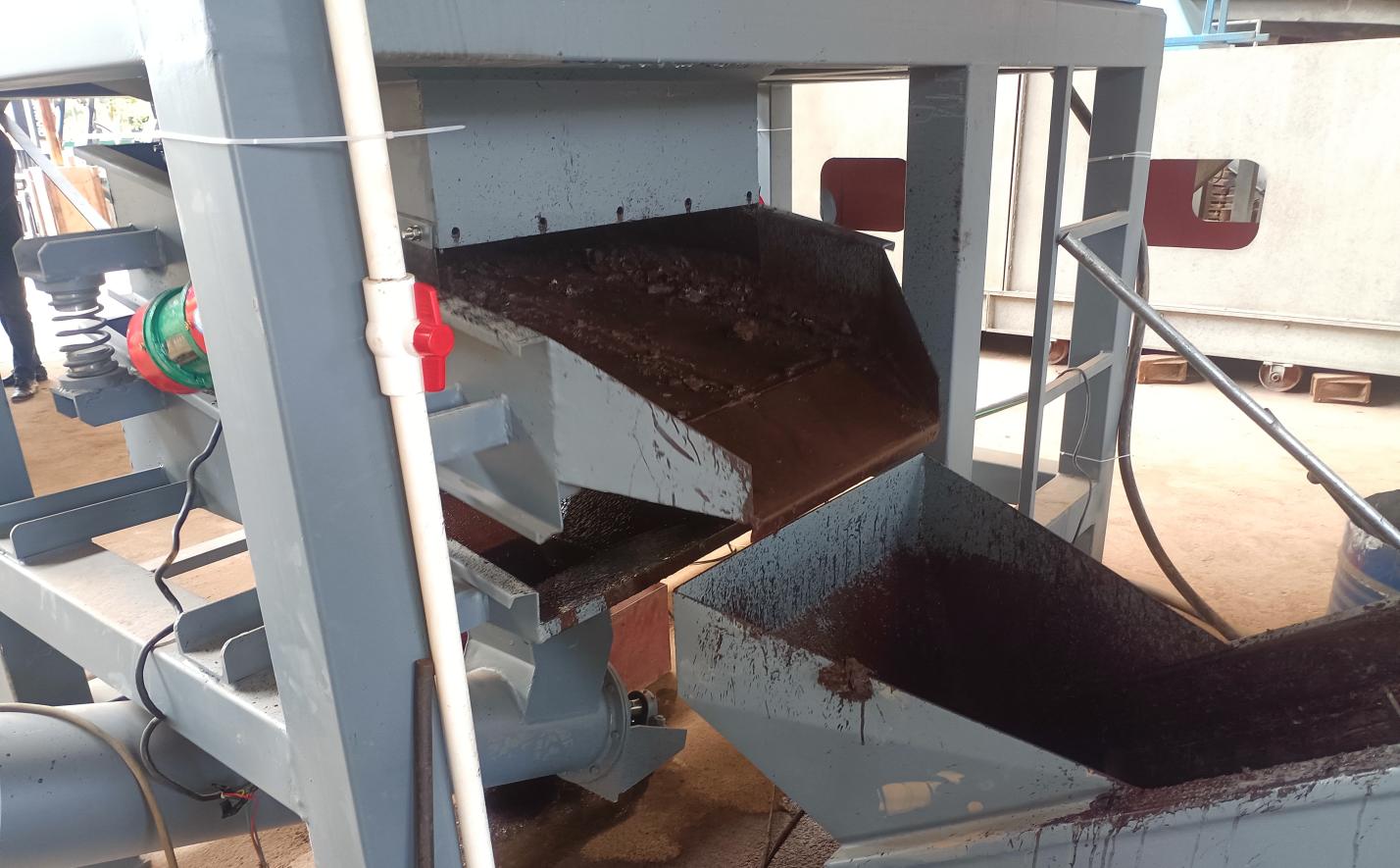
A lead acid battery breaking system with poorly matched separation stages will lose lead paste to the plastic fraction. A circuit board granulator without precise air or water separation will produce contaminated copper powder that no smelter wants. A cable recycling line with the wrong pre-shredder will jam every third hour. These are not hypothetical scenarios. They are the daily reality of plants built from mismatched catalogs.
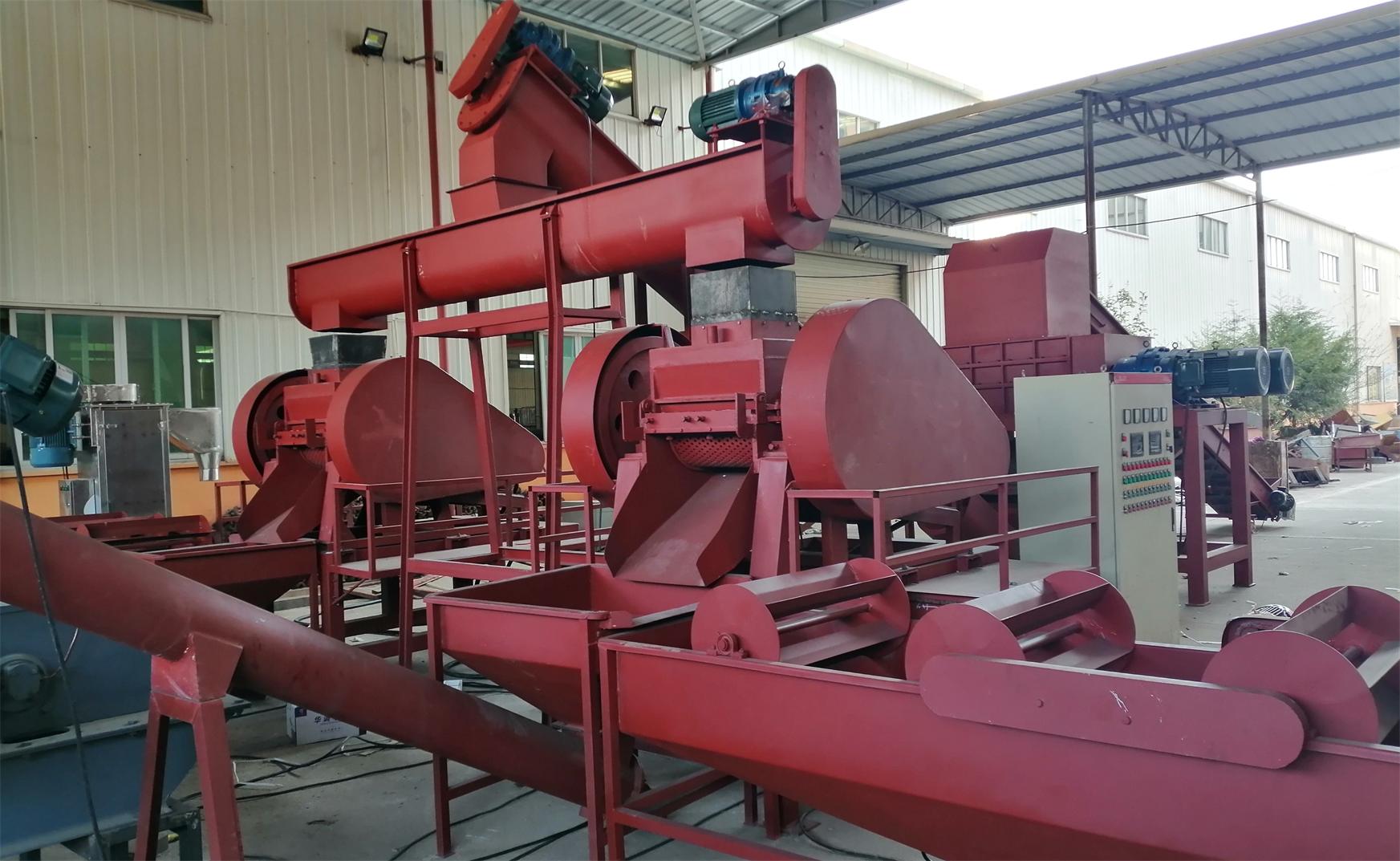
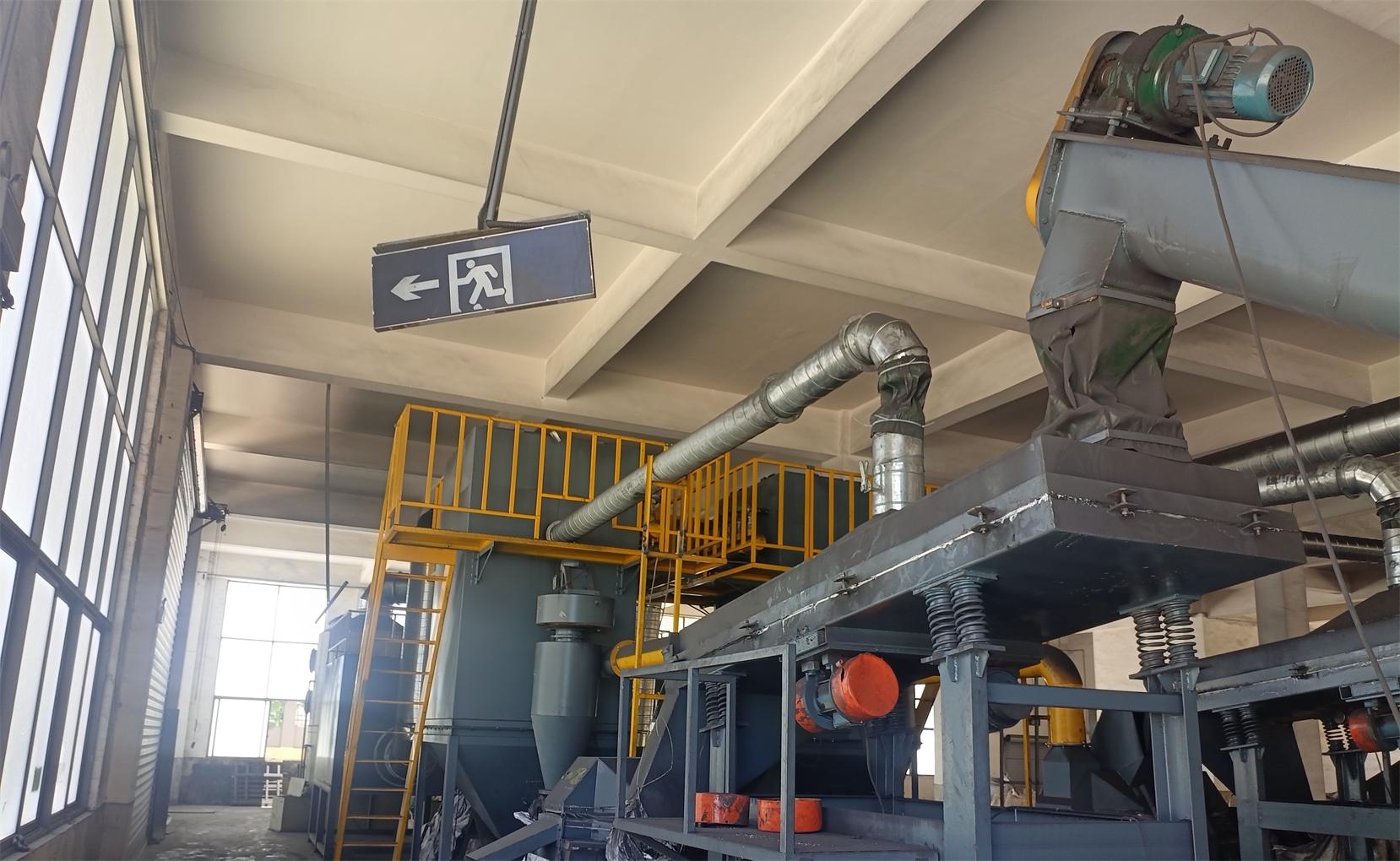
The transition from standalone units to a fully integrated plant is the only path to long-term profitability. This means every conveyor angle, transfer point, separation stage, and pollution control unit must be engineered for the specific material you intend to process. It also means the plant must comply with local environmental regulations from day one, not as an afterthought.
Four E-Waste Streams That Reward Proper Equipment Investment
Not all recycling lines are equal, and not all materials offer the same return. Here are four streams where the right technology, correctly integrated, turns cost into margin:
Six Signs You Are Talking to a Partner, Not Just a Vendor
The recycling machinery market is crowded with brokers who import standard units and re-sell them with a markup. A genuine plant partner behaves differently. Here is what to look for:
1. In-house technical mastery. Ask who designed the line. If the answer is a nameless overseas factory, you are buying blind. Look for a supplier whose technical team holds advanced degrees in mechanical engineering and has spent more than fifteen years solving e-waste processing problems in the field.
2. EPC project experience. Engineering, Procurement, and Construction capability means the supplier can design your plant layout, specify every component, manage installation, and commission the line until it hits design throughput. This eliminates the finger-pointing that happens when three separate contractors fail to coordinate.
3. Customized design, not catalog assembly. Your feedstock, local climate, power supply, labor costs, and environmental regulations are unique. A partner reverse-engineers the plant from your desired output and constraints, rather than forcing your operation to fit a pre-built template.
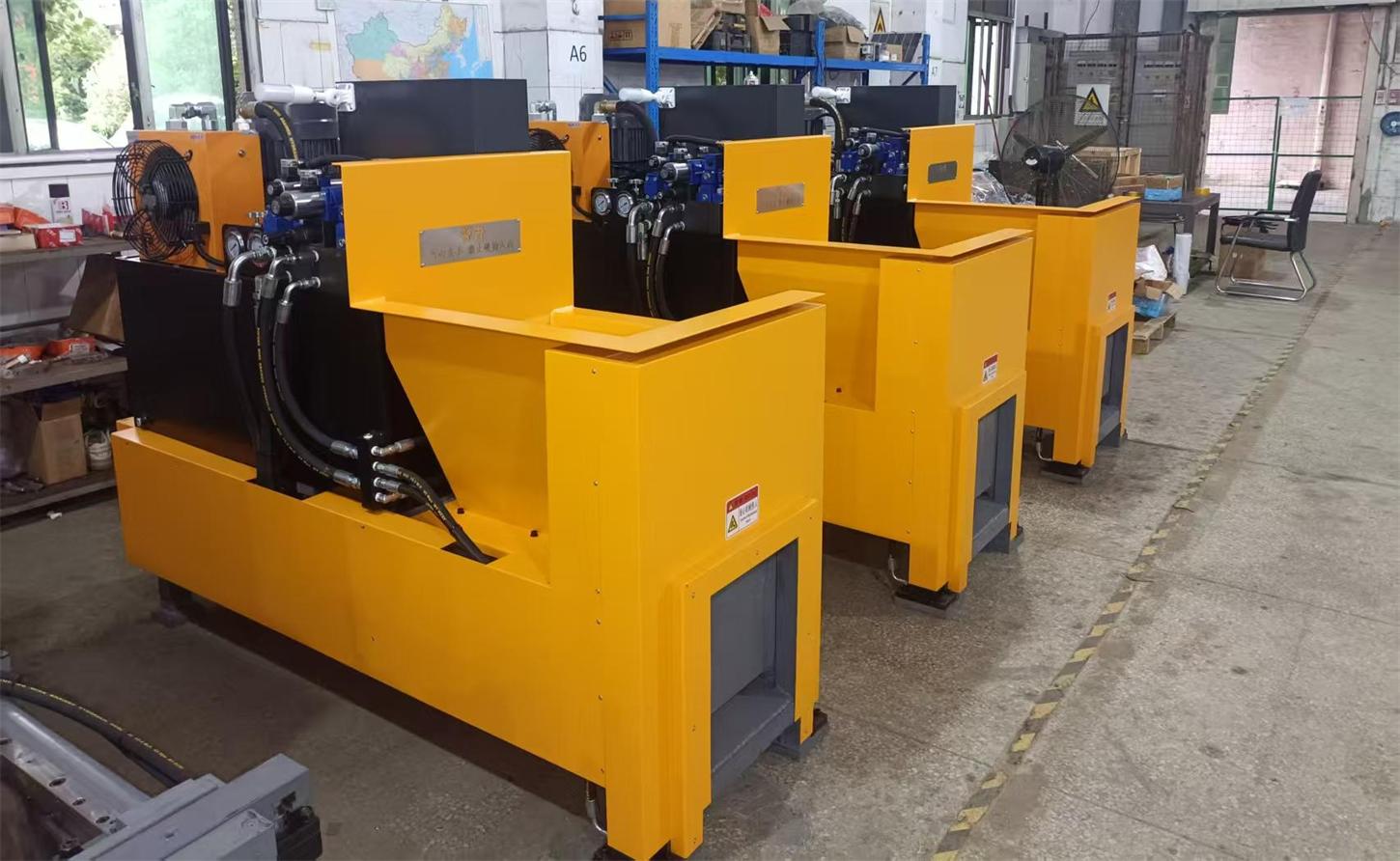
4. One-stop purchasing and logistics. Managing dozens of purchase orders across borders is a full-time job. A partner with one-stop capability delivers the shredder, the separator, the pollution control system, the water treatment plant, and the melting furnace as a single coordinated project.
5. Feedstock and offtake assistance. This is the rarest and most valuable service. Some experienced suppliers help new plant owners source waste material, such as cable scrap, PCB scrap, or used lead acid batteries, in the startup phase. They also help sell the recovered product, whether copper rice, lead ingots, or aluminum granules, into established smelter networks.
6. Installation, training, and aftermarket support. A machine that sits in a crate because no one knows how to wire it is just expensive scrap metal. Partners provide on-site installation, operator training, spare parts inventories, and direct engineering access for troubleshooting.
The Full Value Chain: From Waste Material to Marketable Metal
A recycling plant is only profitable when both ends of the pipeline are open. You need reliable inbound feedstock at fair prices, and you need reliable outbound buyers for your recovered metals and plastics. Most equipment vendors disappear the moment the invoice is paid. A true partner understands that your success determines their reputation.
This is why some suppliers go beyond machinery to offer strategic business development support: helping investors structure the project from scratch, identifying local waste streams, connecting with off-take partners, and even facilitating joint ventures or mergers when it is time to scale. If your supplier cannot explain how you will sell what you recover, you are not talking to a partner. You are talking to a salesperson.
Global Experience, Local Accountability
Recycling regulations differ dramatically across markets. What satisfies environmental authorities in Southeast Asia may fail inspection in Latin America or Africa. A supplier with installations in twenty-plus countries has already encountered these variations. They know which emission standards matter, which safety certifications local inspectors expect, and how to design a plant that passes commissioning without costly retrofits.
Equally important is communication. Technical discussions about furnace temperatures, separation curves, or hydraulic pressures require precision. If your supplier is not essentially bilingual, details get lost, and mistakes get built into concrete. Clear, direct communication across time zones is not a luxury. It is project insurance.
Make the Plant Work Before the Spades Hit the Ground
The most successful recycling facilities share one trait: they were engineered as complete systems, not assembled from individual machines bought at the lowest price. Every conveyor, separator, and pollution control unit was selected to work with the others. Every layout decision was made with the operator's daily workflow in mind. Every environmental risk was addressed in the design phase, not after the first regulatory visit.
If you are planning a new e-waste recycling facility or upgrading an existing operation, the design of your system will determine your long-term performance. The right recycling equipment supplier does not just sell you machines. They engineer your margin, manage your risk, and stand behind the line until it performs as promised.
Ready to build a recycling plant that actually makes money? San Lan Technologies Co., Ltd has been designing, manufacturing, and commissioning integrated e-waste recycling plants since 2007. With customers in more than twenty countries, a technical team led by mechanical engineering specialists, and full EPC capability, we deliver turnkey solutions for lead acid battery, lithium battery, circuit board, and cable recycling. Contact us today to discuss your material, your throughput targets, and your local regulatory requirements. We will reverse-engineer a plant that fits your market, not ours.