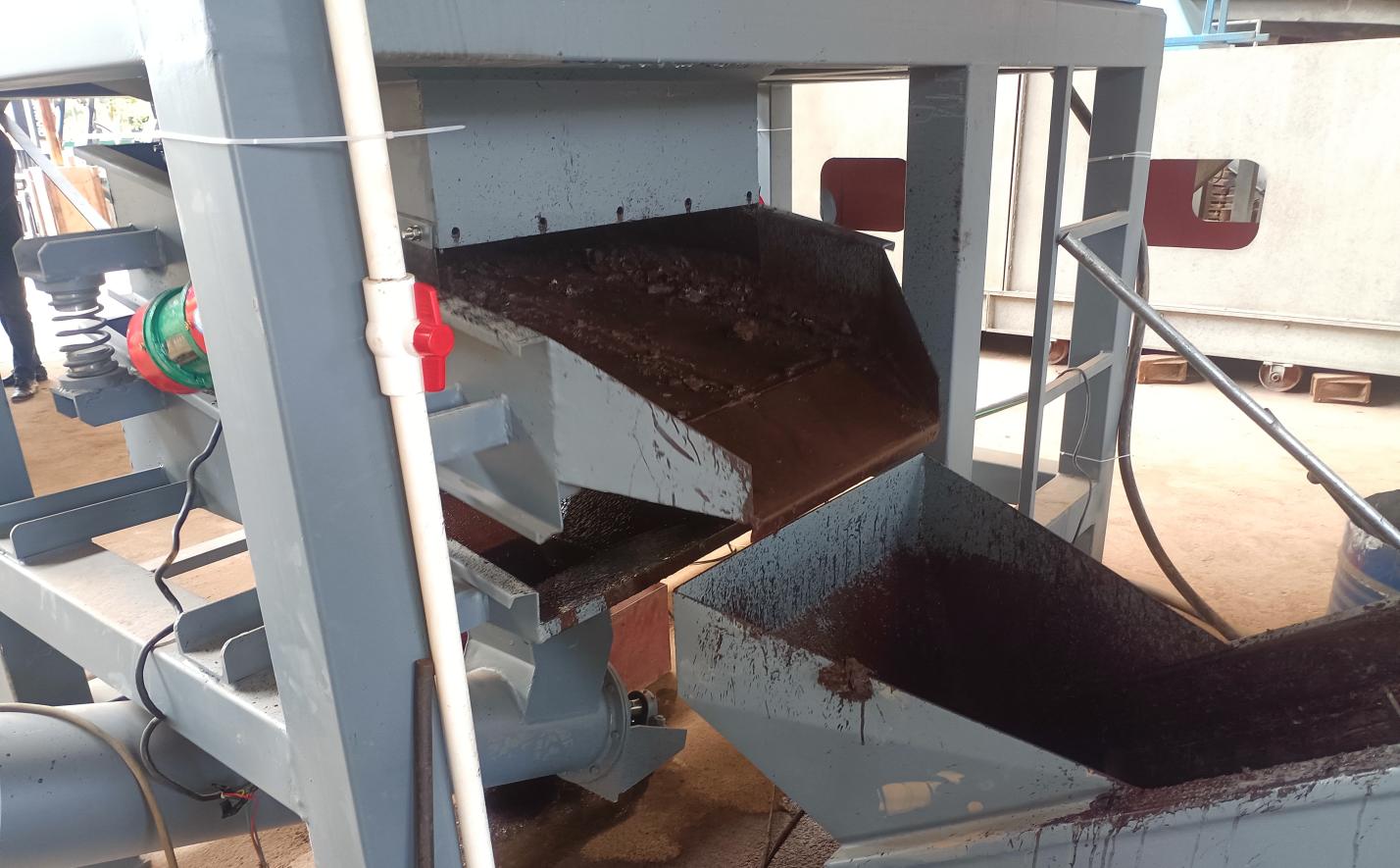
Electronic waste is the fastest-growing waste stream on the planet. As regulations tighten and raw material prices fluctuate, businesses around the world are discovering that e-waste is not just an environmental challenge—it is a significant economic opportunity. Whether you are processing used lead acid batteries, scrap cables, or discarded circuit boards, the right recycling equipment can transform waste into valuable commodities while ensuring compliance with environmental standards.
However, performance in the recycling industry is no longer defined by a single machine. Long-term profitability depends on how effectively an entire system synchronises to transform raw feedstock into high-purity, high-value output. This article explores the core equipment categories every operator should consider and explains why a strategic partnership with an experienced recycling equipment supplier can be the difference between a struggling startup and a thriving recycling operation.
Before investing in machinery, it is essential to understand the composition and value of the materials you intend to process. Different waste streams require fundamentally different mechanical and chemical approaches:
Used Lead Acid Batteries (ULAB): These contain lead grids, lead paste, plastic casings, and sulfuric acid. A complete lead acid battery recycling plant must safely neutralise acid, separate plastic, and recover lead with high purity for resale to smelters.
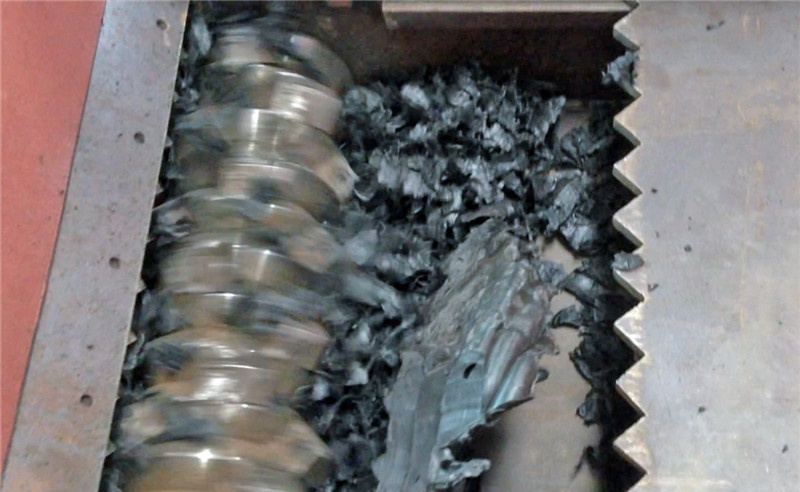
Scrap Cables and Wires: Copper and aluminium are hidden inside plastic or rubber insulation. The goal is to granulate the cable and separate the metal from the insulation with minimal loss.
Printed Circuit Boards (PCB): PCBs contain copper, precious metals, and hazardous substances. Safe mechanical processing requires specialised crushing, separation, and dust control systems.
Lithium-Ion Batteries: With the electric vehicle revolution accelerating, spent lithium batteries represent one of the most valuable emerging waste streams, containing recoverable black mass, copper, aluminium, and plastic.
Selecting the right equipment for each stream is critical. Below are the three foundational categories that form the backbone of most profitable e-waste recycling operations.
Lead Acid Battery Recycling Equipment
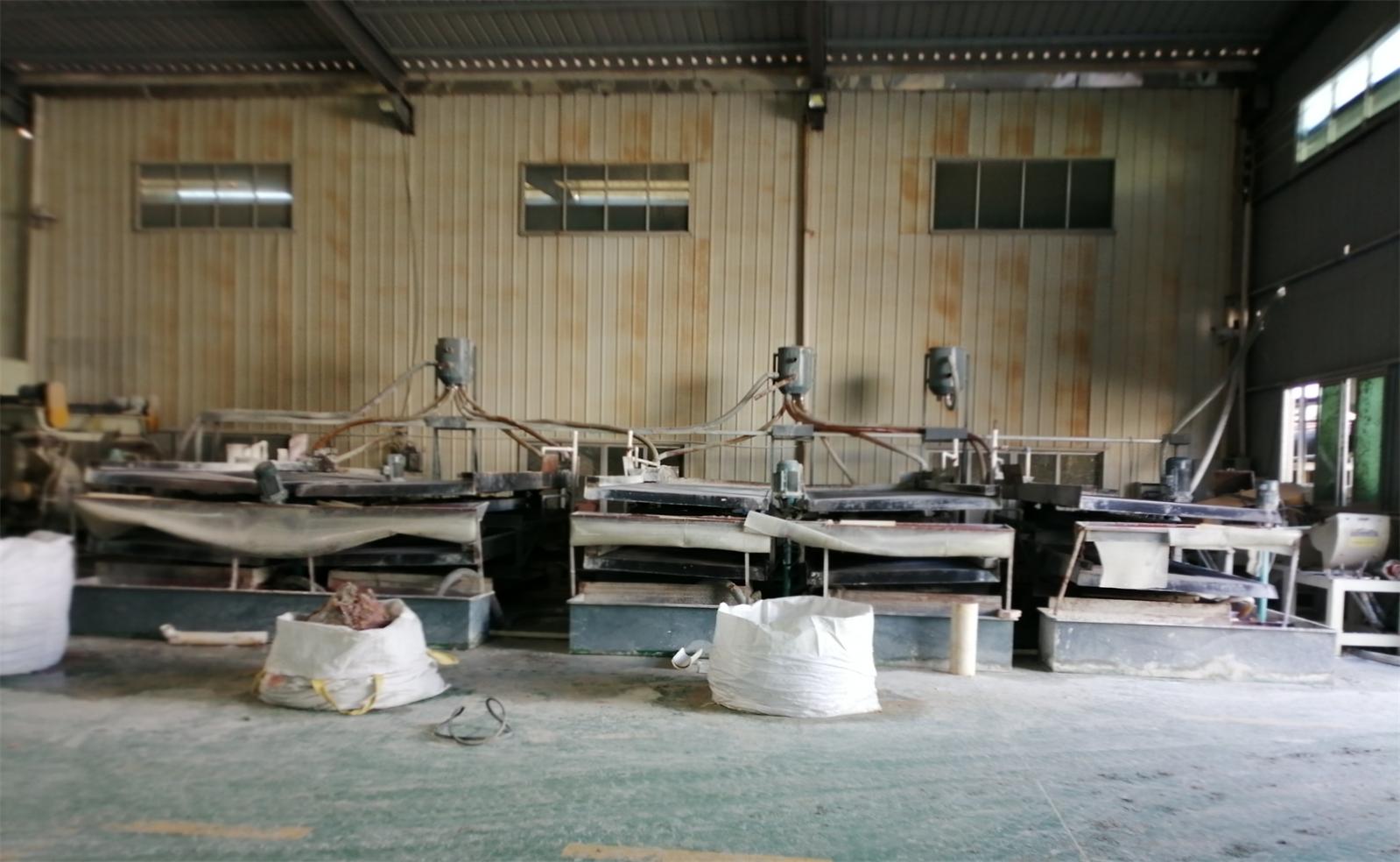
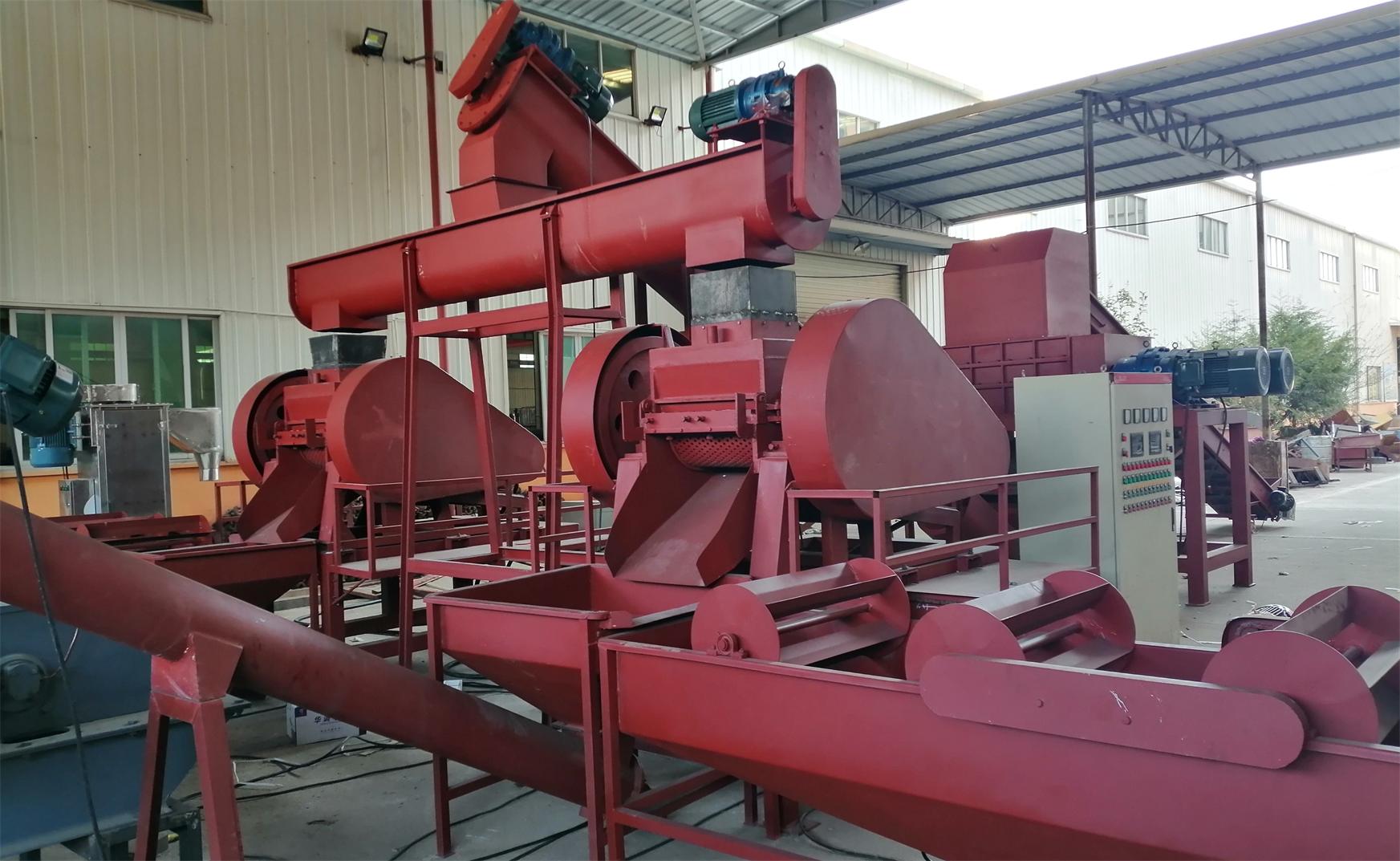
A modern lead acid battery recycling equipment line typically includes a battery breaking and separation system, a de-sulfurization unit, a rotary furnace or blast furnace for lead smelting, a lead refinery kettle, and an air pollution control system. Capacity generally ranges from 1 to 10 metric tons per hour, with lead recovery rates reaching 95% in well-designed systems. Water treatment plants are also essential to handle acidic wastewater generated during the breaking process, ensuring environmental compliance.
Cable Recycling Equipment
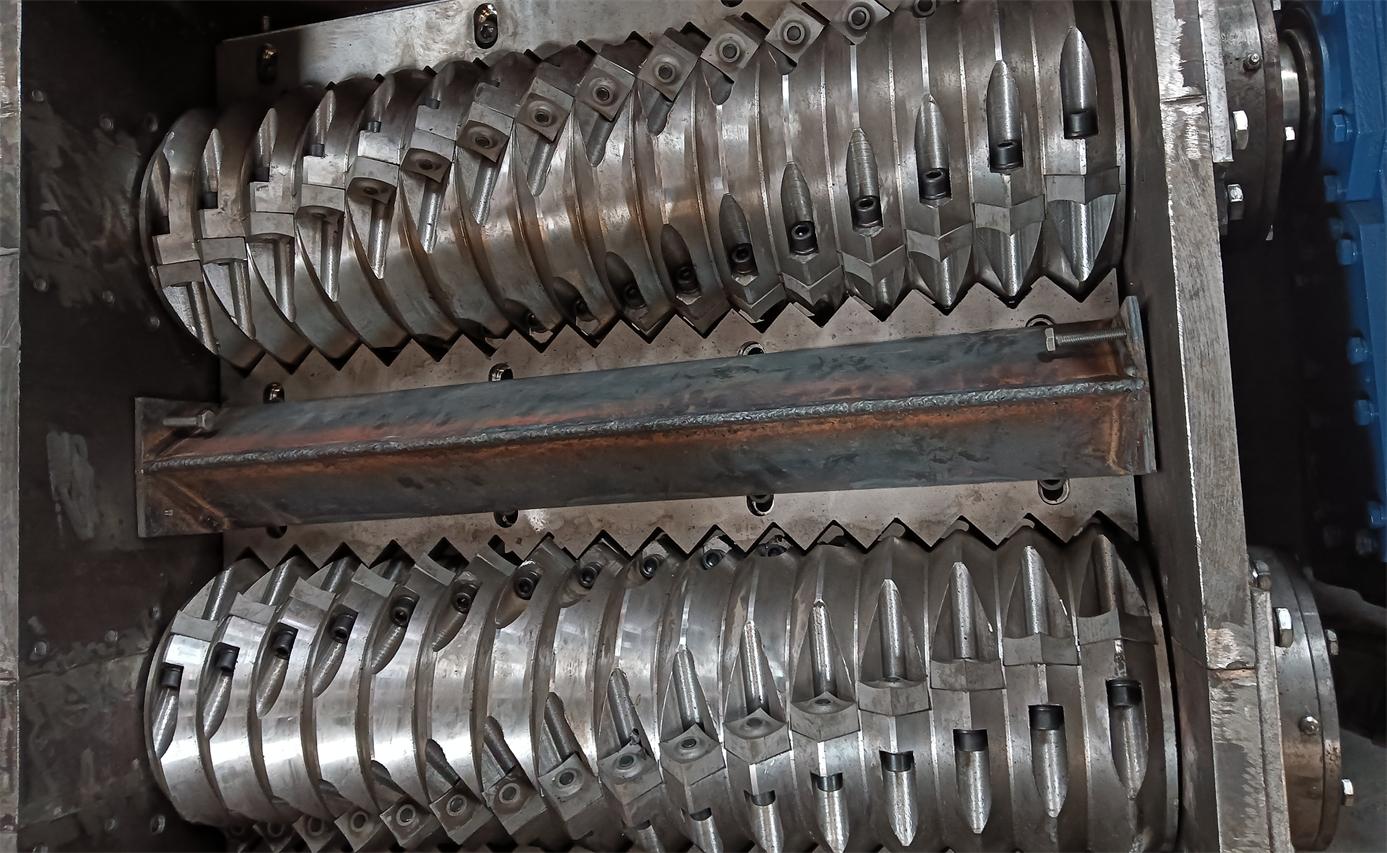
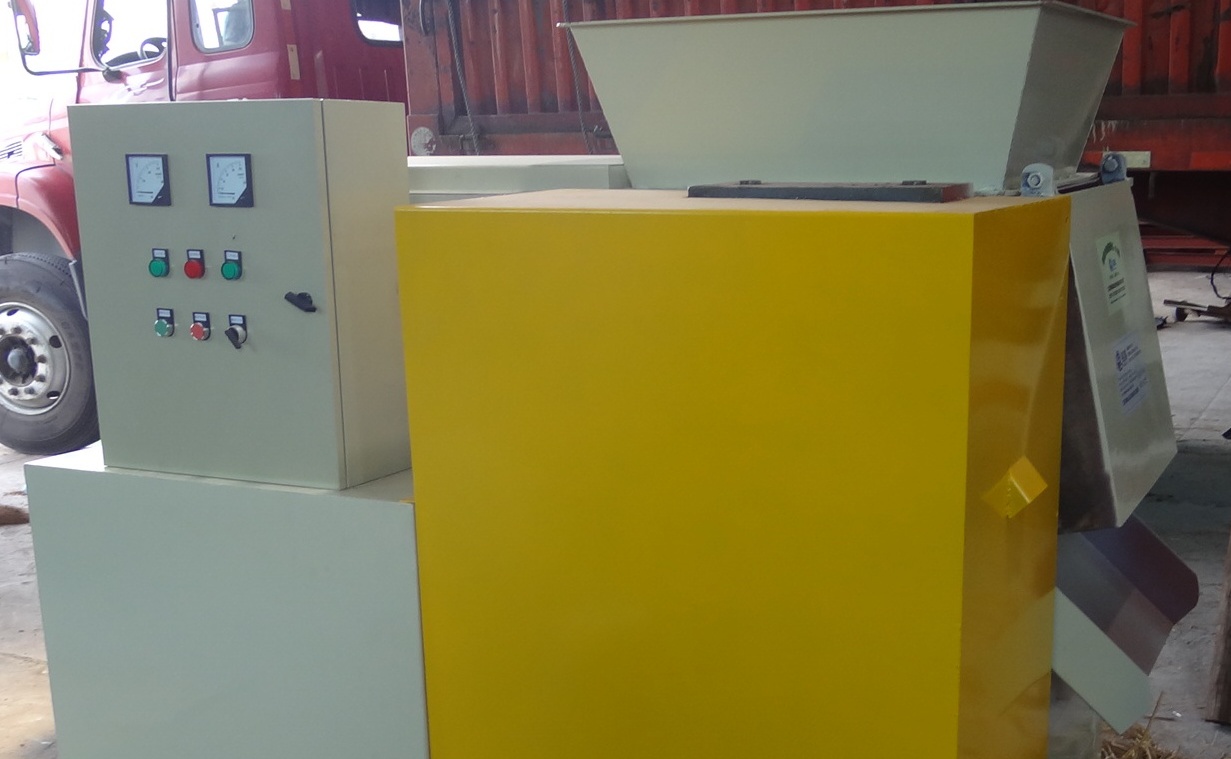
For operators focused on copper and aluminium recovery, cable recycling equipment ranges from simple scrap cable strippers for large-diameter wires to compact cable granulators with dry separators that process mixed scrap automatically. Advanced granulators can achieve throughputs from 100 kg/hour to over 1,200 kg/hour. Wet separation systems are also available for applications requiring higher copper purity. Choosing between dry and wet separation depends on local water availability, environmental regulations, and the target purity of the final copper product.
Circuit Board Recycling Equipment
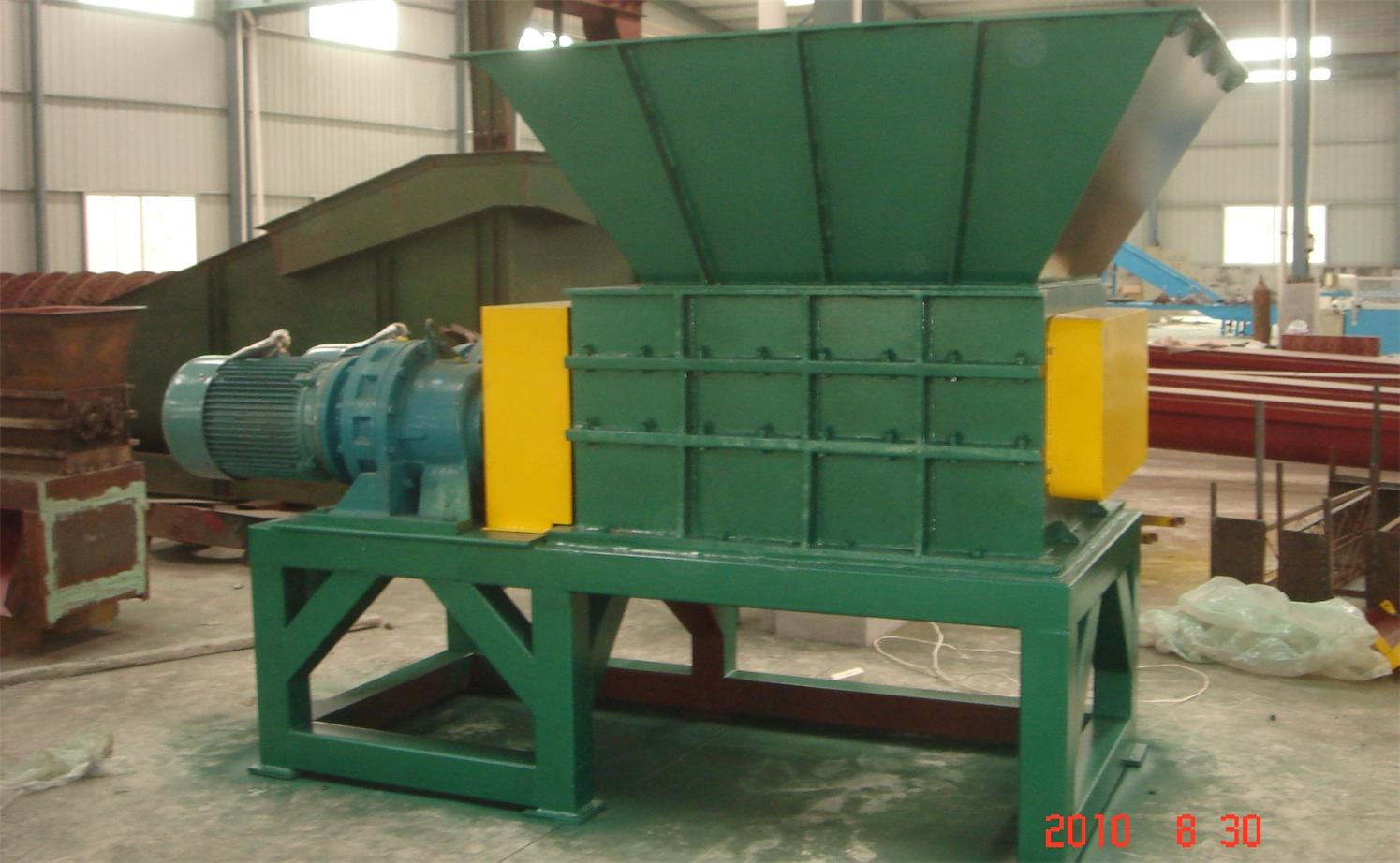
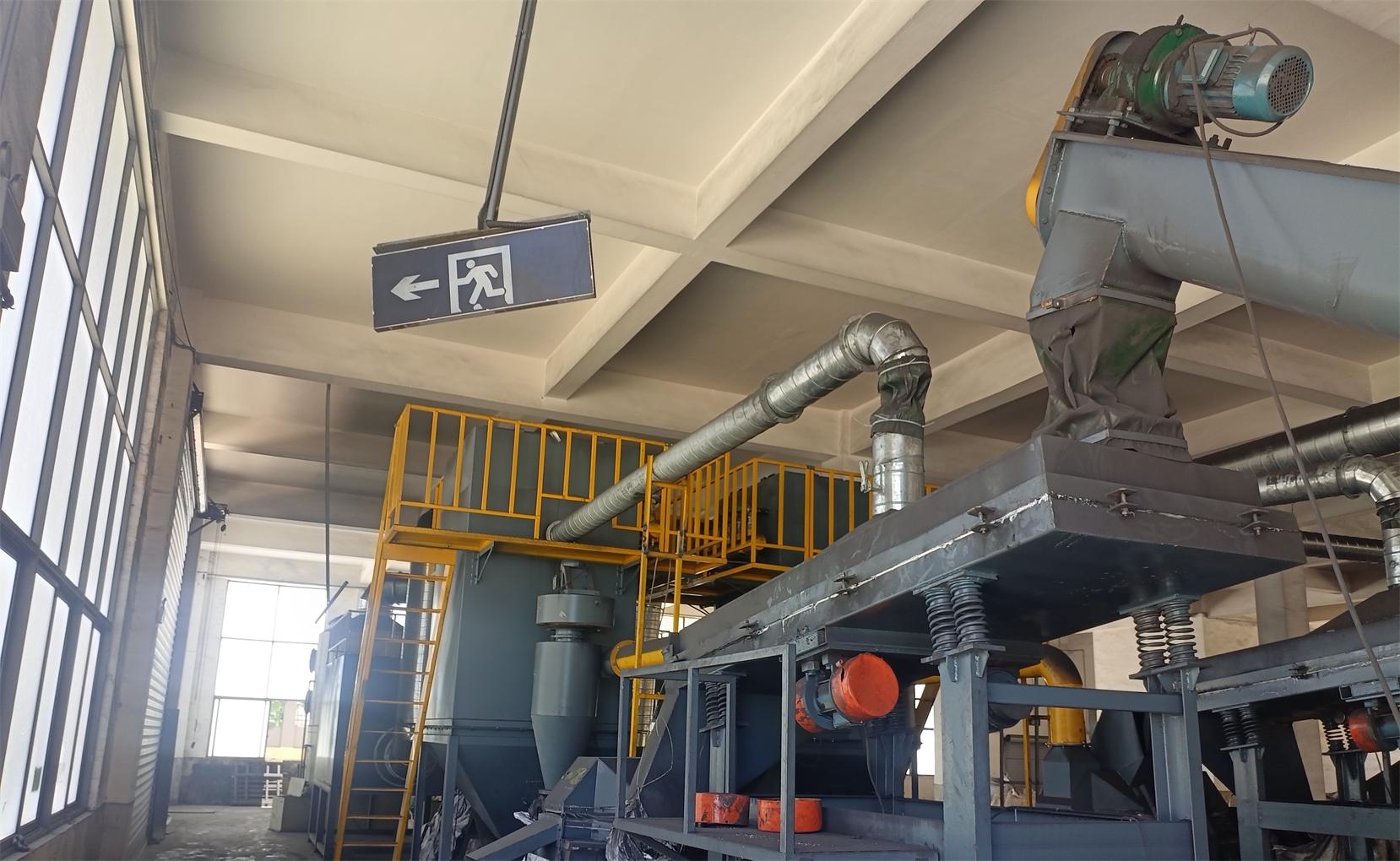
PCB recycling demands a multi-stage approach. Circuit board recycling equipment typically combines mechanical shredding, air separation, electrostatic separation, and dust collection. Dry separation plants can achieve copper powder purity of 96–98% with recovery rates around 95%, while wet separation systems offer alternative pathways for operators handling PCBs with electronic components still attached. Capacity options range from 300 kg/hour to 2,000 kg/hour, making the technology accessible to both small workshops and industrial-scale facilities.
While high-quality machines are essential, they represent only one piece of the puzzle. Many new entrants underestimate the complexity of plant layout, installation, commissioning, and regulatory compliance. This is where an experienced partner offering Engineering, Procurement, and Construction (EPC) services delivers transformative value.
A true turnkey partner does more than ship containers of machinery. They work with you through an iterative design process, ensuring every conveyor angle, transfer point, and separation stage is optimised for your specific material flow. They help you navigate local environmental regulations, design pollution control systems, and train your operators. Some partners even assist with sourcing waste feedstock and finding buyers for your recovered materials—services that can accelerate your path to profitability by months or even years.
For example, if you are building a lead acid battery recycling facility, your partner should help you design not only the breaking and smelting lines but also the acid neutralisation, water treatment, and flue gas cleaning systems required to meet modern emissions standards. Similarly, a lithium battery recycling plant requires careful attention to safety during the discharging and pre-crushing stages, as well as effective air pollution control to manage harmful gases.
The recycling industry is highly localised. Regulations, feedstock availability, and market demand vary dramatically from country to country. A supplier with international project experience brings invaluable insight into these regional differences.
San Lan Technologies Co., Ltd, established in 2007, has delivered recycling and mining equipment to customers in more than 21 countries, including Singapore, Colombia, Vietnam, Mexico, Argentina, Korea, Malaysia, Indonesia, South Africa, India, Kenya, Saudi Arabia, and the Philippines. This global footprint means the company understands the logistical, regulatory, and cultural nuances that can make or break a project.
San Lan's technical team includes professionals with master's degrees in mechanical engineering and over 15 years of hands-on experience in e-waste recycling machine design. The company offers bilingual support in English and Chinese, and its service portfolio extends beyond equipment supply to include customised plant design, one-stop purchasing, installation and commissioning, feedstock sourcing assistance, and even help selling recovered outputs such as copper rice, lead ingots, and aluminium.
When evaluating equipment suppliers, look beyond quoted prices and technical specifications. Ask the following questions:
• Does the supplier offer customised design, or only standard models?
• Can they provide references from projects in your region or with similar waste streams?
• Do they offer installation, commissioning, and operator training?
• Can they assist with sourcing raw materials and selling finished products?
• What is their spare parts availability and after-sales response time?
The cheapest option rarely delivers the lowest total cost of ownership. Downtime, poor recovery rates, and regulatory penalties can quickly erase any initial savings. Investing in a well-engineered system from a proven partner pays dividends over the life of the plant.
The global transition toward circular economies and stricter environmental enforcement is creating unprecedented demand for capable e-waste recycling infrastructure. Success in this space requires more than buying machines—it demands a systems-level approach, deep technical expertise, and a partnership mindset.
Whether you are entering the market with a focus on lead acid batteries, scrap cables, or circuit boards, choosing the right recycling equipment supplier is the most important decision you will make. Take the time to evaluate potential partners not just on price, but on their ability to guide you from concept to commissioning—and beyond.
Ready to build your recycling plant? San Lan Technologies Co., Ltd offers complete e-waste recycling solutions, from individual machines to turnkey EPC projects. With customers in over 21 countries and more than 15 years of industry experience, we help you turn waste into profit. Contact us today via email at info@san-lan.com or WhatsApp at +86 139 2377 4083 to discuss your project requirements.