Building a Profitable Lead Acid Battery Recycling Plant: Equipment, Process, and Key Considerations
A practical guide for investors, recyclers, and entrepreneurs entering the used lead-acid battery recycling industry
Lead-acid batteries are among the most widely used energy storage devices in the world, powering everything from automobiles and motorcycles to backup power systems and industrial equipment. They account for the largest share of the global battery market by volume — and more importantly, they are one of the most recycled consumer products on the planet. But recycling them safely, efficiently, and profitably at an industrial scale requires the right equipment and a well-designed process flow.
For entrepreneurs, recycling companies, and government bodies looking to establish or upgrade a used lead-acid battery (ULAB) recycling operation, understanding the machinery and the steps involved is the foundation of a successful project. This guide walks through the complete lead-acid battery recycling process, the essential equipment at each stage, and what to evaluate when choosing a lead acid battery recycling equipment supplier.
Why Lead-Acid Battery Recycling Is a Compelling Business
The economic case is straightforward. Every used lead-acid battery contains valuable, recoverable materials — metallic lead grids, lead paste, polypropylene (PP) plastic, and sulfuric acid electrolyte. Once separated and processed, these components can be sold back into the supply chain. Recycled lead, in particular, commands consistent market demand because it can be refined to high purity levels and reused in new battery manufacturing, reducing reliance on virgin lead mining.
On the environmental side, regulations in many countries increasingly mandate proper disposal and recycling of lead-acid batteries. Lead and sulfuric acid are hazardous; improper handling can contaminate soil and groundwater. A compliant recycling plant not only avoids legal penalties but also positions itself as a responsible, future-proof business.
The Six-Stage Lead-Acid Battery Recycling Process
A well-engineered recycling plant follows a systematic flow designed to maximize material recovery while minimizing environmental impact. Below is a stage-by-stage breakdown.
Stage 1 Battery Breaking and Separation
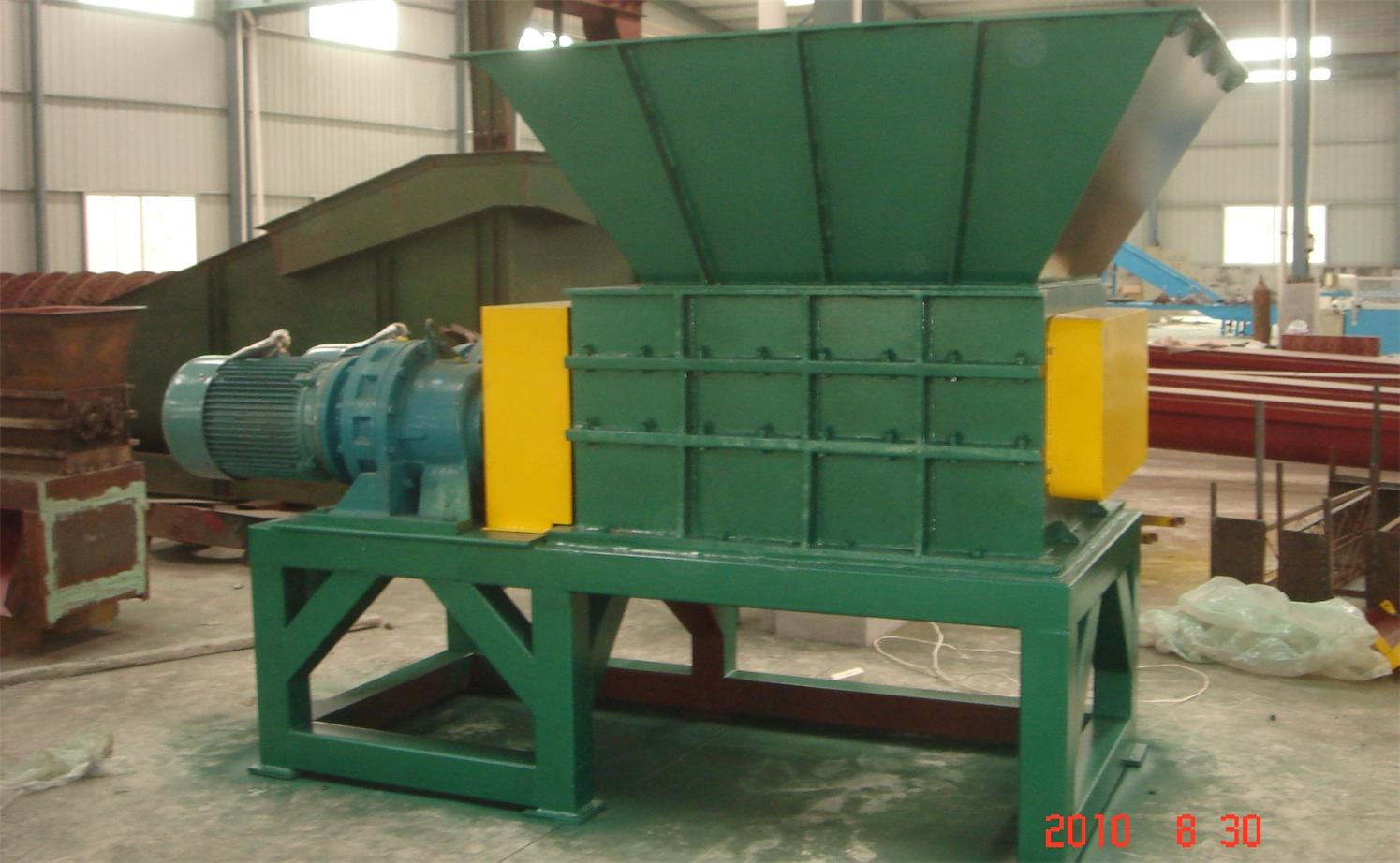
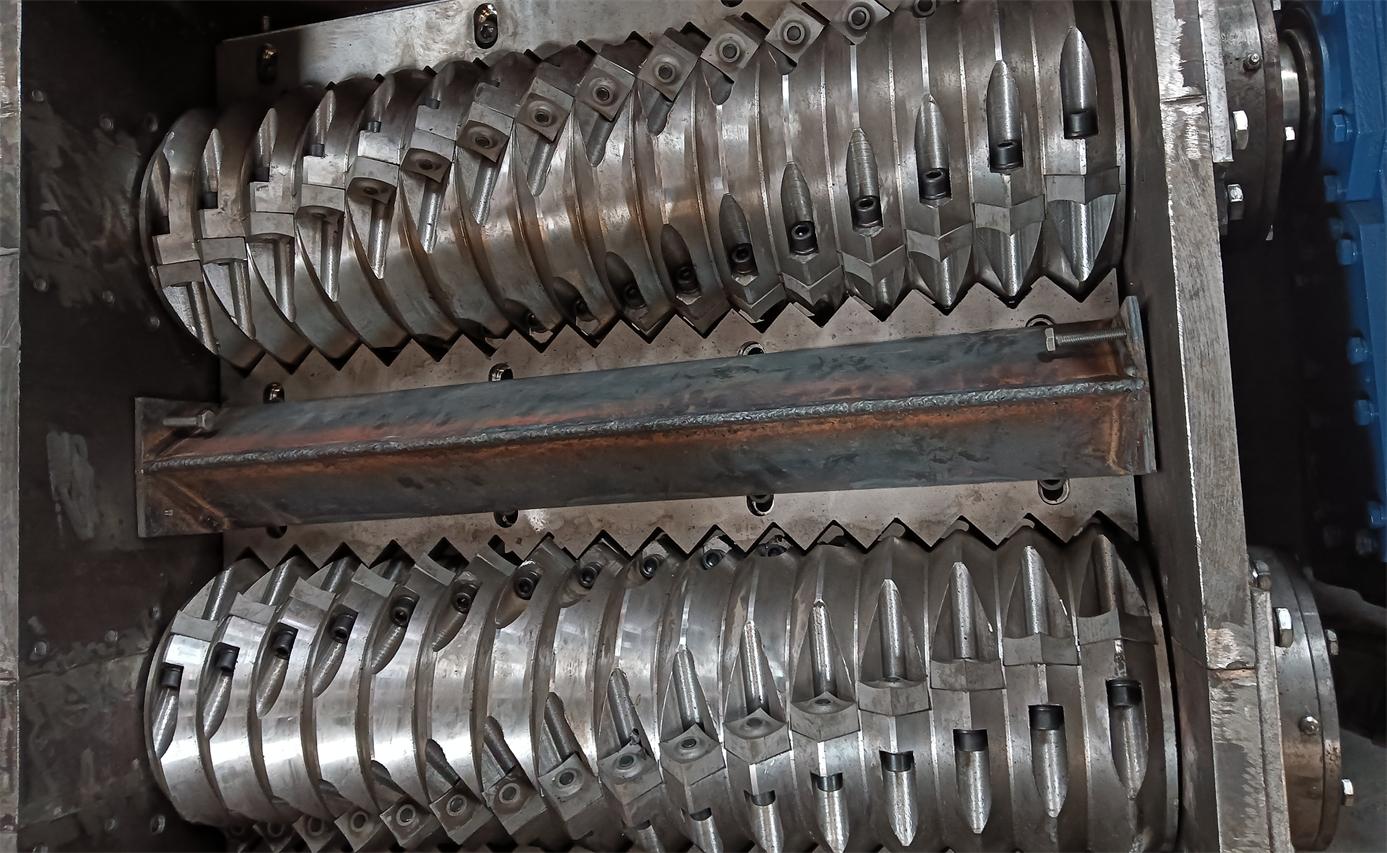
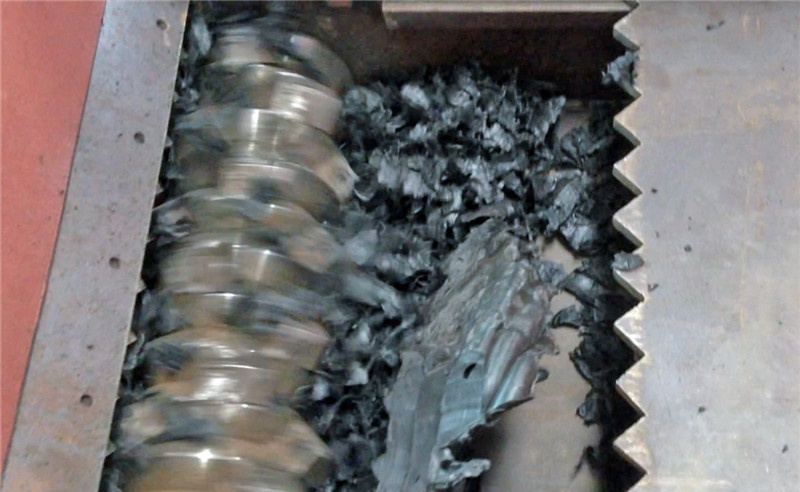
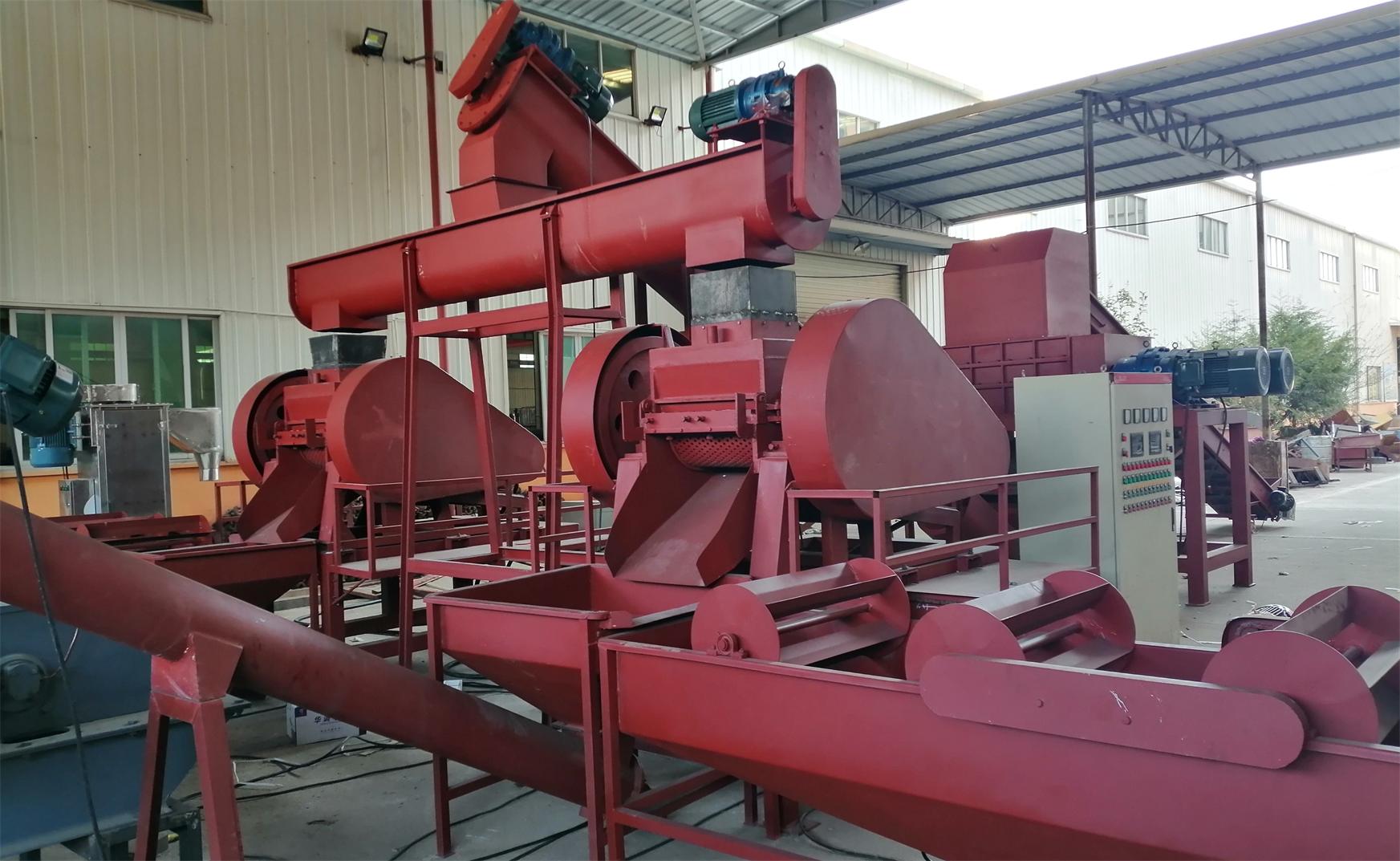
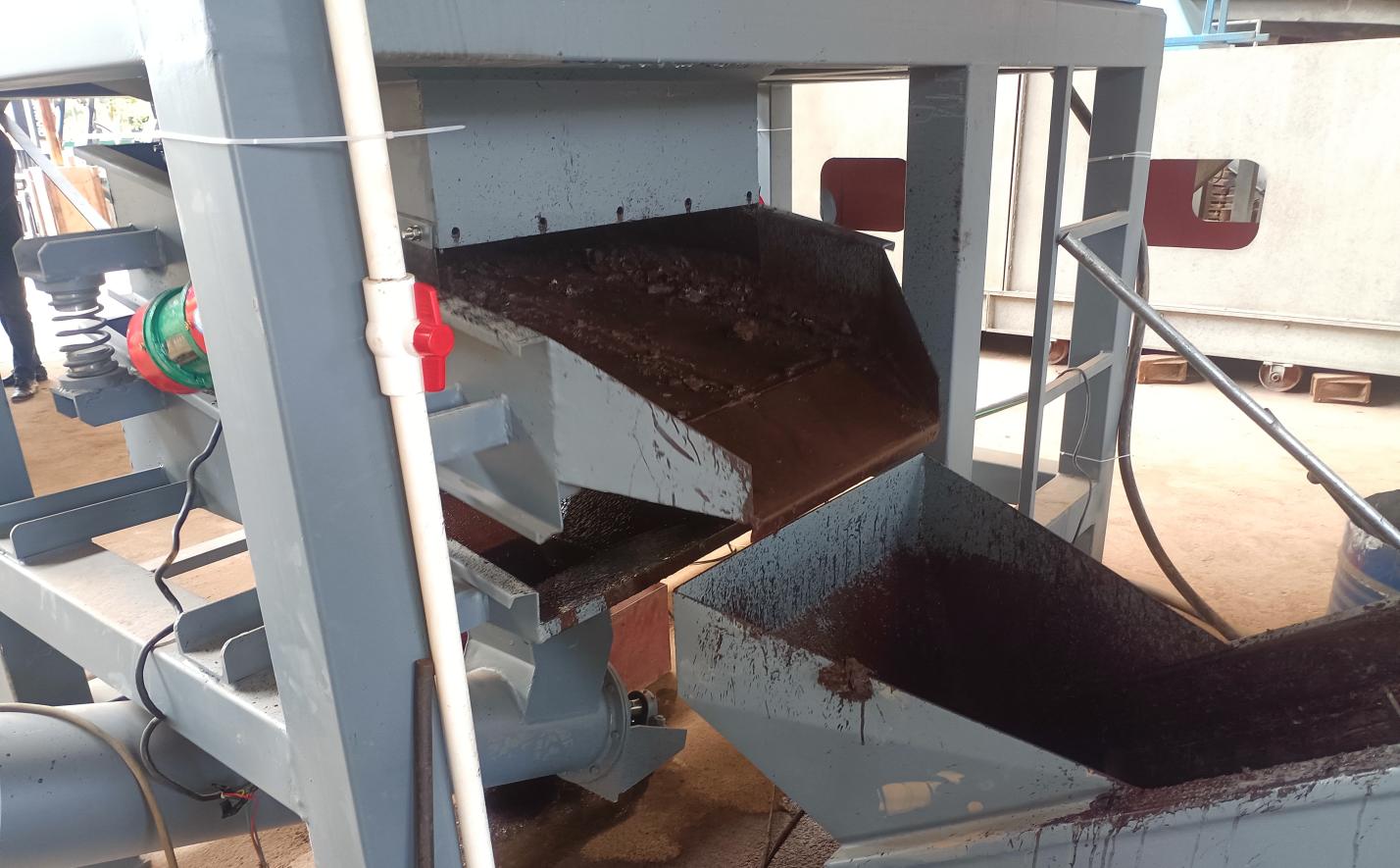
The journey begins with a lead acid battery breaking and separation system. This equipment crushes entire used batteries and mechanically separates the resulting materials into four distinct streams: lead grids (metallic lead), lead paste (a mixture of lead sulfate and lead oxides), polypropylene plastic chips, and hard rubber or ebonite fragments. Modern breaking and separation lines handle capacities ranging from 1 to 10 metric tons per hour, accommodating both entry-level operations and large-scale industrial plants.
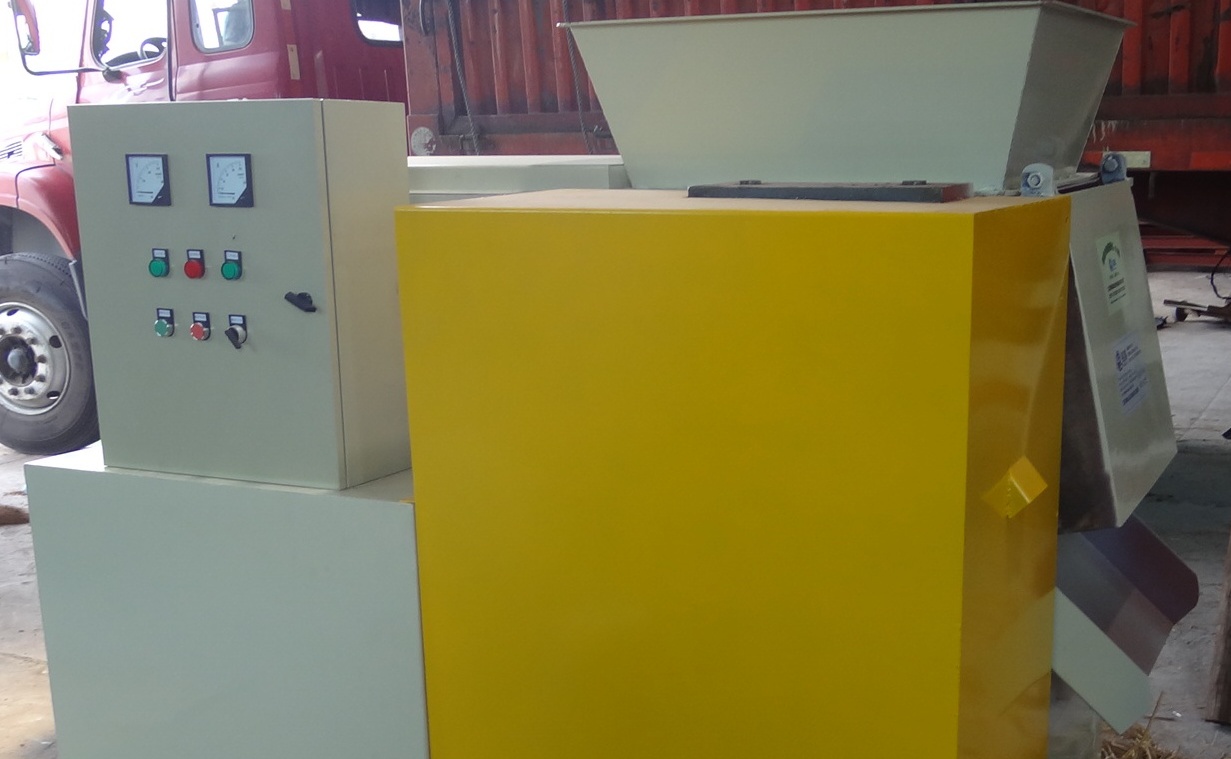
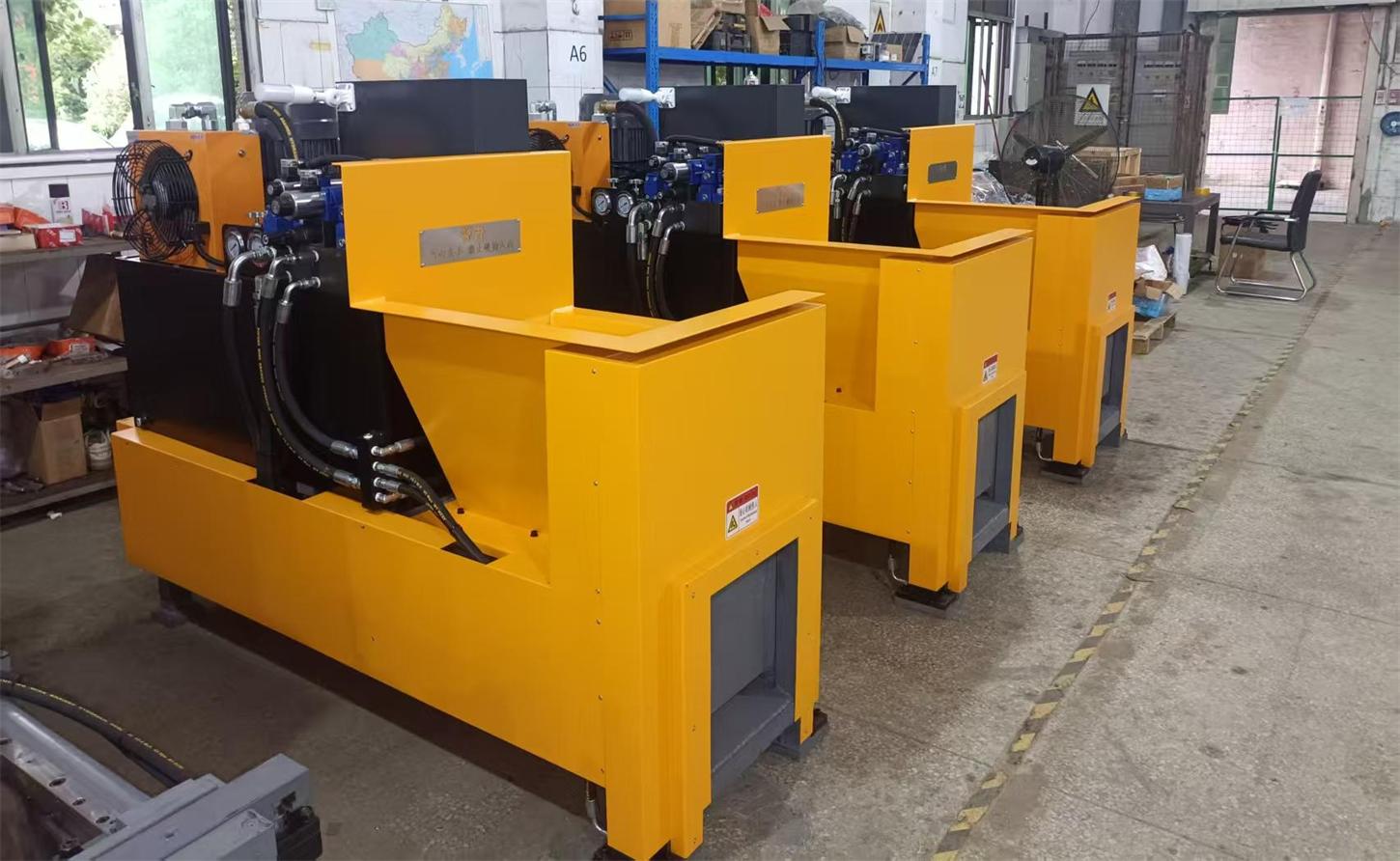
A hydraulic lead battery cutter is often deployed upstream, especially for larger battery units. It drains the acid before processing and physically cuts the casing into manageable sections, improving throughput and reducing wear on downstream machinery.
Stage 2 Paste Desulfurization
After separation, the lead paste — which contains lead sulfate (PbSO₄) — enters a de-sulfurization unit. This stage chemically converts the sulfate into a form that can be removed, achieving several benefits simultaneously: it lowers the melting temperature required in the furnace, substantially reduces sulfur dioxide (SO₂) emissions, and cuts down on the consumption of energy and chemical additives. A properly functioning desulfurization system directly improves both environmental compliance and the plant's bottom line.
Stage 3 Smelting in Rotary Furnace
The desulfurized paste is charged into a rotary furnace, where high temperatures chemically reduce the lead compounds into crude metallic lead. Rotary furnaces are the preferred choice in modern plants because they deliver higher lead recovery rates compared to traditional blast furnaces. Typical batch capacities range from 2 to 20 metric tons. The crude lead produced at this stage still contains trace impurities and must proceed to refining.
Stage 4 Lead Refining
Crude lead moves to a lead refinery furnace, where it undergoes purification to achieve lead content as high as 99.999%. Refinery kettles are available in different configurations — natural gas, diesel, or electric heating. Electric models employing near-infrared heating technology can reduce energy consumption by 30–50% compared to fuel-fired alternatives, a difference that adds up to significant operational savings over the lifespan of the equipment.
Stage 5 Air Pollution Control and Water Treatment
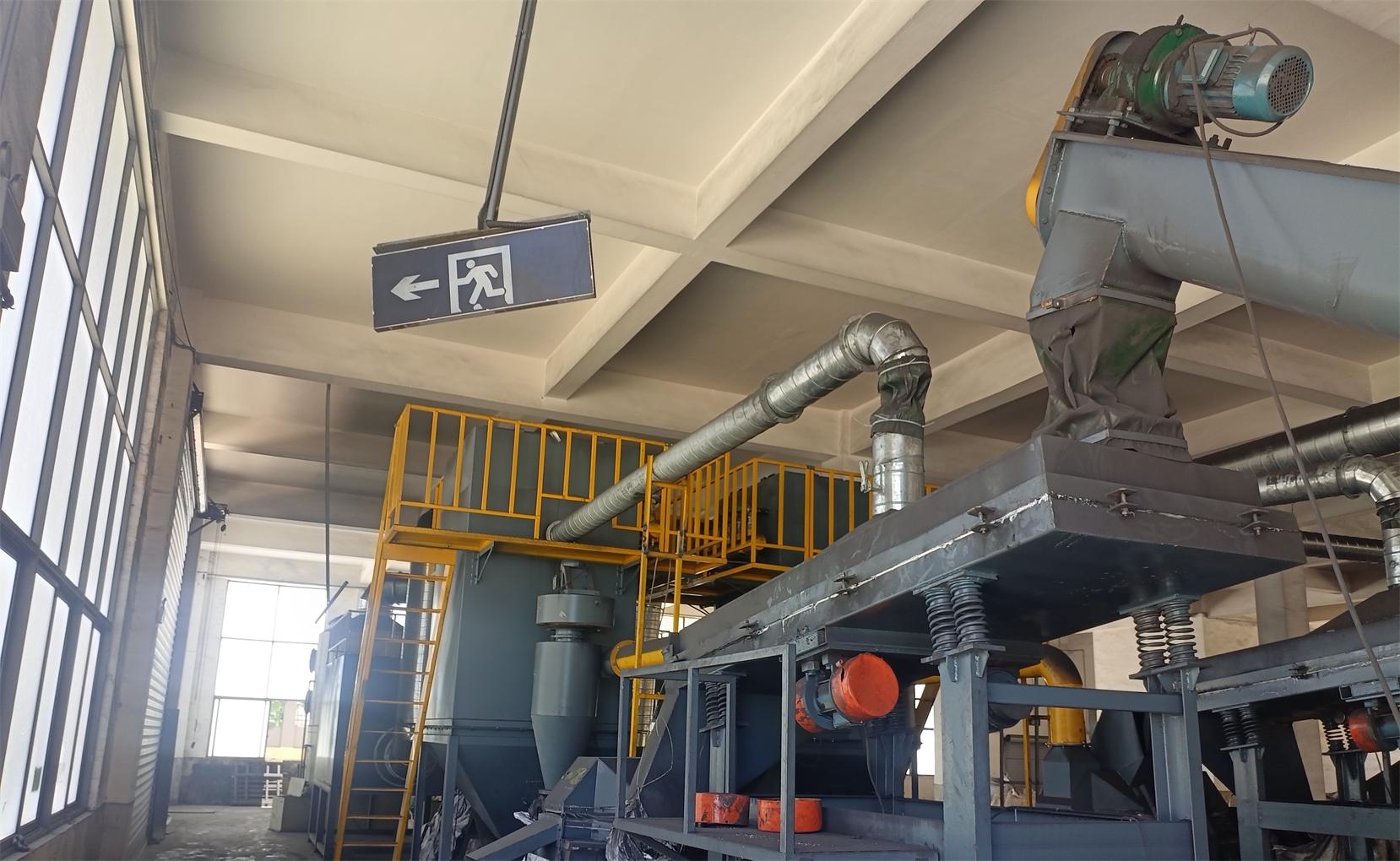
No recycling plant is complete without robust environmental safeguards. An air pollution control system captures and neutralizes the gases generated during smelting and refining — including lead dust, SO₂, and other particulate matter — before they can reach the atmosphere. In parallel, a dedicated water treatment plant handles the acidic wastewater produced during battery breaking and cleaning, ensuring that liquid effluents meet local and international discharge standards.
Stage 6 By-Product Handling
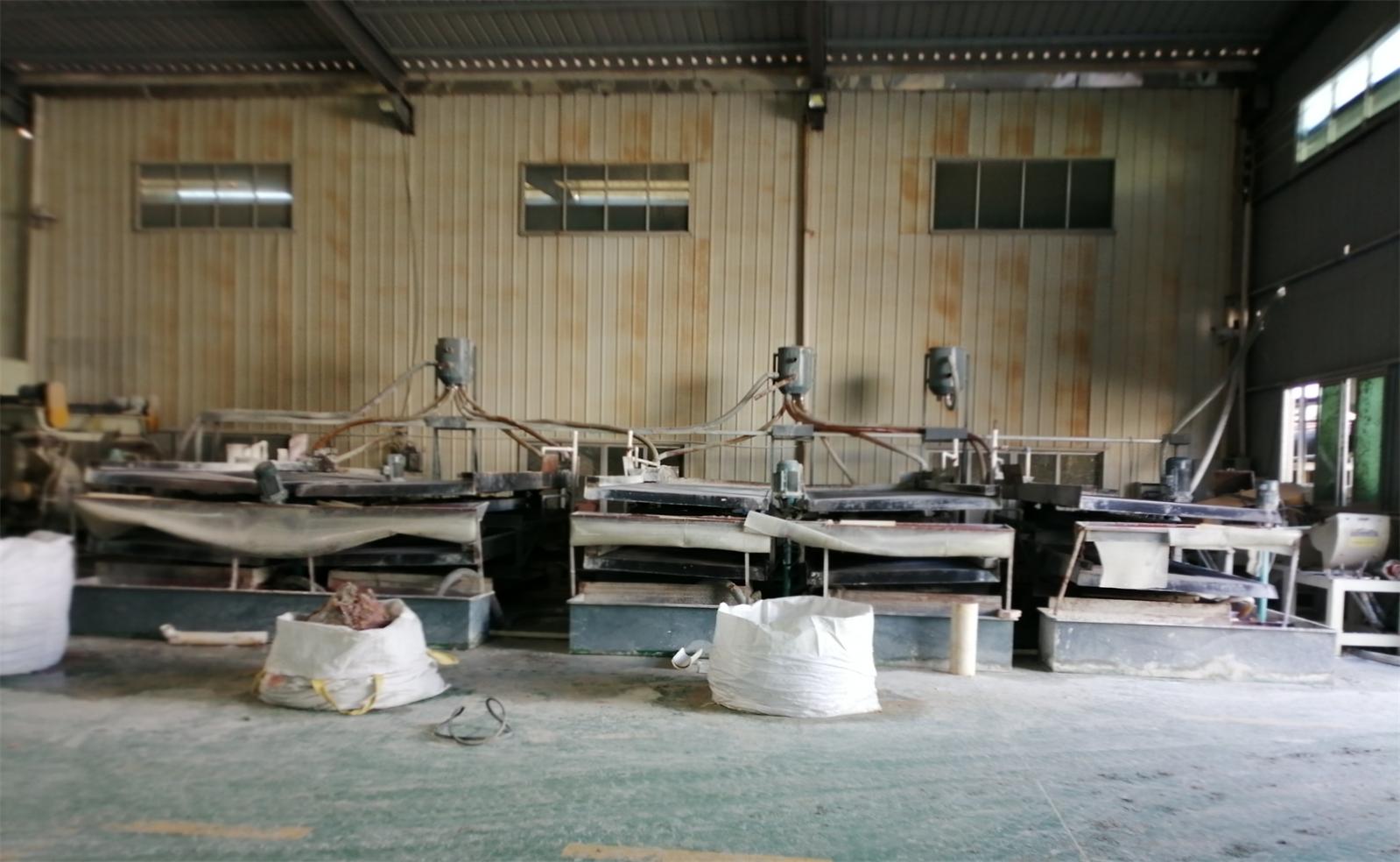
Supporting equipment rounds out the plant. Filter presses collect lead paste from the slurry generated during breaking and separation. Hydraulic balers and briquetting machines compress plastic scrap into transportable, salable bales. Pneumatic conveying systems move materials between stages, reducing manual handling and improving overall plant efficiency.
How to Choose the Right Equipment Supplier
Selecting a reliable equipment manufacturer is one of the most critical decisions when building a recycling plant. Here are the factors that matter most:
- Proven Track Record. Prioritize manufacturers with years of field experience in e-waste recycling machinery. A supplier that has been active since the mid-2000s has likely refined its designs through accumulated customer feedback and real-world operating data.
- EPC (Engineering, Procurement, Construction) Capability. Ideally, your supplier should offer turnkey solutions — from plant layout design and customized equipment manufacturing through to on-site installation and commissioning. A one-stop approach reduces coordination complexity and shortens project timelines.
- Technical Depth. The best suppliers employ engineers with advanced degrees in mechanical engineering and over a decade of hands-on experience. This depth of knowledge is invaluable when troubleshooting unexpected issues or optimizing a plant for local conditions.
- Global Delivery Experience. A manufacturer that has successfully delivered projects to diverse regions — Southeast Asia, South America, Africa, the Middle East — brings the logistical muscle and cross-cultural awareness necessary for international undertakings.
- Beyond Equipment. The most valuable partnerships go beyond the sale. Look for suppliers who can also help source waste battery feedstock, connect you with buyers for recovered materials (lead ingots, copper, plastic scrap), and even assist in identifying investment partners for plant construction.
San Lan Technologies Co., Ltd has specialized in e-waste recycling and mining equipment since 2007. Headquartered in Ganzhou, Jiangxi Province, China, the company offers complete lead-acid battery recycling plants with capacities from 1 to 10 metric tons per hour. Their product line spans every stage — battery cutters, breaking and separation systems, desulfurization units, rotary furnaces, refinery kettles, air pollution control, and water treatment plants. With customers in over 21 countries including Singapore, Mexico, Indonesia, South Africa, India, Saudi Arabia, and Kenya, San Lan combines engineering depth with proven international delivery capability.
Making the Investment Pay Off
A lead-acid battery recycling plant is a significant capital commitment, but the return profile is attractive when the right pieces are in place. Recycled lead consistently trades at solid prices on global commodities markets, and lead-acid batteries maintain one of the highest recycling rates of any consumer product worldwide. With properly selected equipment, a logical process layout, and a capable supplier, a ULAB recycling plant can become both a profitable long-term enterprise and a meaningful contribution to environmental sustainability.
Ready to Explore Your Options?
If you are planning a lead-acid battery recycling plant — whether a greenfield project or an upgrade to existing operations — the engineering team at San Lan Technologies is available to discuss your requirements. Visit www.san-lan.com to browse their full equipment catalog or reach out directly for a customized consultation on plant design, capacity planning, and project budgeting.