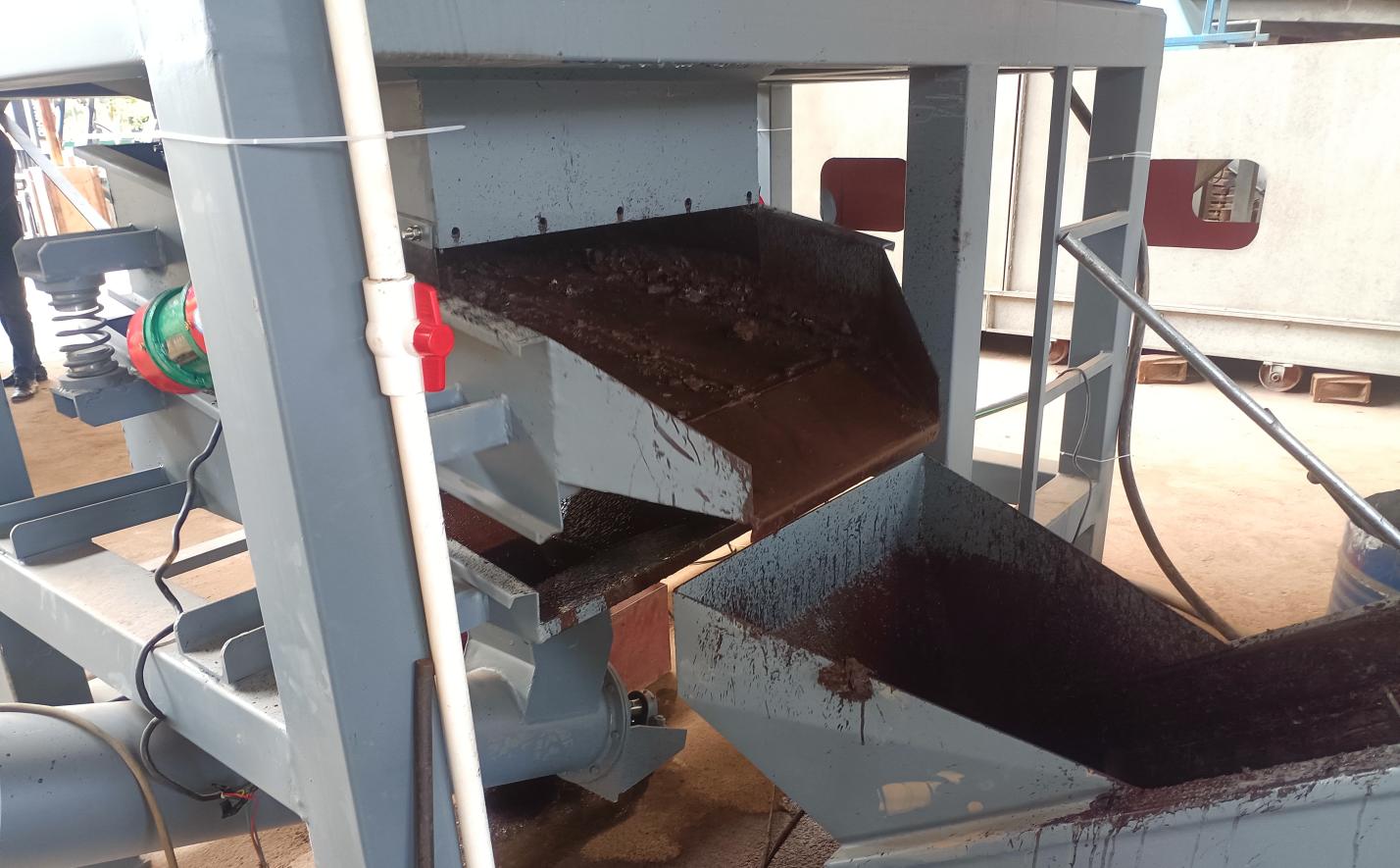
The global surge in electronic waste has created both an environmental challenge and a significant business opportunity. With millions of tons of discarded batteries, circuit boards, and cables accumulating annually, entrepreneurs and established recyclers alike are recognizing that the right recycling equipment can transform this waste stream into a profitable, sustainable operation. Whether you are entering the recycling industry for the first time or expanding an existing facility, understanding the core machinery required for each material stream is essential for maximizing recovery rates and return on investment.
The Battery Recycling Opportunity
Batteries represent one of the most valuable and environmentally sensitive segments of the e-waste stream. Two categories dominate the market: used lead acid batteries (ULAB) and lithium-ion batteries from consumer electronics and electric vehicles.
Lead Acid Battery Recycling
Used lead acid batteries remain one of the most recycled consumer products globally. A complete lead acid battery recycling equipment line typically includes a battery breaking and separation system, filter press, de-sulfurization unit, rotary furnace or blast furnace for paste reduction, lead refinery kettle, water treatment plant, and air pollution control system. Modern plants can process 1 to 10 metric tons per hour, recovering lead grid, lead paste, plastic shells, and acid for reuse or safe disposal. Lead recovery rates exceeding 95% are achievable with properly configured equipment, making this a highly attractive business line.
Lithium Battery Recycling
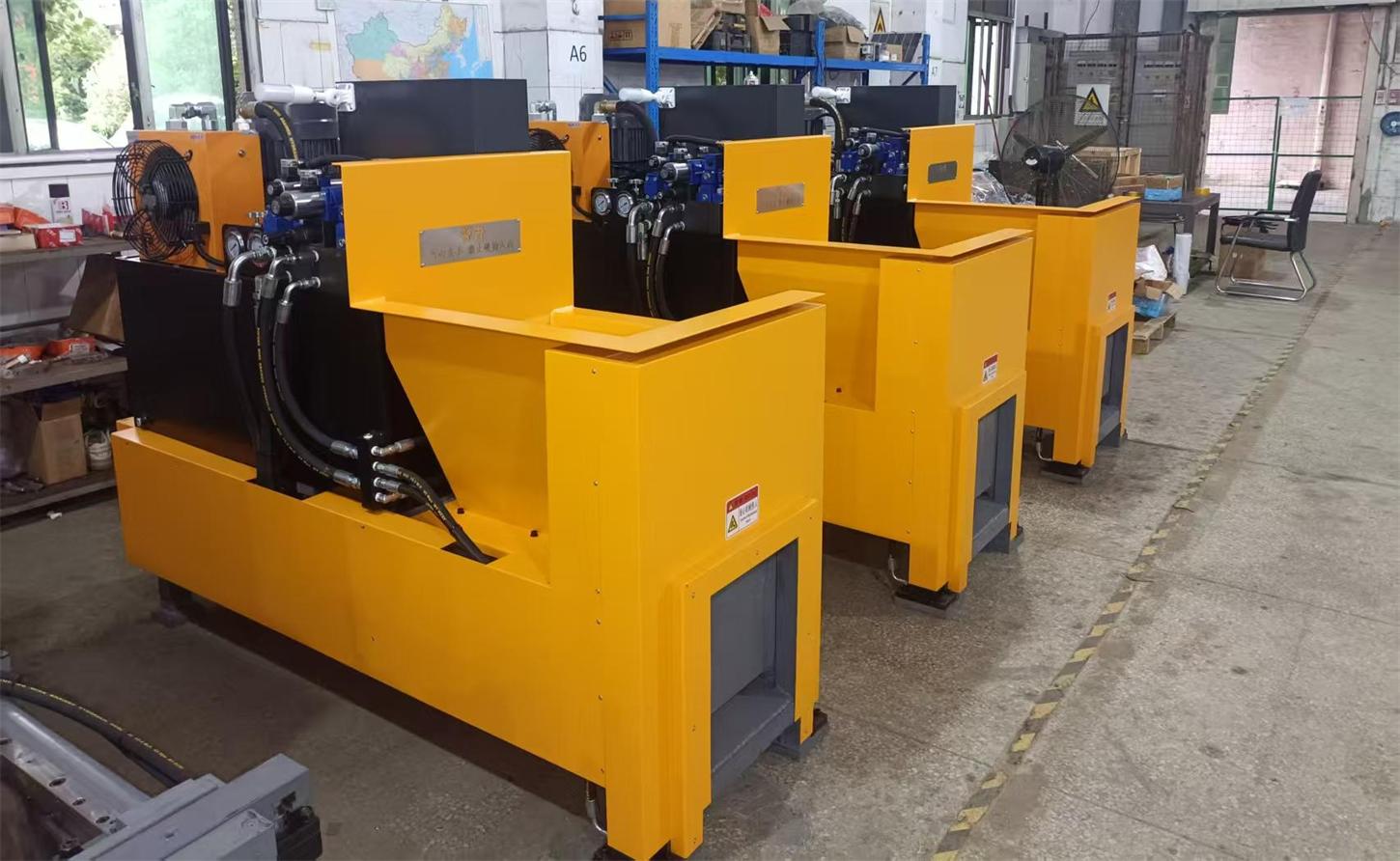
As electric mobility and portable electronics continue to expand, lithium battery recycling is experiencing rapid growth. A lithium battery recycling plant breaks and separates waste batteries to recover black mass containing nickel, cobalt, and graphite, along with copper, aluminum, and plastic. Capacity typically ranges from 500 to 2,500 kg per hour. Supporting equipment includes air pollution control systems, plastic pneumatic conveying systems, and hydraulic briquetters for compressing separator film. The recovered materials feed directly back into battery manufacturing supply chains, creating a genuine circular economy.
Key Insight: Investors who set up battery recycling operations today are positioning themselves at the center of two massive trends — stricter environmental regulations requiring proper disposal, and manufacturers desperate for recycled raw materials to reduce dependence on mining.
Circuit Board Recovery: Unlocking Precious Metals
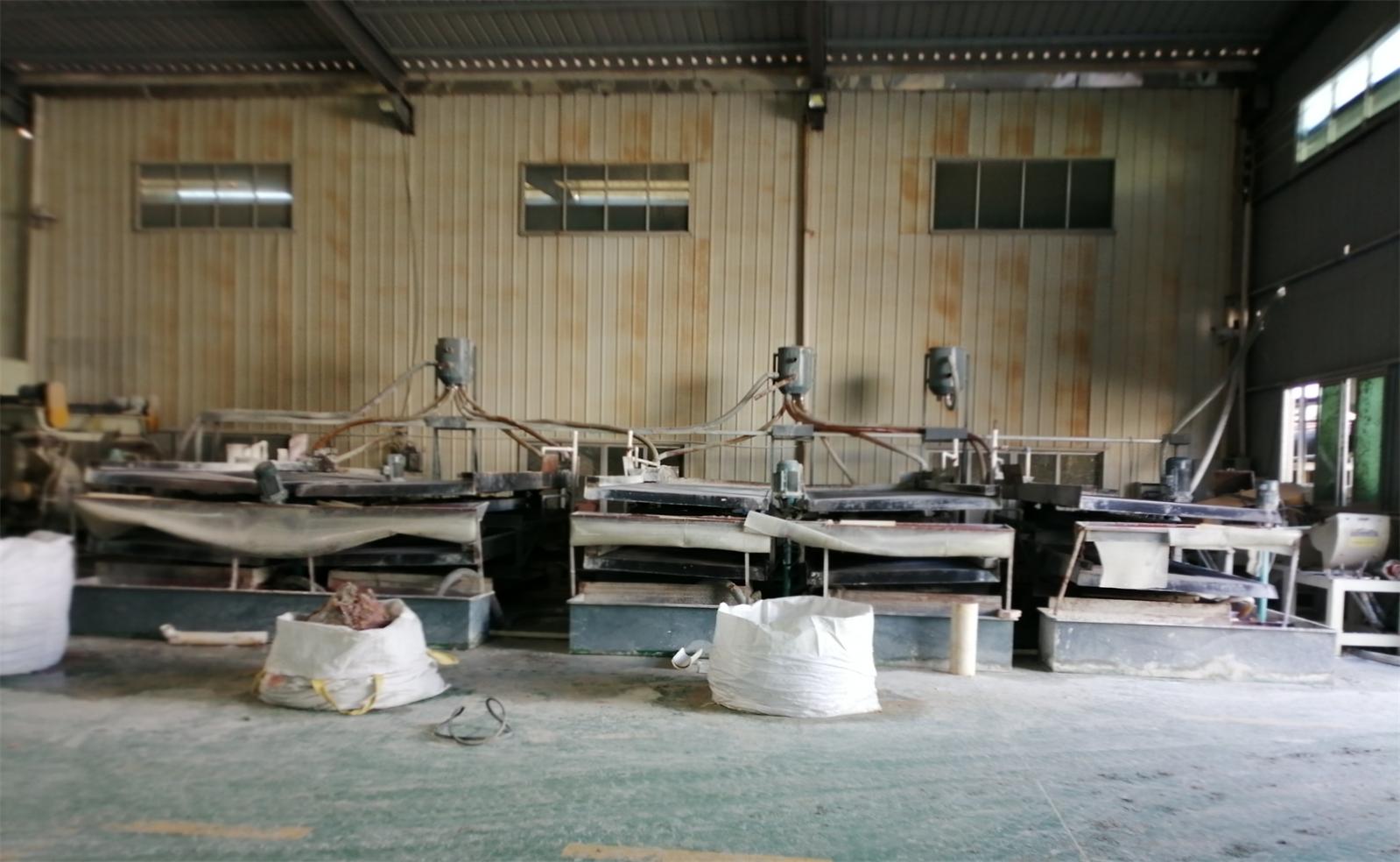
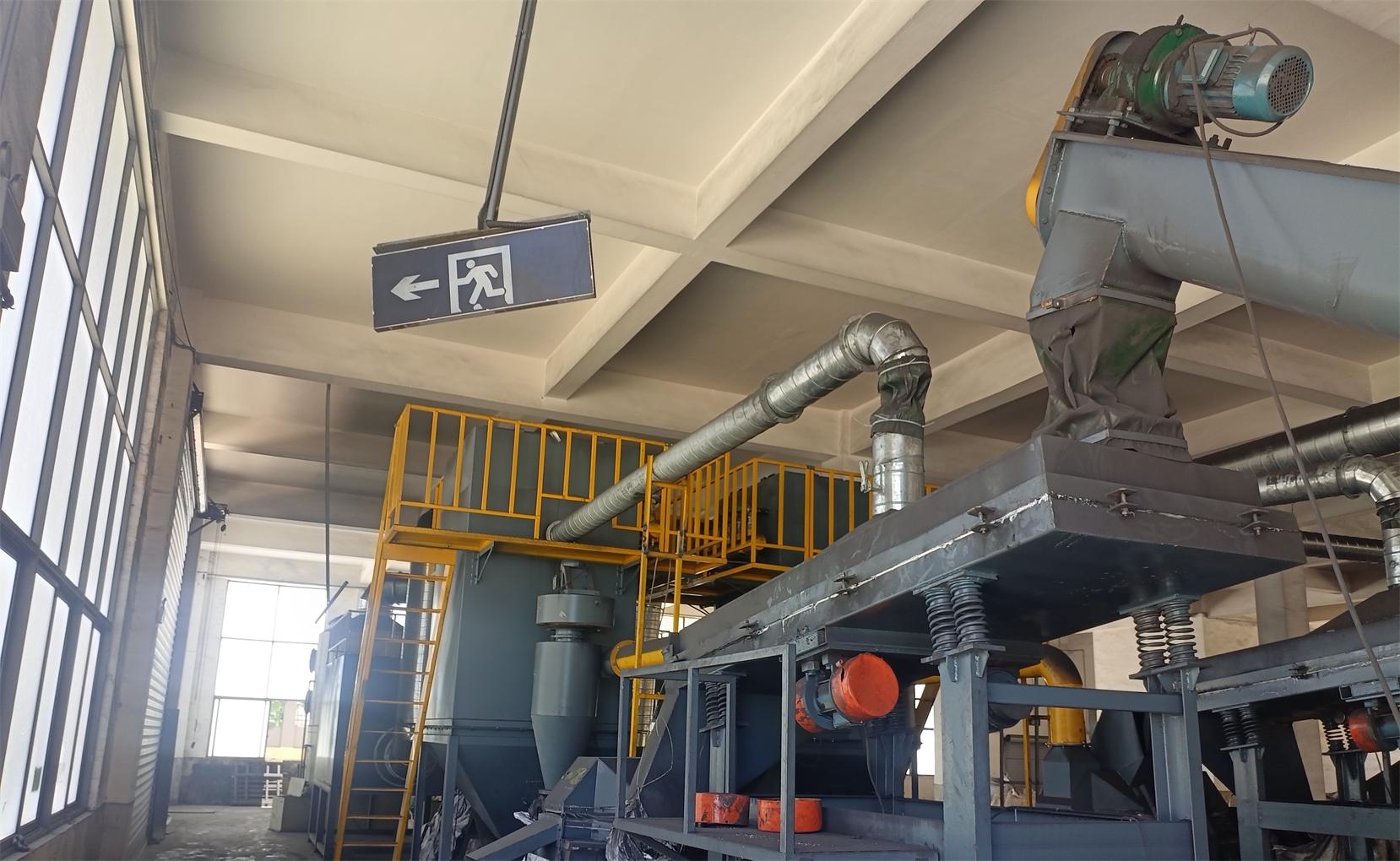
Printed circuit boards (PCBs) contain copper, gold, silver, and other valuable metals, but also hazardous substances that require careful handling. circuit board recycling equipment uses either dry or wet separation processes to extract copper powder with purity levels of 96-98%. Dry separation plants utilize air separators, vibrating screens, electrostatic separators, cyclones, and pulse dust collectors. Wet separation systems use water-based metal separators and are particularly effective for PCB waste that still contains electronic components. Capacities range from 300 kg/hour for smaller operations up to 2,000 kg/hour or more for industrial-scale plants.
Cable Recycling: Copper Recovery Made Efficient
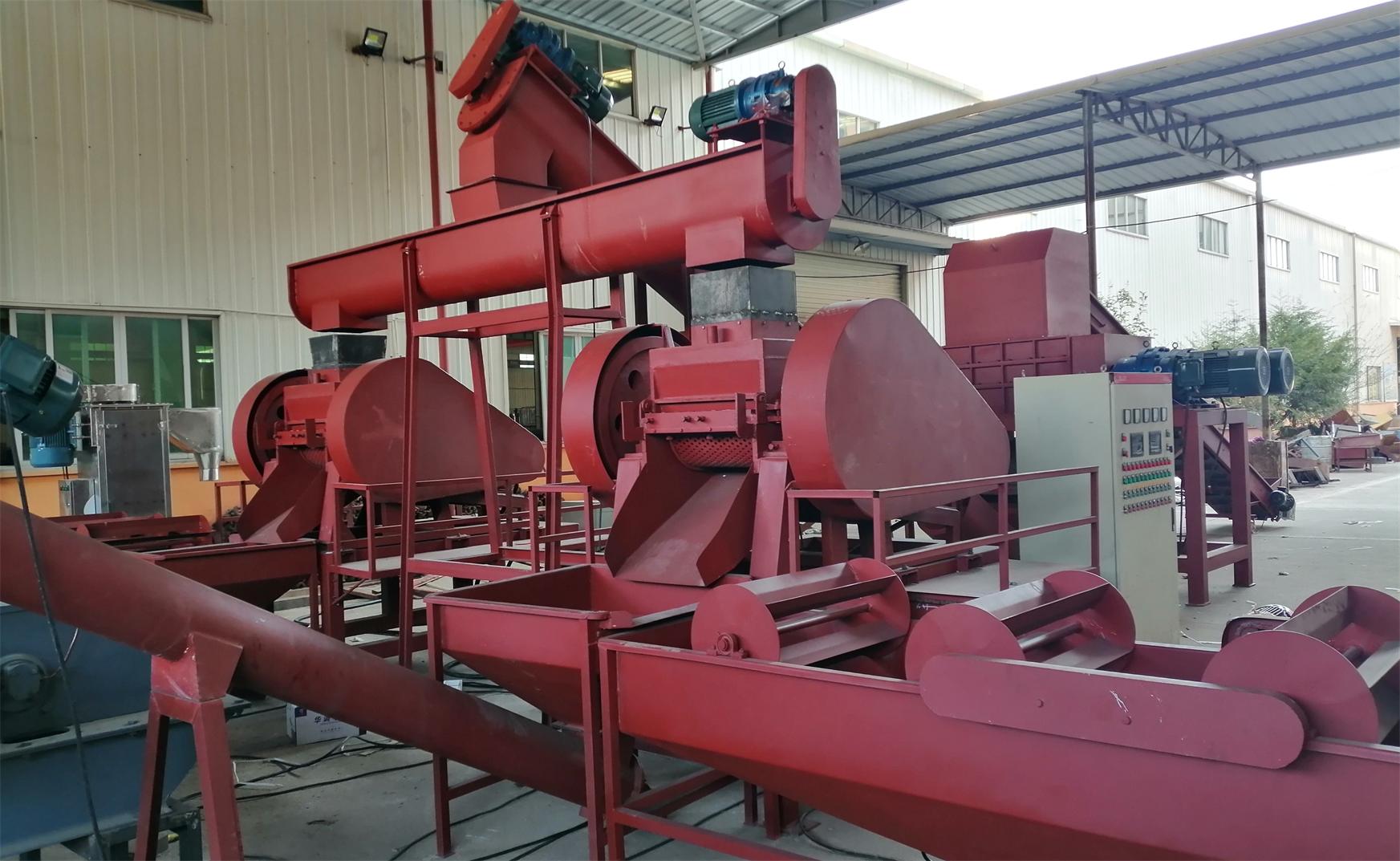
Scrap cables represent one of the most straightforward recycling streams with consistently strong demand for recovered copper and aluminum. Cable recycling operations typically combine scrap cable strippers for large-diameter wire with cable granulators equipped with dry separators for finer material. Granulators separate copper or aluminum from plastic insulation through a combination of crushing and air classification. The resulting copper rice commands premium prices in metal markets, while the separated plastic can also be sold to reprocessors.
The Importance of Pre-Processing: Shredders and Pre-Choppers
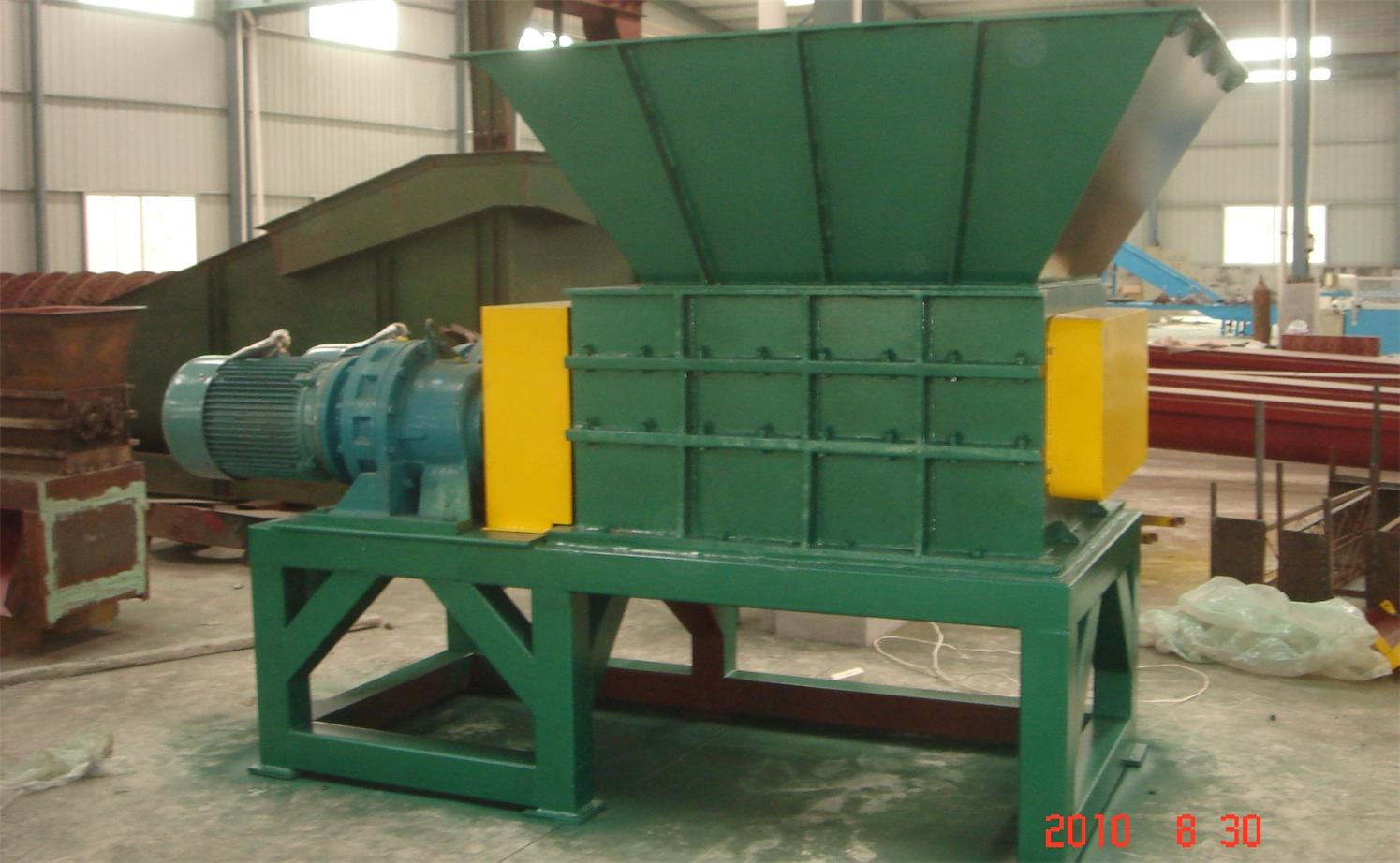
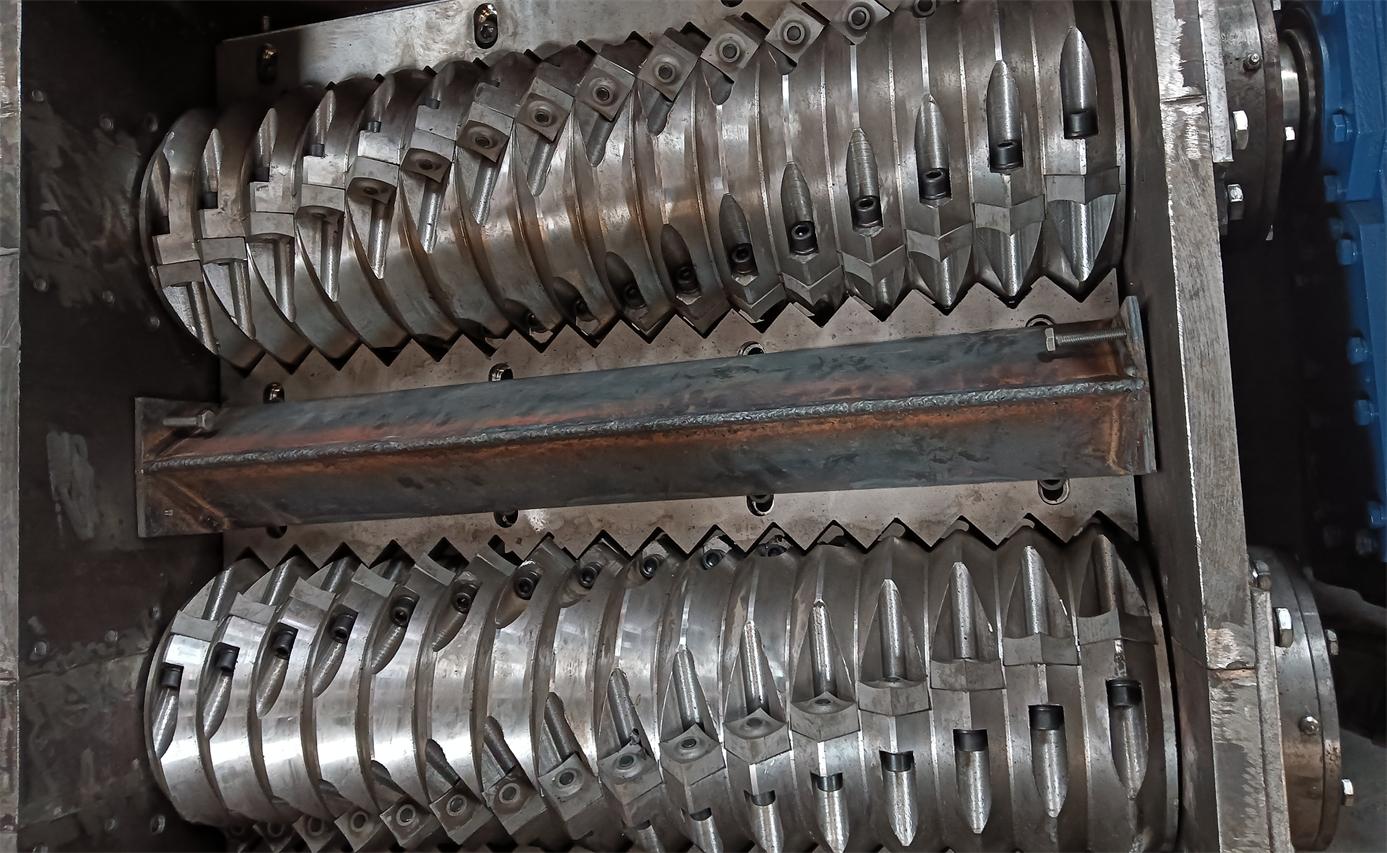
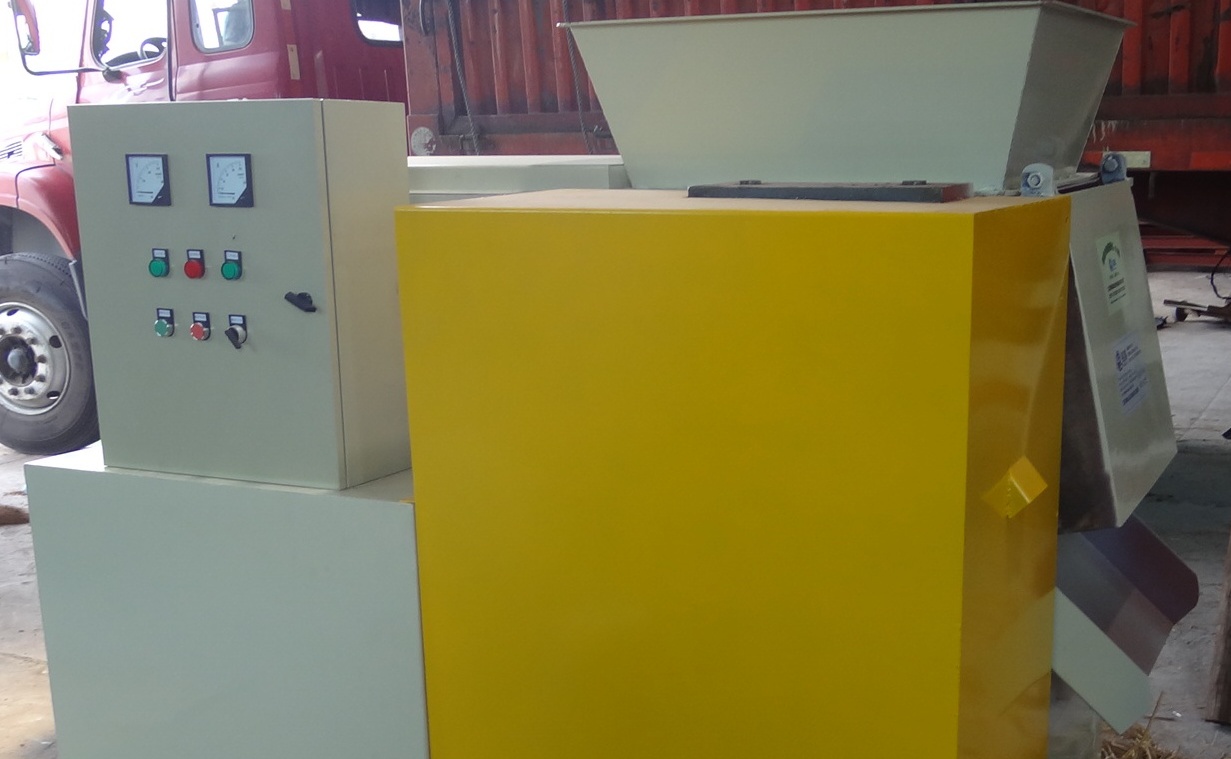
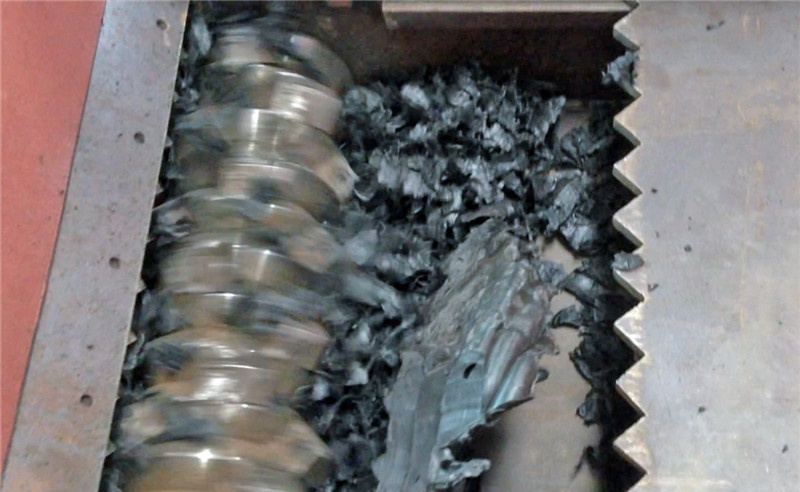
Before specialized recycling lines can operate efficiently, e-waste often requires size reduction. Industrial shredders — including single shaft, twin shaft, and four shaft configurations — handle diverse input materials ranging from PCB assemblies and cables to refrigerators and batteries. Pre-choppers break down bulky items into uniform sizes that feed smoothly into downstream separation equipment. Selecting the right shredder capacity and blade configuration for your primary material streams directly impacts overall plant throughput and equipment longevity.
Why Choose a Turnkey Equipment Supplier
Building a recycling plant involves far more than purchasing individual machines. A turnkey recycling equipment supplier provides integrated system design, installation, commissioning, and ongoing technical support. This approach eliminates compatibility issues between components, ensures environmental compliance across the entire process line, and accelerates the path from investment to production. Experienced suppliers also assist with material sourcing strategies and product offtake connections, transforming a equipment purchase into a complete business partnership.
San Lan Technologies: Your Partner in Recycling Success
Since 2007, San Lan Technologies Co., Ltd has designed, manufactured, and commissioned e-waste recycling plants and mining equipment for customers across more than 21 countries. The company specializes in complete recycling solutions including lead acid battery recycling plants, lithium battery recycling lines, circuit board recovery systems, cable granulators, refrigerator and AC recycling equipment, CRT cutters, motor recycling machines, industrial shredders, and metal melting furnaces.
San Lan's engineering team brings master's-level mechanical engineering expertise combined with over 15 years of hands-on experience in e-waste recycling machinery. The company offers EPC project services covering engineering, procurement, and construction, along with customized plant design, installation, and commissioning. Beyond equipment supply, San Lan assists clients with waste material sourcing, investor partnership development, and sales channels for recovered products such as copper rice, lead ingots, and precious metal concentrates.
Ready to transform e-waste into revenue? Contact San Lan Technologies today to discuss your recycling project requirements. With turnkey solutions, proven equipment designs, and comprehensive project support, we help you build a profitable, environmentally responsible recycling operation from day one. Visit www.san-lan.com or reach out via WhatsApp at +86 139 2377 4083 to speak with our technical team.