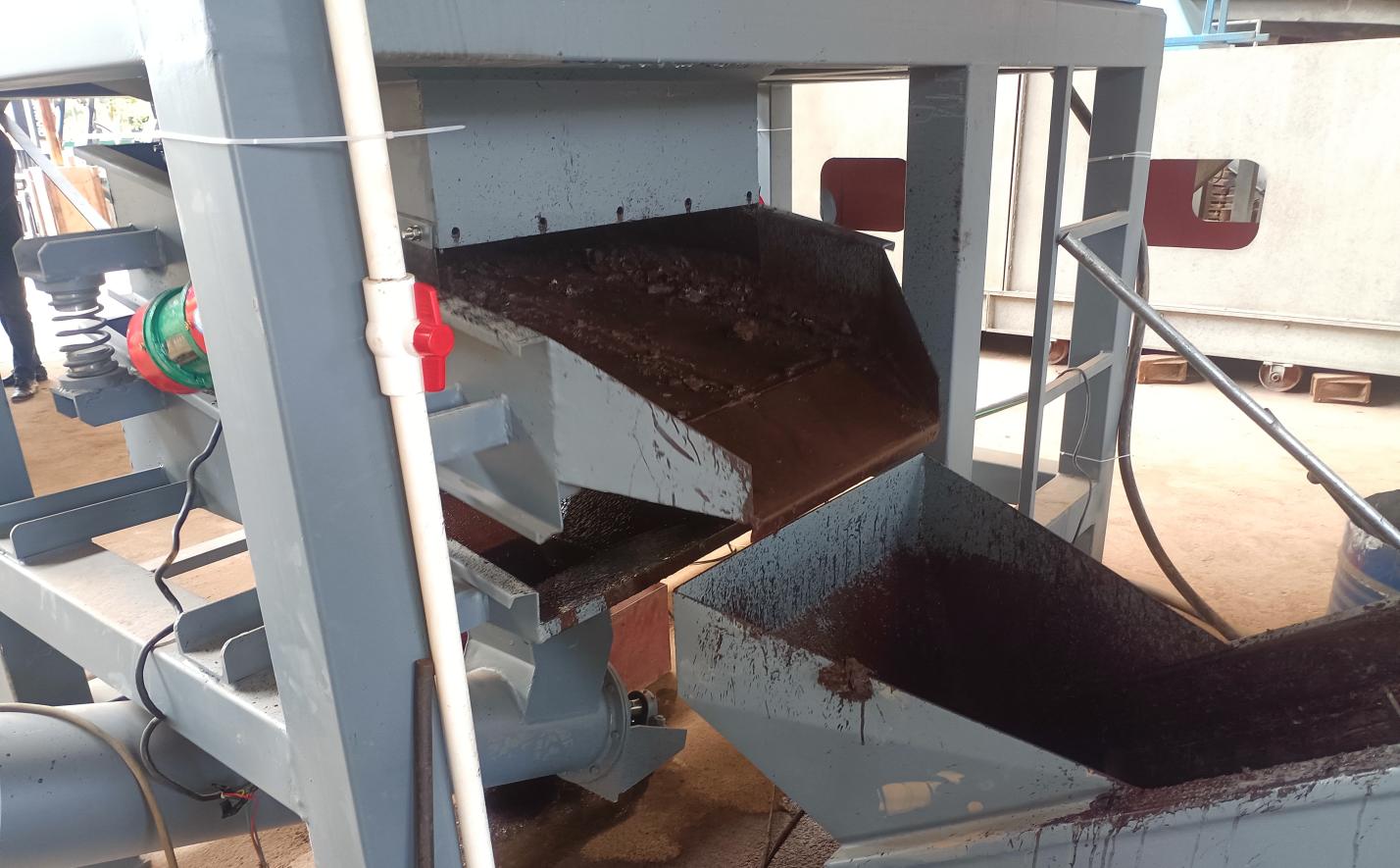
Every construction site, telecom upgrade, and electronics repair shop generates a steady stream of scrap cable and obsolete circuit boards. To most people, this material is trash. To a recycling operator with the right equipment, it is a concentrated source of copper, aluminum, and precious metals that can be recovered and sold at a profit. The difference between loss and profit comes down to choosing machinery that matches your feedstock, capacity targets, and operating budget.
Understanding the Two Material Streams
Before selecting equipment, it is important to understand the fundamental differences between cable scrap and printed circuit board (PCB) waste.
Scrap cable consists of copper or aluminum conductors wrapped in plastic or rubber insulation. The goal is to separate the metal from the insulation cleanly and efficiently. The process is primarily mechanical: shredding, granulating, and separating by density or air classification. Because cable scrap is relatively uniform in composition, recovery rates are high and processes are straightforward.
Printed circuit boards are more complex. They contain copper traces, solder, electronic components, and small quantities of precious metals such as gold, silver, and palladium. Recovery requires crushing to liberate metal particles, followed by separation using air classification, electrostatic separation, or wet separation. The choice between dry and wet processes has significant implications for capital cost, operating cost, and environmental compliance.
Cable Recycling Equipment: From Stripping to Granulation
Not all cable scrap needs the same treatment. Thin communication wire and thick industrial power cable require different approaches. A well-equipped operation usually employs a combination of stripping machines and granulators.
Scrap Cable Strippers
For large-diameter cable, stripping is often the most efficient first step. Manual or powered stripping machines remove the outer insulation so the metal core can be fed directly into a furnace or sold as clean copper. Machines like the D01 series handle cable diameters from 1.5 mm up to 150 mm, with throughput reaching 15,000 kg per ten-hour shift. Stripping before granulation reduces wear on downstream cutting blades and improves overall separation efficiency.
Cable Granulators and Dry Separators
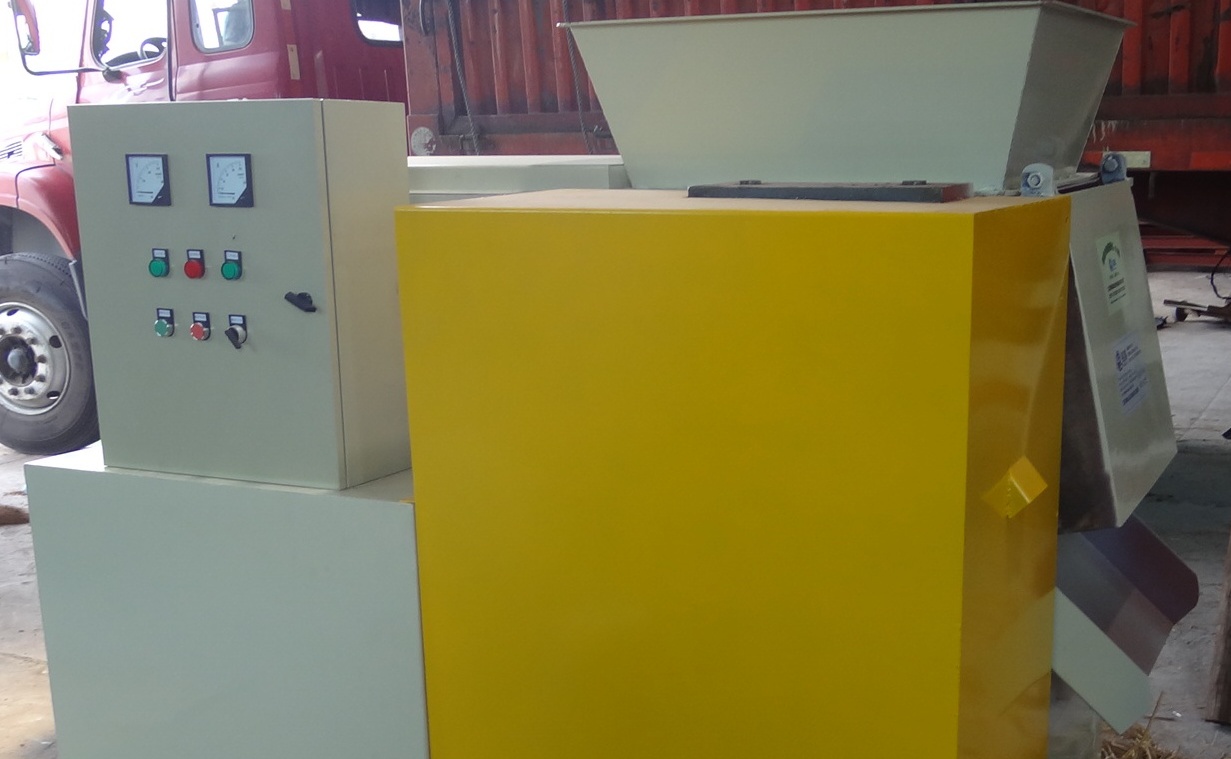
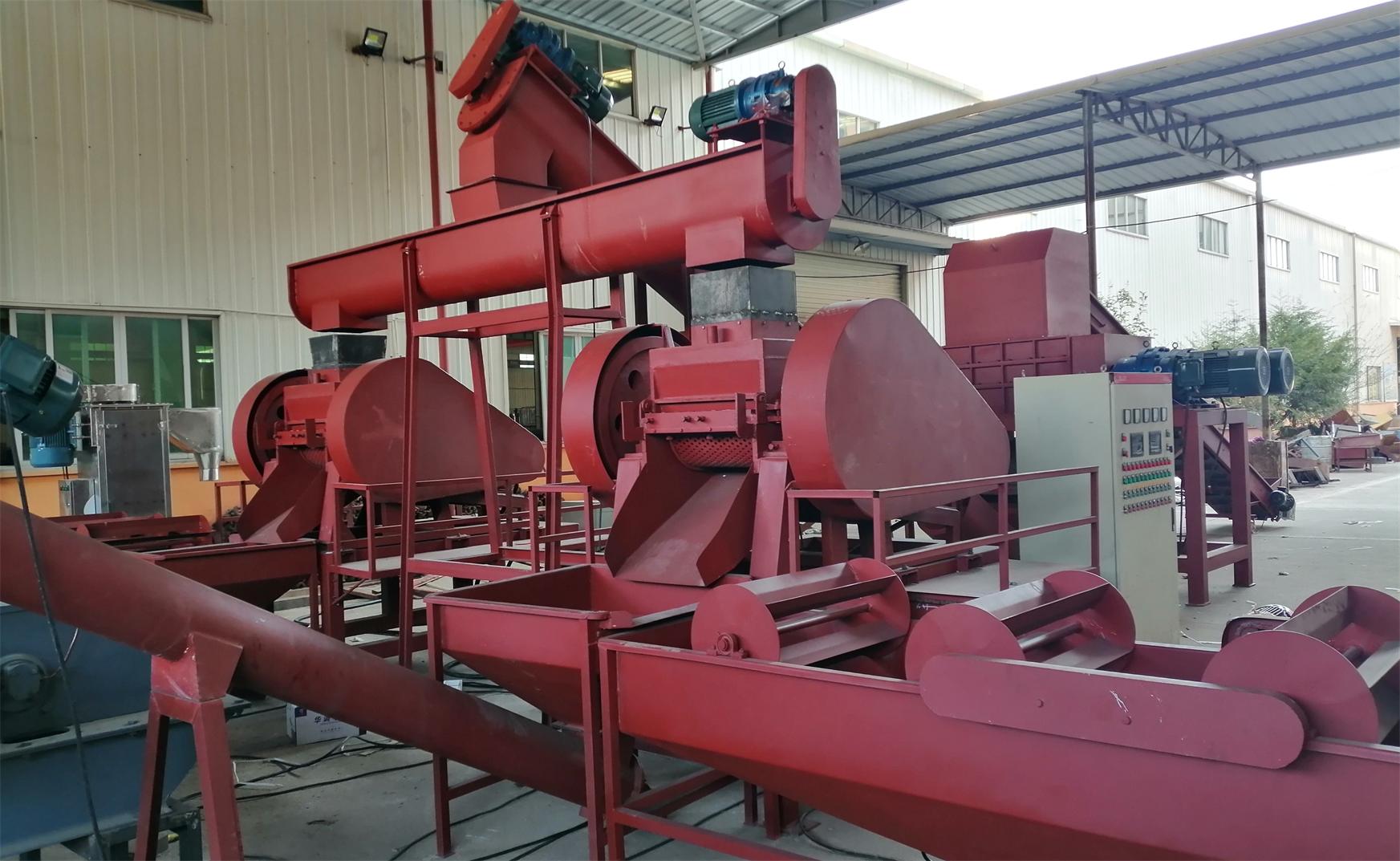
For mixed cable scrap and thin wire that is impractical to strip, granulation is the standard approach. A cable recycling equipment line typically includes a pre-shredder, a granulator to reduce cable to small particles, and an air separator or vibrating screen to separate heavy copper or aluminum from light plastic.
Dry separation systems are popular because they avoid the cost and regulatory burden of wastewater treatment. Compact units such as the WCD-100C or WCD-200C process 100 to 200 kg per hour, making them suitable for small yards or entry-level operations. Larger systems such as the WCD-600S or WCD-1200S scale to 600 to 1,200 kg per hour for industrial processors.
Copper purity from dry separation typically reaches 96-98%, which is sufficient for direct sale to foundries or refineries. Plastic fragments can also be collected and sold to plastic recyclers, adding a second revenue stream.
Wet Separation for Complex or Contaminated Cable
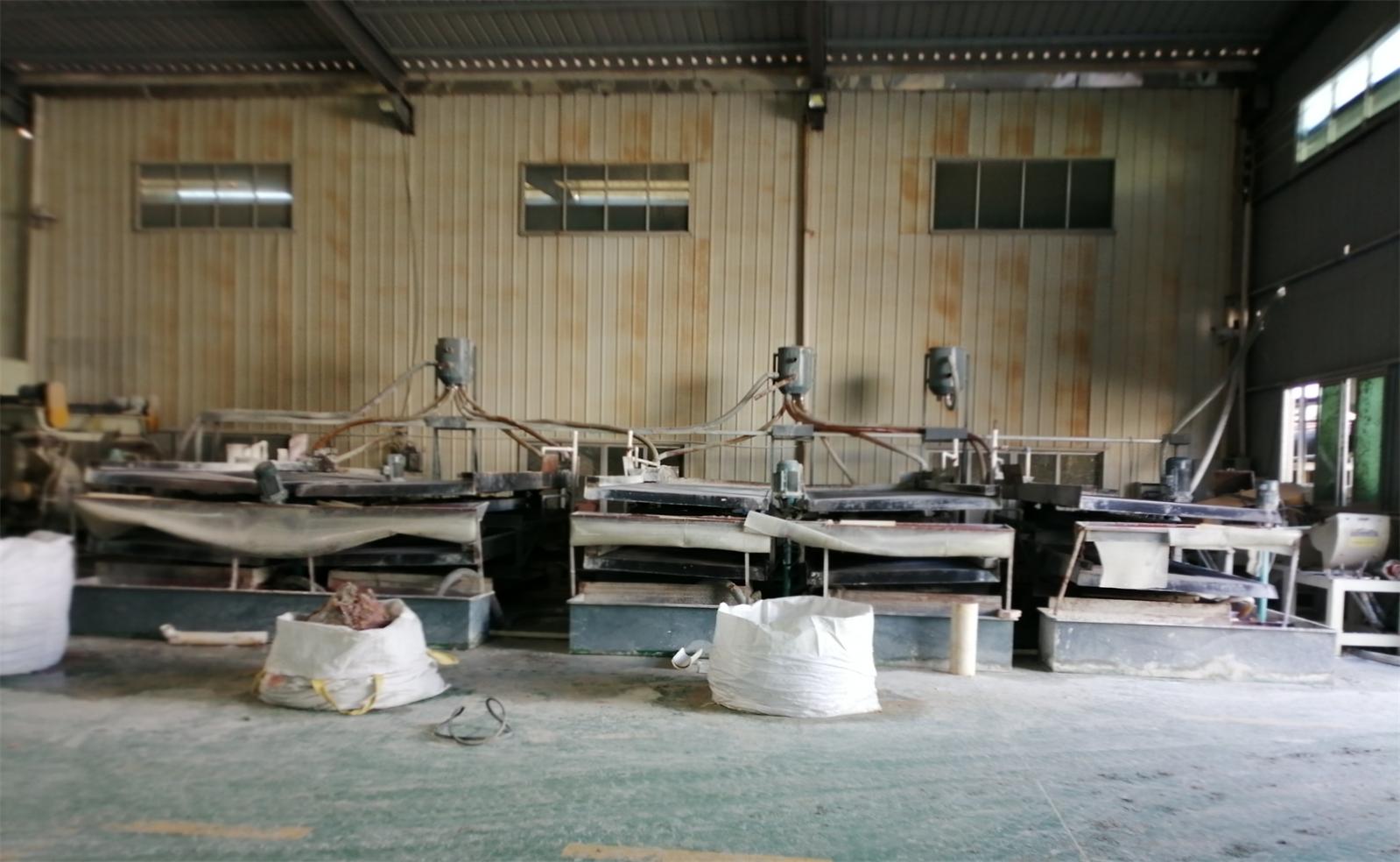
Jelly-filled telecom cables and heavily contaminated industrial wire sometimes require wet processing. Water-based separation achieves cleaner metal fractions but requires water treatment infrastructure. The WCW-500J is designed specifically for jelly-filled cable, where the gel coating interferes with dry air separation.
Circuit Board Recycling: Dry vs. Wet Process Selection
Circuit board recycling presents a more complex equipment decision. Operators must choose between dry mechanical separation and wet water-based separation, each with distinct trade-offs.
| Factor | Dry Separation | Wet Separation |
|---|---|---|
| Initial investment | Lower | Higher |
| Operating cost | Lower (no water treatment) | Higher (water, chemicals, treatment) |
| Recovery rate | ~95% | Higher for complex boards |
| Copper purity | 96-98% | Often higher |
| Environmental permit | Simpler | More demanding |
| Boards with components | Standard | Can handle populated boards |
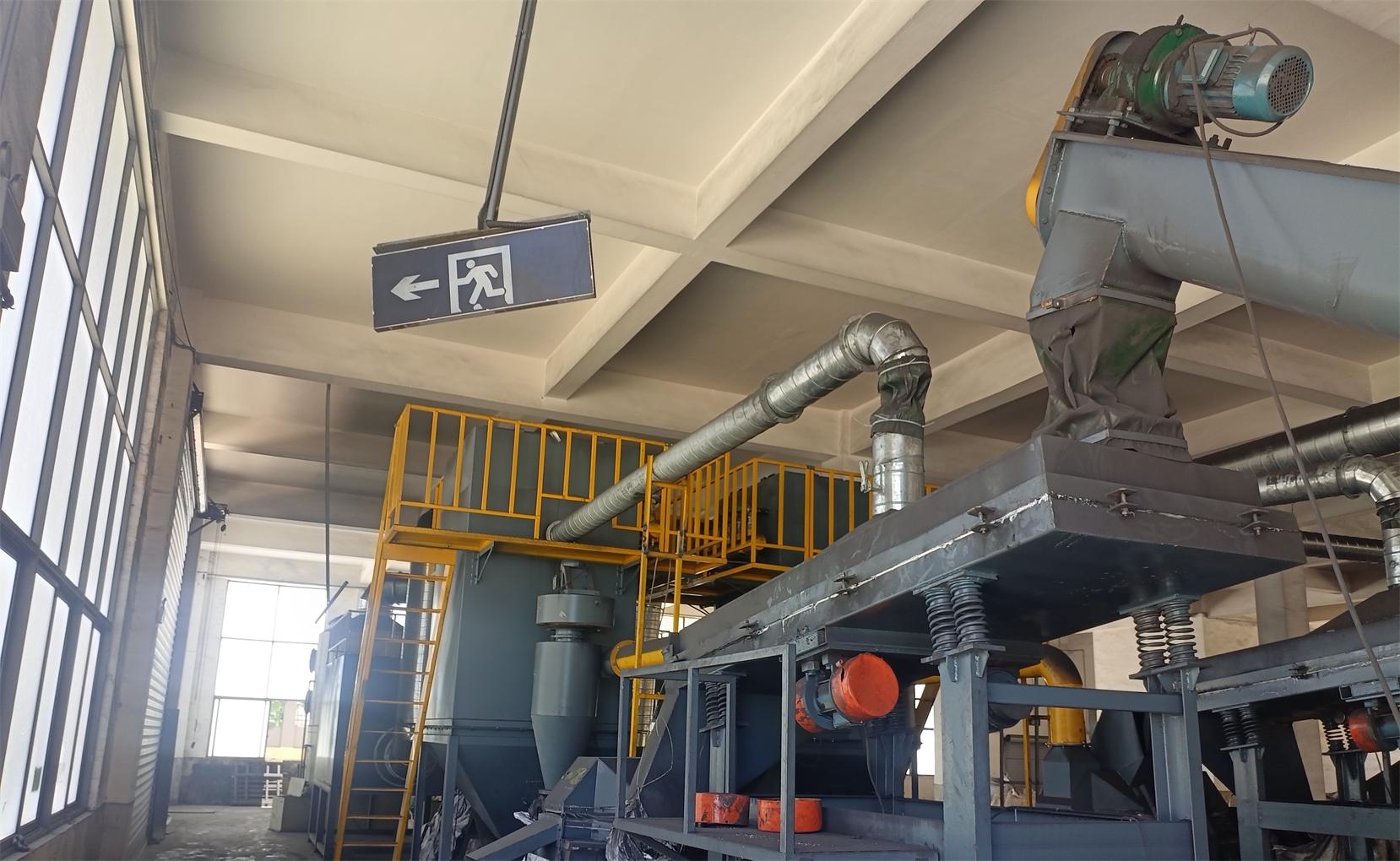
For operators in regions with strict environmental regulations or limited water access, dry separation is usually the pragmatic starting point. Systems like the WCBD-300A (300-500 kg/hour) or WCBD-1000A (1,000 kg/hour) use air classification, vibrating screens, electrostatic separators, and pulse dust collectors to recover copper powder without generating wastewater.
For operators who need maximum recovery from high-value boards or who already have water treatment infrastructure, wet systems such as the WCB-2000C (2,000 kg/hour) deliver superior metal liberation. The WCB-005C (500 kg/hour) is specifically designed to recycle PCB waste with components still attached, making it suitable for unprocessed e-waste collection.
Five Questions to Ask Before Buying
Whether you are looking at circuit board recycling equipment or cable granulators, the following checklist will help you avoid common purchasing mistakes:
1. What is my realistic daily feedstock volume? Buying a 2,000 kg/hour system for a 200 kg/day operation wastes capital and energy. Match capacity to actual supply, with 20-30% headroom for growth.
2. What metal purity does my buyer require? Some foundries accept 96% copper; others demand 99%. Understand your offtake agreement before selecting separation technology.
3. Do I have reliable three-phase power and adequate space? Industrial granulators and shredders draw significant power. Verify electrical supply and floor space before committing.
4. What environmental permits apply in my region? Dry separation avoids wastewater but still requires dust collection. Wet separation needs water discharge permits. Factor permit timelines into your project schedule.
5. Does the supplier offer installation, training, and spare parts support? Equipment that sits idle because no technician can service it generates zero return. Confirm after-sales support availability in your region.
Pre-Shredding: The Overlooked Bottleneck
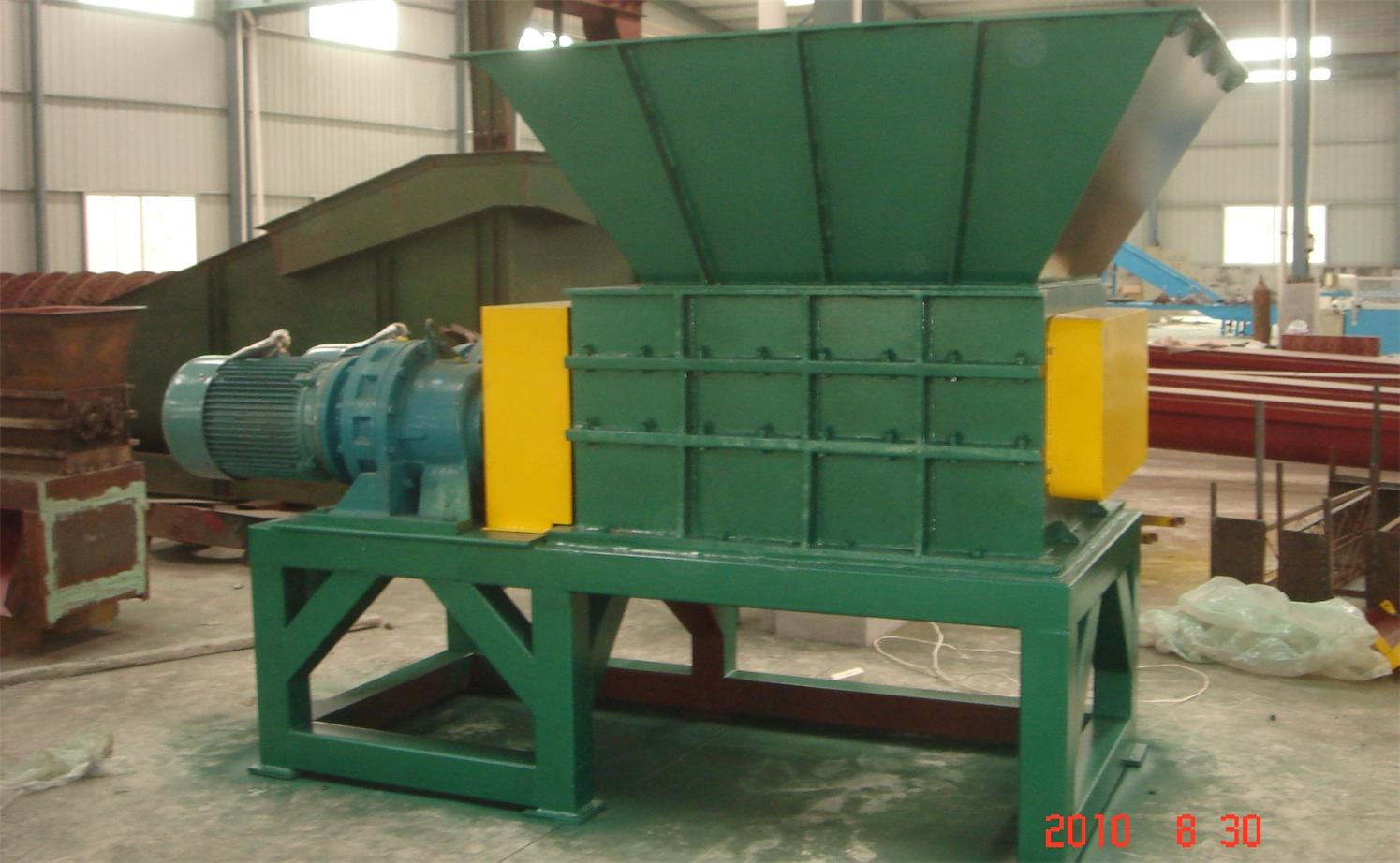
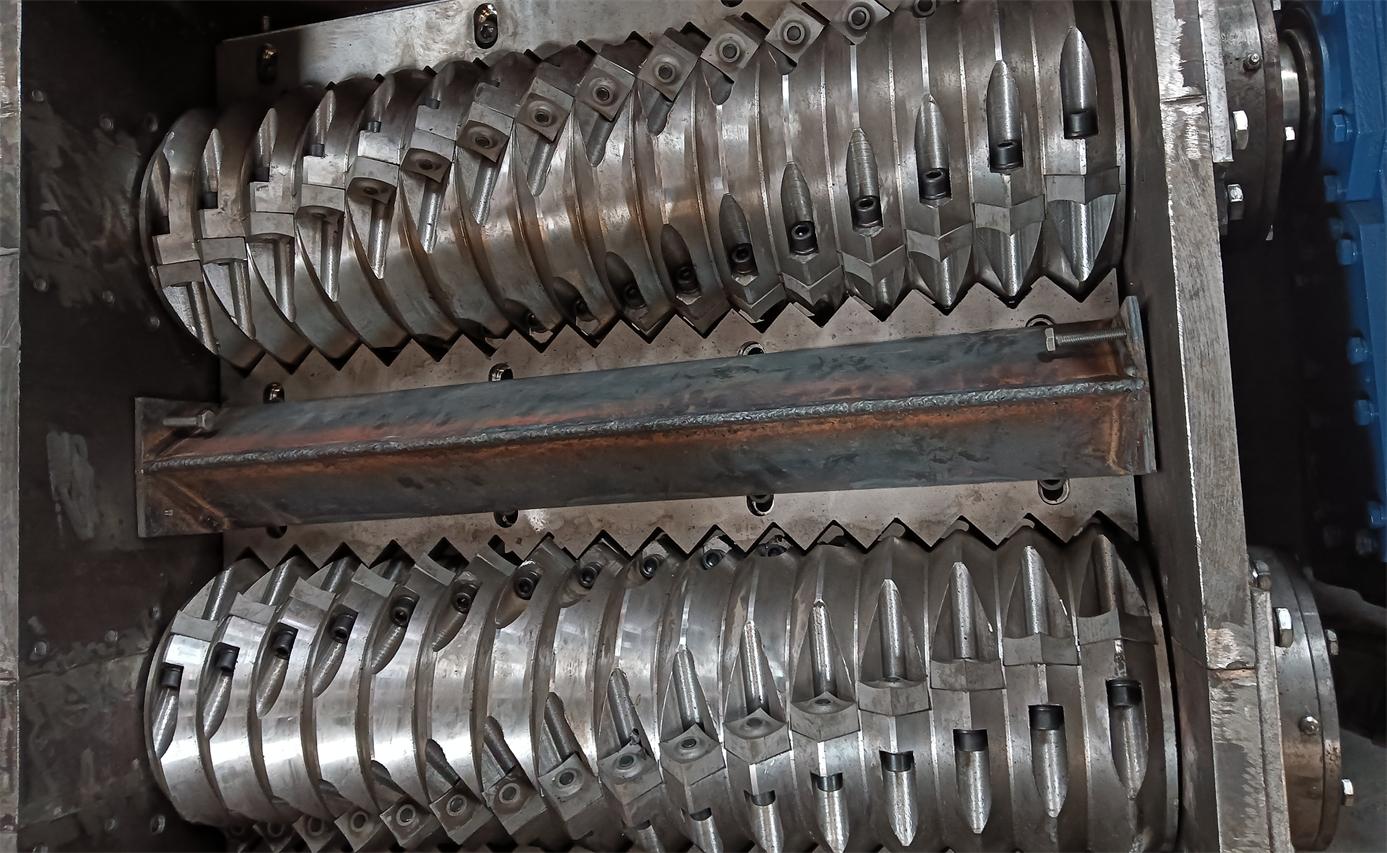
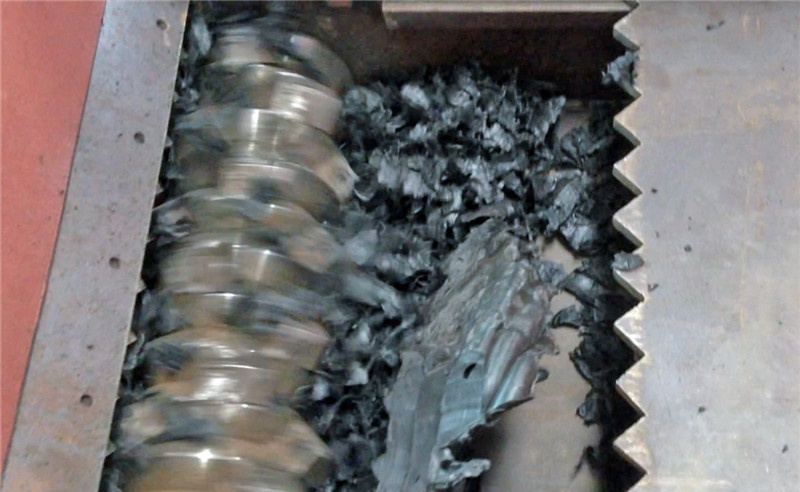
Many buyers focus on the separator and overlook the importance of proper pre-shredding. Large circuit boards, thick cable bundles, and mixed e-waste must be reduced to uniform size before granulation. A four-shaft shredder such as the IC-1800, processing 4-6 metric tons per hour, can handle PCB, cable, refrigerator casing, and even lead-acid batteries as a first-stage reduction step. Matching shredder output to granulator intake capacity prevents jams, reduces blade wear, and stabilizes throughput.
Working with an Experienced Equipment Supplier
San Lan Technologies Co., Ltd, established in 2007 and based in Jiangxi Province, China, manufactures a full range of recycling equipment supplier systems for cable and circuit board recovery. The company's engineering team holds master's degrees in mechanical engineering and brings over 15 years of field experience in e-waste recycling machinery design and commissioning.
San Lan's cable recycling line includes scrap cable strippers, compact granulators with dry separators, and wet separation systems for specialized applications. The circuit board recycling portfolio covers dry-process plants from 300 kg/hour to 2,000 kg/hour, as well as wet-process plants for complex or component-populated boards. All systems can be customized for local voltage, environmental requirements, and feedstock characteristics.
With installations in more than 21 countries, including Singapore, Colombia, Vietnam, Mexico, South Africa, India, Kenya, Saudi Arabia, and the Philippines, San Lan provides not only equipment but also EPC project delivery, installation and commissioning, staff training, and ongoing technical support.
Conclusion
Cable and circuit board recycling is a mechanically straightforward business with reliable technology and established end markets for recovered metals. Success depends on matching equipment capacity to feedstock availability, choosing the right separation technology for your regulatory environment, and working with a supplier who can support the plant from installation through steady-state operation. Operators who get these fundamentals right typically see payback periods measured in months rather than years.
Evaluating cable or circuit board recycling equipment for your operation? Review detailed specifications for granulators, strippers, shredders, and separation systems at San Lan Technologies. The engineering team welcomes inquiries for customized plant design, capacity planning, and turnkey project delivery.