Scrap cable is one of the most accessible and profitable materials in the recycling industry. With copper prices remaining strong and regulatory pressure mounting against landfill disposal, more operators are looking to invest in cable recycling equipment that turns waste wiring into valuable copper and plastic fractions. But not all machines suit every operation. Buying the wrong equipment can lead to poor separation rates, excessive downtime, and a return on investment that takes years longer than expected.
This guide breaks down the main types of cable recycling machine available today, what factors should drive your decision, and how to match equipment to the scale and scope of your business.
Understanding the Main Types of Cable Recycling Equipment
Before comparing brands or prices, it helps to understand the three core categories of equipment used in cable recycling operations.
Scrap Cable Strippers
For operators handling large-diameter or single-core cables, scrap cable stripper equipment is often the most cost-effective starting point. These machines mechanically peel away the plastic or rubber insulation to expose the copper or aluminum core inside. Models vary from small benchtop units for thin wires to heavy-duty industrial machines capable of stripping armored cables up to 150 mm in diameter. The key advantage is simplicity: low maintenance, minimal power consumption, and immediate visibility of the recovered metal. The limitation is that strippers work best on uniform, thick cables and struggle with fine or mixed wire bundles.
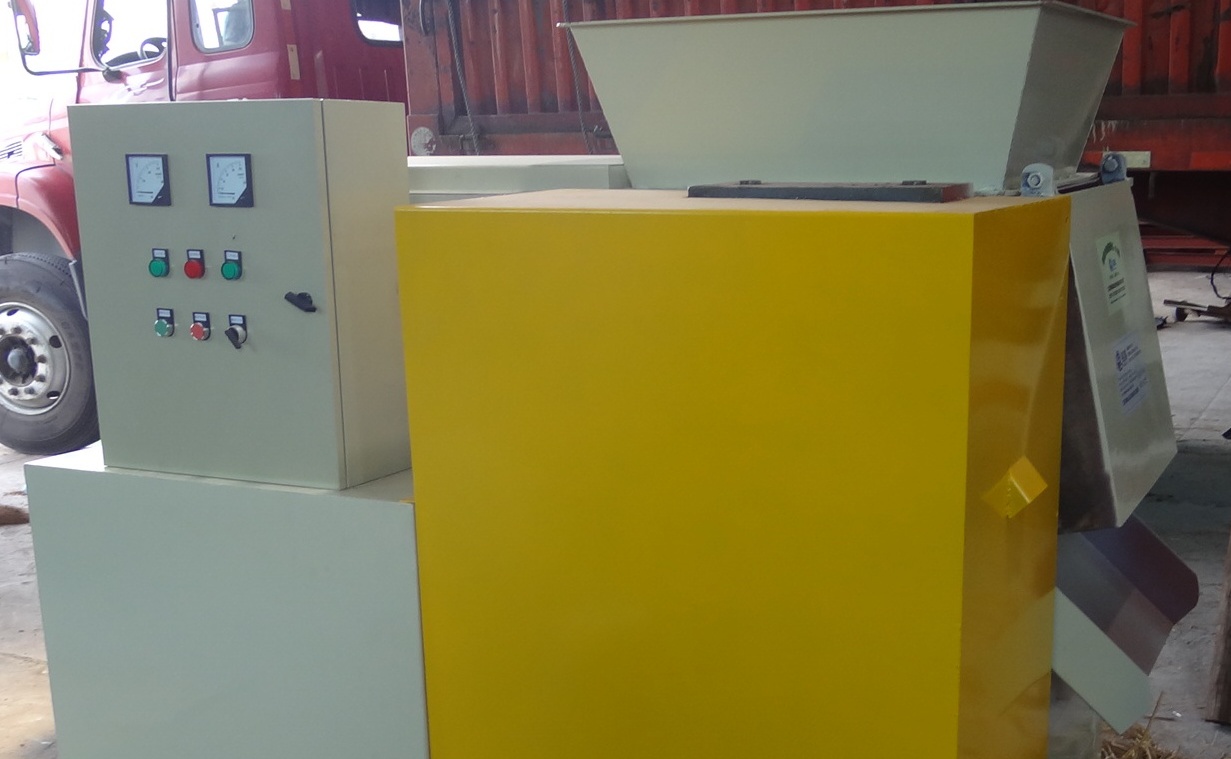
Cable Granulators and Wire Granulators
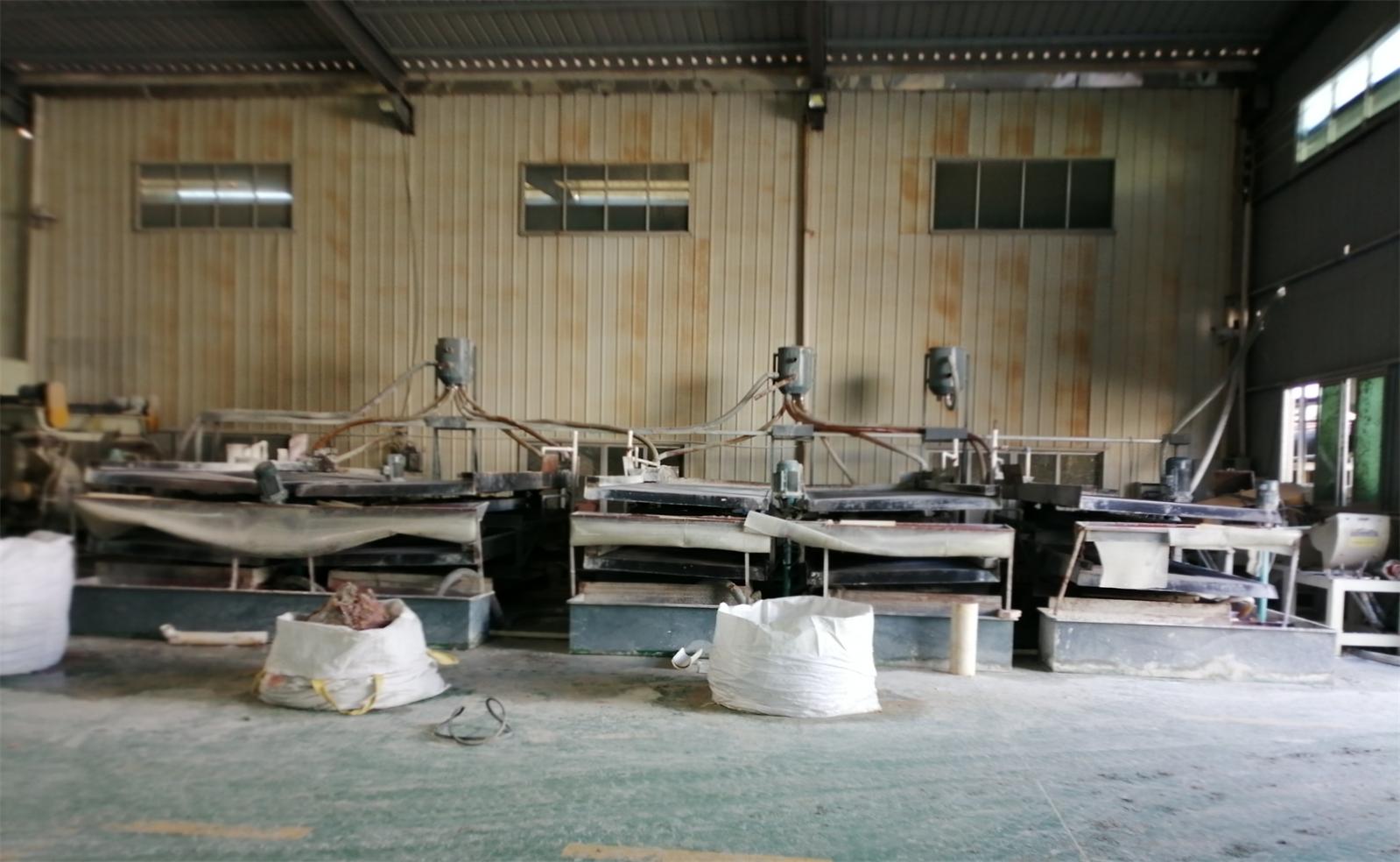
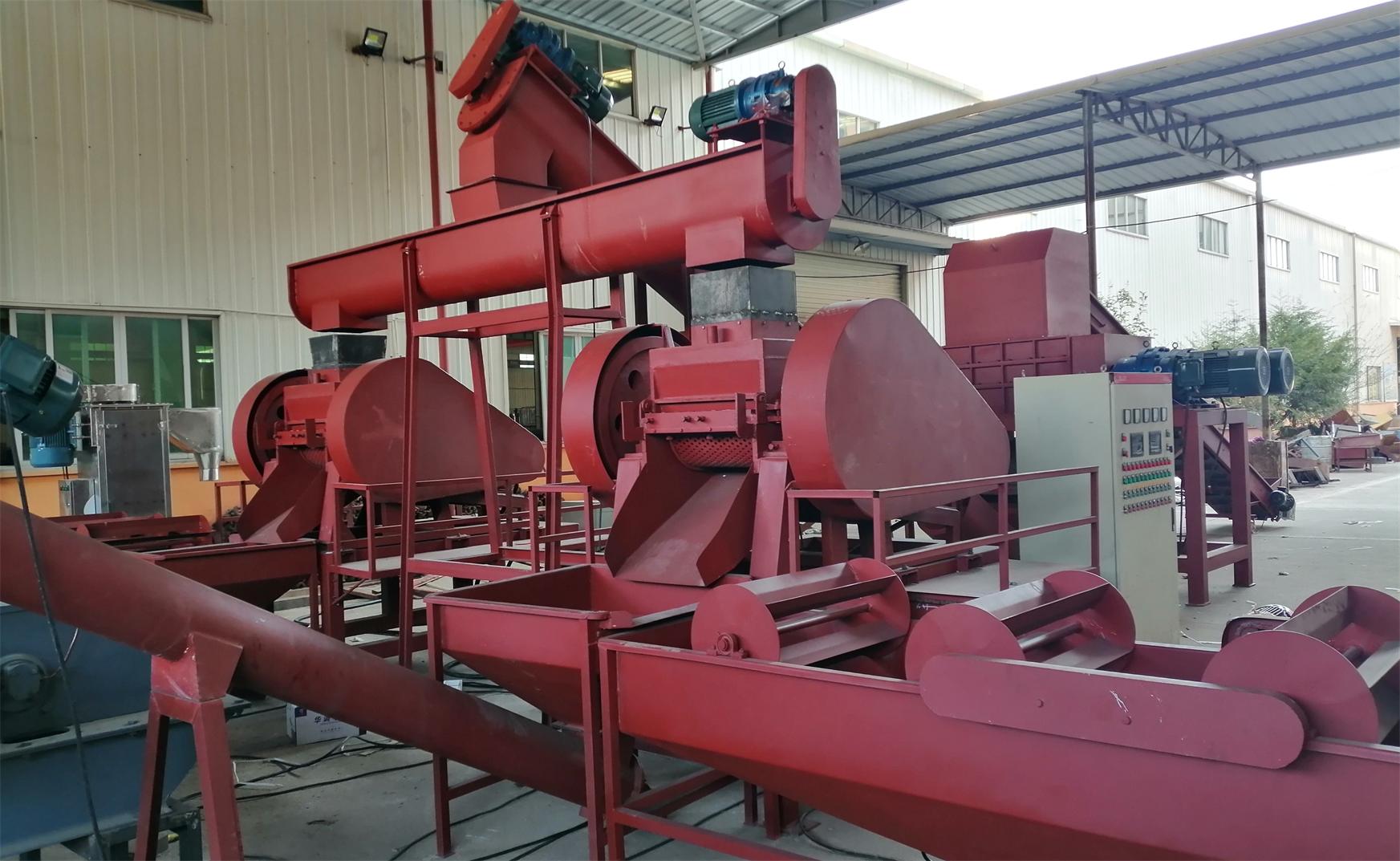
When your feedstock includes mixed cable diameters, fine wires, or bundles with multiple conductors, a granulator becomes essential. A copper wire recycling machine of this type works by shredding the cable into small particles, then using air separation or water separation to sort the metallic fraction from the plastic insulation. Dry separation systems are more common because they avoid water treatment requirements and can achieve copper purity levels of 96 to 98 percent. Wet separation systems, on the other hand, can handle more complex feedstock including PCB waste with components still attached, and they typically produce cleaner fractions with less dust emission.
Shredders and Pre-Choppers
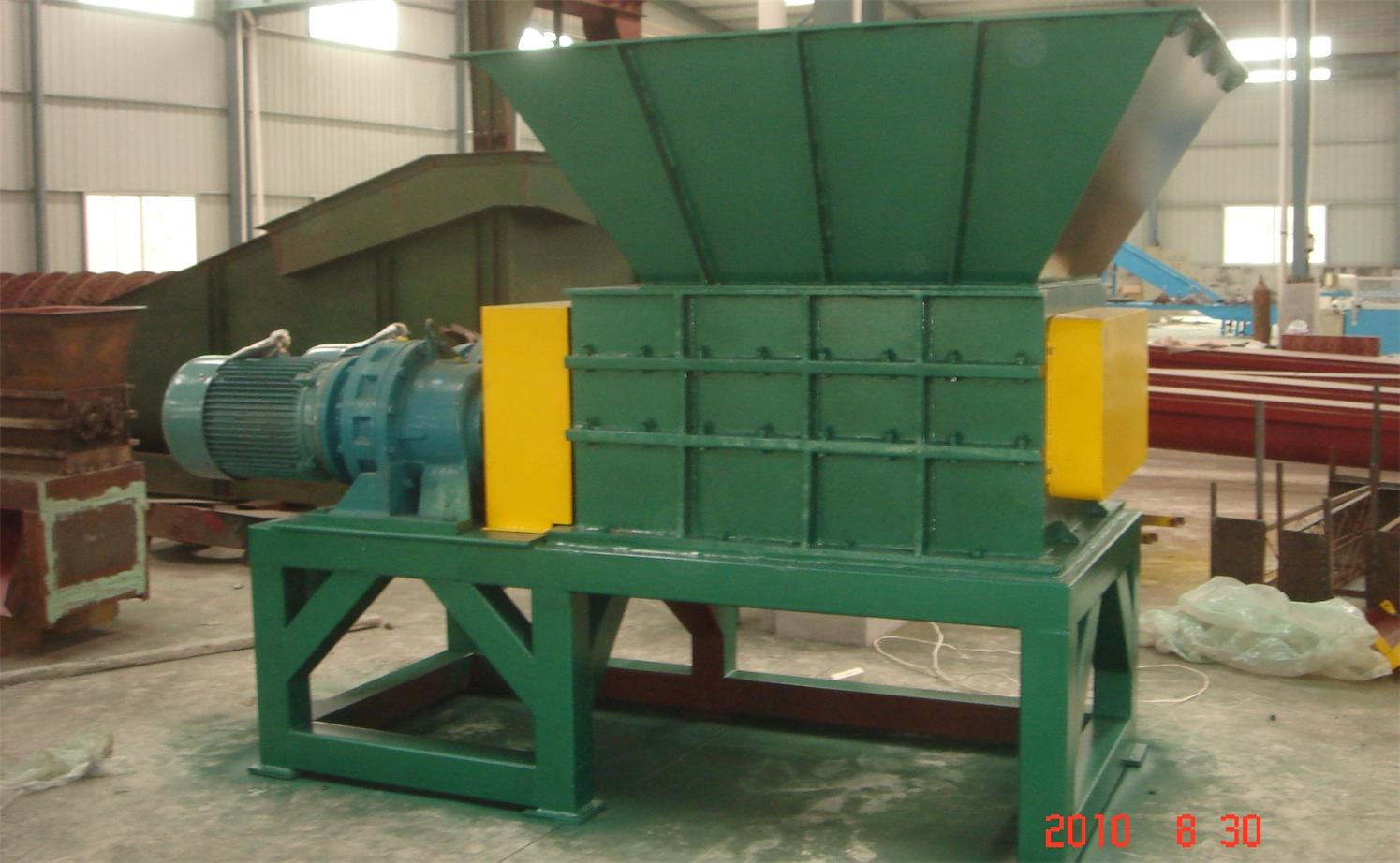
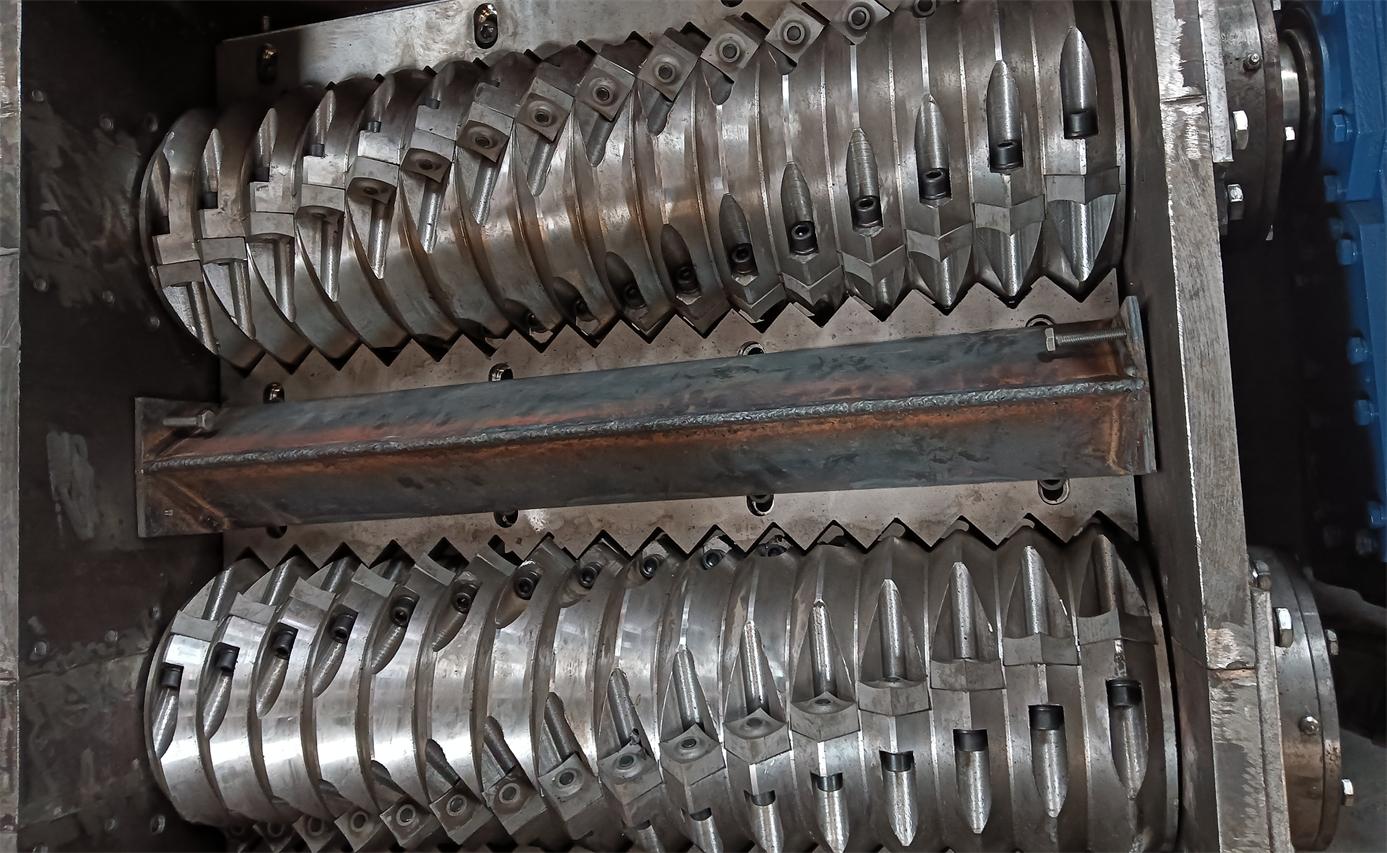
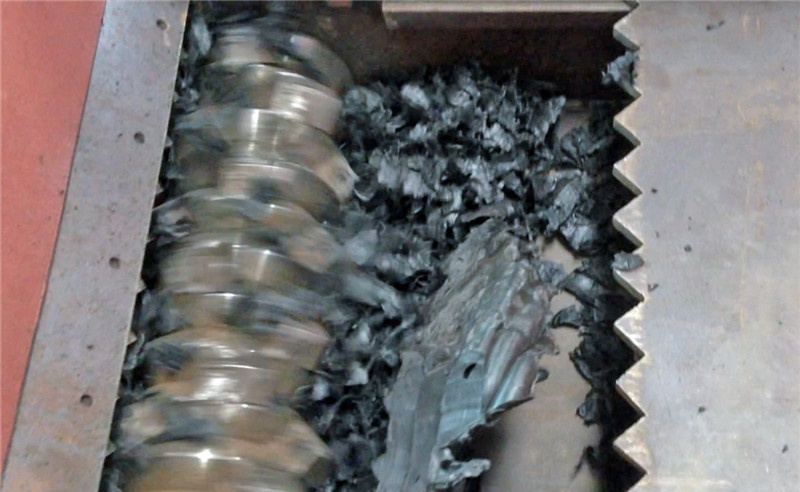
For operations dealing with bulky or mixed e-waste that includes cables attached to larger equipment, a shredder or pre-chopper is a necessary upstream investment. These machines reduce the overall size of the material before it enters the granulator or stripper, protecting downstream equipment from damage and improving overall throughput. Multi-shaft shredders can process everything from refrigerator wiring harnesses to thick industrial power cables, making them a versatile addition to integrated recycling plants.
Key Factors to Consider When Buying Cable Recycling Equipment
Once you know which category of equipment fits your material stream, the next step is evaluating specific machines against the operational realities of your facility.
Capacity and Throughput
Capacity is usually measured in kilograms or metric tons per hour, but the real question is whether the machine can sustain that rate with your specific mix of cable types. A granulator rated at 1,000 kg per hour with clean copper wire may drop significantly when processing aluminum-steel hybrid cables or wire with thick rubber insulation. Ask manufacturers for test runs using your actual material, or at minimum, request references from customers running similar feedstock.
Separation Technology and Purity
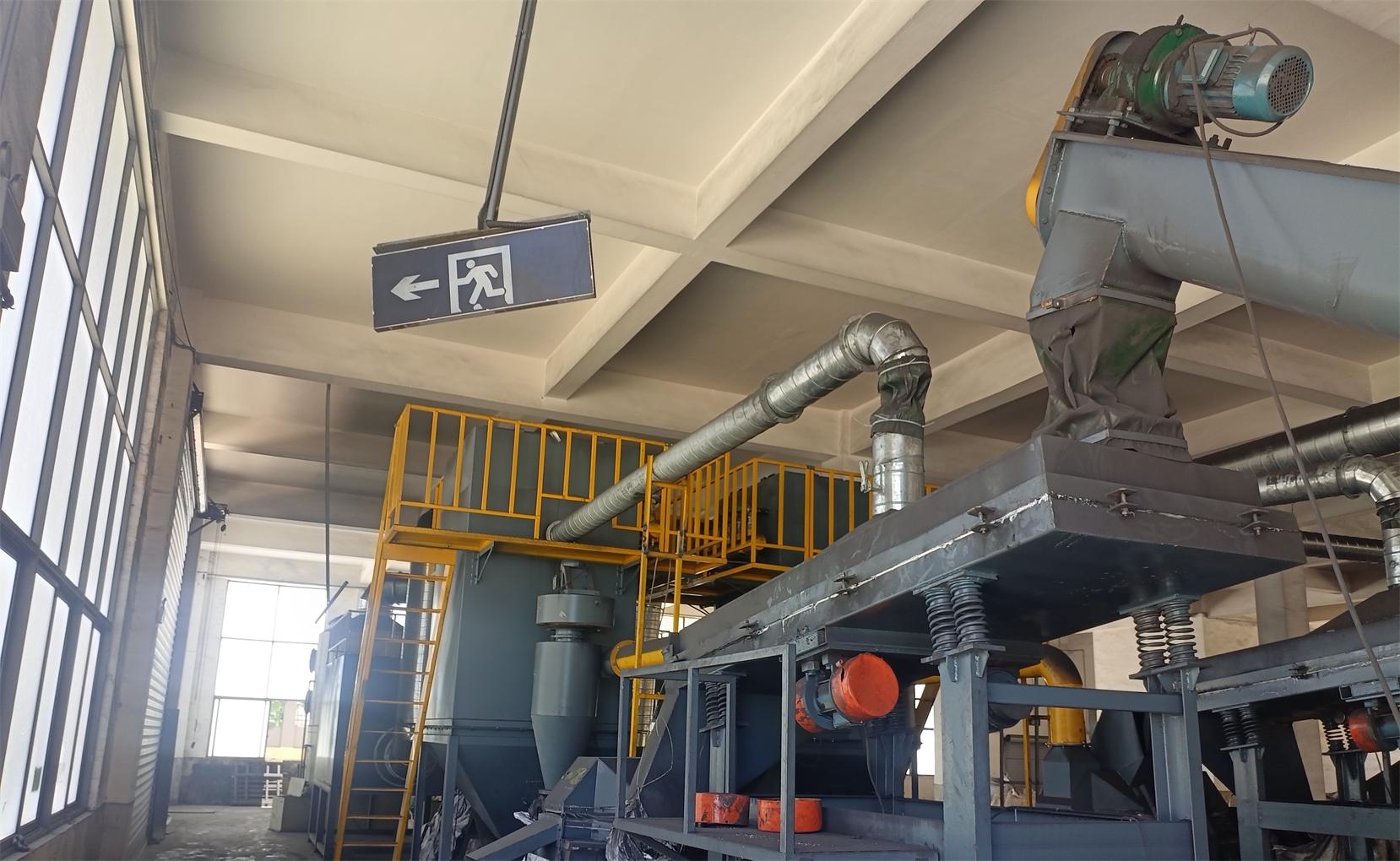
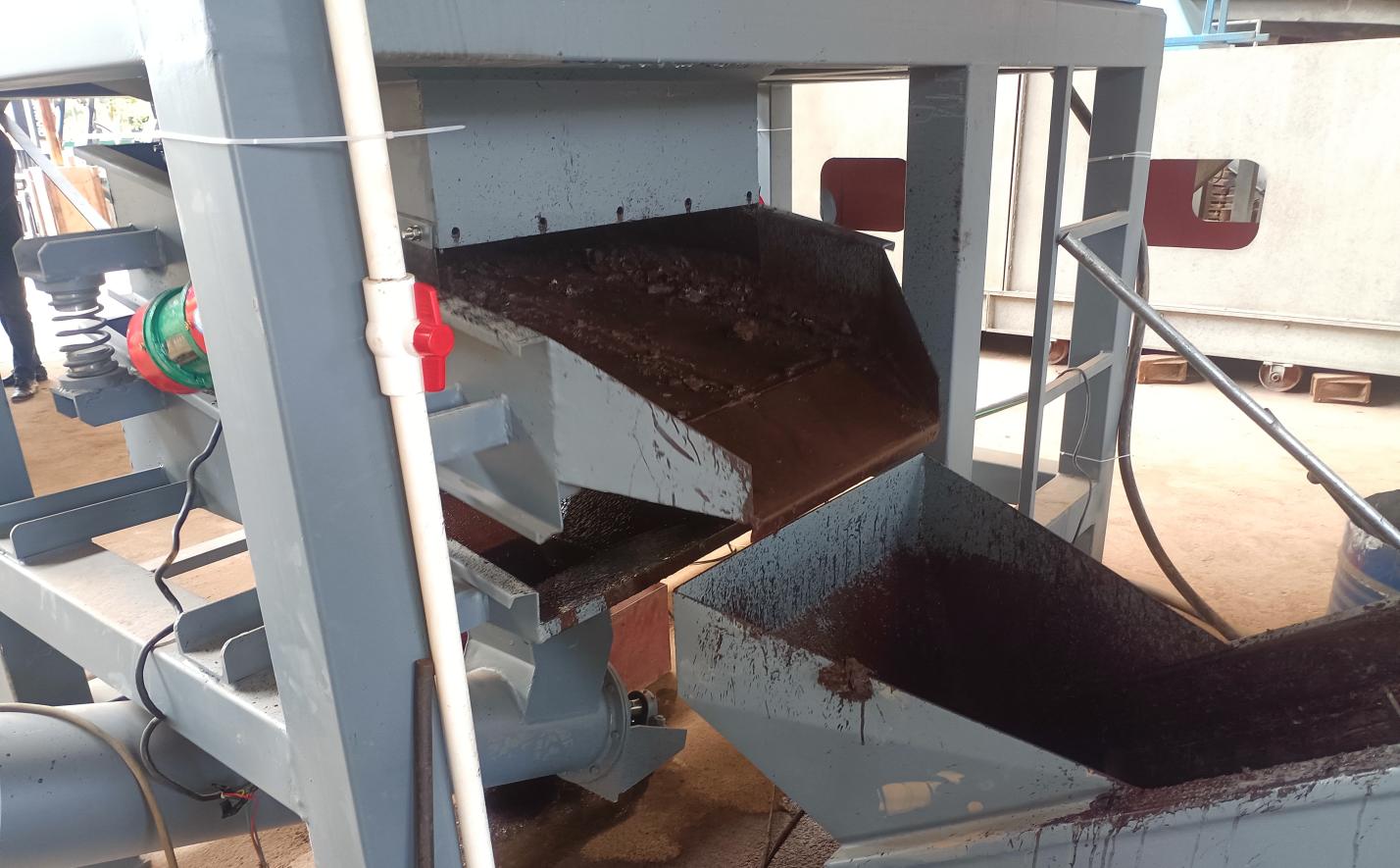
The value of your output depends heavily on purity. Copper mixed with plastic sells for far less than clean copper granules or bright wire. Modern dry separation systems use a combination of vibrating screens, air classifiers, and electrostatic separators to achieve high purity without water. If your target market demands near-perfect separation, or if you are processing materials with similar densities, wet separation or additional sorting stages may be worth the added operational complexity.
Cable Diameter Range
Every machine has an optimal feedstock range. Stripper models are usually specified by minimum and maximum cable diameter. Granulators are more flexible but still have practical limits at both ends: extremely fine wires may pass through screens unshredded, while very thick cables can overload the rotor or cause jamming. Ensure the equipment you choose covers at least 80 percent of your expected feedstock without requiring constant adjustment.
Environmental Compliance and Dust Control
Cable shredding and granulation generate dust, noise, and in some cases, fine metal particles that pose respiratory risks. Depending on your jurisdiction, you may need dust collection systems, noise enclosures, or air pollution control equipment to meet workplace and environmental regulations. Some manufacturers offer integrated pulse-bag dust collectors or cyclone separators as part of the plant package. Factoring these requirements into your initial purchase avoids costly retrofits later.
Maintenance and Spare Parts Availability
Blades, screens, bearings, and belts wear out. A machine that runs well for six months but requires proprietary parts with a twelve-week lead time can destroy your cash flow. Look for equipment built with standard industrial components, and ask the manufacturer for a detailed maintenance schedule along with a recommended spare parts list for the first year of operation.
Matching Equipment to Your Operation Scale
Small to Medium Operations: If you are processing less than two tons per day, a compact cable granulator with dry separator or a combination of stripper and small granulator may be sufficient. Look for units with lower power requirements and footprints that fit existing workshop space.
Large-Scale Recycling Plants: For facilities handling five tons per hour or more, integrated lines with pre-shredders, high-capacity granulators, multi-stage separators, and automated conveying become necessary. At this scale, custom plant design, installation support, and commissioning assistance from the manufacturer are critical to achieving target throughput.
Why Experience Matters in Equipment Selection
Buying cable recycling equipment is not just a transaction. It is the beginning of a long-term relationship that will shape your production efficiency, product quality, and maintenance costs for years. An experienced manufacturer brings more than steel and motors to the table. They bring process knowledge, material testing capability, and the ability to design systems around your specific goals.
San Lan Technologies Co., Ltd., established in 2007, has built and commissioned recycling plants in over twenty-one countries. The engineering team includes professionals with master's degrees in mechanical engineering and more than fifteen years of direct experience in e-waste recycling machinery. This depth of expertise matters when you are sizing a granulator for mixed Asian-market cables, configuring a wet separation line for PCB-laden material, or integrating a four-shaft shredder as a pre-chopper for a high-volume cable recycling plant.
Beyond standard equipment, San Lan provides EPC project services covering customized design, one-stop procurement, installation, and commissioning. For operators entering the recycling business for the first time, the company also assists with raw material sourcing and guidance on selling recovered outputs such as copper rice, copper powder, and plastic granules.
Final Thoughts
The right cable recycling equipment pays for itself through higher metal recovery rates, lower labor costs, and consistent output quality that commands premium pricing. The wrong equipment drains capital, creates frustration, and leaves valuable metal in the waste stream. By understanding your material, matching capacity to realistic throughput needs, and partnering with a manufacturer that understands both the machinery and the recycling business, you set up your operation for long-term profitability.
Ready to evaluate cable recycling equipment for your operation? San Lan Technologies offers a full range of cable strippers, granulators, and integrated recycling lines with capacities from 100 kg to over 2,000 kg per hour. Contact the team at info@san-lan.com or via WhatsApp at +86 139 2377 4083 to discuss your material stream and receive a tailored equipment recommendation.