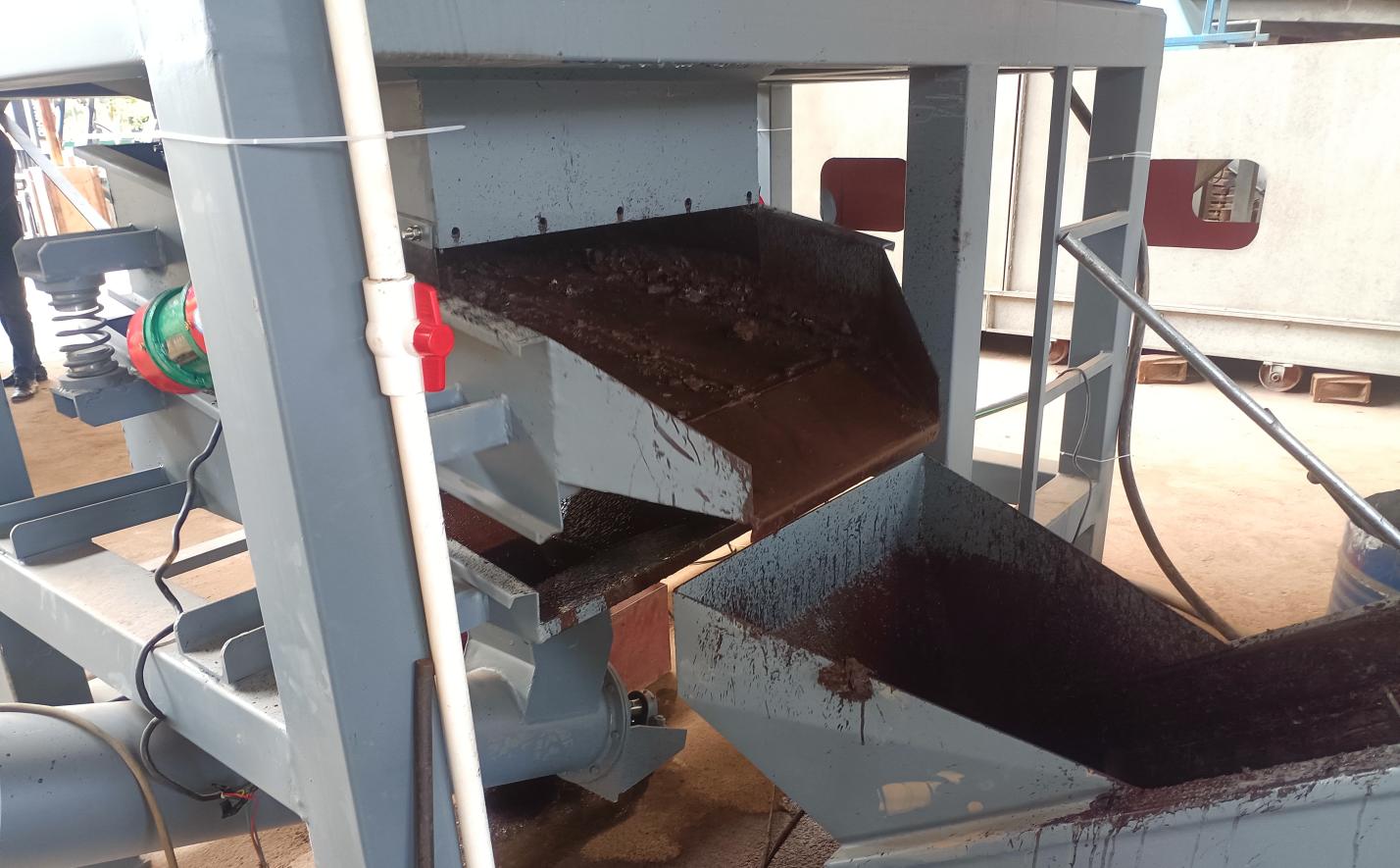
Copper has been called "the metal with a PhD in economics" because its price tracks global industrial activity so closely. What many investors do not realize is that as much as 80% of copper currently in use comes from recycling, not mining. For operators entering this market, the decisive factor between profit and loss is not raw material access — it is choosing the right cable recycling equipment.
Why Cable Recycling is a High-Margin Business
The economics of cable recycling are compelling. Recovering copper from scrap cables consumes only 15% to 20% of the energy required to extract copper from ore. The metal does not lose its chemical or physical properties during recycling, meaning recovered copper is functionally identical to virgin material.
Feedstock is also abundant and growing. End-of-life vehicles contain 1% to 2% copper by weight, primarily in wiring harnesses. Construction and demolition waste contains wiring, pipes, and fittings. Waste electrical and electronic equipment (WEEE) can contain anywhere from 2% to 20% copper depending on the product category. Industrial electrical equipment — including power cables and transformers — can contain 5% to 80% copper.
The bottleneck for most new entrants is not sourcing scrap. It is building an efficient processing line that maximizes recovery rates while controlling labor and environmental compliance costs. That is where equipment selection becomes critical.
Understanding the Cable Recycling Process
Before evaluating machinery, it helps to understand the standard flow. A typical cable recycling operation follows these stages:
1. Collection & Sorting: Scrap cables are collected and sorted by diameter, insulation type, and copper content.
2. Pre-processing (Stripping): Large-diameter cables are often stripped first to remove thick insulation and expose the conductor.
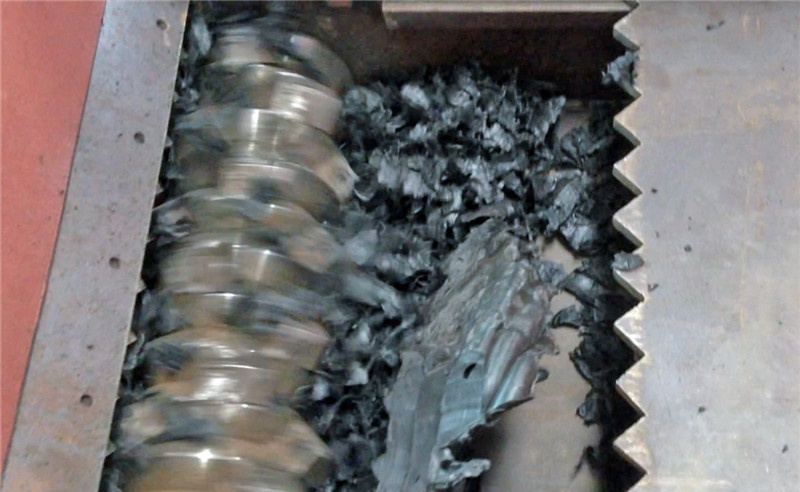
3. Size Reduction: Cables are shredded or granulated into small pieces, typically under 6mm.
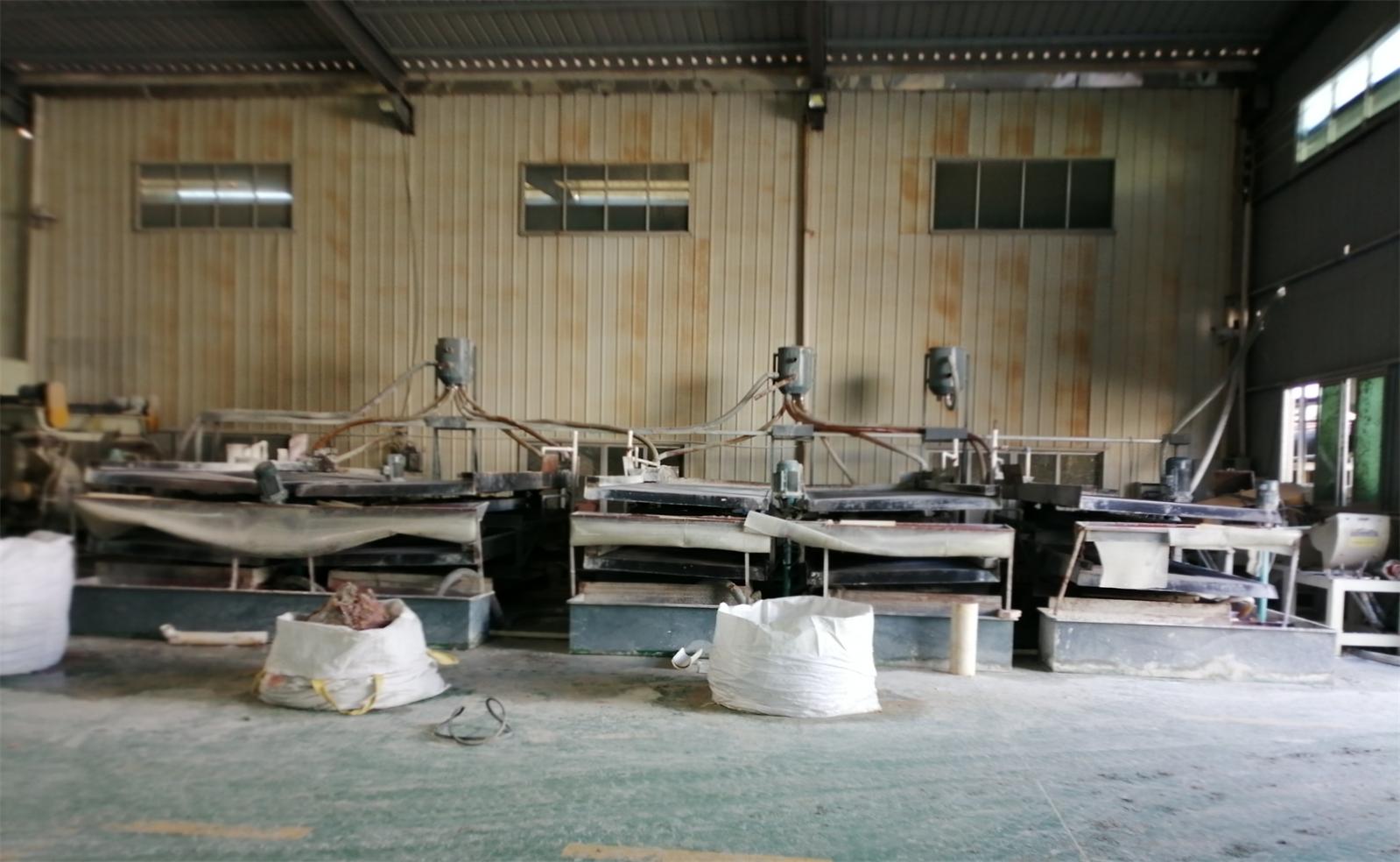
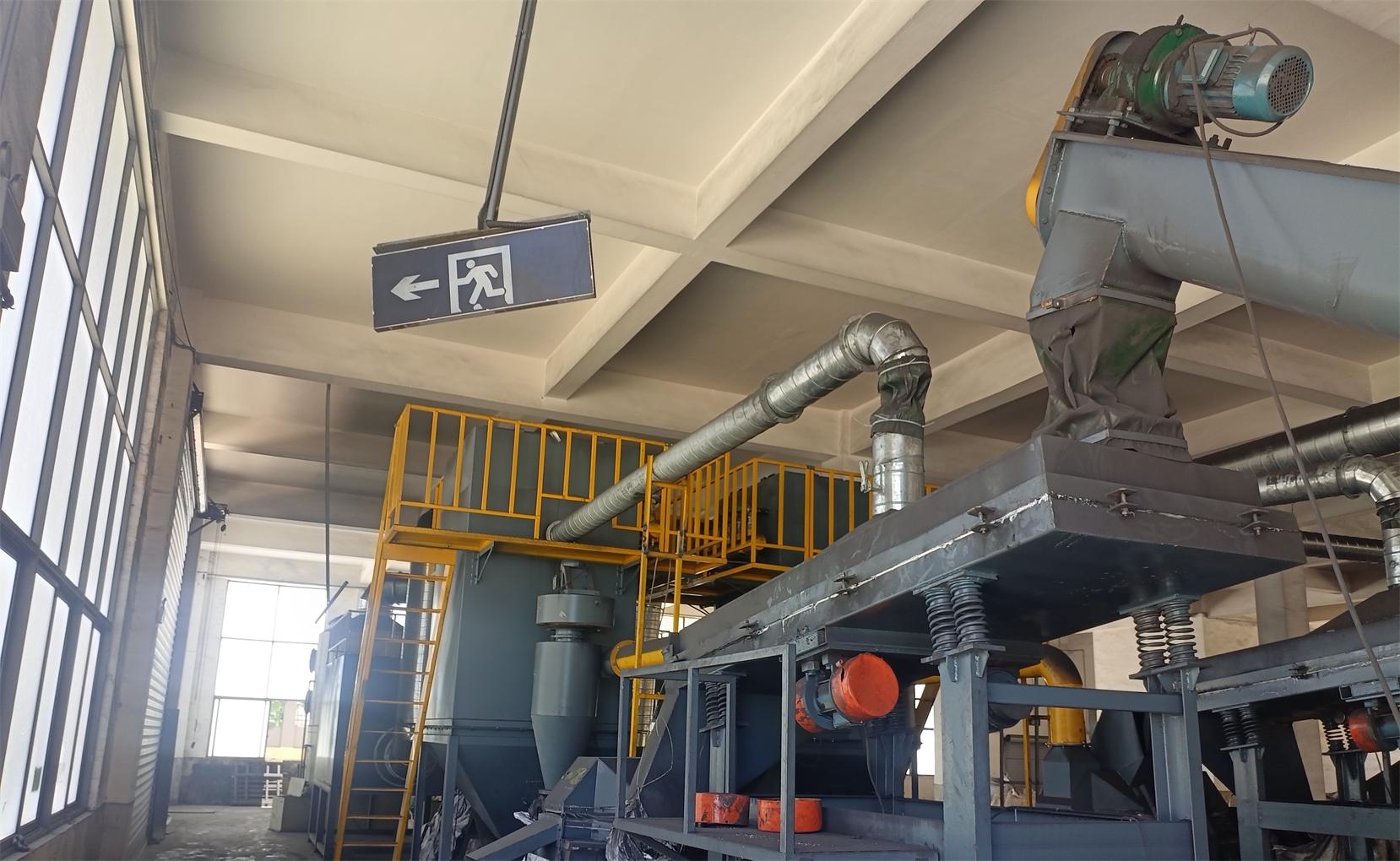
4. Separation: Copper is separated from plastic insulation using gravity, air, or water-based methods.
5. Collection: Clean copper granules and separated plastic are collected for sale or further processing.
Each stage requires specific machinery. The wrong configuration at any stage reduces overall recovery rate, increases downtime, and raises operating costs.
Core Equipment: What You Actually Need
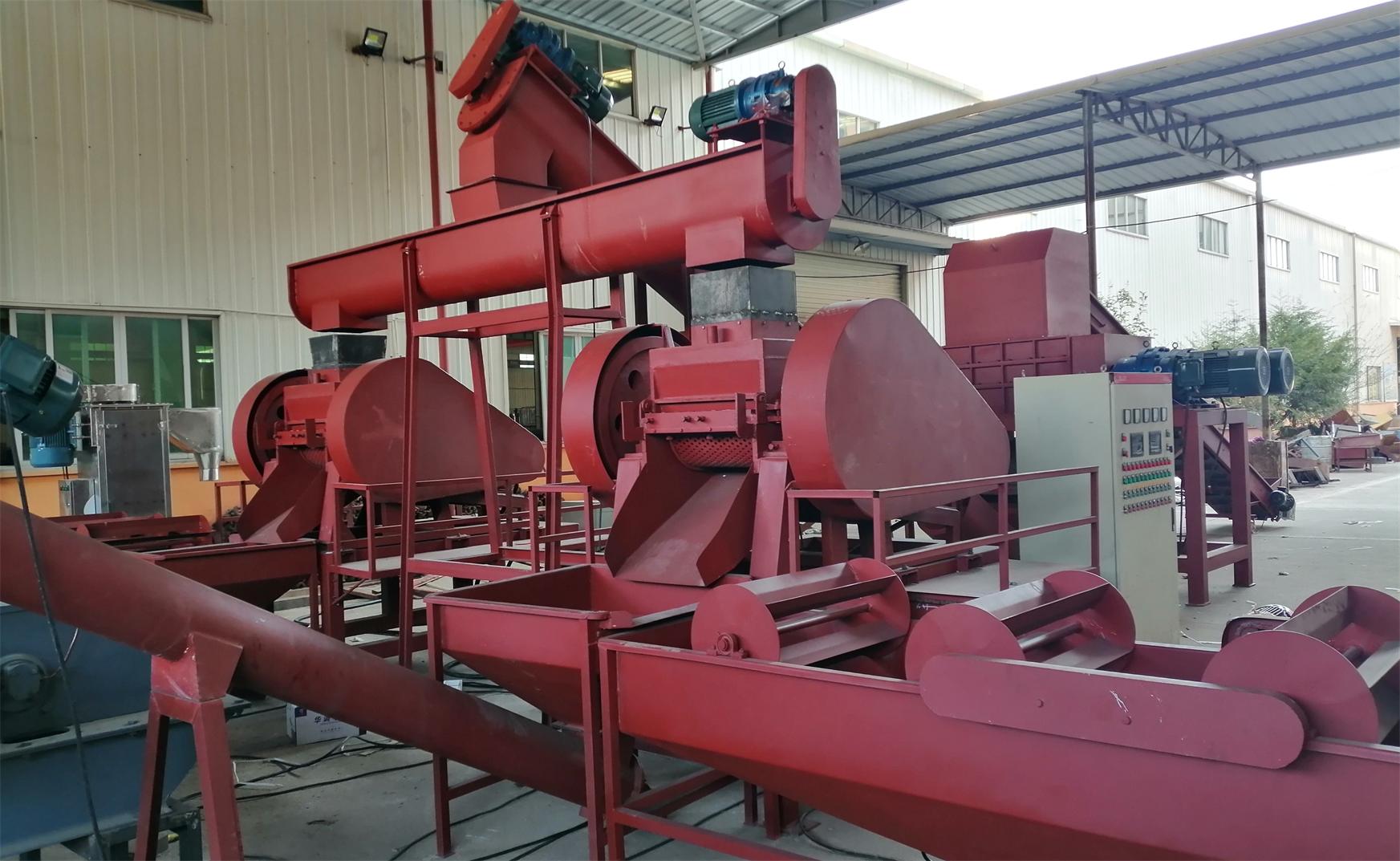
A professional cable recycling line generally consists of three categories of equipment. Your specific combination depends on the cable types you process, your target capacity, and your capital budget.
1. Scrap Cable Strippers
For thick-armored cables or large-diameter industrial wire, a scrap cable stripper is often the most efficient first step. Stripping thick insulation before feeding material into a granulator reduces wear on the granulator blades and improves overall throughput.
Modern strippers handle cable diameters from 1.5mm up to 150mm. For example, some models offer throughput rates of 200kg to 15,000kg per 10-hour shift, powered by 5.5kW motors. If your feedstock includes a high proportion of thick industrial cables, investing in a dedicated stripper often pays back within months through reduced granulator maintenance and higher hourly output.
2. Cable Granulators (Copper Wire Recycling Machines)
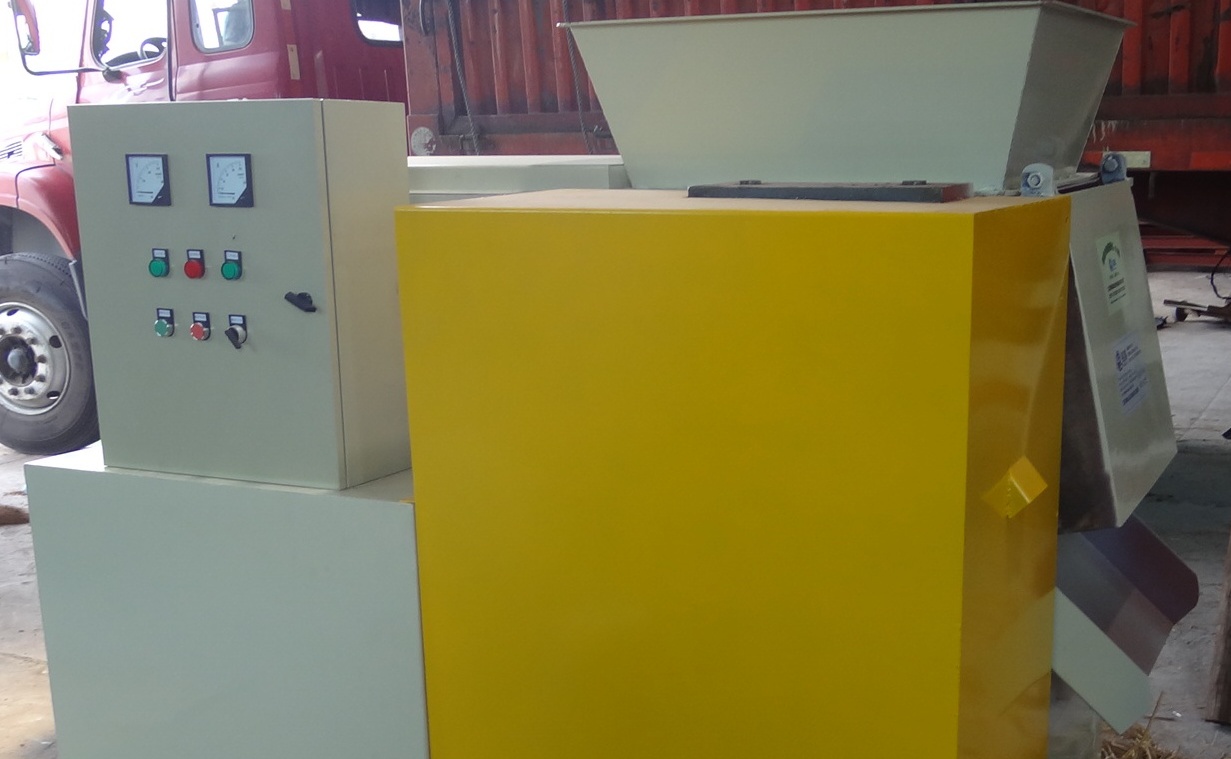
The cable wire granulator is the heart of the operation. This machine chops mixed cables into small pieces and then separates the metallic fraction from the plastic fraction. The output is commonly called "copper rice" or clean copper granules, which command a high price from smelters and refiners.
Granulators vary widely in capacity. Compact dry-separation models start around 100kg to 200kg per hour, suitable for small-to-medium operations. Industrial-scale systems can process 1,000kg to 2,000kg per hour or more. When evaluating a copper wire recycling machine, pay close attention to the separation purity it achieves. Reputable systems deliver copper powder purity of 96% to 98% and overall recovery rates of 95% or higher.
3. Shredders and Pre-Choppers
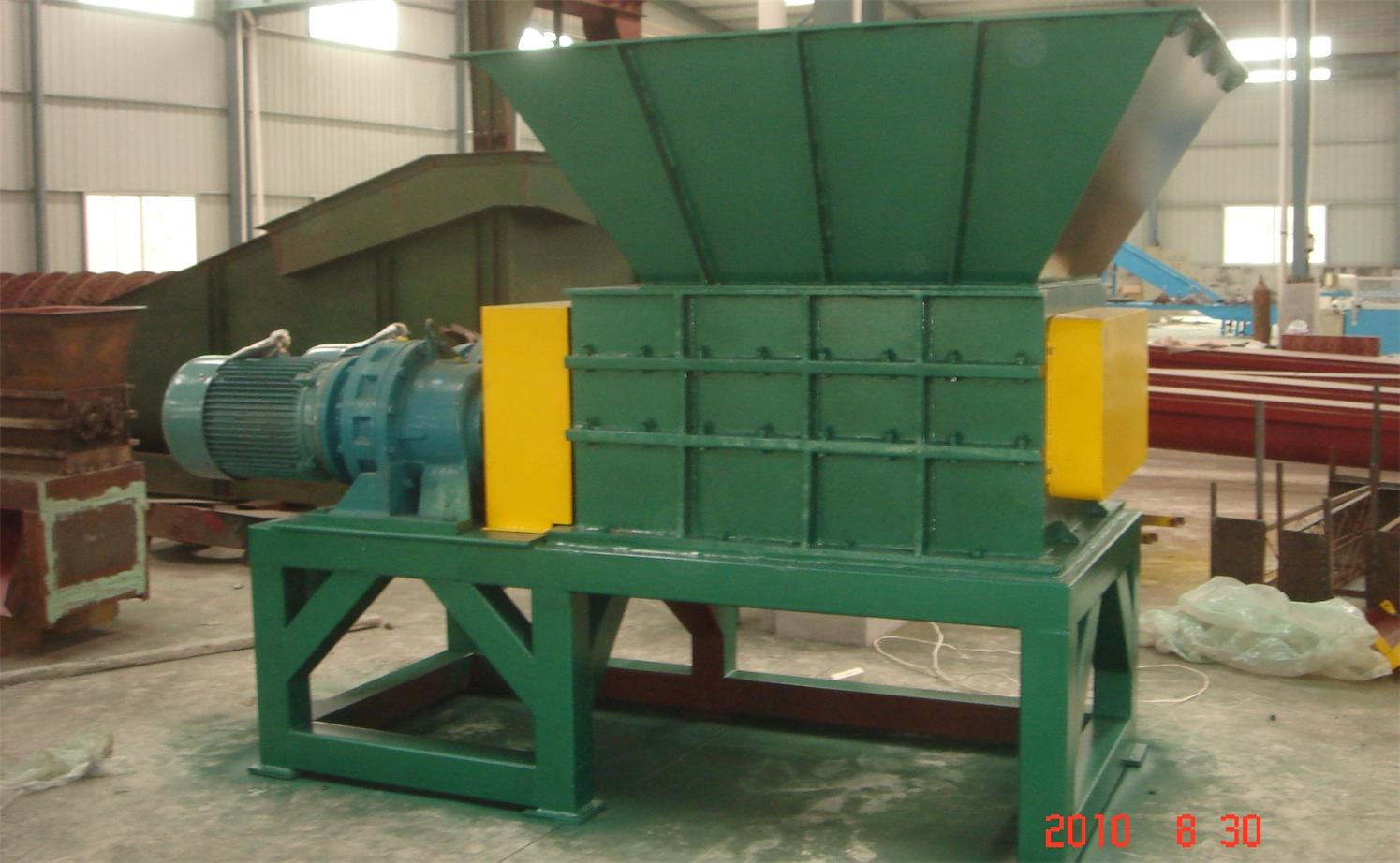
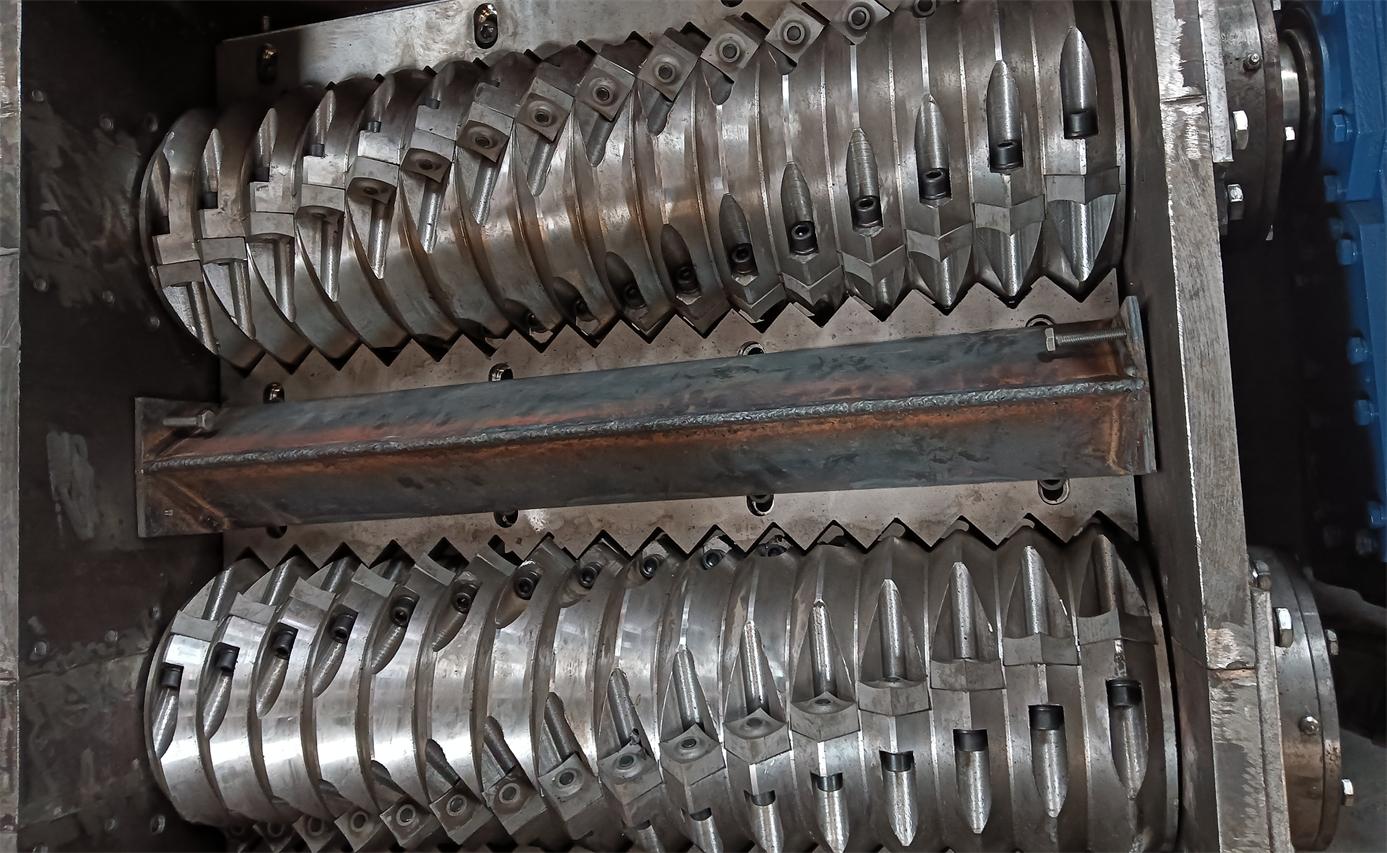
If your feedstock includes bulky mixed e-waste — such as refrigerator wiring harnesses, automotive harnesses, or thick bundled cables — a shredder or pre-chopper is essential upstream of the granulator. Multi-purpose shredders with capacities of 2 to 6 metric tons per hour can handle not just cables but also PCB, refrigerator casings, and other e-waste, giving operators flexibility as material streams evolve.
Dry Separation vs Wet Separation: Which One for You?
One of the most important decisions when selecting a cable recycling machine is whether to use dry or wet separation technology.
| Factor | Dry Separation (Air / Electrostatic) | Wet Separation (Water-based) |
|---|---|---|
| Environmental impact | No water pollution; dust collection required | Requires water treatment system |
| Copper purity | 96% to 98% | Can exceed 98% |
| Operating cost | Lower (no water treatment) | Higher (water and treatment chemicals) |
| Suitable for | Standard copper/plastic cables | PCBs with components, fine particles |
| Footprint | Compact | Larger (includes water circuit) |
For pure cable recycling operations — where the feedstock is primarily copper wire with plastic or rubber insulation — dry separation is generally the preferred choice. It avoids the regulatory complexity and ongoing cost of water treatment while still delivering excellent recovery rates. Wet separation shines when processing mixed materials like printed circuit boards or when the highest possible purity is required.
Equipment Selection Checklist
Use the following checklist when comparing suppliers and configurations:
Beyond the Machine: Turnkey Support Matters
Buying a single machine is rarely the end of the story. Many new operators discover too late that integrating a granulator with upstream strippers, downstream conveyors, and dust control systems requires engineering expertise they do not have in-house.
This is why experienced buyers increasingly look for suppliers who offer EPC (Engineering, Procurement, Construction) capabilities — meaning the supplier can design the full line, source auxiliary equipment, supervise installation, and commission the plant. A supplier with 15+ years of mechanical engineering experience and a track record across 21+ countries can identify integration issues before they become expensive retrofits.
Additional value-added services to look for include help sourcing raw material (scrap cables, PCB scrap, used batteries), guidance on selling recovered output (copper rice, copper powder, plastic pellets), and custom design capabilities for unusual feedstock or space constraints.
Conclusion: Invest in Efficiency Early
The cable recycling market rewards efficiency. With copper prices historically strong and scrap feedstock widely available, the operators who win are those who recover the most metal per ton of input at the lowest operating cost. The difference between a generic machine and a well-matched, professionally supported processing line often shows up in the first year of operation — in lower downtime, fewer blade changes, higher purity premiums from buyers, and faster regulatory approval.
If you are evaluating your first line or upgrading an existing plant, start with a clear understanding of your feedstock, capacity needs, and separation technology preference. Then select a supplier who can not only deliver the core cable recycling equipment but also support you through design, installation, and commissioning.
Looking for cable recycling equipment tailored to your operation?
San Lan Technologies has designed and supplied cable recycling plants, lead acid battery recycling systems, lithium battery recovery lines, and circuit board processing plants to operators in over 21 countries since 2007. Whether you need a single scrap cable stripper or a complete turnkey cable recycling line, our engineering team can configure a solution matched to your material, capacity, and budget.
Contact us via WhatsApp at +86 139 2377 4083 or email info@san-lan.com to discuss your project requirements.