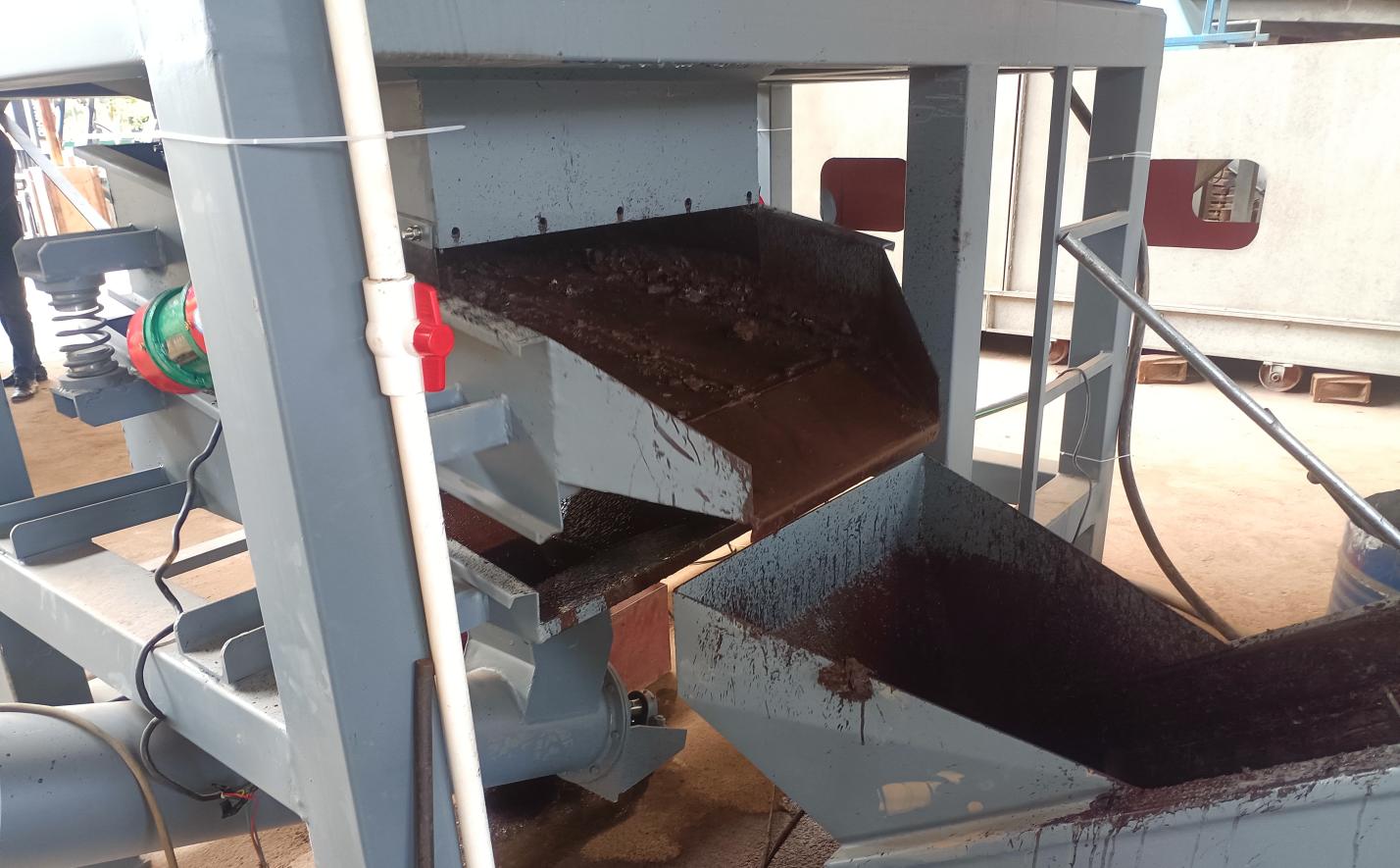
Copper is one of the most recycled metals on the planet. Nearly 80% of all copper ever mined is still in use today, and recycling it requires only 15-20% of the energy needed for primary production from ore. For entrepreneurs and established recyclers alike, cable scrap represents one of the most accessible and profitable feedstocks. But turning piles of insulated wire into pure copper granules requires the right cable recycling equipment. This guide walks through the core machinery, selection criteria, and what to look for in a supplier.
Why Cable Recycling Is a Strong Business Case
The demand for copper continues to rise across construction, electronics, and electric vehicle manufacturing. Yet mining new copper is capital-intensive and environmentally costly. Recycling scrap cable bridges this gap. Sources of recyclable cable include construction and demolition waste, end-of-life vehicles, industrial electrical equipment, and obsolete electronics. Copper content in these cables typically ranges from 15% to over 90%, depending on the grade and application.
Unlike other recycling streams, cable processing offers a relatively straightforward path to value: separate the conductive metal from the plastic insulation, and sell both outputs. The key is doing this efficiently, safely, and at scale.
The Core Cable Recycling Process
While every operation differs slightly, most cable recycling plants follow a standard sequence:
1. Pre-sorting and cutting — Large or armoured cables may need to be cut to manageable lengths before feeding into machinery. Heavy-duty cables often contain steel armour that must be removed.
2. Stripping (for thick cables) — For cables with diameters above 10-20 mm, a scrap cable stripper is often the most efficient first step. These machines slit or peel away the outer insulation to expose the copper or aluminium core, which can then be processed further or sold directly.
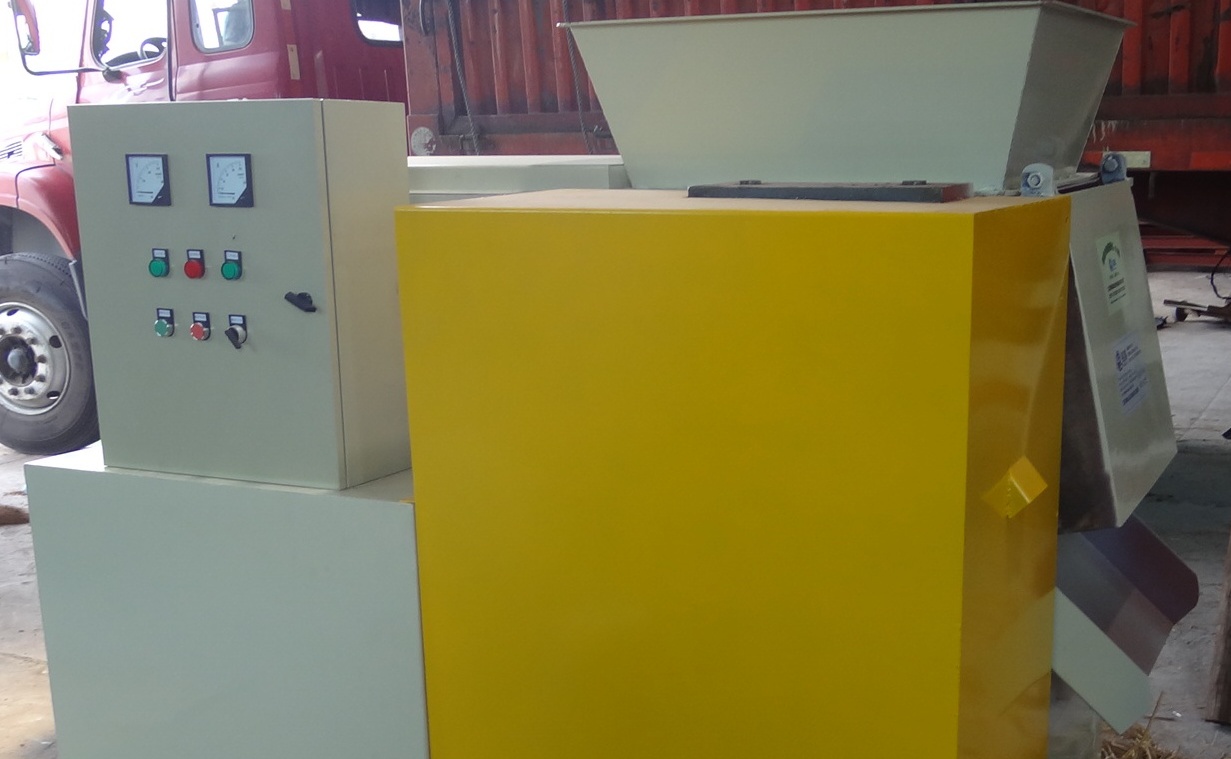
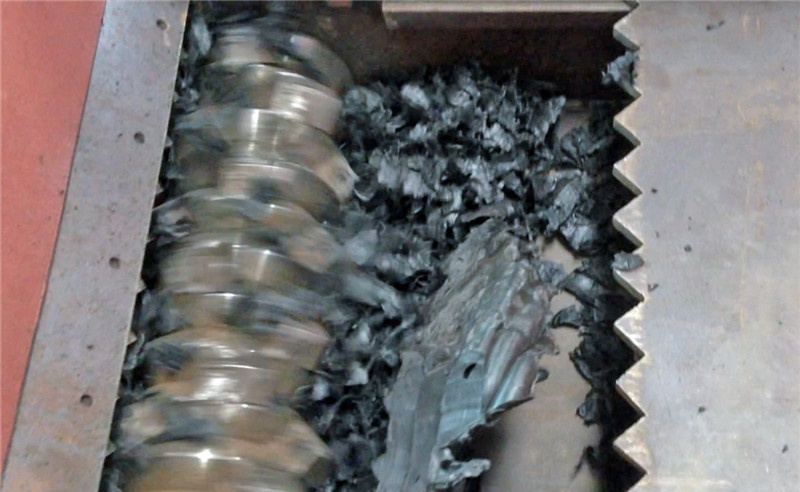
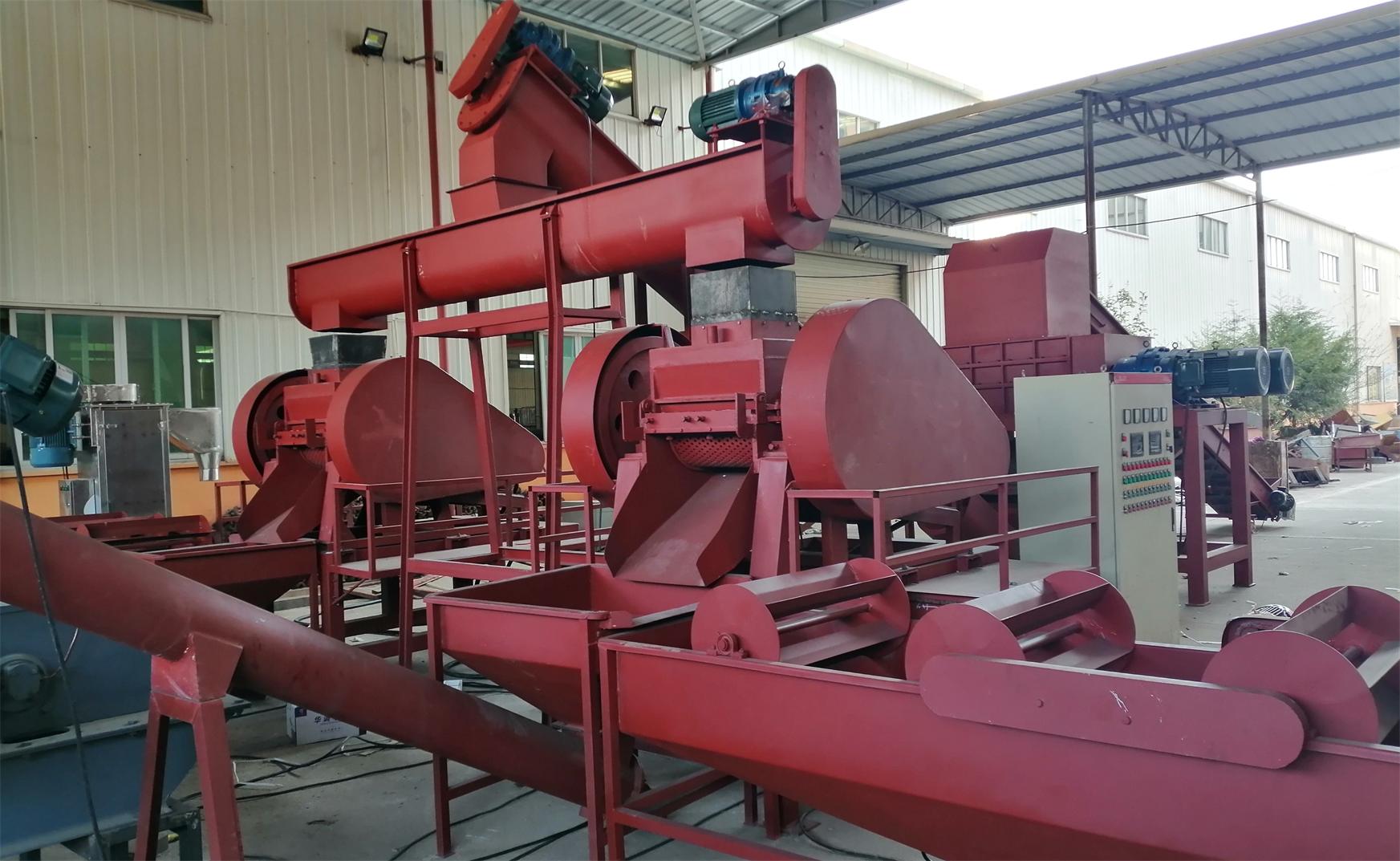
3. Granulation (for mixed or thin cables) — Smaller-diameter wires, communication cables, and mixed batches are best handled by a cable wire granulator. This machine shreds the material into small pieces, then separates copper or aluminium from plastic through dry air separation, wet separation, or electrostatic methods.
4. Collection and packaging — The separated copper granules (often called "copper rice") and plastic pellets are collected, weighed, and packaged for resale. High-purity copper granules can command prices close to virgin metal.
Key Equipment Types and Their Roles
Choosing the right machines depends on your feedstock, target capacity, and budget. Below is a breakdown of the main equipment categories:
| Equipment Type | Best For | Typical Output |
|---|---|---|
| Scrap Cable Stripper | Thick industrial cables (1.5 mm – 150 mm diameter) | Bare copper/aluminium wire |
| Cable Granulator (Dry) | Mixed thin cables, automotive wire, communication cable | Copper granules + plastic pellets |
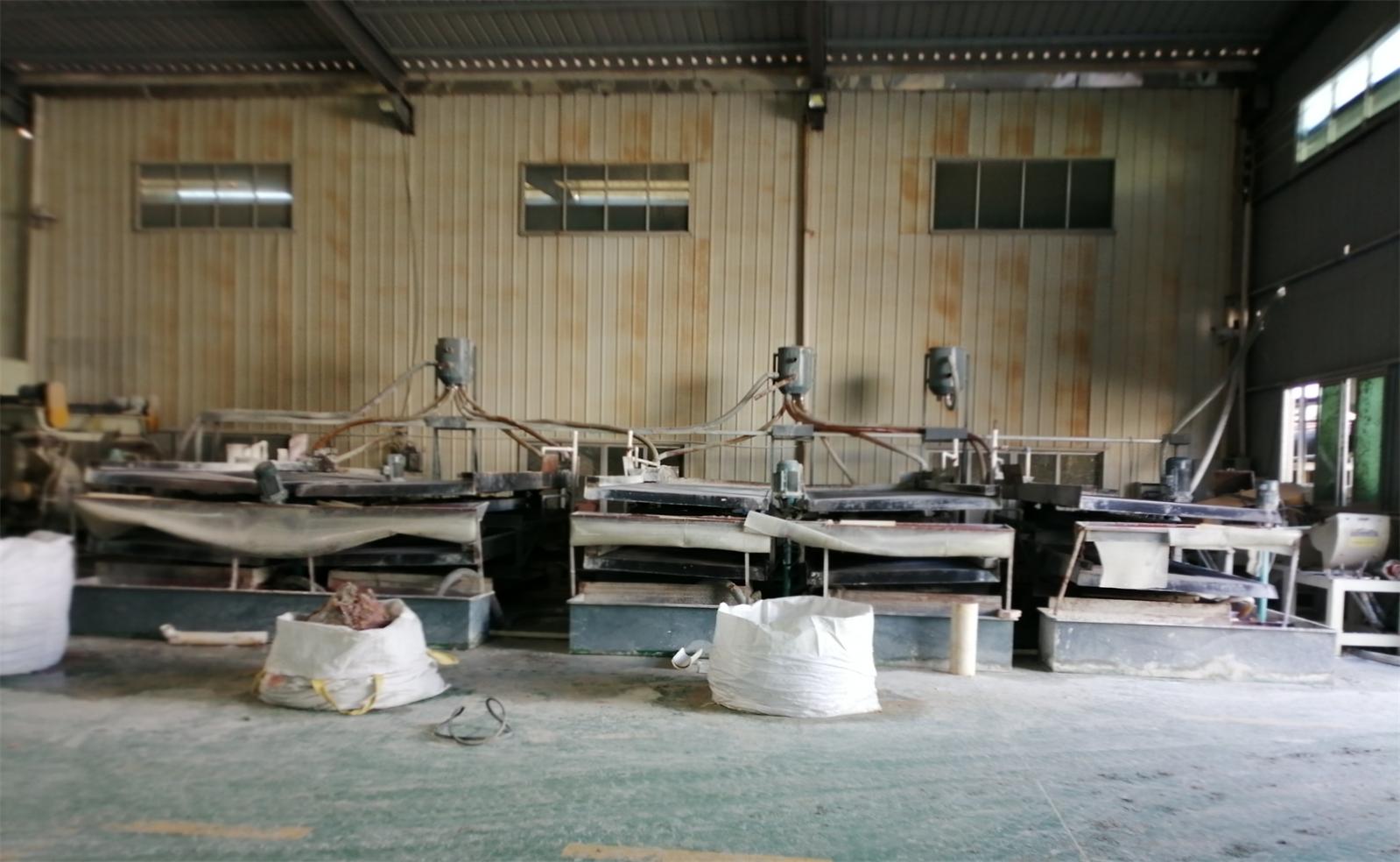
| Cable Granulator (Wet) | Complex or heavily contaminated cable | Higher purity copper granules |
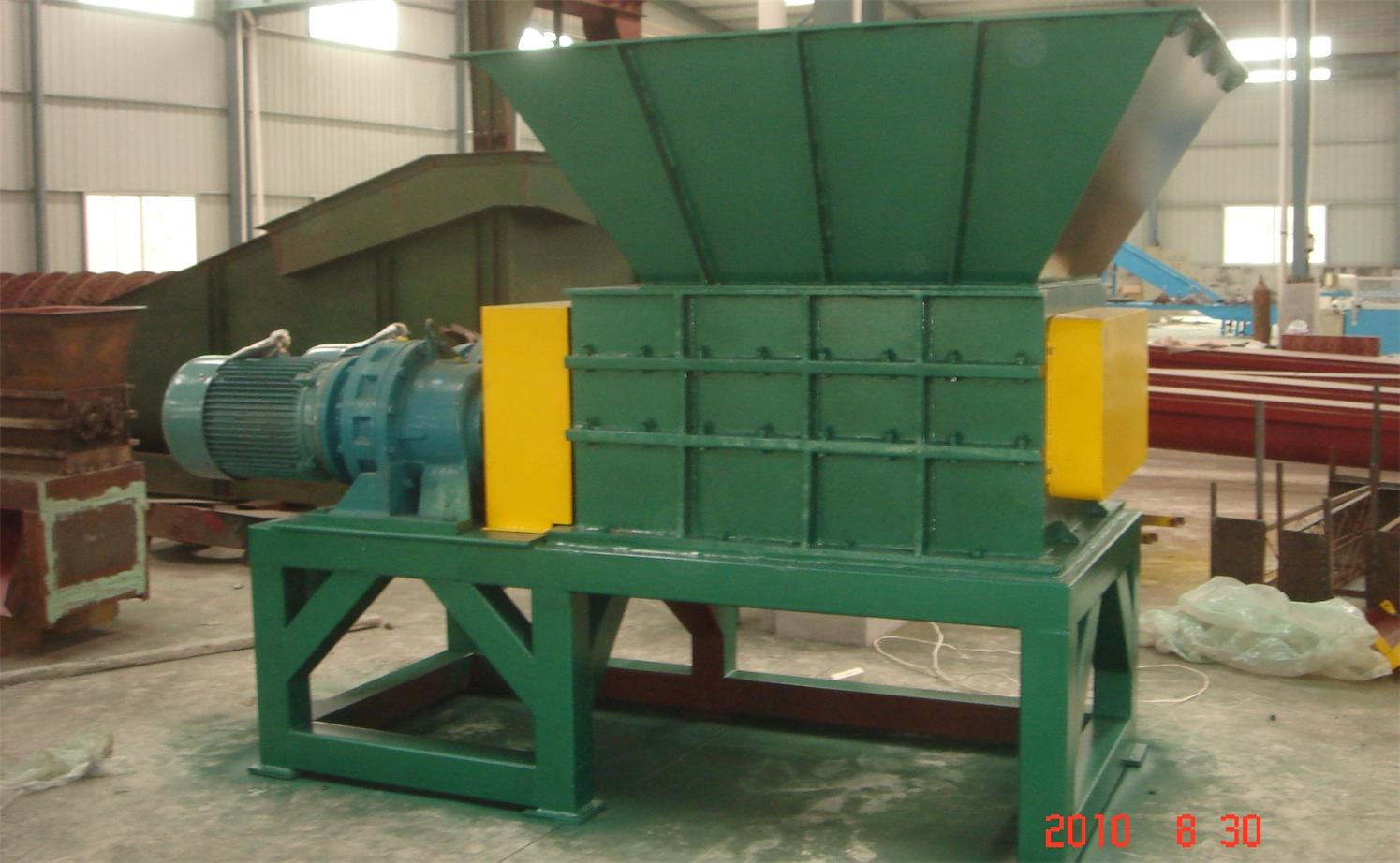
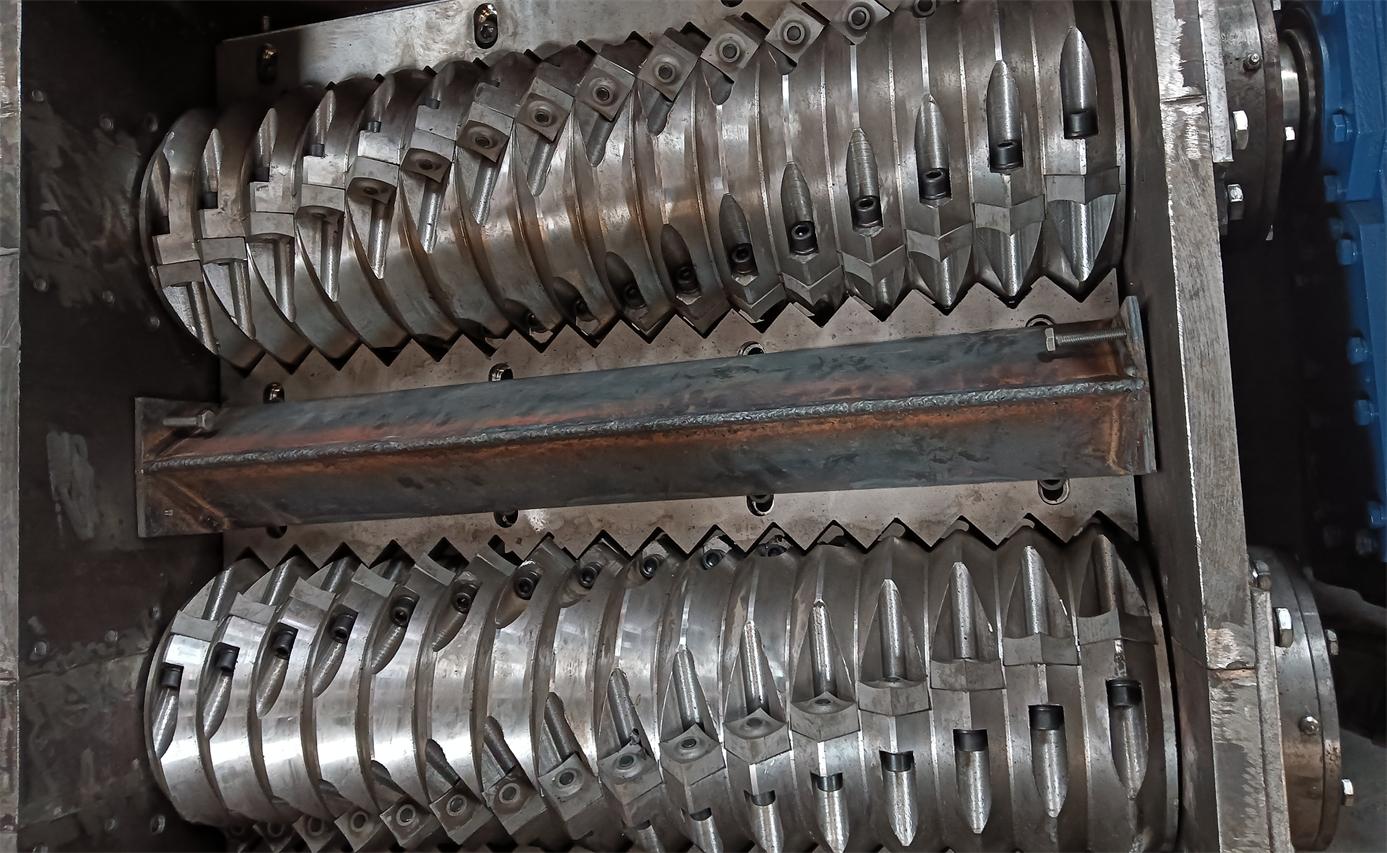
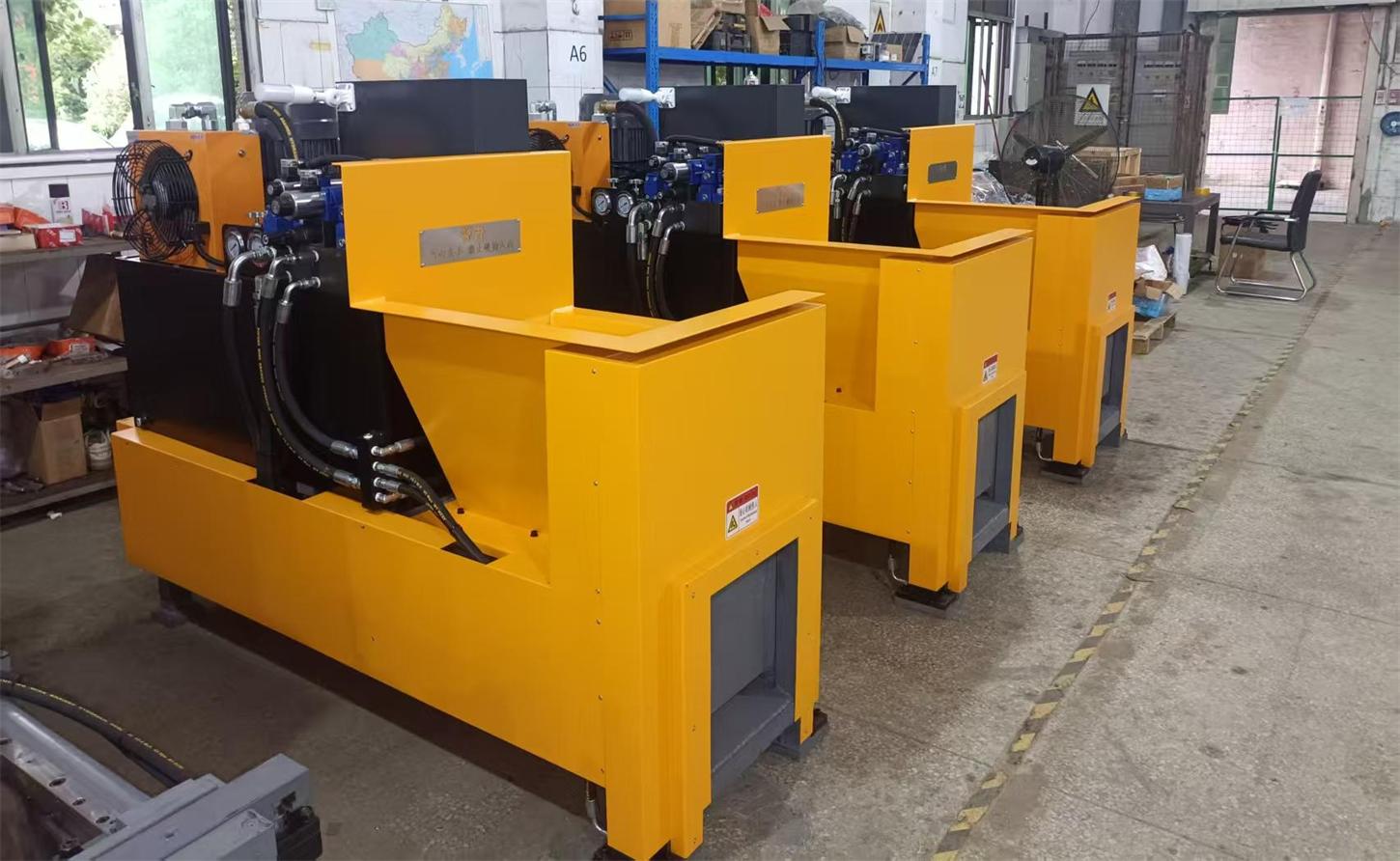
| Pre-shredder | Large volumes, bulky cable reels, mixed e-waste | Uniform feedstock for granulators |
What to Look for When Buying Cable Recycling Equipment
Not all machines are built to the same standard. Before committing to a purchase, evaluate each option against these criteria:
Processing capacity — Match the machine to your expected daily volume. A compact unit processing 100 kg per hour may suit a startup, while industrial operators often need 500 kg to 2,000 kg per hour.
Separation purity — Dry separation systems for circuit boards can achieve 96-98% copper powder purity. For cable granulators, look for systems that minimise copper loss into the plastic fraction.
Power efficiency — Energy is a major operating cost. Compare motor ratings and throughput to find the most efficient option. A stripper running on 5.5 kW with a throughput of 200–1,500 kg per 10-hour shift, for example, offers a reasonable balance.
Durability and maintenance — Blades, screens, and separation tables wear out. Ask about blade hardness ratings (HRC 56-62 is common for quality cutters), spare parts availability, and how easily the machine can be cleaned between material types.
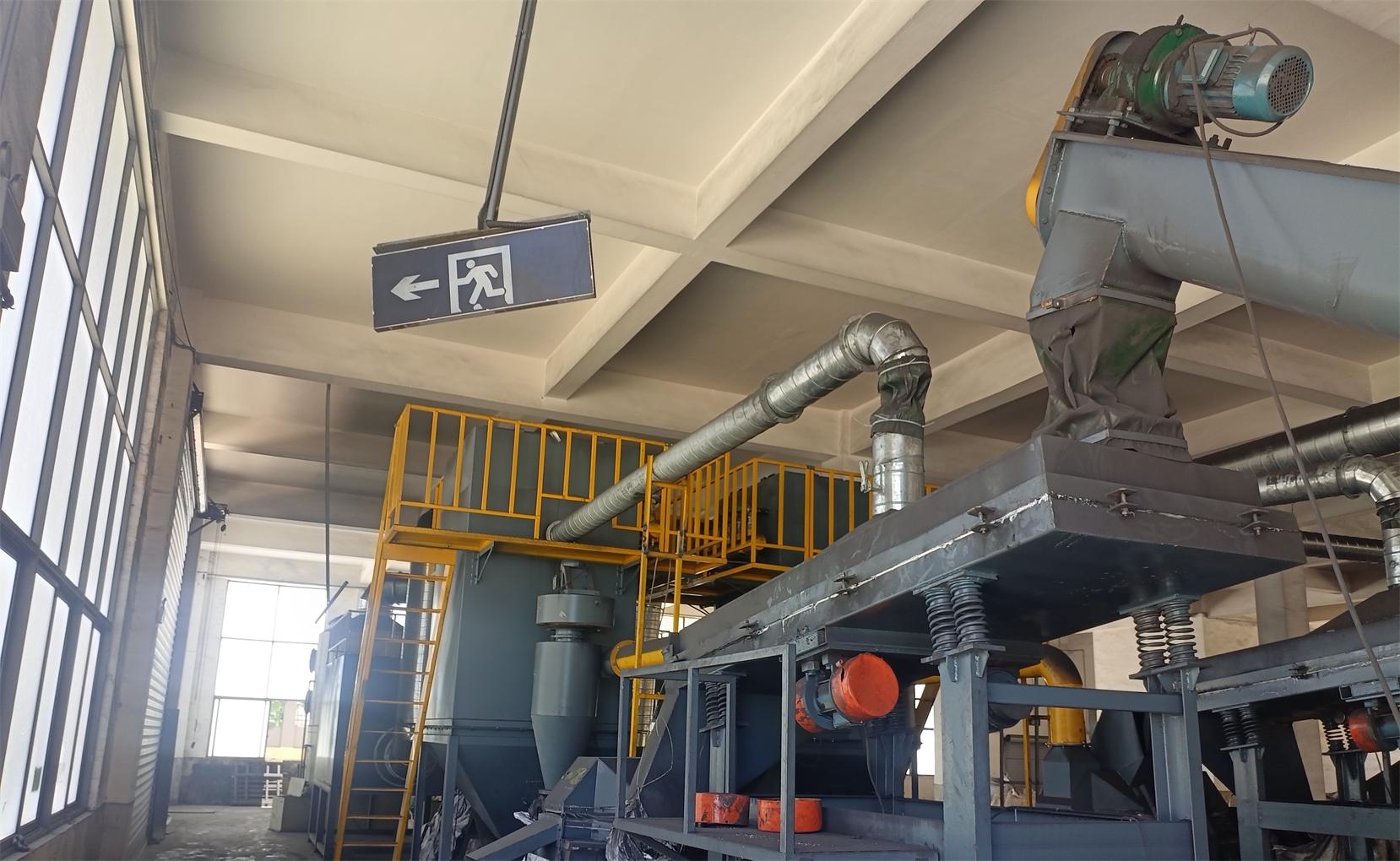
Dust and emission control — Cable shredding produces dust and fine particles. Ensure the system includes effective dust collection, or plan to add a pulse bag dust collector to maintain air quality and worker safety.
Environmental and Safety Considerations
Cable recycling is generally lower-risk than chemical or battery recycling, but it is not without hazards. Dust from PVC or halogenated insulation can be harmful if inhaled. Overheating during processing may release fumes. Good ventilation, dust collection systems, and personal protective equipment are essential.
Operators should also be aware of local regulations covering noise, waste water (if using wet separation), and the disposal of non-recyclable fractions. A well-designed plant integrates pollution control from the outset rather than treating it as an afterthought.
How to Choose a Reliable Equipment Supplier
The quality of your equipment determines the quality of your output — and your long-term operating costs. When evaluating suppliers, consider the following:
Experience in the field — A supplier with over 15 years of hands-on experience in e-waste and cable recycling machinery is more likely to understand real-world operational challenges and offer practical solutions.
Customisation and EPC capability — Every recycling plant has different space constraints, power availability, and feedstock. Look for a supplier that offers custom plant design, installation, and commissioning — not just off-the-shelf machines.
Global support track record — Suppliers with installations across 20+ countries have demonstrated their ability to meet diverse standards, from tropical humidity to freezing winters, and from 220 V to 440 V power grids.
Beyond equipment — Some suppliers go further by helping customers source raw material, secure investment partners, and even find buyers for finished products like copper granules or plastic pellets. This kind of end-to-end support can shorten the path to profitability for new entrants.
Matching Equipment to Your Feedstock
One of the most common mistakes new recyclers make is buying a machine that does not match their actual material stream. Here is a quick guide:
Mostly thick industrial cable (power lines, building wire): A heavy-duty stripper will give the fastest return. Look for models that handle diameters up to 150 mm and run at 45 seconds per cut or faster.
Mixed automotive and communication wire: A dry cable wire granulator with air separation is usually the best fit. Ensure the separator can handle varying insulation types (PVC, PE, rubber).
Large volumes with bulky items: Add a pre-shredder to your line. Twin-shaft or four-shaft shredders with capacities of 2–6 MT per hour can homogenise the feed and protect downstream granulators from damage.
Mixed automotive and communication wire: A dry cable wire granulator with air separation is usually the best fit. Ensure the separator can handle varying insulation types (PVC, PE, rubber).
Large volumes with bulky items: Add a pre-shredder to your line. Twin-shaft or four-shaft shredders with capacities of 2–6 MT per hour can homogenise the feed and protect downstream granulators from damage.
Final Thoughts
Cable recycling offers a genuine opportunity to build a business that is both profitable and environmentally sound. Success, however, depends on choosing equipment that matches your material, your volume, and your quality goals. Do not rush the decision. Request specifications, compare separation efficiencies, and speak with suppliers who have real installation experience across multiple countries.
The right cable recycling equipment will not just process scrap — it will turn waste into a consistent, high-value revenue stream.
Looking for cable recycling machinery? San Lan Technologies Co., Ltd. has been manufacturing e-waste and cable recycling equipment since 2007, with installations in over 21 countries. From scrap cable strippers and granulators to complete turn-key recycling plants, we provide customised solutions backed by installation support and technical consultation. Contact us via WhatsApp at +86 139 2377 4083 or email info@san-lan.com to discuss your project requirements.