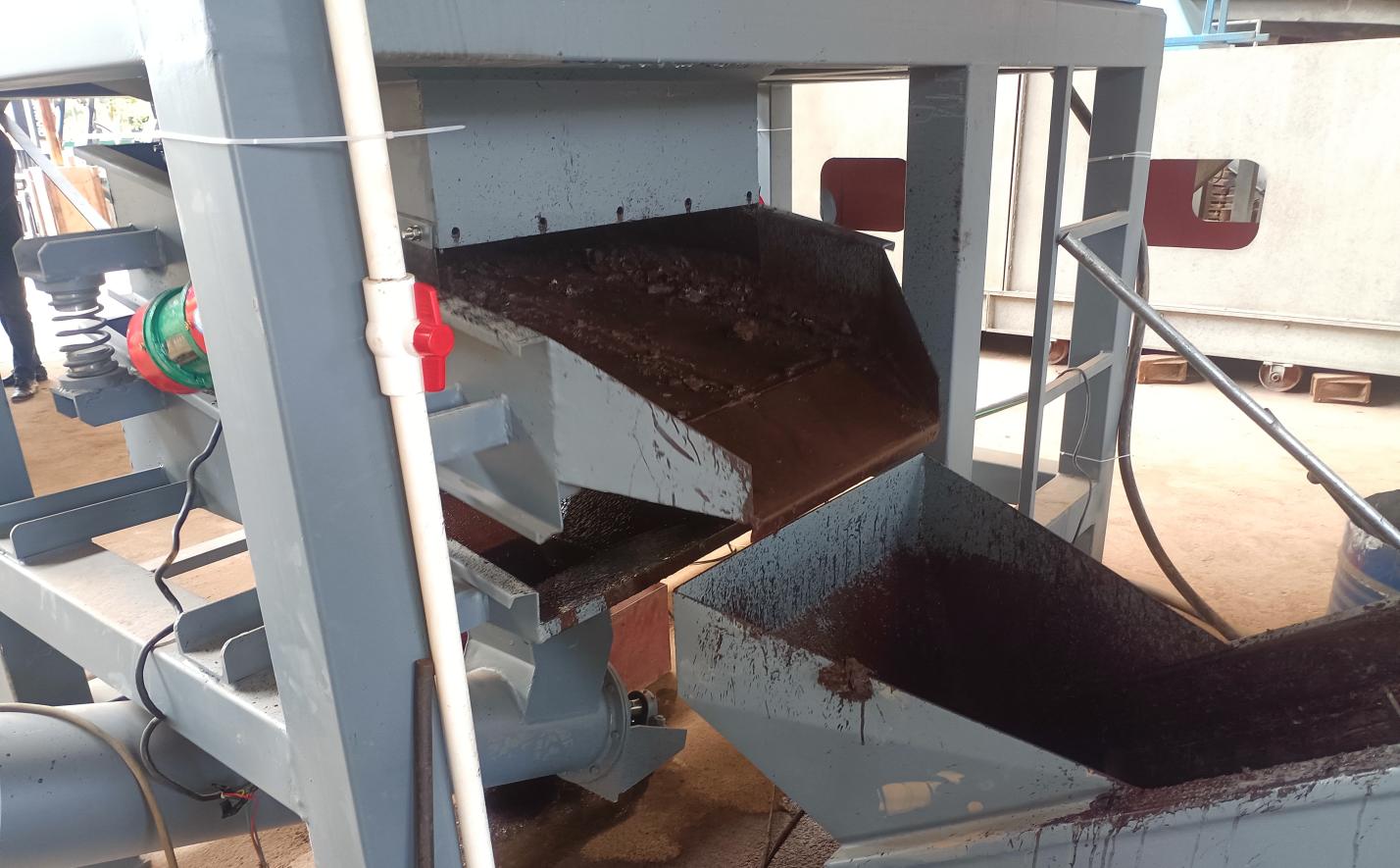
Turn scrap cable into valuable copper with the right machinery and know-how.
With copper prices holding strong and landfill costs rising, scrap cable is no longer waste. It is a raw material. For recyclers, electricians, and metal traders, investing in the right cable recycling equipment can transform piles of discarded wire into a steady stream of copper rice and plastic granules. But not all machines suit every operation. This guide walks through how cable recycling works, what equipment matches different feedstocks, and how to keep your line running profitably for years.
How Cable Recycling Works
The goal is simple: separate the conductive metal from the insulating plastic. The method you choose depends on cable diameter, volume, and whether the material is homogenous or mixed.
For thick, single-core industrial cable, a scrap cable stripper equipment pulls or slices away the jacket to expose clean copper or aluminum. The metal goes straight to a smelter or broker. The plastic can be baled and sold separately.
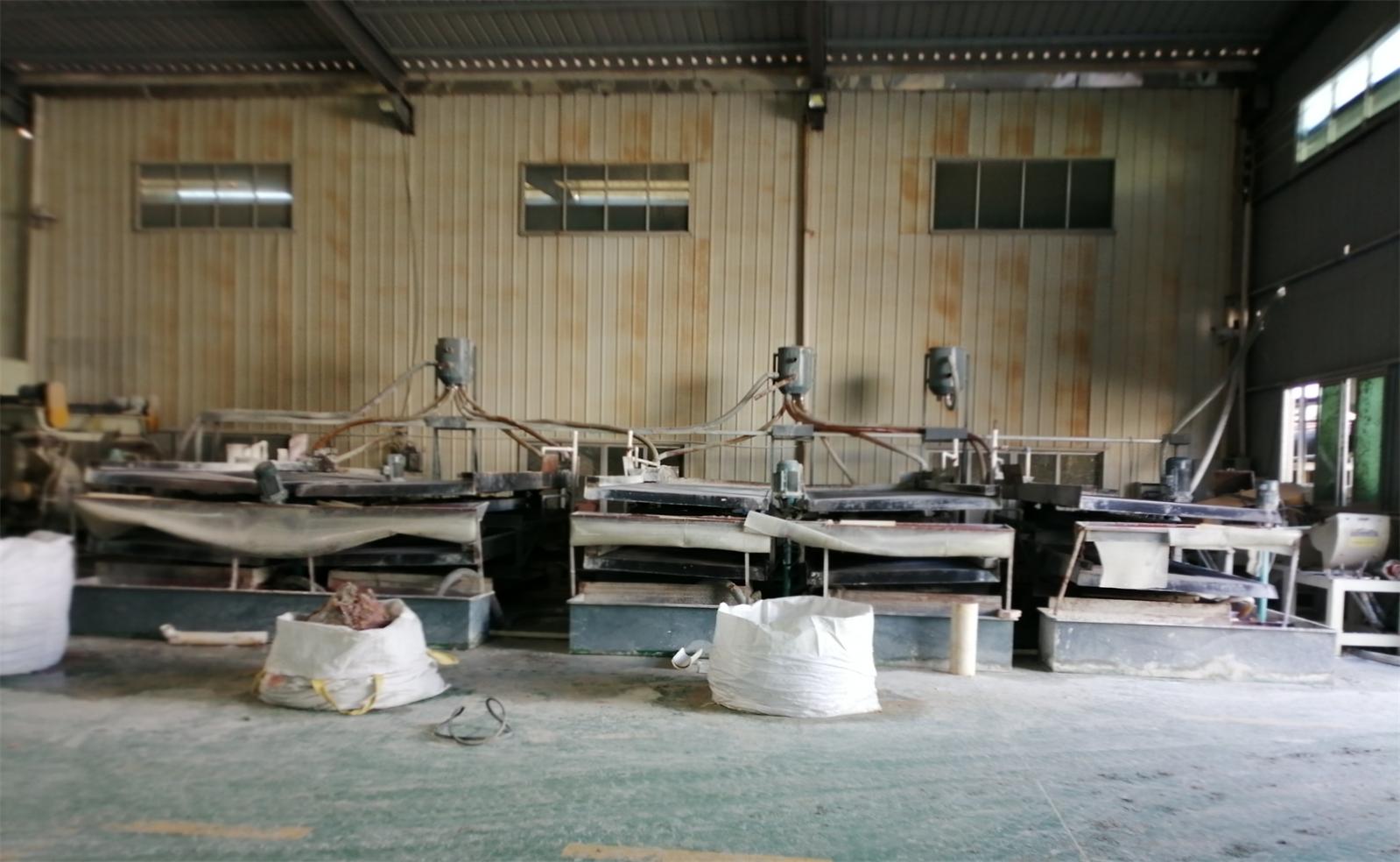
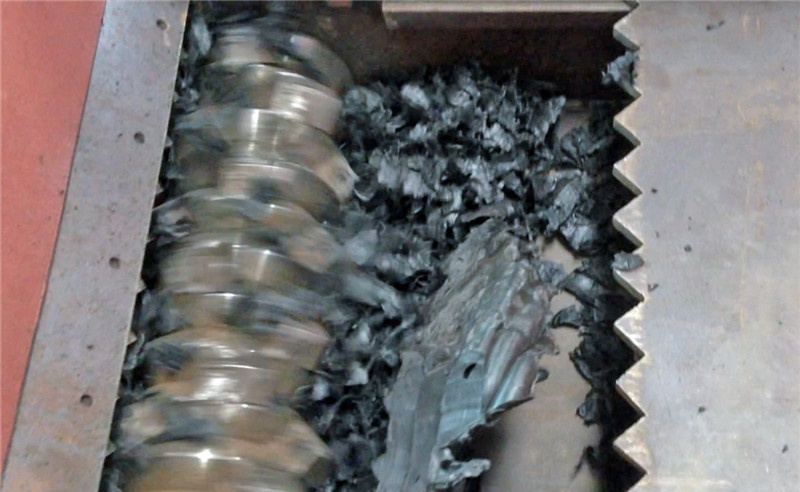
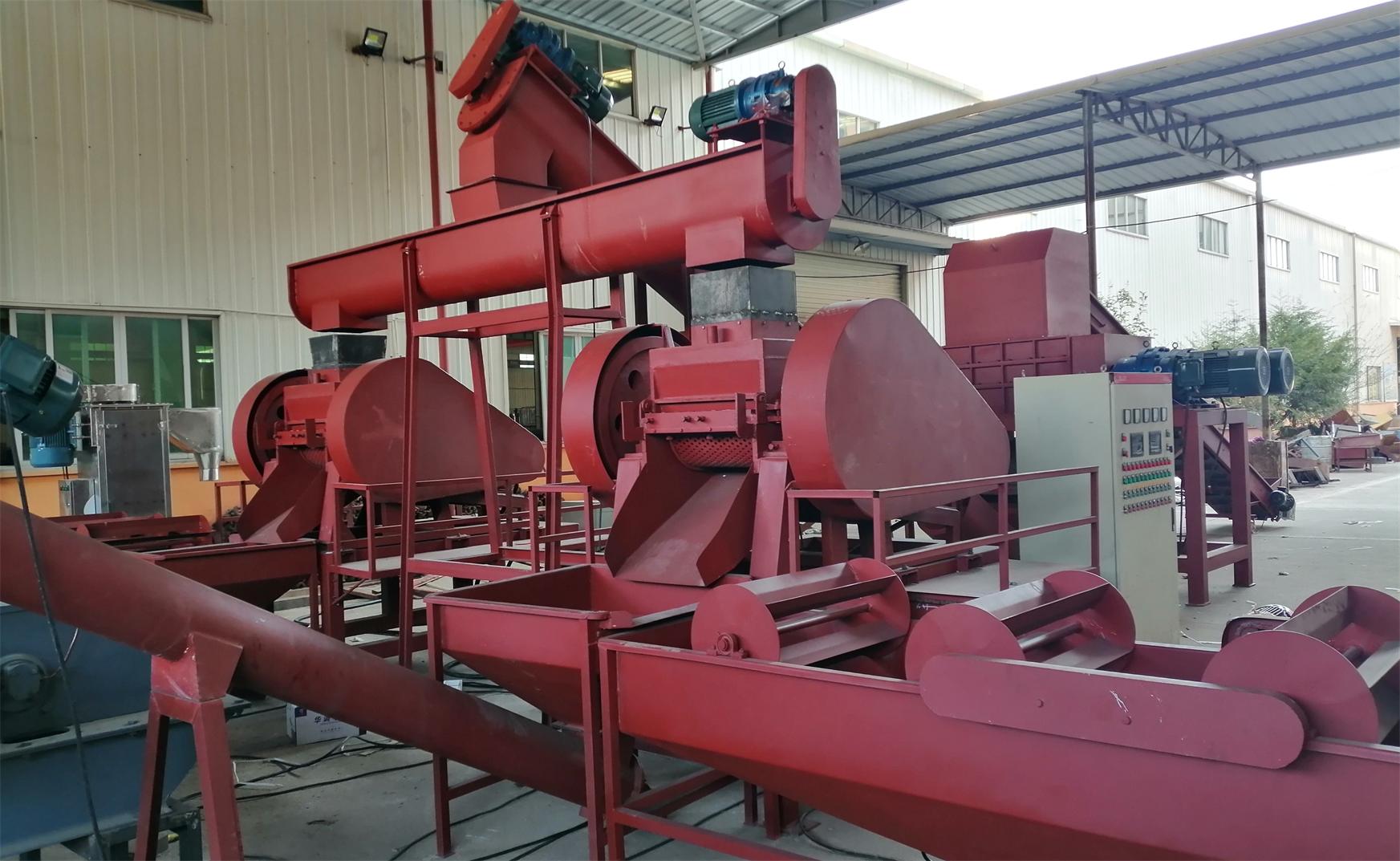
For mixed, thin, or multi-strand wire, mechanical granulation is more efficient. A granulator shreds the cable into small pieces, then an air separator or water table sorts the heavier copper from the lighter plastic. Some advanced lines add an electrostatic stage to catch fine copper dust that mechanical separation misses.
Stripping or Granulating: Which Route Fits Your Material?
Choosing the wrong approach is the most common mistake new buyers make. Here is a quick way to decide.
Your feedstock is mostly thick, uniform cable with a single jacket. Construction sites, demolition contractors, and utility maintenance teams often fall into this category. Stripping delivers near-pure copper with minimal capital outlay and very low running costs.
You handle mixed diameters, thin communication wire, hair wire, or heavily braided cable. Granulators accept a wider range of input and recover copper from material that would be too labor-intensive to strip by hand or machine.
Many established yards run both. A stripper handles the heavy, profitable cable. A cable recycling machine processes the leftovers that would otherwise accumulate in a corner.
What to Look for When Buying
Once you know your process route, evaluate machines on these practical criteria.
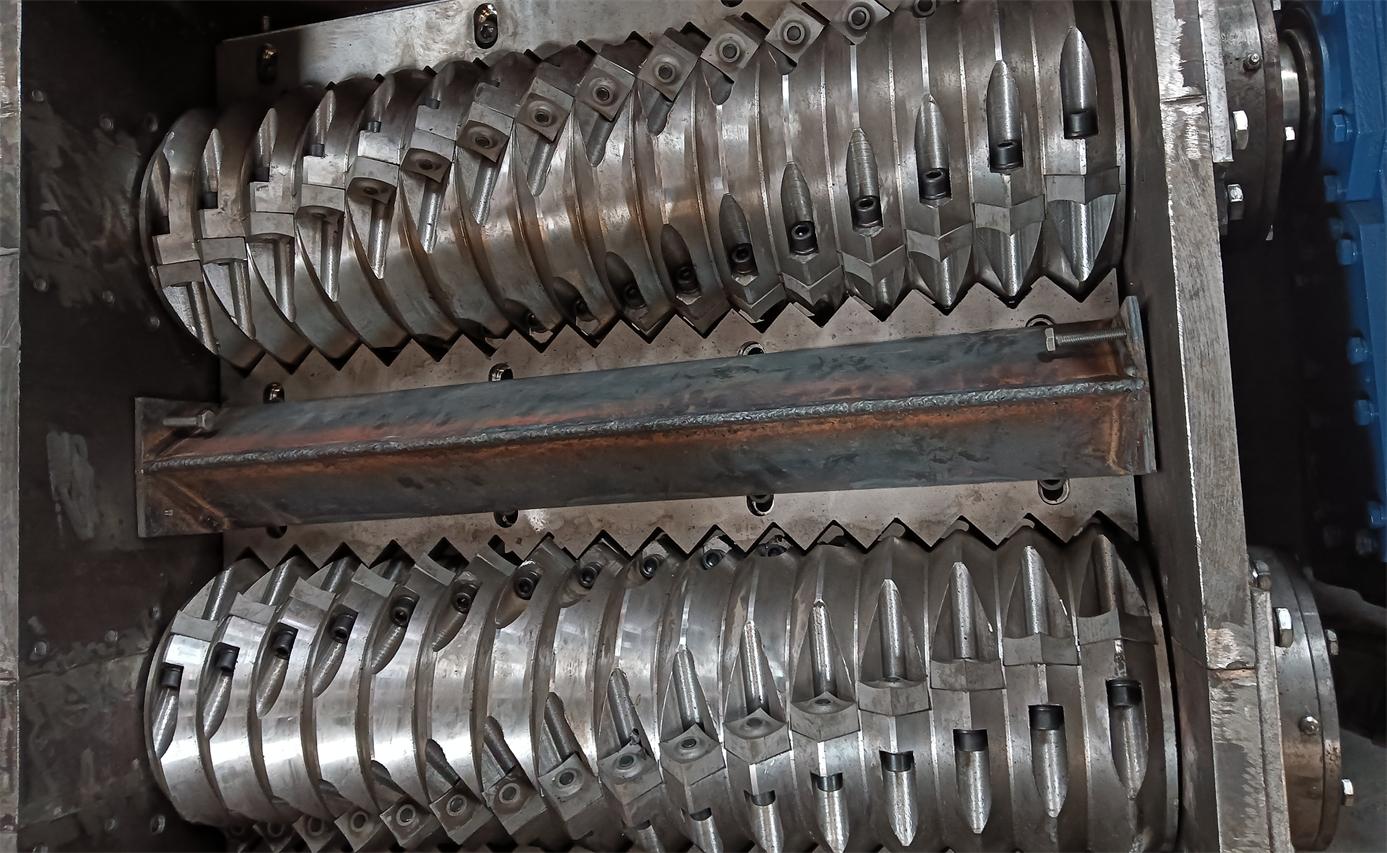
1. Feed opening and blade design. A stripper must grip cable firmly without crushing the conductor. Look for adjustable feed wheels and hardened blades. For granulators, ask about blade material and screen size options. Screens control output particle size, which in turn affects separation purity.
2. Separation technology. Dry air separation is common and works well for most mixed cable. Wet separation can achieve higher purity but requires water treatment and drying stages. If you are processing fine wire or need 99% plus copper purity, ask whether the supplier offers an electrostatic upgrade.
3. Capacity that matches your supply. It is easy to over-specify. A machine rated at one ton per hour sounds impressive, but if your yard receives two tons per week, you are paying for idle capacity. Conversely, under-sizing creates bottlenecks and forces overtime shifts. Map your average weekly intake, then pick a machine that processes that volume in three to four days, leaving headroom for spikes.
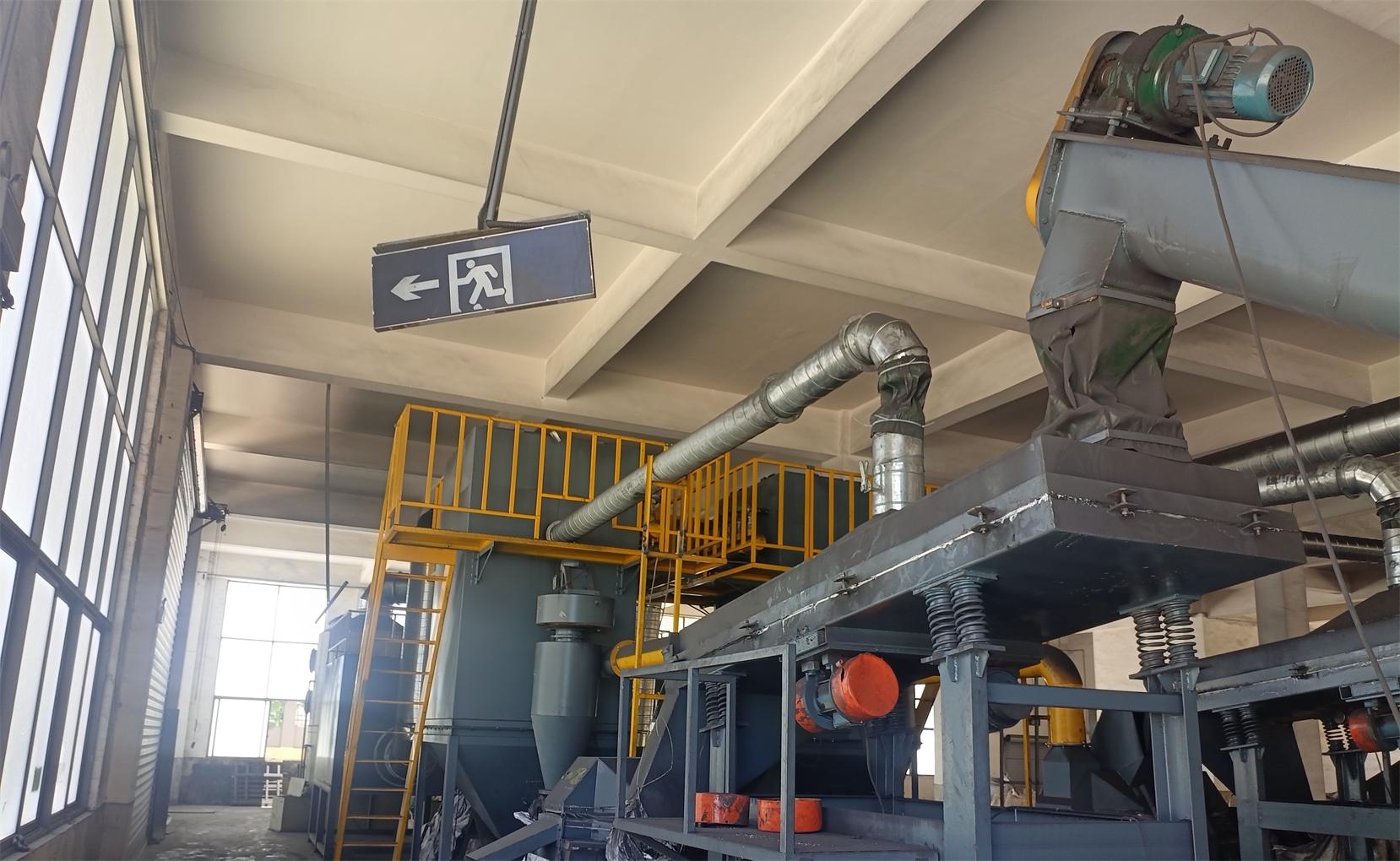
4. Dust and noise control. Cable shredding creates fine plastic and copper dust. A built-in pulse bag dust collector keeps the workshop safe and compliant. Noise enclosures are worth the extra cost if you operate near residential areas or work long hours.
5. Power and infrastructure. Check voltage, phase, and amperage requirements against your existing supply. Some larger granulators need three-phase power and a dedicated circuit. Factor in any electrical upgrades when budgeting.
San Lan Cable Recycling Solutions
San Lan Technologies, based in Jiangxi, China, has manufactured WEEE recycling and cable processing machinery since 2007. The company supplies complete cable recycling plant lines to operators in over 21 countries, with a technical team led by mechanical engineers holding master's degrees and more than 15 years of field experience.
For cable recyclers, San Lan offers a full spectrum of equipment:
-
Scrap Cable Strippers (D01 Series)Handle cable diameters from 1.5 mm up to 150 mm. Models include the D01-6B, D01-8A, and D01-8B, with throughputs ranging from 200 kg to 15,000 kg per 10-hour shift. These units are ideal for demolition and utility contractors who process thick, uniform cable.
-
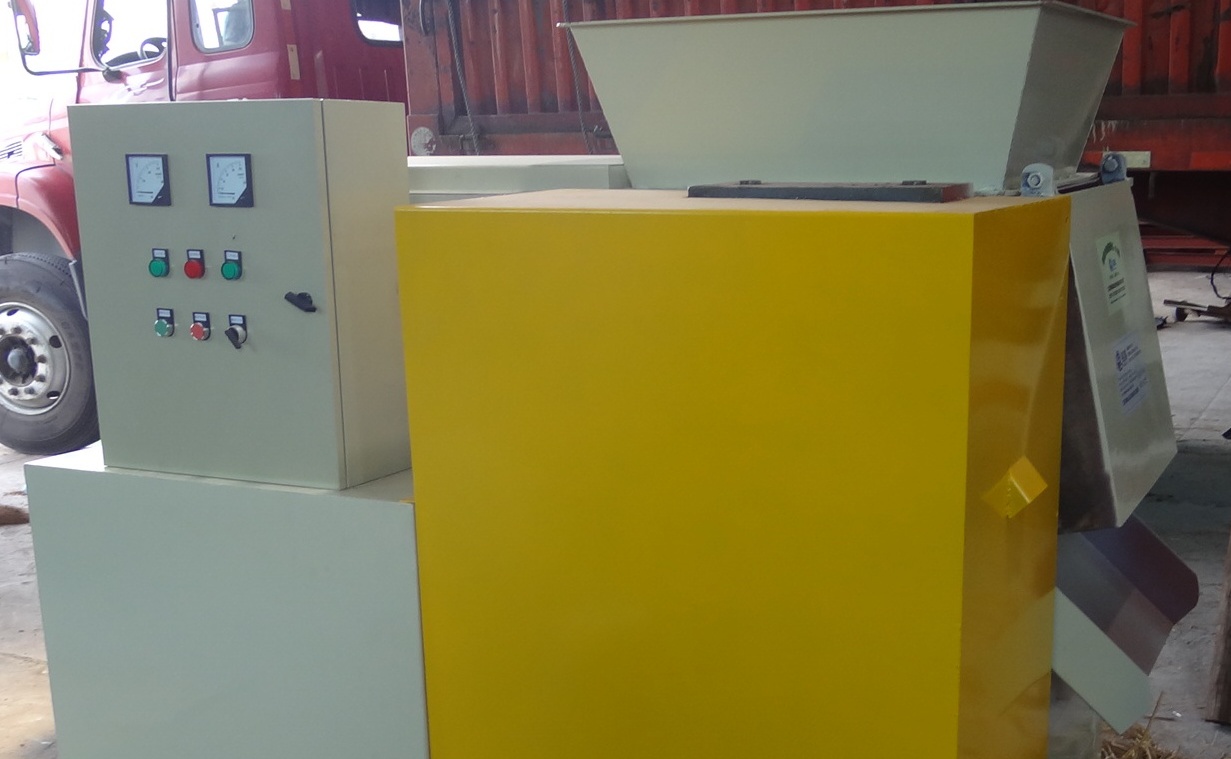
Cable Granulators (WCD Series)Dry-separation granulators including the WCD-100C, WCD-200C, WCD-600S, and WCD-1200S. Capacities span from compact bench-top units to large 1,200 kg/hour lines with air separators, vibrating screens, and cyclone dust collectors.
-
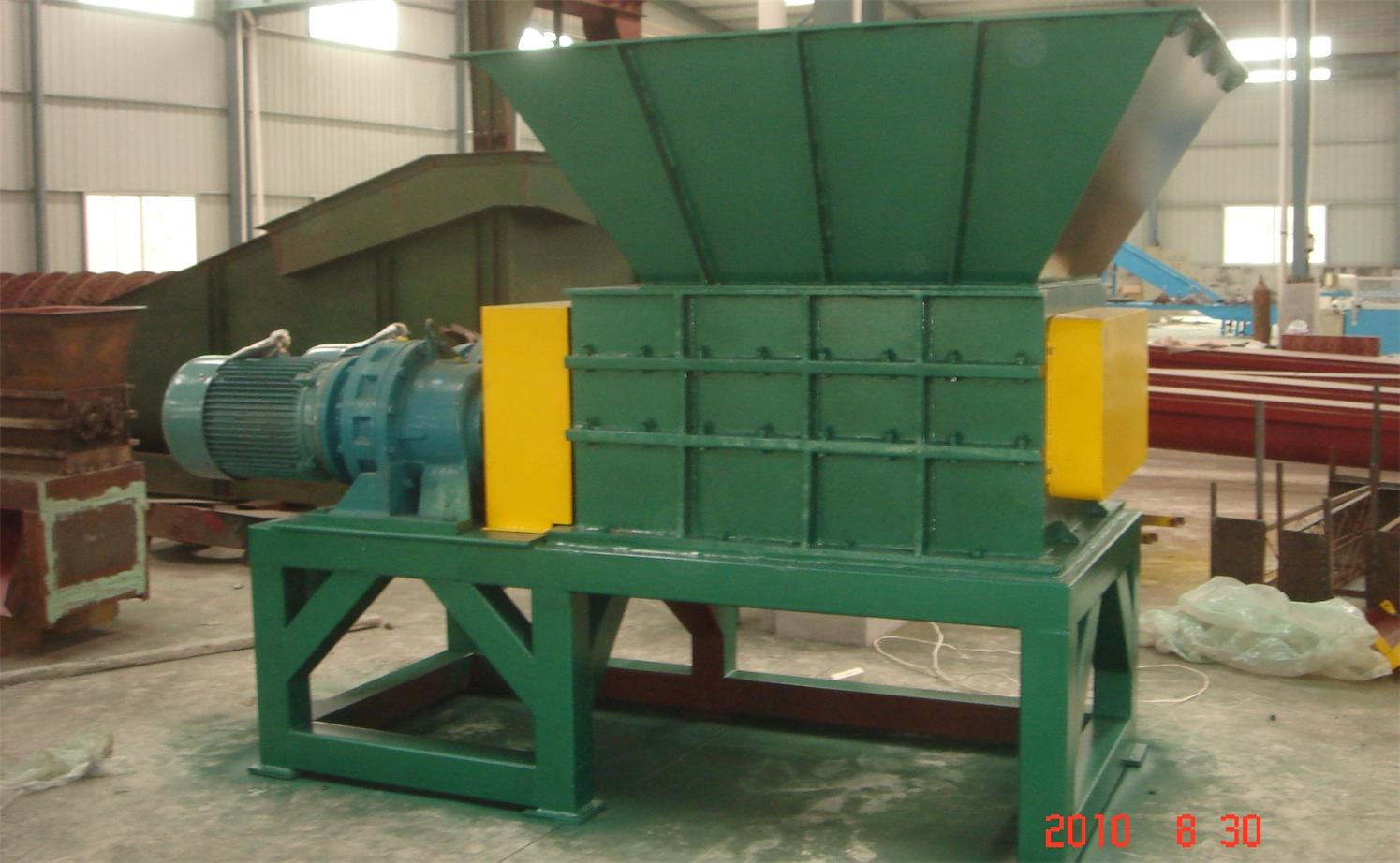
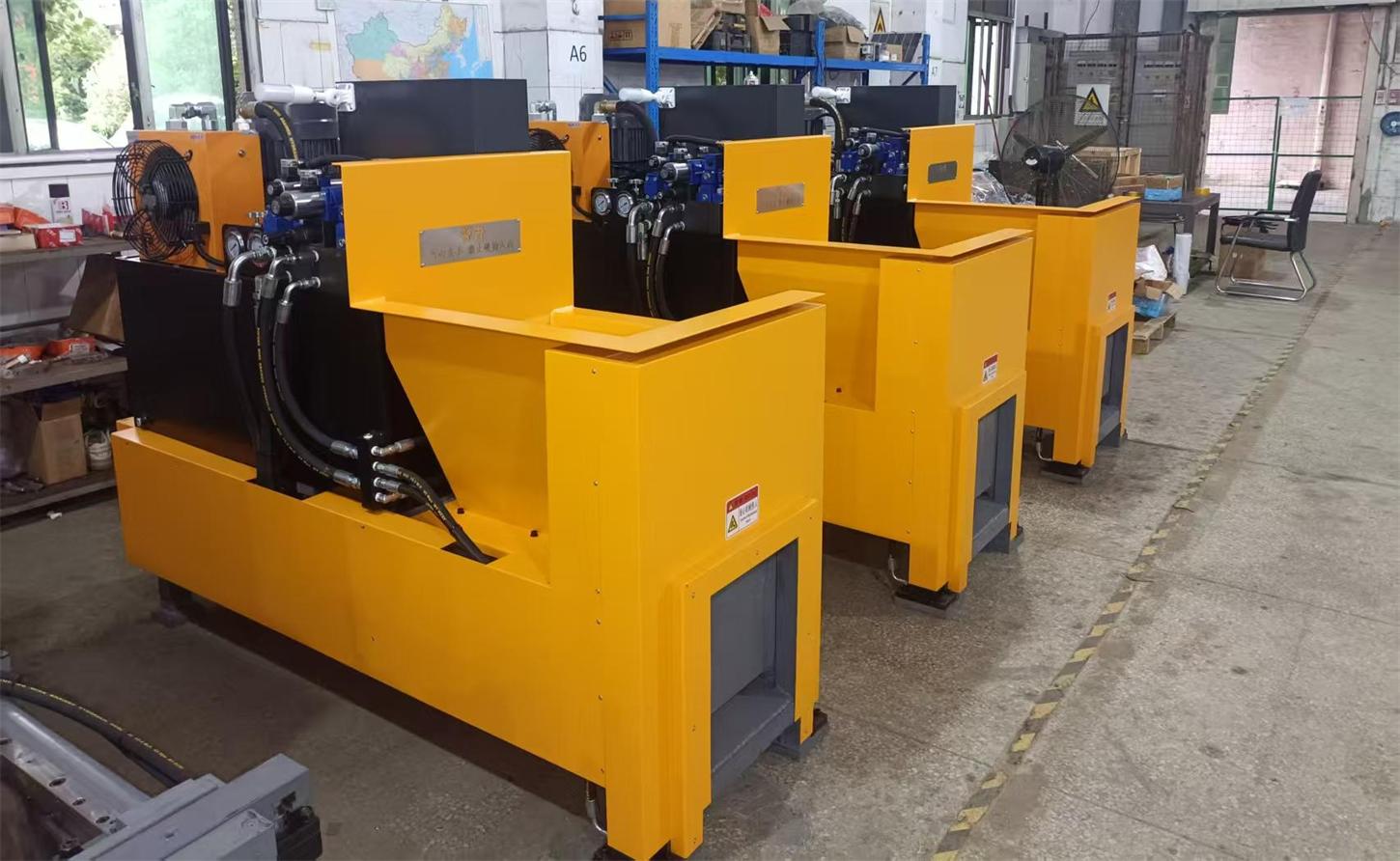
Pre-Choppers and ShreddersFor yards that receive armored cable, jelly-filled telecom wire, or mixed loads, San Lan's single-shaft, twin-shaft, and four-shaft shredders break bulky material down to a size suitable for granulation. Models range from 200 kg/hour to 6 MT/hour.
-
Jelly-Filled Cable Recycling Plant (WCW-500J)A specialized line designed for telecom cable filled with petroleum jelly. Standard granulators clog on this material. The WCW-500J processes it without jamming, separating copper from the plastic jacket and recovering the jelly for proper disposal or reuse.
San Lan also provides EPC project support: customized plant layout, installation, commissioning, and operator training. For buyers who need help sourcing raw material or selling finished copper, the company offers sourcing and offtake assistance through its international network.
Maintenance Keeps Margins Healthy
Even the best granulator loses money if it sits idle with a clogged screen or a worn blade. A disciplined maintenance schedule prevents small problems from becoming expensive shutdowns.
Daily. Clear residual material from the crusher chamber, separator screen, and dust collector. Tighten any loose fasteners. Copper and plastic dust find their way into every seam; a five-minute cleanup at the end of each shift prevents buildup.
Weekly. Check drive belt tension. A slipping belt reduces throughput and generates heat. Grease bearings and inspect the dust collector bags. If the airflow drops, separation accuracy falls and you start losing copper to the plastic stream.
Monthly. Apply high-temperature lithium grease to bearings and drive chains. Inspect pneumatic lines for leaks. Compressed air leaks are easy to ignore, but they raise energy bills and reduce separator performance.
Quarterly. Examine crusher blades for wear. Dull blades tear rather than cut, producing irregular particles that air separators struggle to sort. Sharpen or replace blades before quality drops. Check screens for tears or enlargement; oversized holes let unbroken pieces through and ruin purity.
Keep a spare set of blades and screens on-site. When a blade chips on a Friday afternoon, you can swap it in 30 minutes instead of waiting two weeks for a replacement shipment. The cost of a spare set is usually recovered in a single avoided downtime day.
Final Thoughts
Cable recycling is a volume and efficiency game. The right equipment pays for itself faster when it matches your material, runs reliably, and stays sharp. Whether you are starting with a single stripper or scaling up to a full granulation line, focus on feedstock compatibility, separation purity, and supplier support before you focus on headline capacity.
San Lan Technologies designs, manufactures, and installs cable recycling lines for operations of every size. From compact scrap cable strippers to high-capacity granulator plants, we help you recover more copper with less downtime. Contact us via WhatsApp at +86 139 2377 4083 or email info@san-lan.com to discuss your material and capacity requirements. Our engineers will recommend a configuration that fits your budget and your feedstock.
View Cable Recycling Equipment