Scrap copper cable is one of the most valuable and consistently available waste streams in the recycling industry. Whether it comes from demolition sites, electrical contractors, telecommunications upgrades, or industrial maintenance, discarded cable contains copper that can be recovered and resold at a premium. The difference between a profitable operation and a marginal one often comes down to the quality of the cable recycling equipment doing the separation.
Why Cable Recycling Deserves Dedicated Equipment
Manual stripping with hand tools is slow, labor-intensive, and impractical once daily volumes exceed a few hundred kilograms. At the same time, burning insulation to expose copper is now banned in most jurisdictions because it releases dioxins, furans, and heavy-metal-laden ash. Mechanical processing using modern cable recycling machine systems offers a clean, scalable alternative that turns mixed scrap into high-purity copper granules and separate plastic fractions ready for resale.
The economics are straightforward. Copper traded on global metal exchanges maintains strong demand from construction, power transmission, and electric vehicle manufacturing. By processing scrap on-site rather than selling raw cable to a middleman, recyclers capture the full metal premium minus processing costs. A well-configured granulator-separator line can pay for itself in twelve to twenty-four months depending on local copper prices and feedstock availability.
Understanding the Two Main Processing Approaches
Before investing in machinery, buyers should understand the two dominant mechanical approaches and where each fits best.
For single-core or multi-core cables with diameters above 20 millimeters, dedicated stripping machines offer the highest throughput and cleanest copper surface. These units use hardened steel blades to slit the insulation longitudinally while pulling the cable through motorized feed rollers. Operators can adjust blade depth and cutting speed to match jacket thickness. Industrial strippers handle diameters from 1.5 millimeters up to 150 millimeters and process several tons per shift with minimal power draw. The output is long, clean copper segments that command top pricing from foundries and rod mills.
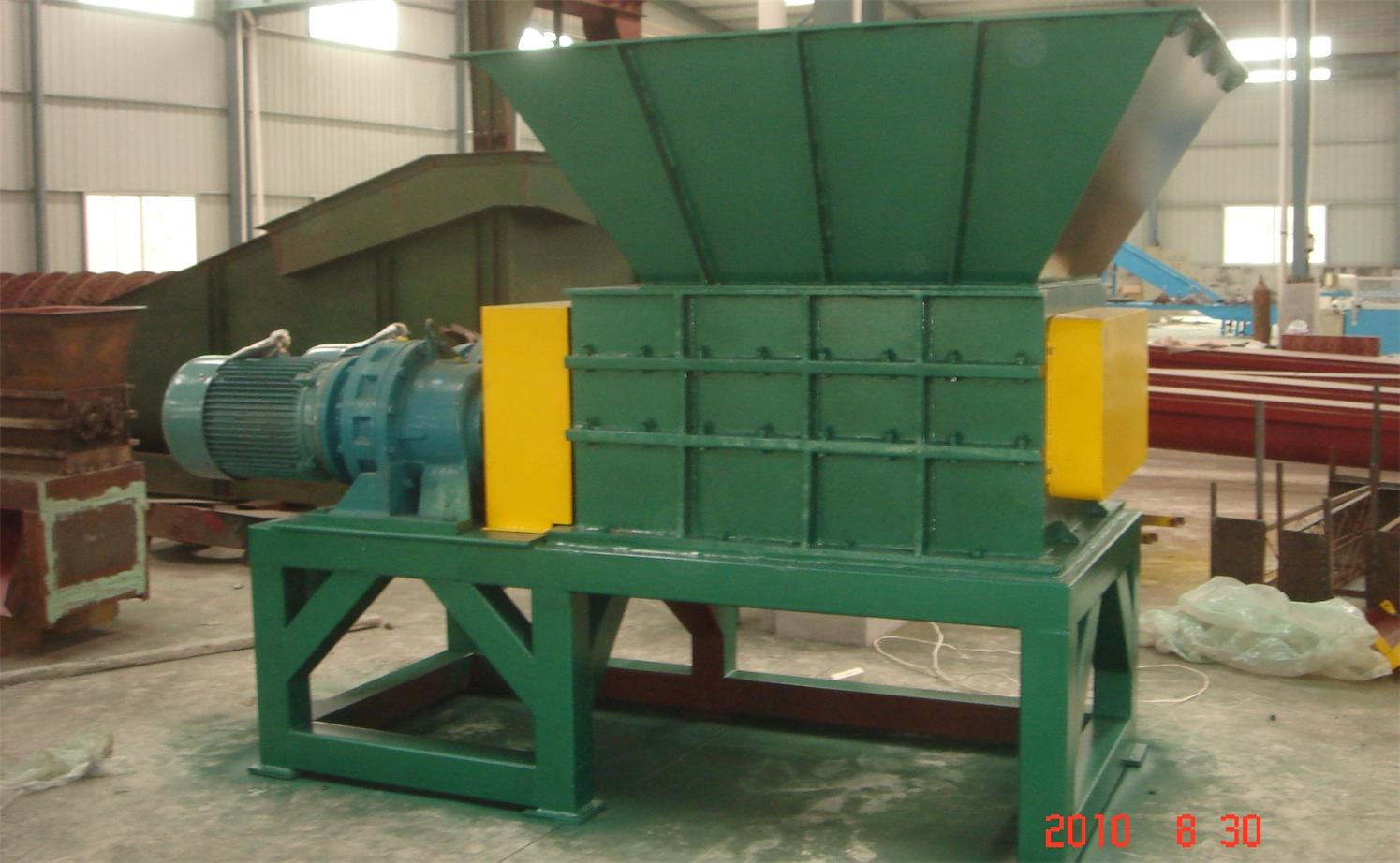
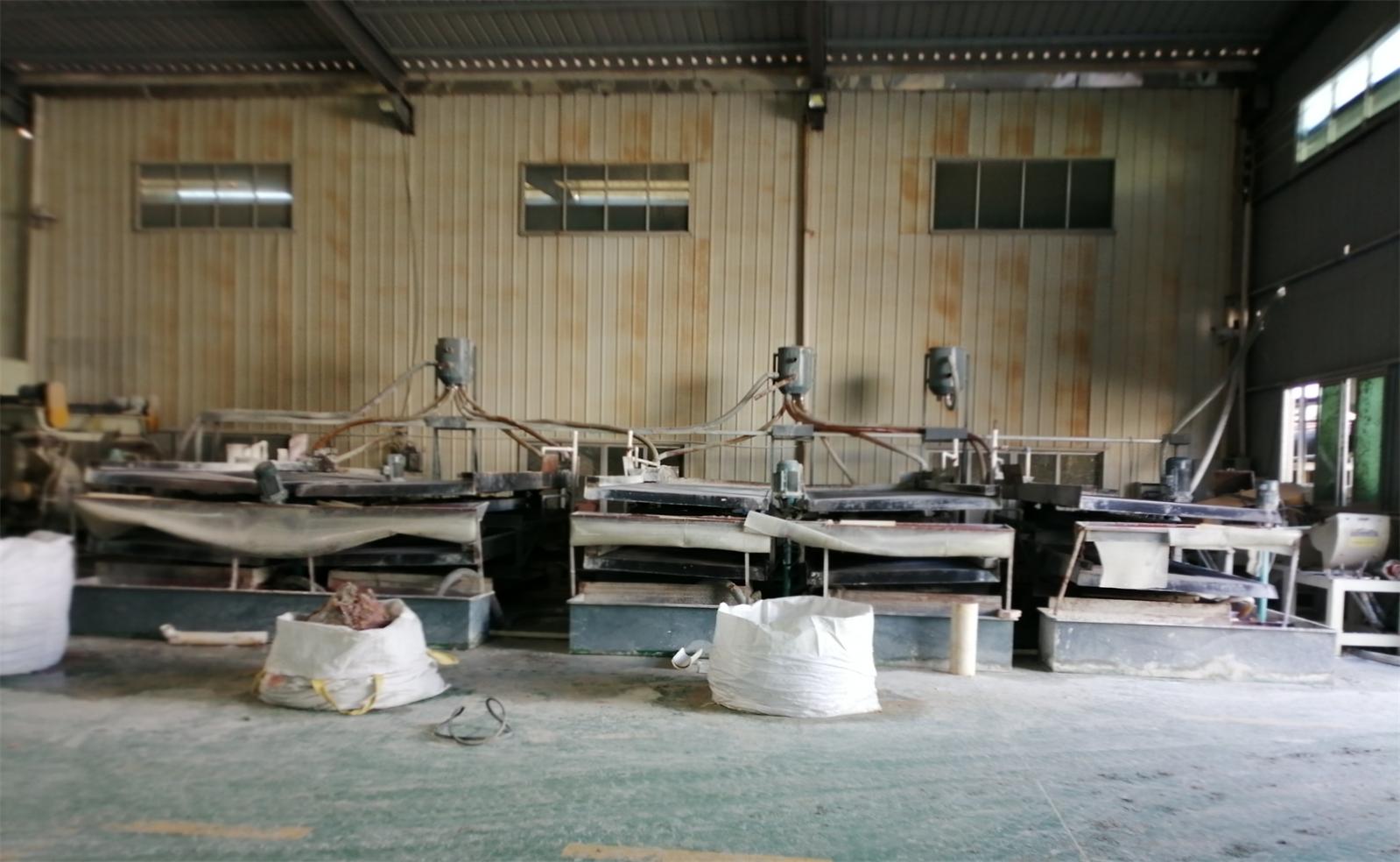
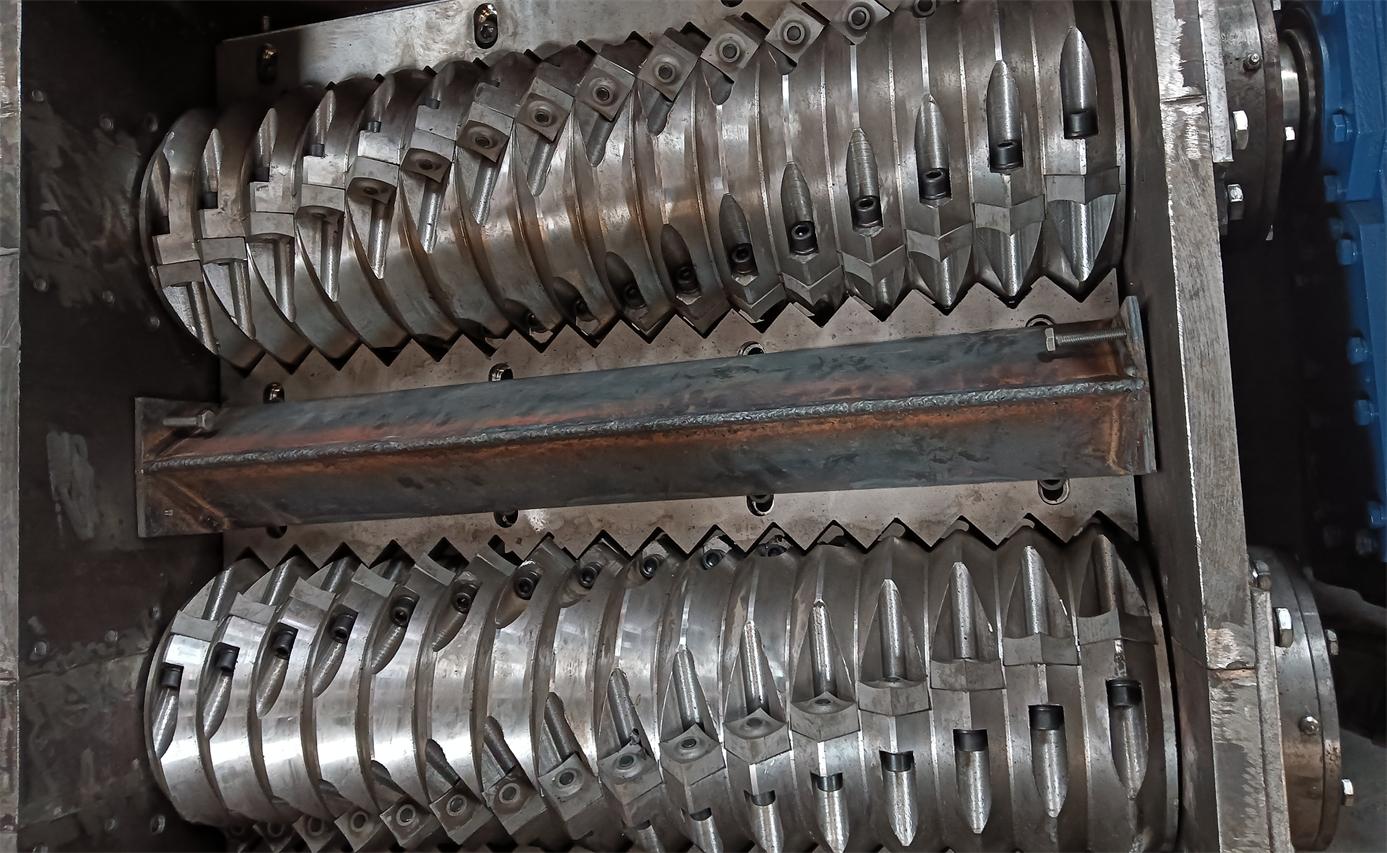
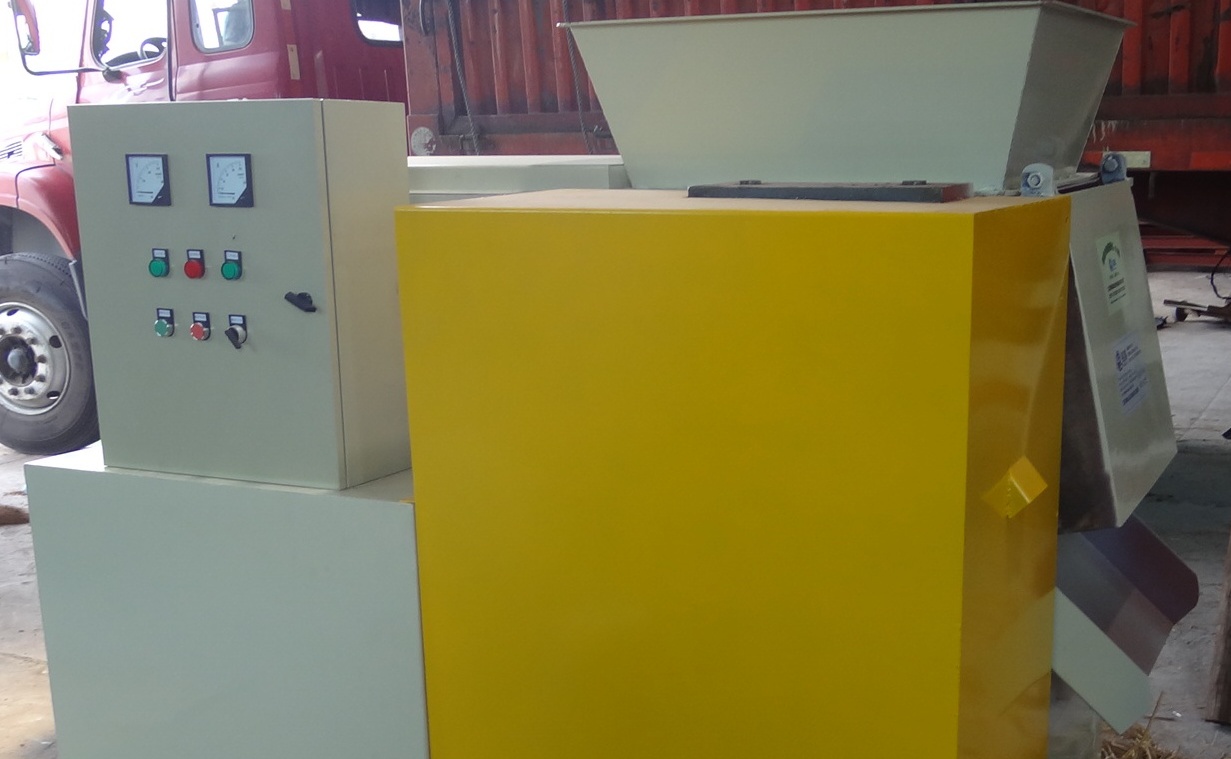
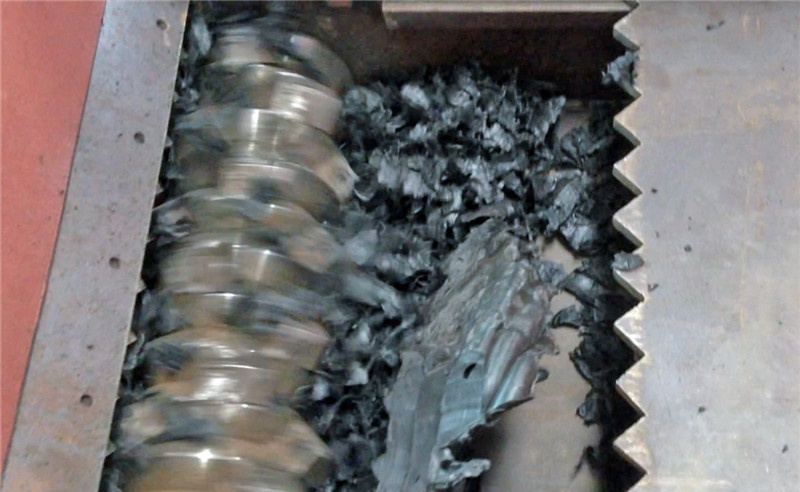
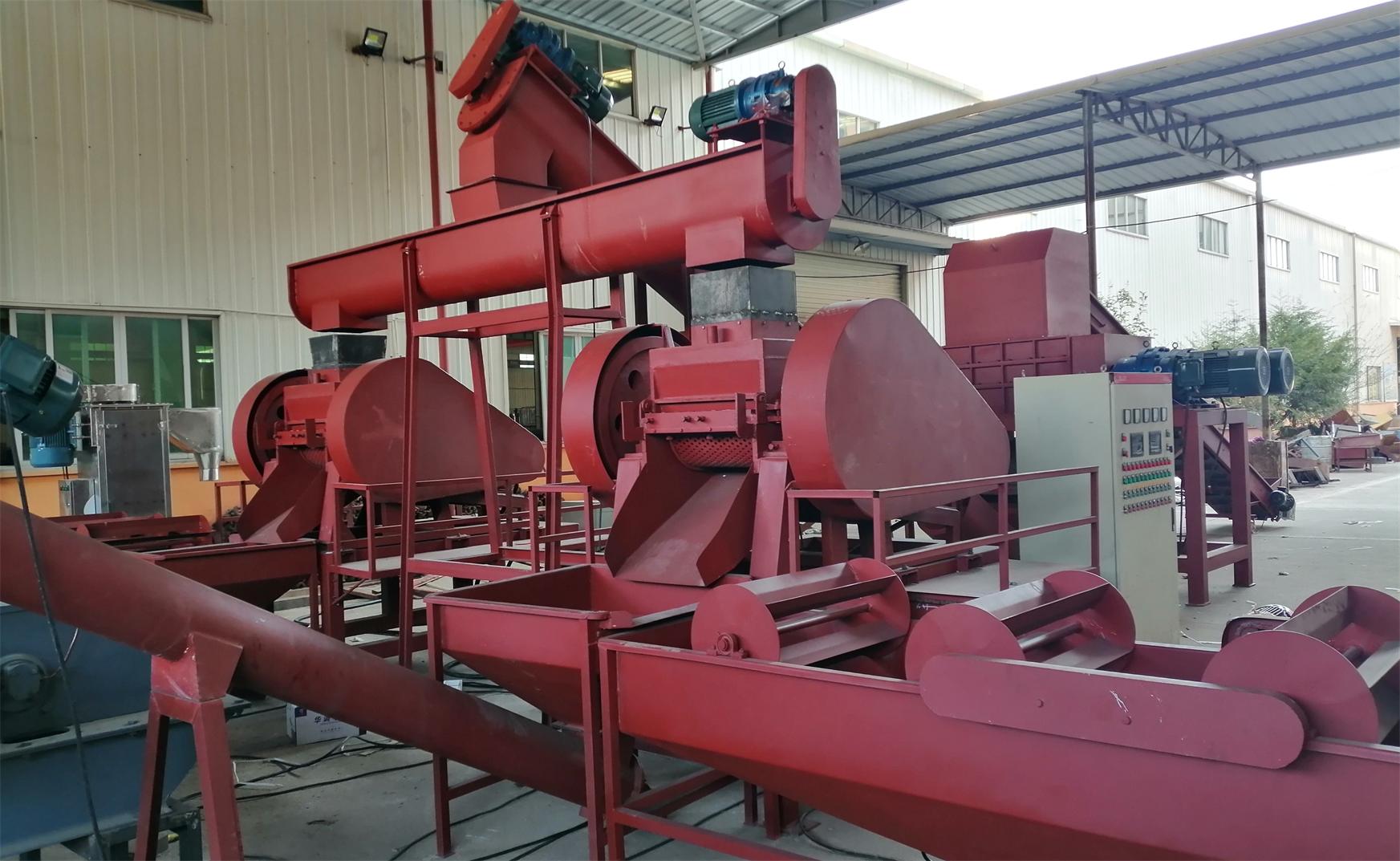
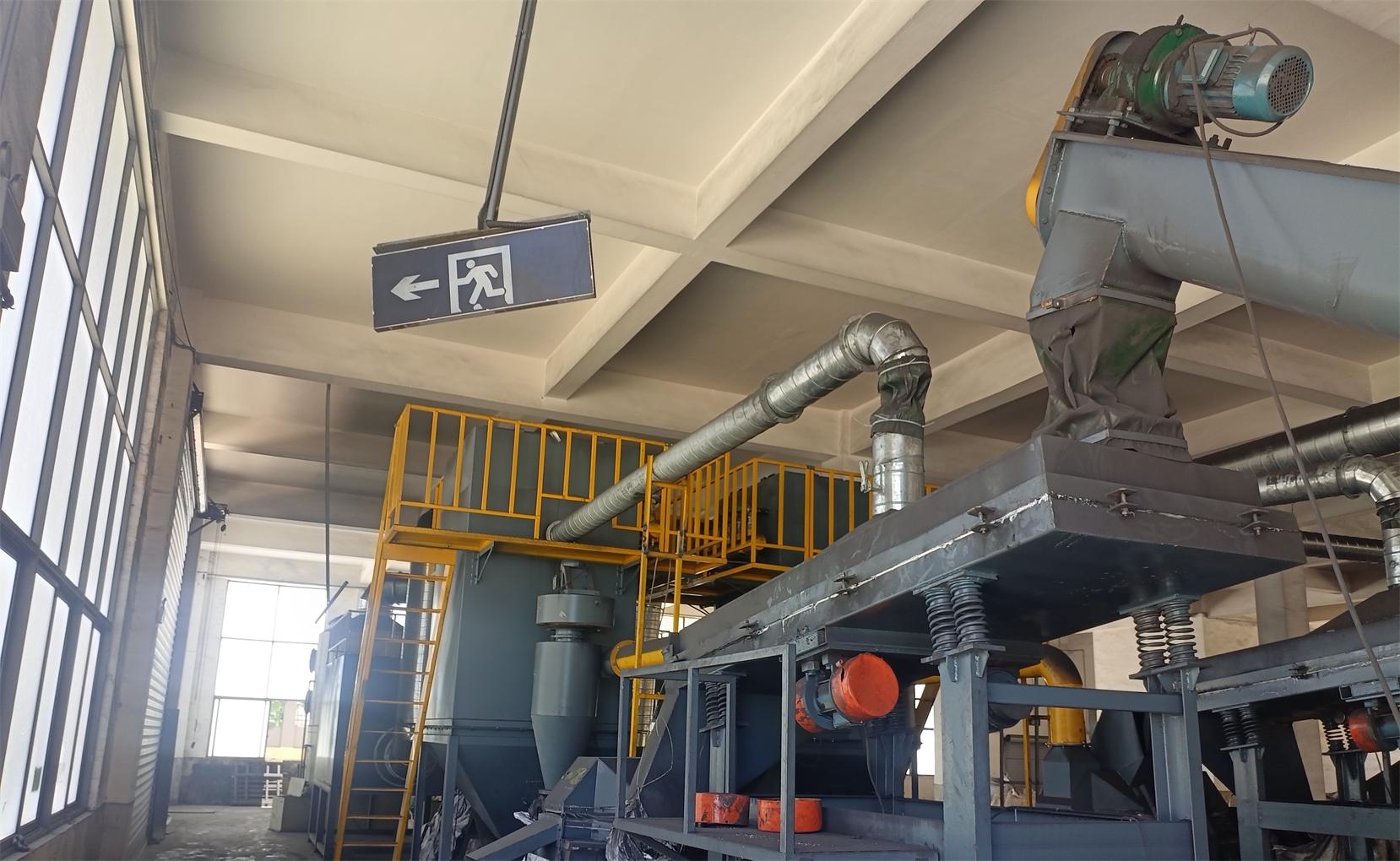
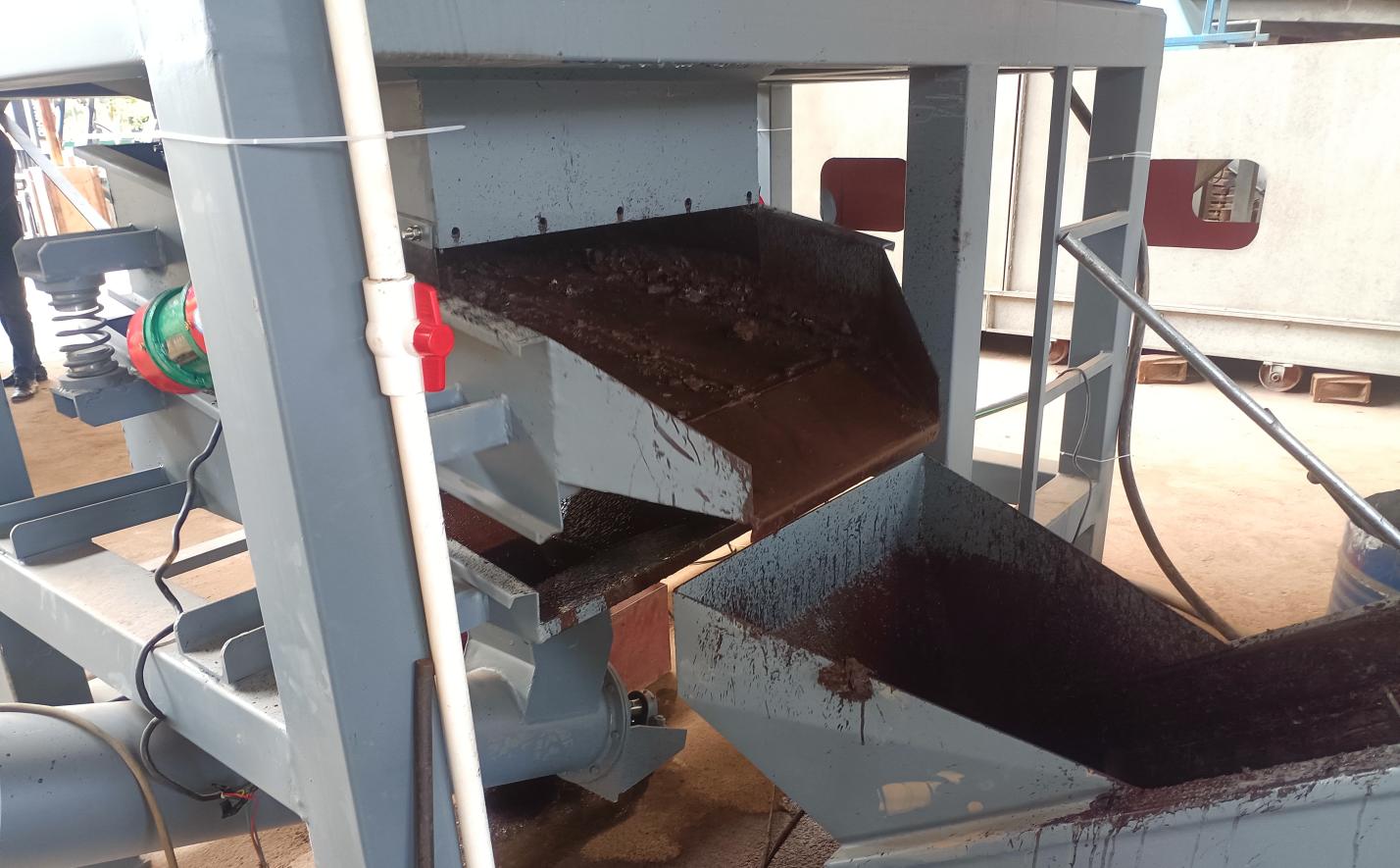
When the incoming material contains a mix of thin wires, data cables, automotive harnesses, and communication lines, a granulator with integrated dry separation becomes the only practical choice. The copper wire recycling machine first chops the cable into small pieces, then uses a combination of vibrating screens, air classification, and sometimes electrostatic sorting to separate heavy copper granules from lighter plastic fragments. Modern compact units process 100 to 200 kilograms per hour, while industrial lines reach 1,200 kilograms per hour or more. Copper purity from well-tuned systems typically exceeds 99 percent, which meets the specifications of most copper smelters.
Key Specifications That Determine Performance
Not all granulators and strippers deliver the same output quality. Buyers should evaluate the following specifications before making a purchase decision.
1. Throughput relative to cable type. Manufacturers often quote maximum capacity using clean, uniform copper cable. Real-world feedstock usually includes steel-armored wire, jelly-filled telecom cable, and aluminum-core conductors that reduce effective throughput. Ask suppliers for capacity estimates based on your actual material mix, not ideal conditions.
2. Separation efficiency and copper purity. A granulator that leaves significant copper in the plastic fraction or allows plastic dust to contaminate copper granules directly affects revenue. Look for systems that include multiple separation stages such as air separators, vibrating decks, and optional electrostatic units for fine wire processing.
3. Blade quality and maintenance access. Granulator blades operate under abrasive conditions and require periodic sharpening or replacement. Hardened tool steel or alloy blades last longer than standard carbon steel. Equally important is whether the cutting chamber can be opened quickly for blade changes without complete disassembly.
4. Dust control and noise levels. Dry cable granulation generates fine plastic and copper dust that must be captured for operator health and environmental compliance. Integrated cyclone separators and pulse-jet bag filters should be standard, not optional. Noise levels above 85 decibels require hearing protection and may trigger regulatory scrutiny in some jurisdictions.
5. Power requirements and footprint. Compact single-phase granulators suit small workshops with limited electrical service, while three-phase industrial lines demand dedicated power feeds. Verify that your facility can supply the required voltage and amperage without expensive electrical upgrades.
Matching Equipment to Your Operation Scale
Choosing the right machine size prevents both underutilization and bottlenecking. Small operations processing a few hundred kilograms per week from local electrical contractors can start with a compact granulator or benchtop stripper. These units occupy minimal floor space, run on standard single-phase power, and allow entrepreneurs to test the business model before scaling up.
Mid-size recyclers handling mixed scrap from multiple sources typically need a combination approach. Thick industrial cable goes through a stripper first, while the remaining thin wire and mixed fractions feed into a granulator-separator line. This dual strategy maximizes copper recovery while minimizing plastic contamination in the final product.
Large-scale plants serving metropolitan areas or industrial zones require high-capacity automated lines with conveyor infeed, pre-shredders for bulky cable reels, and multi-stage separation trains. These installations often include magnetic separators to remove steel armor, eddy-current units for aluminum separation, and briquetting presses to densify copper granules for furnace feeding.
What Sets San Lan Apart in Cable Recycling Solutions
San Lan Technologies Co., Ltd has manufactured recycling equipment supplier systems since 2007, with cable recycling machinery representing one of the company's core product lines. The engineering team includes mechanical engineering specialists with more than fifteen years of direct experience in wire and cable processing equipment design.
The cable recycling product range spans manual and electric scrap cable strippers for diameters from 1.5 millimeters to 150 millimeters, compact granulators with dry separators starting at 100 kilograms per hour, and industrial granulator lines reaching 1,200 kilograms per hour. For specialized applications, San Lan also offers jelly-filled cable recycling plants that handle telecom wire with petroleum gel insulation, a material that challenges standard separation systems.
Beyond standalone machines, San Lan provides complete plant design and integration services. The team has executed EPC projects across twenty-one countries including Singapore, Colombia, Vietnam, Mexico, South Africa, India, and Saudi Arabia. This international experience means equipment is built to handle voltage standards from 110 to 480 volts, ambient conditions from tropical humidity to desert dust, and local safety codes that vary significantly by region.
For buyers who need more than equipment, San Lan offers practical business support including guidance on sourcing reliable scrap supply, connecting with copper and aluminum offtake partners, and navigating environmental permitting. The company can also introduce investors and joint-venture partners for entrepreneurs who have feedstock access but need capital to build a processing facility.
Practical Steps Before You Buy
Investing in cable recycling equipment should follow a clear evaluation process rather than an impulse purchase. Start by characterizing your expected feedstock. Measure the diameter distribution, estimate the ratio of copper to aluminum cable, identify any steel-armored or jelly-filled material, and test samples for insulation type. This data determines whether you need a stripper, a granulator, or both.
Next, calculate your break-even volume. Add equipment cost, installation, electrical work, and one year of spare parts. Divide this total by the expected copper premium per kilogram after processing costs. The result tells you how many kilograms you must process to recover your investment. Most profitable operations achieve this within eighteen to thirty months.
Finally, insist on material testing before purchase. Reputable manufacturers will run your actual scrap samples through their machines and report copper purity, separation efficiency, and throughput. If a supplier refuses this test or only offers video demonstrations with pre-selected material, treat that as a warning sign.
Ready to recover more value from scrap cable? San Lan Technologies designs and manufactures cable recycling equipment ranging from compact benchtop strippers to high-capacity industrial granulator lines. With nearly two decades of manufacturing experience and installations in over twenty countries, the team can help you select machinery that matches your material mix, production targets, and budget.
Contact San Lan Technologies to discuss your cable recycling project, request a quotation, or arrange sample processing to verify performance on your actual scrap material.
Email: info@san-lan.com | WhatsApp: +86 139 2377 4083
Website: www.san-lan.com