Two investors walked into the same scrap yard in 2023. Both saw mountains of discarded cables. One saw copper worth $8,000 per ton waiting to be extracted. The other saw a fire hazard.
Eighteen months later, one had a processing line turning 1,200 kilograms of scrap cable into pure copper granules every hour. The other was still comparing quotations.
The difference was not capital. It was knowing which questions to ask before signing the purchase order.
Why Cable Recycling Is a Business Worth Building Now
Every demolition site, electrical contractor, and telecommunications upgrade produces scrap cable. The copper inside does not lose its value. It simply needs to be separated from the plastic insulation efficiently and cleanly.
A cable recycling equipment line turns this waste stream into a revenue stream. The math is straightforward. If you process one ton of mixed scrap cable per day, and the copper recovery rate is above 95%, the equipment pays for itself in months, not years.
The challenge is choosing equipment that actually delivers those numbers.
The Two Paths: Stripping First or Granulating Directly
Not all scrap cable is processed the same way. The right approach depends on cable diameter, volume, and the labor cost in your market.
Path One: Strip and Separate
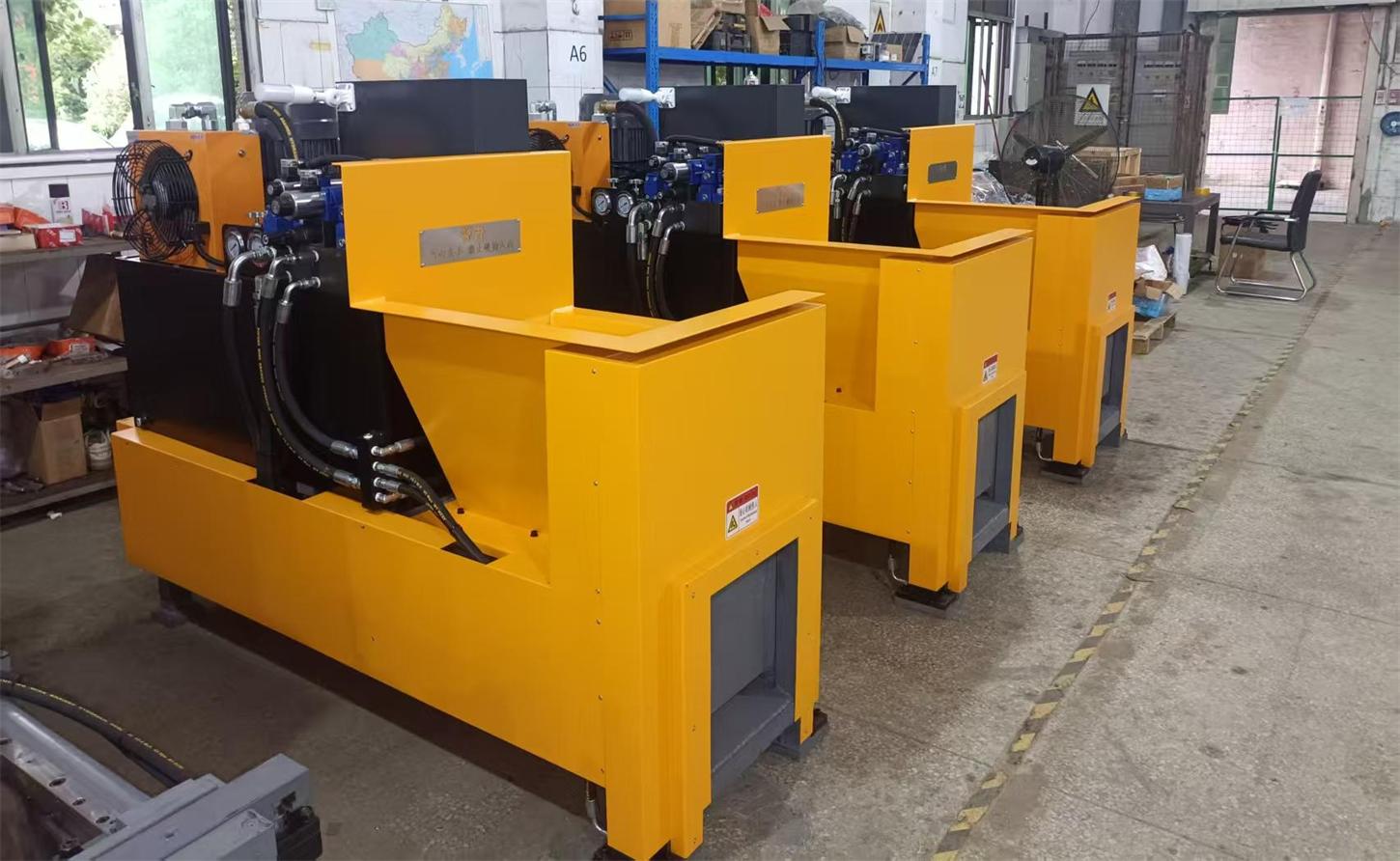
For thick, single-core cables with diameters above 20 millimeters, a scrap cable stripper equipment line is the most efficient first step. The machine pulls the plastic sheath away from the copper core in seconds. The copper goes straight to a melting furnace or buyer. The plastic is baled for resale.
This method preserves the full length of the copper conductor, maximizing its resale value. It also requires less energy than full granulation. For operations focused on large-diameter industrial cable, stripping is often the smarter first move.
Path Two: Crush and Separate
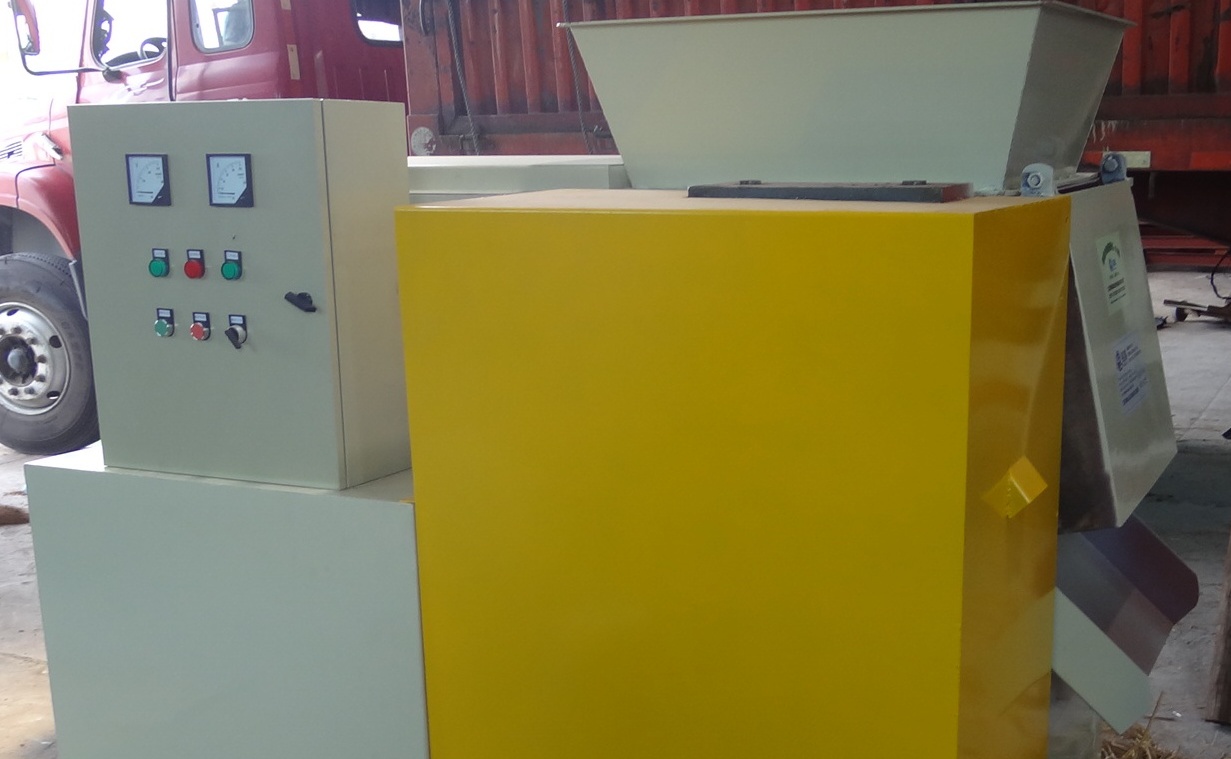
For mixed cable bundles, thin wires, and smaller diameters, granulation is the only practical approach. A compact granulator with dry separator equipment shreds the cable into small pieces, then uses air separation or electrostatic separation to sort copper from plastic.
Dry separation systems are preferred in most markets because they avoid the wastewater treatment requirements of wet separation. Modern air separator designs achieve copper purity of 96 to 98 percent with no water consumption.
What the Process Actually Looks Like
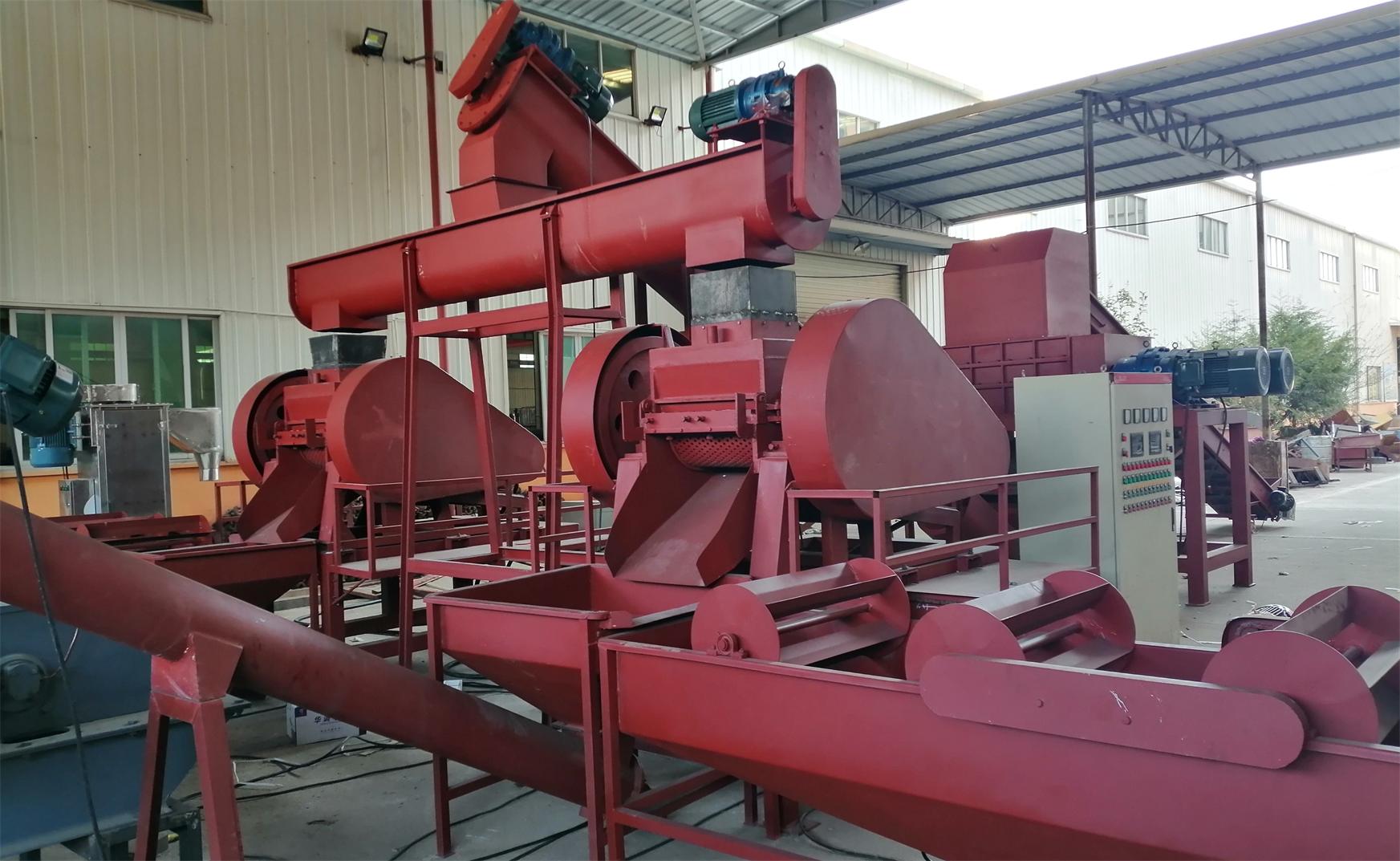
A complete cable recycling machine line typically includes four stages:
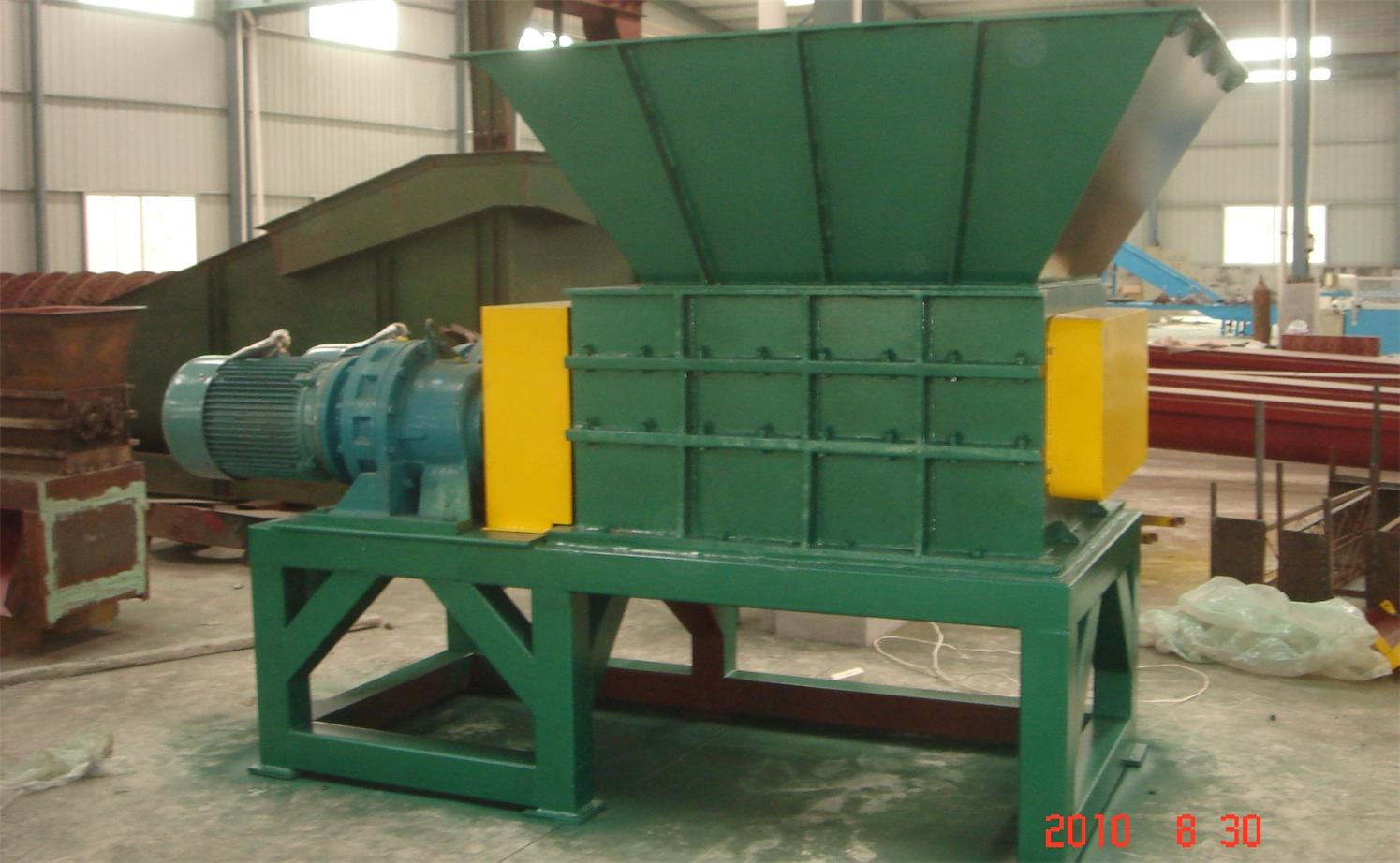
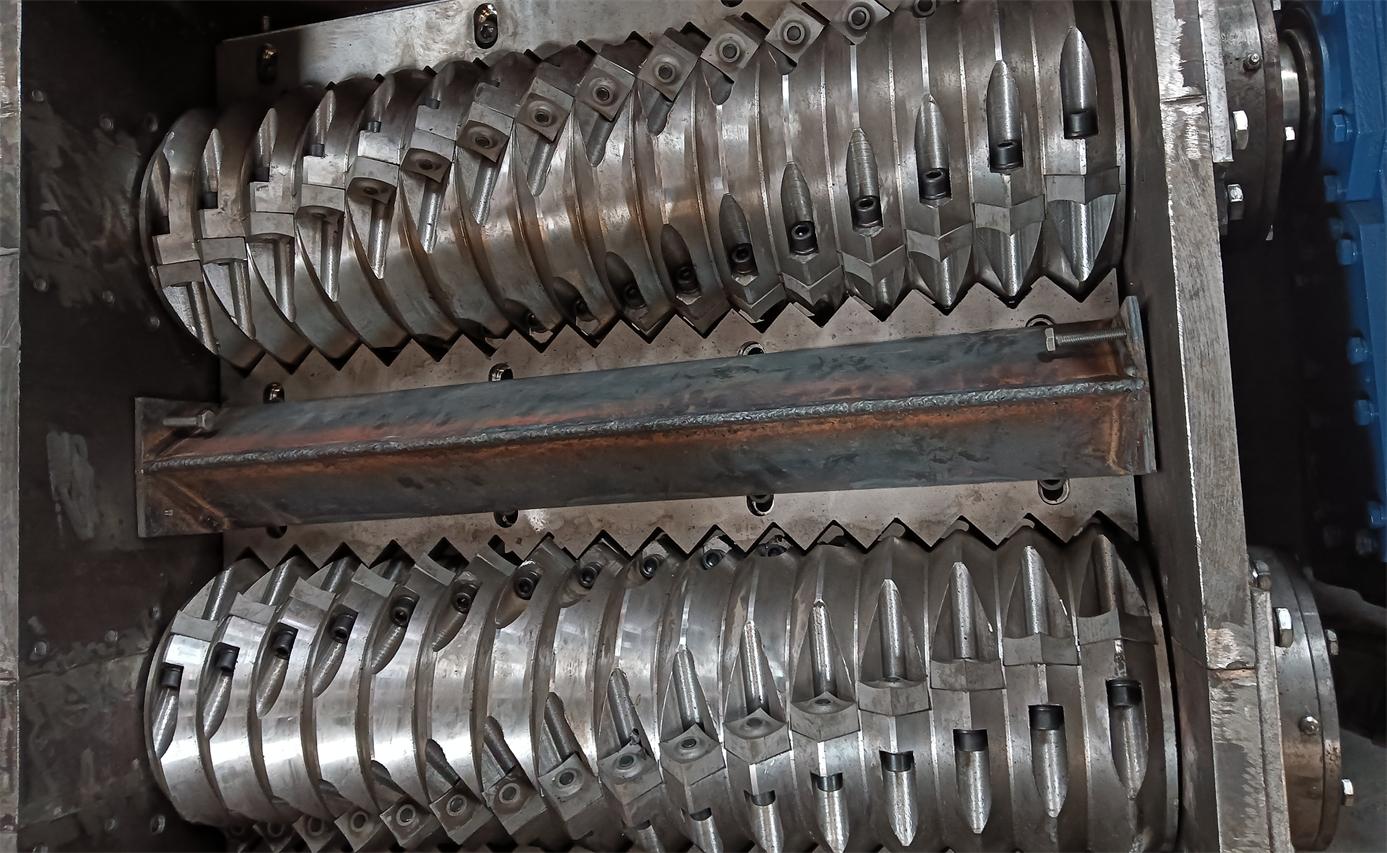
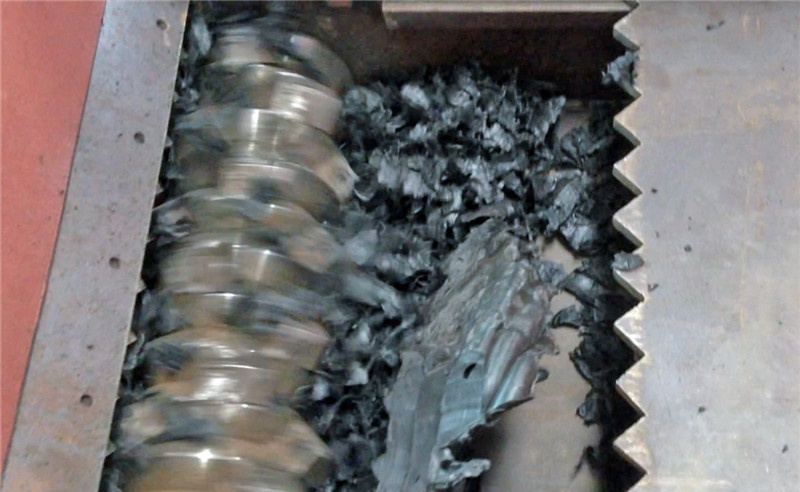
1. Pre-shredding: Large cable bundles or armored cables are fed into a twin-shaft or single-shaft shredder to reduce size and open bundles.
2. Granulation: A cable granulator crushes the material into particles of 2 to 5 millimeters. The copper and plastic are now mixed as small fragments.
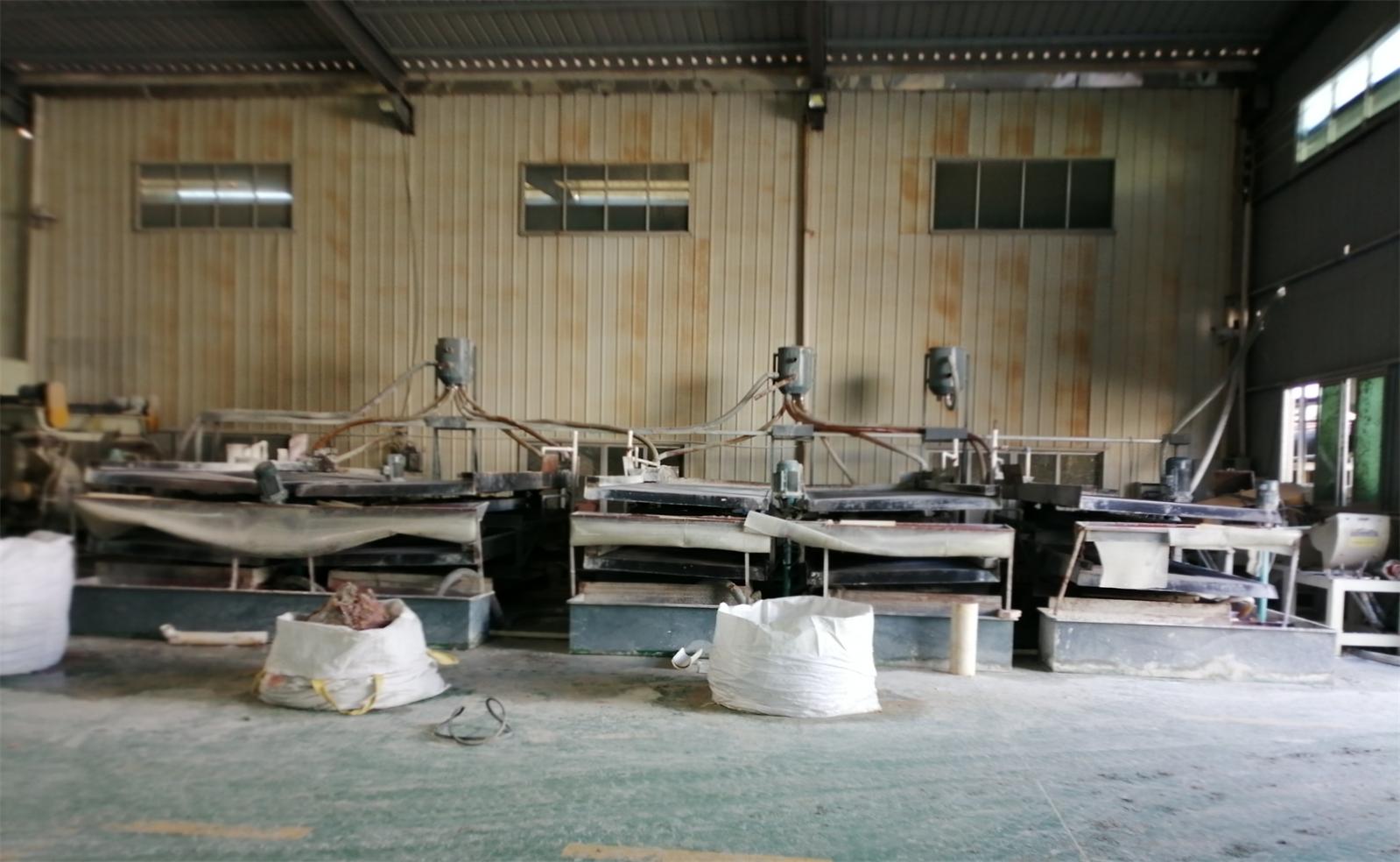
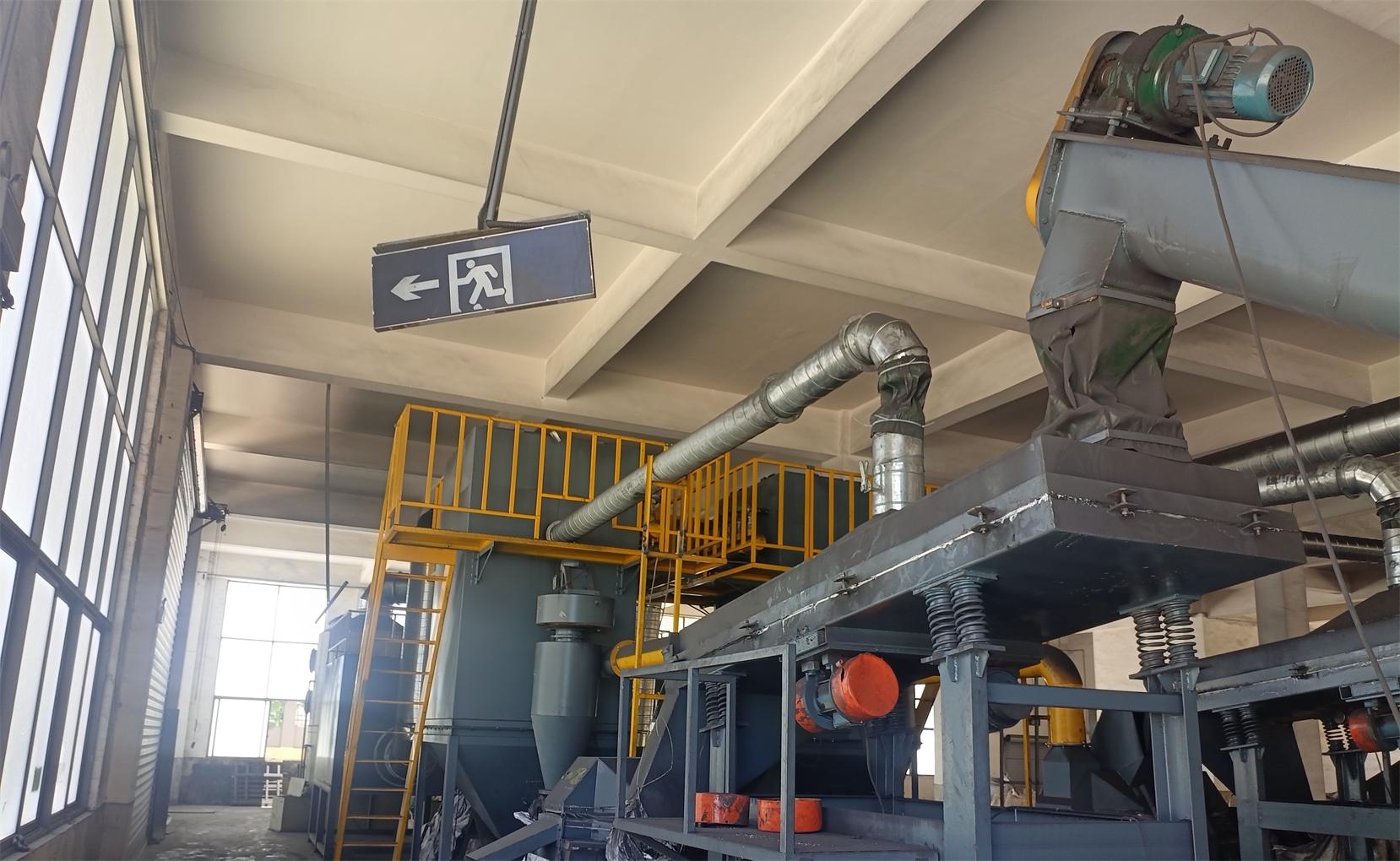
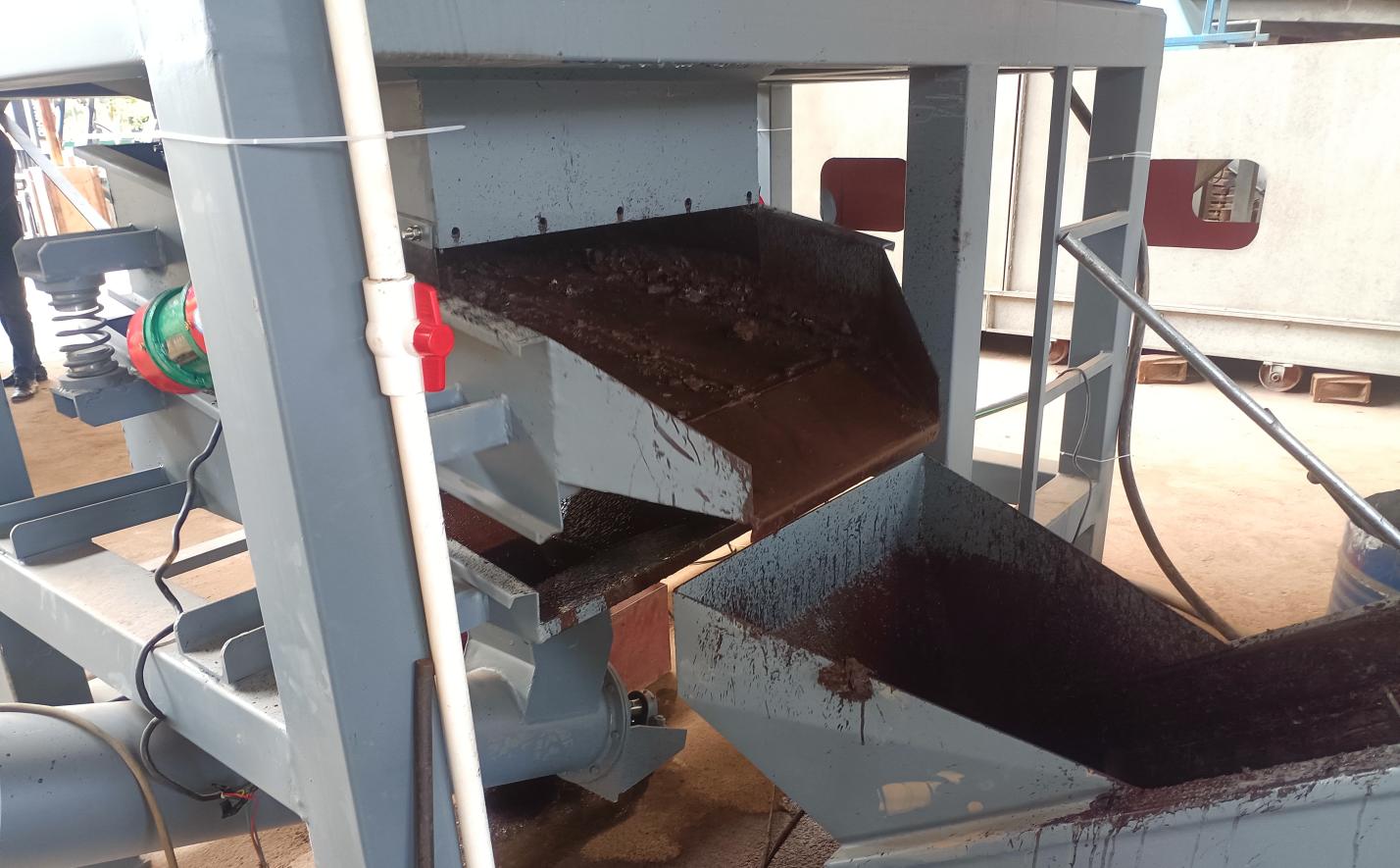
3. Air separation: A vibrating table with airflow lifts the lighter plastic while the heavier copper falls through. This is where purity is determined.
4. Dust collection: A pulse bag dust collector captures fine particles to keep the workplace clean and compliant with environmental regulations.
Some lines also include an electrostatic separator as a final polishing step. This catches any copper fragments that the air separator missed, pushing total recovery rate above 99 percent.
The Specification Sheet That Matters
When comparing quotations, most buyers look at price and capacity. Experienced buyers look at the specification sheet. Here is what to verify before you decide:
| Specification | Why It Matters | What to Ask For |
|---|---|---|
| Processing capacity | Determines daily throughput and revenue | kg/hour with your actual cable mix |
| Copper purity | Affects resale price per kilogram | Independent test result, not factory claim |
| Separation method | Dry vs. wet affects operating cost and permits | Air separation or electrostatic |
| Power consumption | Directly affects operating cost per ton | kW per ton processed |
| Blade material | Determines maintenance frequency | Hardness rating and expected blade life |
| Dust control | Required for environmental compliance | Pulse bag or cyclone collector included |
A supplier who answers these questions with test reports and reference installations is a supplier who has built machines before. A supplier who answers with adjectives is a trader.
Red Flags That Should Stop the Conversation
After fifteen years in the recycling equipment industry, we have seen buyers make the same mistakes. Here are five warning signs that the supplier in front of you is not the right partner:
- They cannot name a single reference installation in your region or a comparable market.
- They quote capacity without specifying cable type, diameter range, or copper content.
- They offer a "complete line" but cannot explain how each stage connects to the next.
- They have no drawings, electrical diagrams, or foundation requirements to share before purchase.
- They promise 99.9 percent purity but have no third-party test report to prove it.
From Equipment to Operation: What Happens After Delivery
Buying the machine is only the first step. Commissioning, operator training, and spare parts availability determine whether your line runs at 90 percent uptime or 50 percent.
A reliable supplier delivers more than steel. They deliver a start-up plan. That includes installation supervision, operator training, a recommended spare parts list, and a maintenance schedule. Without these, a $50,000 machine becomes a $50,000 paperweight.
Some suppliers also help with the upstream side of the business: sourcing scrap cable at competitive prices, or connecting you with buyers for the copper and plastic fractions. This kind of operational support is often worth more than a small discount on the equipment price.
What San Lan Technologies Brings to the Table
San Lan Technologies Co., Ltd has manufactured recycling equipment since 2007. Over that time, the company has supplied cable recycling equipment to buyers in more than 21 countries, including markets in Southeast Asia, Latin America, Africa, and the Middle East.
The product range covers both approaches described above: hydraulic cable strippers for thick industrial cable, and dry-separation cable granulators for mixed scrap. Capacities range from 100 kg/hour entry-level units to 1,200 kg/hour industrial lines.
San Lan also manufactures the supporting equipment that turns a machine into a plant: shredders for pre-processing, hydraulic balers for plastic compaction, and dust collection systems for environmental compliance. For buyers who want a single-source supplier, this integration reduces interface risk and simplifies commissioning.
The technical team includes mechanical engineers with master's degrees and more than fifteen years of experience in e-waste recycling machinery design. The company offers customized plant design, installation supervision, and operator training as part of its standard project delivery.
Ready to evaluate cable recycling equipment for your market?
Start with your material. Send a sample of your typical scrap cable, and San Lan's engineering team will recommend the right machine configuration, capacity, and separation method for your specific mix. No generic quotations. No guesswork.
Contact San Lan Technologies at info@san-lan.com or via WhatsApp at +86 139 2377 4083. Browse the full cable recycling product range at san-lan.com/cablerecycling.