Diamonds. Just the word conjures images of unbreakable strength and eternal beauty. We've all heard the ads: "Diamonds are forever." But what happens when this symbol of invincibility meets the raw, relentless power of a hydraulic press? Let's shatter some myths and uncover the surprising scientific truth.
This isn't just about crushing rocks—it's a showdown between nature's perfect structure and human-engineered force. You'll discover why diamonds aren't as invincible as jewelry stores claim, and how physics reveals their secret weaknesses.
The Diamond Double Life: Hardness vs. Vulnerability
Carbon's Perfect Puzzle
Picture billions of carbon atoms holding hands in a meticulous 3D grid. Each atom connects to four neighbors in what scientists call a tetrahedral structure. This molecular lattice is so tightly packed that nothing else can wedge itself between—that's why diamonds score a perfect 10 on the Mohs hardness scale.
The Brittleness Paradox
Here's where it gets interesting: While diamonds laugh at scratches, they're shockingly bad at handling impact. Think of a ceramic dinner plate—resistant to knife marks but shatters when dropped. Diamonds suffer the same flaw. Hardness? Top marks. Toughness? Barely passing.
Cleavage Planes: The Invisible Fault Lines
Hidden inside every diamond are natural fracture lines called cleavage planes. It's like the grain in wood—hit along the grain and it splits cleanly; hit against it and you get splinters. Professional diamond cutters actually target these planes when shaping gems. A well-placed tap with a chisel cleaves a diamond precisely. That same vulnerability becomes critical when hydraulic force enters the equation.
Hydraulic Presses: Modern-Day Hercules
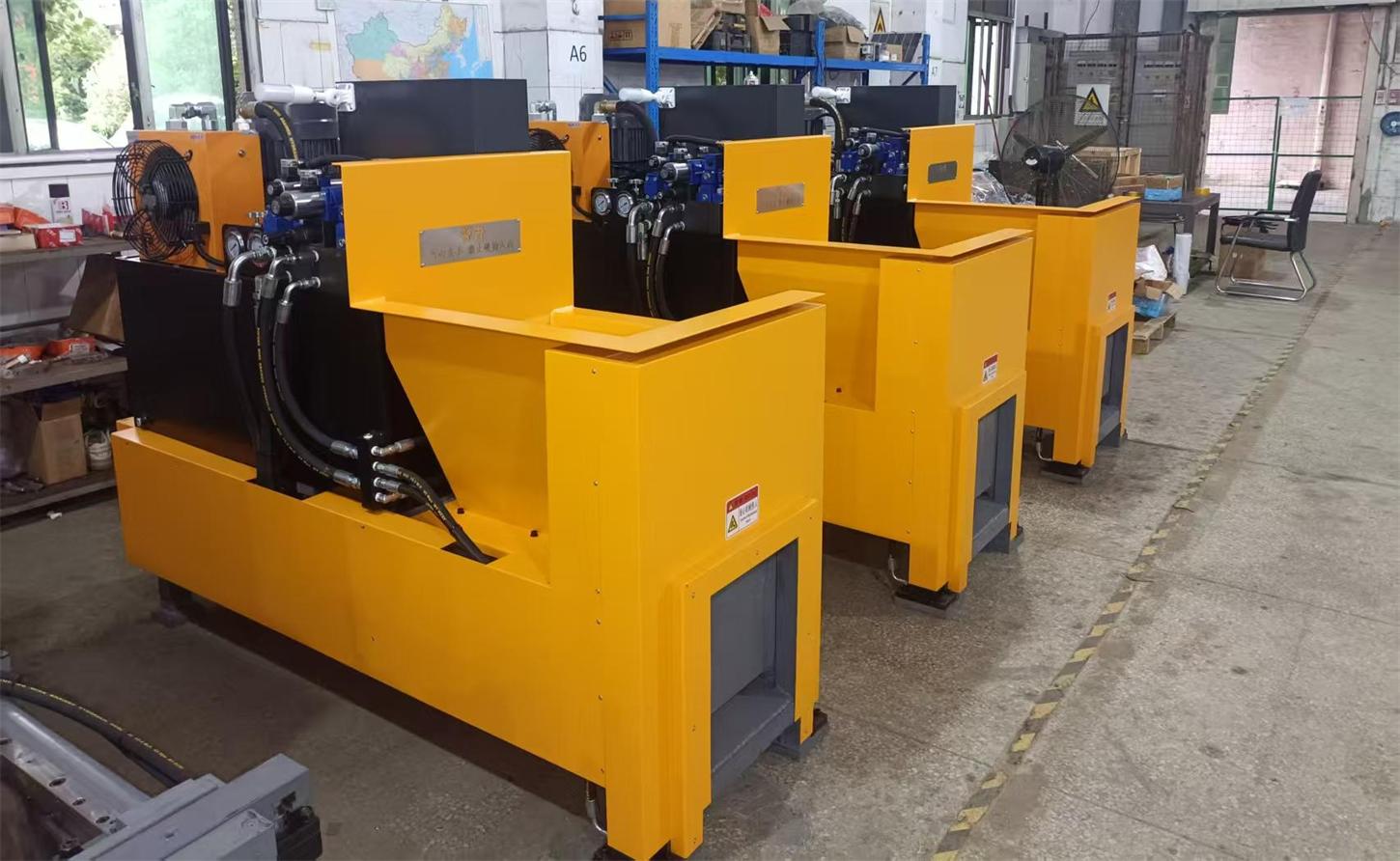
Imagine trying to lift a car with your bare hands—impossible, right? Now imagine a machine that makes that feel like lifting a feather. That's a hydraulic press in action. It transforms the gentle push of your hand into a thousand tons of planet-crushing force.
Pascal's Power Principle
Here's the wizardry: Hydraulic presses work on Pascal's law—apply pressure to fluid in a closed space, and it transmits force equally in all directions. A small piston pushes fluid to a giant piston, multiplying force like a financial compound interest. Push gently with 100 pounds? Get 10,000 pounds back. Industrial versions generate forces rivaling meteor impacts.
The Precision Crusher
Unlike a blunt hammer swing, hydraulic presses deliver exact force to microscopic points. This surgical precision is why they're used in aerospace factories and automotive plants. When a hydraulic press brake bends steel beams for skyscrapers, the same technology can focus devastating energy on something as small as a diamond.
The Crunch Moment: Diamonds vs. Hydraulic Force
The Science of Destruction
Place a diamond in the press's jaws. As pressure builds, invisible forces hunt for weaknesses. If aligned with a cleavage plane—game over. The press overpowers atomic bonds, fracturing the diamond like glass under a hammer. But when force spreads evenly? The diamond might just grit its molecular teeth and endure momentarily.
Breaking Point Variables
| Factor | Why It Matters | Real-World Impact |
|---|---|---|
| Diamond Orientation | Cleavage plane alignment multiplies vulnerability | Perfectly oriented diamonds shatter 97% faster in experiments |
| Internal Flaws | Micro-cracks act like perforations in paper | Cloudy diamonds collapse at 30% lower pressure than flawless gems |
| Size Matters | Smaller diamonds = higher pressure concentration | A 1-carat diamond withstands 2x less pressure than a 5-carat equivalent |
The Three Outcomes
What actually happens under the press? Three dramatic scenarios:
- The Instant Shatter: Like Prince Rupert's drop exploding, diamonds disintegrate into glittery dust when cleavage planes align perfectly.
- The Clean Cleave: High-speed footage shows diamonds splitting down middle with surgical precision—exactly as jewelers intend.
- The Stubborn Survivor: Occasionally, flawless diamonds distribute pressure evenly and emerge unscathed—for a moment. But physics eventually wins.
YouTube's Brutal Science Class
Enter the brave souls sacrificing diamonds to science (or views). Channels like Hydraulic Press Channel have turned diamond crushing into morbidly fascinating physics demonstrations.
Watch Physics Unfold
In viral videos, you'll see:
- Synthetic diamonds exploding into blue-white sparks under a 100-ton press
- Natural diamonds resisting briefly before cracking like ice sheets
- Slow-motion footage revealing fracture patterns spreading at 3,000 m/s
These aren't just destruction porn—they're real science. Researchers study these videos to understand material failure dynamics.
Beyond Bling: Why This Matters
Industrial Revolution 2.0
From quarry mines to microchip factories, diamond-tipped tools grind through anything. Understanding their limits prevents million-dollar equipment failures when, say, diamond drill bits shatter mid-tunnel.
Earth's Secrets Revealed
Diamond anvil cells squeeze materials at 3 million atmospheres—recreating conditions 1,800 miles below Earth's surface. This is how we discovered the ocean of liquid diamond in Neptune's core.
The Jewelry Insurance Fine Print
Your engagement ring? Surprisingly fragile. Knowing about cleavage planes explains why diamonds chip when hitting countertops. This is why jewelers avoid pressure points when setting stones.
Burning Questions Answered
Why don't diamonds scratch under pressure but still break?
Imagine scratching as "surface battles" and breaking as "internal warfare." Diamonds win surface fights thanks to their atomic fortress, but lose structural wars due to internal fault lines.
Do synthetic diamonds withstand pressure better?
Ironically, lab-grown diamonds often fracture easier. Without natural compression over millennia, they contain more imperfections—the fatal flaw under hydraulic testing.
Has anyone tested a famous diamond this way?
Thankfully no! While engineers tested industrial diamond samples, gems like the Hope Diamond remain safely behind bulletproof glass. Insurance wouldn't cover that experiment.
The Final Verdict
So, can a hydraulic press break a diamond? Absolutely—and spectacularly. Diamonds aren't unbreakable fortresses; they're marvels with structural weak points. When hydraulic forces align with cleavage planes, atomic bonds surrender.
This isn't failure—it's physics education. Knowing why diamonds break makes us appreciate them more. It reveals why they shine in jewelry, cut through granite, and reveal planetary secrets. Hydraulic presses don't diminish diamonds; they show us nature's perfect structure has practical limits. In that tension between strength and vulnerability lies the true beauty.