Hey there, fellow scrappers and eco-warriors! If you've ever found yourself staring at a pile of old cables and wires, wondering if you could just torch them to get to that precious copper inside, you're not alone. I've been there too – standing in my garage with a mess of tangled wires, dreaming of quick cash and wondering if a bonfire is the answer.
Let's get real about burning copper wire. On the surface, it seems like such a straightforward solution, right? Fire melts away the plastic insulation, copper stays intact, and bam! – you've got yourself some ready-to-sell copper. But here's where I learned the hard way: what seems simple is often dangerously complicated.
Burning copper wire isn't just messy – it's a toxic gamble with your health and the environment that might not even pay off financially.
I remember my first attempt. The smoke that billowed out? It wasn't some innocent campfire smell. My eyes watered, my throat burned, and my neighbors threatened to call the fire department. That's when I knew I needed better solutions.
Why Copper Matters in Our Wires and Why We Can't Ignore Recycling
Before we dive into the burning debate, let's talk about why we're all so obsessed with this metal in the first place. Copper isn't just another scrap metal – it's the superstar of conductivity. That reddish-brown metal carries electricity through our homes, powers our phones, and keeps the digital world humming.
Here's what makes copper so special:
- Incredible conductivity : Only silver beats copper, but at 1/10th the cost
- Natural flexibility : You can bend it without breaking – perfect for cables
- Resistance to corrosion : That's why your grandma's old lamp cords still work
- Near infinite recyclability : Copper maintains its properties no matter how many times it's reused
The magic happens when we pull copper out of discarded wires. Recycled copper uses about 85% less energy than mining new copper. That's like powering a lightbulb for 2 hours versus turning on an entire stadium's worth of lights! But how we extract it makes all the difference.
The Burning Reality: What Really Happens When You Torch Wires
So what happens during the burning process? Let me walk you through it step-by-step, based on my own experiments and research:
Anatomy of a Wire Burning Operation:
- The plastic insulation catches fire at around 350-450°F (175-230°C)
- Toxic fumes form as the PVC insulation decomposes – that's your lungs' worst nightmare
- The flame melts the plastic coating into a sticky, black tar-like substance
- Copper begins oxidizing when temperatures hit 1800°F (1000°C)
- The finished "recovered" copper is often brittle, charred, and worth much less
Now here's what your scrap yard isn't telling you: that "cleaned" copper? Most yards classify it as lower-grade "burnt wire" and pay up to 30% less than clean, stripped copper. Why? Because:
- Oxidation makes it harder to process
- Contaminants lower its purity
- Charred residue requires extra cleaning steps at smelters
I learned this lesson the expensive way after torching 20 pounds of wires only to discover my "haul" was worth nearly half of what clean copper would bring.
Toxins Unleashed: The Hidden Chemical Nightmare
If the financial loss wasn't bad enough, the health risks scared me straight. Most wire insulation contains polyvinyl chloride (PVC) – essentially plasticized chlorine. When burned, it transforms into a chemical horror show:
The Toxin Parade:
Dioxins & Furans: Among the most toxic compounds known – linked to cancer, birth defects, and immune damage. These don't break down easily and accumulate in soil and your body.
Hydrochloric Acid Vapor: Forms when chlorine in PVC bonds with hydrogen. Burns lungs on contact and creates acid rain contamination.
Phthalates: Plastic softeners that become endocrine disruptors – messing with hormones even at low levels.
A backyard burn session doesn't just affect you. I once met a farmer whose entire water supply got contaminated after repeatedly burning wires uphill from his well. The cleanup costs bankrupted him.
Law & Order: The Regulatory Minefield
Here's where things get legally hairy. Most places strictly regulate open burning:
- US Clean Air Act: Prohibits burning wire insulation in open fires nationwide
- EPA Regulations: Classify wire burning as "illegal disposal of hazardous waste" – fines up to $75,000 per day
- Local Ordinances: Nearly all municipalities forbid open burning of synthetic materials
During a visit to a professional scrapyard, the manager showed me surveillance footage of people dumping partially burned wires after failed home burning attempts. Many faced criminal charges for illegal dumping of hazardous waste.
The Professional Approach: How Big Players Recycle Safely
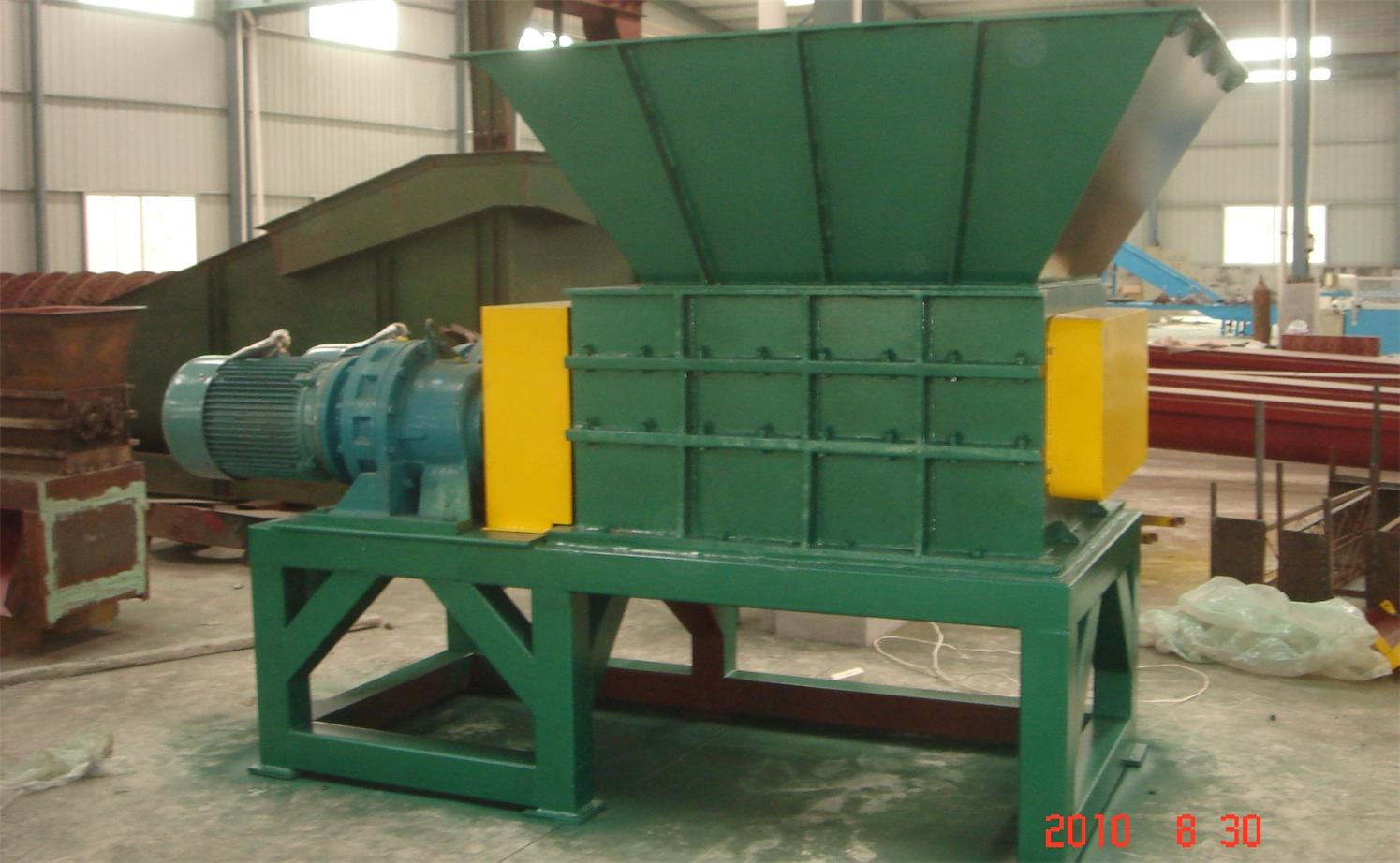
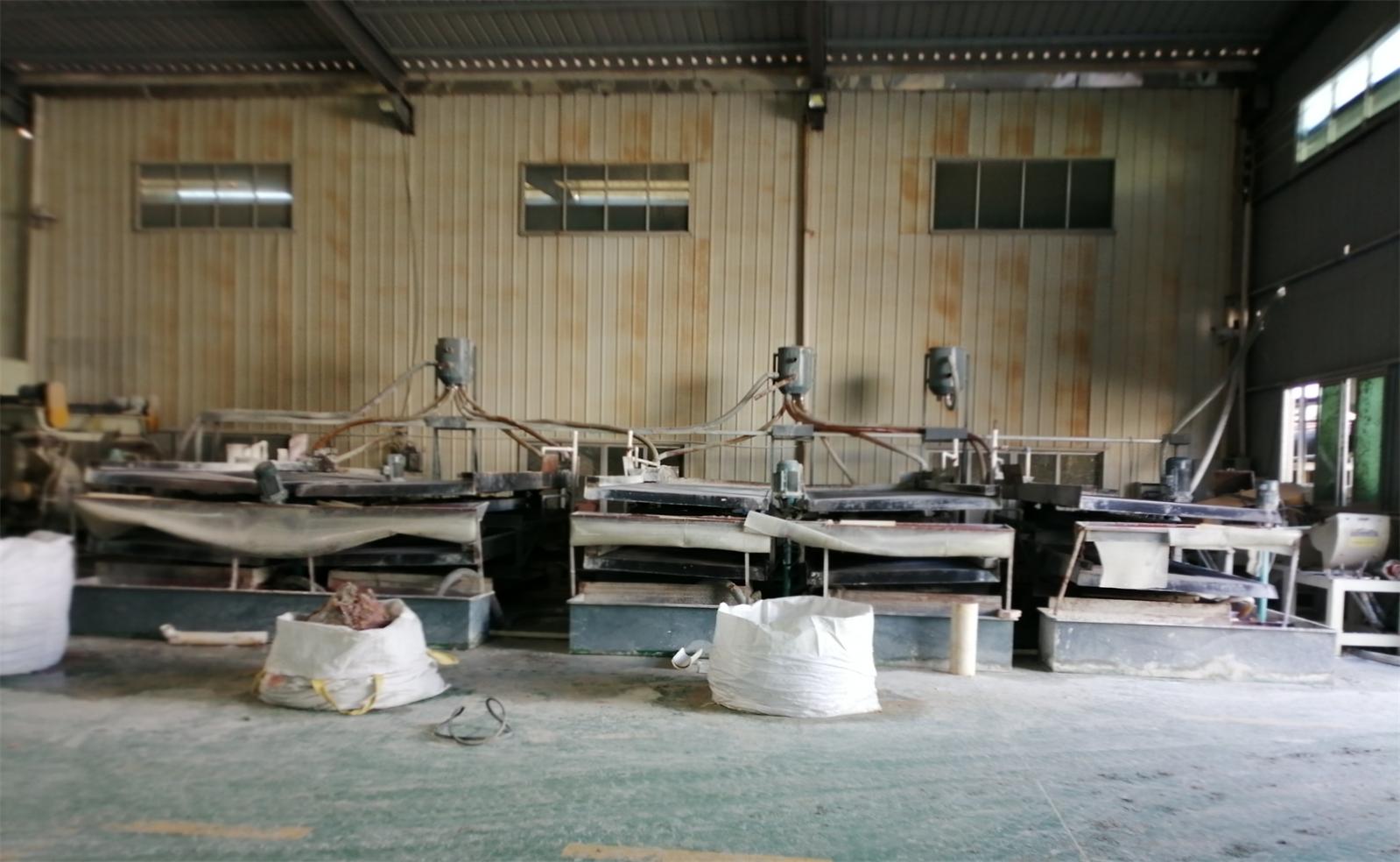
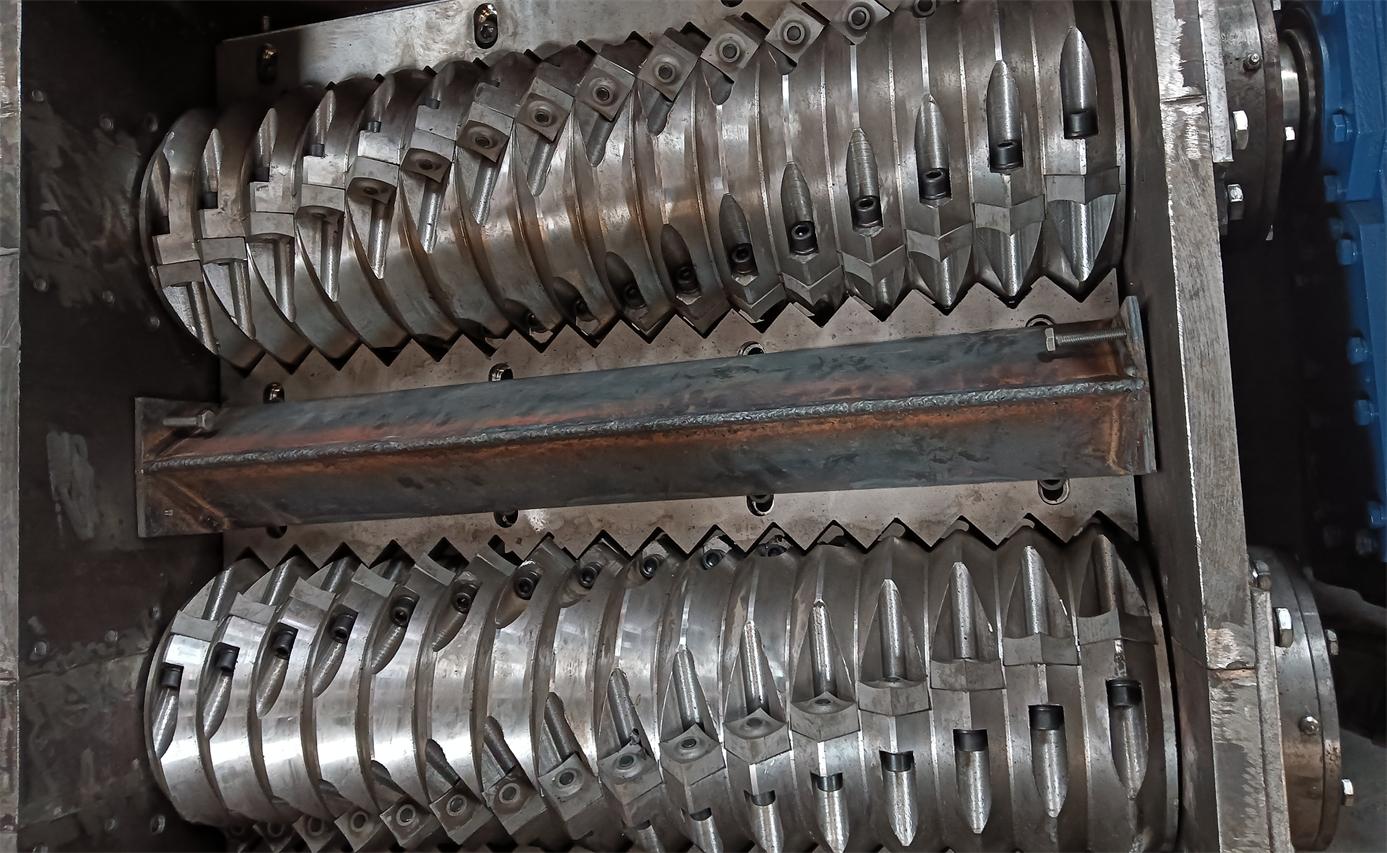
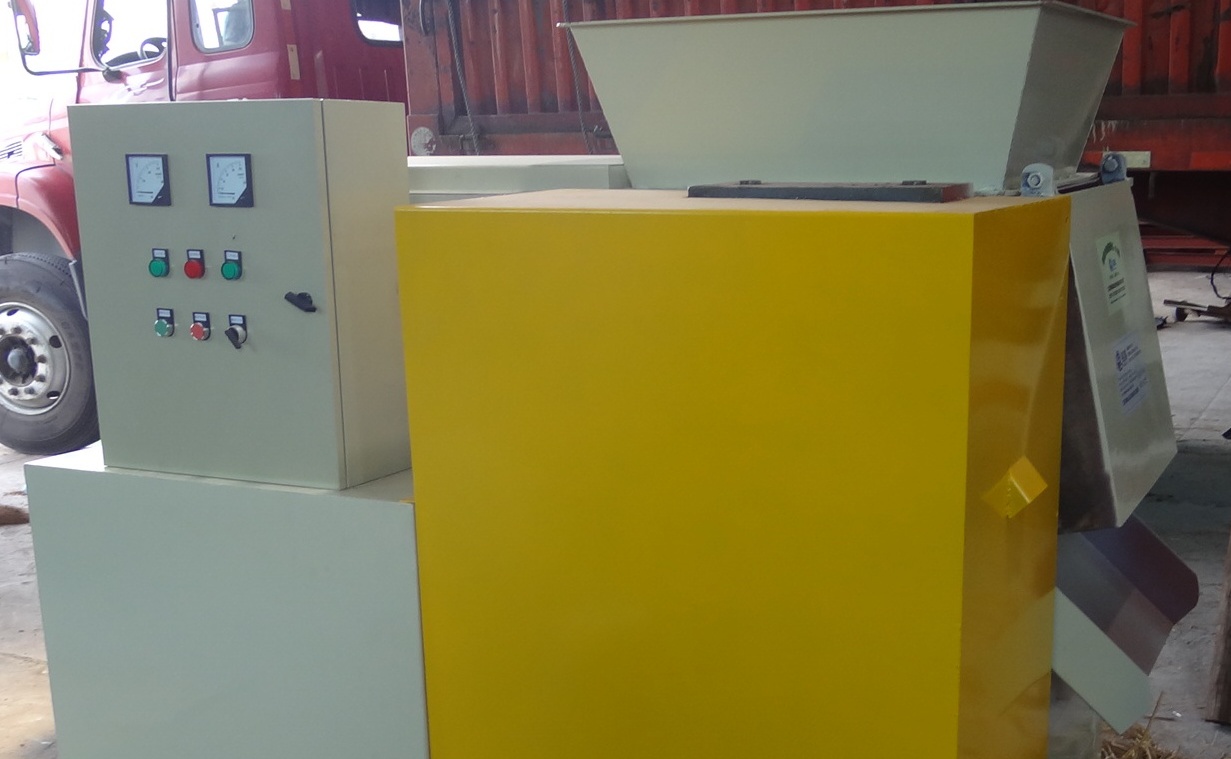
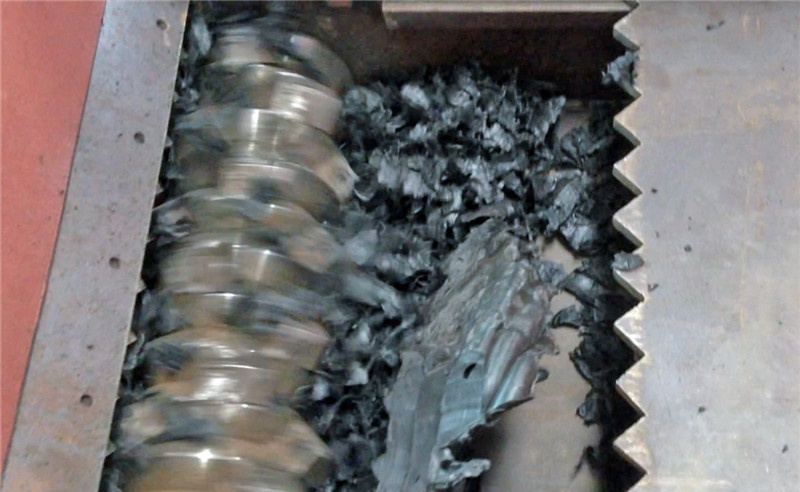
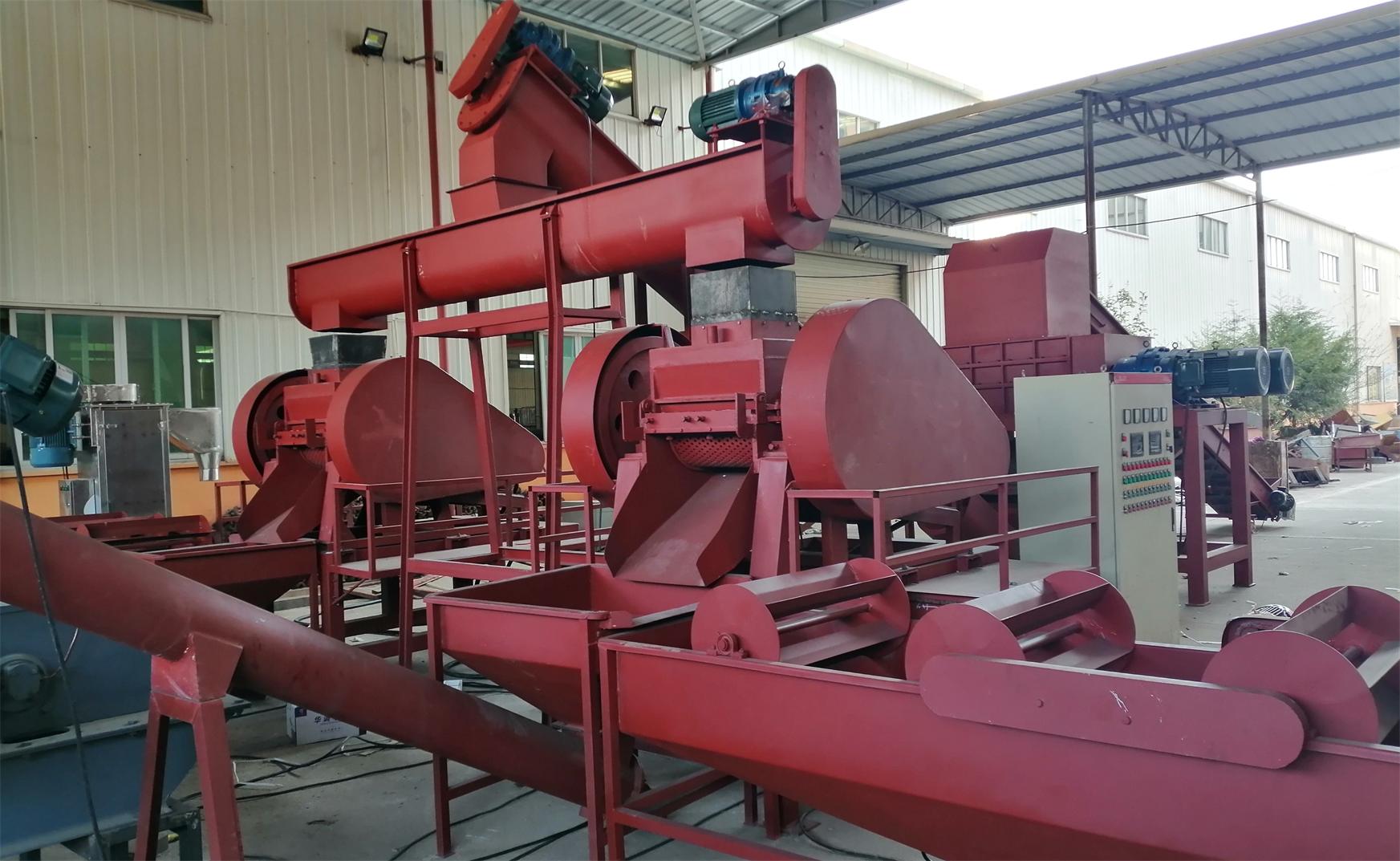
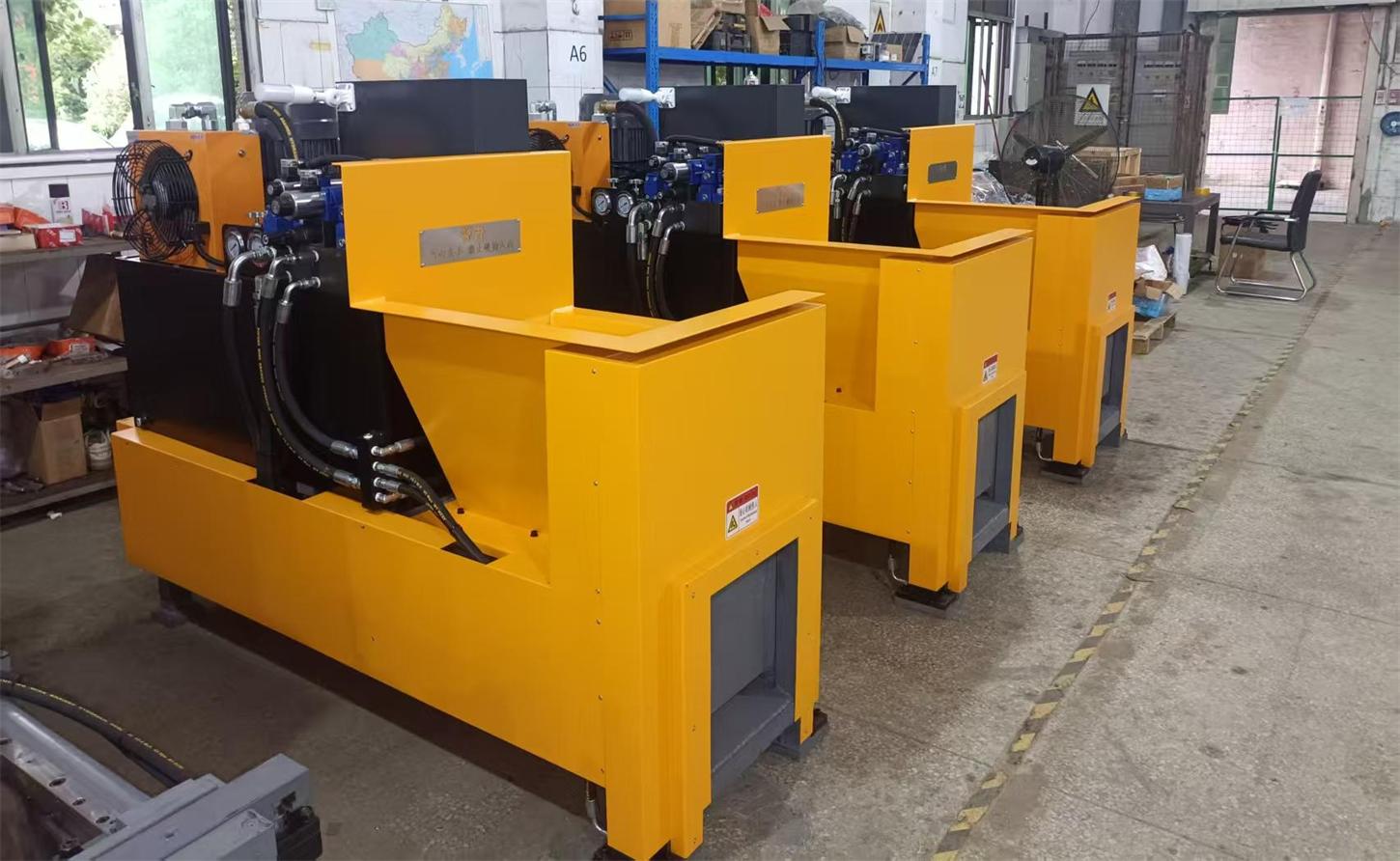
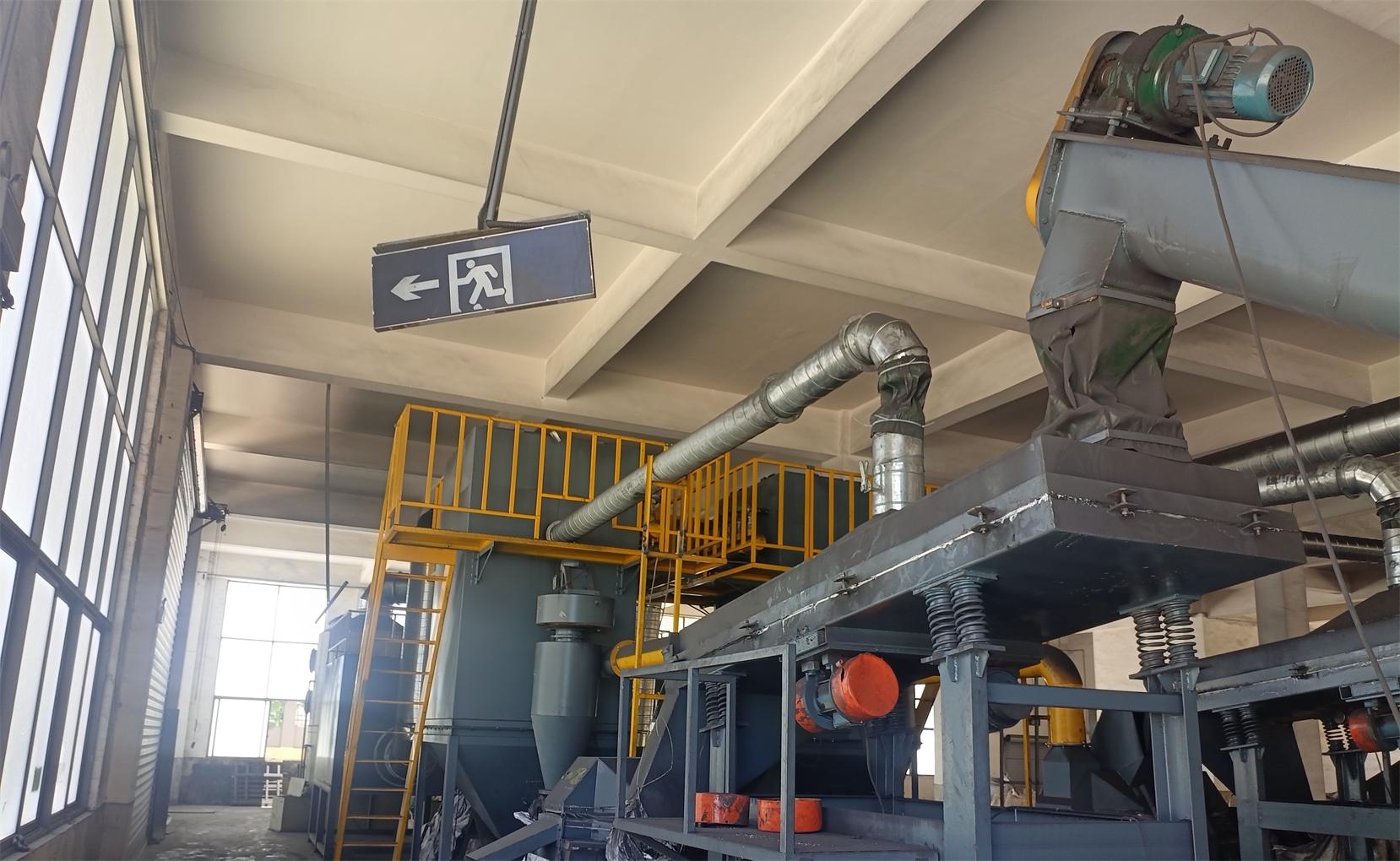
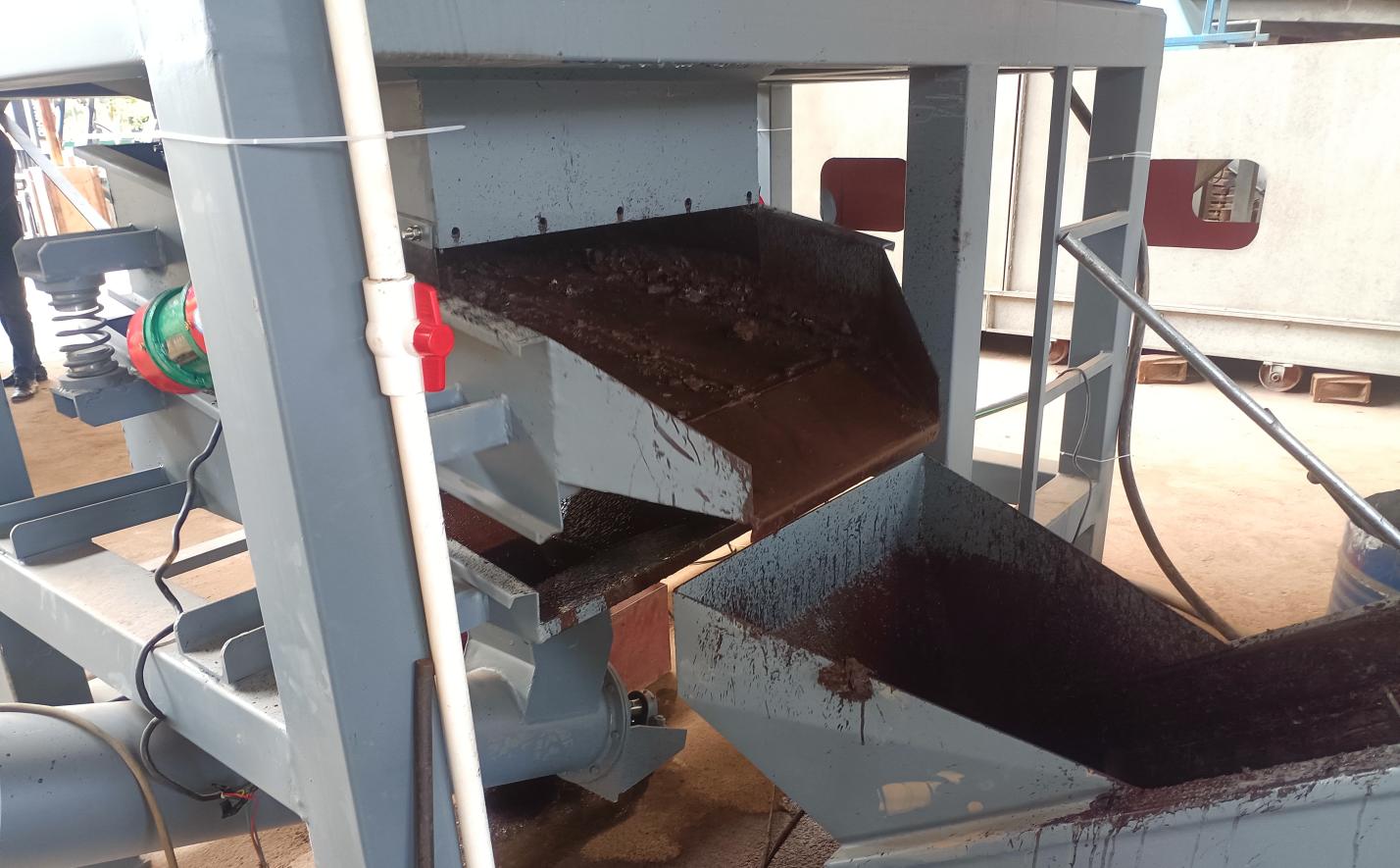
Ever wonder how licensed facilities recycle cables without burning? They use specialized mechanical separation systems like copper granulator machines. These combine shredding and sophisticated separation technologies:
Granulators use physics, not chemistry, to separate materials based on density, size, and electrostatic properties.
Here's how the process works:
- Wires pass through industrial shredders that chop them into uniform pieces
- A vibrating table separates heavy copper pieces from lighter plastics
- Air separation blows away plastic flakes while copper falls by gravity
- Electrostatic separators finalize the purification using magnetic properties
This process recovers over 99% pure copper while keeping plastic suitable for recycling. The best part? Zero toxic emissions.
Smart & Safe Home Methods That Actually Work
Don't have access to heavy machinery? Neither do I! Here are practical methods I've tested that won't poison your neighborhood:
Hand Stripping – Low Tech but Effective
For small batches, nothing beats the simplicity of manual stripping:
- Essential Tools: Automatic wire strippers ($20-50), box cutter, work gloves
- Tip: Warm thicker insulation with a heat gun (not open flame!) for easier stripping
- Speed Trick: Bolt cutters make clean end cuts that start peeling easily
Mechanical Helpers – The Next Level
For serious scrappers, these affordable tools pay for themselves quickly:
- Hand-crank strippers: Process 50-100 lbs/hour – perfect for garage operations
- Motorized stripping machines: Commercial units reclaim up to 400 lbs/hour
- Blade systems: Specialized knives that slice insulation without nicking copper
Last summer, I upgraded to a $300 motorized stripper. It paid for itself in two weeks, and my lungs have never been happier!
Beyond Metal: Giving Plastic a Second Life
Here's what most scrappers miss: that plastic insulation has value too! When stripped cleanly, it's recyclable:
- PE and PP plastics make pellets for outdoor furniture
- PVC can be reprocessed into traffic cones and floor tiles
- Clean PET is valuable for food-grade recycled plastic
I partner with a local recycler who pays me $0.05-0.10/lb for clean plastic after stripping. It's not copper money, but it transforms waste into resources rather than pollution.
Recycling Roadmap: Where to Take Your Copper
Ready to cash in? Here's how to maximize your return:
Copper Grading Determines Payday
- #1 Bright Copper: Clean, uncoated wire – gets you top dollar (95-100% of spot price)
- #2 Copper: Includes some solder or light coating – pays 5-10% less
- Burnt Wire: Pays the least (often 20-30% below bright copper)
A little preparation goes a long way. I sort copper into coffee cans by grade, stripping off dirty ends. Taking the extra 30 minutes to clean wires earned me an extra $127 on last month's run!
Greener Horizons: How Copper Recycling Heals the Planet
The impact of responsible copper recycling is bigger than your paycheck:
Energy Savings That Will Blow Your Mind
Recycling copper uses:
- 85% less energy than mining virgin ore
- Equivalent to powering 130,000 homes annually
- Saves enough electricity to run a TV for 31 years per pound recycled
Redefining "Waste" in Our Communities
When we divert wire from landfills:
- Copper never decomposes – recycling prevents permanent contamination
- Each ton of recycled wire saves 15 tons of mining waste
- Plastic recycling prevents microplastic pollution
It's easy to feel small in the recycling world, but last year my tiny operation recovered enough copper to save 17 tons of mining waste. That impact keeps me going on tough days!
Putting Knowledge to Work: Your Action Plan
Let's wrap this up with practical steps you can take today:
- Audit your wire: Separate thin electronics wire from thick power cables
- Invest wisely: Start with manual tools, upgrade as volume grows
- Build partnerships: Connect with local recyclers for plastic buybacks
- Spread awareness: Show neighbors safe techniques – stop backyard burns
Remember that junked extension cord I nearly burned at the beginning? After stripping it properly, I got $8.50 for the copper plus $0.35 for the plastic. More importantly, I didn't breathe a single toxic fume.
Sustainable recycling isn't about shortcuts – it's about smart investments in processes that protect both profit and planet.
So, can you burn scrap cables for copper? Technically yes, but smart scrappers know: the real money and clean conscience come from doing it right.
Ready to try stripping instead of burning? Grab those wire cutters, put on some gloves, and let's turn those tangled cables into green gold!