Exploring cultural intelligence in sustainable design for global waste management systems
When Green Isn't Universal: The Color Dilemma in Global Recycling
Picture a sunny afternoon in Jeddah, Saudi Arabia. A recycling technician pauses before a bright green air conditioner recycling unit, hesitating to deposit shredded plastic components. While green screams "recycle!" in Western contexts, here it whispers "sacred" - associated with Prophet Muhammad's cloak. This seemingly trivial color choice could derail an entire sustainability initiative.
The Cultural Cost of Standardization
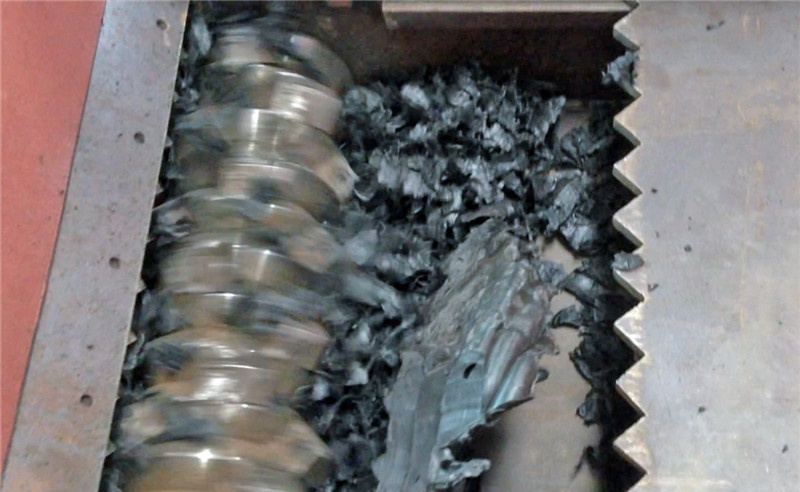
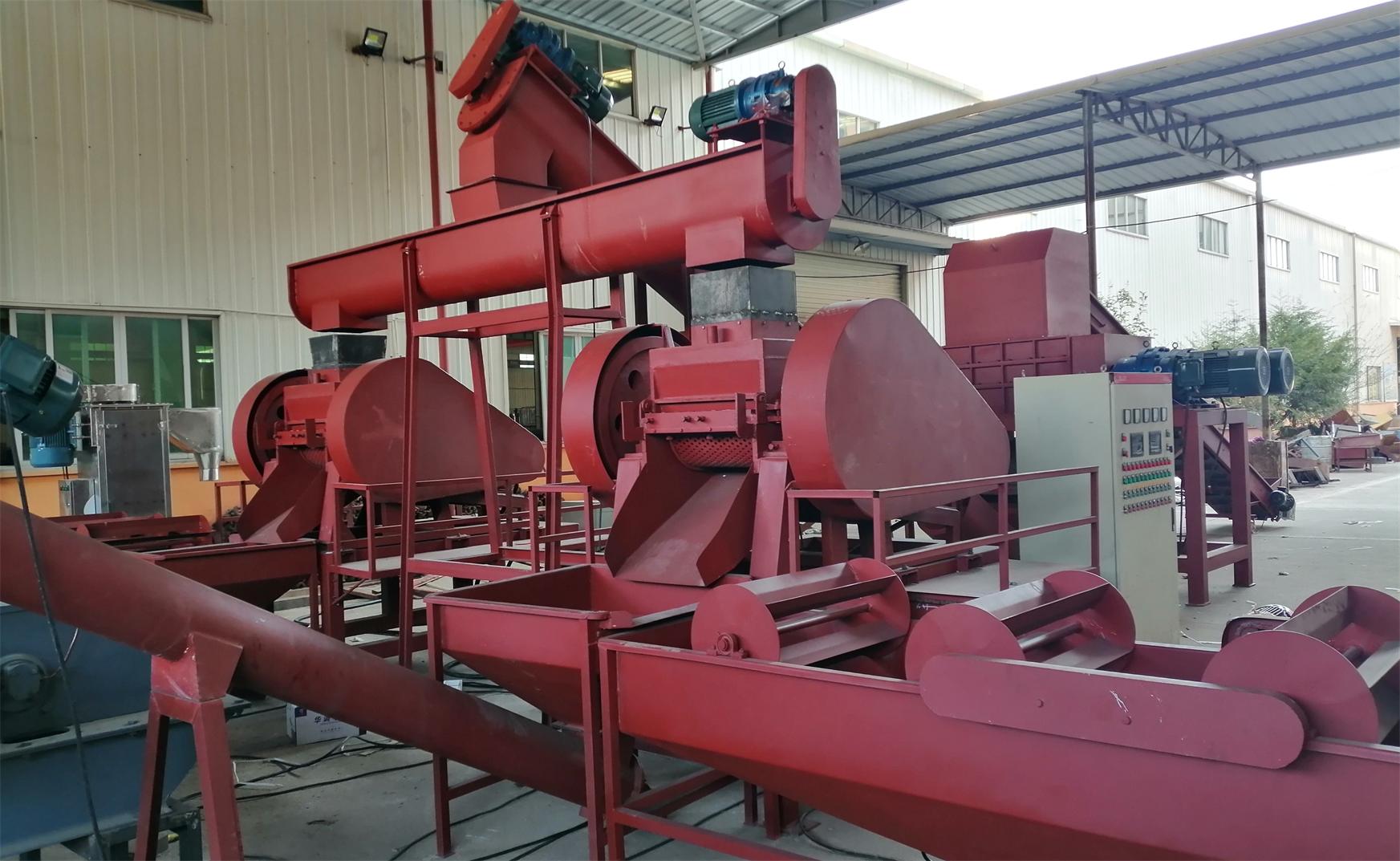
The global push toward sustainable air conditioner recycling faces an invisible barrier: cultural perceptions of color. While engineers focus on technical efficiency through copper granulator machines and refrigerant recovery systems, color psychology remains an afterthought. Yet in multi-religious societies, color symbolism impacts:
- Public participation in recycling programs
- Workplace safety and morale in recycling facilities
- International market acceptance of recycling equipment
- Effectiveness of environmental awareness campaigns
A 2020 cross-cultural study published in Color Research & Application revealed staggering differences: where 78% of Taiwanese participants associated blue with paper recycling, Indians connected it with water conservation instead. These aren't academic curiosities - they represent real behavioral barriers.
The Religious Dimension of Chromatic Perception
Unlike secular societies where color meanings derive from marketing or nature, religious communities imbue hues with divine significance. This transforms recycling equipment aesthetics from operational decisions to spiritual considerations:
"In Hindu communities, white recycling equipment could trigger funerary associations, while purple containers in Thailand might unintentionally reference monk's robes. We're not just battling contamination streams, but sacred interpretations."
- Dr. Eva Chang, Cross-Cultural Design Researcher
Sacred Hues: Case Studies in Religious Color Sensitivity
The Saudi Solution: Desert-Inspired Color Coding
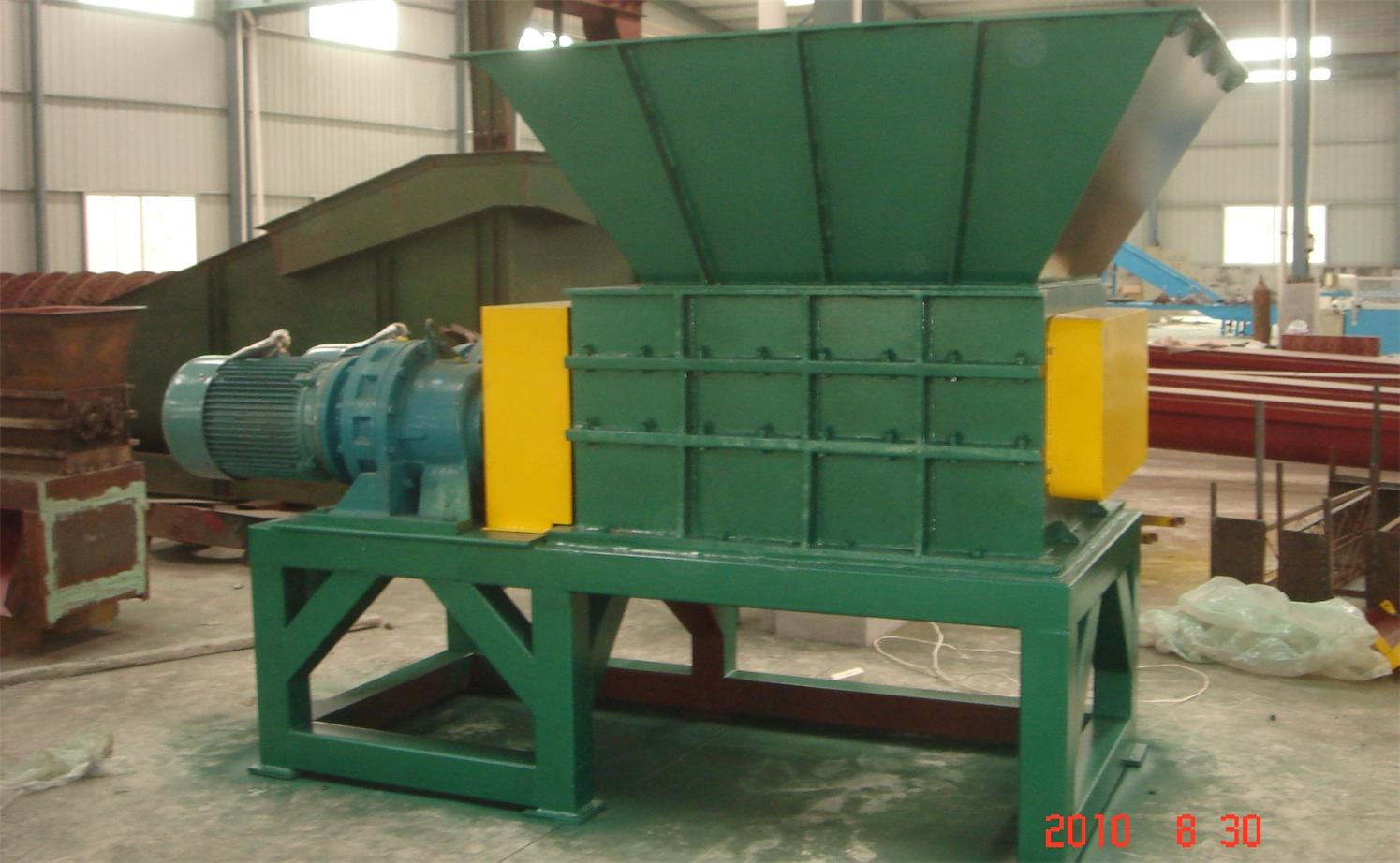
When a German recycling firm introduced forest-green AC recycling bins across Saudi Arabia, participation remained stubbornly below 15%. The breakthrough came through cultural co-design:
- Replaced green with sand-beige for plastic components (neutral earth tone)
- Used metallic bronze for copper and aluminum recovery units (connecting to local craftsmanship)
- Designed metal shredding equipment in navy blue (safe marine association)
Participation tripled within six months. The key was mapping recycling streams to culturally-safe palettes rather than importing Western standards.
India's Festival Palette Integration
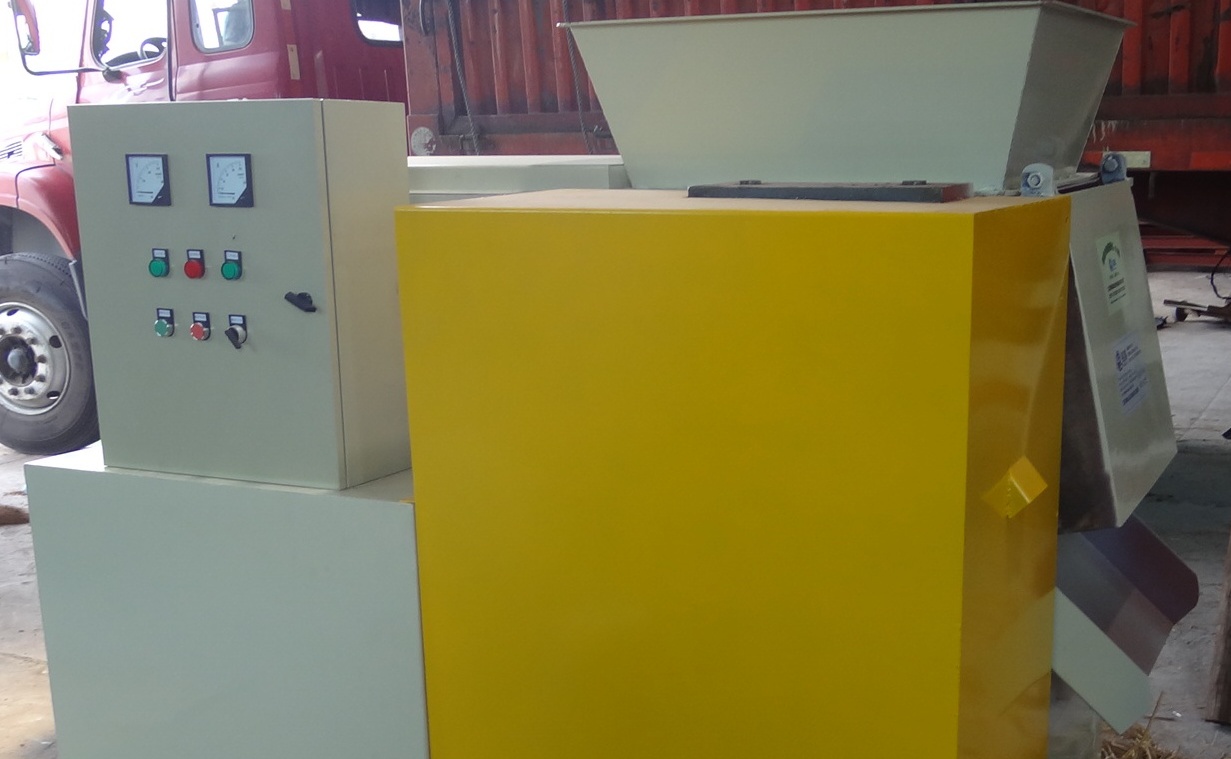
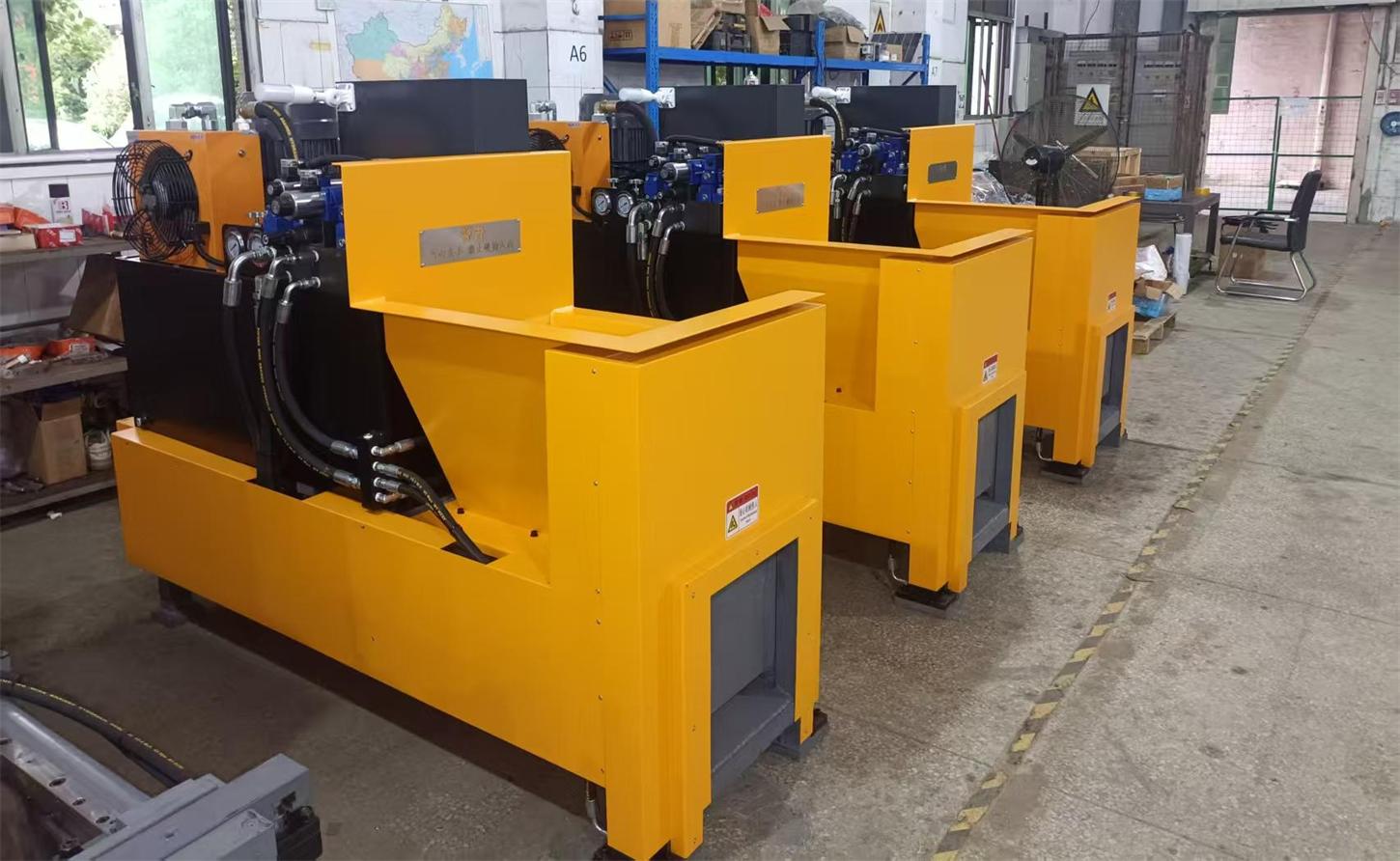
At Modi Recycling's Mumbai facility, technicians initially balked at yellow compressor processing units - the color of merchants' robes in Vaishnavism. The redesign:
- Holi festival spectrum: magenta for copper, saffron for aluminum, turquoise for plastics
- Replaced yellow with gold-metallic finishes for refrigerant recovery units
- Designed shredder guards in patterned stainless steel rather than solid prohibited hues
The transformation reduced safety incidents by 42% while increasing metal recovery rates - proving that culturally resonant design improves both well-being and efficiency.
Designing Sacred-Compliant Recycling Systems
Four Principles of Culturally-Responsive Recycling Design
Beyond isolated case studies, designers should implement:
- Contextual Chromatology: Map local religious color associations before specification
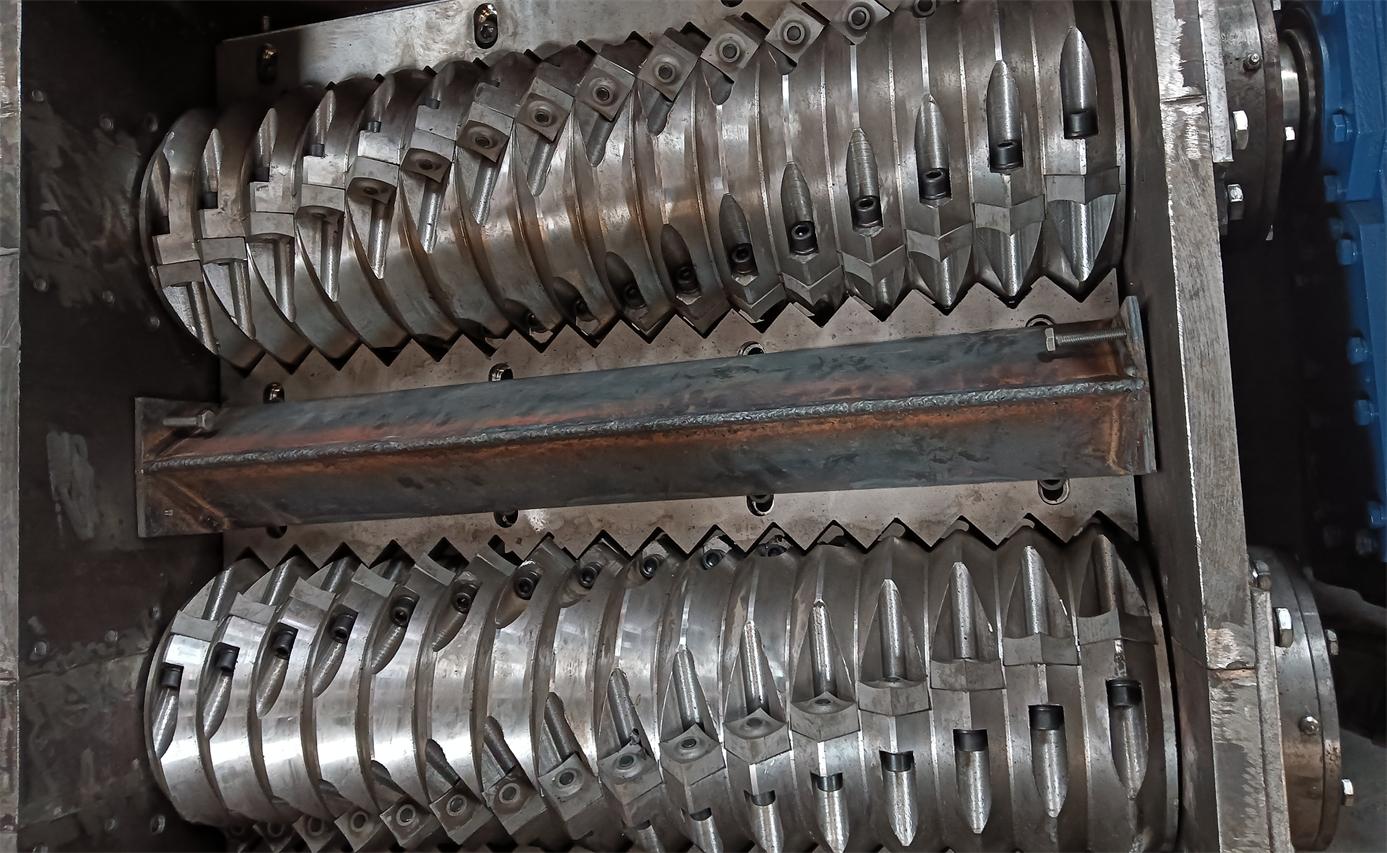
- Neutral Mechanism: Keep processing equipment like copper granulator machines in non-symbolic metals
- Adaptive Branding: Create region-specific decal kits for universal equipment
- Sacred Material Protocol: Avoid prohibited textures (leather handles, porcine-based paints)
Religious Color Guidance Matrix
| Religion | Safe Colors | Prohibited/Taboo |
|---|---|---|
| Islam | White, blue, metallic finishes | Dark red (aggression), purple (royal appropriation) |
| Hinduism | Saffron, magenta, turquoise | Black (negativity), white (mourning) |
| Theravada Buddhism | Forest green, gold, terracotta | Bright red (sensuality), purple (monastic misuse) |
From Taboo to Toolkit: Implementing Cultural Intelligence
The 5-Phase Implementation Framework
Companies seeking to transform recycling equipment for religious markets should adopt:
- Cultural Audit: Engage local religious leaders in color perception analysis
- Modular Design: Create core mechanical platforms adaptable through regional kits
- Sacred Signage: Develop non-linguistic, color-blind recycling indicators
- Workflow Blessing: Incorporate facility opening rituals for acceptance
- Continuous Feedback: Establish color-use councils with community representatives
Economic Impact Findings
Evidence from Thailand's "Golden Compressor" initiative demonstrates:
- 17% higher workforce retention in culturally-sensitive facilities
- 31% faster community adoption of recycling programs
- Reduction in religious objection petitions by 83%
- Increased market value for religiously-compliant equipment
"Our bronze-finish refrigerant recyclers became status symbols in Indonesia mosques - not just because they recovered 96% of gases, but because their color respected divine aesthetics while supporting stewardship of creation."
- Arif Faisal, Sustainability Director, GlobalCool
Repainting Sustainability: A New Palette for Global Recycling
The journey through sacred color landscapes reveals that air conditioner recycling extends far beyond technical disassembly. As we navigate this intricate territory:
- Color becomes a form of respect - acknowledging spiritual worldviews within environmental action
- Religious compliance drives participation more effectively than penalties or rewards
- Locally-resonant designs increase both moral acceptance and functional effectiveness
- Modular approaches allow global scalability without cultural imposition
The Vision Ahead
Tomorrow's recycling equipment won't appear in globally standardized green. Instead, expect:
- Saffron copper separators humming in Delhi neighborhoods
- Aquamarine refrigerant recovery towers gracing Saudi industrial parks
- Copper-plated copper granulator machines processing components in Thailand
- Pearl-white e-waste towers reflecting Mediterranean sunlight
This chromatic revolution won't emerge from boardrooms, but from dialogue between engineers and imams, designers and devotees, environmentalists and spiritual leaders. The colorful path forward honors both the planet and the profoundly human traditions that give meaning to preservation.
In the end, recycling's deepest purpose isn't just conservation of materials, but conservation of meaning. When we learn to see through others' sacred lenses, we build machinery that sustains not only ecosystems, but the cultural values that motivate people to care.