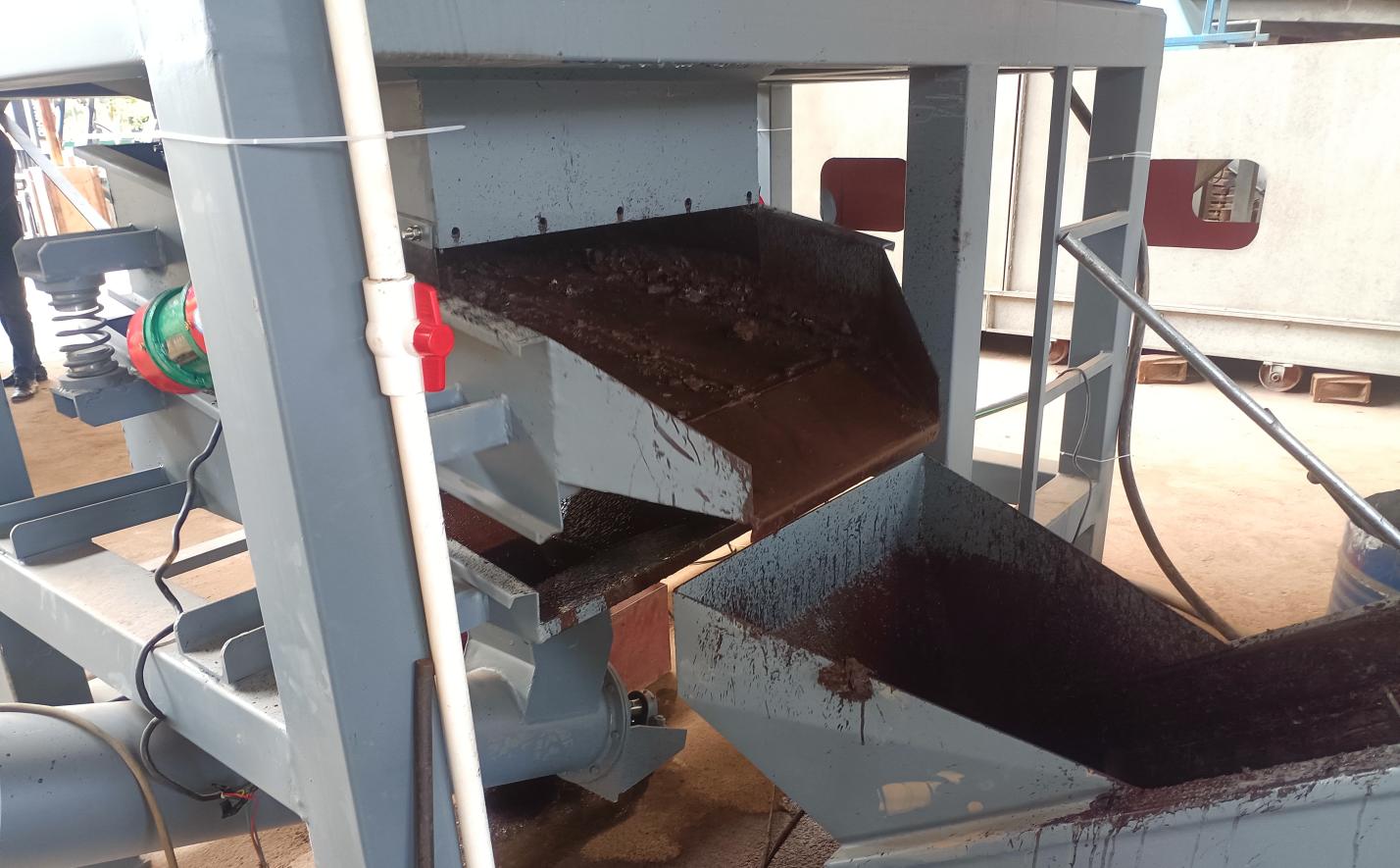
If you've ever worked in industrial manufacturing, you know melting metal isn't as straightforward as tossing material into a fire. Choosing the right furnace can make or break your workflow. Today, we'll dive into two heavyweights in the metal melting space—the Medium Frequency Furnace (MFF) and High Frequency Furnace (HFF)—and see how they handle modern production demands.
Part 1: How These Furnaces Actually Work
Think of a metal melting furnace as the "kitchen stove" for industrial alloys. It heats material using either magnetic fields or electric currents until it liquefies. But how they generate heat is fundamentally different.
The MFF works in kilohertz frequencies (1-10 kHz) using magnetic fields to create electrical currents inside the metal itself. This "induces" heating from within rather than applying external heat sources.
High Frequency Furnaces kick it up a notch—operating between 50-400 kHz or even higher. These frequencies penetrate metals differently, focusing heat deep into alloys like surgical lasers rather than heating surfaces alone.
The Heat-Shield Showdown
When melting tricky metals like titanium or tungsten, frequency becomes crucial. MFF’s lower frequency penetrates thicker materials slower but with consistent results. HFF delivers rapid surface heating that might skip-stir like your microwave’s uneven coffee… unless configured carefully.
One metal recycler we spoke with compared them to highway driving:
"The MFF is like cruise control—steadier for heavier loads. HFF is sports-mode acceleration: breathtakingly fast until you hit traffic."
Part 2: Performance & Practical Trade-offs
| Performance Factor | Medium Frequency Furnace (MFF) | High Frequency Furnace (HFF) |
|---|---|---|
| Best For | High-volume batch melts, thicker alloys (≥5cm) | Thin-gauge metals, fast prototyping |
| Operating Cost | $$$ (Lower initial cost) | $$ (Higher efficiency offsets power bills) |
| Melt Speed | Steady; 20-40 minutes per batch | Rapid; 5-15 minutes for small batches |
| Material Flexibility | Good for stainless, titanium, dense alloys | Excels with copper, bronze, electronics-grade materials |
| Operating Labor | Manual loading common; supervision needed | Easier automation; integrated stirring features |
Notice HFF shines for speed-sensitive jobs like aerospace parts where hours matter. But on a large foundry floor? Those MFF units might save your overtime budget even if they feel less "high tech".
Real Voices from Production Lines
In Michigan, an auto parts plant runs twelve MFF units around-the-clock melting recycled aluminum. Their lead engineer put it bluntly: "HFF melts fast, but we can’t afford 3% material loss. Consistency means paychecks clear."
Meanwhile, a semiconductor supplier in Taiwan switched entirely to HFF last year: "Our wafer-backing alloys require perfect thermal uniformity. HFF’s precision pays for itself."
Metal melting furnace longevity matters too. MFF designs often outlive HFFs by years thanks to simpler power systems—a big deal when replacement costs hit $800k+.
Key Insight: There's no universal "best" furnace. Your alloy mix, volume, and quality needs define whether that Medium Frequency workhorse or High Frequency sprinter belongs on your floor.
Part 3: Power & Sustainability Factors
Ever seen an industrial furnace trip a building’s power? We have—and it's not pretty. HFF’s high-frequency operation needs robust transformers to avoid voltage sags. As one engineer joked: "If HFF was a roommate, it'd hog the shower AND the Wi-Fi."
Medium Frequency Furnaces conversely run smoother on standard industrial power—though bulkier cooling systems mean space planning ahead.
Thermal efficiency highlights another gap: HFF loses ≤10% heat to surroundings versus MFF’s 15-20% under typical conditions. But note—this efficiency shrinks when melting poor-conductivity metals like magnesium or nichrome alloys.
The Carbon Equation
It’s not just wattage numbers. Melt duration and argon shielding gas usage impact net emissions per tonne:
- HFF : Faster = shorter gas exposure (lower gas waste)
- MFF : Steady heat retains more heat = less reheat energy for interrupted cycles
A German foundry tracked both over six months: HFF used 18% less argon but required 12% more off-grid power due to frequency instability. Their verdict? Hybrid systems where practical.
Part 4: Future-Proofing Your Foundry
The smart money isn't on "either/or"—but using each furnace where they perform best:
- Hybrid Approaches : Pre-melt using MFF; refine purity/speed with HFF finishing
- Automation Bridges : New IoT sensors now let operators remotely adjust frequencies/power on either unit type
- Refractory Advances : Nano-ceramic linings in both MFF/HFF units boost durability + thermal consistency
Our core prediction? Medium Frequency units won't disappear—they'll become specialized bulk melters. High Frequency adoption will grow fastest in (1) R&D labs and (2) high-margin precision casting.
Final Thought: When selecting a metal melting furnace , avoid shiny-object bias. The "best" furnace isn't about specs—it’s about fitting seamlessly into your workflow, alloy behaviors, and economic reality.
We’d love to hear which furnace type you’re using—and why it works. drop a comment below!