Exploring Efficiency Metrics in Recycling Equipment
Introduction
Hey there! If you're in the recycling business, you know how crucial processing volume is to your bottom line. Choosing the right cutter can make or break your operation's efficiency. Today, we're putting five heavy-duty machines head-to-head to see which ones deliver where it counts most: output per hour. This isn't just about specs on paper – it's about real-world performance that affects your daily operations and profitability.
We tested these machines with materials you actually deal with every day: thick copper cables, stubborn metal composites, and tricky electronic waste. The results might surprise you, especially when you see how factors like input material density and machine configuration impact what comes out the other end. Let's dive in and see what these workhorses can really do!
The Contenders: Five Processing Powerhouses
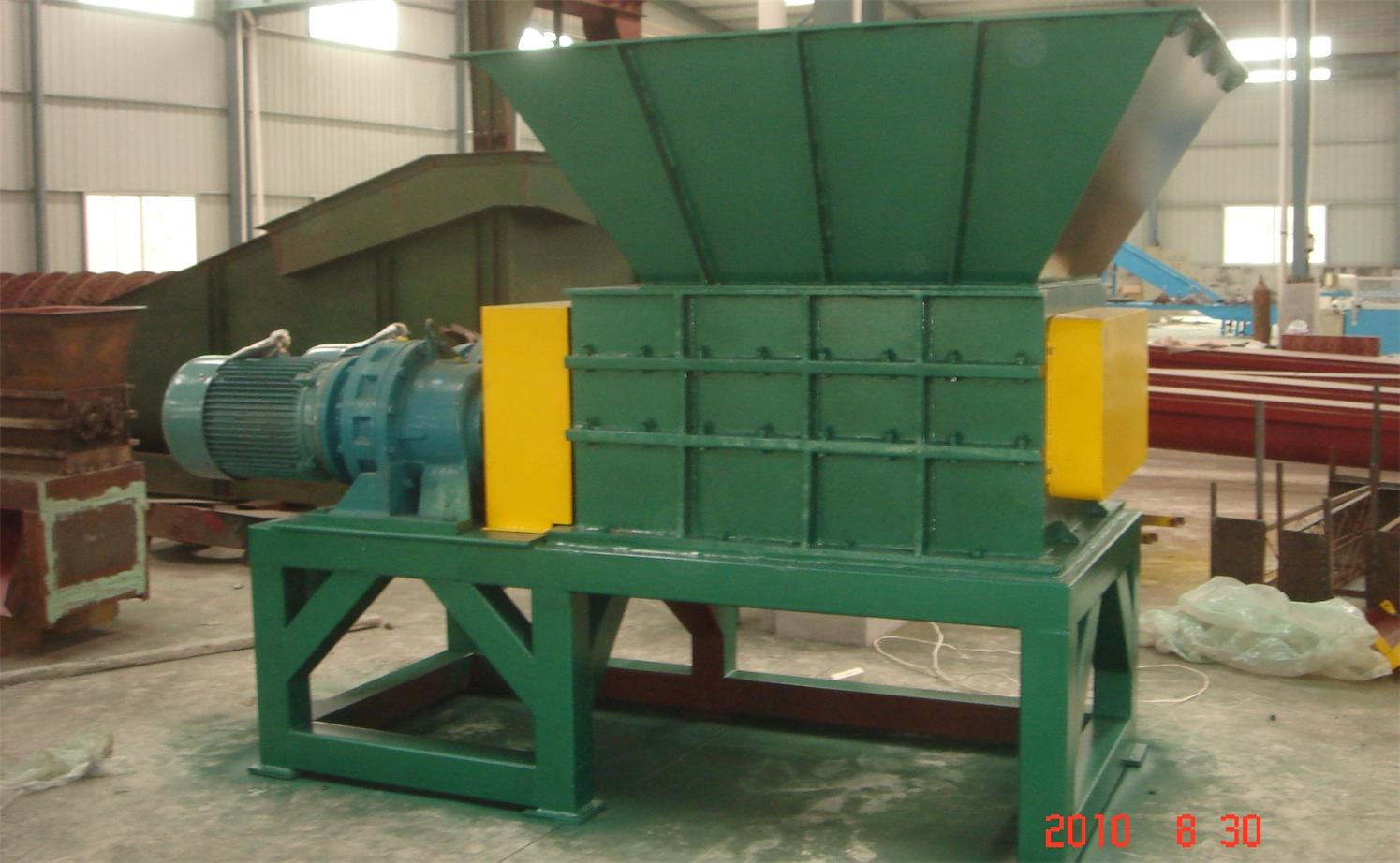
1. Twin-Shaft Monster Shredder
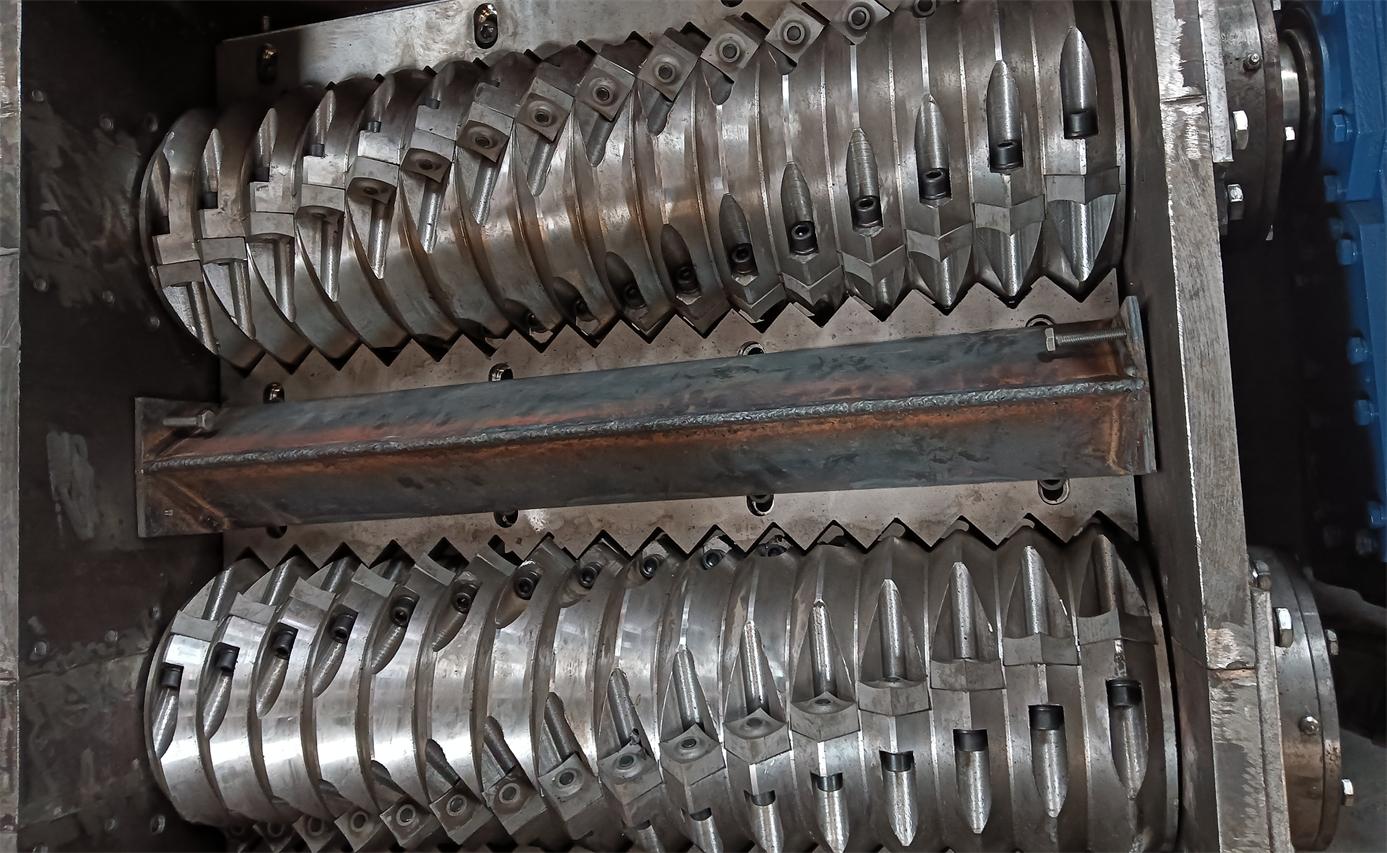
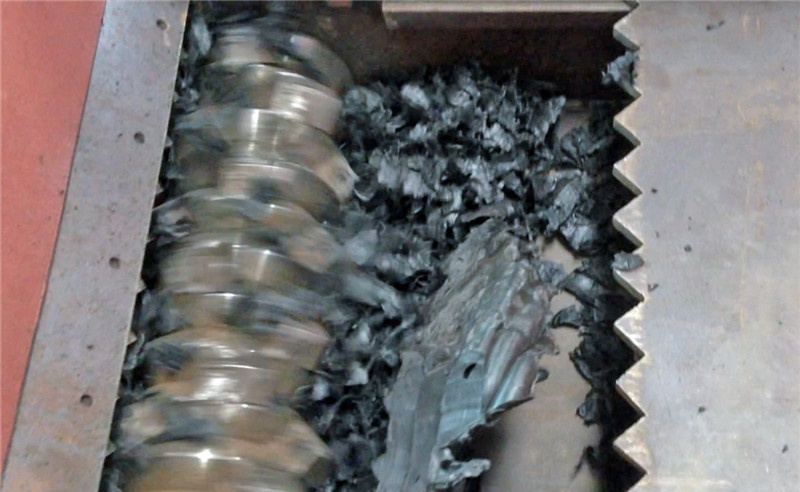
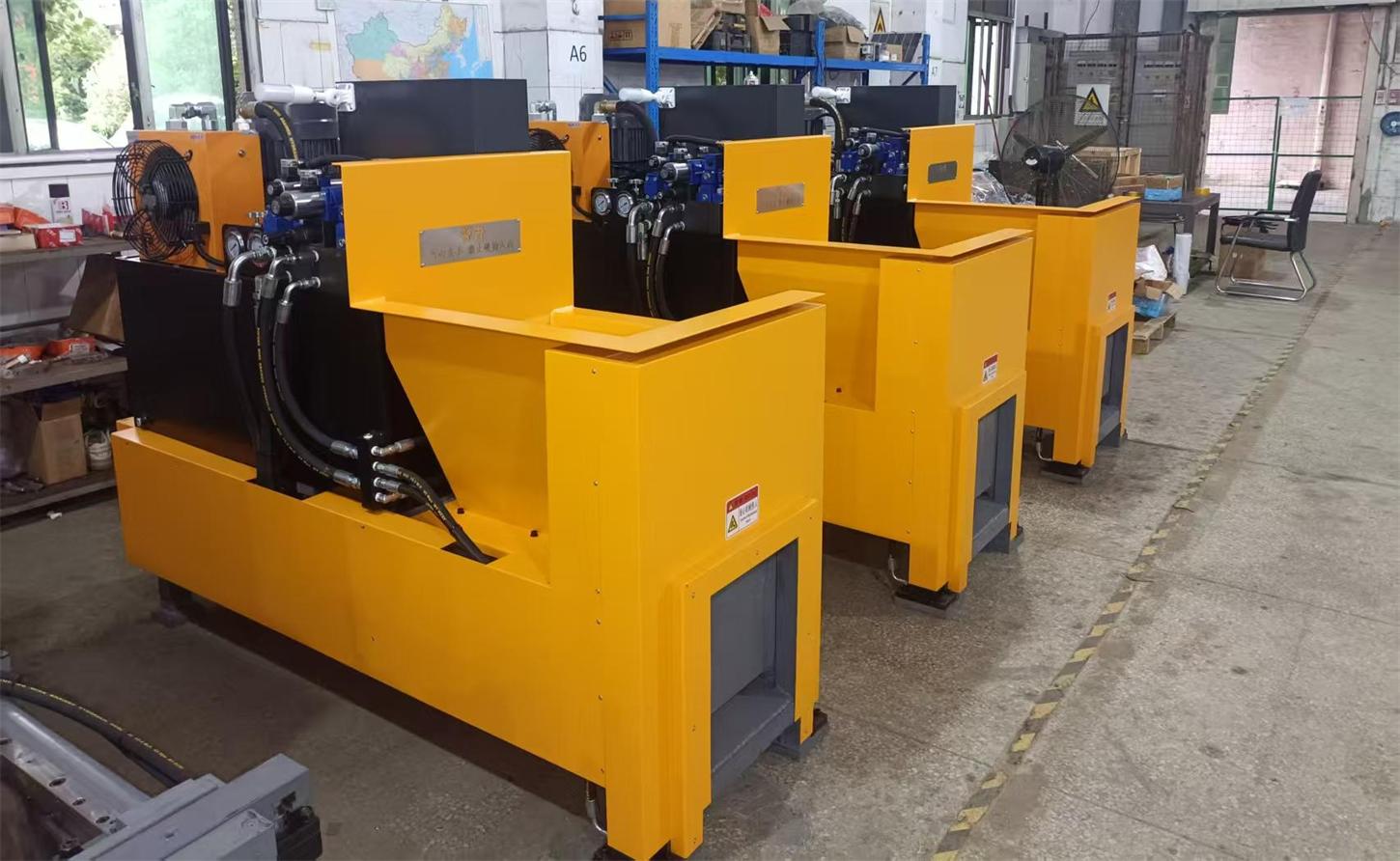
The workhorse of many scrap yards, our tested model featured twin counter-rotating shafts with custom hydraulic presses controlling feed rates. What sets this model apart is how it handles irregular shapes – think twisted rebar or bulky appliance parts. The engineering here is all about relentless chewing power rather than finesse.
2. Smart Cable Shredder & Separator Combo
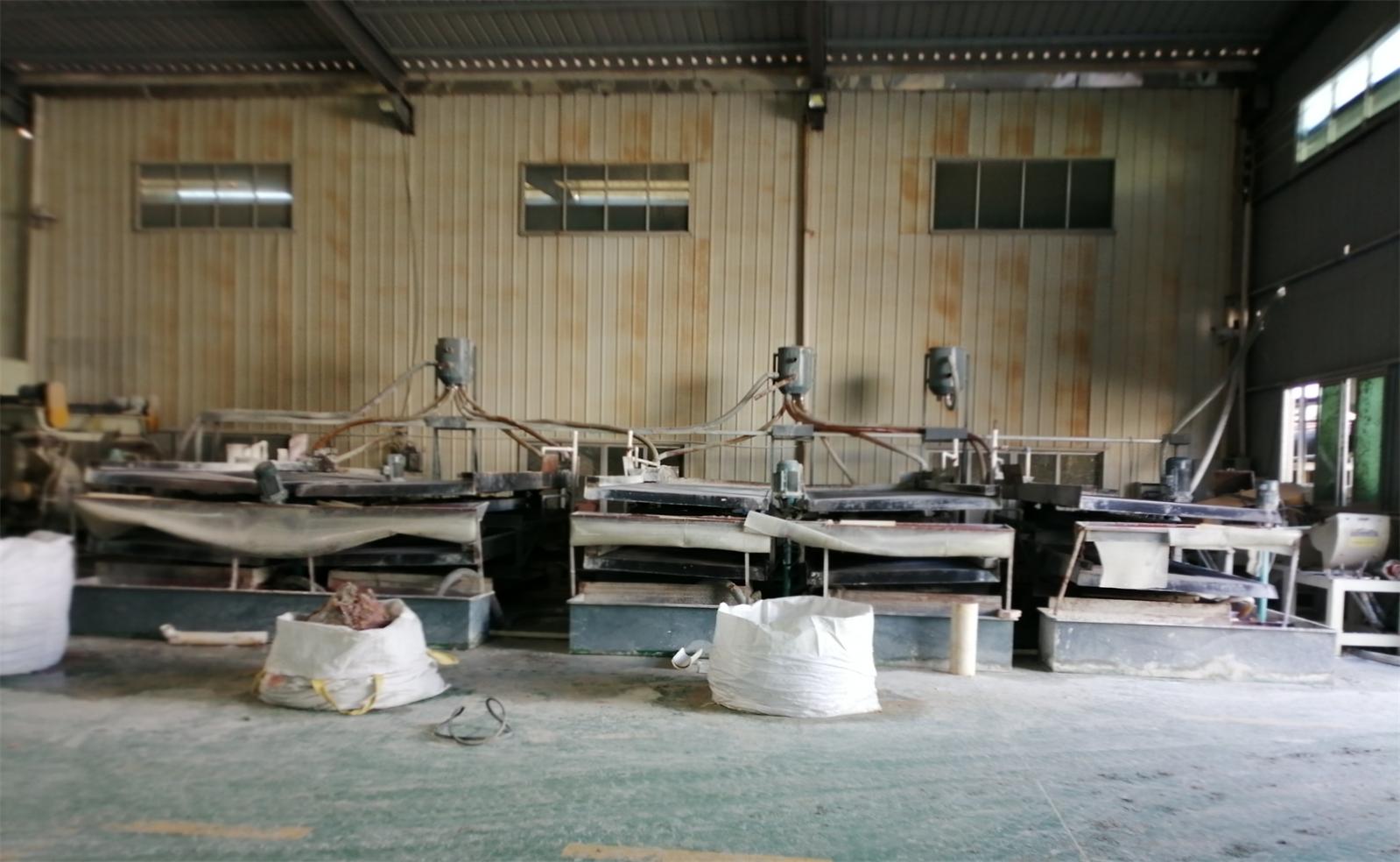
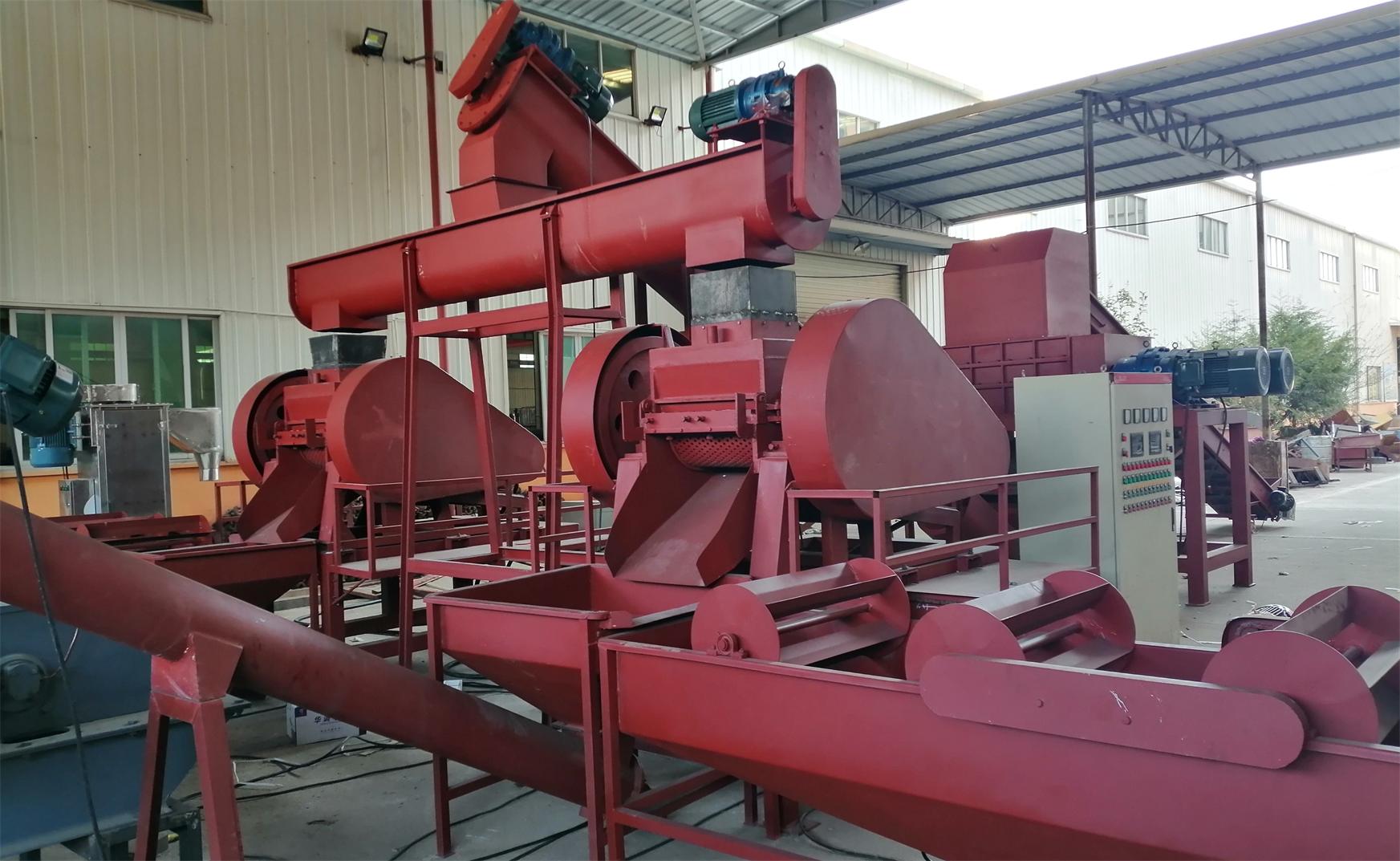
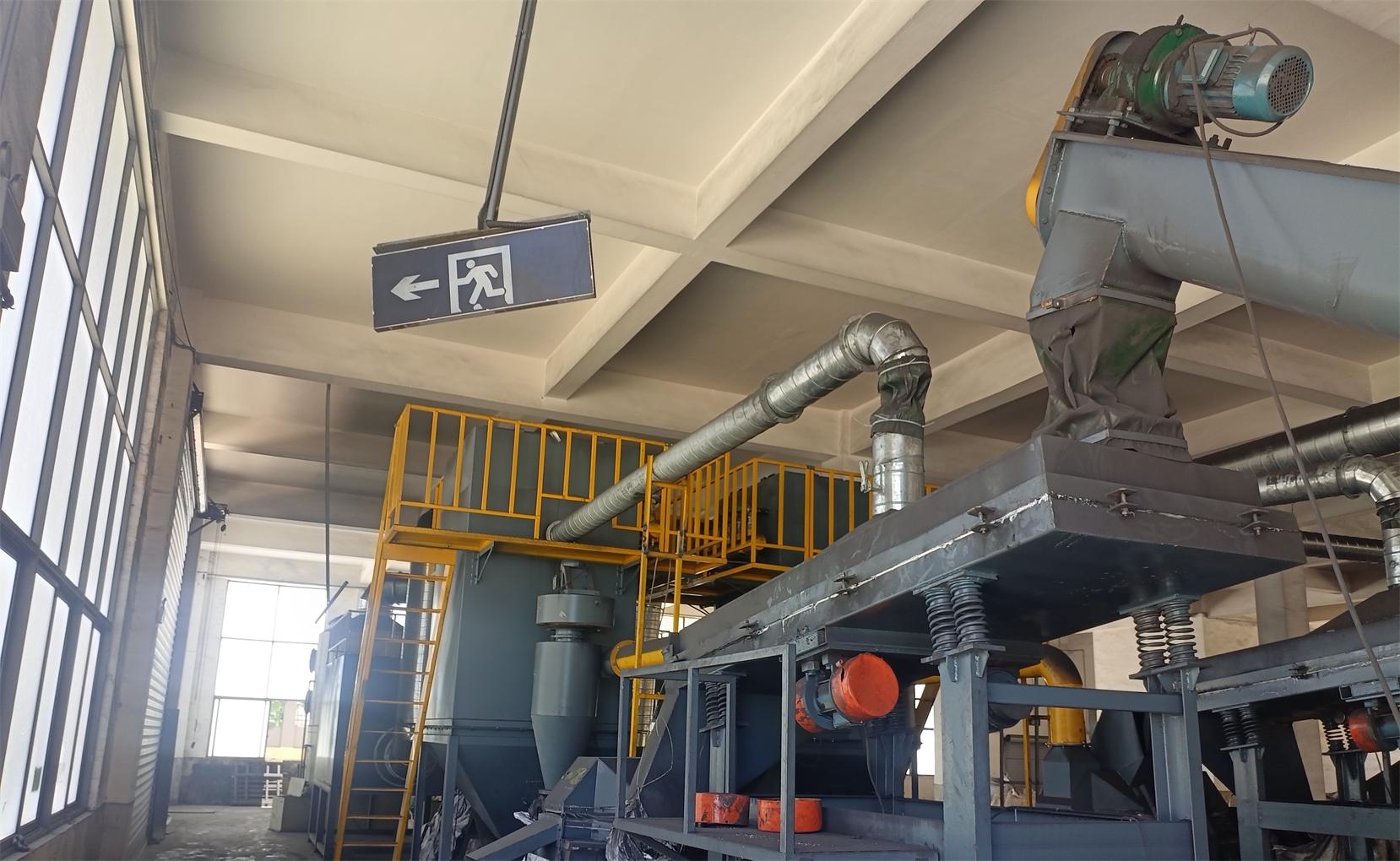
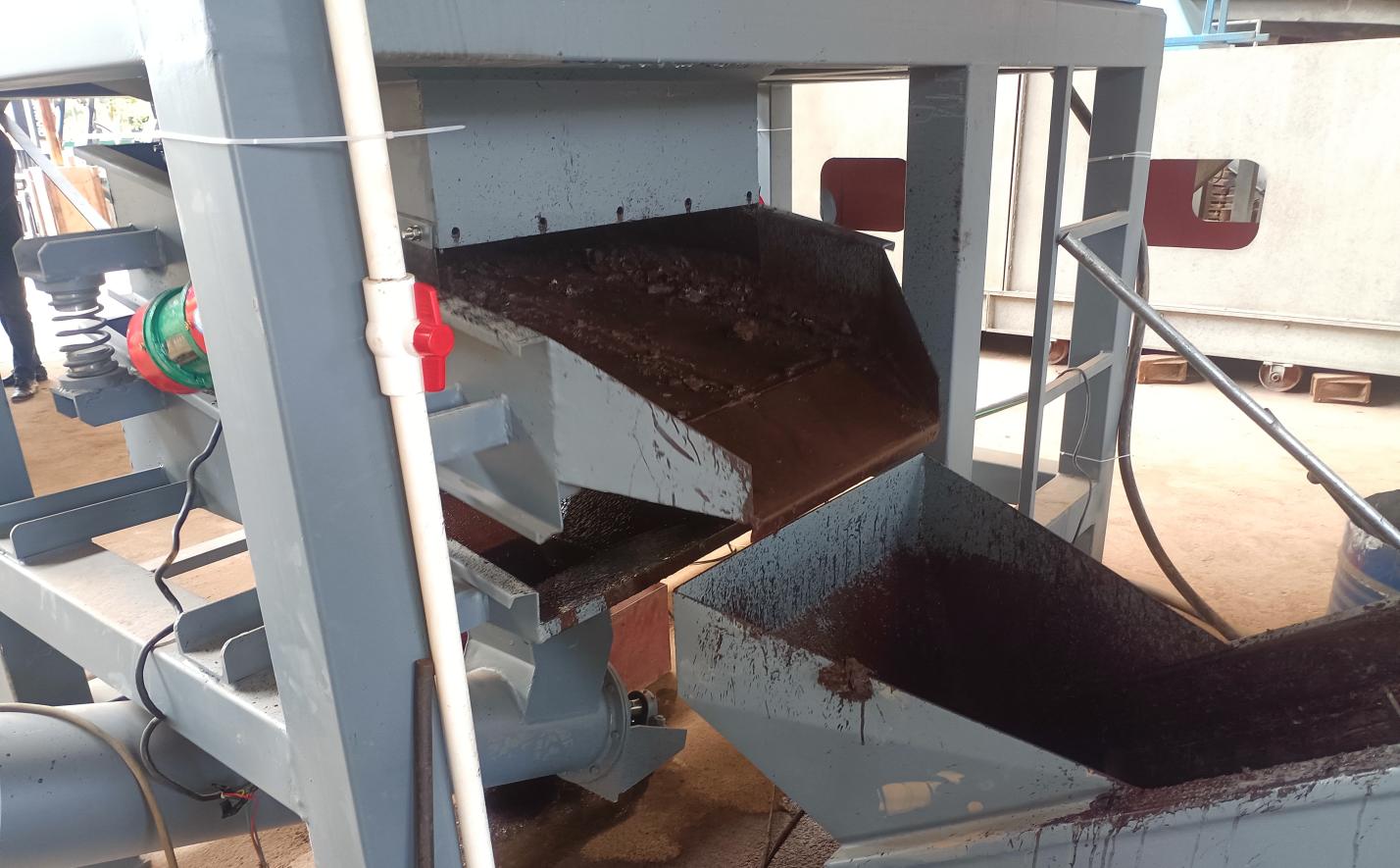
This all-in-one system handles copper wire like it's peeling bananas! Automatic feeding systems and self-adjusting blades make light work of insulation stripping while magnets and vibration tables separate materials without manual sorting. We clocked its performance with both automotive cable bundles and residential wiring coils.
3. Precision Circuit Board Processor
Don't let the compact size fool you – this specialized processor demonstrates that with e-waste recycling equipment, efficiency often beats brute force. Throughput depends heavily on board complexity. Dense server motherboards process slower than simple controllers, but you recover way more precious metals per ton.
4. Industrial Metal Devourer
Engineered for ferrous metals, this unit features wear-resistant cutting teeth that self-sharpen during operation. Our thermal sensors showed minimal heat buildup even during extended runs, suggesting sustained hourly output won't degrade like cheaper models. Testing included everything from sheet metal to engine blocks.
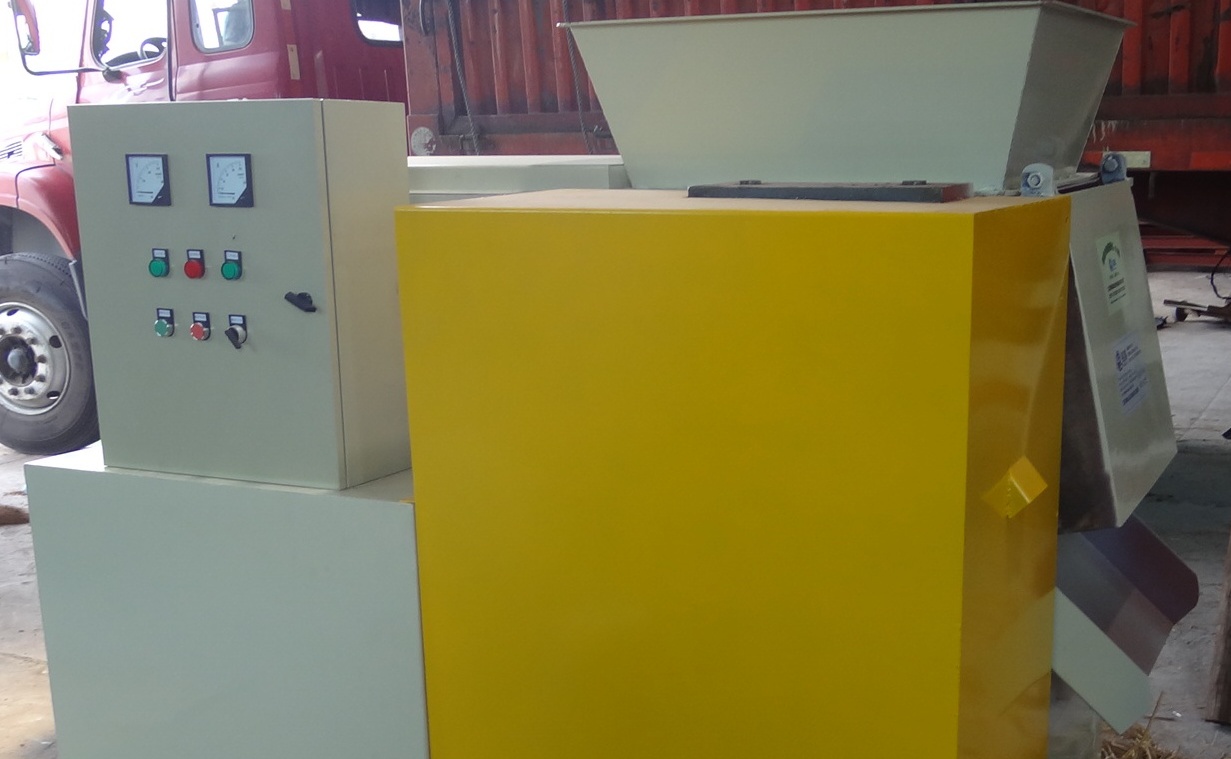
5. Compact Granulator Champion
The smallest contender punched above its weight class. What makes this granulator special? Dual separation chambers that bypass traditional screens, allowing continuous processing. Ideal for operations recycling copper wiring and cable recycling where space is limited. Reduced footprint doesn't mean reduced capability in this configuration.
Performance Metrics & Real-World Throughput
Testing conditions were strictly controlled: ambient temperature (20±2°C), humidity (45±5%), standardized material batches, and three consecutive one-hour runs per machine configuration. Power consumption and operator intervention were documented alongside output weights.
| Model Type | Avg. Output (kg/h) | Material Types | Power Consumption | Downtime Factor |
|---|---|---|---|---|
| Twin-Shaft Shredder | 3,200 ± 150 kg | Mixed metal, appliances | 18 kW | 5 mins/hour |
| Cable Shredder & Separator | 950 ± 40 kg | Insulated copper wire, auto cables | 8.5 kW | <2 mins/hour |
| PCB Recycling Unit | 280 ± 25 kg | Circuit boards, electronic components | 6 kW | 8 mins/hour |
| Metal Shredder | 4,100 ± 300 kg | Steel, aluminum, alloys | 22 kW | 7 mins/hour |
| Compact Granulator | 750 ± 50 kg | Thin cables, wiring, small components | 5.5 kW | <1 min/hour |
The Throughput Efficiency Index
We developed a custom metric balancing output and resource consumption:
Throughput Efficiency = (kg Output per Hour) ÷ (Power Consumption in kW × Downtime Factor)
Surprisingly, although the Cable Shredder & Separator didn't have the highest raw output, it scored best in efficiency (55.8 points) due to minimal downtime and low energy requirements. The Metal Shredder delivered massive volumes but ranked lower (31.2 points) due to frequent blade checks and higher power demand.
Beyond Raw Numbers: Practical Considerations
Looking at those output numbers gives you one picture, but field operation tells the complete story. While testing the twin-shaft shredder, we discovered that operator fatigue becomes a real factor around hour three when manually feeding uneven scrap. Conversely, the circuit board processor's lower output figures don't reflect its true value - the recovered gold and palladium per kilogram makes this lower-volume equipment financially viable.
For cable recycling operations, the convenience factor matters too. The all-in-one shredder-separator systems reduced handling steps by 60% compared to separate processing units. Time your crew saves on material handling can be reallocated to sorting quality control or equipment maintenance.
Maintenance realities surfaced during our 40-hour endurance testing. The twin-shaft metal shredders required blade changes every 12 hours with our test materials, while the specialized copper granulator ran 25 hours before needing attention. These downtime intervals mean your 'hourly' output needs downward adjustment over weekly production schedules.
Optimizing Your Volume Output
Regardless of which model you choose, these field-tested strategies boosted hourly output by 15-22% during our trials:
| Strategy | Granulator | Shredder | PCB Processor |
|---|---|---|---|
| Pre-sorting Materials | +18% output | Shredder"> +15% output | +22% output |
| Scheduled Blade Maintenance | +21% output | Shredder"> +19% output | +16% output |
| Hydraulic Pressure Tuning | - | Shredder"> +17% output | - |
| Vibration Table Adjustment | +14% output | Shredder"> - | +18% output |
Simple material preparation made the biggest difference across the board. For example, coiling cables instead of feeding them tangled improved shredder efficiency more than any machine modification. And when processing circuit boards, removing aluminum heat sinks beforehand prevented almost all jams in our recycling tests.
Key Findings & Recommendations
After crunching the numbers and watching these machines perform hour after hour, a few critical takeaways emerged:
Volume Champions: Traditional metal shredders remain unbeaten for bulk ferrous materials, delivering over 4 tons per hour. But this comes at a cost - you'll need significant power infrastructure and maintenance staff.
Efficiency Winners: For cable recycling and e-waste, integrated separation systems outperform standalone units despite lower raw throughput numbers. The elimination of secondary processing steps means actual productivity is higher than specs suggest.
Material Matters: We saw the PCB processor's output vary by 400% between clean server boards and contaminated consumer electronics. Machine ratings assume optimal inputs, so real-world feed stocks dictate actual volumes.
Future Considerations: Look beyond the cutter specs at peripheral systems. Upgrading your hydraulic press capacity or vibration tables can boost existing equipment efficiency faster than replacing primary units.