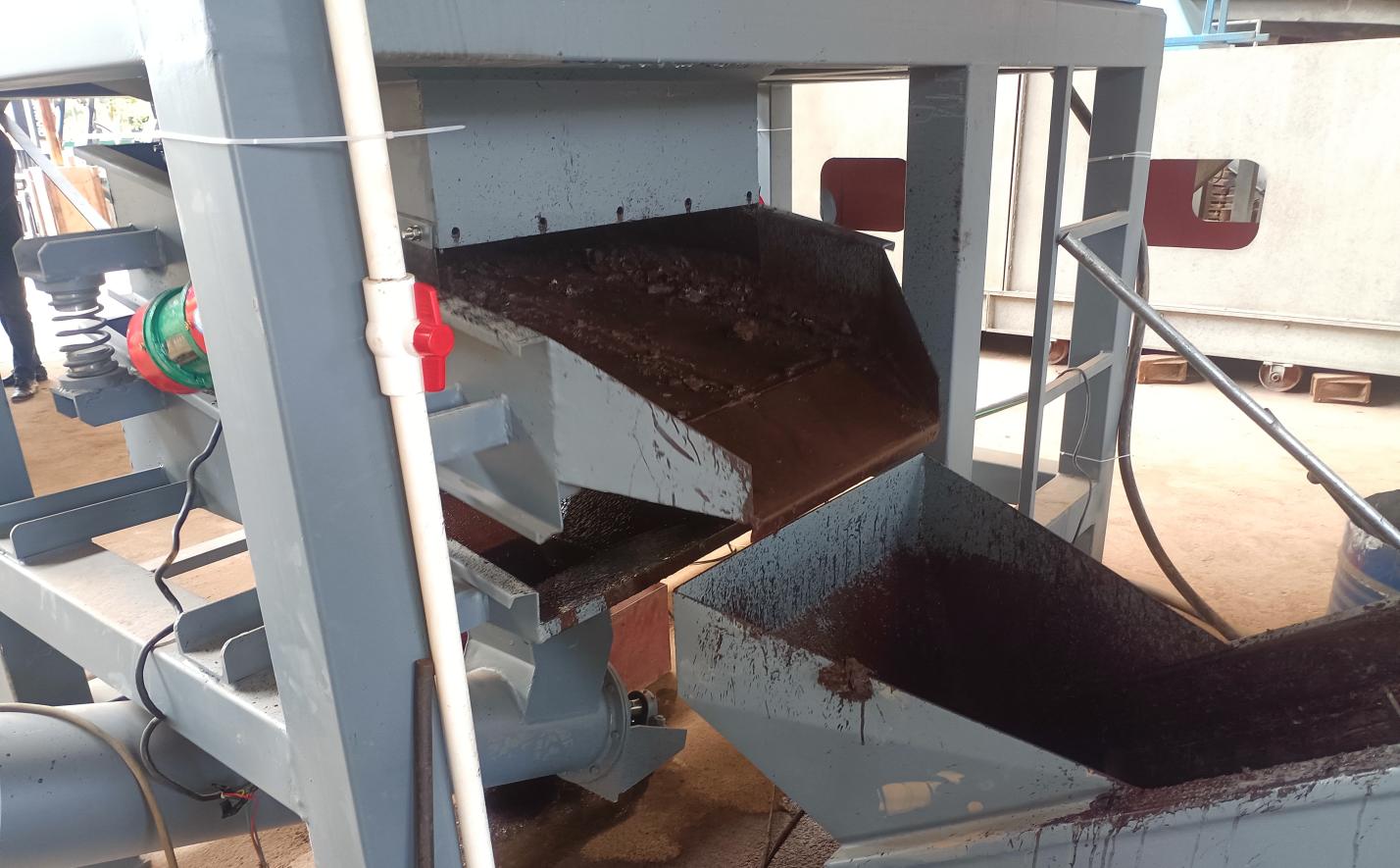
At the heart of the electric mobility revolution lies a challenge we can't ignore: what happens to millions of batteries when they reach retirement age? As we push toward cleaner transportation, we're simultaneously creating mountains of complex battery waste needing specialized treatment. The disassembly process – particularly the shift from manual to automated systems – holds enormous economic implications that could determine whether electric vehicles become truly sustainable.
The Disassembly Dilemma in Battery Recycling
Picture this: a technician stands before a spent electric vehicle battery pack, armed with screwdrivers and cutting tools. Each pack contains valuable materials like lithium, cobalt, and nickel worth recovering, but locked away behind layers of casings, modules, and safety systems. This is where the recycling journey truly begins – and where costs start mounting.
The recycling process operates like an upside-down pyramid. What begins as compact battery packs expand into thousands of individual components requiring separation. At every disassembly stage – pack to modules, modules to cells, cells to electrode materials – we face critical decisions impacting both recovery economics and environmental outcomes.
Different battery designs across manufacturers create enormous complexity. While Tesla packs follow relatively linear layouts, others like the Nissan Leaf scatter electronic components requiring painstaking disassembly. These differences directly translate to economic realities:
Labor Cost Reality Check
- A technician in Germany spends 22-40 minutes disassembling a single battery pack down to modules
- Labor accounts for 62-75% of total disassembly costs at scale
- Total disassembly costs range from $50-194 per pack depending on design complexity
The Automation Revolution
Why Manual Methods Can't Scale
Manual disassembly has been the traditional approach, but it's fundamentally incompatible with the tidal wave of retiring batteries heading our way. Consider these pain points:
Human Limitations: Even skilled technicians average just 1-2 packs processed per hour with manual tools. With projections showing 14+ million electric vehicle batteries reaching end-of-life annually by 2040, we'd require armies of workers just to handle disassembly – an economically unsustainable scenario.
Safety Concerns: Undischarged batteries contain hazardous voltages up to 900V. Thermal runaway risks during manual disassembly lead to expensive safety protocols and facility requirements that inflate costs.
Design Complexity: Each manufacturer's battery pack requires customized disassembly approaches. Workers need retraining when handling different battery types, causing workflow disruptions and productivity losses.
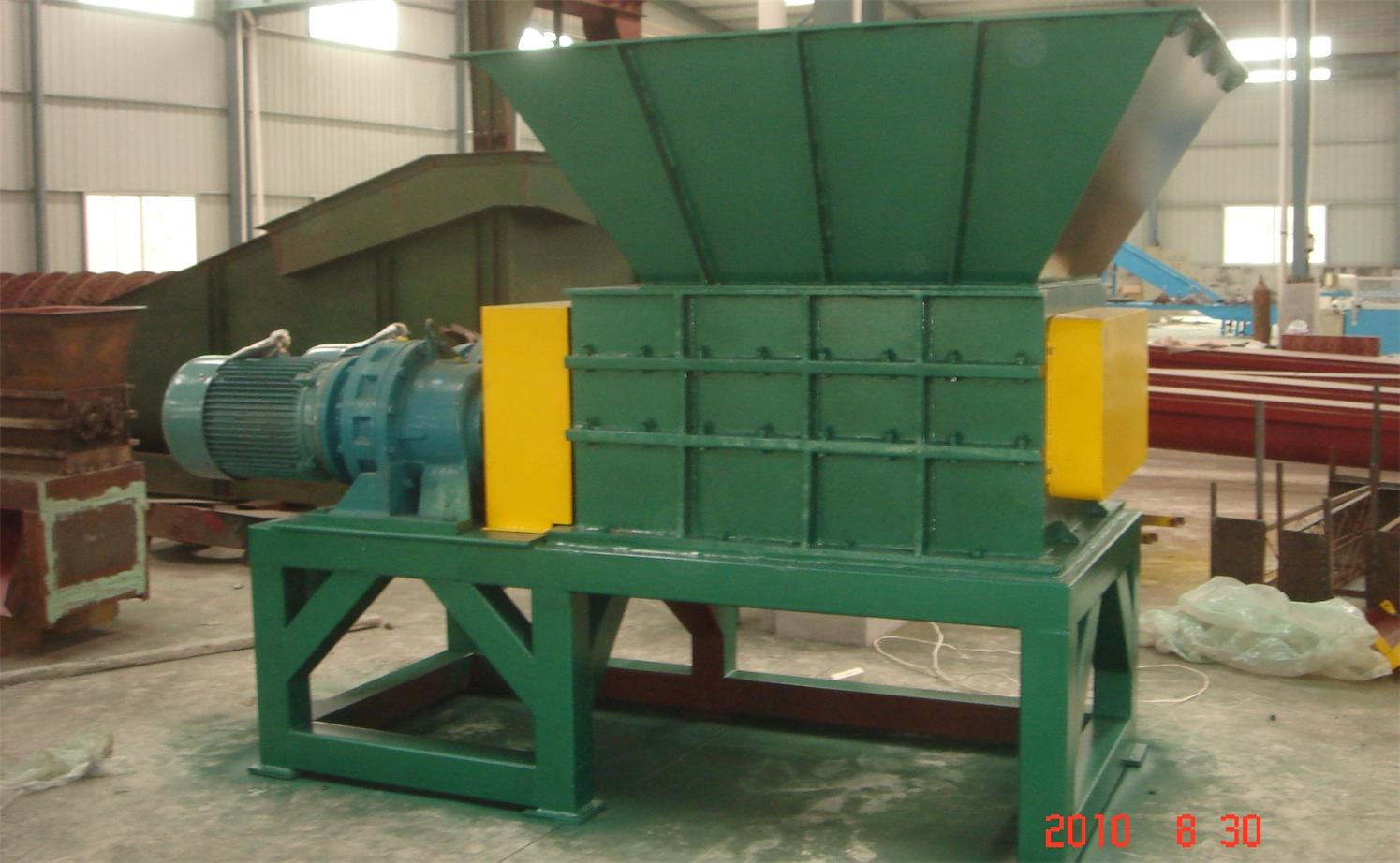
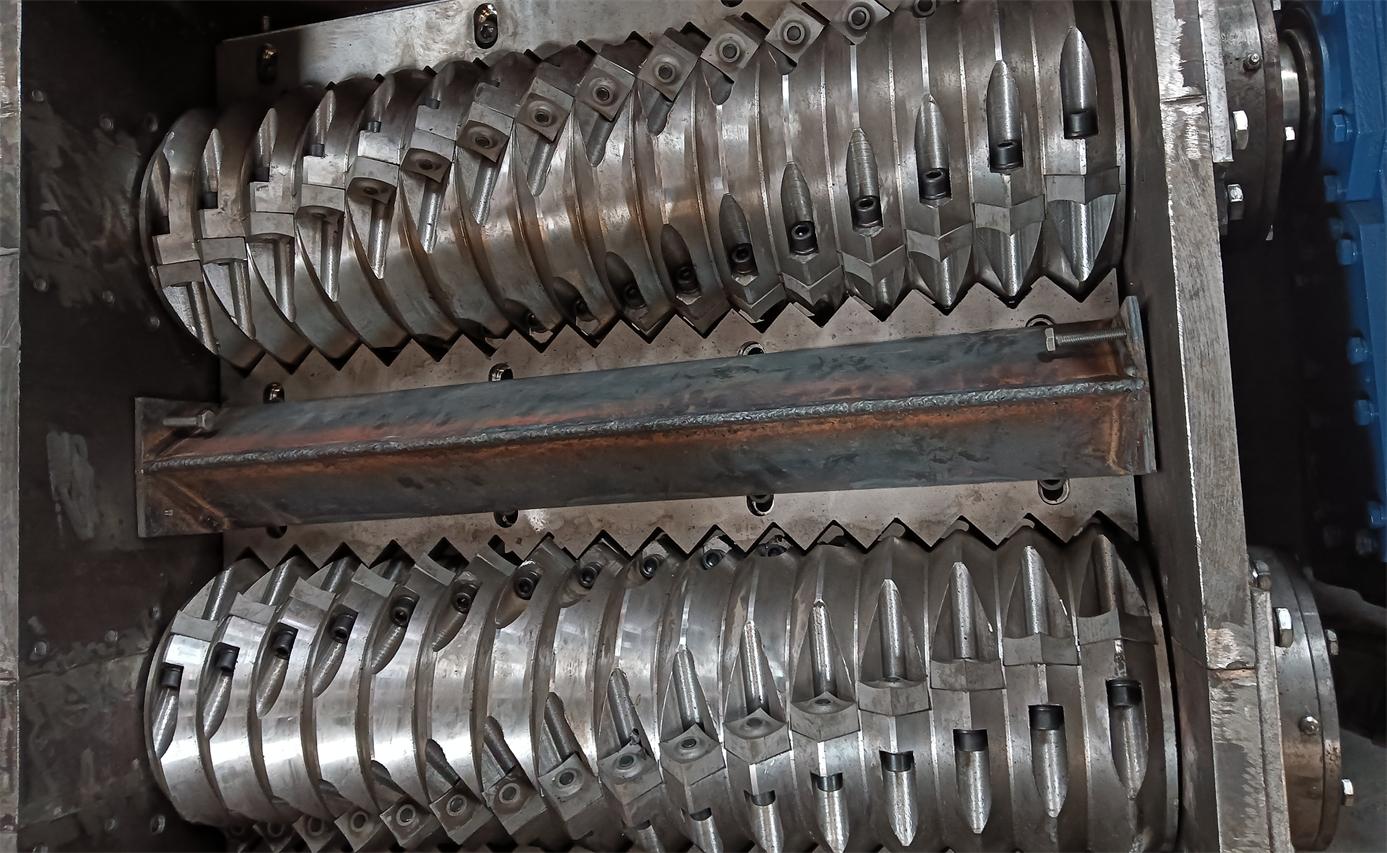
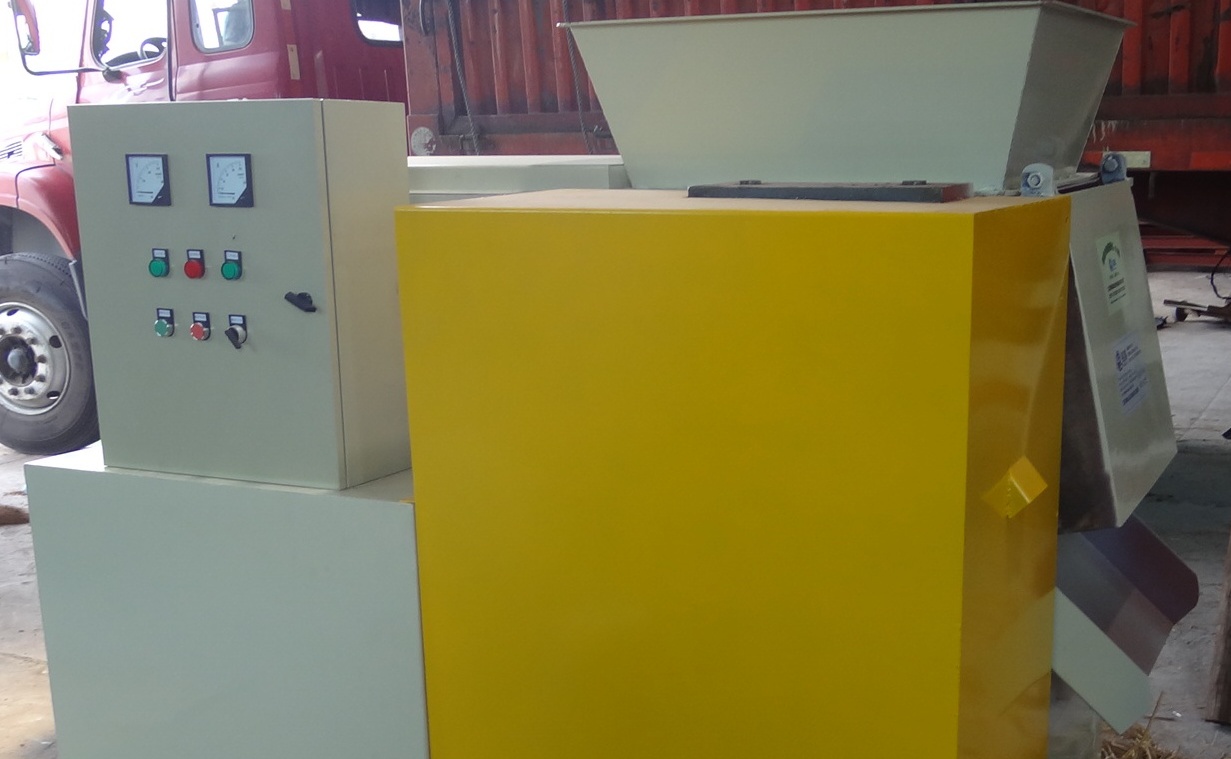
Enter the Motor Recycling Machine
Automated disassembly systems are changing the economic landscape. These sophisticated robotic systems combine computer vision, torque-controlled robotics, and specialized end-effectors to:
- Identify and remove fasteners with sub-millimeter precision
- Adaptively handle different pack designs without retooling downtime
- Operate safely in environments too hazardous for humans
- Work continuously without fatigue or performance degradation
Modern motor recycling machines now achieve what seemed impossible just years ago. The KUKA LBR robot demonstrates torque-sensing capabilities allowing delicate operations once requiring human hands, while advanced vision systems map complex battery structures in real-time to optimize disassembly paths.
Economic Transformation Through Automation
By the Numbers: Automation vs. Manual Cost Breakdown
Semi-automated Systems:
- 55-78% reduction in disassembly time compared to manual
- 76-87% reduction in labor costs
Fully Automated Systems:
- 97% reduction in labor costs
- Disassembly capacity increased by 600% per workstation
- Cost per pack reduced to just $2-7 (including equipment amortization)
The financial transformation becomes even more striking when projected to 2040. Scaling manual disassembly to handle anticipated volumes would require over 3,300 technicians in the UK alone, creating unsustainable labor costs approaching $200 million annually . The same volume handled with full automation would need just 200 robotic systems , cutting costs to under $10 million annually – saving approximately $190 million yearly in one medium-sized market.
Design Impacts on Disassembly Economics
Battery architecture significantly impacts the cost equation regardless of disassembly method. Analysis reveals striking differences:
- BYD Han: Innovative blade-cell design skips modules entirely. Average disassembly cost: $47.41/pack
- BAIC EU5: Simple 5-module layout. Average disassembly cost: $50.45/pack
- Nissan Leaf: Complex 24-module design. Average disassembly cost: $194.11/pack
Design optimization offers tremendous opportunities. Reducing fastener counts by 50% alone lowers disassembly costs by nearly 30%. Eliminating just a few modules can reduce costs by 24%. These design improvements multiply automation advantages – robots handle standardized components with exceptional efficiency.
Beyond Economics: Ripple Effects
The financial case for motor recycling machines is compelling, but the benefits extend beyond dollars saved:
Enhanced Material Recovery: Automated systems achieve deeper disassembly to electrode level, increasing material purity from typical 80-92% to 96-99%. This higher-grade material directly translates to greater revenue during materials recovery.
Environmental Impact: Studies show properly disassembled batteries processed through direct recycling methods reduce carbon emissions by 48% compared to pyrometallurgical techniques. Machine precision enables these cleaner pathways.
Safety Transformation: Robotic systems eliminate human exposure to hazardous solvents like fluorinated electrolytes and prevent thermal runaway incidents. Facilities avoiding manual handling reduce insurance premiums and regulatory compliance costs.
The Road Ahead: Future Evolution
The recycling industry is entering its most transformative decade. We'll likely see:
Standardization: QR codes identifying battery architecture may become standard, allowing recycling machines to auto-configure for optimal disassembly paths.
Machine Learning: Deep learning systems will progressively improve disassembly efficiency by identifying fastener types faster than human perception allows.
Circular Design: Manufacturers moving toward designs specifically optimized for end-of-life disassembly, incorporating features like debondable adhesives and clip-based assembly.
What becomes clear through this analysis isn't just that automation brings cost advantages, but that it enables a fundamentally different relationship with our material resources. Precision disassembly transforms batteries from "waste" into precise, valuable material streams – creating economic value where none previously existed and closing the loop on electric mobility's environmental promise.