Every year, the world generates over 60 million tonnes of electronic waste, yet less than 20% is properly recycled. The rest sits in landfills, leaking hazardous materials and wasting billions of dollars in recoverable metals. For entrepreneurs and established recyclers alike, this gap represents not just an environmental problem, but a massive business opportunity. The key to capturing that opportunity lies in choosing the right equipment.
Why E-Waste Recycling is a High-Value Business
Electronic waste contains concentrations of valuable metals that often exceed those found in natural ore. A tonne of discarded mobile phone circuit boards holds more gold than a tonne of high-grade mined ore. Copper, aluminum, lead, lithium, cobalt, and nickel are all present in significant quantities across different waste streams.
The economics are compelling. As mining costs rise and ore grades decline, urban mining through e-waste recycling becomes increasingly competitive. Additionally, tightening environmental regulations worldwide are pushing manufacturers and governments to fund proper recycling infrastructure. This creates a dual revenue stream: one from selling recovered materials, and another from processing fees and compliance credits.
Core Recycling Streams and the Equipment That Powers Them
Not all e-waste is processed the same way. A profitable recycling operation typically focuses on one or more high-value streams, each requiring specialized machinery. Here are the three most lucrative segments and what you need to process them efficiently.
Cable and Wire Recycling
Scrap cables and wires are among the most accessible feedstocks for new recycling businesses. Copper and aluminum prices have remained strong, and the separation process is relatively straightforward with the right cable recycling equipment.
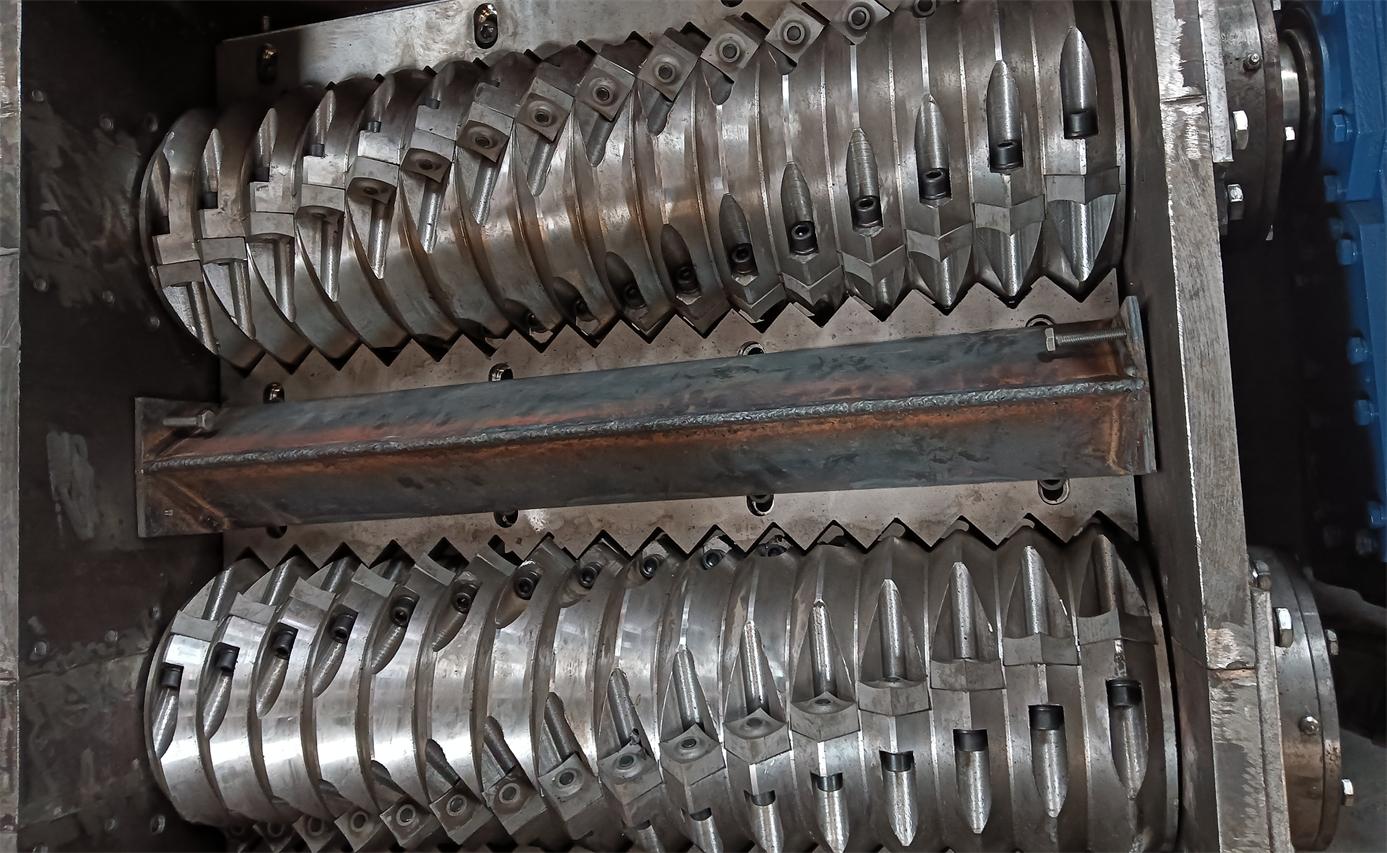
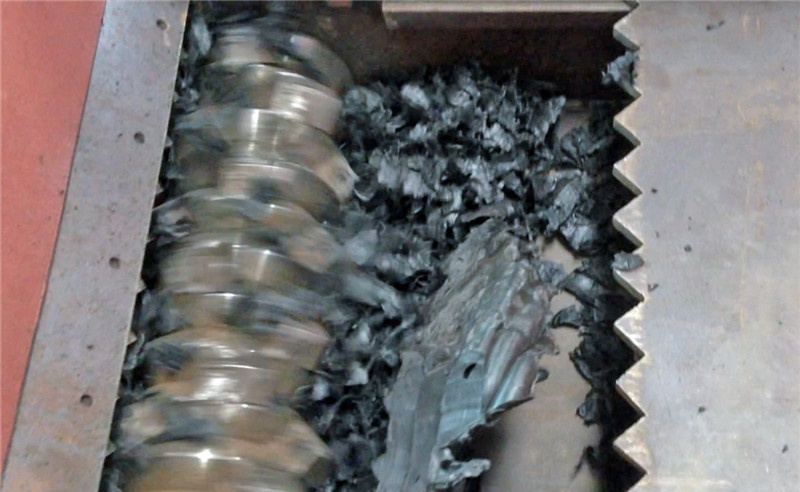
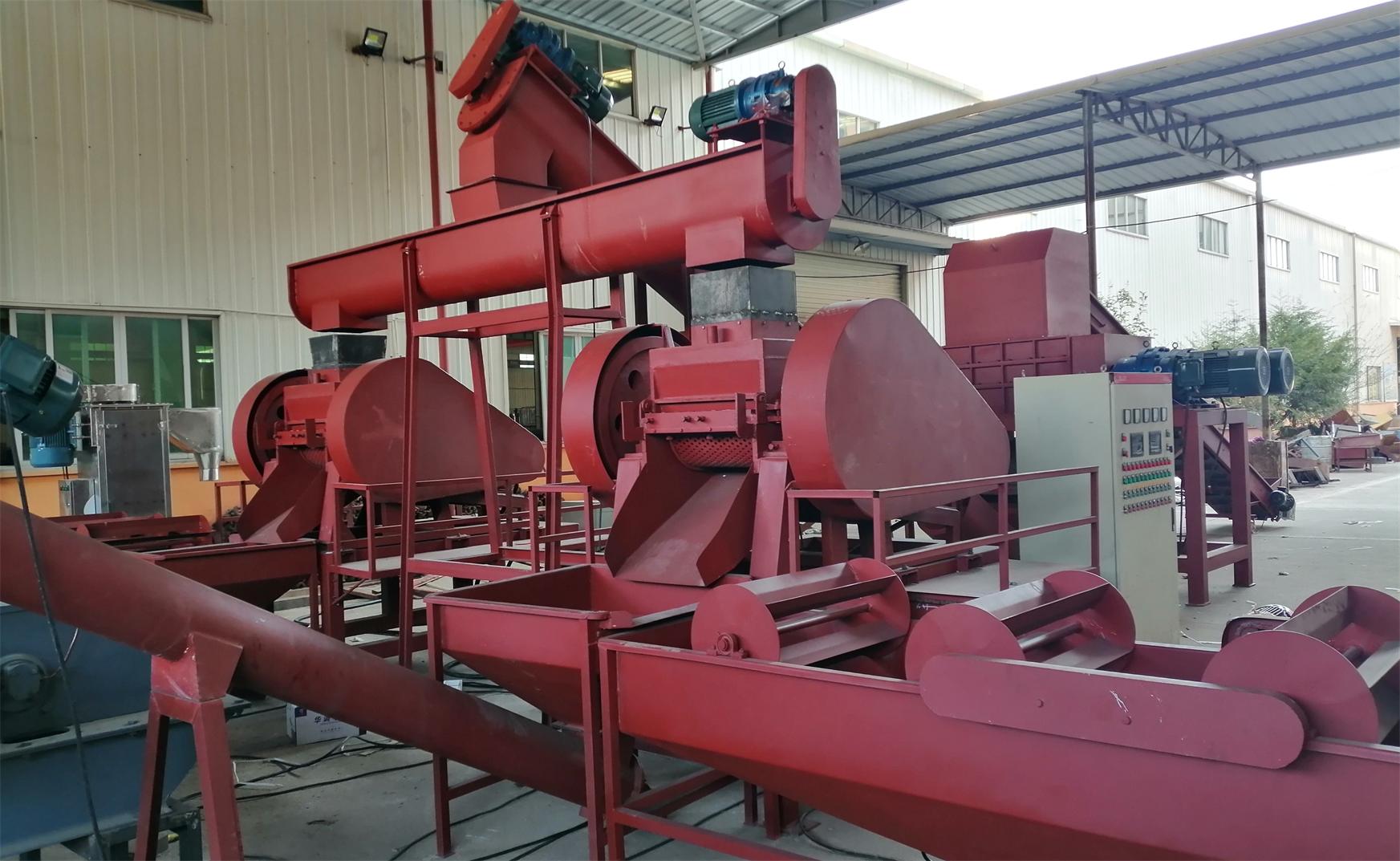
A complete cable recycling line typically includes a scrap cable stripper for large-diameter wires, followed by a cable granulator with dry or wet separation. Dry separation systems use air classifiers and vibrating screens to separate copper granules from plastic insulation, achieving purity levels of 96-98%. Wet separation systems use water to achieve even higher purity but require wastewater treatment. For operations processing 500-2000 kg per hour, modern granulators integrate shredding, crushing, and separation into a continuous flow, minimizing labor and maximizing throughput.
Printed Circuit Board Recovery
Circuit boards represent the highest value-per-kilogram stream in e-waste. They contain copper, gold, silver, palladium, and other precious metals embedded in a complex laminate. Processing them requires precision circuit board recycling equipment that can liberate metals without destroying their value.
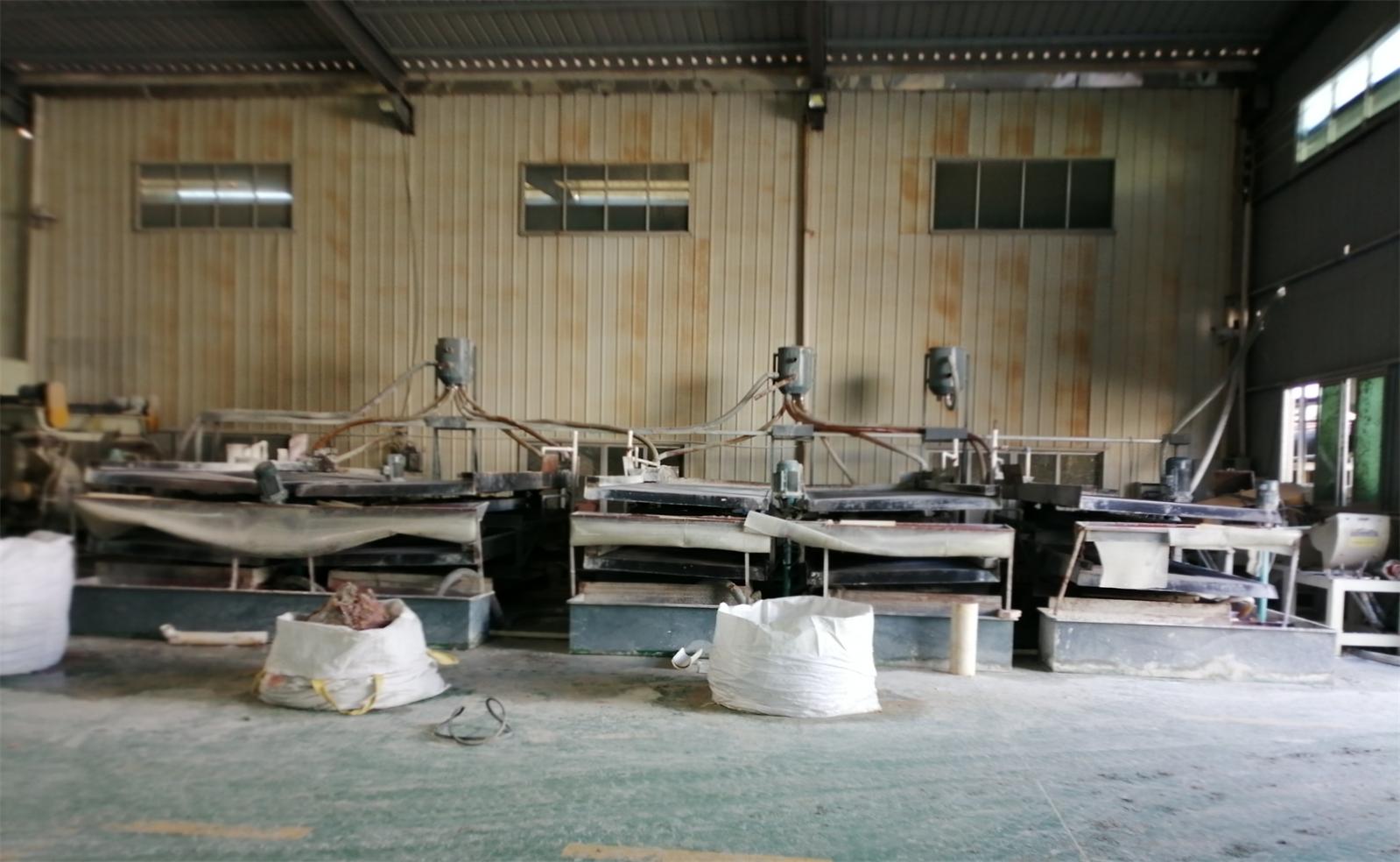
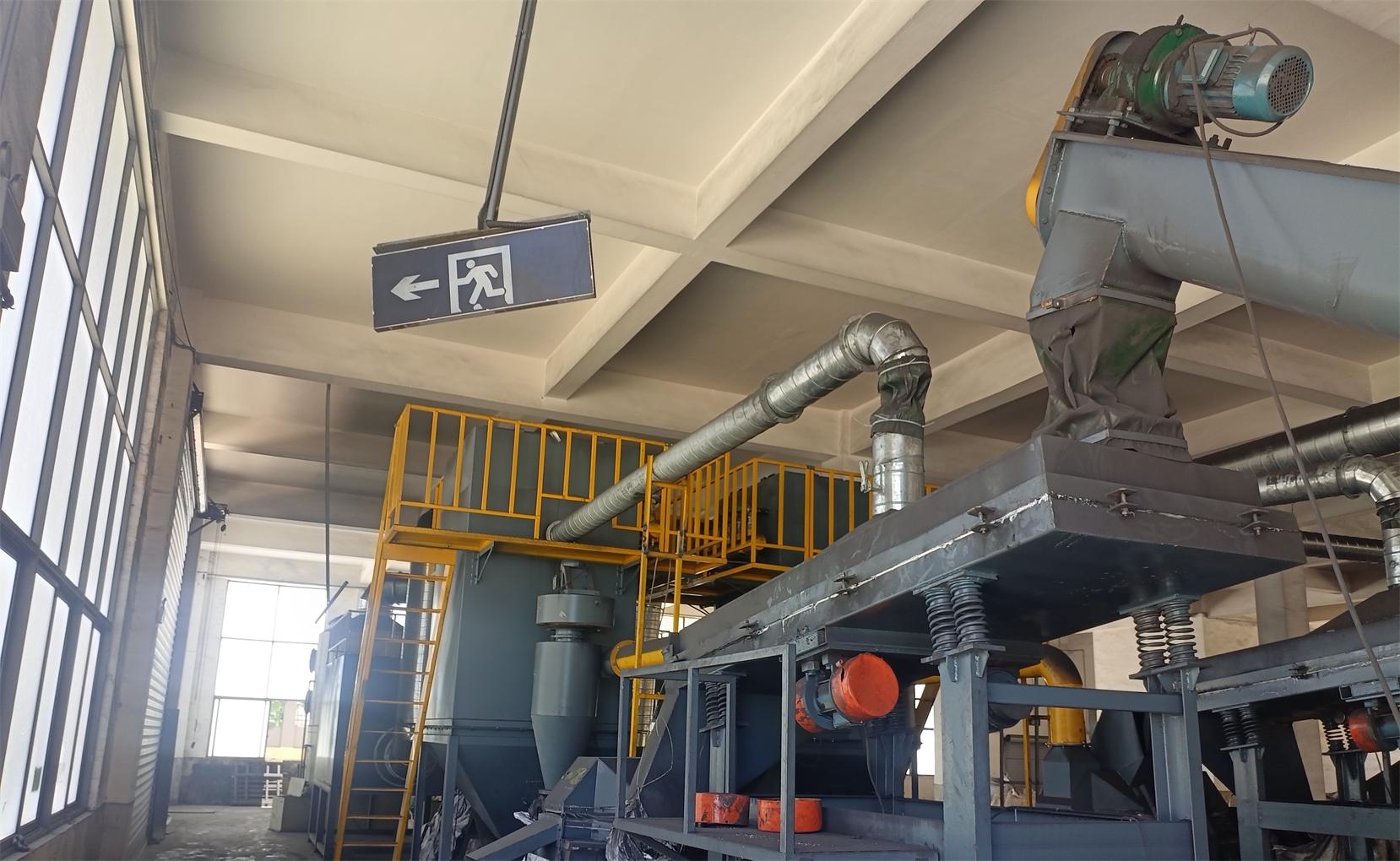
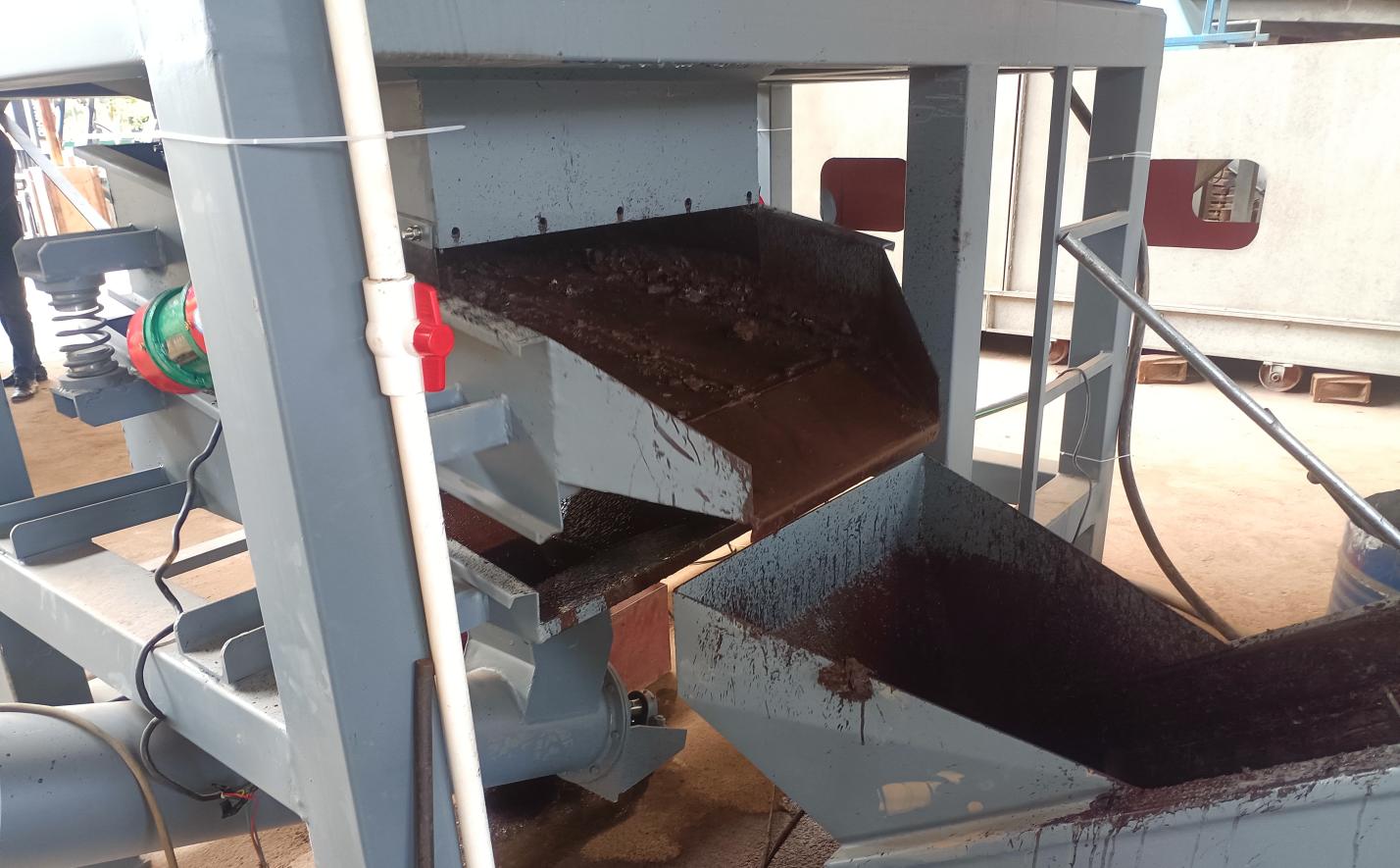
The standard approach involves mechanical shredding and grinding to reduce boards to a powder, followed by separation. Air separator systems use density differences to separate light non-metallic fractions from heavier metal-rich fractions. Wet separation systems can achieve higher copper powder purity, often reaching 96-98%, and are particularly effective when processing boards with components still attached. Electrostatic separators further refine the output by exploiting differences in electrical conductivity between metals and plastics. A well-designed circuit board recycling plant with 1000-2000 kg per hour capacity can recover 95% of available metals while maintaining strict dust control through pulse bag collectors and cyclone systems.
Lead Acid Battery Recycling
Used lead acid batteries are classified as hazardous waste, but they are also a concentrated source of lead and plastic. A single tonne of batteries contains roughly 60% lead in various forms, plus polypropylene casing and sulfuric acid. Proper recycling is not just profitable; it is essential for environmental compliance.
The process begins with battery cutting and acid drainage. The batteries are then broken and separated into four fractions: lead paste, lead grids, plastic, and hard rubber. The lead paste undergoes desulfurization to reduce melting temperature and emissions, then smelting in rotary furnaces or blast furnaces to produce crude metallic lead. This crude lead is refined in kettle furnaces to 99.999% purity. Modern lead acid battery recycling equipment integrates these steps with pollution control systems that capture acid mist, lead dust, and SO2 emissions, ensuring full regulatory compliance. Capacities range from 1-10 metric tonnes per hour for breaking and separation, with smelting batches of 2-20 metric tonnes.
What to Look for in a Recycling Equipment Supplier
Choosing equipment is only half the battle. The supplier you partner with determines whether your plant runs smoothly or struggles with downtime, poor recovery rates, and compliance issues. Here are the factors that separate reliable suppliers from the rest.
- Technical depth: Recycling machinery is not commodity equipment. Look for suppliers with in-house engineering teams who understand material science, mechanical design, and environmental regulations. A supplier that can customize plant layout and process flow to your specific feedstock will deliver far better results than one offering off-the-shelf configurations.
- End-to-end capability: The best suppliers offer complete plant solutions, not just individual machines. This includes pre-shredding, primary separation, secondary refining, pollution control, and even water treatment. An integrated approach reduces interface risks and ensures optimal performance across the entire line.
- After-sales support: Installation, commissioning, and operator training are critical. A supplier with international experience and responsive technical support can minimize startup time and keep your plant running at design capacity.
- Proven track record: Ask for references. Suppliers with installations across multiple countries have demonstrated their ability to adapt to different regulations, climates, and feedstock conditions.
San Lan Technologies: Engineering-First Recycling Solutions
Founded in 2007, San Lan Technologies Co., Ltd has spent nearly two decades building a reputation as a engineering-driven manufacturer of WEEE recycling machinery and mining equipment. Based in Ganzhou, Jiangxi Province, China, the company operates with a clear vision: to become the leading international brand in e-waste recycling plant solutions through deep customer understanding and professional project execution.
What distinguishes San Lan is its integrated approach. The company does not simply sell machines; it delivers complete EPC projects. This means customers receive customized plant design, equipment procurement, installation, and commissioning from a single source. For entrepreneurs entering the recycling business, this eliminates the complexity of coordinating multiple vendors and ensures that every component is optimized for the overall process.
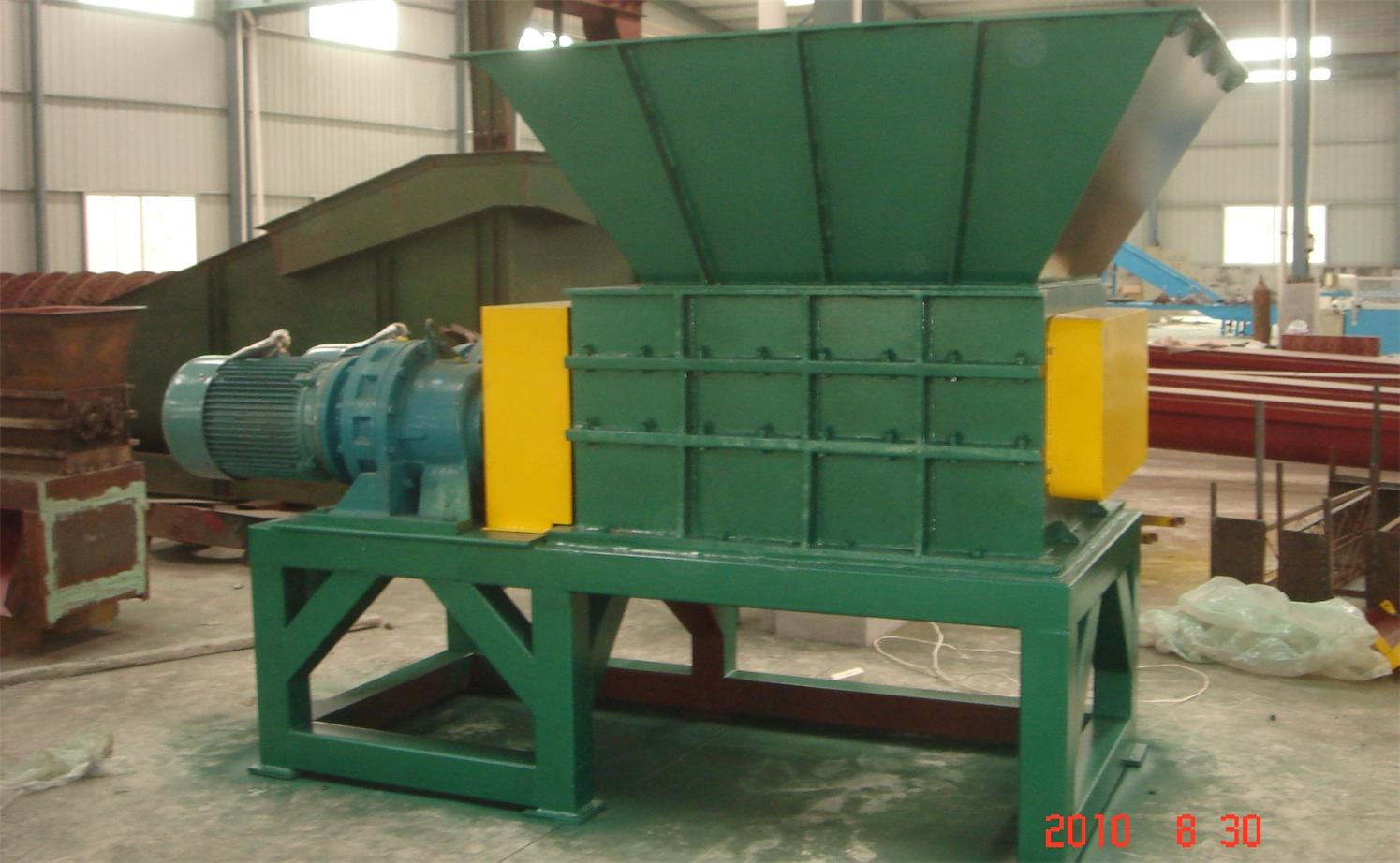
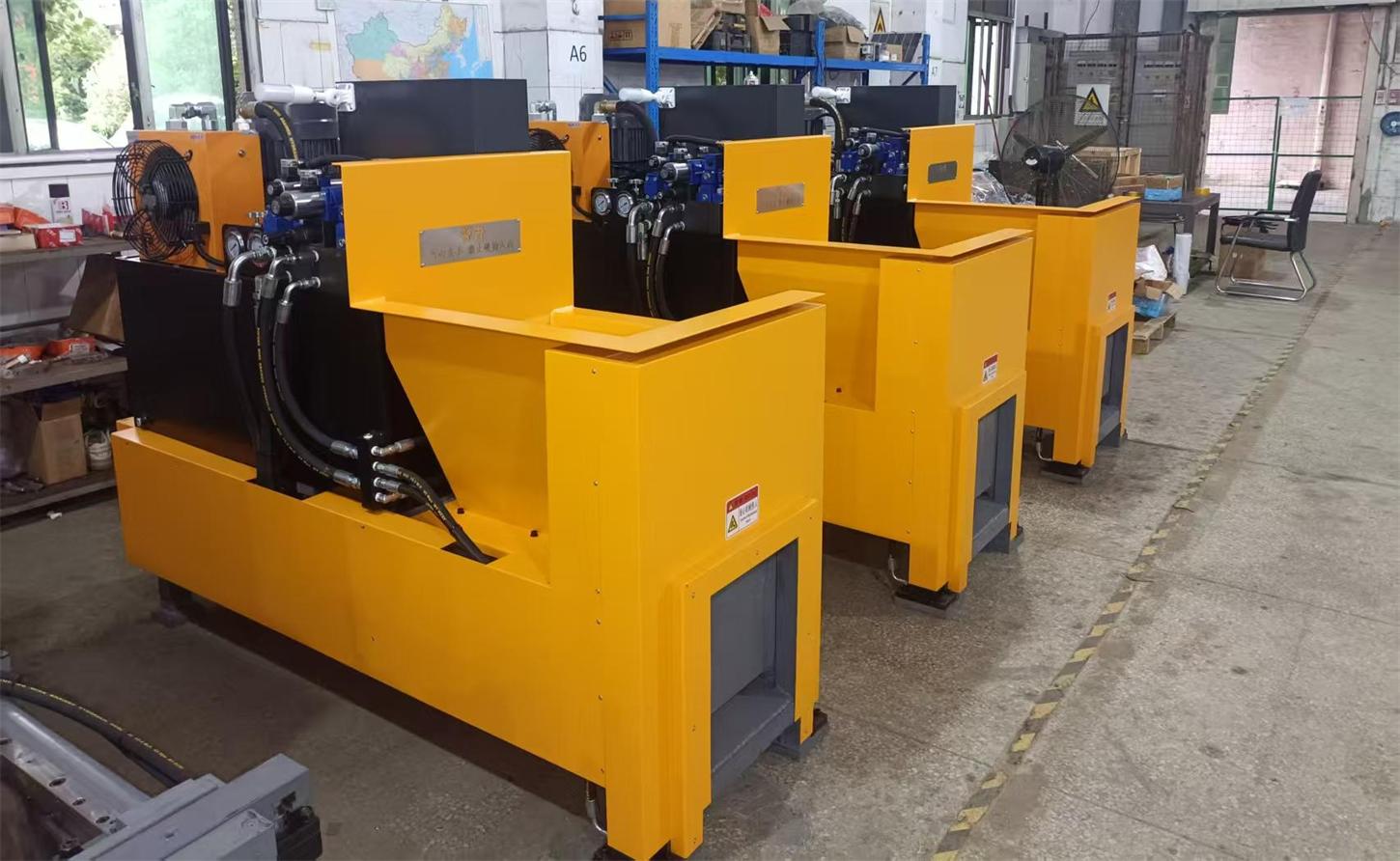
San Lan's technical team includes mechanical engineering masters with over 15 years of direct experience in e-waste recycling equipment. This expertise translates into practical advantages: higher recovery rates, lower energy consumption, and robust pollution control that meets stringent international standards. The product portfolio spans cable recycling plants, circuit board recycling systems, lead acid battery recycling lines, lithium battery recovery plants, CRT cutters, refrigerator and AC recycling equipment, motor recycling machines, shredders, hydraulic presses, and even lithium ore extraction plants.
Global Experience, Local Adaptability
San Lan has supplied recycling equipment to customers in more than 21 countries, including Singapore, Colombia, Vietnam, Mexico, Argentina, Korea, Malaysia, Indonesia, South Africa, Tunisia, India, Kenya, Saudi Arabia, Philippines, Zambia, and Israel. This global footprint means the company has encountered virtually every regulatory environment, feedstock variation, and operational constraint imaginable.
The company also offers value-added services that go beyond equipment supply. San Lan helps customers source waste material feedstock, connects them with investors for plant construction, and assists in selling recovered products such as copper rice, copper powder, and lead ingots. This ecosystem approach reduces risk for new entrants and accelerates time-to-profitability.
Conclusion: The Time to Invest is Now
The e-waste recycling industry is at an inflection point. Rising metal prices, tightening regulations, and growing environmental awareness are creating ideal conditions for well-equipped recycling operations. Success depends on choosing equipment that delivers high recovery rates, reliable performance, and full regulatory compliance.
Whether you are starting with cable granulation, circuit board recovery, or battery recycling, partnering with an experienced supplier that offers complete plant solutions will give you a significant competitive advantage. San Lan Technologies brings nearly 20 years of engineering expertise, a global installation base, and a commitment to end-to-end customer support. For recyclers ready to capitalize on the e-waste opportunity, that combination is hard to beat.
Ready to build or upgrade your e-waste recycling plant? Visit www.san-lan.com to explore complete recycling solutions, request a customized quote, or speak directly with a technical specialist about your project requirements.