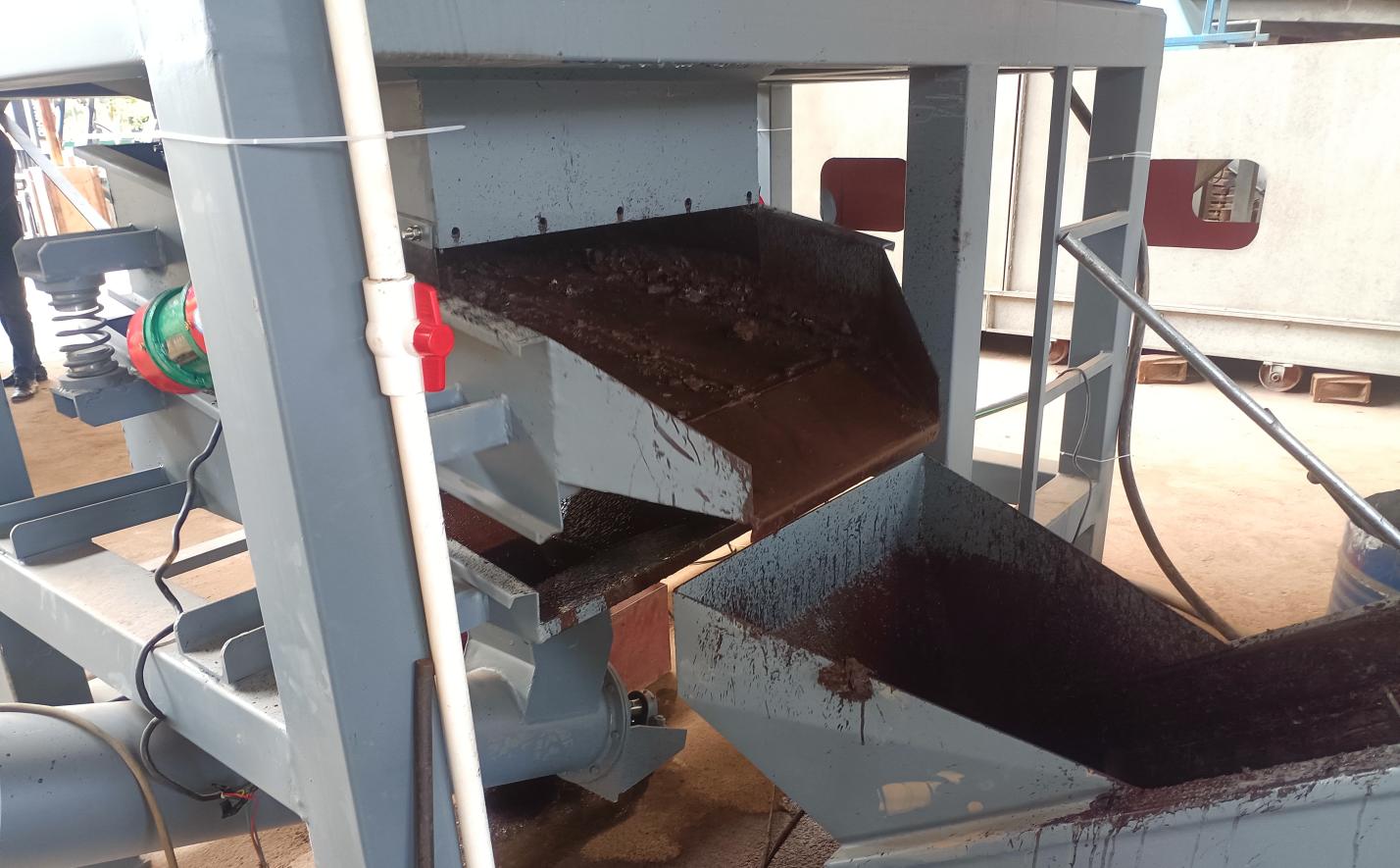
Discover how modern recycling plants recover valuable materials from discarded electronics, batteries, and cables while meeting strict environmental standards.
The global surge in electronic waste has created both a pressing environmental challenge and a significant business opportunity. With over 50 million metric tons of e-waste generated annually worldwide, the demand for efficient, compliant, and profitable recycling solutions has never been higher. Whether you are processing used lead acid batteries, spent lithium-ion batteries, discarded circuit boards, or scrap cables, the right equipment makes the difference between a marginal operation and a thriving recycling business.
San Lan Technologies Co., Ltd has been manufacturing recycling equipment since 2007, supplying complete recycling plants to customers across 21 countries. Based in Jiangxi Province, China, the company specializes in turn-key solutions that cover everything from raw material processing to final metal recovery.
Lead Acid Battery Recycling: Recovering Lead with High Efficiency
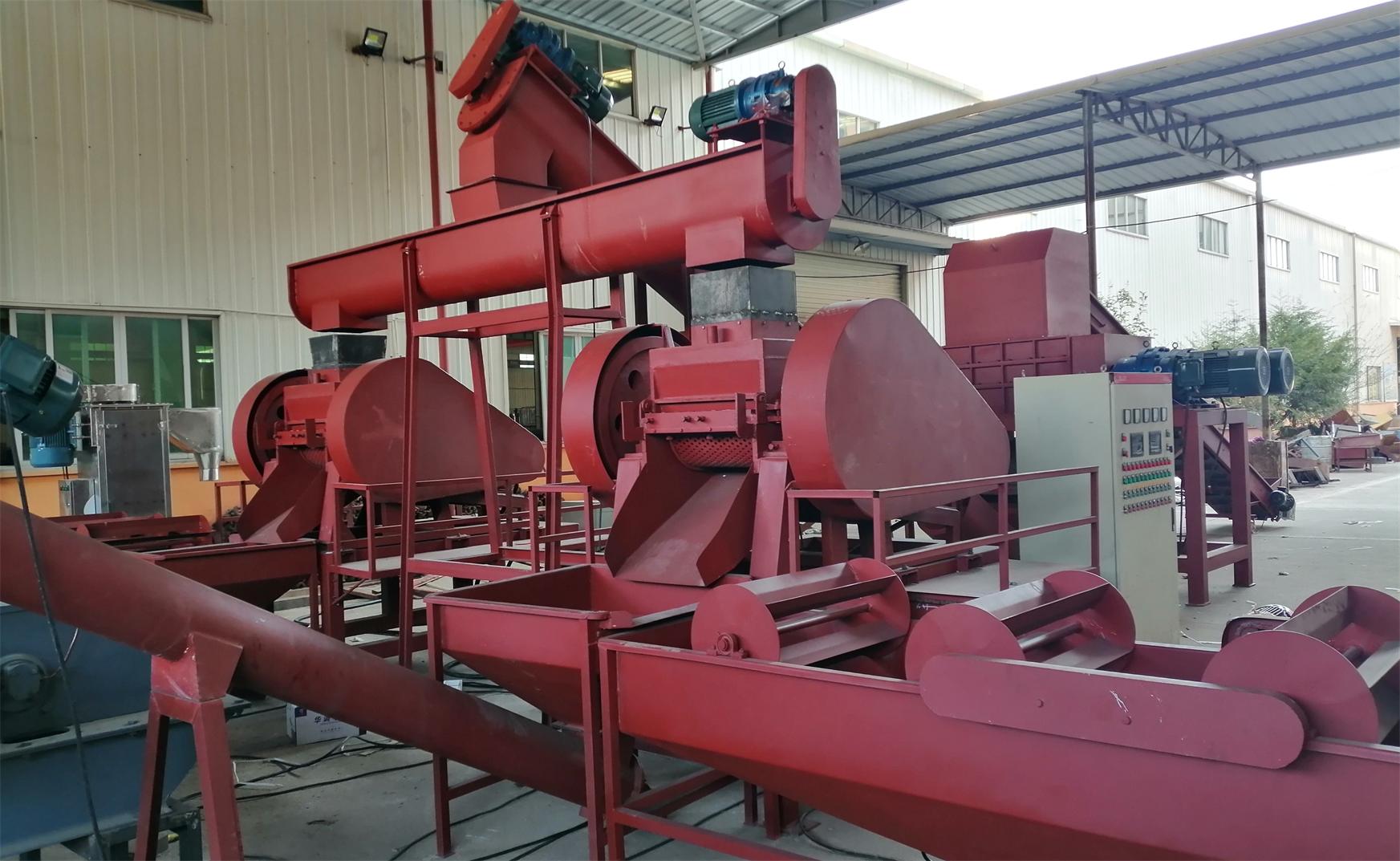
Used lead acid batteries (ULAB) represent one of the most recyclable waste streams, with over 95% of the material recoverable. However, the process requires specialized machinery to break, separate, and smelt the components safely. A complete lead acid battery recycling equipment line typically includes several integrated stages.
Modern lead acid battery recycling plants also incorporate air pollution control systems and wastewater treatment to meet environmental regulations. The electric heated refinery kettle, for example, uses near-infrared technology to save 30-50% on energy costs compared to conventional heating methods.
Lithium Battery Recycling: Capturing Critical Materials
As electric vehicles and consumer electronics proliferate, spent lithium-ion batteries are becoming a major feedstock for recycling. These batteries contain valuable materials including lithium, cobalt, nickel, and graphite, but they also pose fire and chemical hazards if not handled properly. A dedicated lithium battery recycling plant must include discharge, pre-crushing, and controlled separation stages.
Advanced lithium battery recycling systems operate at capacities between 500 and 2,500 kg per hour. The process separates black mass containing nickel, cobalt, and graphite from plastic separators, copper, and aluminum. Supporting equipment such as pneumatic conveying systems, hydraulic briquetters for plastic film, and dedicated air pollution control systems ensure safe and efficient operation.
Circuit Board Recycling: Extracting Copper and Precious Metals
Printed circuit boards (PCBs) from computers, phones, and appliances contain copper, gold, silver, and other metals in concentrations higher than many natural ores. Circuit board recycling equipment uses mechanical separation to recover these materials without chemical smelting.
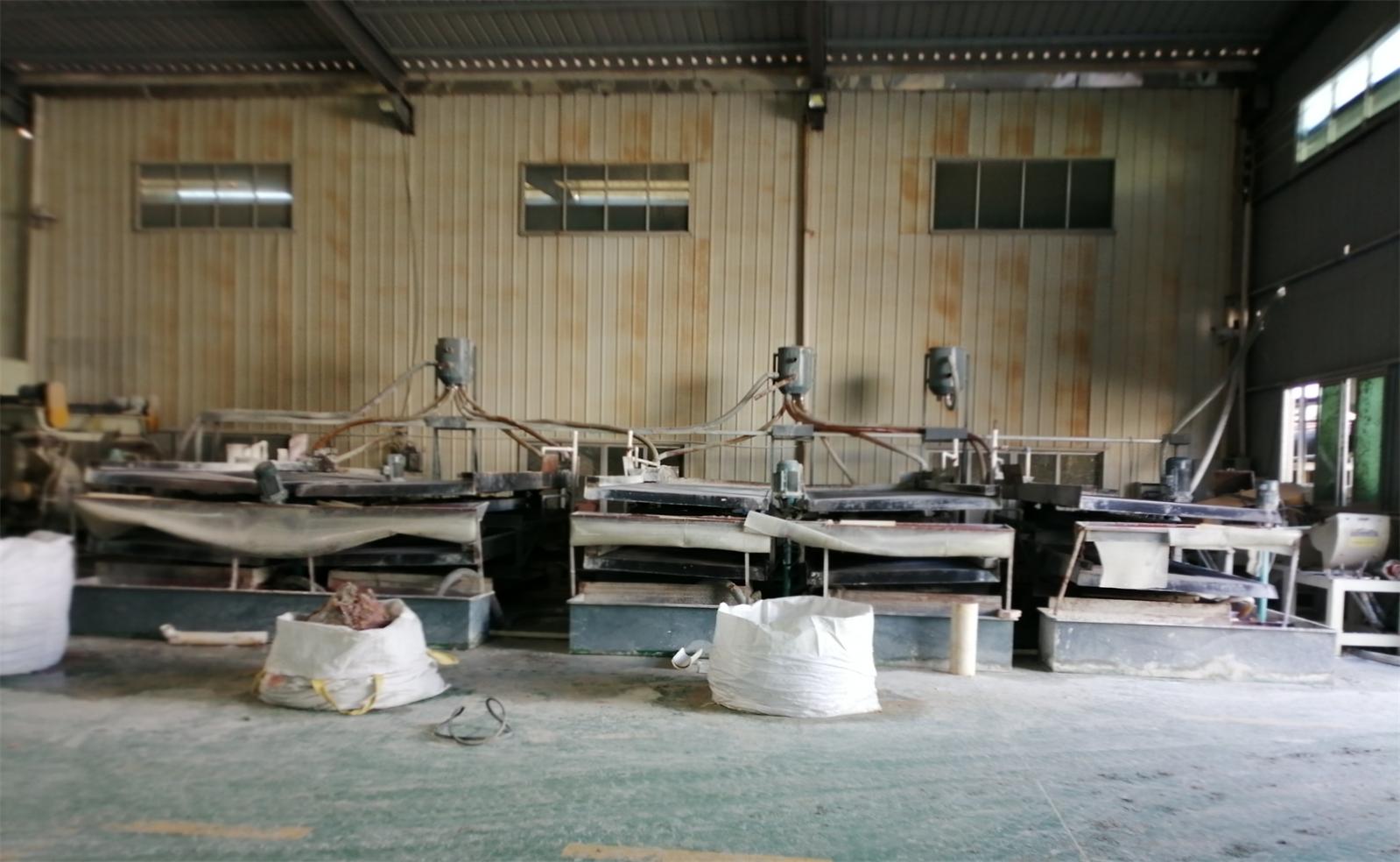
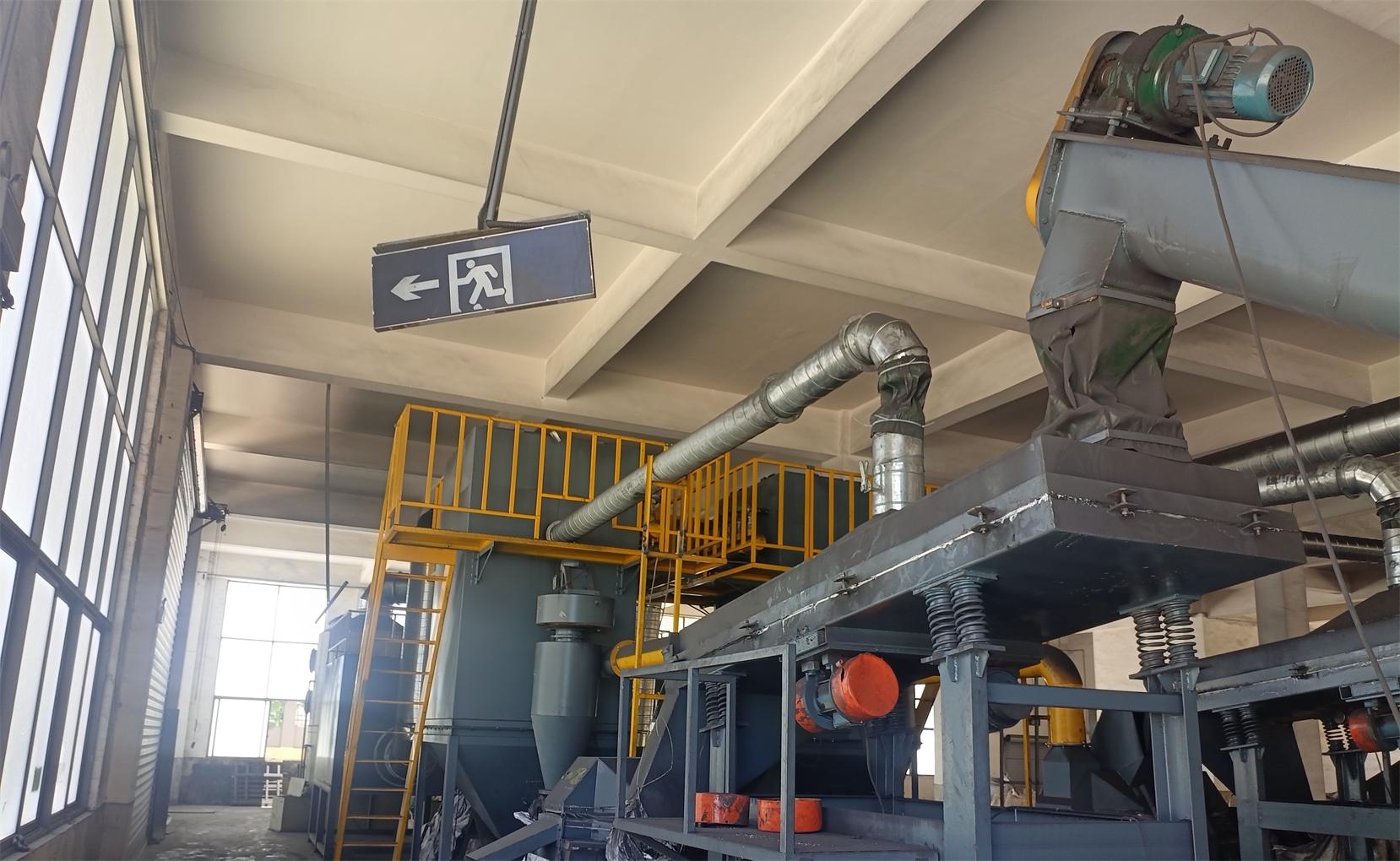
Both dry and wet separation technologies are available. Dry systems use air separators, vibrating screens, electrostatic separators, and pulse dust collectors to achieve copper powder purity of 96-98% with recovery rates around 95%. Wet separation plants can process PCB waste with components still attached, making them suitable for mixed or complex feedstock. Capacities range from 300 kg/hour for smaller operations up to 2,000 kg/hour or more for industrial-scale facilities.
Cable Recycling: Separating Copper and Aluminum from Insulation
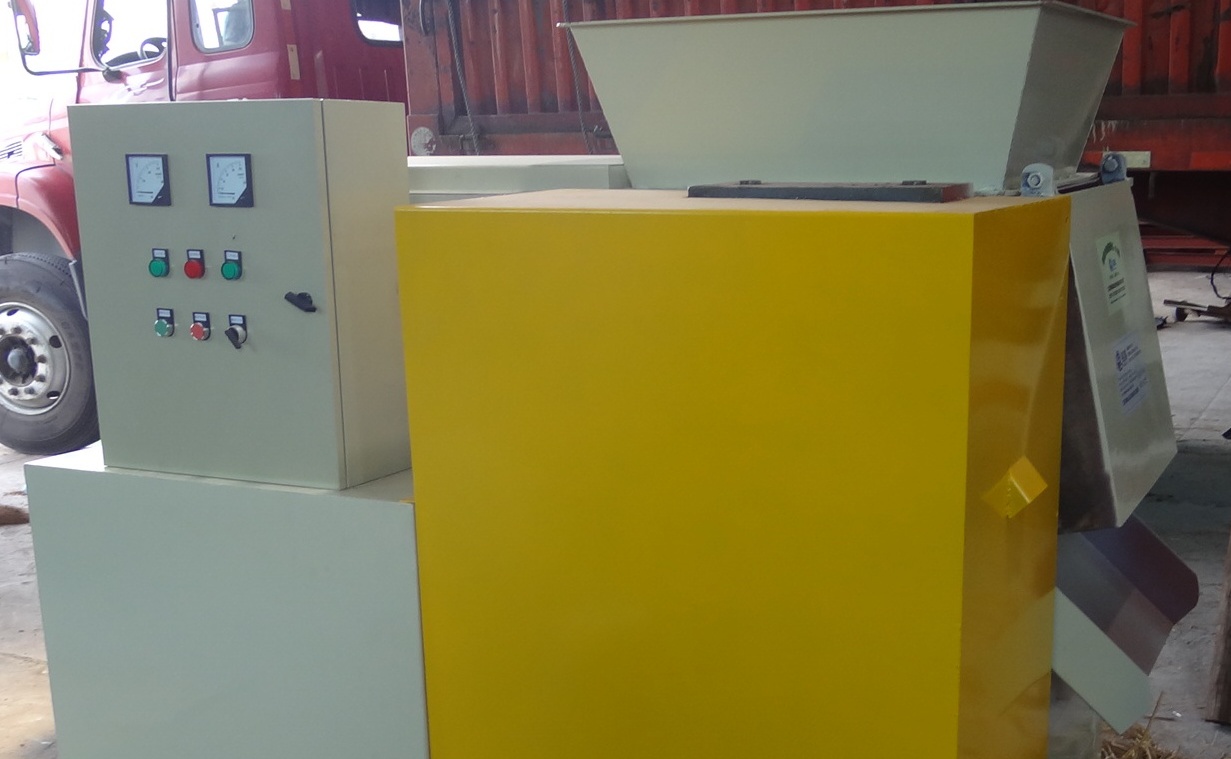
Scrap cables are a high-value feedstream when processed with the right equipment. Cable recycling equipment includes scrap cable strippers for large-diameter wire and compact granulators with dry separators for fine cable processing. Strippers handle cables from 1.5 mm to 150 mm in diameter, while granulators turn mixed cable waste into pure copper or aluminum granules separated from plastic insulation.
Beyond E-Waste: Lithium Ore Extraction and Auxiliary Equipment
San Lan also provides mining equipment for lithium ore processing, with plants capable of handling 500 to 5,000 metric tons per day. Crude ore processing converts raw material to lithium concentrate at 4-5% grade, while tailings extraction plants recover additional value from waste material left by primary extraction, achieving total recovery rates of 75% compared to the industry average of 65%.
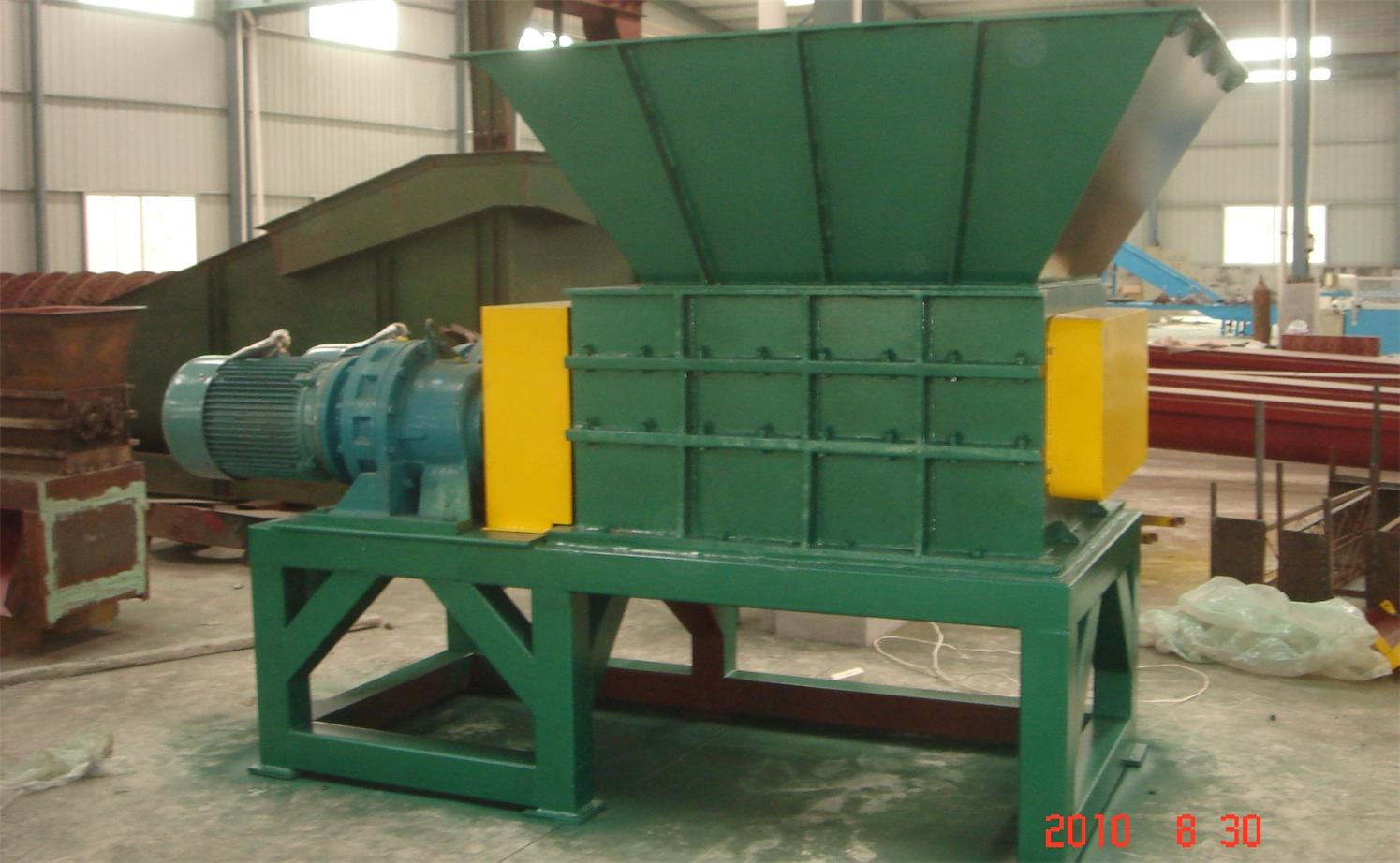
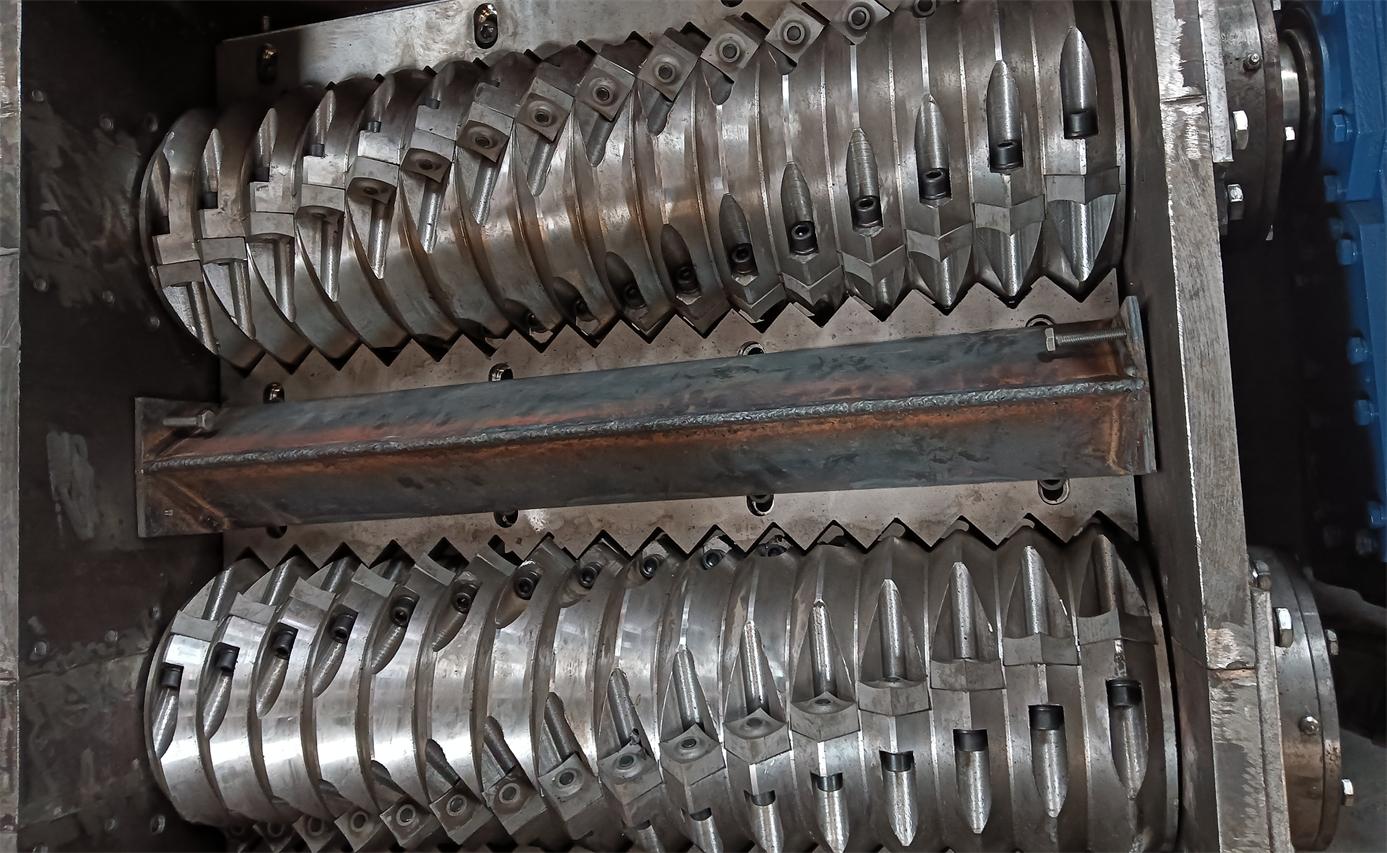
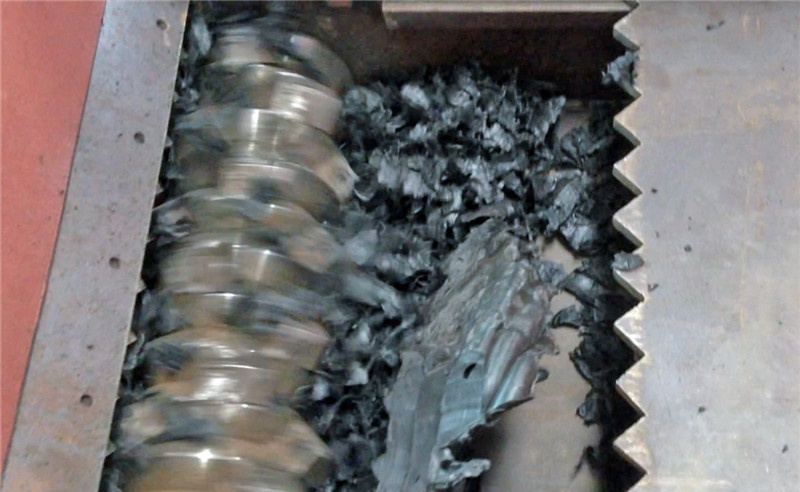
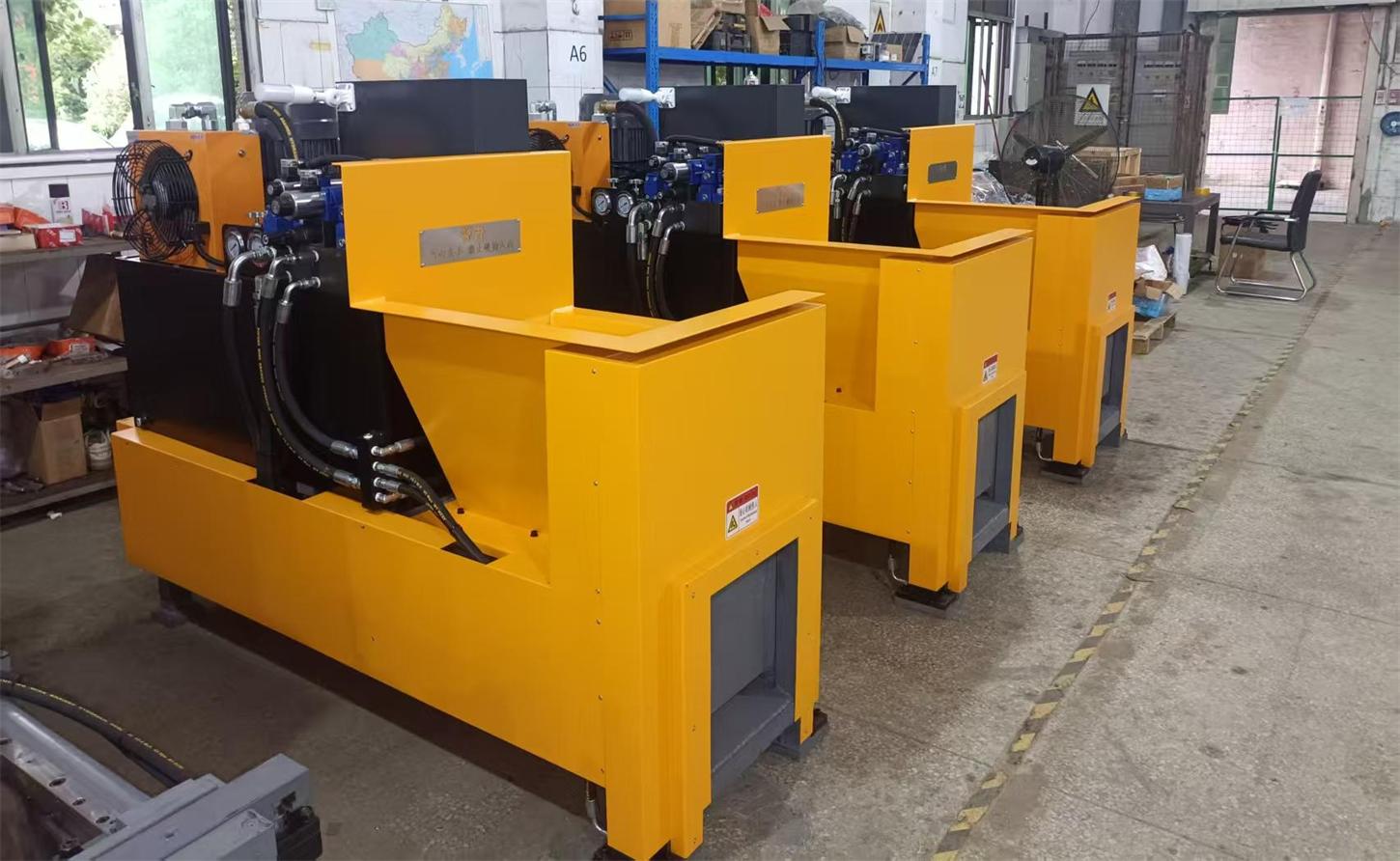
Supporting equipment such as shredders, hydraulic presses, metal melting furnaces, and refrigerant recovery units round out the product range, enabling customers to source complete recycling infrastructure from a single supplier.
What to Look for in a Recycling Equipment Supplier
Choosing the right partner for a recycling plant project goes beyond comparing equipment specifications. Consider these factors when evaluating suppliers:
Conclusion
The e-waste recycling industry offers substantial returns for operators who invest in reliable, efficient, and environmentally compliant equipment. From lead acid and lithium battery recycling to circuit board and cable processing, modern machinery can recover valuable materials at high purity while minimizing emissions and waste. Partnering with an experienced manufacturer that provides turn-key solutions and comprehensive support significantly reduces project risk and accelerates time to profitability.
San Lan Technologies Co., Ltd offers complete recycling plant solutions tailored to your feedstock, capacity, and budget. Contact us today to discuss your project requirements and receive a customized proposal.
- Email: info@san-lan.com / curbing888@hotmail.com
- WhatsApp: +86 139 2377 4083
- Website: www.san-lan.com
- Location: Industry Park, Shicheng County, Ganzhou City, Jiangxi Province, China