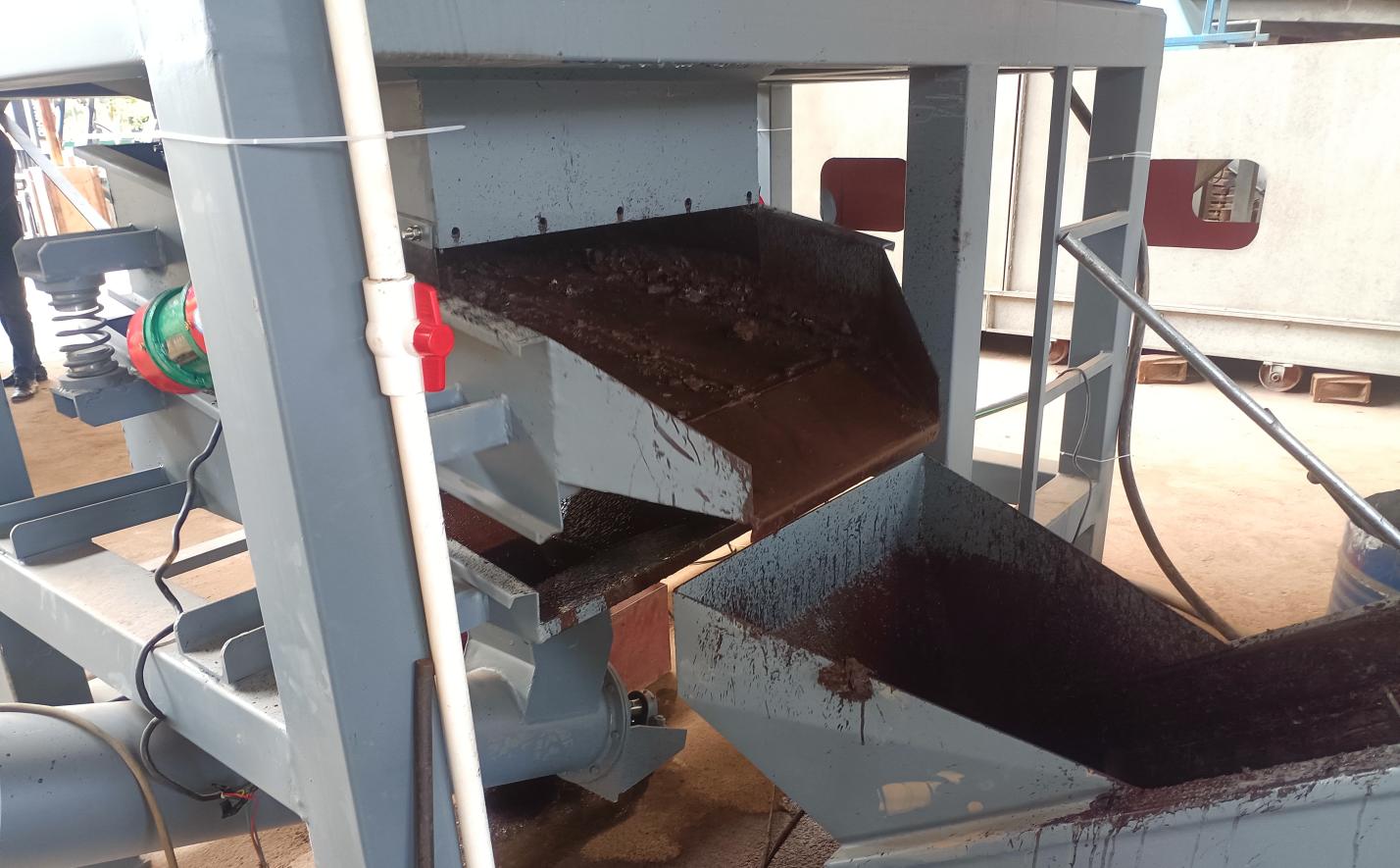
The global surge in electronic waste has created both an environmental challenge and a significant business opportunity. With millions of tons of discarded batteries, cables, and circuit boards generated every year, the demand for efficient lead acid battery recycling equipment, cable processing systems, and circuit board recovery plants has never been higher. For entrepreneurs and established businesses alike, investing in the right recycling technology is the first step toward turning waste into valuable resources while contributing to a cleaner planet.
This guide walks you through the essential equipment needed for key recycling streams, what to look for in a reliable supplier, and how turnkey solutions can accelerate your path to profitability.
The Growing Opportunity in E-Waste Recycling
Several powerful trends are driving the recycling industry forward. Stricter environmental regulations worldwide are pushing manufacturers and recyclers to adopt cleaner processes. At the same time, the rising cost of raw materials such as copper, lead, lithium, and precious metals makes recovered materials increasingly valuable. Governments in many regions now offer incentives for proper e-waste disposal, while consumers and corporations prioritize sustainability.
For business owners, this translates into a scalable opportunity. A well-designed recycling plant can process multiple waste streams, diversify revenue sources, and establish long-term supply relationships with both waste generators and metal buyers.
Essential Recycling Equipment for Key Waste Streams
Choosing the right equipment depends on the materials you plan to process. Below are the core systems required for four of the most profitable recycling segments.
Lead Acid Battery Recycling Plants
Used lead acid batteries represent one of the most recycled products globally, with lead being nearly infinitely recyclable. A complete lead acid battery recycling equipment line typically includes a battery breaking and separation system, a de-sulfurization unit, a rotary furnace or blast furnace for smelting, a lead refinery kettle, an air pollution control system, and a water treatment plant.
Modern plants can achieve capacities of 1 to 10 metric tons per hour. Advanced blast furnaces operate at temperatures up to 1800°C with lead recovery rates around 95%. Near-infrared electric heating refinery kettles can deliver 99.999% pure lead while saving 30% to 50% on energy compared to conventional fuel-based systems.
Lithium Battery Recycling Plants
As electric vehicles and consumer electronics proliferate, spent lithium-ion batteries are becoming a critical feedstock. Recycling these batteries recovers valuable black mass containing nickel, cobalt, and graphite, along with copper, aluminum, and plastic separators.
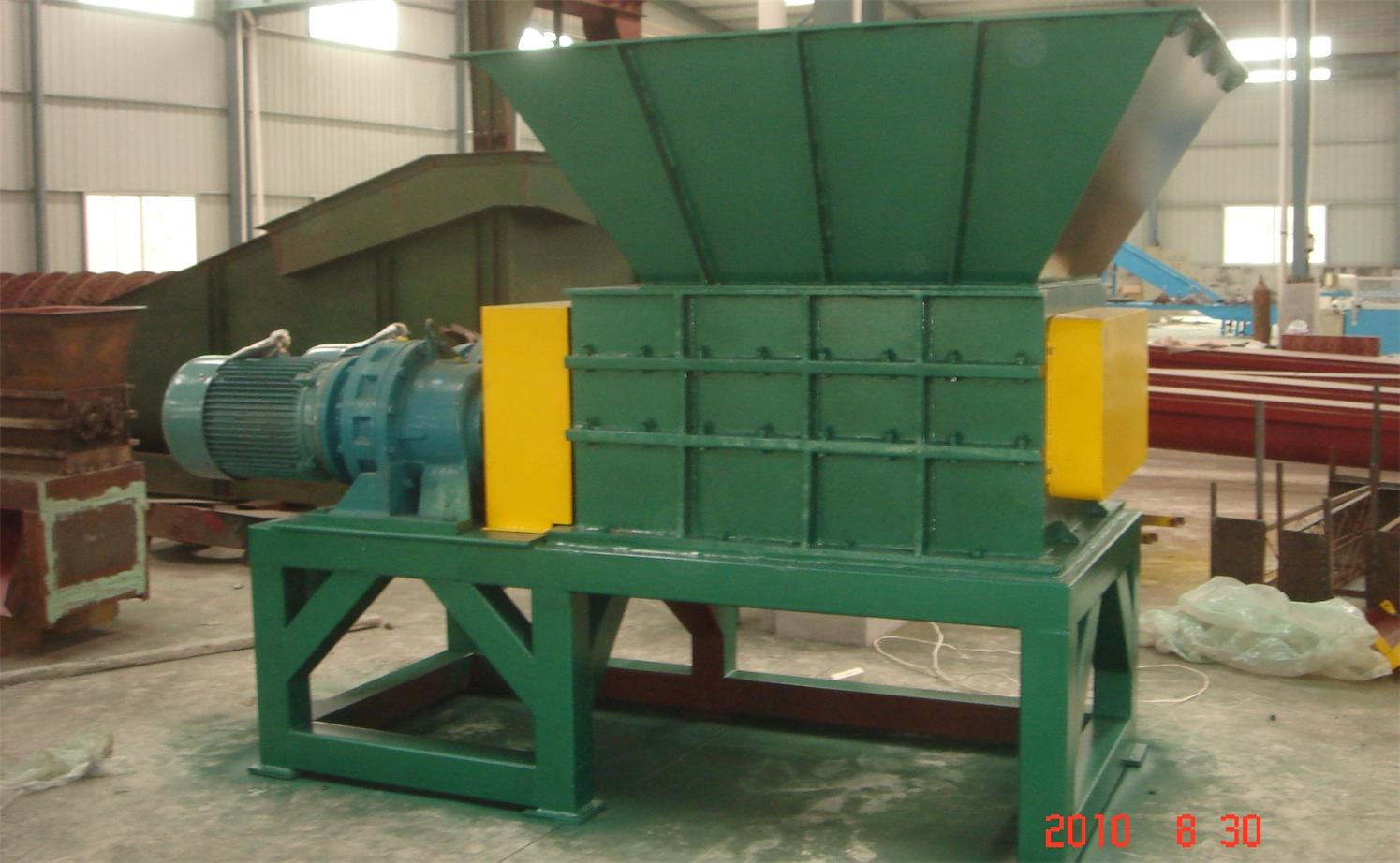
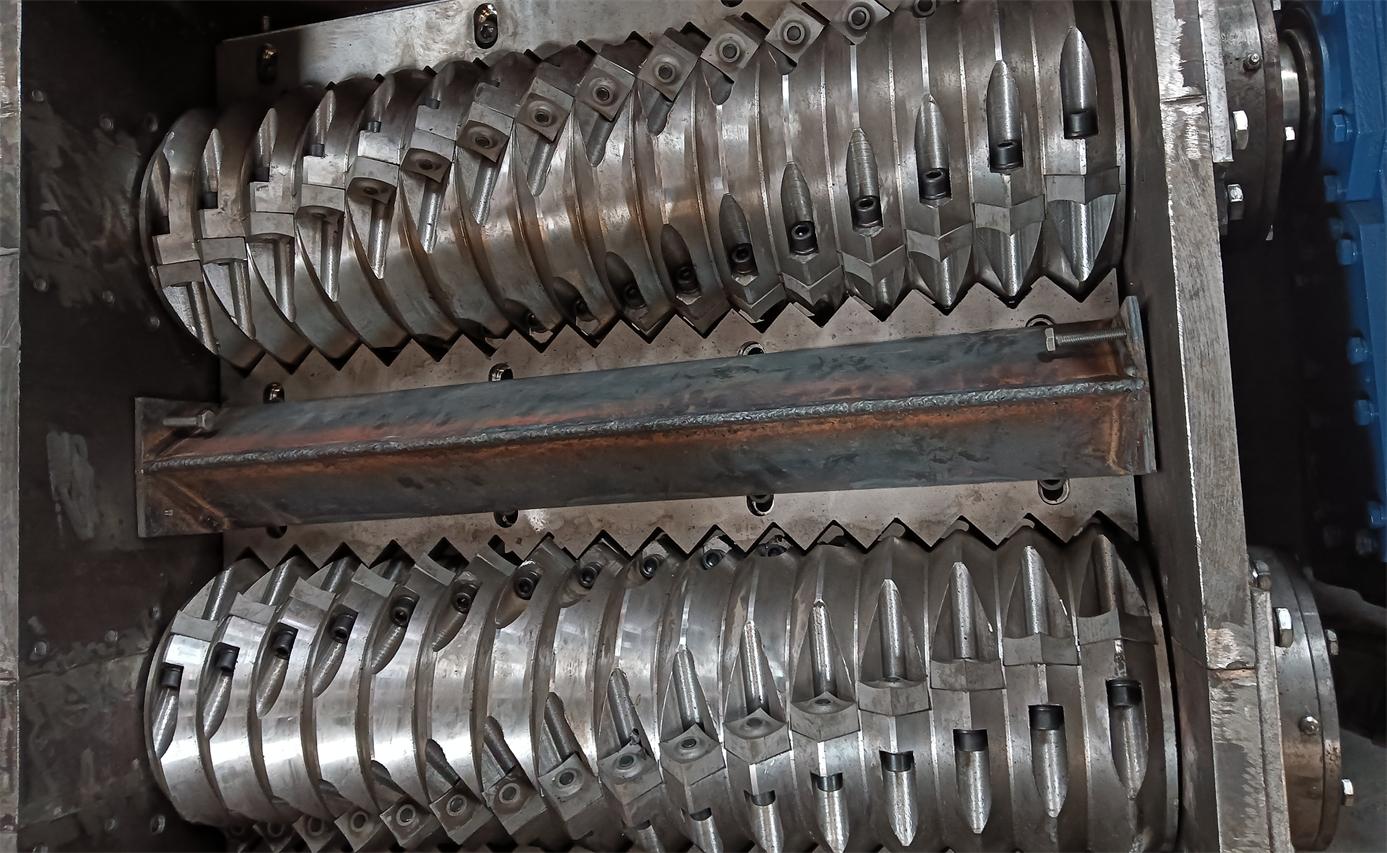
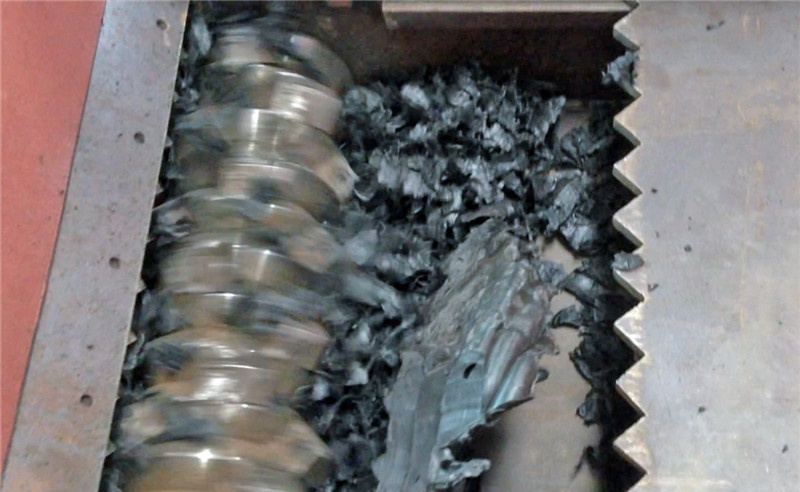
A standard lithium battery recycling plant includes discharging equipment, pre-crushing units, secondary granulation systems, magnetic separation for ferrous metals, and fine separation systems for black powder. Capacities typically range from 500 to 2500 kilograms per hour. Dedicated air pollution control systems are essential to neutralize harmful gases released during crushing.
Cable Recycling Plants
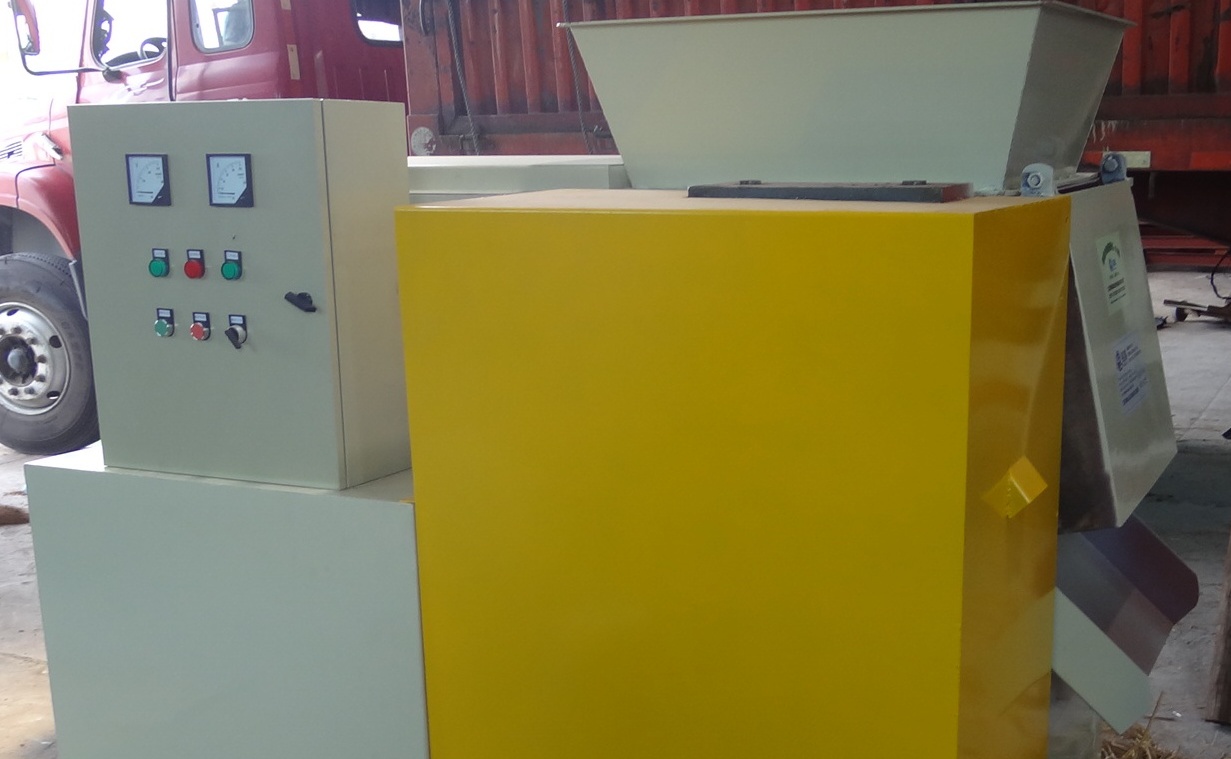
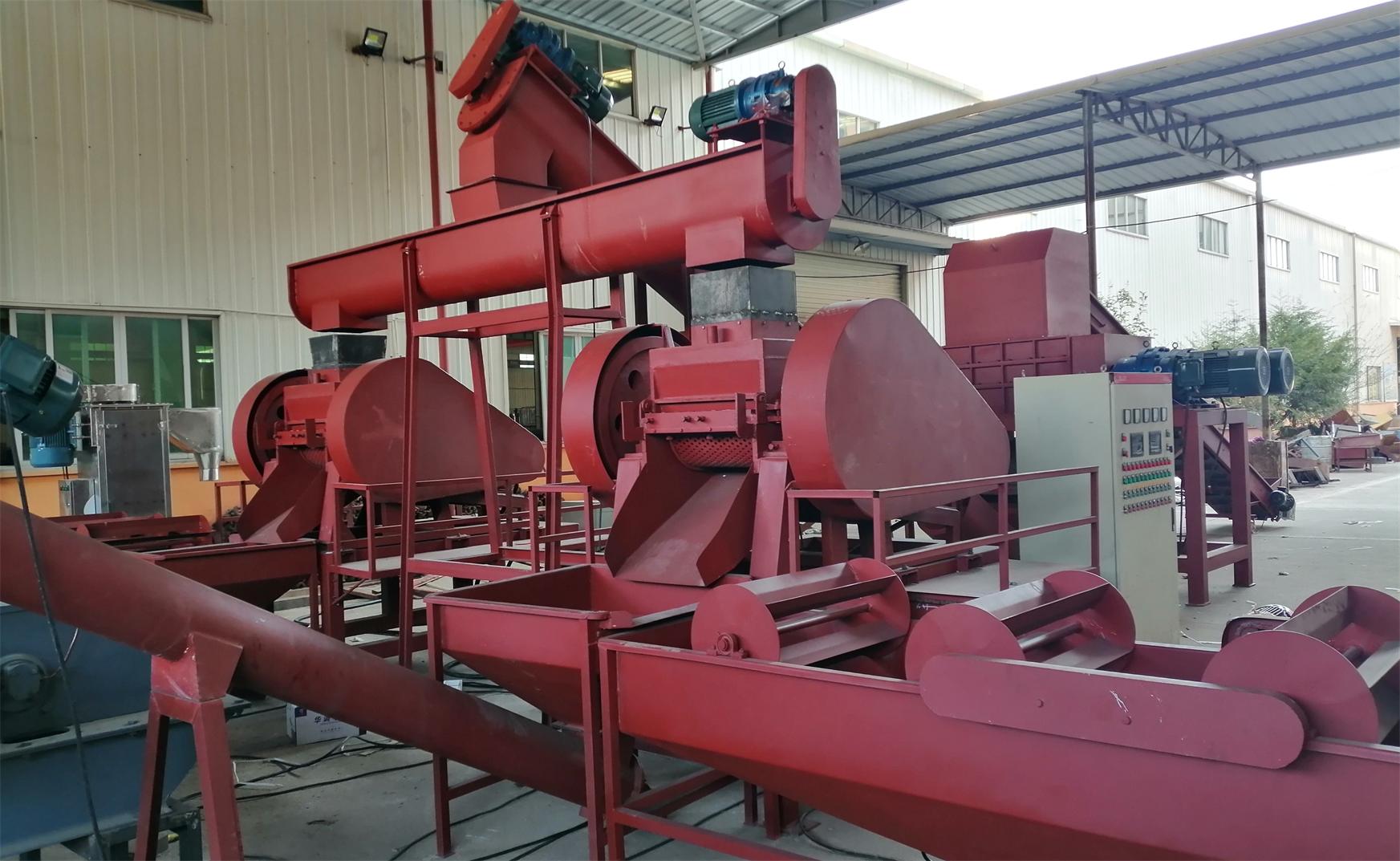
Scrap cables are an excellent source of copper and aluminum. A complete cable recycling equipment line includes scrap cable strippers for large-diameter wires, granulators with dry or wet separators, and dust collection systems. Depending on the model, cable granulators can process from 100 kg/hour up to 1200 kg/hour or more.
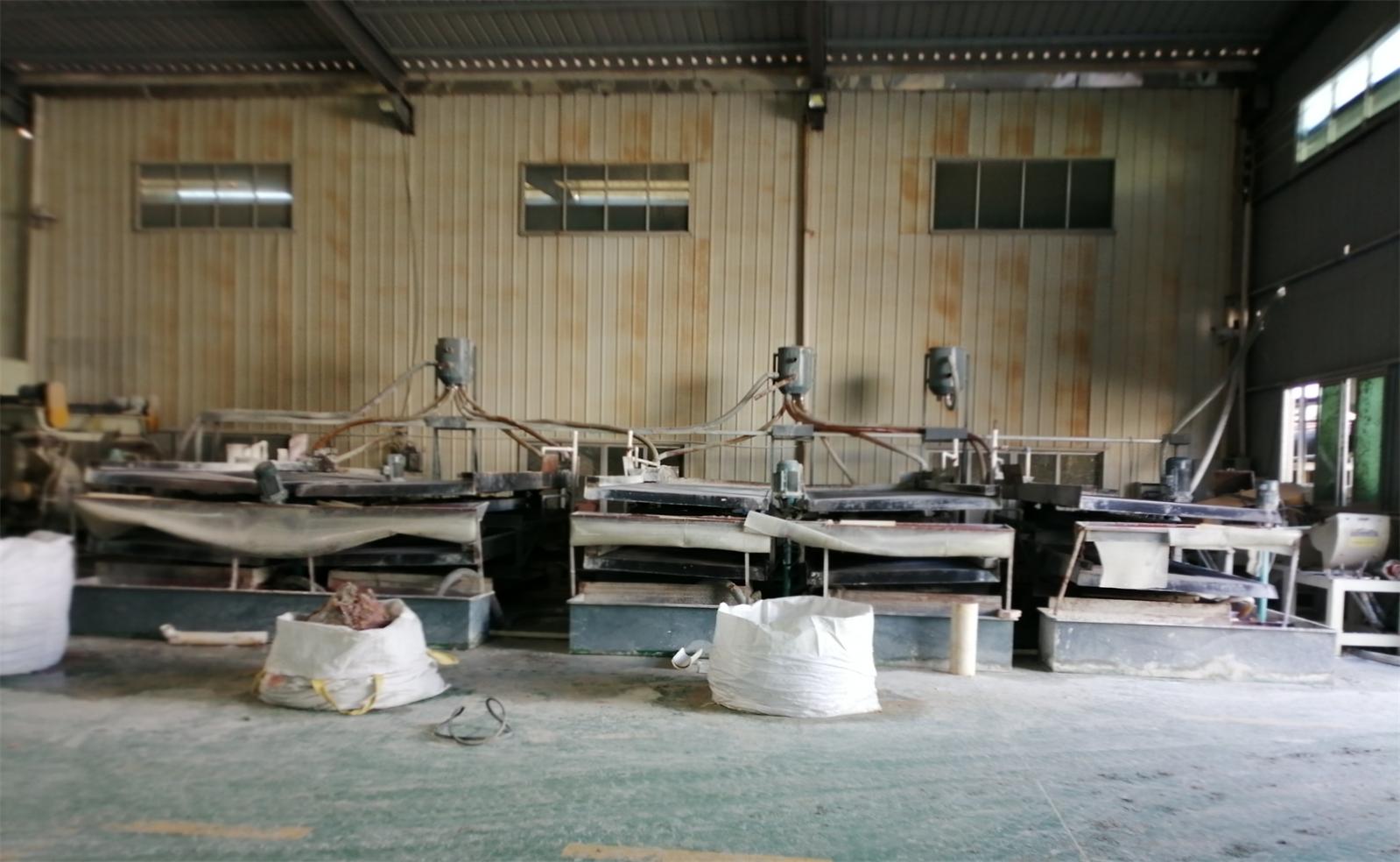
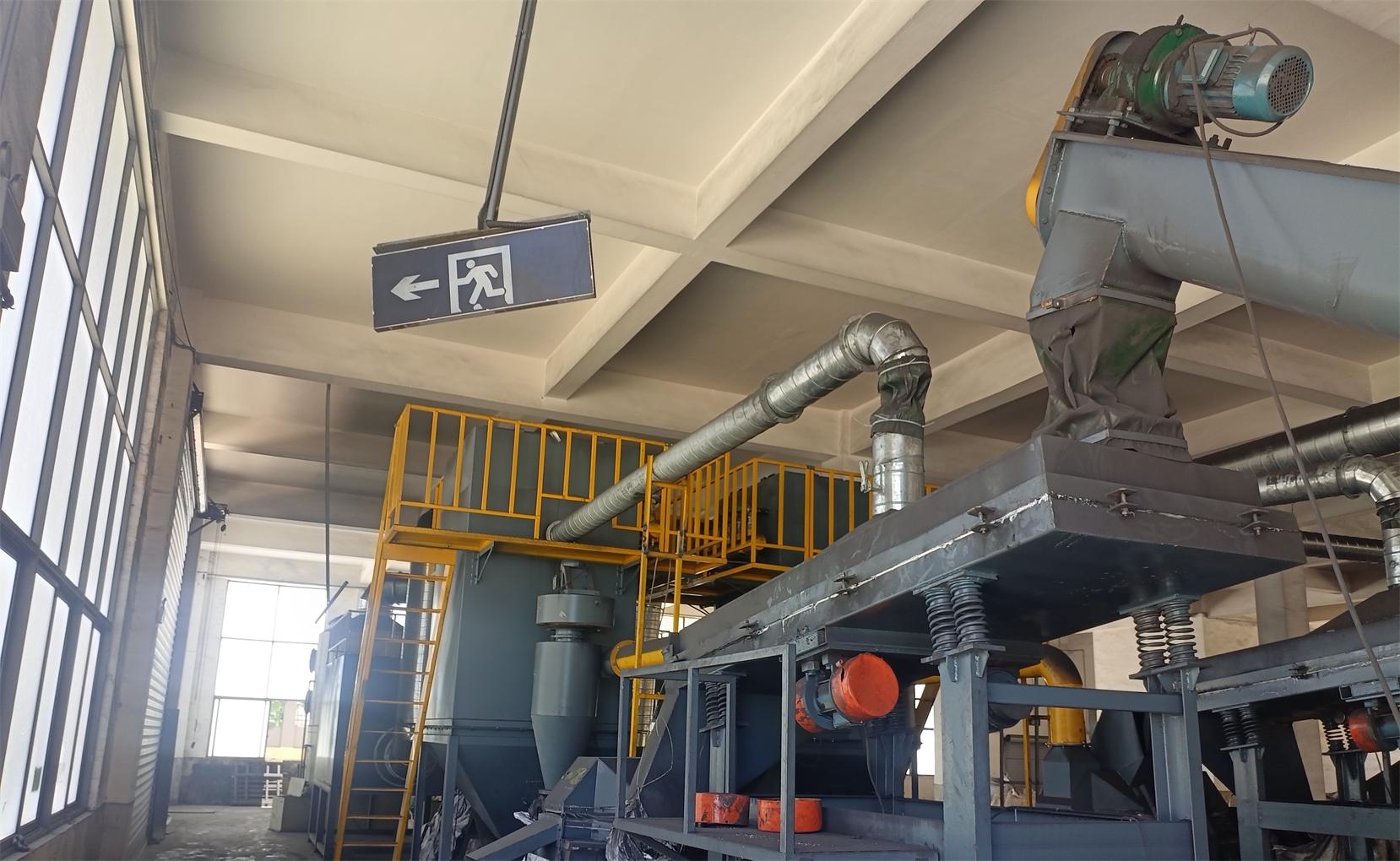
Dry separation systems use air classifiers and vibrating screens to separate metal from insulation, while wet separation systems use water to achieve higher purity levels. The choice depends on local regulations, available space, and the required copper purity.
Circuit Board Recycling Plants
Printed circuit boards contain copper, precious metals, and reusable plastics. Circuit board recycling equipment uses mechanical shredding combined with air separation, electrostatic separation, or wet metal separation to recover materials without harmful incineration.
Modern systems achieve copper powder purity of 96% to 98% and overall recovery rates around 95%. Plants are available in capacities ranging from 300 kg/hour to 2000 kg/hour or more, with modular designs that allow scaling as your business grows.
What to Look for in a Recycling Equipment Supplier
Not all equipment manufacturers offer the same level of quality and support. Here are the critical factors to evaluate before making a purchase:
- Technical Expertise: Look for a supplier with a dedicated engineering team that has deep experience in mechanical design and recycling processes. A team with advanced degrees and over 15 years of hands-on experience can provide more reliable solutions.
- Turnkey Capability: The best suppliers offer complete EPC (Engineering, Procurement, Construction) services, including customized plant design, equipment installation, commissioning, and operator training.
- Proven International Experience: A supplier with customers across 20 or more countries has demonstrated the ability to meet diverse regulatory, climatic, and operational requirements.
- Environmental Compliance: Ensure the supplier designs plants that meet local and international emission and wastewater standards, including integrated pollution control and water treatment systems.
- After-Sales Support: Long-term success depends on spare parts availability, technical support, and the ability to upgrade or expand your plant as demand grows.
Beyond Equipment: Turnkey Support That Drives Success
Purchasing machinery is only the beginning. Many successful recycling ventures rely on partners who provide end-to-end support beyond the initial sale. Look for suppliers who can assist with sourcing raw materials such as cable scrap, PCB scrap, or used batteries. Some manufacturers also help connect you with buyers for your recovered products, including copper rice, lead ingots, and precious metal concentrates.
If you are seeking investors or financing partners for your recycling plant construction, an experienced supplier with industry contacts can facilitate introductions. Additionally, suppliers offering strategic guidance on business development, cost optimization, and even merger or acquisition opportunities can accelerate your growth trajectory.
Bilingual support in English and Chinese, combined with an understanding of cross-cultural business environments, is especially valuable for international projects where clear communication prevents costly misunderstandings.
Key Takeaways
- The e-waste recycling market is expanding rapidly due to regulation, resource scarcity, and corporate sustainability goals.
- Lead acid batteries, lithium batteries, cables, and circuit boards each require specialized equipment lines with specific capacity and purity targets.
- Selecting a supplier with deep engineering expertise, international project experience, and comprehensive turnkey services reduces risk and accelerates return on investment.
- Value-added services such as raw material sourcing, product sales assistance, and investor introductions can make the difference between a plant that survives and one that thrives.
Ready to Build Your Recycling Plant?
San Lan Technologies has been designing and manufacturing WEEE recycling machines and mining equipment since 2007. With a product portfolio covering lead acid battery recycling plants, lithium battery recycling systems, cable granulators, circuit board recovery lines, shredders, and auxiliary equipment, San Lan serves customers in more than 21 countries worldwide.
Whether you need a single machine or a complete turnkey recycling plant, our engineering team is ready to help you design a solution tailored to your feedstock, capacity targets, and budget. Contact us today to discuss your project and receive a customized proposal.
Email: info@san-lan.com | WhatsApp: +86 139 2377 4083 | Website: www.san-lan.com