Introduction: The Regulatory Imperative
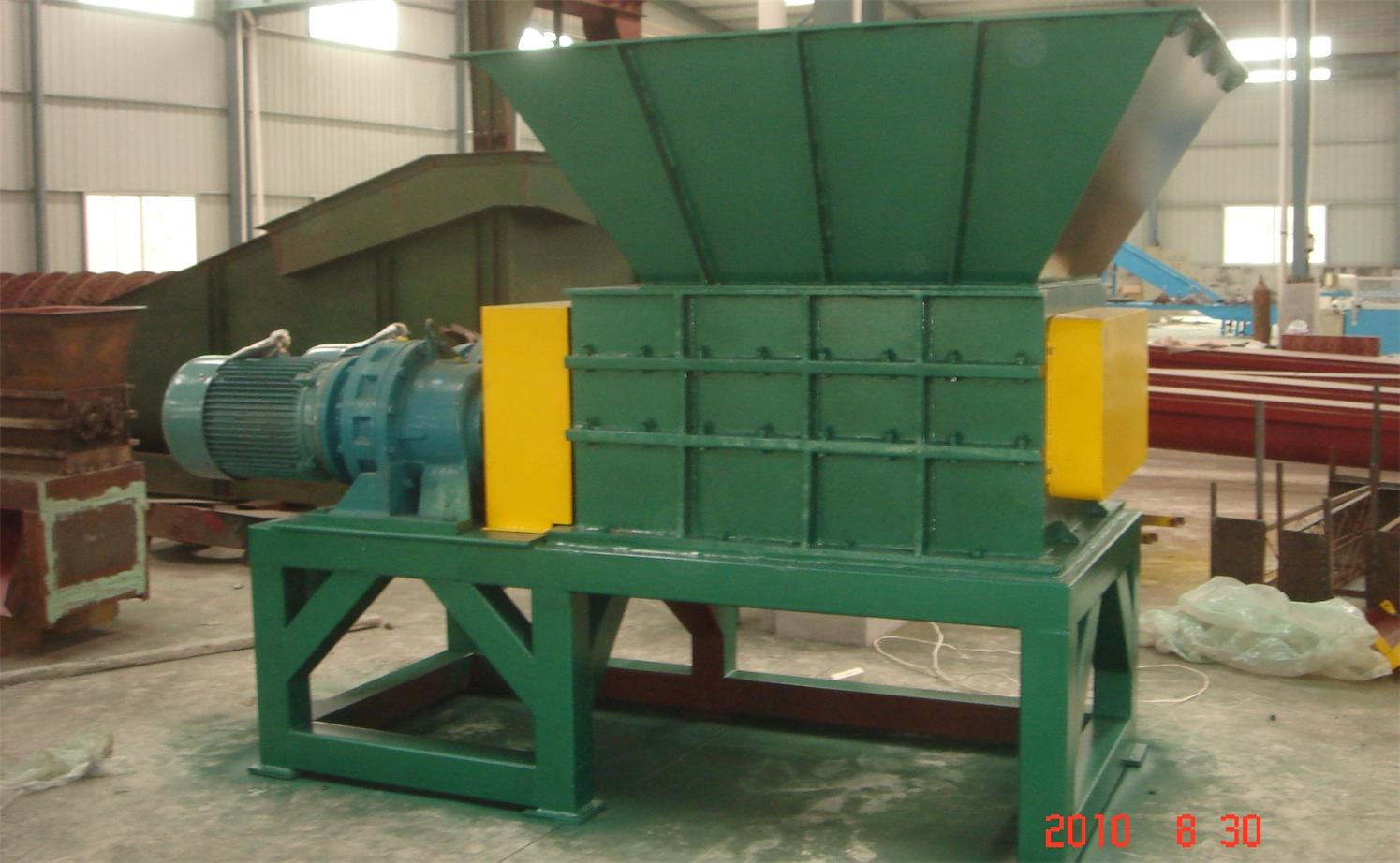
The intersection of environmental protection and technological waste management demands sophisticated compliance frameworks. With cathode ray tube (CRT) devices and Waste Electrical and Electronic Equipment (WEEE) comprising complex hazardous materials, regulatory oversight provides the essential scaffolding for sustainable resource recovery. This comprehensive analysis integrates core principles from environmental compliance frameworks with advanced dismantling methodologies, emphasizing material recovery optimization while satisfying regulatory obligations. The incorporation of specialized crt recycling machine technology represents a critical pathway for achieving both environmental and economic sustainability goals.
Modern regulatory ecosystems operate on multi-layered monitoring principles, combining proactive facility oversight with data-driven enforcement mechanisms. At their foundation lies the compliance monitoring lifecycle: strategic program development, on-site evaluations, documentation reviews, and systemic analysis of compliance patterns across industrial sectors. This framework creates the necessary accountability structures for safe WEEE processing.
Structural Framework for Compliance Monitoring
On-Site Inspection Protocols
Comprehensive facility inspections form the operational core of compliance verification. These systematic evaluations involve multi-phase protocols:
- Pre-inspection intelligence gathering through facility history analysis
- Multi-media assessment covering air, water, and material handling systems
- Technical interviews with operational personnel across management tiers
- Forensic review of manifests, processing logs, and waste tracking documents
- Strategic sampling of process outputs and environmental vectors
Compliance Evaluation Taxonomy
Regulatory agencies employ stratified evaluation approaches:
Full Compliance Evaluation (FCE)
Exhaustive facility-wide assessment examining all regulated pollutants, emission control systems, operating parameters, and sustainability metrics
Partial Compliance Evaluation (PCE)
Targeted assessment of specific compliance dimensions, often used for:
- Annual review supplementation
- Problem-specific investigations
- Emerging concern validation
Advanced CRT/WEEE Processing Systems
Material Recovery Architecture
Modern CRT/WEEE dismantling incorporates sophisticated separation technologies optimized for maximum resource recovery:
- Stage I: Decontamination Protocols - Safe hazardous material isolation using negative pressure enclosures with HEPA filtration to contain lead dust and phosphor powders
- Stage II: Precision Disassembly - Computer-guided tooling systems for component liberation and segregation
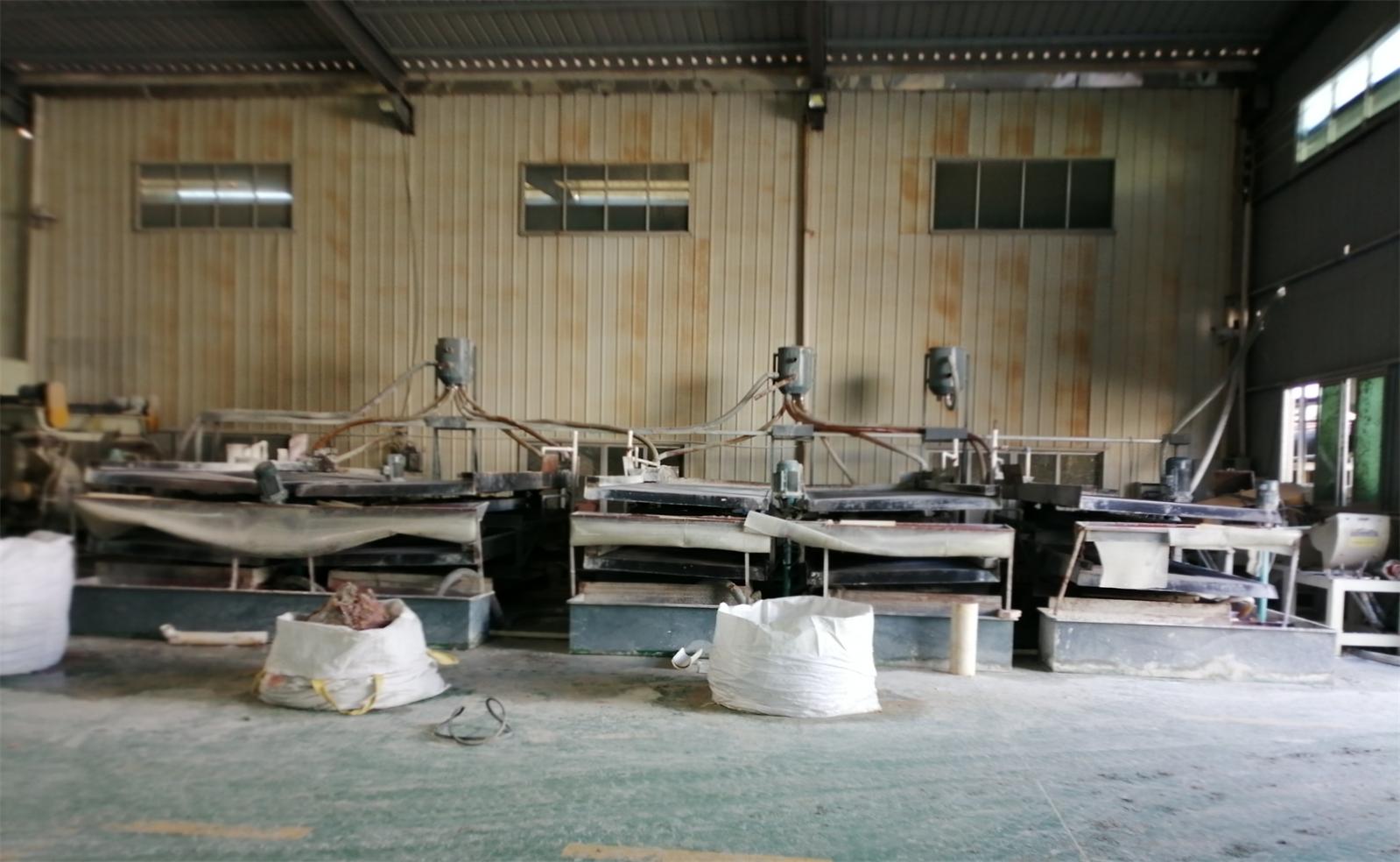
- Stage III: Multi-phase Separation - Combining density separation, electrostatic concentration, and eddy current systems for material purification
This systematic approach enables recovery rates exceeding 98% for critical materials while maintaining compliance with emissions standards. The integration of crt recycling separation equipment has revolutionized recovery economics, making CRT processing financially viable without environmental compromise.
Emissions Control Framework
Advanced facilities implement comprehensive emission control systems:
- Real-time particulate matter monitoring with automated process adjustment
- Tiered filtration cascades combining pre-filtration, HEPA, and activated carbon systems
- Closed-loop water systems for zero liquid discharge compliance
- Continuous emission monitoring with telemetric reporting to regulatory agencies
Performance Metrics
Average lead containment efficiency: 99.87%
Particulate matter (PM2.5) emissions: < 0.8 mg/m³
Resource recovery index: 97.2% material diversion from landfill
Strategic Compliance Management Systems
Integration Strategies for Processing Systems
Precision Dismantling Modules
Automated systems for component liberation incorporating:
- Vision-guided robotic disassembly arms
- Non-destructive separation techniques
- Component classification databases
- Hazard containment chambers
Material Separation Systems
Multi-stage concentration technologies including:
- Cryogenic liberation processes
- Electrostatic separation matrices
- Hydrometallurgical extraction circuits
- Sensor-based sorting technology
Emission Control Infrastructure
Comprehensive environmental controls integrating:
- Real-time air quality monitoring networks
- Advanced filtration cascades
- Wastewater recovery systems
- Secondary containment architecture
System Performance Metrics
Regulatory Alignment Strategy
New Facility Compliance Protocols
The EPA's new owner policy creates strategic opportunities for compliance optimization. This approach encourages:
- "Clean start" audits within acquisition frameworks
- Preventative engineering design integration
- Compliance gap analysis during transition periods
- Voluntary disclosure programs for legacy issues
Continuous Improvement Framework
Progressive facilities implement compliance enhancement cycles:
- Baseline compliance assessment
- Technology gap analysis
- Preventative procedure development
- Third-party verification protocols
- Performance certification
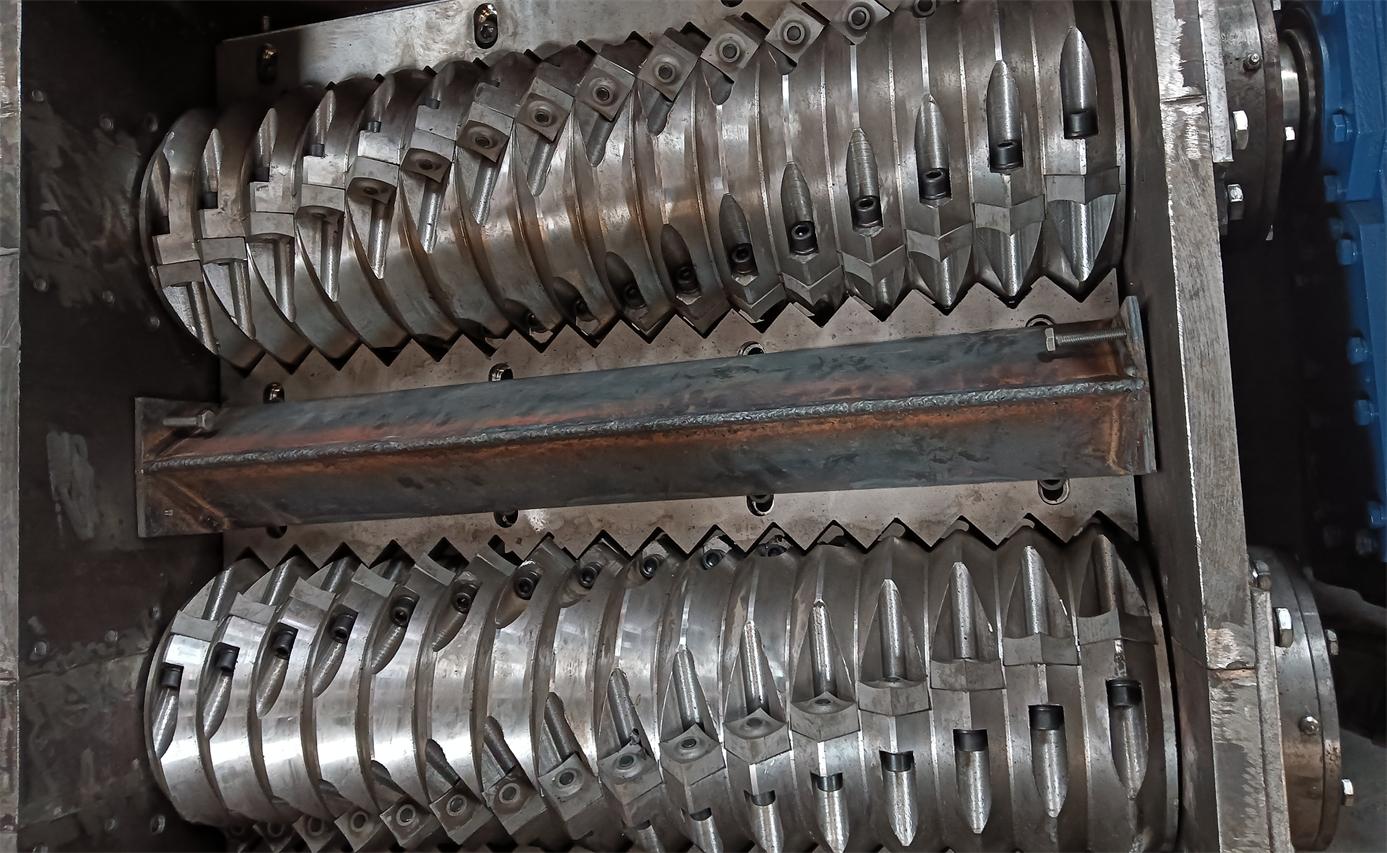
This framework establishes the foundation for operational excellence while anticipating regulatory evolution. The selection of appropriate metal shredding machine china technology represents an important strategic decision within this compliance continuum.
Comprehensive Compliance Management Systems
Economic and Environmental Sustainability Integration
Value Recovery Optimization
Modern CRT/WEEE processing facilities integrate resource recovery economics with compliance management through:
- Material stream segregation protocols maximizing recovery values
- Chemical-grade refinement systems for critical minerals
- Component reuse certification programs
- Secondary material quality assurance systems
Copper Recovery Economics - Advanced CRT systems achieve copper recovery rates of 99.3% at commercial purity levels exceeding 99.95%
This economic framework transforms compliance from a cost center to value generator, creating sustainable business models for environmentally responsible resource recovery. Facilities incorporating copper granulator machine technology demonstrate how technical excellence aligns with economic viability.
Compliance Value Matrix
| Dimension | Conventional | Integrated |
|---|---|---|
| Regulatory Strategy | Compliance-focused | Value optimization |
| Technology Selection | Compliance minimum | Performance leadership |
| Reporting Systems | Documentation | Strategic intelligence |
| Material Streams | Volume-based | Value-engineered |
| Personnel Investment | Task certification | Capability development |
Future Evolution of Compliance Frameworks
Regulatory ecosystems are evolving toward technology-enabled compliance verification that moves beyond conventional inspection models. Emerging approaches incorporate:
- Continuous Emissions Monitoring Networks - IoT sensor arrays providing real-time compliance validation with telemetric reporting directly to regulatory agencies
- Digital Material Passports - Blockchain-enabled tracking systems documenting material provenance, processing history, and compliance verification
- Predictive Compliance Analytics - Machine learning algorithms identifying potential compliance deviations before regulatory thresholds are exceeded
- Automated Self-Assessment Protocols - Regulatory-approved software platforms for continuous compliance verification
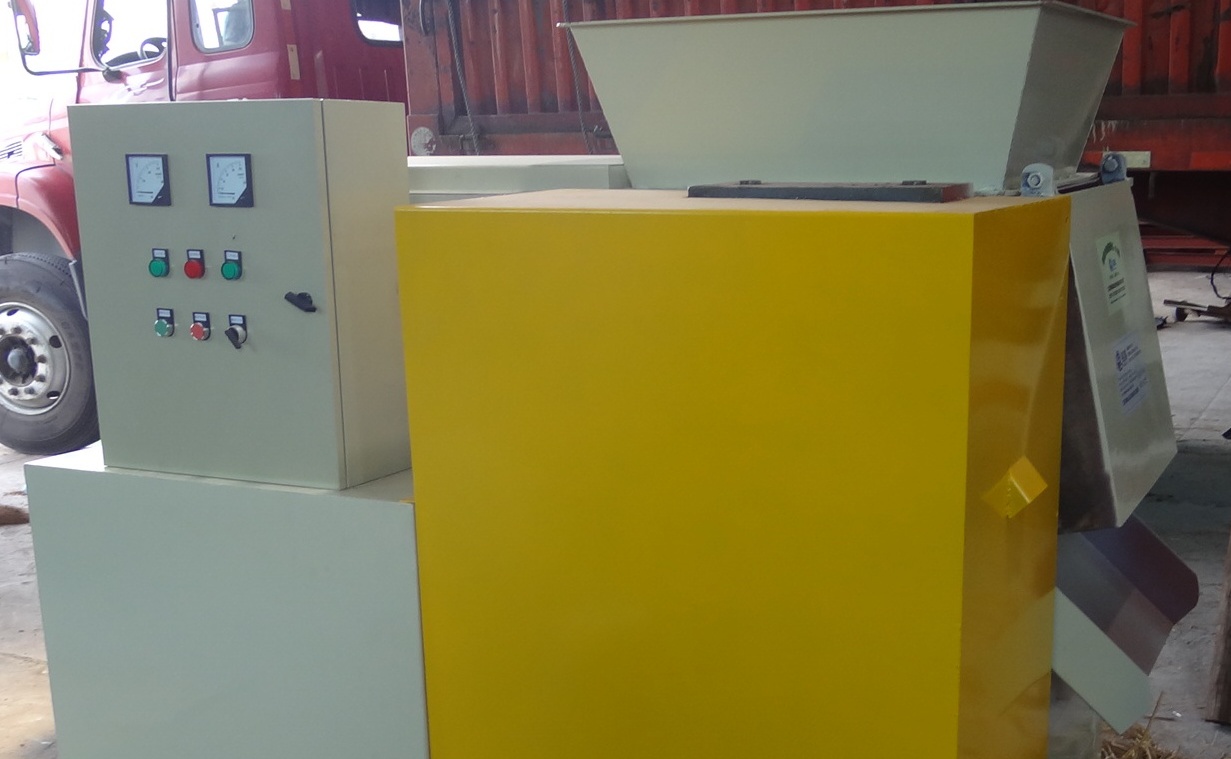
This evolution creates opportunities for facility operators to demonstrate environmental excellence beyond regulatory requirements. Integrating used tv recycling machine technology with these emerging compliance frameworks represents the cutting edge of sustainable resource recovery.
Conclusion: Integrated Resource Stewardship
The successful integration of CRT and WEEE dismantling operations within rigorous environmental compliance frameworks represents a model for sustainable resource recovery in the circular economy. By aligning operational systems with regulatory oversight mechanisms, responsible facilities achieve multiple objectives:
- Environmental protection through robust containment systems and emissions controls
- Resource conservation through advanced material recovery technologies
- Regulatory compliance via systematic monitoring and verification protocols
- Economic sustainability through value-engineered resource streams
The harmonization of these objectives establishes a new paradigm for electronic waste processing - transforming environmental compliance from regulatory obligation to strategic advantage. As processing technologies such as refrigerator recycling machine systems continue to evolve, they create increasingly sophisticated platforms for achieving these integrated sustainability goals while meeting the expanding requirements of global regulatory frameworks.