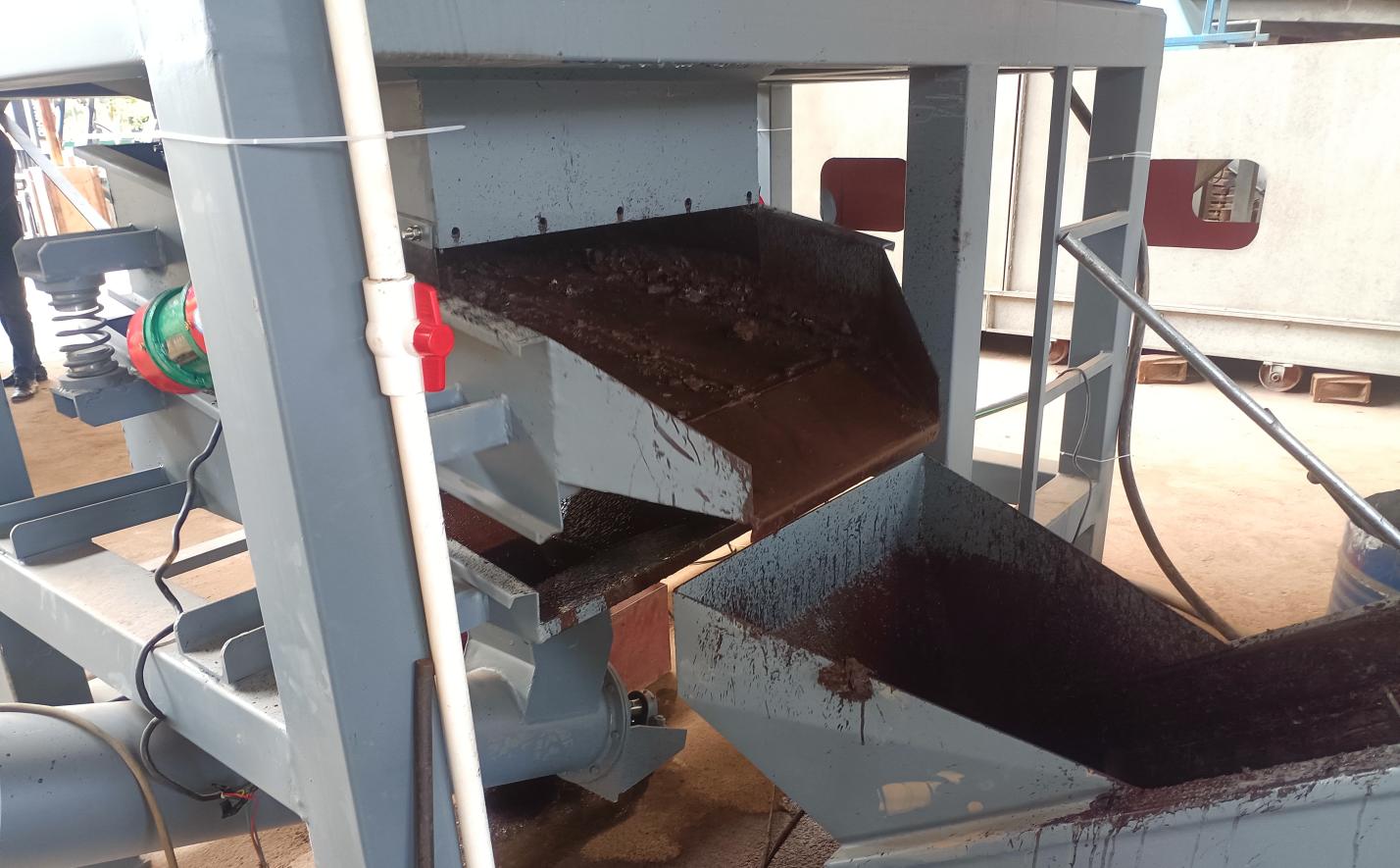
Why CRT Recycling Isn't Just About Machines—It's About People Too
Ever wonder what happens to that bulky old television your grandpa cherished? Or the ancient monitor gathering dust in your attic? These relics aren’t just forgotten eyesores—they’re ticking time bombs waiting to leak lead and other toxins into our soil and water. We’re not talking hypotheticals here. In the U.S. alone, over 100 million CRTs (cathode ray tubes) linger in landfills or warehouses, haunting our environmental future like ghost stories nobody wants to tell.
Every minute we delay proper CRT recycling feels like watching an environmental tragedy unfold in slow motion.
But here’s where it gets deeply human. When I first visited a CRT recycling facility in Ohio, I didn’t expect to see workers treating each monitor like fragile history. Carlos, a team lead, told me quietly: "These machines hold more than glass—they hold memories." We've got to remember that behind every toxic component we dismantle, there’s a family photo, a graduation celebration, maybe a last goodbye.
The Heartbeat of CRT Recycling: Size Planning That Makes Sense
Planning your CRT recycling setup isn’t like assembling IKEA furniture. It’s closer to orchestrating a surgical theater—precision matters deeply. Miss a detail, and you compromise worker safety or the entire operation. So, let’s talk essentials:
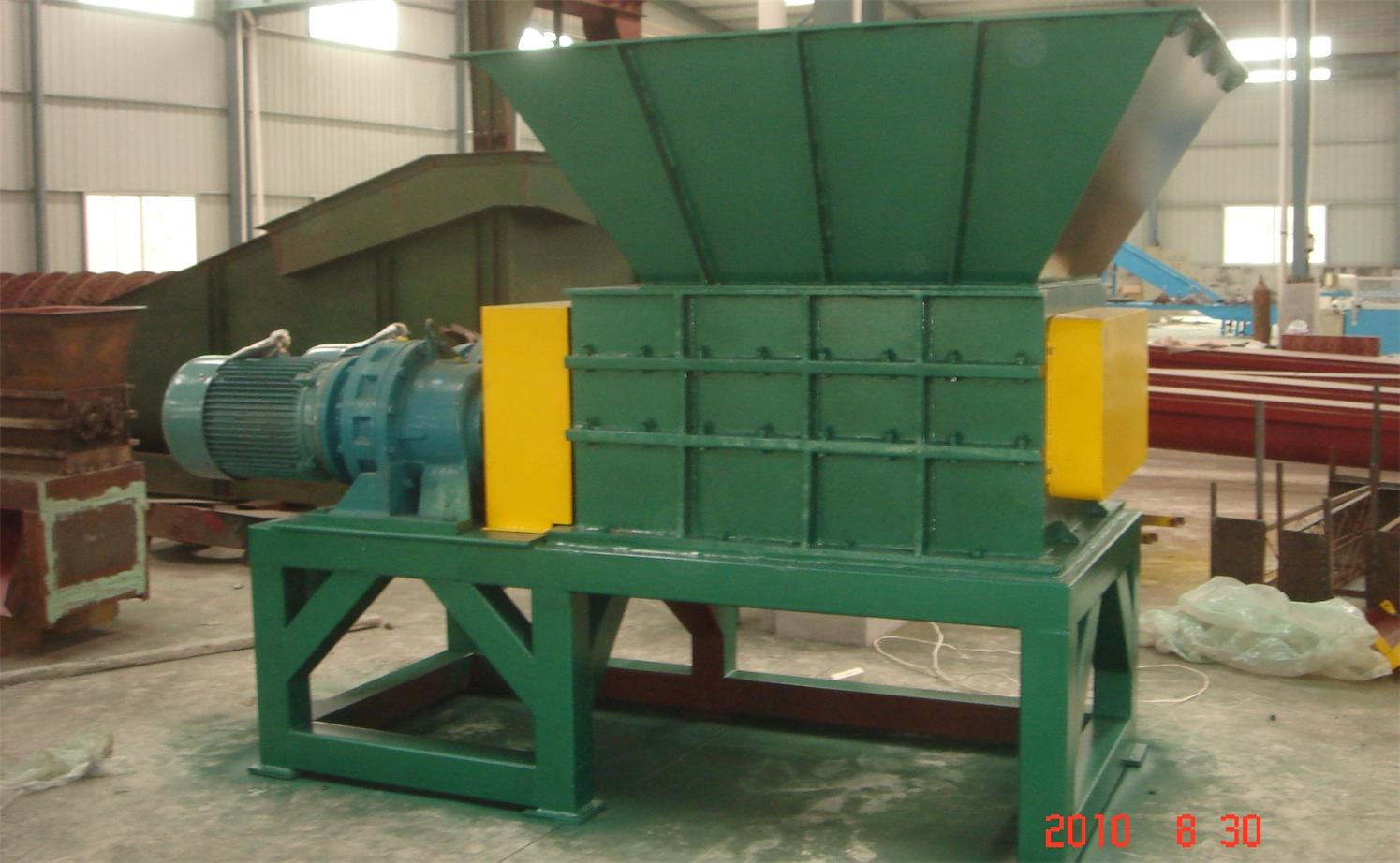
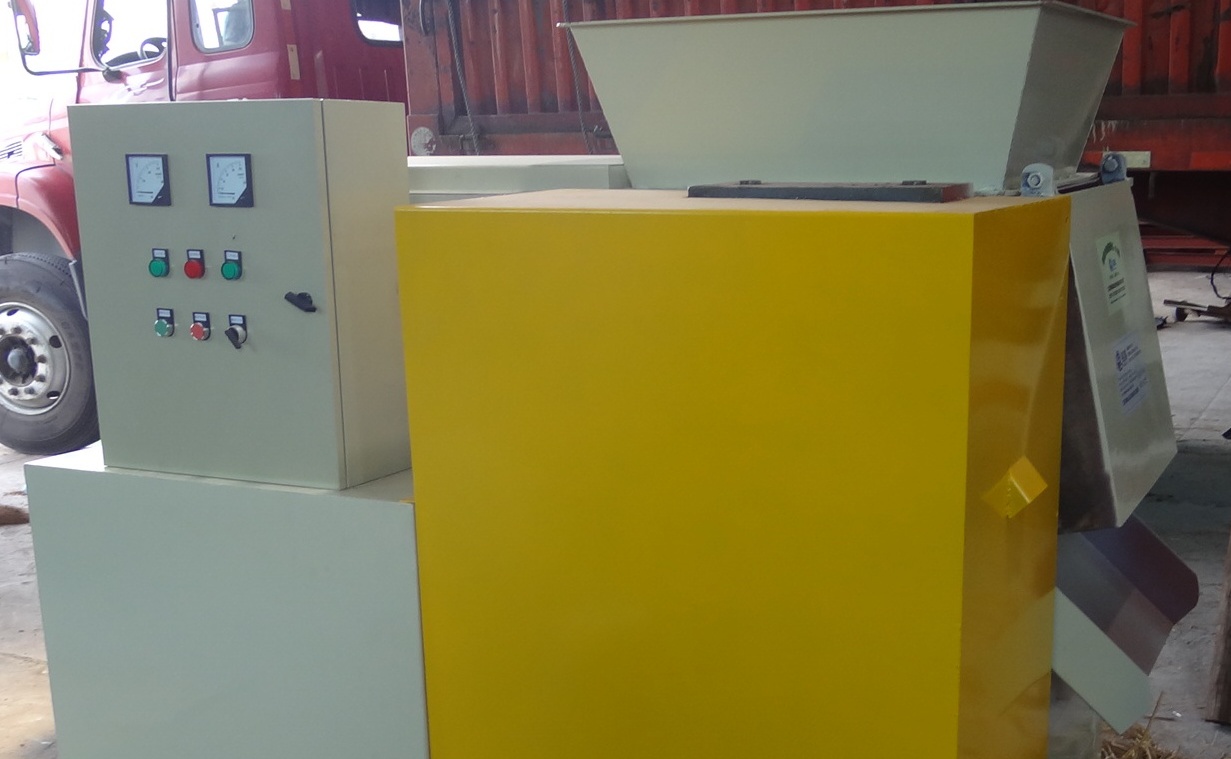
1. Understand Your Scale : Are you handling a local community drop-off point or a regional hub? There’s a world of difference. Small facilities (processing <2,000 units/month) can work with modular crt recycling machines (yes, one of our vital keywords surfaces organically here). Bigger plants? They need industrial-scale tech that sings loud and strong.
Truth bomb : I’ve seen operators make the mistake of cramming oversized equipment into tiny warehouses. It’s like trying to park a cargo ship in a backyard pond—you end up flooding the neighborhood.
2. Equipment Footprint Matrix : Picture this:
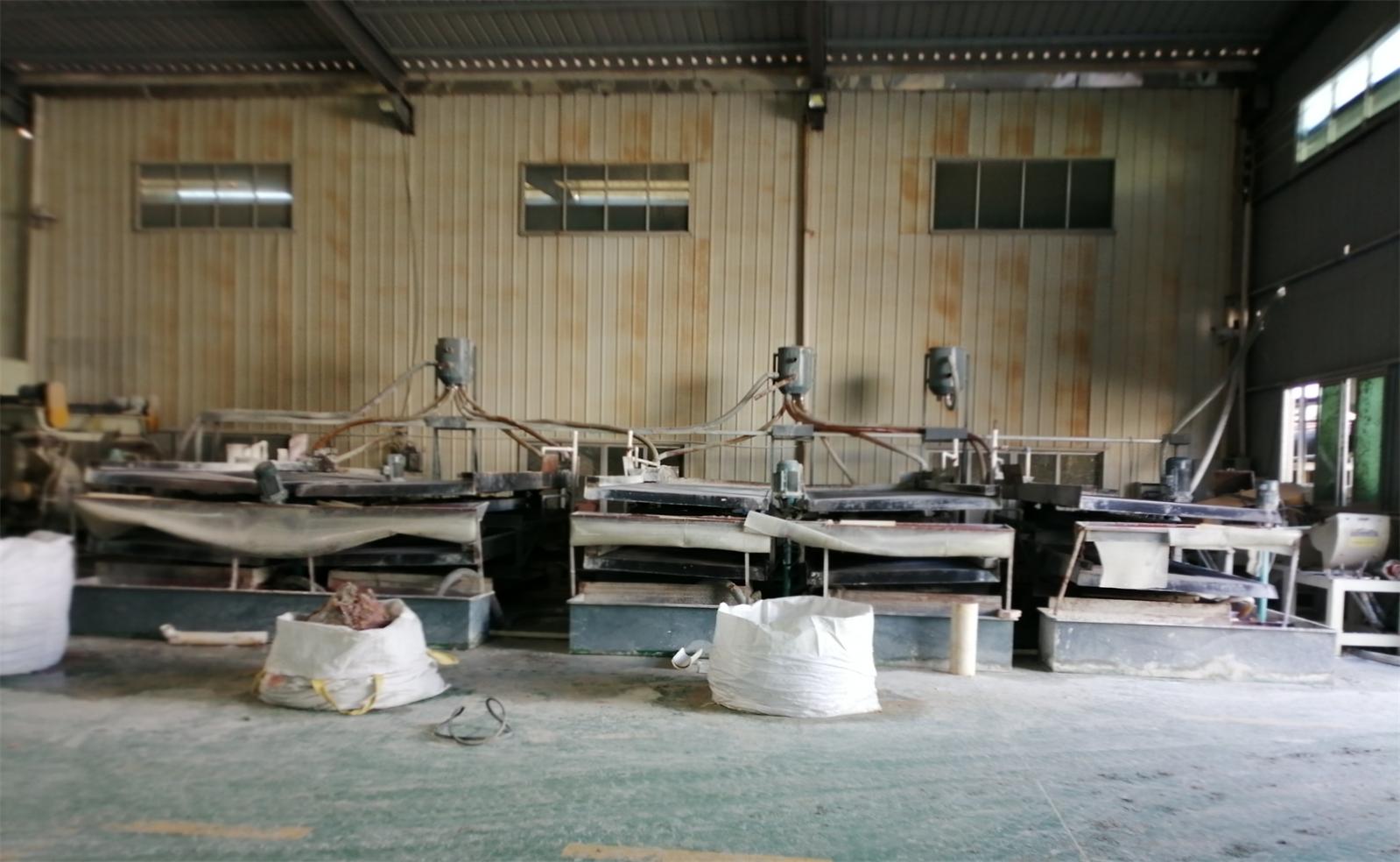
- Basic separator modules: 15x10 ft
- Lead recovery units: 20x12 ft
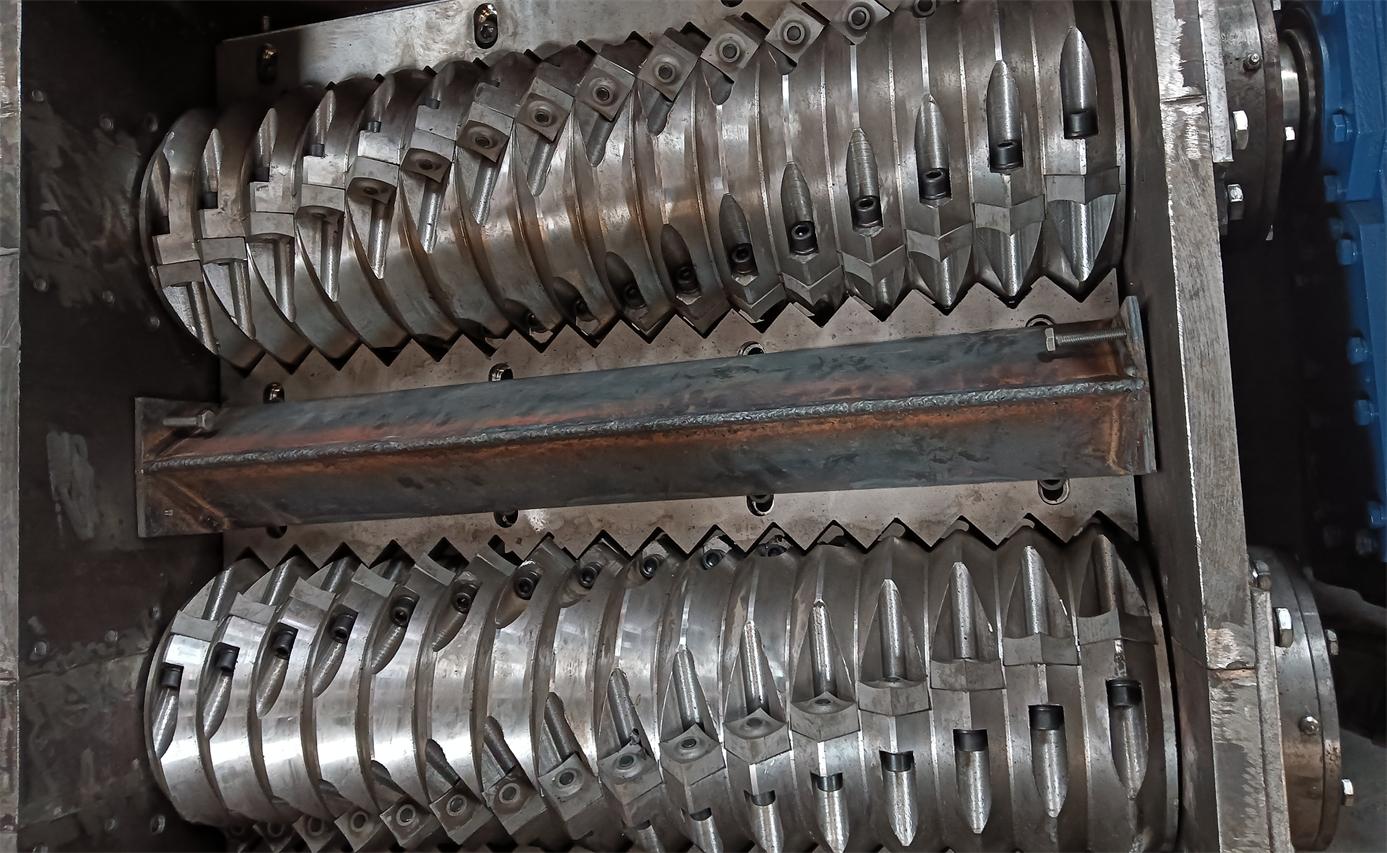
- Glass crushers: 10x8 ft
Add at least 3 ft walkways between each—workers aren’t contortionists.
3. Flexibility Over Rigidity : CRTs come in many shapes and sizes. That bulky 1990s Zenith monitor needs space to breathe while being dismantled. Remember Jenny from Colorado? She retrofitted her setup with movable stations after a near-collision between a conveyor belt and glass shredder. Lesson learned: Build like jazz—ready to improvise.
Layout Magic: Where Safety Hugs Efficiency
Nobody wakes up dreaming about warehouse blueprints. But they should. Because when toxic dust drifts into an unwarned worker's breathing space, dreams vaporize. Here's what keeps recycling teams safe and spirits high:
Zoning Philosophy : Imagine four neighborhoods:
- Intake Haven —CRTs arrive; workers inspect for damage
- Deconstruction City —Manual dismantling with ergonomic stations
- Automation Valley — crt recycling machines do heavy lifting
- Material Heaven —Sorted glass/lead/tin ready for reuse
My friend, Maria, runs a facility in Madrid: "In our layout, we positioned deconstruction zones facing east. Morning light streams in like optimism—workers feel respected, not hidden."
Ventilation Matters Emotionally : Proper airflow isn’t just OSHA compliance—it tells workers they’re valued. After Tony in Detroit shared how clean air reduced his migraines, morale lifted like balloons. Build for breath, not bureaucracy.
Machines Are Partners, Not Overlords
There’s a myth that tech replaces humanity. Not true. Take modern glass pulverizers—they hum along like zen poets. When paired with intuitive monitoring systems, they create space for workers to engage deeply.
And then there’s the automation debate…
⚙️ The right balance? Machines handle hazardous steps; humans infuse creativity into problem-solving. I’ll never forget when Javier reprogrammed a conveyor glitch during a holiday rush—workers hugged him like a rockstar.
Our Planet’s Heartbeat—You’re Holding the Stethoscope
This work isn’t just jobs and logistics—it’s legacy building. Remember little Lake Erie in the 1970s? Declared "dead" from industrial pollution? CRT chemicals could make it happen again. But facilities planned ethically—like Lisa’s in Toronto—are turning the tide. They’ve diverted 500 tons of lead from groundwater since 2022. That’s love in action.
Tomorrow Starts Now: Planning For What’s Next
CRTs won’t disappear overnight. Nor should they. But regulations will tighten, materials will evolve. So, design buffer zones and modular upgrades into your layout. Like planting seeds you might never sit under—but your grandkids will.
Final truth: Nobody ever regret giving workers more safety or machines more breathing room. They regret the opposite deeply.
Our commitment to CRT recycling whispers to the future:
"What we broke, we'll heal."