If you're shipping CRT recycling machinery overseas, nothing stops momentum faster than customs clearance hiccups. This guide gives you a field-tested document checklist to sail through sea customs without turbulence.
Tip:
Always start preparing your documents 30 days before shipment. Customs clearance isn't where you want surprises.
1. Core Paperwork Triad
These three documents form the backbone of your shipment. Miss one and your CRT equipment will be stuck at port.
Commercial Invoice
Your
CRT recycling machine's financial fingerprint showing itemized costs, HS codes, and terms of sale. Customs needs this to calculate duties and verify declared value against goods.
Bill of Lading
The contract between you and the shipping carrier proving ownership transfer. Triple-check vessel details, port codes, and notify parties. For heavy
e-waste recycling equipment, request "HEAVY LIFT" notations.
Packing Declaration
Documentation of how the
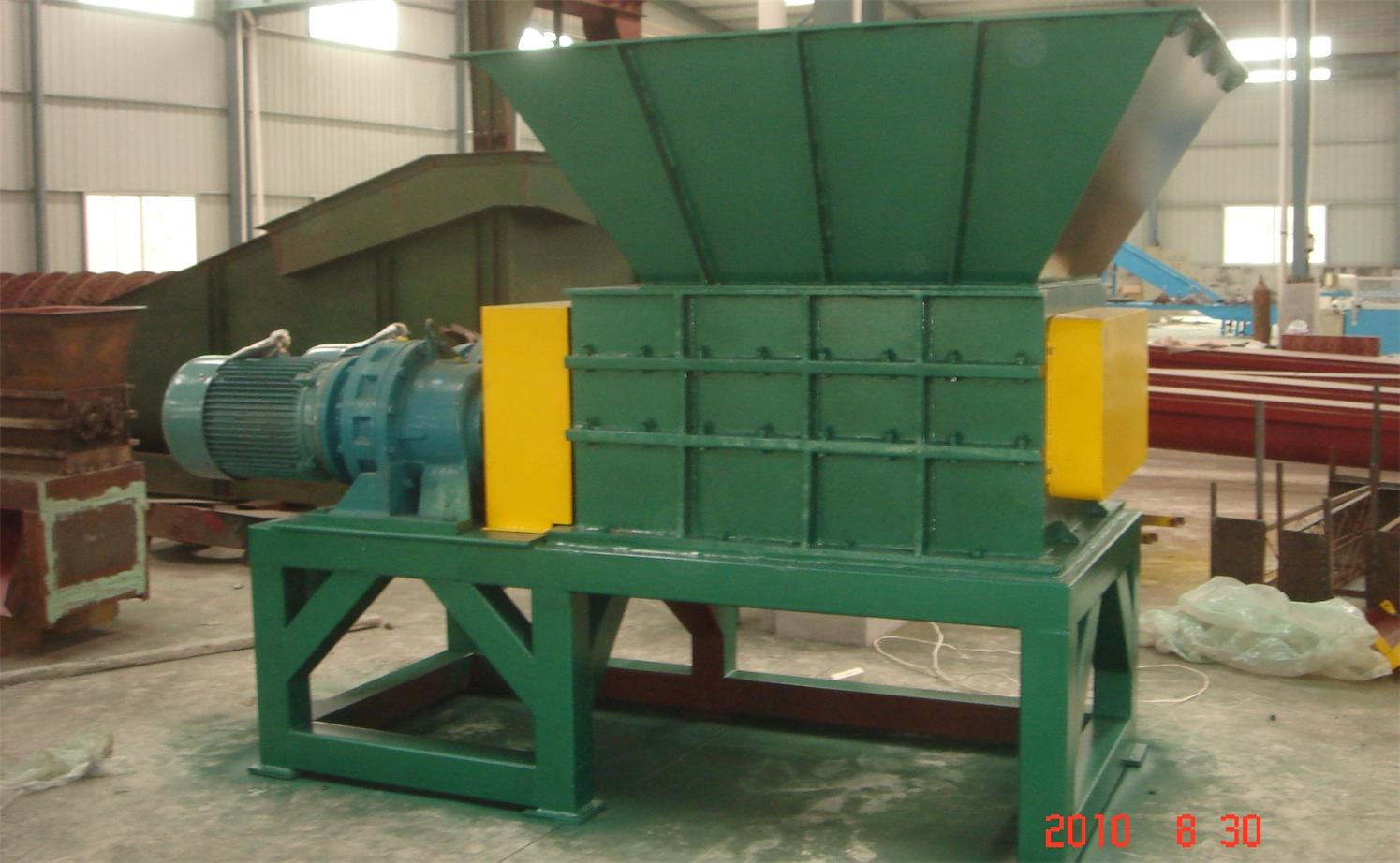
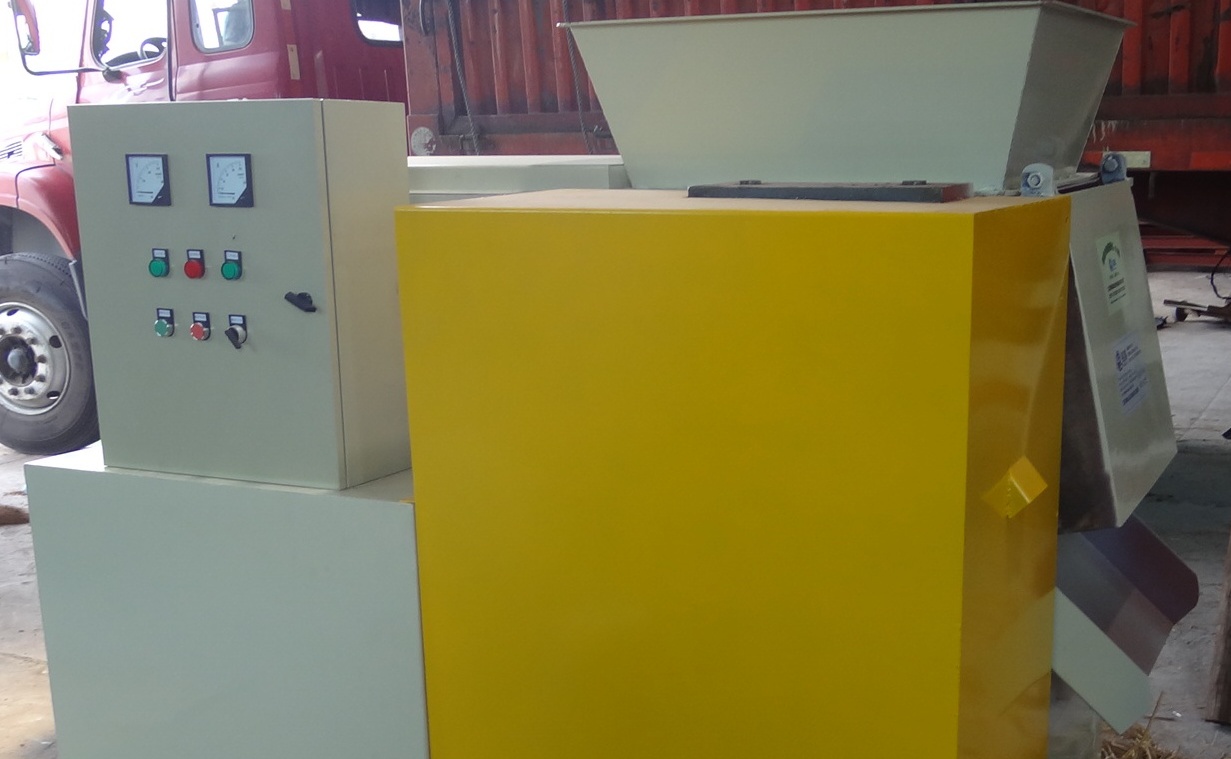
CRT recycling machine
was packed including pallet specs and weight distribution. Customs inspectors review this to determine special handling needs.
2. Compliance & Certification Essentials
CRT machines face extra scrutiny due to hazardous components. Have these ready before vessel departure.
Certificate of Conformity
Independent lab testing documents showing lead content compliance and safety certifications. Some countries require testing less than 90 days old.
E-Waste Handling Declaration
Letter detailing safety protocols for processing leaded glass and toxic components of CRT monitors. Customs authorities want reassurance about contamination risks.
Material Safety Data Sheets
Physical copies for all chemicals used in the recycling process. Even trace amounts of solvents require documentation.
Watch Point:
Many countries now require RoHS recertification at customs even with prior certifications. Budget time for on-site verification.
3. Customs-Specific Documentation
Country-specific forms that grease the customs clearance wheels. Neglect these at your peril.
Import License or PERMITT
CRT recycling machines often require special environmental import permits. Application lead times vary wildly - Indonesia takes 60+ days!
Country of Origin Declaration
Signed affidavit confirming manufacturing origin with business registration proof. Some ports demand chamber of commerce certification.
Duty Exemption Forms
Documents claiming tax breaks for green technology importers. Prepare supporting environmental impact studies showing how your
e-waste recycling equipment reduces landfill.
4. The Logistics & Insurance Paper Trail
Documents that protect your shipment in transit and guarantee hassle-free port processing.
Cargo Insurance Certificate
Policy covering specialized machinery with "All Risk" marine coverage. Standard insurance won't cover CRT glass breakage during rolling seas.
Dangerous Goods Declaration
Required if recycling equipment contains batteries or compressed gases. Must include IMO hazard class details and emergency contacts.
Terminal Handling Receipts
Port documentation confirming your CRT equipment cleared terminal security screening. Keep copies accessible during shipment tracking.
Pro Tip:
Create digital replicas of all documents in cloud storage. Hard copies can get lost in port chaos. QR code them for quick scanning.
5. Post-Clearance Documentation
Documents to secure after customs release to prevent future shipment headaches.
Customs Release Notice
The golden ticket showing duties paid and clearance granted. File with shipment records for future VAT recovery claims.
Entry Summary Declaration
Customs filing proving compliance. Crucial for establishing audit trails during regulatory inspections.
Duty Payment Receipts
Proof of all tariffs paid. These become vital during end-of-year tax reconciliations.
Why This Document Rigor Matters
Customs officials see thousands of shipments weekly. Your documentation is the ambassador representing your CRT recycling machine. Complete paperwork signals:
-
Professionalism that builds trust with inspectors
-
Compliance foresight that avoids port detention fees ($200/day average)
-
Supply chain maturity that attracts enterprise buyers
Investing in perfect documentation transforms customs from a barrier into a competitive advantage for your e-waste recycling equipment business.