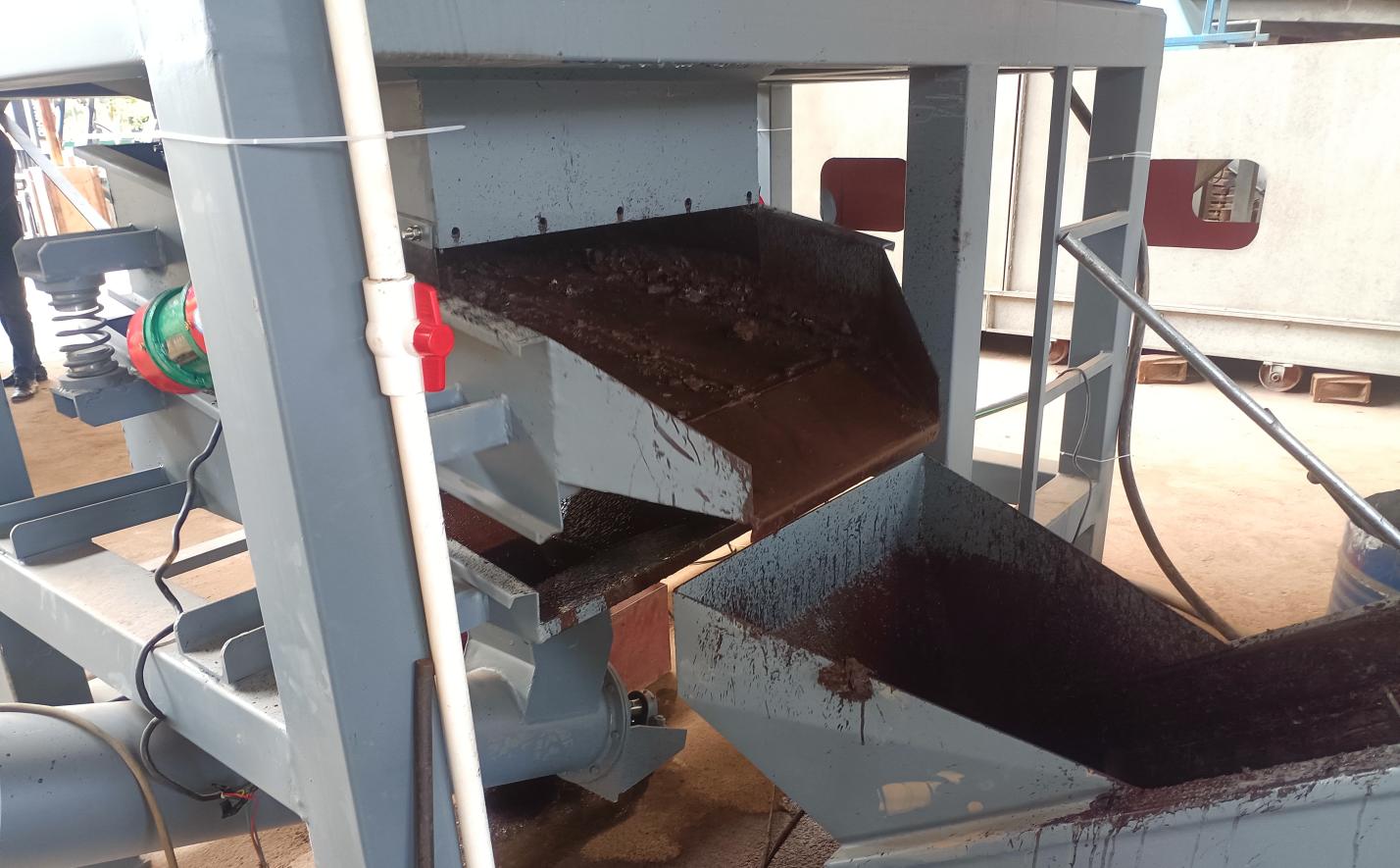
The Unseen Powerhouse Transforming Waste into Worth
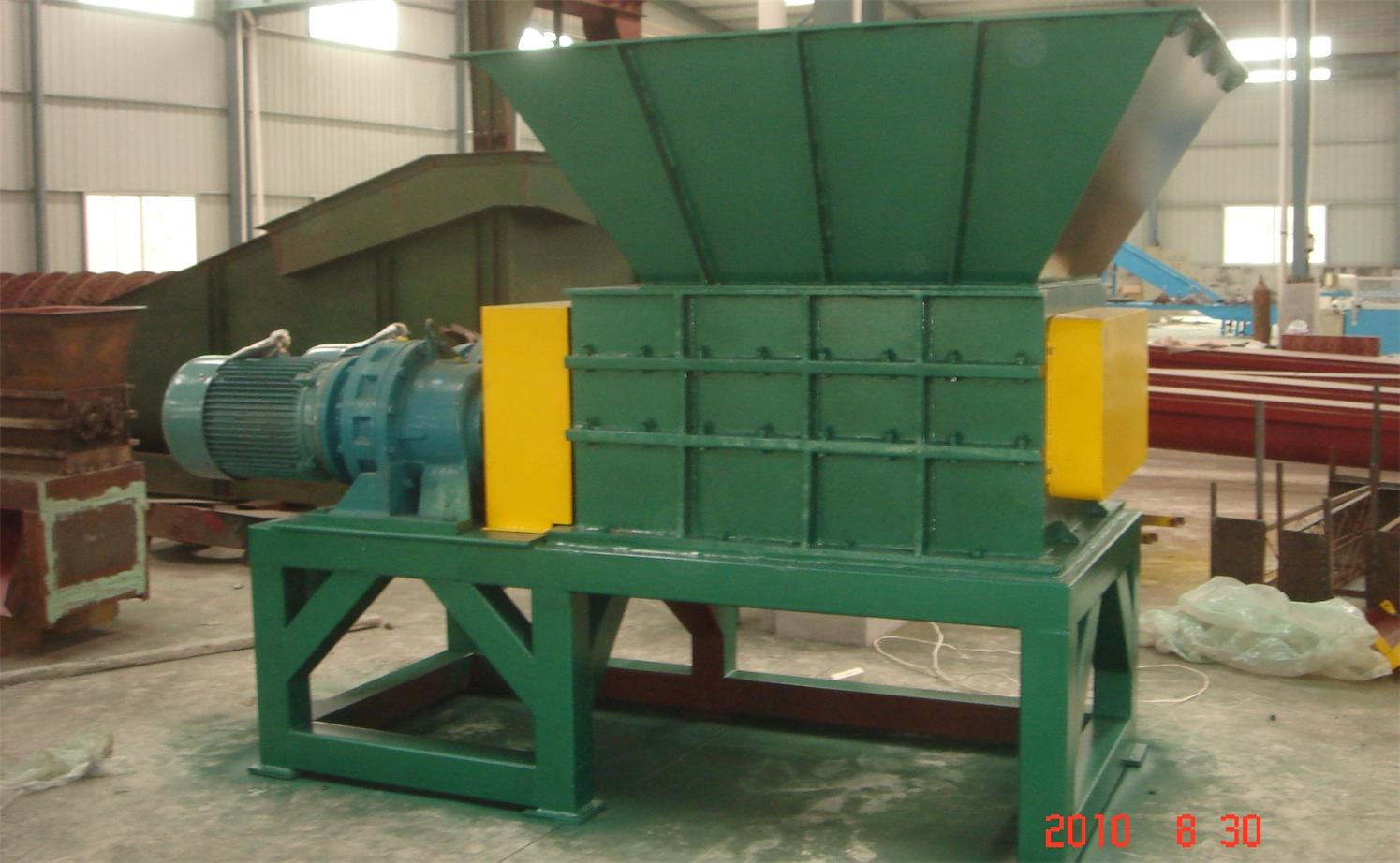
Ever wonder what happens when that trusty car battery finally gives its last spark? That hunk of lead, acid, and plastic doesn't just vanish into thin air. Instead, it embarks on a transformative journey, one that begins with a dramatic showdown with a mechanical titan: the battery crusher. And here's something that might surprise you – how these machines crush matters just as much as what they crush.
It feels almost personal, doesn't it? Watching these compact powerhouses meet their destiny under immense forces. There's something emotional about destruction that gives way to rebirth. The crushing phase in battery recycling isn't just about brute force; it's about precision, responsibility, and a profound respect for the materials that powered our lives.
These recycling machines are the unsung heroes of sustainable energy. They take what society discards and systematically break it down – literally and figuratively – into components we can use again. The crushing force isn't just physical pressure; it's the driving force behind a cleaner, more responsible relationship with our planet's resources.
Let's peel back the layers on what "crushing" really means in this industrial ballet. It's not just about flattening objects – that's what happens when your teenager sits on your phone. In mechanical terms, crushing transforms material through compression, shearing, and attrition. It's a carefully orchestrated dismantling.
The process reminds me of that precise moment when you bite into a perfectly crisp apple. There's a resistance, then a clean break, followed by the sweet payoff. Battery crushing follows the same script but on an industrial scale:
Resistance: When batteries first enter the crushing chamber, they push back. Intact cases resist deformation.
Yielding: At specific pressure thresholds (typically 500-3000 PSI), casings fracture like glass under a diamond tip.
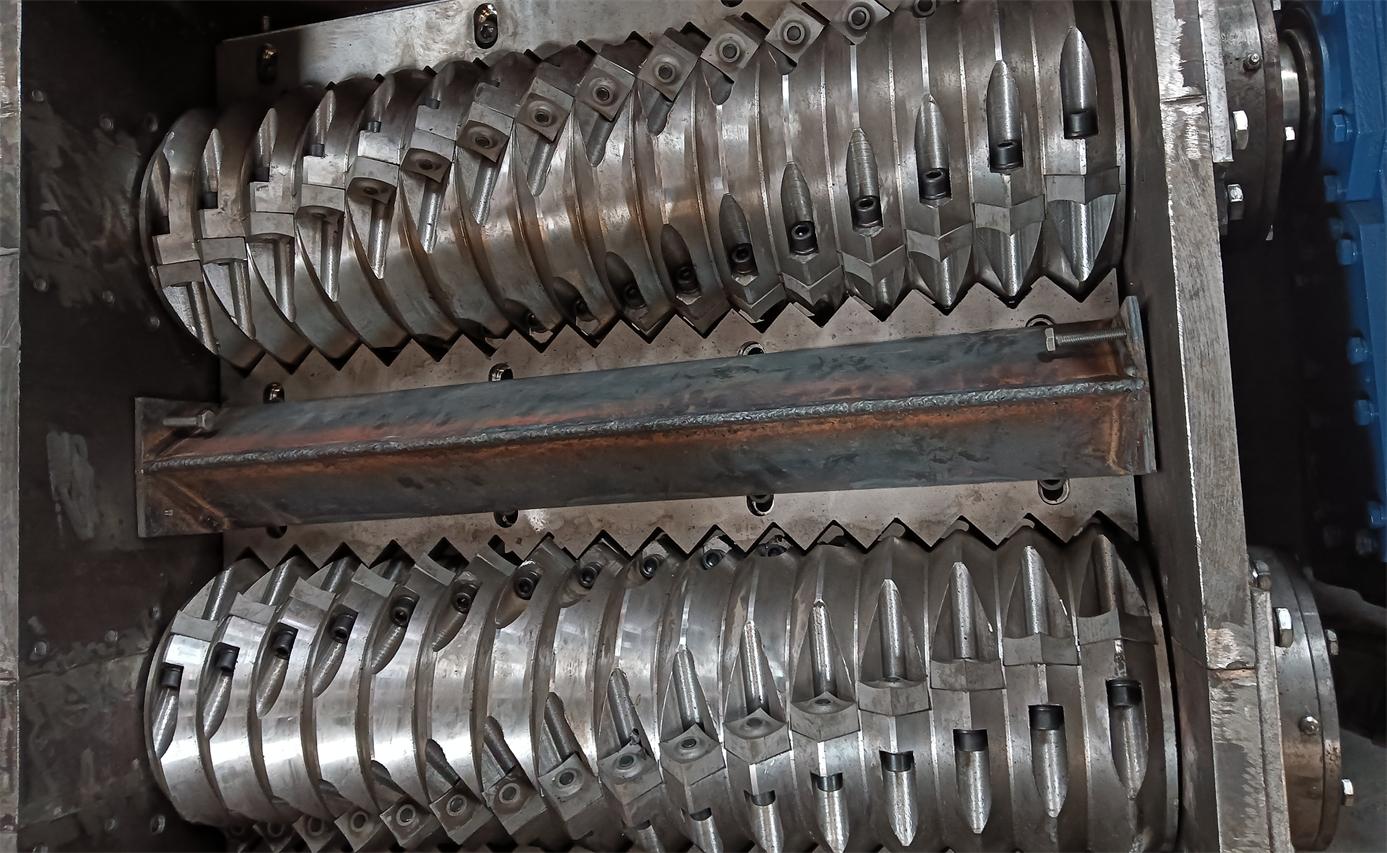
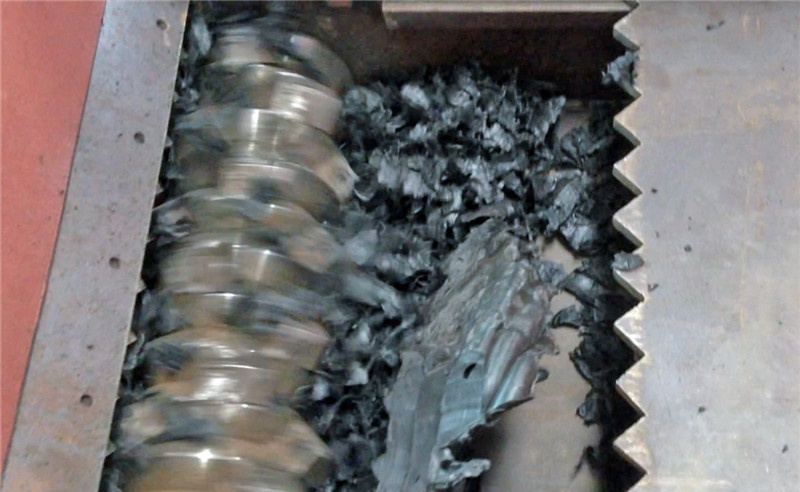
Fragmentation: Components separate into distinct material streams – lead plates shatter, acid pools, plastic shreds.
Liberation: Valuable materials become free from their composite prison, ready for purification.
What's remarkable is how these machines turn violent forces into precise separation. Picture a surgeon's scalpel rather than a sledgehammer. And the magic comes down to two fundamental parameters: crushing force and machine capacity.
We've all heard the phrase "putting the pressure on." For lead-acid battery recyclers, pressure isn't a metaphor – it's carefully calibrated science. Crushing force represents the compressive strength applied to batteries, measured in tons or megaPascals (MPa). But raw power alone won't win this battle.
Think about opening a walnut. Too little force and you're left frustrated, nut intact. Too much, and you'll pulverize both shell and treasure inside. Battery crushing requires that same Goldilocks principle – just enough force to break the casing while leaving valuable components intact for separation.
• Automotive batteries: 150-250 tons
• Industrial batteries: 300-500 tons
• Optimal pressure range: 15-25 MPa
1. Controlled Aggression: Modern crushers incorporate pressure sensors that adjust force in real-time. Think of it as having an internal conscience – the machine constantly asks "Is this enough? Or too much?" That attention prevents over-crushing where materials become irreversibly mixed.
2. Directional Intelligence: Crushing isn't just downward pressure. Advanced systems use multidirectional forces – squeezing from the sides while applying top pressure creates stress points that fracture casings cleanly along designed weaknesses. It's martial arts for machines.
3. Progressive Pressure: Recycling systems rarely use constant force. Instead, they follow a crushing algorithm: initial high-speed closure slows dramatically near peak pressure. This gentler approach increases energy efficiency while reducing explosive fragmentation.
While crushing force gets all the attention, capacity determines a plant's heartbeat. It's measured in tons-per-hour (TPH), but don't be fooled by the simplicity. Like a musician keeping perfect time, capacity is about rhythm and flow.
Capacity isn't just about physical space – it's a dance between mechanical capability and material science. Batteries don't enter recyclers in identical condition. Temperature, age, discharge state, and casing integrity create natural variability that machines must accommodate.
In our experience, the best battery recycling equipment combines adaptive technology with mechanical forgiveness. Automated systems detect battery size and orientation milliseconds before crushing begins, adjusting chamber dimensions accordingly. It's like a host rearranging furniture just before guests arrive – seamless adaptation in real-time.
Capacity Beyond Numbers: True efficiency measures how consistently machines maintain target capacity across all conditions. That 5 TPH rating means little if real-world throughput drops to 2 TPH with actual battery variations.
Preparation Phase: What happens before crushing significantly impacts throughput. Removing battery terminals and draining residual acid often takes longer than the crushing itself. Modern recyclers integrate preprocessing stages directly into the feed system.
Recovery Time: After each crushing cycle, machines need milliseconds to reset. While these seem negligible, across thousands of cycles they compound. Our latest vibration dampeners have recovered 14% throughput efficiency just by reducing chamber reset time.
Size Classification: Crushing doesn't deliver uniform fragments. Oversized pieces require recirculation while fines create separation challenges. Balanced capacity requires managing particle size distribution as much as raw throughput numbers.
The magic happens when crushing force and capacity parameters harmonize. Too often, recyclers prioritize one at the expense of the other – leading to either beautifully crushed materials at glacial speeds, or hastily processed outputs requiring extensive remediation.
Let's get technical for a moment. The relationship follows a logarithmic curve rather than linear progression. Doubling force doesn't double throughput; it creates diminishing returns beyond certain thresholds while exponentially increasing wear on components. The ideal operational sweet spot occurs when:
Material Density × Force = Feed Rate × Residence Time
In practice, this means matching the crush intensity to battery type and condition, while maintaining consistent feed rates. Modern computer controls continuously solve for these variables hundreds of times per minute.
Challenge: Variable battery inflow (50-300 units/hr) with mixed conditions.
Solution: Installed modular crushing units with:
• Force: 50-300 ton adaptive capability
• Capacity: 120 batteries/hr baseline with 5-minute surge capacity
• AI vision system classifying batteries pre-crushing
Result: 78% reduction in unprocessed inventory; 91% material recovery versus previous 72%
Walking through a modern recycling plant today feels fundamentally different than facilities from just ten years ago. The noise has diminished considerably – replaced by a sort of mechanical hum that feels almost meditative. We've transitioned from brutal efficiency to thoughtful processing.
This change represents more than technological progress; it reflects our evolving relationship with waste. Where we once saw discarded batteries as problems needing elimination, we now recognize them as misplaced resources needing careful recovery. The crushing force applies not just physical pressure, but responsibility .
Key innovations reshaping the field:
Intelligent Force Modulation: Systems now sense battery chemistry before crushing begins. Different force profiles apply to absorbed glass mat (AGM) versus flooded lead-acid batteries. Lithium-ion contaminants trigger immediate process halting.
Closed-Loop Control: Real-time fragment analysis guides subsequent pressure cycles. If lead plates aren't sufficiently fractured, secondary forces apply precisely where needed. This minimizes over-crushing that complicates separation.
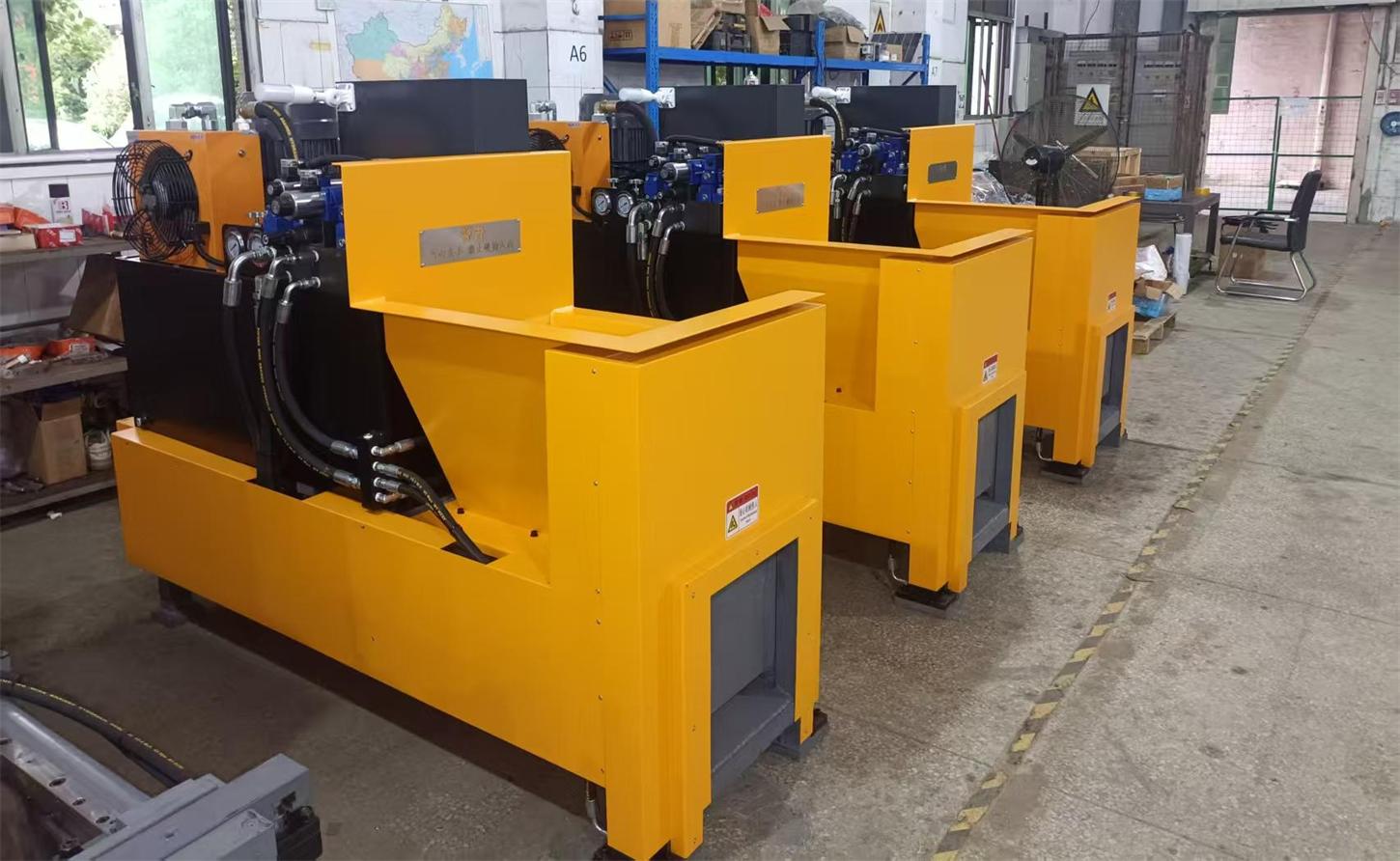
Mechanical Empathy: Modern machines last longer because they treat themselves better. Hydraulic dampeners absorb counter-forces that previously shook bolts loose and cracked foundations. We've learned machines perform better and longer when we protect them from their own strength.
Specification sheets don't capture what matters most: how crushing parameters create ecological benefits. When a crusher operates in its optimized force/capacity balance:
Material Purity: Clean lead separation prevents downstream contamination. Smelting facilities report lead purity jumps by 10-15% when upstream crushing maintains particle integrity.
Energy Economy: Properly calibrated forces use 60-80% less energy per ton processed than older brute-force approaches. This isn't incremental improvement – it fundamentally changes the carbon equation of recycling.
Community Relations: What we rarely discuss: crushing plants historically drew noise complaints and became neighborhood pariahs. Modern enclosures and vibration control changed that dynamic. Facilities no longer announce their presence blocks away.
Worker Connection: Operators no longer just push buttons – they develop relationships with these machines. Maintenance logs show technicians note peculiarities ("This unit doesn't like cold starts" or "Prefers morning workload"). There's an emerging anthropology to our technology.
The Human Element: How we think about crushing parameters shapes how we interact with the entire recycling ecosystem. Choosing a machine with higher capacity isn't just about throughput – it represents a commitment to accommodating unpredictability in the waste stream.
The temptation in engineering circles is to reduce everything to numbers: tons per hour, kilowatt usage, PSI levels. But the most successful recyclers recognize force and capacity measurements as starting points for quality conversations, not conclusions.
Consider these vital optimization factors:
Process Resilience: How gracefully does the system handle exceptions? That 2% of batteries with bulged cases or frozen electrolyte shouldn't shutdown the entire line.
Maintenance Rhythm: High-force crushing components require careful servicing. The time and cost for maintenance impacts true capacity more than nominal ratings.
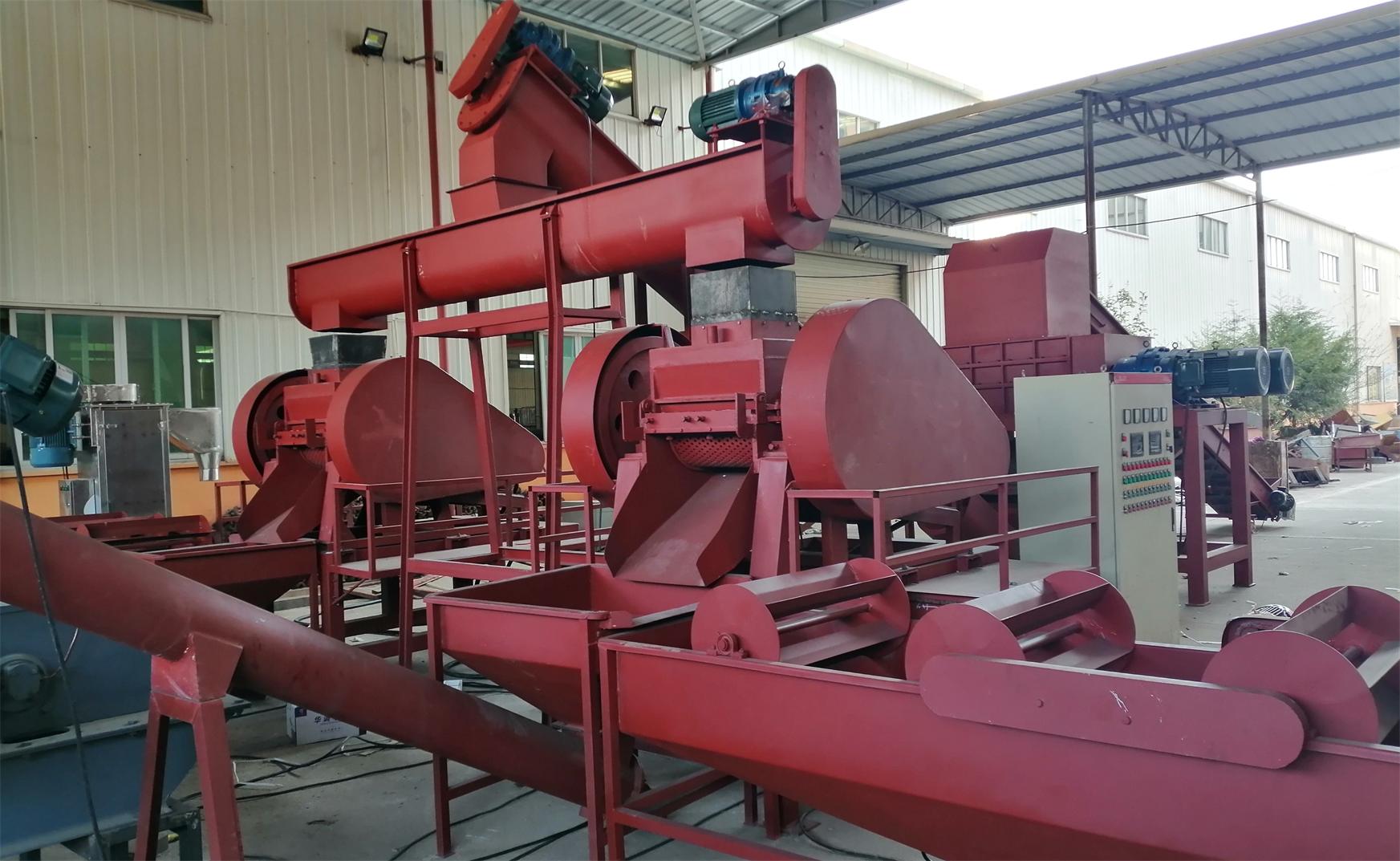
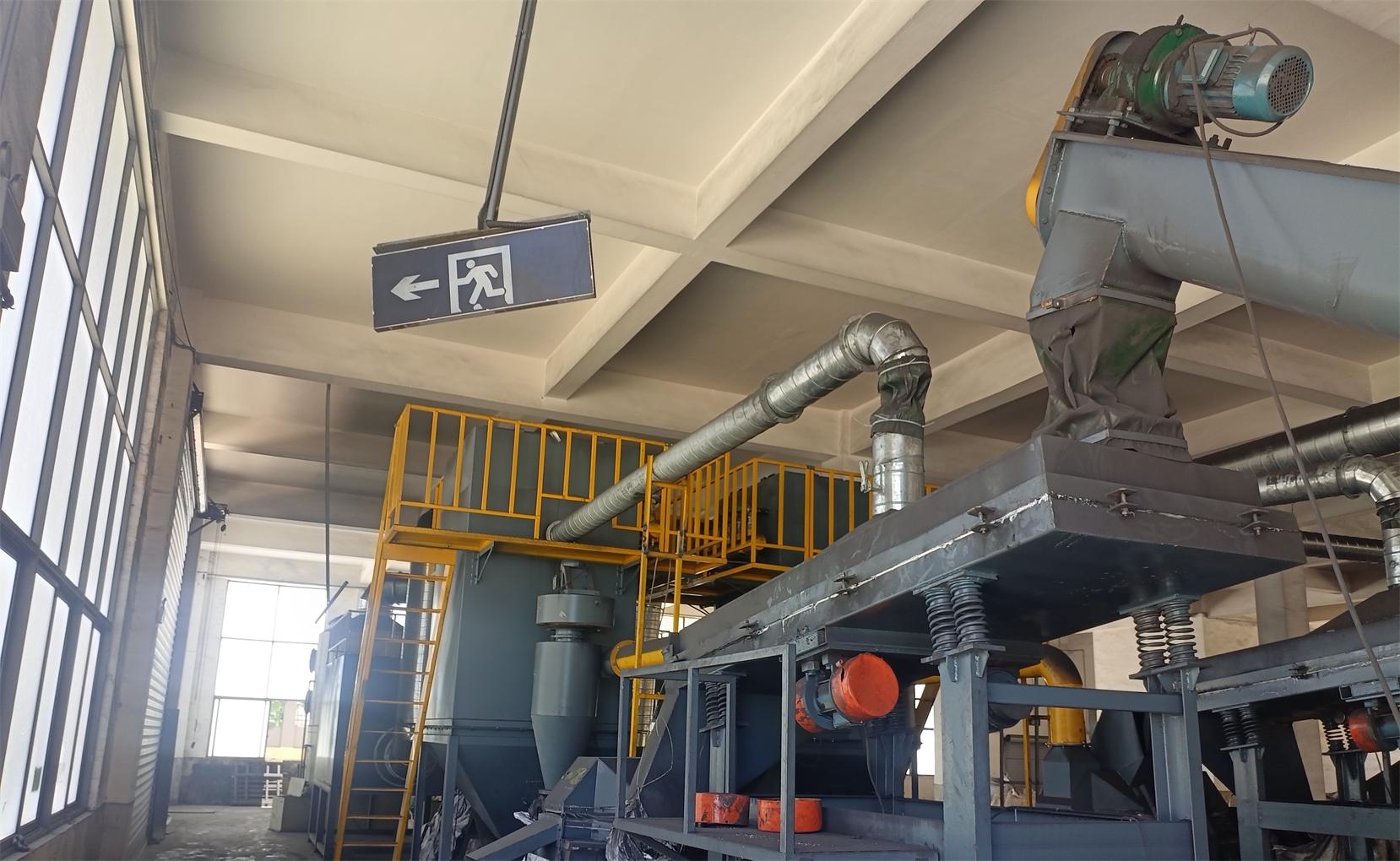
Material Pathways: Fragments move differently post-crush. We've optimized conveyor angles, vibration frequencies, and airflows to transport materials without remixing separated components. This downstream harmony maximizes what begins at crushing.
Listen for the rhythm
Respect the resistance
Learn what pressure reveals
Know when to advance
And when to pause
For in destruction's grasp
Lies new creation
We're approaching an inflection point where crushing machines evolve from mechanical processors to intelligent sorting systems. Future models likely won't have a "crushing force" setting at all; they'll sense each battery's characteristics and apply precisely the forces needed.
Predictive systems will analyze incoming battery shipments days in advance to optimize parameters: "This shipment contains 57% thin-plate batteries needing reduced force" or "Recommend sequential crushing to prevent acid aerosols." The machines become partners in sustainability.
What stays constant is the emotional core of recycling: transforming what seems useless into valuable resources. The crushing chamber becomes an alchemist's workshop where weight and pressure transmute waste into worth. That powerful transition will always need force – but increasingly thoughtful, measured, responsible force.
As we complete our journey through crushing force and capacity parameters, a profound realization emerges: these technical details embody something fundamentally human. The need to break things down to build anew. To apply pressure with purpose. To find value in apparent destruction.
Lead-acid battery crushers accomplish what we as individuals strive for daily: transforming what's no longer working into something useful. They teach us that careful application of force – be it mechanical or personal – creates opportunity rather than merely destruction.
The parameters matter not because they represent physical limits, but because they reflect how thoughtfully we approach transformation. When we honor the forces that break things down and respect the capacity to make change happen, we create possibilities even from endings.
In the end, perhaps the crushing force we've explored isn't truly about batteries at all. It's about recognizing destruction as the necessary precursor to renewal in all things. And having the wisdom to apply precisely the right pressure – no more, no less – to create that renewal.