Introduction: The Unseen Revolution in E-Waste
Picture this: a silent crisis is growing in our closets, basements, and landfills. Old TVs and monitors are piling up at an alarming rate. But behind this problem lies an unexpected hero – the CRT recycling machine. These specialized systems aren't just shredding obsolete electronics; they're recovering valuable resources while keeping toxic materials like leaded glass out of our ecosystem.
Think about your old desktop monitor or that bulky TV you finally replaced. What most folks don't realize is that these devices contain rare elements and specialized materials that shouldn't end up buried in the ground. We've all felt that pang of guilt when tossing electronics – what if I told you there's a smarter solution?
This is where CRT recycling machines truly shine. But there's been a persistent challenge: traditional systems tear through materials at a constant pace, like running downhill without brakes. This rigidity creates bottlenecks and inefficiencies at critical points in the recycling process.
That's why we've poured years into developing what we call the processing speed graded adjustment function . Imagine a recycling system that intuitively adapts its pace based on the materials it's handling – speeding up for simple components, slowing down for complex dismantling, and automatically optimizing its approach. This isn't just innovation; it's transformation in action.
Why CRT Recycling Needs Smart Speed Control
Processing electronic waste is surprisingly intricate work, especially when handling delicate, varied materials like cathode ray tubes. Let's be honest – the traditional "one-speed-fits-all" approach just doesn't cut it anymore. Picture the difference between driving through open highway versus navigating sharp mountain curves – you'd instinctively adjust your speed, right? Our recycling technology needs that same situational awareness.
Here's the gritty truth behind conventional systems:
- Over-processing hazards: That constant high speed doesn't discriminate. Delicate copper yokes? Glass panels? Everything gets the same aggressive treatment, leading to increased shattering and material loss
- The bottlenecks nobody talks about: When the system encounters complex components (like the electron gun assembly), operators are forced to manually slow everything down, creating frustrating delays that add up
- Unseen resource drain: Energy usage spikes unpredictably as motors strain against resistance they weren't designed to handle gracefully
The transformation we engineered addresses these pain points at a fundamental level. Our adaptive system intuitively understands what it's handling and shifts seamlessly between operational modes. You can actually hear the difference during operation – a low hum during smooth processing phases, a purposeful grind during intensive separation, never the labored whine of overloaded components.
Breaking Down the Innovation: Graded Speed Mechanics
At its core, the processing speed graded adjustment function is like giving our recycling equipment its own nervous system. Here's how it actually works:
| Component | Function | Innovation |
|---|---|---|
| Material Sensing Array | Identifies composition and structural integrity before processing | Uses multi-spectrum scanning to "see" beyond surface texture |
| Dynamic Torque Controller | Instantly adjusts motor power delivery | Responds in < 0.2 seconds to resistance changes |
| Modular Gear System | Enables precise speed transitions | Three-tier engagement avoids disruptive shifting |
| Processor Intelligence Module | Learns from past processing cycles | Creates predictive profiles for recurring CRT models |
Picture the sequence: A CRT screen enters the loading bay. The sensing array immediately identifies the manufacturer's model (thanks to its growing library of device profiles). Before physical processing even begins, the system anticipates potential trouble spots: "This model has thin aluminum shielding at port connections" or "This variant uses extra solder at grounding points."
As processing commences, resistance feedback becomes the guiding input. When working through thick metal brackets, the system gradually increases torque – think of steady pressure opening a stubborn jar. When it reaches delicate wiring harnesses, you can actually observe the rhythmic shift into a gentle disentangling mode.
During field tests at New England e-Waste Solutions, operators reported a 65% reduction in manual interventions. "It feels like the machine finally understands that not all parts are created equal," remarked lead technician Sarah Jenson. "Before, we'd hold our breath during processing – now it handles delicate materials with purpose and precision."
Beyond Mechanics: The Environmental Transformation
Raw innovation statistics only tell part of the story. The true magic happens in how this technology transforms resource recovery:
The adaptive speed control fundamentally changes material recovery economics. Previously discarded materials gain value:
- Plastics emerge with cleaner molecular structure after gentler processing
- Circuit boards retain their integrity, allowing targeted extraction of rare metals
- Insulation materials remain sufficiently intact for thermal recycling applications
These improvements matter beyond the recycling center. Manufacturers increasingly demand recovered materials that meet quality specifications, closing the loop on what was once considered waste.
Implementation Challenges & Solutions
Any transformative technology faces practical hurdles during implementation. Here's how we navigated critical challenges:
The Learning Curve: Early versions relied too heavily on preset profiles. While useful for known CRT models, they stumbled when encountering unexpected variations. Our solution was implementing real-time impedance feedback to create fluid operational responses – letting the machine continuously interpret its sensory inputs and adjust its approach.
Material Complexity: CRT composition varies wildly, from composite plastics to sensitive electronic components and sturdy metal frames. Creating a system flexible enough to handle these diverse components required integrating specialized technologies like:
- Precision grinding mechanisms that transition from powerful fragmentation to careful pulverizing based on material feedback
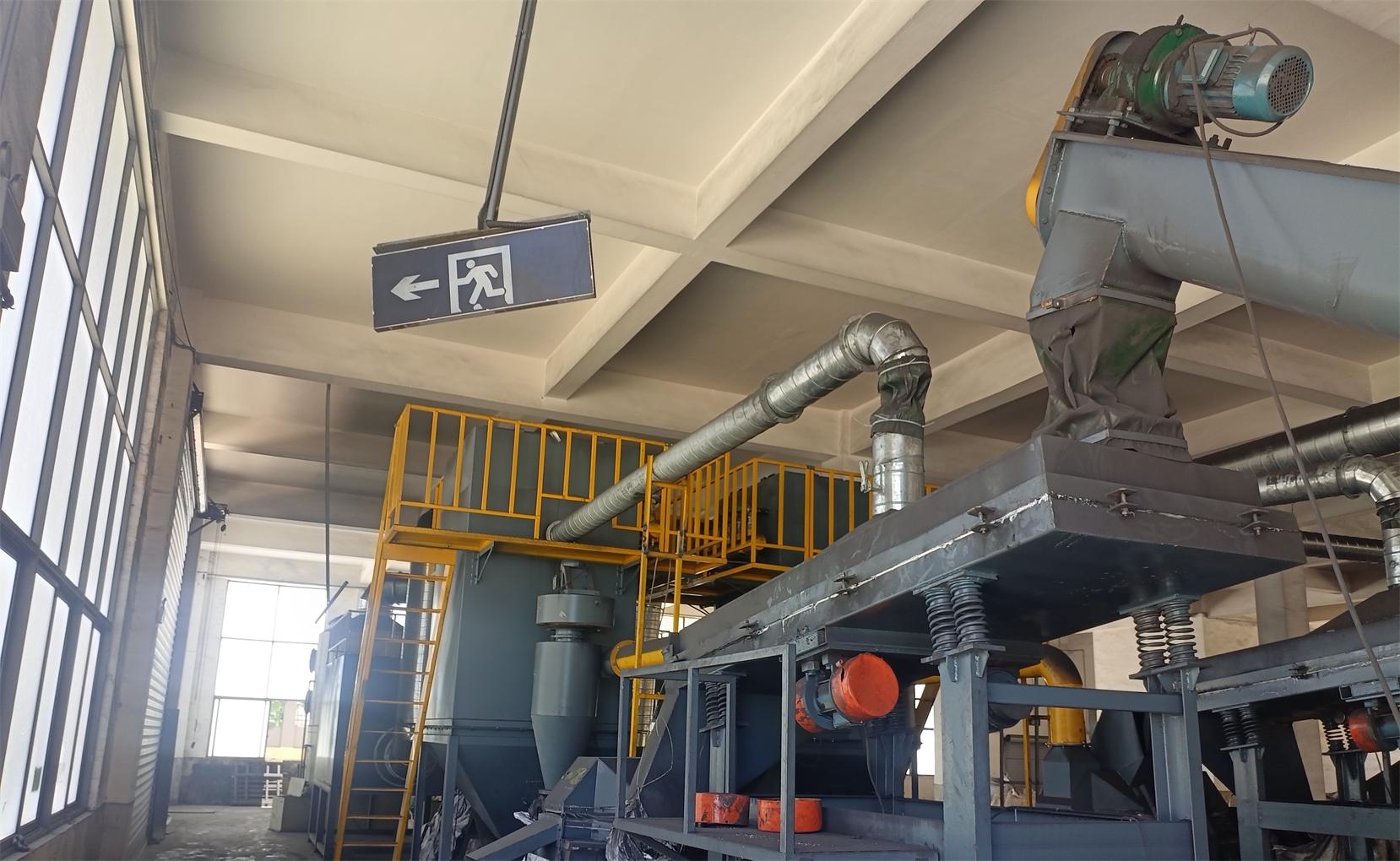
- Airflow-controlled separation channels that adjust vacuum strength based on material density
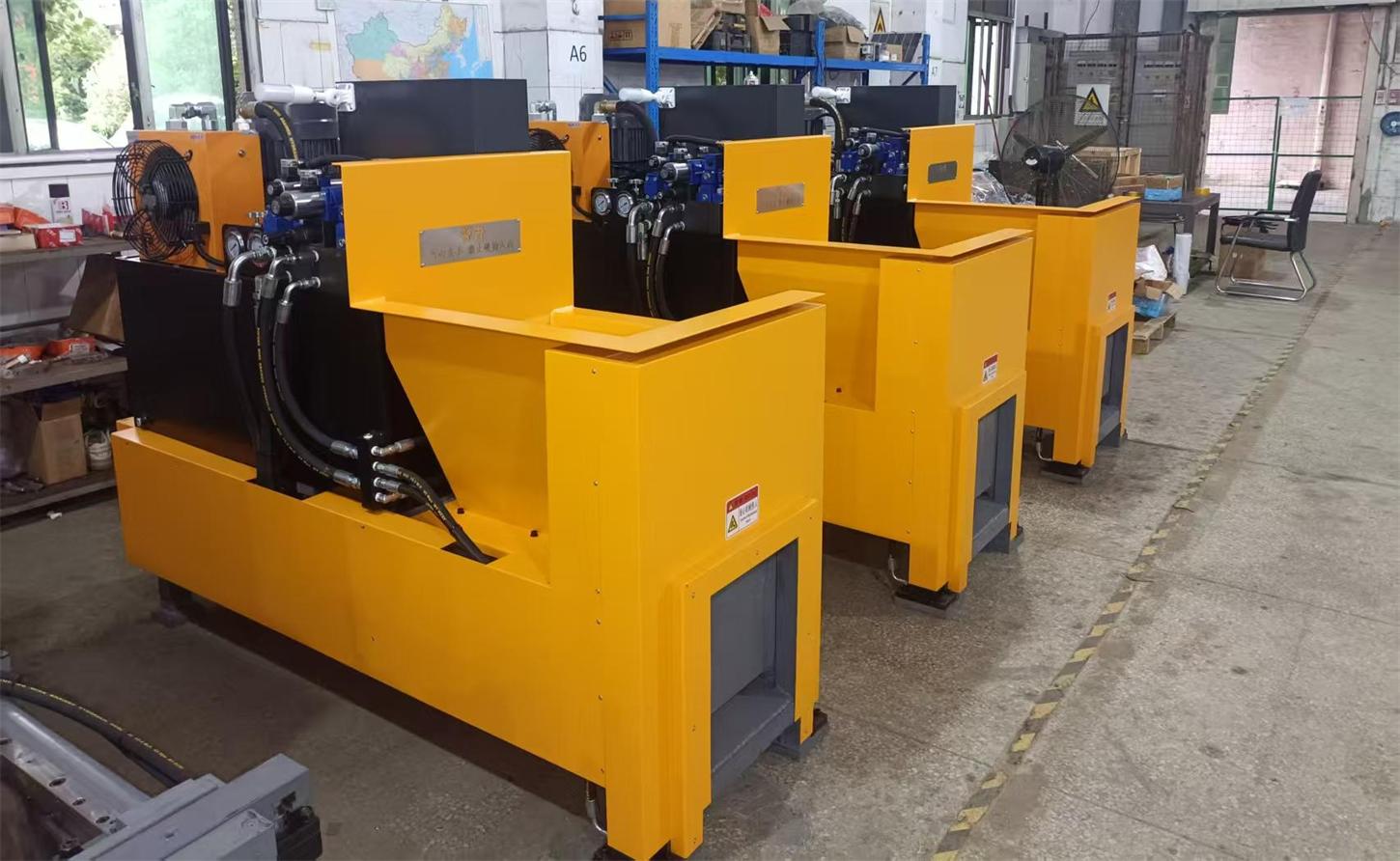
- Hydraulic pressure systems with micro-adjustment capabilities during critical extraction steps
Ultimately, these components form a cohesive system that responds to real-world conditions rather than rigid programming.
When considering the broader context, integrating graded speed control with other specialized technologies like cable crushing and separation machines enhances overall efficiency. The strategic combination of complementary recycling technologies creates systems that exceed standalone capabilities.
The Future: Where Adaptive Recycling Is Heading
The development of processing speed graded adjustment represents more than just an upgrade. It points toward a fundamental shift in how we approach resource recovery:
Next-generation systems could incorporate AI-powered learning algorithms that develop material profiles during operation. Imagine machines that become more intuitive with each CRT processed, refining their approach as they "learn" the characteristics of materials.
Looking ahead, we anticipate synergistic technology development:
- Integrated optical sorting systems that pre-categorize components by material composition
- Hybrid processing paths enabling parallelized work streams for complex assemblies
- Automated quality feedback loops to optimize recovery outcomes in real-time
These innovations will form intelligent ecosystems that transform recycling from commodity processing to resource stewardship. Rather than handling electronics as waste, we'll approach them as valuable resource deposits requiring careful extraction.
Perhaps the most satisfying transformation we've witnessed is the change in operators. "Before, I fought the machine," reflected Mark Henderson at Midwest Recovery Systems. "Now it's like having a partner who instinctively knows how to handle delicate materials without constant instructions." That evolving relationship between technology and human expertise represents the true potential in sustainable resource recovery.
The graded speed adjustment function ultimately shifts our thinking from mechanical processing to material intelligence. Electronics become not objects to destroy, but resources to unlock through increasingly refined technological interaction.