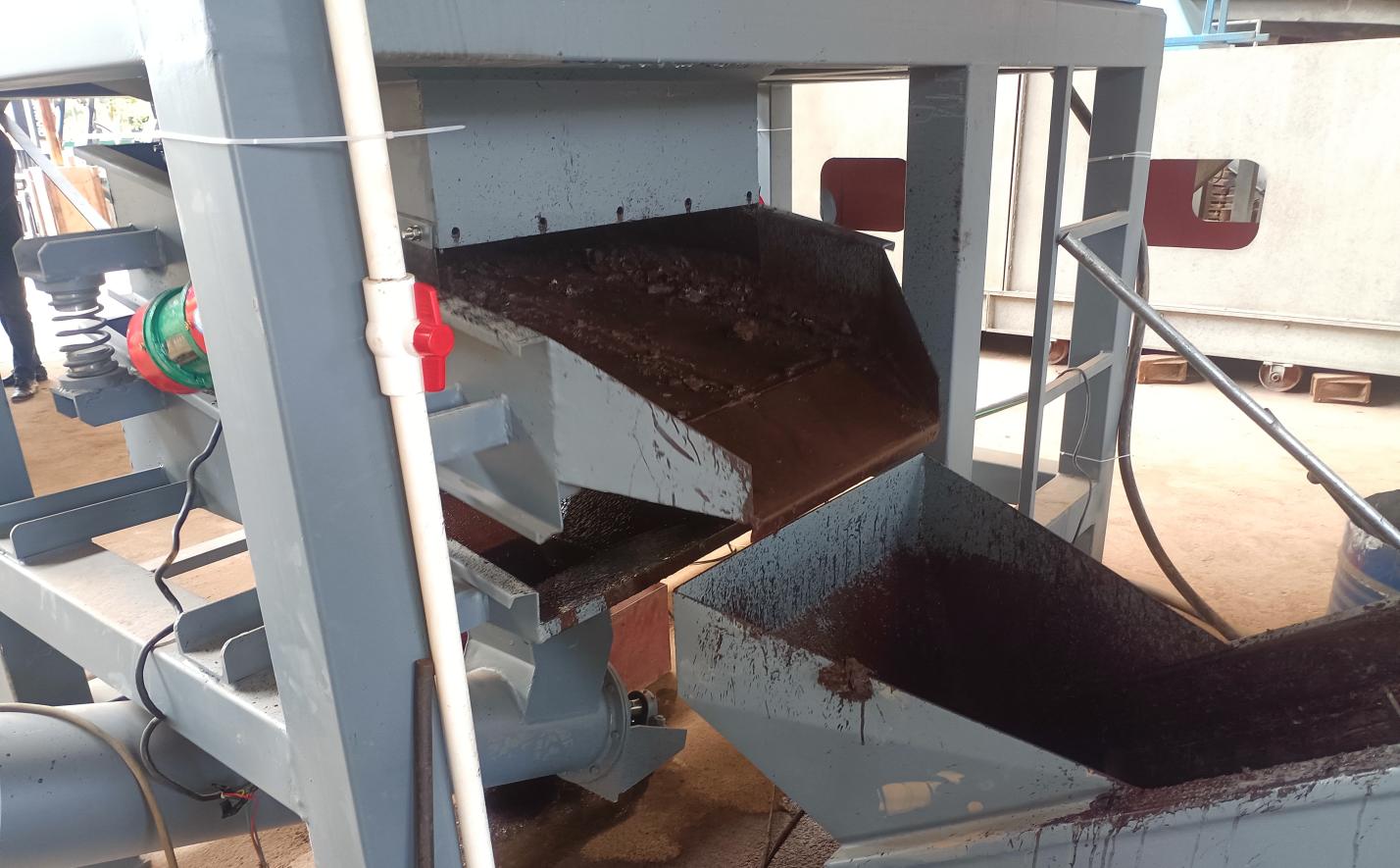
In the world of electronic waste processing, two technologies stand out for their unique capabilities. Let's explore how diamond-edge recycling and hydraulic crushing approach the challenge of CRT disposal differently.
The Recycling Challenge: Why CRTs Demand Special Handling
Cathode Ray Tube displays contain both valuable materials and environmental hazards. The leaded glass requires careful handling while rare earth metals in the phosphor coatings present recovery opportunities. Traditional methods struggle with their composition - the mixed materials require specialized separation approaches.
Where conventional hydraulic crushers apply brute force, diamond-edge systems approach the problem with precision. This fundamental difference in philosophy shapes how each technology handles four crucial parameters: material recovery rate, operational safety, processing efficiency, and end-product purity.
Head-to-Head Technology Comparison
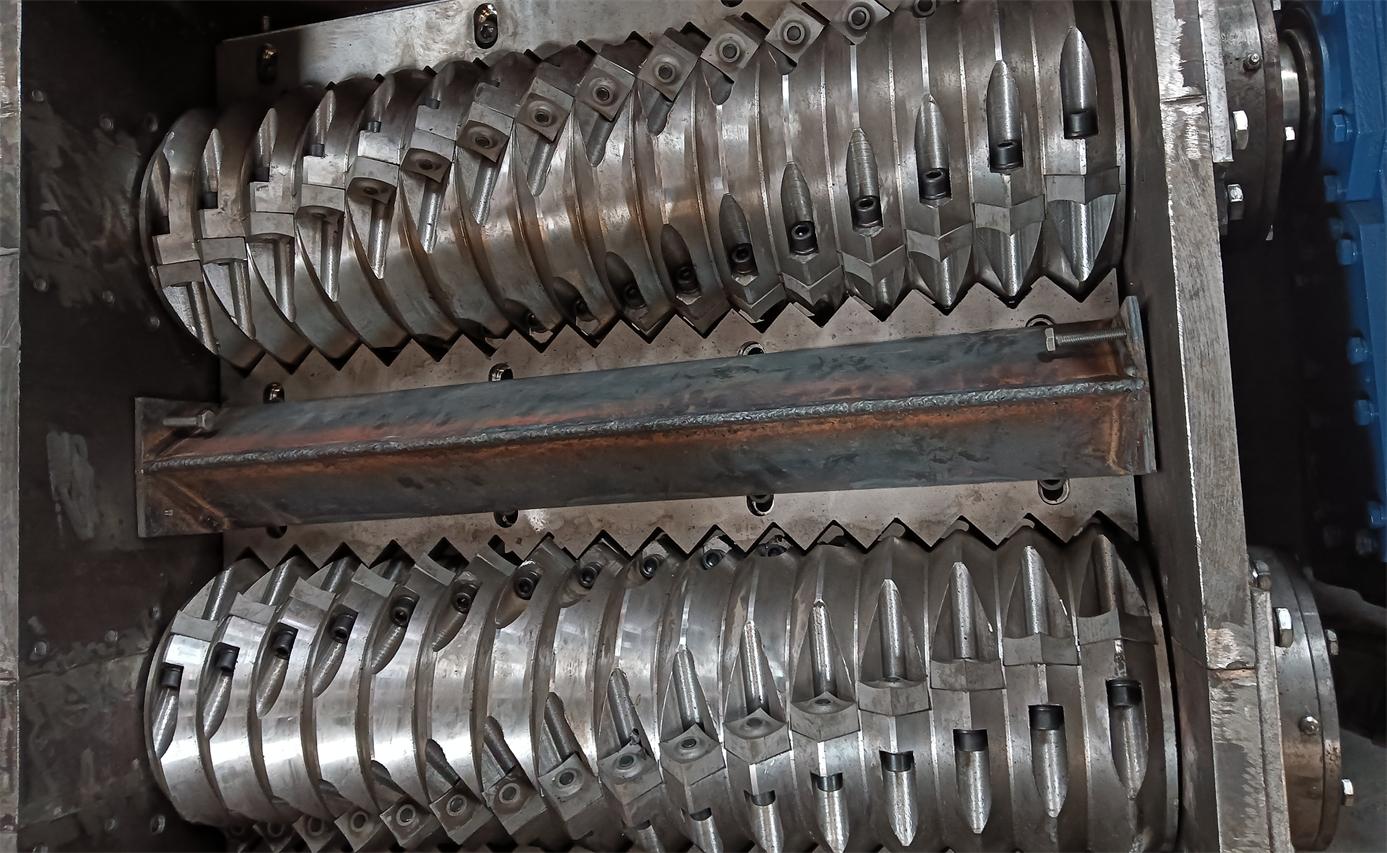
Diamond Tool Systems
Precision Cutting Mechanics
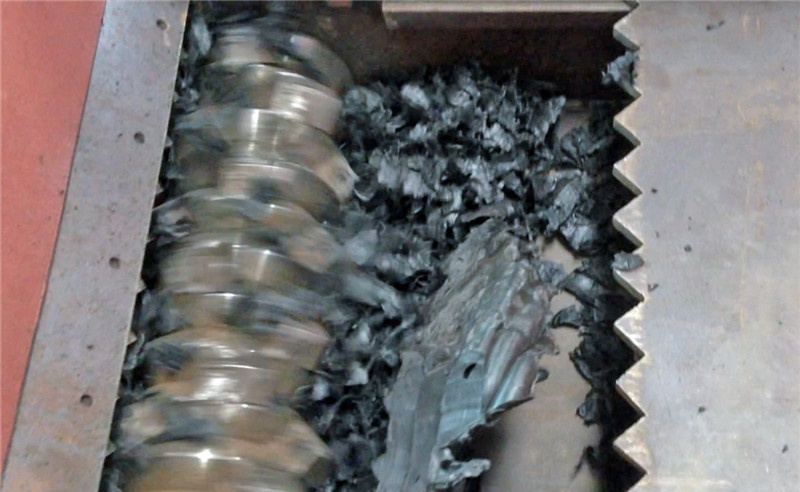
Uses industrial diamond-coated blades operating at 1,500-2,500 RPM with micron-level precision.
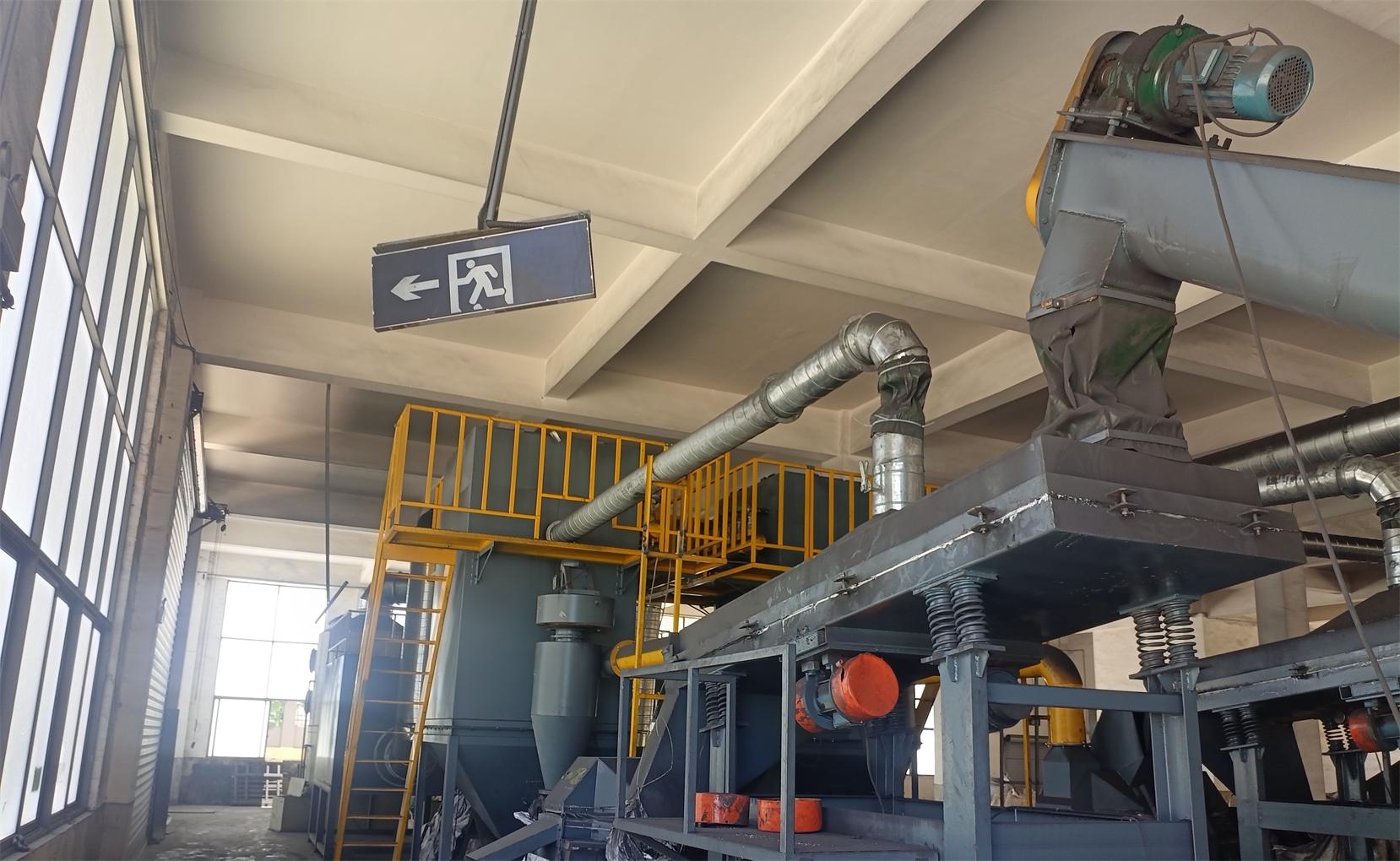
Vacuum-sealed cutting chambers prevent airborne contamination during glass separation.
Material Separation
Achieves 99.7% glass purity for closed-loop recycling.
Recovers over 95% of rare earth phosphors without cross-contamination.
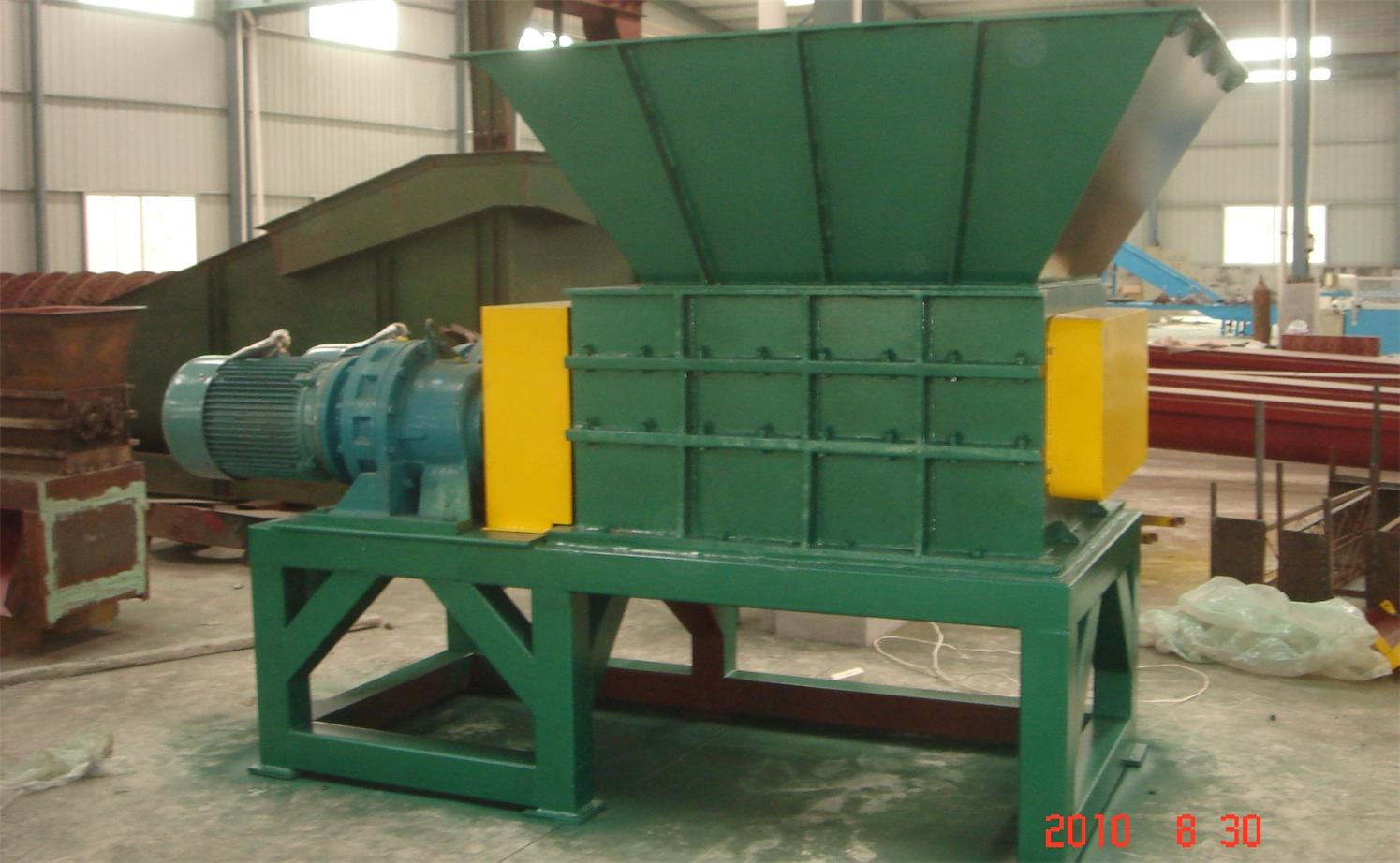
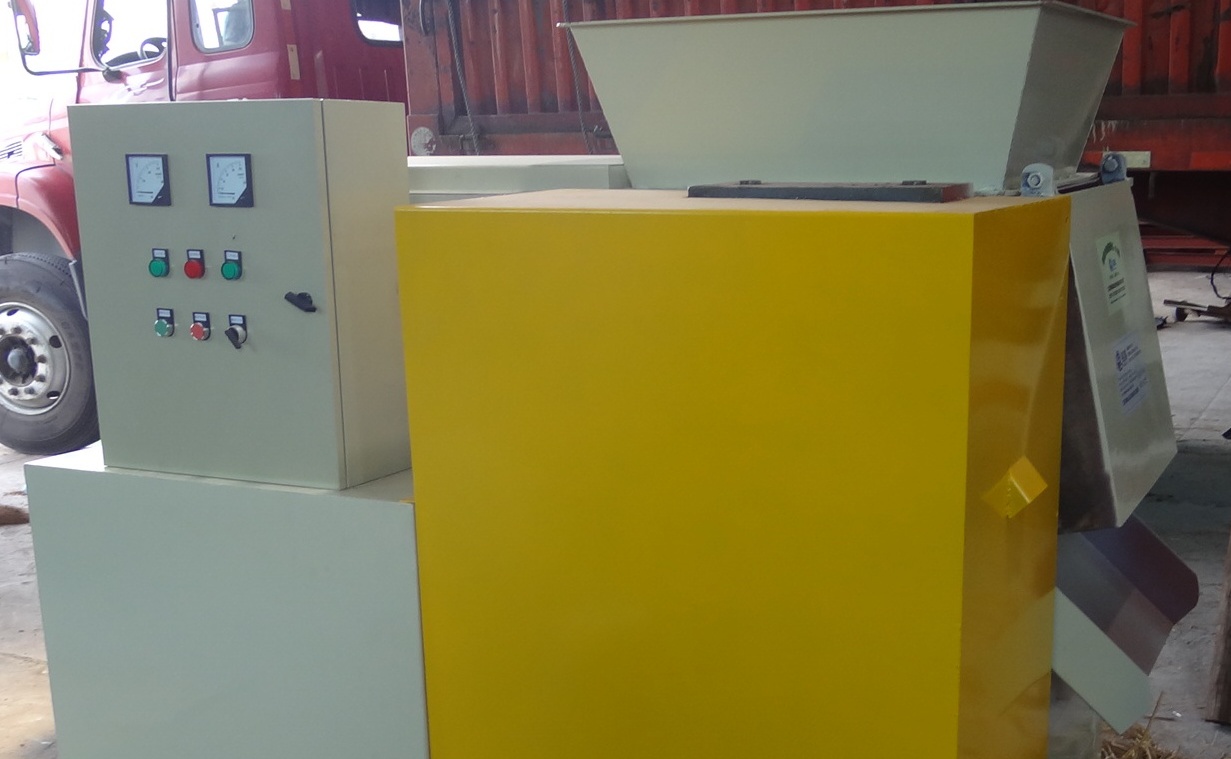
Hydraulic Crushers
Compression Mechanics
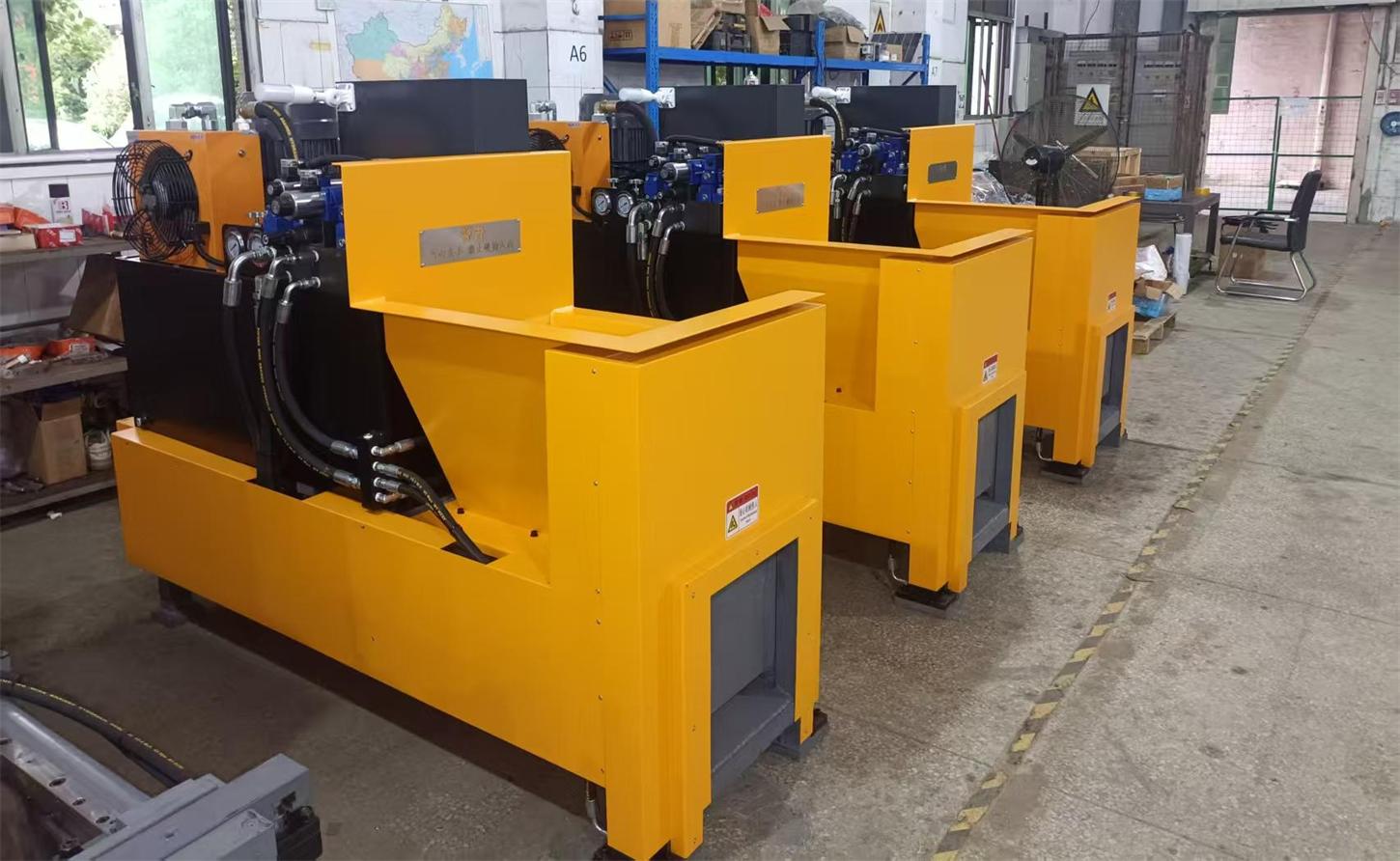
Generates 2,500-5,000 PSI pressure through hydraulic rams.
Impact plates fracture glass through sudden compression rather than cutting.
Material Processing
Produces mixed cullet requiring secondary separation processes.
Yields 15-30% material loss as fine glass particulates.
Throughput and Efficiency Analysis
Diamond systems process 300-500 CRTs/hour while achieving automated component sorting.
Hydraulic crushers manage 600-800 CRTs/hour but require manual sorting stations downstream.
Energy consumption favors diamond tools at 7.5 kWh/ton versus hydraulic crushing at 11 kWh/ton .
Factory Case Study: Integrating Separation Systems
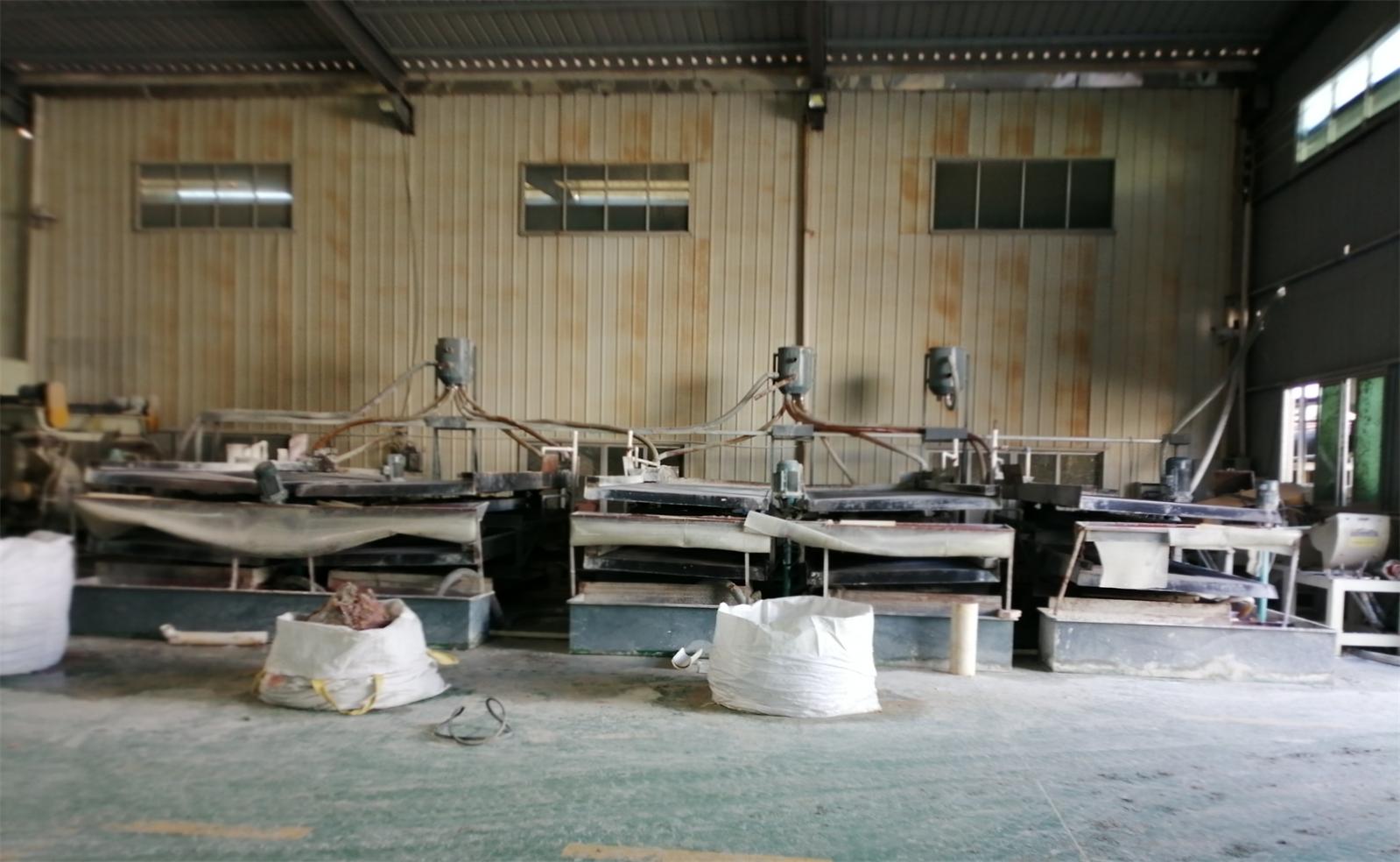
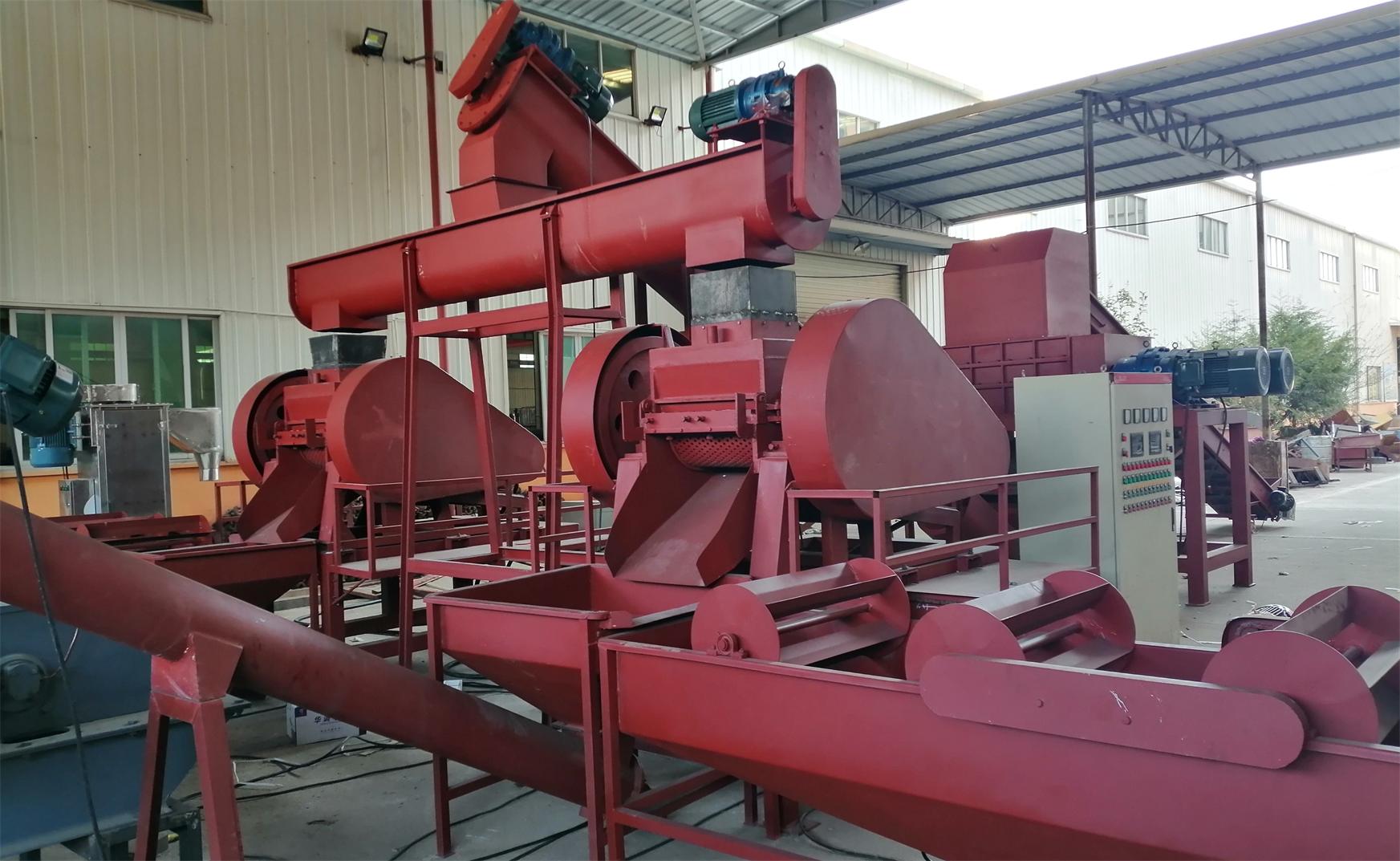
A Nordic recycler combines both approaches: initial size reduction via hydraulic crushing followed by diamond-edge fine separation. This hybrid approach reduced processing costs by 23% while maintaining 98% material purity - showing that sometimes the best solution combines both technologies.
The Economics of Recycling Operations
Capital Investment
Diamond-edge systems: $120,000-$180,000 initial investment
Hydraulic crushers: $45,000-$75,000 base configuration
Maintenance costs: Diamond tools average 30% lower annually
Operational Economics
Diamond systems: $18-25/ton processing cost
Hydraulic: $12-18/ton before separation costs
Reclaimable materials value: Diamond systems yield 40% higher recovery value
The Safety Differential
Diamond-tool installations report 0.2 reportable incidents per 10,000 hours - significantly below industry average.
Hydraulic systems average 1.7 reportable incidents per 10,000 hours, primarily from high-pressure fluid leaks.
Choosing Your Technology Path
The choice between these technologies ultimately depends on your operation's scale, material value goals, and regulatory environment. For high-volume processors prioritizing throughput over material recovery, hydraulic crushing offers compelling economics. But for facilities focused on maximum material value capture and purity - particularly with challenging feedstocks like CRT glass - diamond-edge separation delivers unmatched performance.
Forward-thinking recyclers often implement both technologies at different process stages. The hydraulic crusher handles initial size reduction efficiently while the diamond-edge system performs critical separation of hazardous materials and recovers valuable components. This layered approach demonstrates how innovation in e-waste processing continues to evolve.
For recyclers exploring these systems, modern lithium extraction equipment can be integrated with either approach to recover valuable battery components - demonstrating how e-waste technology continues advancing toward comprehensive resource recovery solutions.