Ever wonder how massive sheets of metal become car parts or how recycling plants compress tons of material effortlessly? Behind these industrial miracles stands an unsung hero: the hydraulic press. These mechanical beasts transform liquid power into jaw-dropping force, shaping everything from airplane components to your smartphone casing. Let's pull back the curtain on these powerful workhorses and discover how they make modern manufacturing possible.
The Heartbeat of Industry: Hydraulic Basics
Picture squeezing a water balloon - the pressure spreads equally in all directions, right? That's Pascal's law in action, the same principle that makes hydraulic presses work. When inventor Joseph Bramah first harnessed this power in 1795, he sparked a revolution. Today's versions are far more sophisticated but follow the same brilliant logic: small effort transforms into massive force through fluid power.
Core Components Made Simple
Every hydraulic press relies on these vital organs:
- The Frame : Like your skeleton, this steel structure bears all the pressure
- Hydraulic Cylinder : The muscle that converts fluid pressure into movement
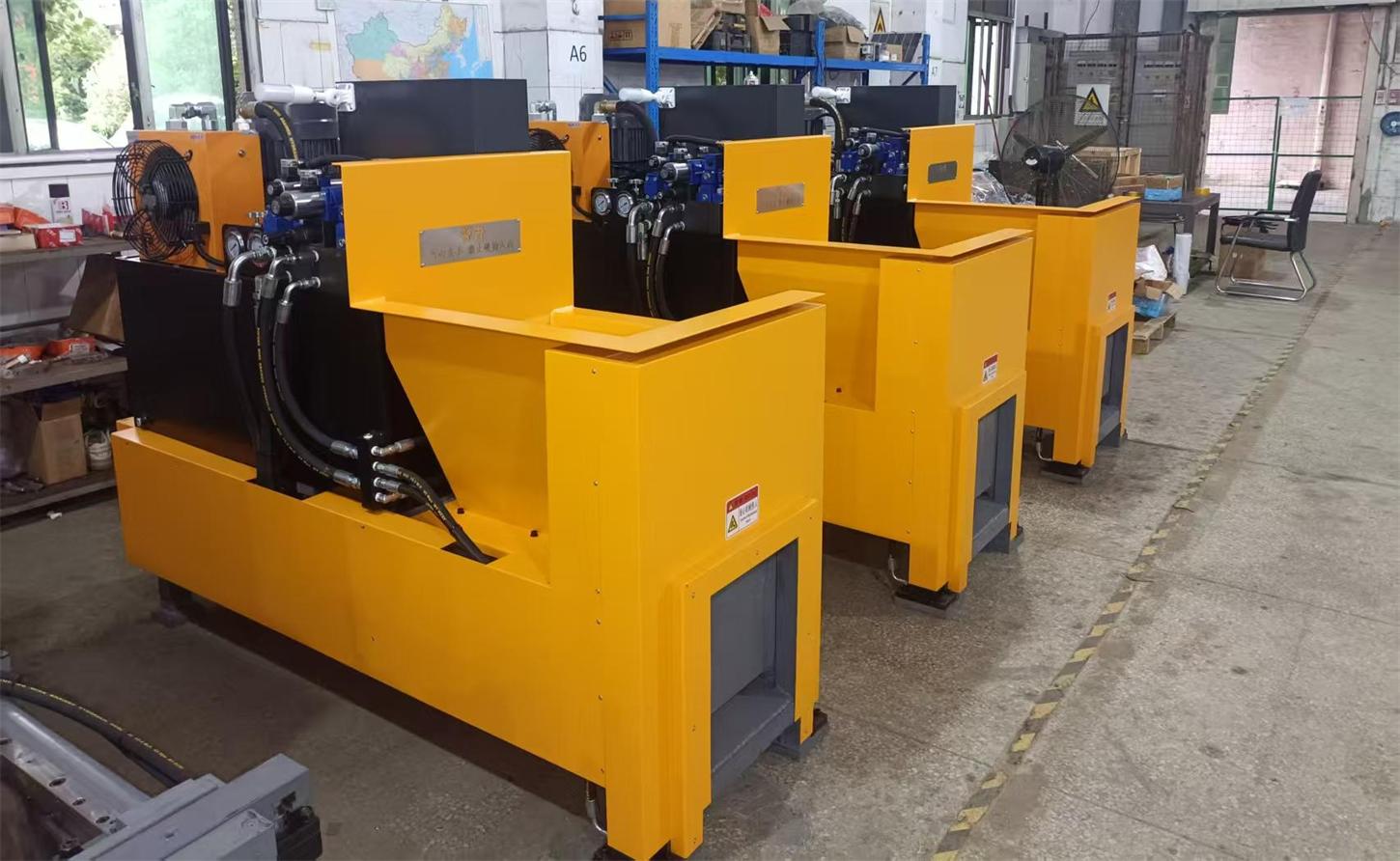
- Power Pump : The heart that keeps the hydraulic fluid circulating
- Control Valves : The nervous system managing speed and direction
- Working Plates : Where all the action happens - where materials get transformed
Press Personality Types: Finding Your Match
The Workshop All-Rounder: C-Frame Press
Imagine a letter "C" made of industrial-strength steel - that's your C-frame press. Its open-front design makes it perfect when you're juggling multiple tasks like punching holes in metal plates or assembling components. Auto shops love these for their space-saving footprint while still packing a 20-ton punch.
Key Perks:
The Heavy Lifter: H-Frame Press
When you need serious power for massive projects, the H-frame steps up. Picture four steel columns creating a giant "H" that delivers flawless alignment under pressure. Aerospace factories rely on these to shape wing components, while construction teams use them to mold composite beams. With capacities soaring to 2,000 tons, they turn stubborn metal into obedient shapes.
Key Perks:
The Precision Specialist: Four-Post Press
Picture four mighty steel pillars guiding the perfect descent. This design eliminates wobble during operation, making it the darling of precision industries. When medical equipment manufacturers create implant components or electronics firms mold device casings, the four-column press delivers micrometer-perfect results every time.
Key Perks:
The Problem Solver: Mobile Frame Press
Ever tried fitting a truck axle under a stationary press? Mobile frame models solve that headache. The press head glides along a sturdy framework to meet your oversized materials. Heavy machinery workshops breathe easier knowing they can service massive components without destructive disassembly. Just slide the press to the problem instead of wrestling the problem to the press.
Key Perks:
The Compact Dynamo: Benchtop Press
Not every hero needs a fortress-sized workspace. Benchtop hydraulic presses pack surprising power into portable packages that fit in garages, labs, or workshops. Jewelers use them for intricate metal stamping while researchers rely on them for material testing. With forces from 5-30 tons in a package smaller than your microwave, they prove that great power doesn't need a huge footprint.
Key Perks:
The Auto-Pilot: Automatic Press
When production lines can't wait for human operation, automatic presses step in. Swapping manual levers for programmed controls, they cycle consistently thousands of times daily. Imagine hundreds of kitchen sinks being molded every hour with zero variance - that's the repeatability automation delivers. The secret lies in electric pumps and servo-valves that replace traditional hand-operated systems.
Key Perks:
Beyond Shapes: Hydraulic Magic Across Industries
Modern hydraulic press innovation has created specialized variants for unique needs:
The Heat Master: Hot Press
Combining crushing force with intense heat, these transform materials needing high temperatures to shape. Picture aerospace factories molding jet engine components from super-tough alloys that regular presses couldn't touch. The heat makes metal flow like soft plastic under pressure.
The Cool Operator: Cold Press
Where heat would damage sensitive materials, cold presses deliver pressure without temperature distortion. Furniture makers craft flawless veneer surfaces and packaging plants shape sturdy cardboard structures without glue degradation.
The Recycle Champion: Scrap Baling Press
In recycling operations, hydraulic systems compress mountains of metal scraps into dense, stackable bricks. This not only saves transportation costs but makes materials manageable for melting furnaces. One baling press can transform chaotic metal waste into neat cubes using tremendous hydraulic force efficiently.
The Detail Artist: Deep Drawing Press
Crafting the seamless stainless-steel sink in your kitchen required a hydraulic magician called a deep drawing press. With multiple coordinated rams, it slowly teases flat metal sheets into complex 3D shapes in one continuous motion, avoiding weak points from welding or assembly.
Choosing Your Power Partner
Selecting a hydraulic press involves balancing factors like:
Space Check : Benchtop units need just a workstation while H-frames command floor space
Power Reality : Match tonnage to your toughest job requirements
Precision Matters : Four-post models lead for critical tolerance work
Material Personality : Hard metals need high pressure while plastics require precision control
Automation Needs : High-volume production benefits from automatic operation
Why Factories Love Hydraulic Force
Unbeatable Strength
Where electric motors top out, hydraulic systems scale up to 50,000 tons of force for forging industry's toughest jobs
Gentle Precision
Control systems can apply pressure with feather-like subtlety for micro-molding delicate components
Design Flexibility
From desktop units to building-sized installations, hydraulic systems adapt to space constraints
Operation Truths: Beyond the Hype
Hydraulic presses demand respect for their few but important requirements:
Fluid Vigilance : Small leaks can cause big downtime - regular checks prevent trouble
Training Investment : Modern controls require learning advanced programming for best results
Power Hunger : Massive pressure generation requires serious energy input
Environmental Care : Responsible fluid disposal protects our ecosystems
Real-World Impact Stories
The true measure of hydraulic press value appears when visiting factories:
Auto Industry Transformation
When Ford upgraded to 8,000-ton hydraulic forging presses, chassis part production tripled while energy consumption dropped thanks to efficient fluid power systems.
Medical Breakthroughs
A dental implant manufacturer eliminated hand-finishing using precision hydraulic micro-presses. By applying the exact force and depth for each titanium root, they achieved zero rejection rates.
Aerospace Reliability
Boeing's wing rib production relies on hydraulic presses to perfectly form aerospace alloys. Computer-controlled fluid pressure applies precisely calculated force curves ensuring each component meets flight-worthy standards.
Tomorrow's Hydraulic Horizon
Emerging technologies are taking hydraulic presses into the future:
Self-Monitoring Systems : Sensors alert operators about pending maintenance before breakdowns occur
Energy Recovery Networks : Capturing compression energy to power other processes
AI-Powered Control : Systems that learn optimal pressure curves for different materials
Hybrid Electrification : Combining hydraulic power with electric efficiency
Final Thought: More Than Muscle
Hydraulic presses have evolved far beyond brute strength. The modern incarnations represent controlled power, purposeful shaping, and industrial harmony. Whether miniaturized for craft studios or scaled up for shipbuilding, their fluid-powered precision continues creating the manufactured world we inhabit. The next time you press a car pedal, type on a keyboard, or open a crisp refrigerator door, remember - hydraulic forces probably crafted those essential components with silent, liquid power.