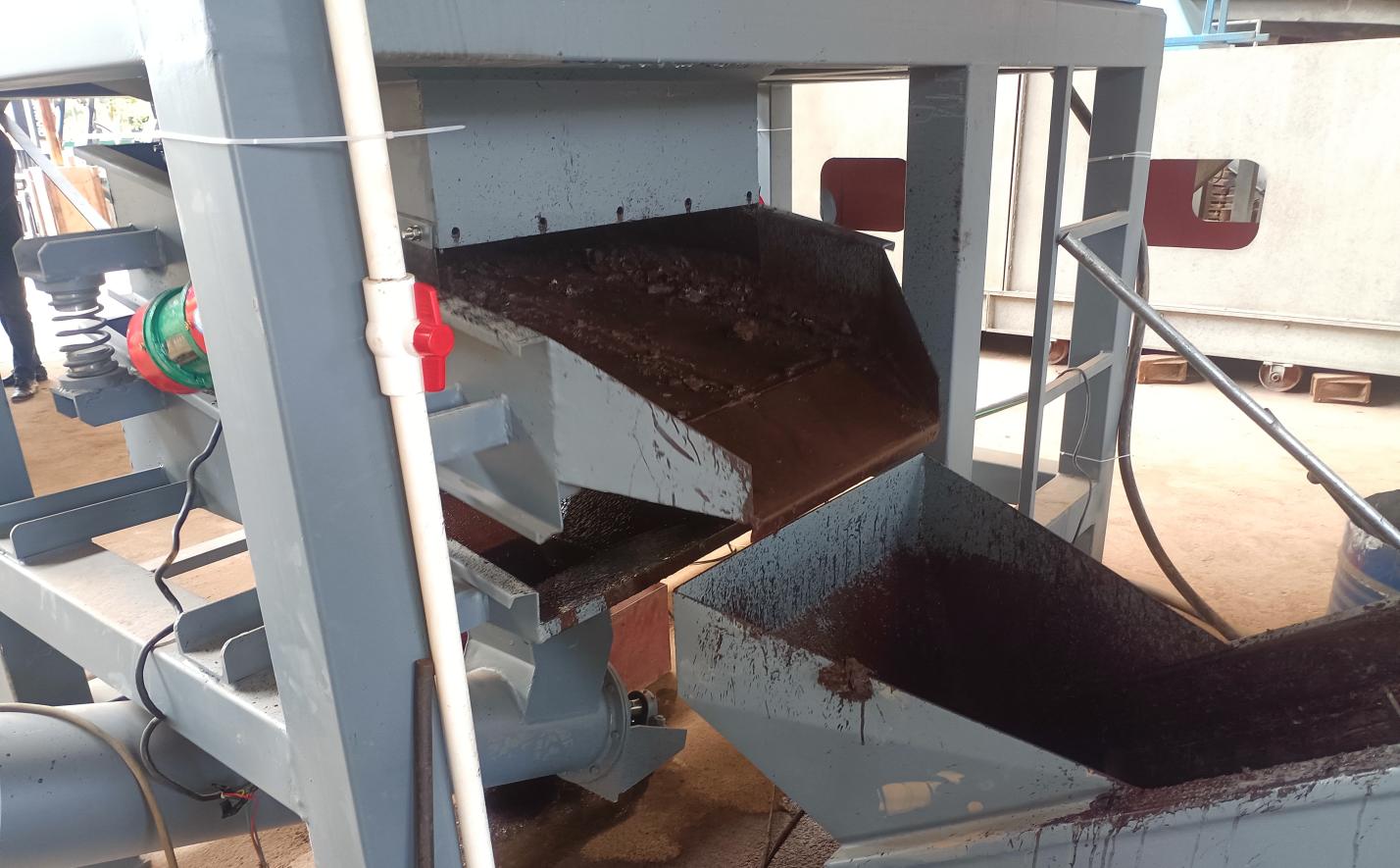
Every year, over 99% of lead-acid batteries get recycled in the U.S. – the highest recycling rate of any consumer product. But here's what most people don't realize: that remarkable success depends entirely on specialized equipment designed to handle very specific types of batteries under tightly controlled conditions.
If you've ever wondered why battery recycling facilities seem so particular about the batteries they accept, you're asking the right question. Not all dead batteries are created equal when it comes to recycling, and the machinery processing them operates within a narrow comfort zone.
The Regulatory Landscape Shapes Equipment Requirements
The EPA's regulatory framework profoundly influences what battery recycling equipment can and cannot handle. Under 40 CFR Part 266 Subpart G, we see a complex web of requirements:
Storage Conditions Dictate Design
Facilities storing batteries before recycling must equip their operations with:
- Containment systems that prevent leaks
- Secondary containment structures
- Impervious surfaces with spill control
Transport Constraints Matter
Batteries transported for recycling must be undamaged with intact casings. Why? Damaged batteries:
- Leak sulfuric acid electrolyte
- Release lead particulates
- Require special hazardous waste packaging
International Shipments Add Layers
Exporting batteries subjects them to additional manifest requirements under 40 CFR Part 262 Subpart H. Recycling equipment must accommodate:
- Longer storage periods
- Tamper-proof packaging
- Documentation trails
This regulatory complexity directly translates to physical design requirements for recycling machinery. A lead-acid battery recycling machine simply couldn't operate effectively if it had to constantly adapt to unpredictable battery conditions.
Physical Specifications: What Recycling Machines Need
Let's get specific about what actual battery recycling equipment requires:
A high-efficiency cable recycling machine supplier once told me: "We could theoretically design equipment to handle any battery variation. But when you factor in compliance costs, safety requirements, and efficiency targets, the practical window becomes surprisingly small."
Size Constraints Are Non-Negotiable
Recycling systems feature fixed-size entry points because:
- Crushers need precise feed dimensions
- Conveyor systems rely on uniform flow
- Separation chambers require predictable materials
Chemistry Compatibility Is Critical
Equipment designed for lead-acid batteries can't handle lithium-ion units due to:
- Different thermal properties
- Reactivity differences
- Material separation requirements
Weight Limitations Affect Throughput
Standard equipment calibrations handle batteries in these ranges:
| Battery Type | Ideal Weight Range | Maximum |
|---|---|---|
| Automotive | 15-25 kg | 30 kg |
| Deep Cycle/Marine | 20-35 kg | 40 kg |
| Industrial (forklift) | 25-50 kg | 60 kg |
The Technology Behind Battery Recycling Systems
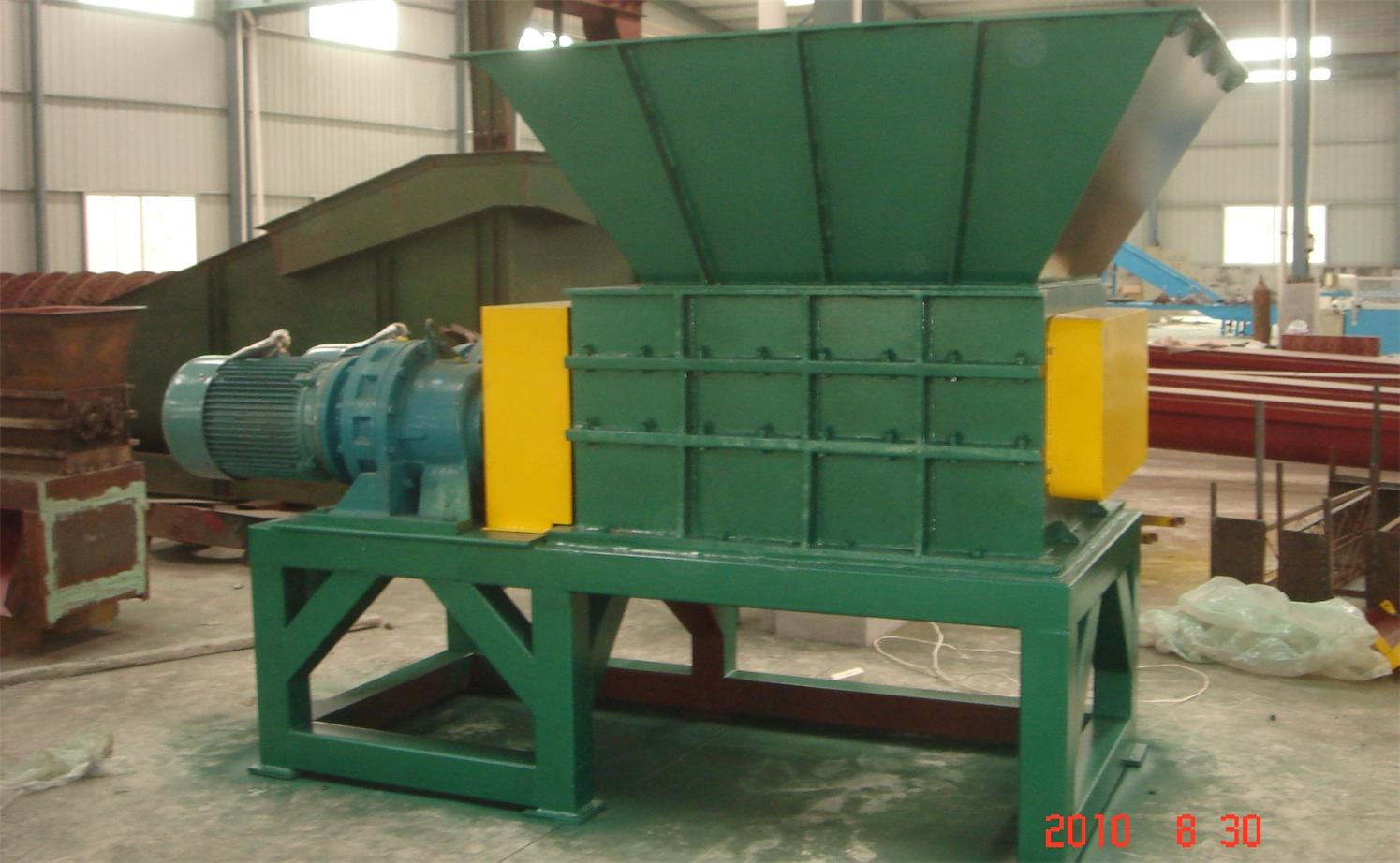
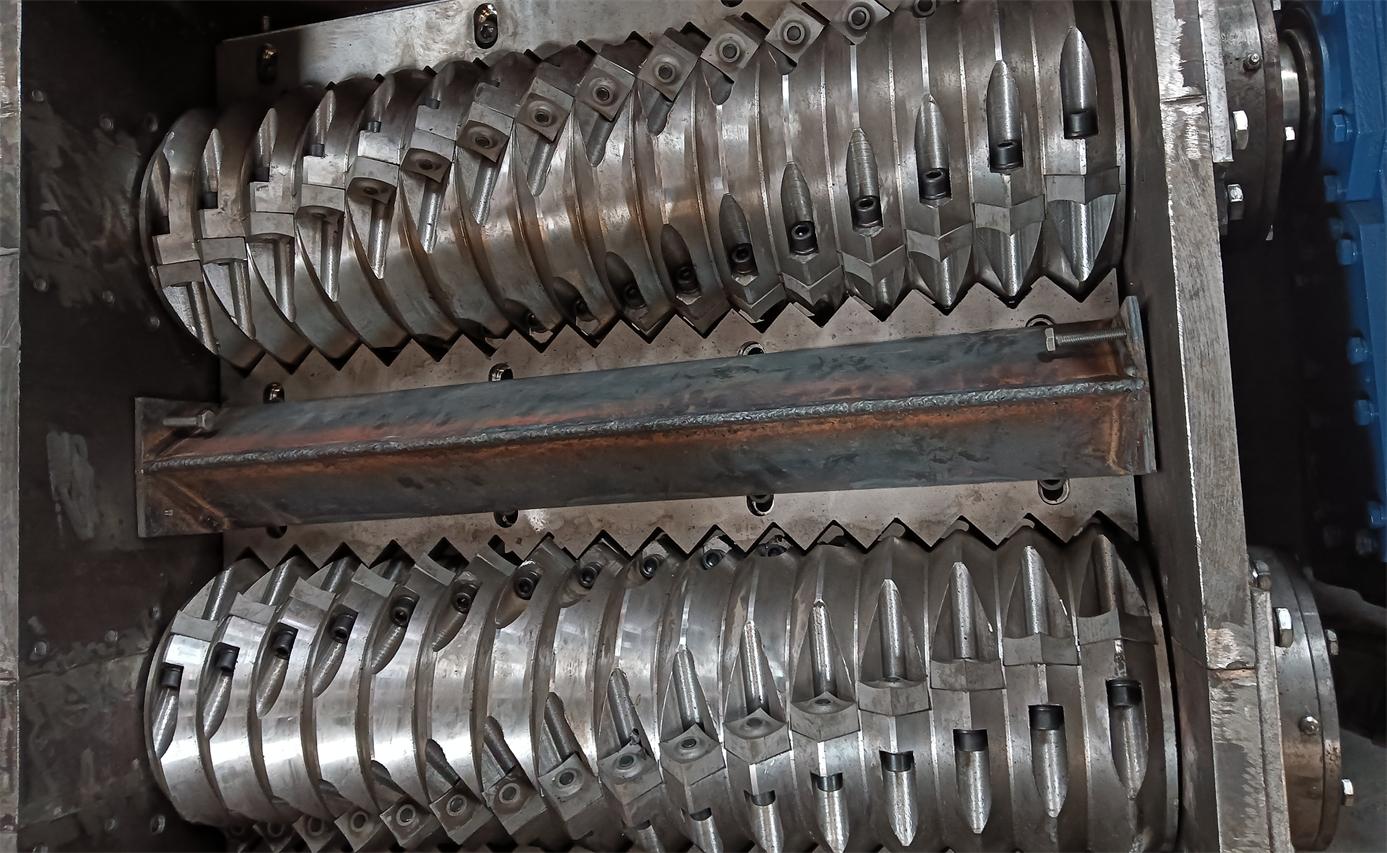
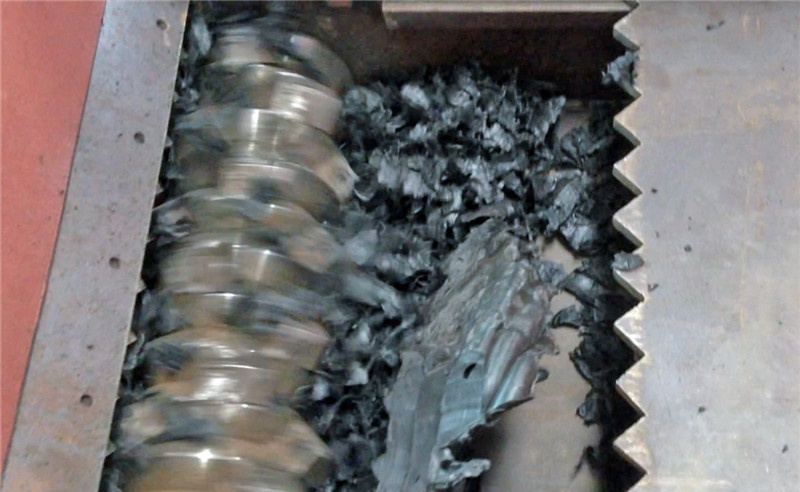
Crushers & Hammermills
These need intact batteries – dented units create uneven fragmentation that reduces lead recovery rates by up to 15%.
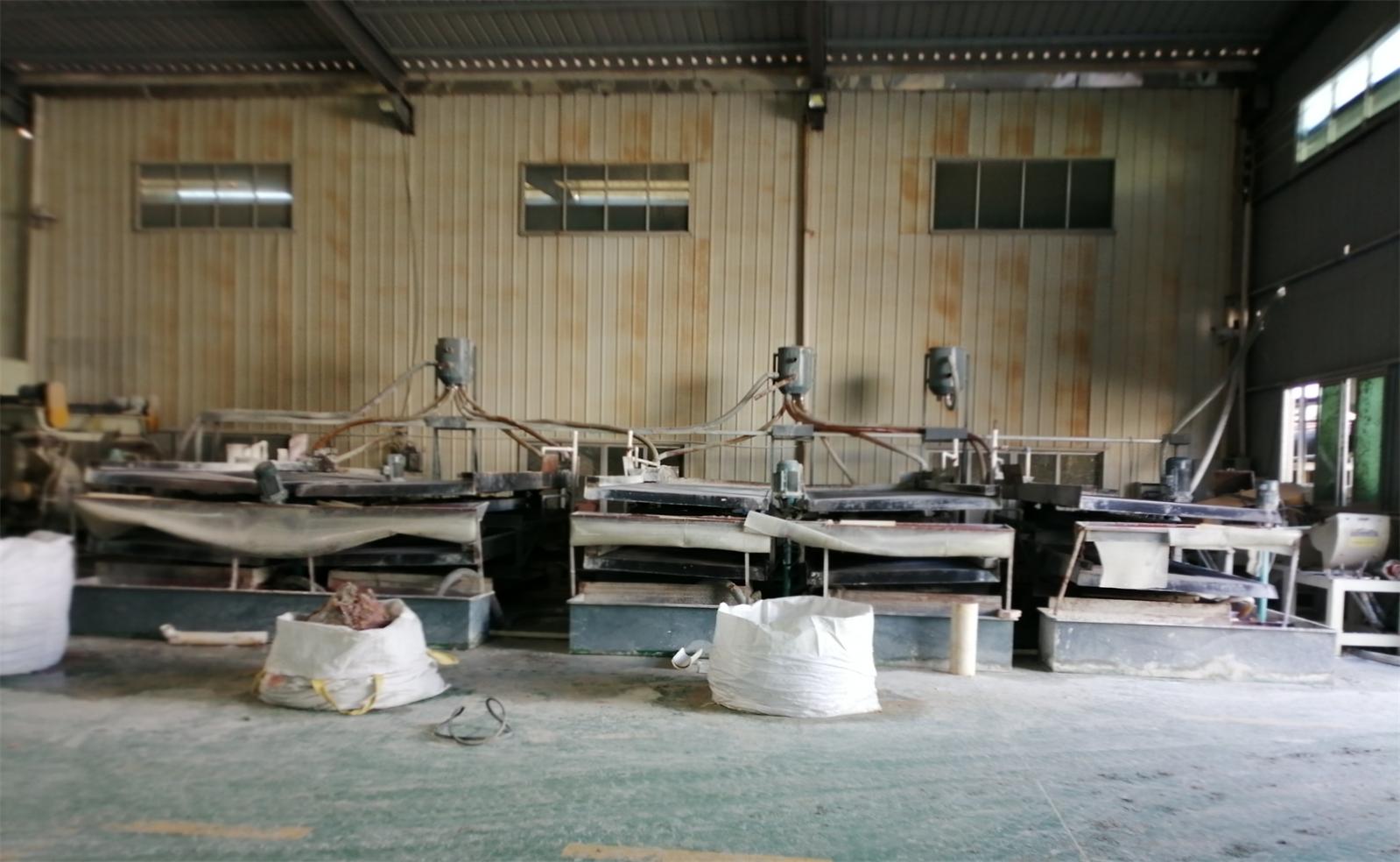
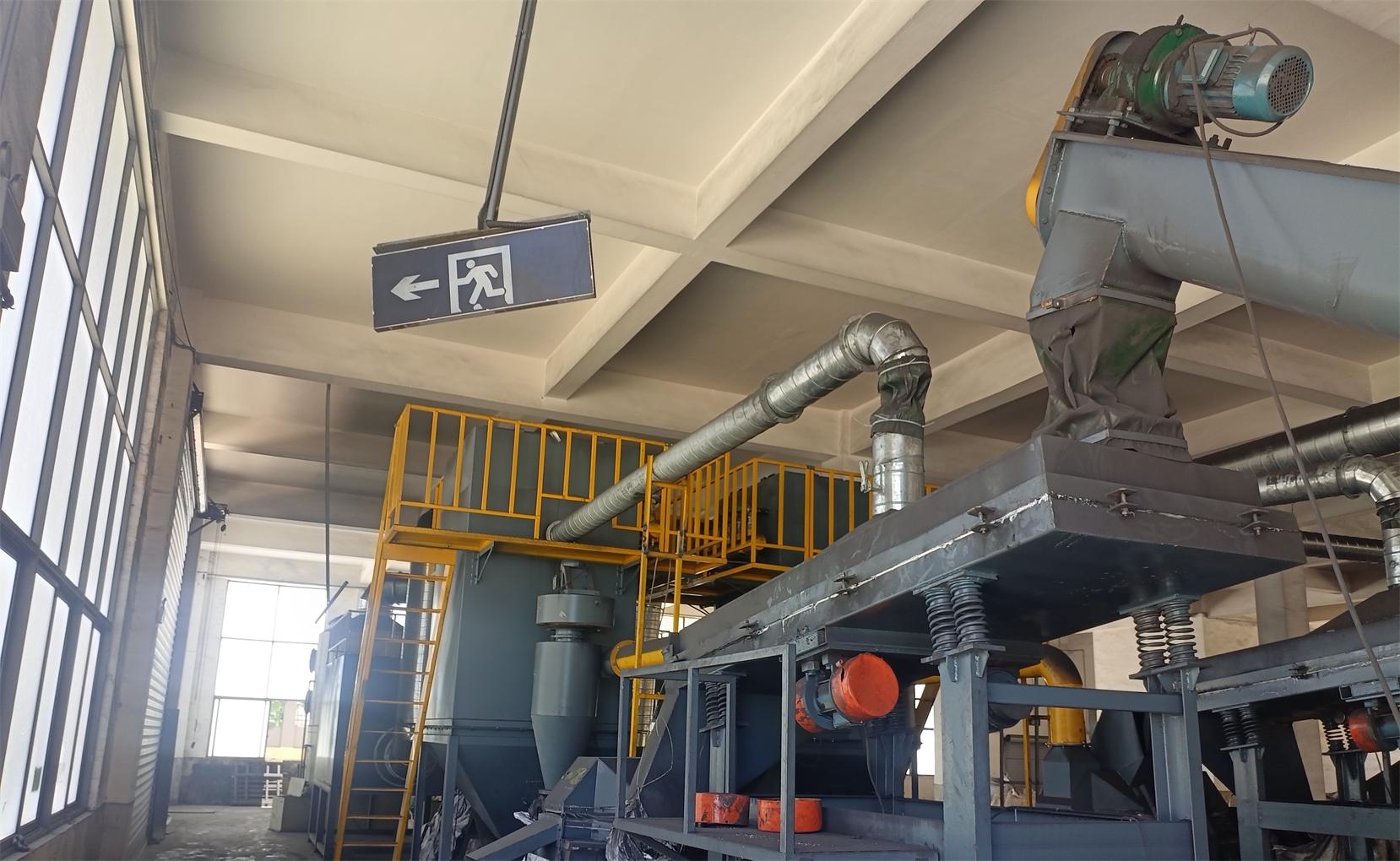
Material Separation Systems
Hydro-separation works optimally with batteries containing polypropylene cases and lead plates within standard thickness ranges.
Electrolyte Management
Machines neutralize acids automatically but become inefficient with frozen electrolytes or non-standard additives.
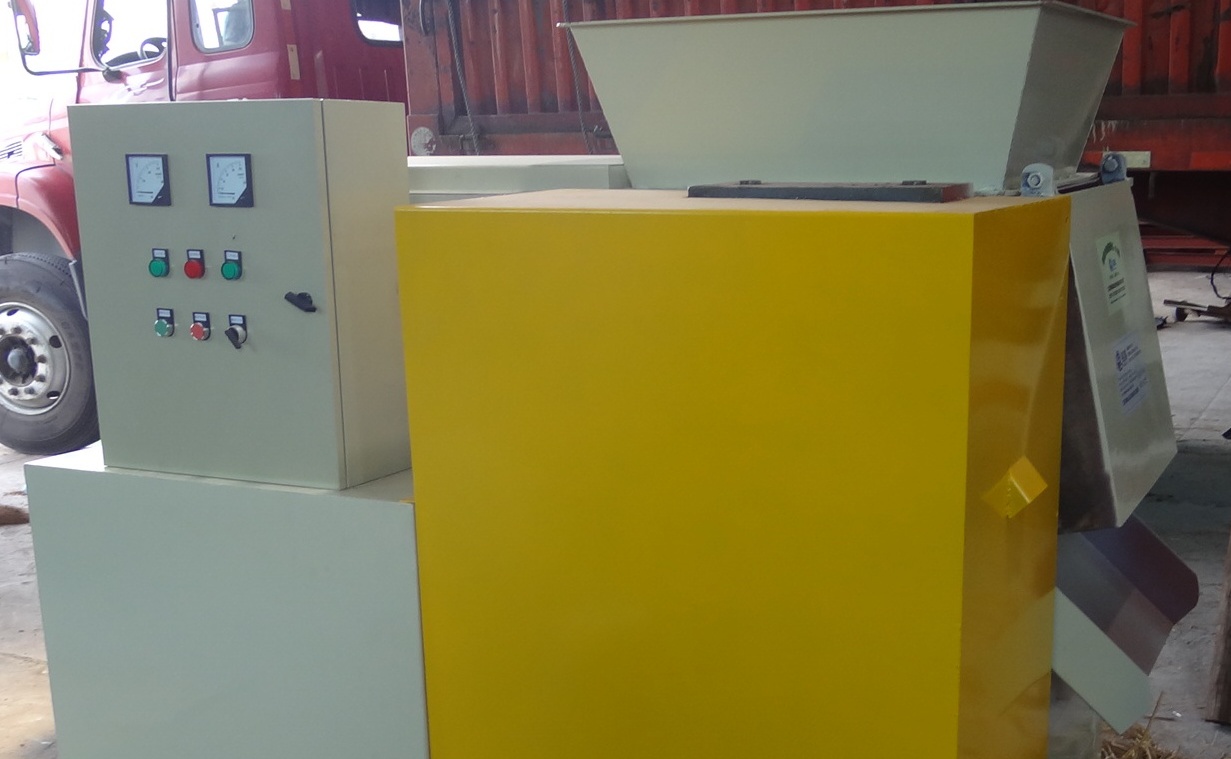
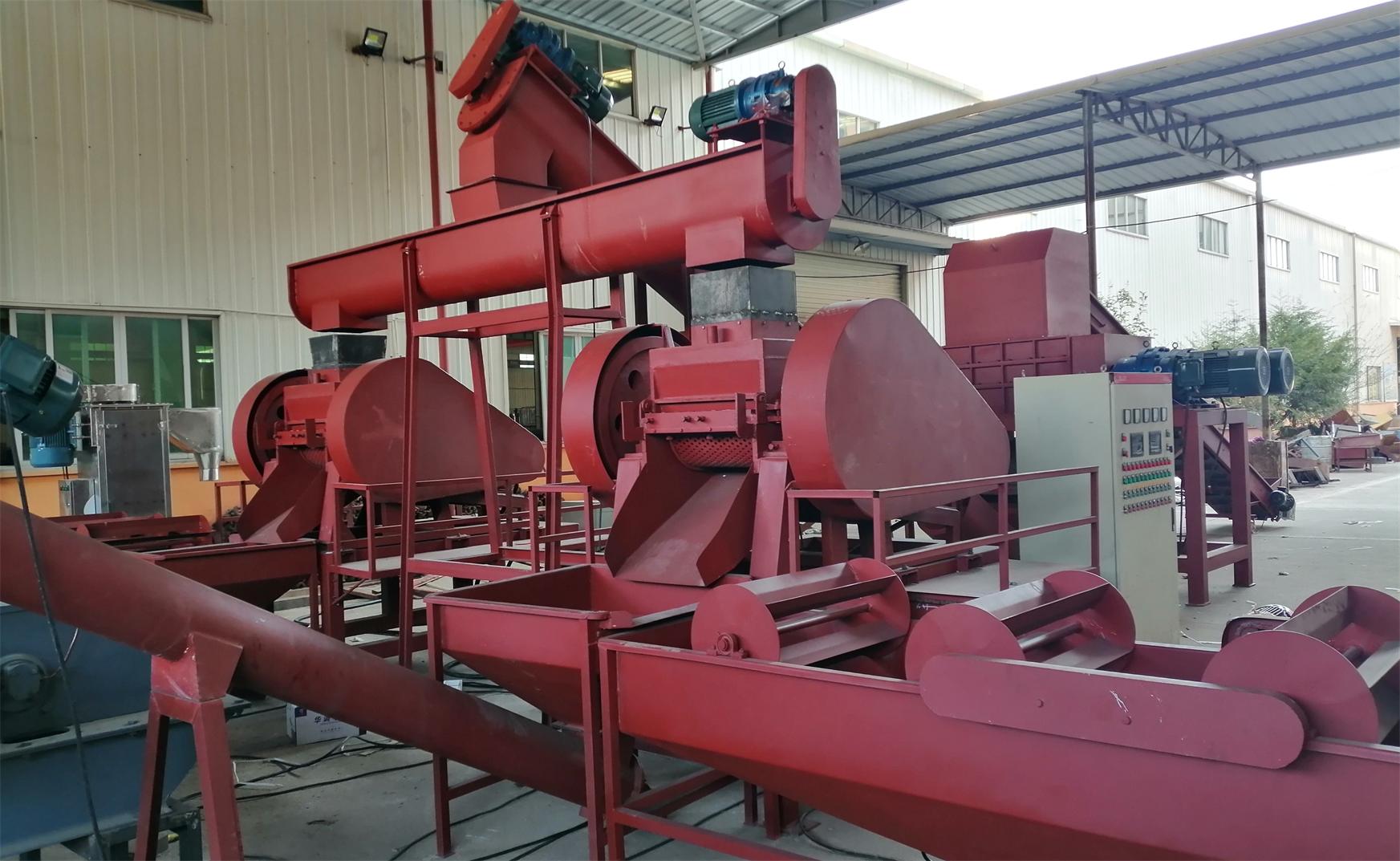
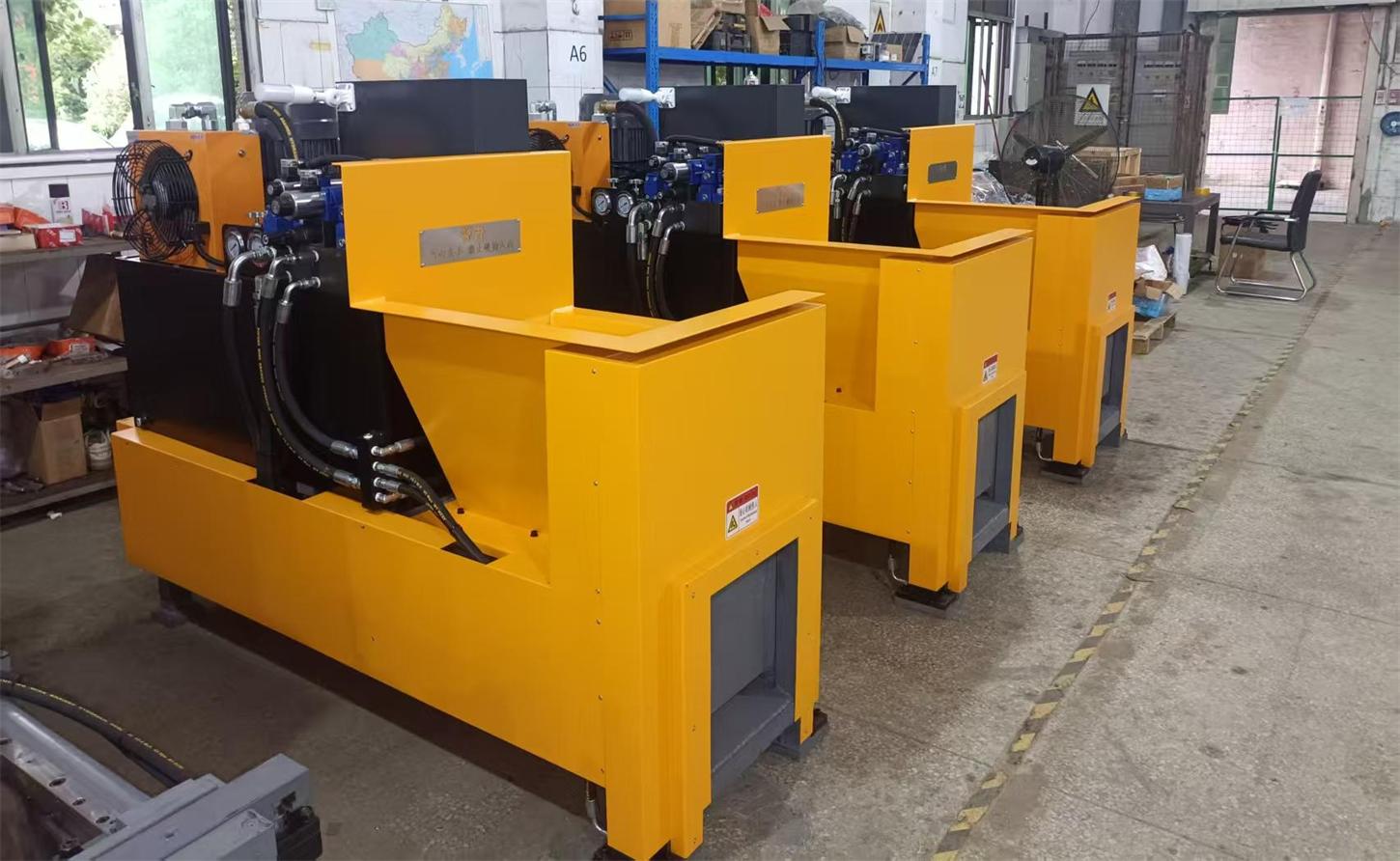
Modern battery recycling equipment has evolved to handle these variations, with leading manufacturers in China and Europe developing specialized models that integrate features like hydraulic presses and material analysis sensors to accommodate a broader range of waste batteries while maintaining high recovery rates.
Why Specifications Matter for Safety & Efficiency
Ignoring battery specifications doesn't just reduce efficiency – it creates tangible hazards:
According to a recent industry safety report, 37% of recycling facility accidents stem from processing batteries that violated equipment specifications. From hydrogen explosions caused by improperly vented batteries to lead dust releases from damaged casings, the risks are very real.
The Environmental Impact
Properly spec'd batteries processed in compliant equipment achieve:
- 98%+ lead recovery rates
- 95%+ polypropylene recycling
- Nearly 100% sulfuric acid reuse
Economic Realities
Recycling plants operate on razor-thin margins where efficiency directly impacts viability. Processing out-of-spec batteries can increase processing costs by 20-35%.
The Future: Evolving Equipment Requirements
As battery technology advances, recycling equipment must adapt:
Lithium Blend Challenges
Hybrid vehicles bring lead-acid and lithium batteries in single units – current equipment can't safely separate these.
Smart Battery Technology
Battery monitoring systems must now be removed before processing – creating new workflow requirements.
Material Innovations
New case materials like ABS plastics require different temperature settings during separation.
Leading manufacturers like San Lan are developing adaptable systems with features like optical sorting technology and modular crushers that can be reconfigured for different battery types without requiring full equipment replacement.
Practical Guidelines for Battery Preparation
To ensure your batteries meet recycling equipment requirements:
- Keep cases intact: Don't break batteries open before delivery
- Prevent freezing: Store in temperatures above 0°C/32°F
- Group by type: Separate automotive from deep-cycle batteries
- Remove non-metallic attachments: Plastic housings, labels, and rubber pads
- Drain excess fluid: But keep electrolyte in the battery cells
"The future belongs to recycling operations that master the specification challenge," notes a materials recovery expert. "We're seeing innovation in two directions: smarter equipment that can handle variations, and better pre-processing that standardizes battery inputs."
Conclusion: A Balanced Approach
While battery recycling equipment does indeed have strict requirements for waste battery specifications, this constraint serves important purposes:
- Ensures operational safety for workers
- Maximizes material recovery efficiency
- Maintains compliance with environmental regulations
- Makes lead-acid battery recycling economically viable
The key takeaway? These requirements aren't arbitrary barriers but necessary guardrails that enable the remarkable recycling success story of lead-acid batteries. As battery technology evolves, so will recycling equipment - but the fundamental need for standardization will remain.
Recycling operators, battery retailers, and consumers all play crucial roles in this ecosystem. By understanding and respecting equipment requirements, we collectively ensure that nearly every lead-acid battery completes its circular journey from use to reuse.